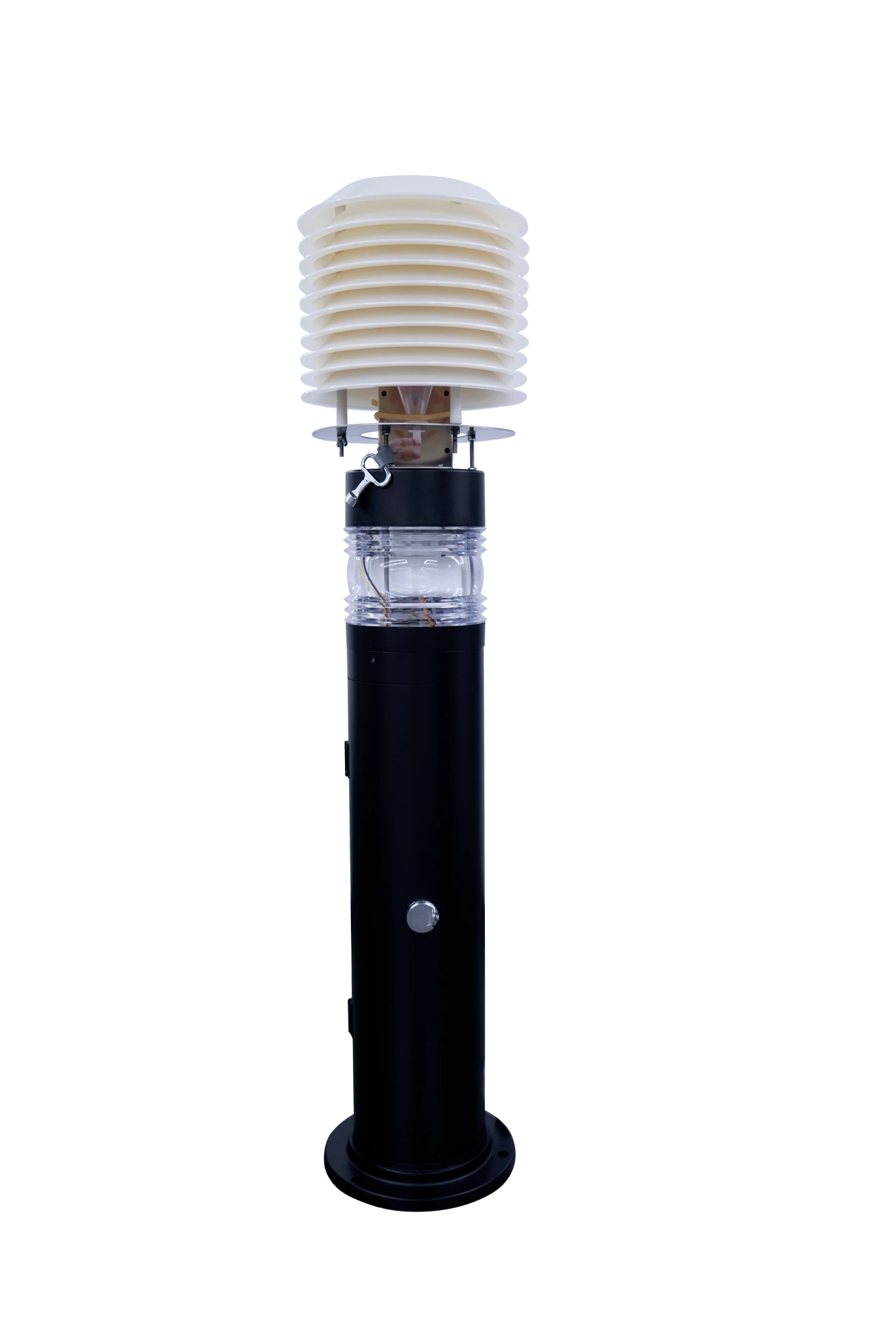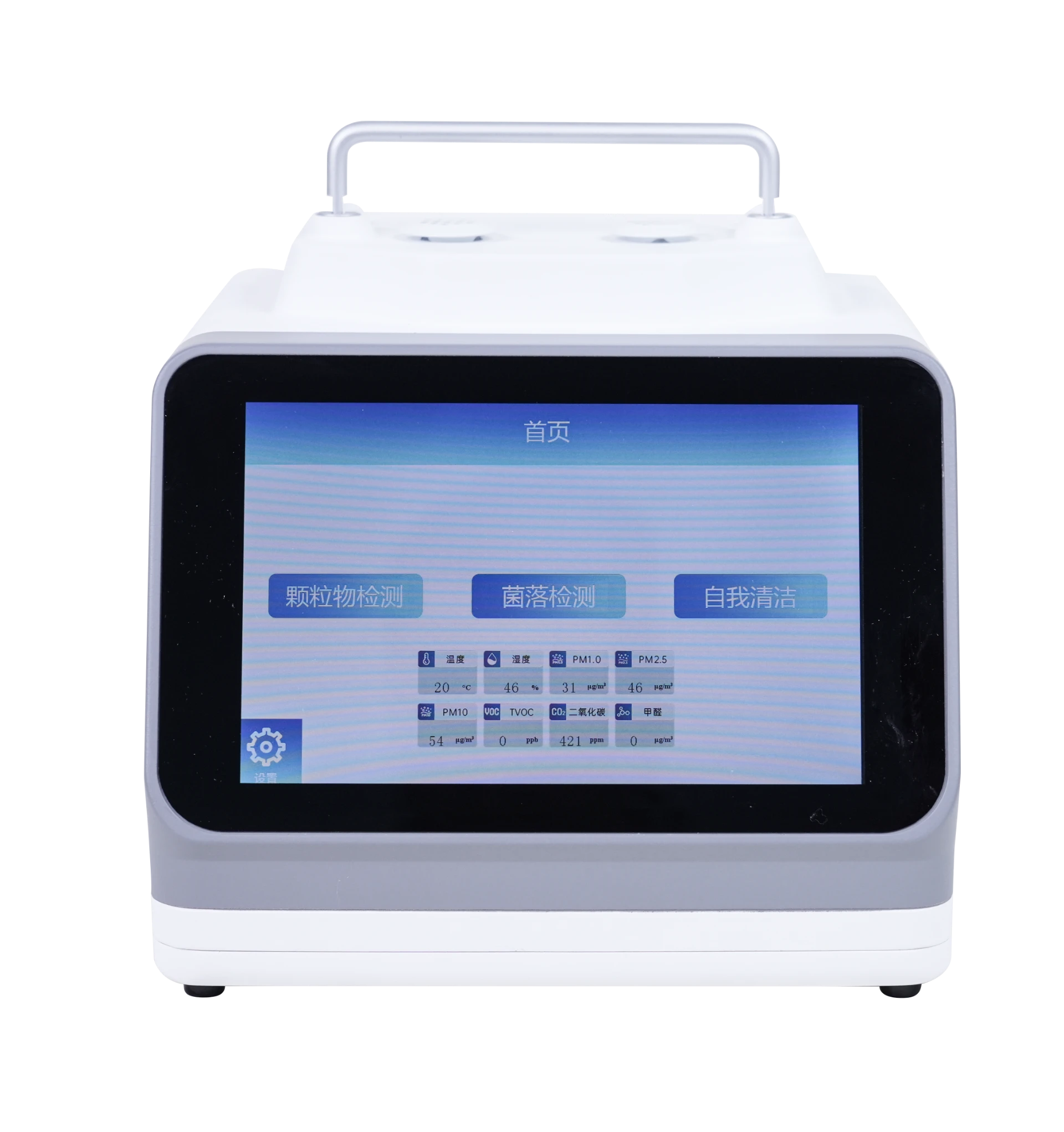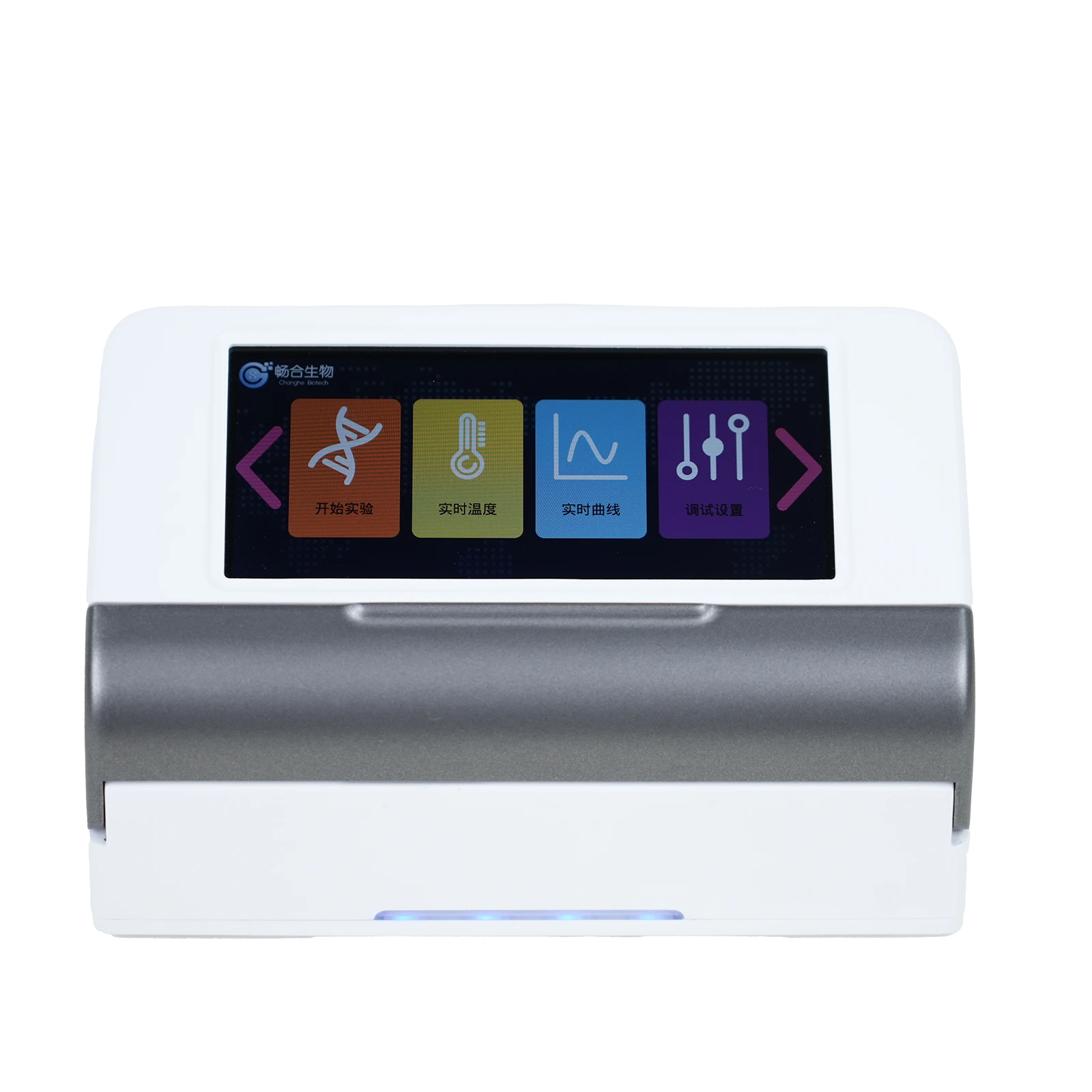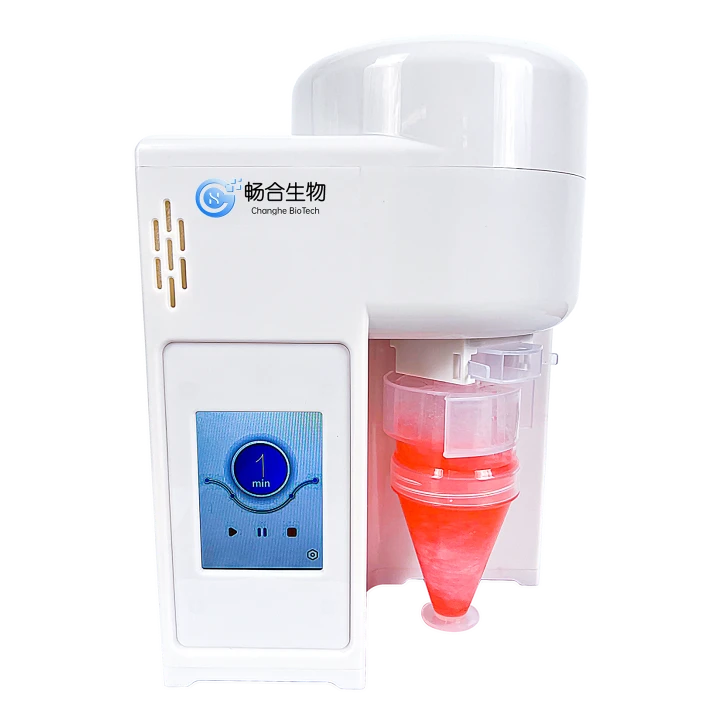

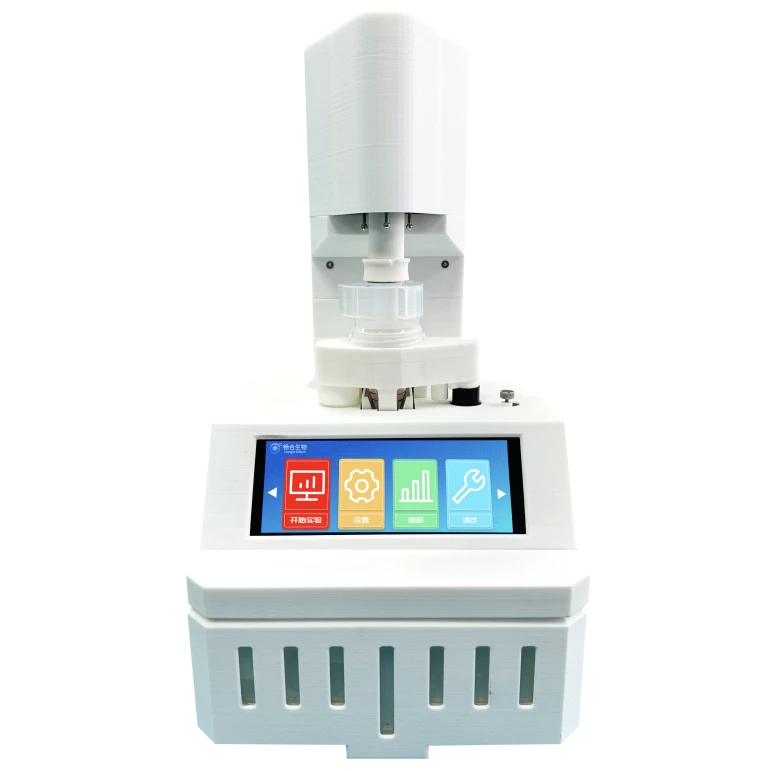
ASTF1 Bioaerosol Sampler Detection Device China Factory Suppliers
Product Overview
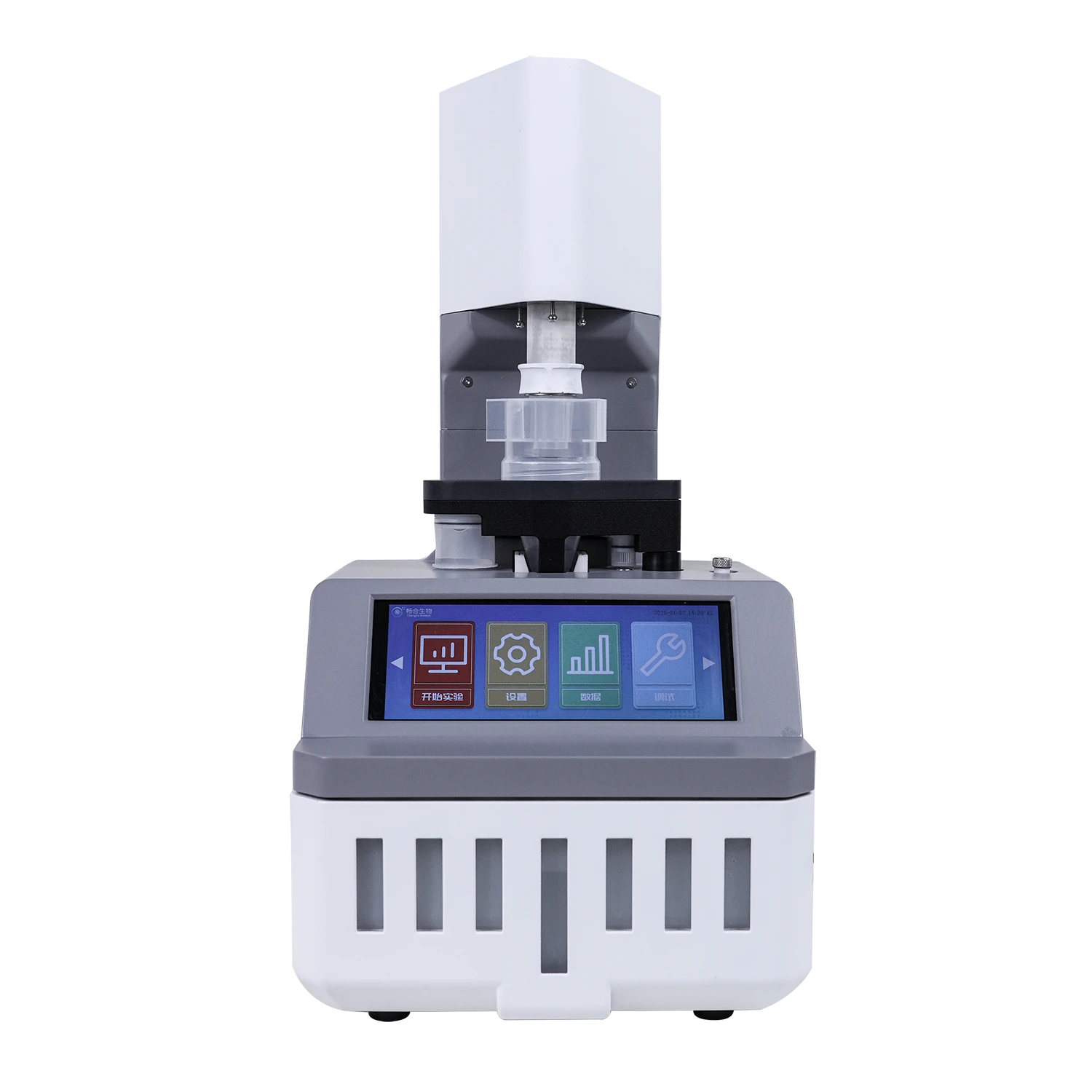
The Bioaerosol Sampler & Detection Device (Model ASTF-1) is a professional-grade, integrated solution designed for high-precision biological monitoring. By combining high-flow wet-cyclone sampling with automated nucleic acid extraction and PCR detection, this system provides an end-to-end workflow for identifying airborne pathogens in complex environments, ensuring rapid response and rigorous biosecurity control.
Engineered for versatility, the device is deployed across critical sectors including pharmaceutical manufacturing, animal husbandry, hospitals, and public transportation hubs. It is specifically optimized to detect a wide spectrum of zoonotic, swine, ruminant, and poultry diseases, offering a robust defense mechanism against epidemic threats through continuous monitoring and high-efficiency aerosol collection.
Detailed Parameters
| Model | ASTF-1 | Flow Rate | >300L/min |
|---|---|---|---|
| Sampling Technique | Wet-cyclone sampling | Sampling Time | 5 ~ 15 min |
| Collection Efficiency | D50 < 0.6μm; D90 < 1μm | Detection Method | PCR (Fluorescence) |
| Fluorescence Channels | FAM, CY5, ROX, HEX | Power Input | 24V 3A |
| Operating Temp | 5°C - 45°C | Device Weight | 1300g |
Key Advantages
Automated Extraction
Fully automated nucleic acid extraction minimizes human error and reduces contamination risks during the detection process.
High-Flow Efficiency
With a flow rate exceeding 300L/min, the device ensures rapid collection of bioaerosols for time-sensitive detection.
Precision Sampling
Advanced wet-cyclone technology achieves high collection efficiency for particles as small as 0.6μm (D50).
Remote Management
Support for network remote control and real-time data display on a centralized digital platform for seamless monitoring.
Broad Spectrum Detection
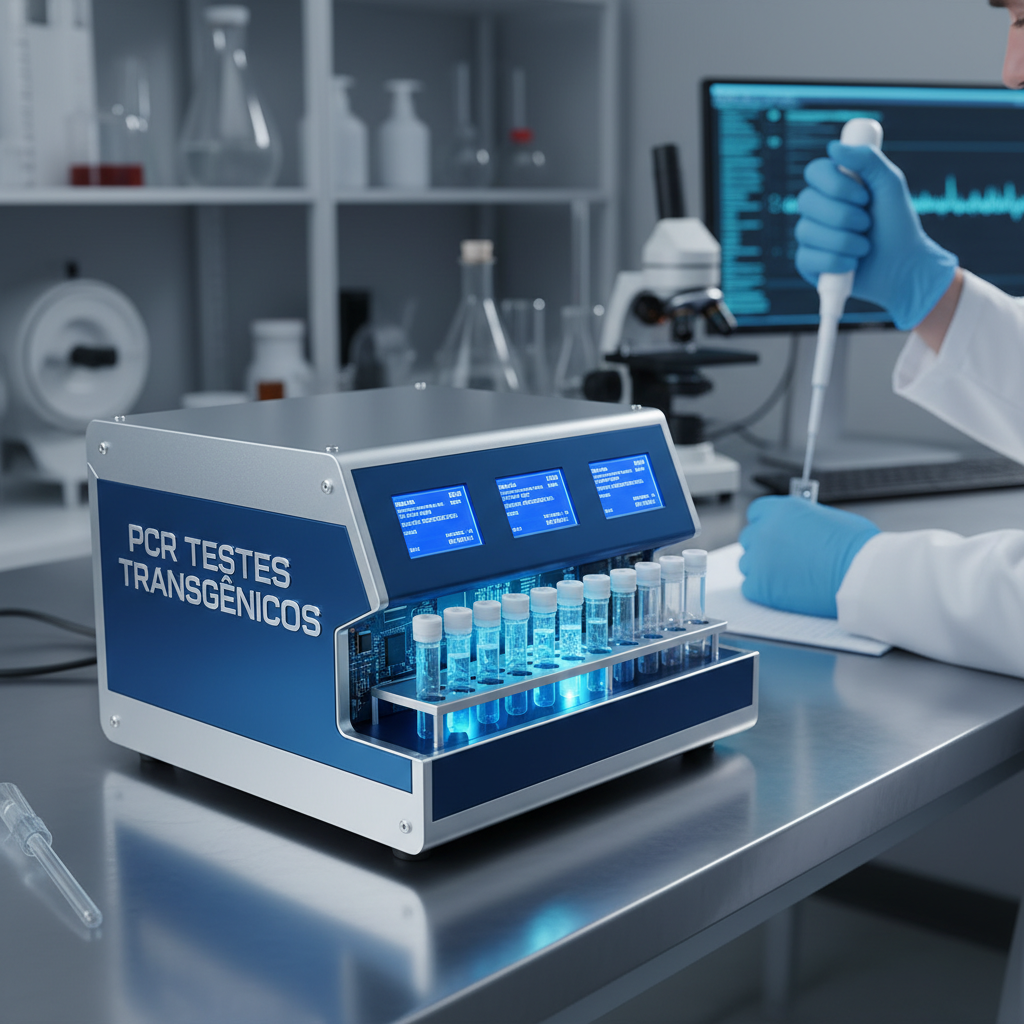
Capable of detecting diverse targets including African Swine Fever, Influenza A, Tuberculosis, and Salmonella.
Sterilization Ready
Supports dry-heat sterilization up to 80°C for 60 minutes, ensuring the highest sanitary standards for medical use.
Product Gallery
Management Platforms
Centralized Data Hub
Integrates all sampling data into a single platform for comprehensive environmental analysis.
Remote Command Center
Start or stop sampling processes remotely via a secure network connection from any location.
Real-time Alerting
Instant notification system for positive detection results to trigger immediate quarantine protocols.
Environmental Tracking
Monitor temperature, humidity, and particulate matter simultaneously with bio-detection.
Multi-Device Sync
Manage a fleet of ASTF-1 devices across different zones (e.g., different barns or hospital wings).
PCR Protocol Config
Easily update detection targets and fluorescence channel parameters via the management software.
Investment Return Comparison
| Evaluation Metric | Traditional Lab Testing | ASTF-1 Integrated System |
|---|---|---|
| Detection Time | 24-72 Hours | Real-time to few hours |
| Labor Requirement | High (Manual Sampling) | Low (Fully Automated) |
| Response Speed | Reactive (Post-outbreak) | Proactive (Early Warning) |
| Operating Cost | High per-sample cost | Lower long-term cost |
| Risk Mitigation | Moderate | Maximum (Continuous Monitoring) |
Frequently Asked Questions
The device is ideal for pharmaceutical plants, animal husbandry (swine and poultry farms), hospitals, food manufacturing facilities, and high-traffic public areas like airports or stadiums where early pathogen detection is critical.
Wet-cyclone sampling effectively captures airborne particles by using centrifugal force to concentrate them into a liquid medium, preserving the integrity of the RNA/DNA for more accurate PCR detection.
Yes, utilizing four fluorescence channels (FAM, CY5, ROX, HEX), the system can be configured to detect various targets across different species, including zoonotic and agricultural diseases.
The device is designed to operate within a temperature range of 5°C to 45°C and includes sensors for monitoring ambient temperature and humidity to ensure stable operation.
The ASTF-1 supports dry-heat sterilization at temperatures up to 80°C for 60 minutes, and utilizes single-use consumables to prevent cross-contamination.
Through a network-enabled data platform, administrators can remotely trigger the start and stop of sampling cycles and view real-time environmental and detection data from a remote dashboard.