Top Portable PCR Machine Manufacturers for Bioaerosol Detection
Achieving precise molecular detection in field environments requires a seamless integration of air sampling and nucleic acid amplification. For professionals in animal husbandry and pharmaceutical manufacturing, the ability to transition from ambient air monitoring to a definitive diagnostic result is critical for biosafety. Changhe Biotech addresses this need by providing an integrated ecosystem that combines high-volume bioaerosol sampling with portable Mini PCR technology, streamlining the path from pathogen capture to identification.
By leveraging wet-cyclone technology for efficient particle collection and rapid POCT (Point-of-Care Testing) equipment, organizations can now implement real-time environmental pathogen monitoring. This approach reduces the dependency on centralized laboratories and minimizes the risk of sample contamination during transport, ensuring that livestock and pet health diagnostics are conducted with maximum speed and accuracy.

Precision Bioaerosol Capture Through Advanced Wet-Cyclone Technology
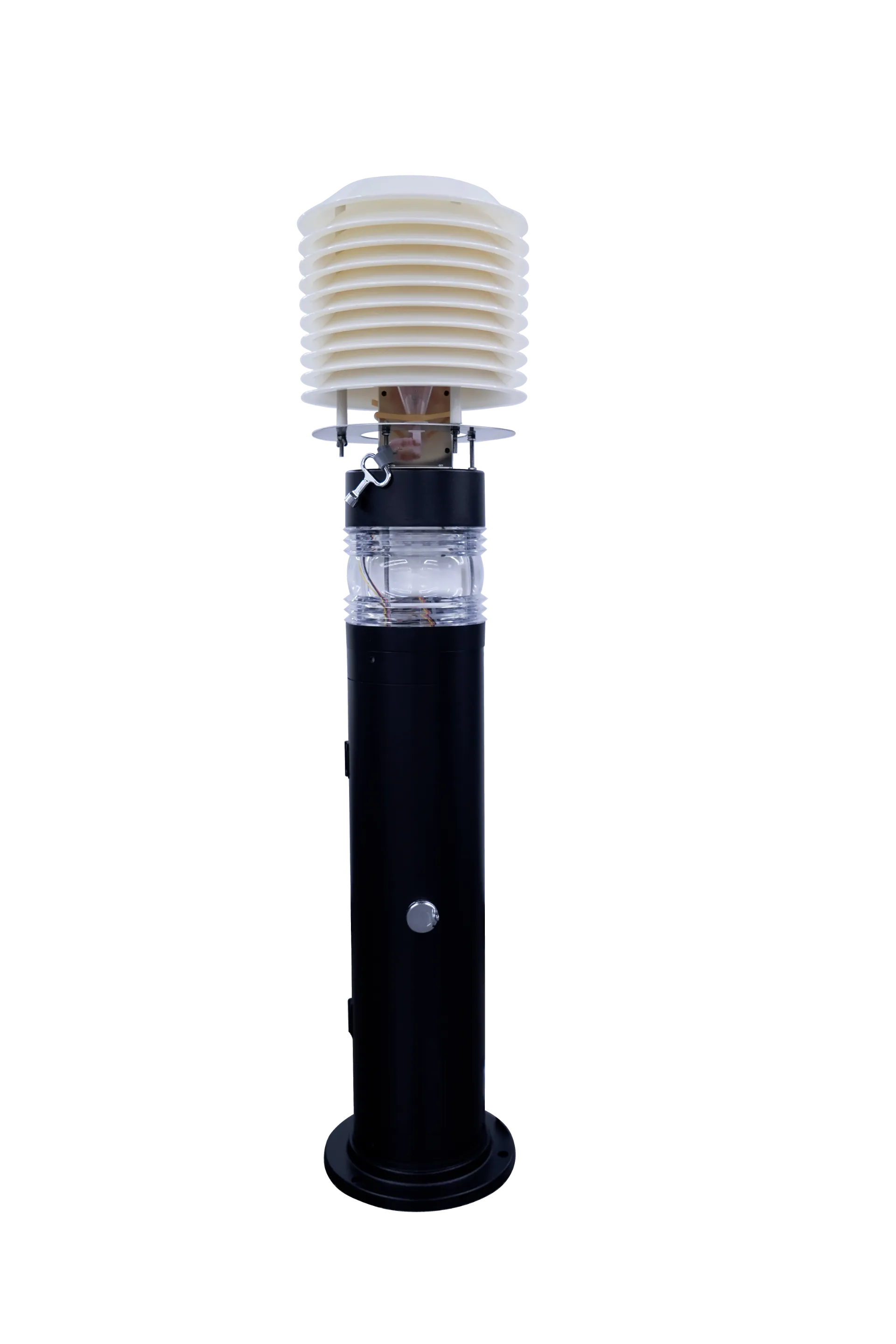
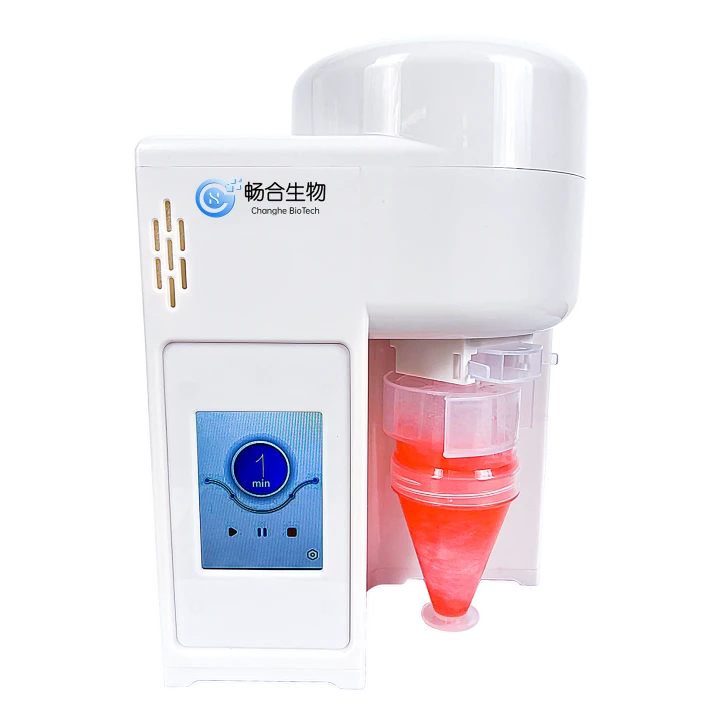
Effective pathogen detection begins with the ability to concentrate airborne microorganisms from large volumes of air. The LCA-1-300 utilizes a specialized wet-cyclone technique (impact method), which is designed to capture particles as small as 0.8μm with high efficiency. Unlike dry filtration, the wet-cyclone method maintains the viability of the collected bioaerosols by trapping them in a liquid medium, which is essential for subsequent PCR amplification.
This system is engineered for durability and versatility, allowing for continuous operation for up to 48 hours. This capacity is vital for identifying intermittent contamination events that a single snapshot sample might miss. With adjustable flow rates ranging from 150L/min to 300L/min, users can optimize the sampling volume based on the specific environment—whether it is a controlled pharmaceutical cleanroom or an open-air livestock facility.
- Continuous Monitoring: Supports 24/7 operation to ensure no contamination window is missed.
- Environmental Adaptability: Specifically designed to operate in field conditions without fear of wind or rain.
- Automated Workflow: One-click operation reduces human error during the sampling phase.

Integrating Portable Mini PCR for Rapid On-Site Diagnostics
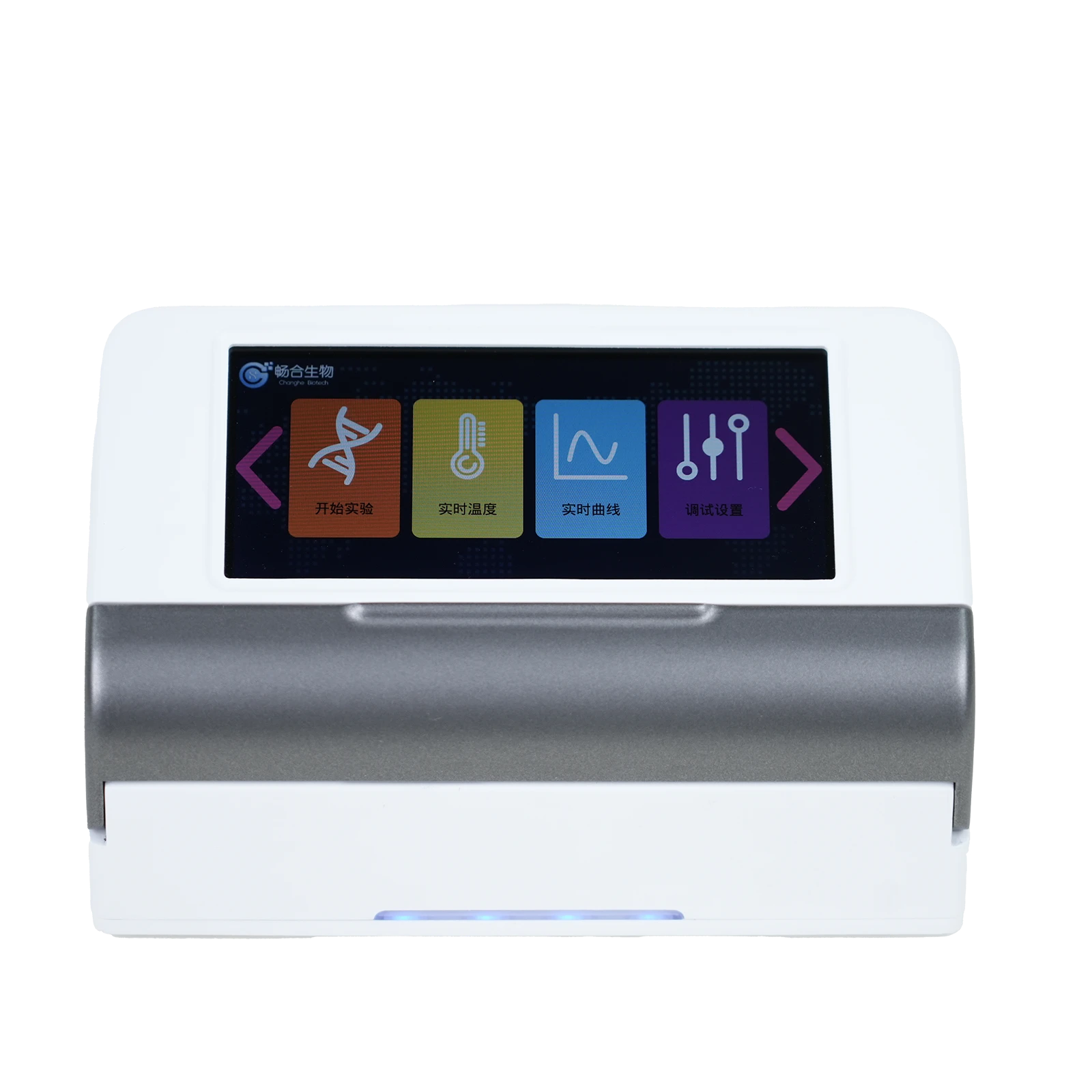
Once bioaerosols are captured, the transition to nucleic acid detection must be rapid to be clinically relevant. Portable Mini PCR equipment transforms the diagnostic process by bringing the laboratory to the sample. This is particularly critical for detecting swine flu in livestock or viral aerosols in exhibition venues, where immediate corrective actions are required to prevent a wider outbreak.
The synergy between a bioaerosol sampler and a Mini PCR machine allows for a closed-loop monitoring system. By utilizing specialized reagents designed for livestock and pet nucleic acid detection, users can achieve high sensitivity and specificity. This integrated solution eliminates the "transport lag," ensuring that the biological integrity of the sample is preserved from the moment of capture to the moment of amplification.
Furthermore, the compact design of these devices makes them ideal for POCT applications in hospitals, laboratories, and rail transit hubs. The user-friendly interface allows non-specialists to run complex molecular tests, provided they follow the predetermined sampling and amplification protocols.
Diversified Application Scenarios in Biosafety and Pathogen Control
The application of high-volume air sampling and portable PCR extends across multiple high-stakes industries. In animal husbandry, the system is deployed for the early detection of swine flu and other zoonotic diseases, protecting livestock assets. In pharmaceutical manufacturing, it serves as a critical tool for maintaining sterile environments by monitoring for mold, fungus, and other airborne contaminants that could compromise product purity.
Public spaces also benefit from this technology. Shopping malls, offices, classrooms, and stadiums utilize these devices to monitor ambient air quality and detect viral aerosol concentrations. Because the equipment is portable and can operate on battery power in some configurations, it can be easily moved between different zones of a facility to map contamination hotspots.
In research settings, the ability to perform high-volume sampling increases the likelihood of capturing low-concentration pathogens, providing researchers with a more accurate representation of the microbial landscape in a given environment.
Technical Specifications and Operational Parameters
| Parameter | LCA-1-300 Specification | Operational Range | Performance Metric |
|---|---|---|---|
| Air Flow Rate | Low 150L/min / High 300L/min | Adjustable | High-Volume Capture |
| Particle Size | ≥ 0.8μm | Wide Spectrum | High Efficiency |
| Operation Time | Up to 48 Hours | Continuous | 24/7 Monitoring |
| Power Input | 24V 3A Adapter | Stable Supply | Industrial Grade |
| Temp/Humidity | 4℃~60℃ / ≤ 98%RH | Field-Ready | Extreme Environment |
Evaluating Supplier Capabilities for Molecular Diagnostic Equipment
When sourcing equipment for bioaerosol monitoring and PCR testing, procurement managers must look beyond basic specifications. The reliability of the data depends on the integration of the sampler, the extraction machine, and the amplification unit. A manufacturer that provides an integrated solution—including the R&D of specific detection reagents—offers a significant advantage in terms of system compatibility and validation.
Quality assurance is paramount in medical and diagnostic equipment. Buyers should evaluate the manufacturer's adherence to international standards such as ISO and CE. The ability to provide comprehensive data logging and cloud-based integration is also a key differentiator, as it allows for the creation of a historical record of air quality, which is often required for regulatory compliance in pharmaceutical and hospital settings.
Moreover, the level of technical support for reagent optimization can determine the success of the deployment. Since different pathogens require different primers and probes, a supplier with a professional research project team can tailor the diagnostic process to the specific needs of the client, whether it is for canine PCR tests or industrial mold inspection.
Future Trends in Environmental POCT and Pathogen Monitoring
The trajectory of environmental biosafety is moving toward fully autonomous, real-time detection systems. We are seeing a shift from manual sampling and laboratory analysis toward "smart" samplers that can trigger PCR amplification automatically upon the detection of a certain particle threshold. This will further reduce response times from hours to minutes, potentially preventing outbreaks before they escalate.
As the demand for accessible molecular diagnostics grows, the role of portable Mini PCR machines will expand. We expect to see deeper integration with IoT (Internet of Things) frameworks, where multiple sampling nodes across a city or a large farm communicate with a central dashboard, providing a real-time heat map of airborne pathogens. This systemic approach to biosafety will be essential for future pandemic preparedness.
For procurement professionals, the focus will likely shift toward "total cost of ownership," balancing the initial investment in hardware with the long-term efficiency of streamlined, on-site diagnostic workflows that reduce laboratory overhead and sample loss.
Frequently Asked Questions About Bioaerosol Sampling and PCR
What is the advantage of wet-cyclone sampling over filter-based sampling?
Wet-cyclone sampling collects bioaerosols into a liquid medium, which prevents the microorganisms from drying out or becoming stressed. This preserves the biological integrity of the sample, making it significantly easier to extract nucleic acids for PCR amplification compared to recovering samples from a dry filter.
Can the LCA-1-300 be used in outdoor environments with varying weather?
Yes, the device is specifically designed to be adaptable for field use. It is built to withstand wind and rain, making it suitable for long-term deployment in animal husbandry farms or other outdoor industrial sites.
How does the Mini PCR machine facilitate on-site testing?
The Mini PCR machine is portable and compact, allowing users to perform nucleic acid amplification directly at the sampling site. This eliminates the need to transport samples to a remote lab, thereby speeding up the diagnosis and reducing the risk of sample degradation.
What is the typical particle size captured by the bioaerosol sampler?
The system is designed to capture particles with a size of 0.8μm or larger, which covers the vast majority of bacteria, fungi, and viral-laden droplets found in ambient air.
Which industries most commonly utilize these integrated sampling and PCR solutions?
The most common users are in animal husbandry (for swine and pet health), pharmaceutical manufacturing (for cleanroom monitoring), and public health agencies monitoring exhibition venues, hospitals, and transit hubs.
What considerations are most important when choosing a supplier for this equipment?
Buyers should prioritize suppliers who provide an integrated solution (sampler + PCR + reagents), hold ISO/CE certifications, and have a dedicated R&D team capable of developing custom reagents for specific target pathogens.
Technical References and Industry Standards
- ISO International Standards for Environmental Monitoring
- PubMed: Research on Bioaerosol Sampling Techniques
- World Health Organization (WHO) Biosafety Guidelines
- CDC Guidelines for Environmental Pathogen Detection
Integrating high-efficiency sampling with portable molecular diagnostics is the most effective way to manage environmental biosafety. Whether you are protecting livestock or ensuring pharmaceutical purity, the right combination of hardware and reagents is key to actionable intelligence.
Related Technical Solutions