
Advanced bio detection systems for Argentina Healthcare Infrastructure

Deploying high-precision medical diagnostic and monitoring technologies to safeguard public health across Argentina's diverse climatic zones.

Advanced bio detection systems for Argentina Healthcare Infrastructure

Our comprehensive solution integrates cutting-edge biological detection capabilities to identify airborne pathogens in real-time, tailored specifically for the medical and industrial diagnostic requirements of the Argentinian market.

Current State of Biological Monitoring in Argentina

Analyzing the intersection of healthcare diagnostics and environmental challenges in South America.

Argentina faces a unique challenge in medical device deployment due to its vast geographical diversity, from the humid subtropical regions of the North to the cold Patagonian South. In the realm of bio detection, current infrastructure often relies on delayed laboratory cultures, which creates a critical gap in rapid response for respiratory outbreaks in densely populated urban centers like Buenos Aires.

The local manufacturing sector for medical instruments is evolving, yet there remains a heavy dependence on imported bio detection systems. The economic volatility in Argentina has led to a demand for equipment that balances high-end diagnostic precision with long-term operational cost-efficiency and robustness against local power fluctuations.

Furthermore, the rise of zoonotic diseases in rural agricultural zones has prioritized the need for portable bio detector technology. Integrating automated monitoring into existing hospital ventilation and clinic diagnostics is now a national priority to prevent nosocomial infections across the provincial health networks.
Evolution of Bio-Diagnostic Technology in Argentina

From manual sampling to automated real-time biological surveillance.

Market Development History

Prior to 2010, biological monitoring in Argentina was primarily reactive, utilizing traditional agar plate sampling and manual microscopy. This era was characterized by slow turnaround times and a lack of standardized protocols for airborne pathogen quantification in clinical settings.

Between 2010 and 2020, the transition toward digital diagnostics began. The introduction of PCR-based methods and improved bioaerosol detection tools allowed for more specific identification of viral and bacterial agents, though these remained confined to high-tier research hospitals in major cities.

Since 2021, the focus has shifted toward "Active Intelligence." The market has moved from periodic sampling to continuous monitoring, integrating IoT and sensor-based biological detection systems that provide instantaneous alerts, reducing the window between exposure and intervention.

Future Development Trends

AI-Driven Pathogen Prediction

Future systems will integrate machine learning to analyze air quality patterns in Argentinian hospitals, predicting potential contamination spikes before they reach critical levels.

Miniaturization of Field Detectors

The trend is moving toward handheld, lab-on-a-chip technology, allowing rural health workers in the Andes or Pampas to perform professional-grade bio-surveillance.

Cross-Sector Integration

We expect a convergence between industrial HVAC monitoring and medical diagnostic standards, creating a unified biological safety shield for public buildings.

Industry Trends and Strategic Outlook

Mapping the trajectory of diagnostic equipment for the next five years.

Real-time Quantification
Shifting from qualitative "presence/absence" to precise quantitative analysis of bio-particles per cubic meter.
Cloud-Based Surveillance
Centralized monitoring dashboards allowing the Ministry of Health to track bio-risks across different provinces.
Autonomous Sampling
Robotic air sampling units that automatically activate upon detecting anomalous organic signatures.
Multi-Pathogen Arrays
Single-sensor arrays capable of differentiating between bacteria, fungi, and viruses simultaneously.

Industry Outlook

Driven by Google search trends indicating an increase in "preventative healthcare technology" and "airborne infection control" within the Southern Cone, the market is pivoting toward sustainable, low-energy consumption devices. The integration of green energy for remote monitoring stations in rural Argentina is becoming a key competitive advantage.

We anticipate that within 3-5 years, the regulatory framework in Argentina will mandate continuous biological air monitoring for all Level 3 biosafety labs and oncology wards, creating a surge in demand for certified industrial-grade monitoring hardware.

Localized Application Scenarios in Argentina

Practical deployment of bio-surveillance in diverse Argentinian environments.

01. Buenos Aires Public Hospital Networks

Installation of continuous air sampling systems in high-traffic emergency rooms to detect early signs of seasonal influenza or emerging respiratory pathogens, enabling rapid ward isolation.

02. Patagonia Remote Research Stations

Deployment of ruggedized bio detector units to monitor rare extremophile biological agents in cold climates, ensuring the safety of researchers and the environment.

03. Mendoza Agricultural Biotech Labs

Using precision bioaerosol detection to monitor fungal spores and plant pathogens that could impact the region's critical viticulture and agricultural exports.

04. Rosario Industrial Food Processing Plants

Implementing biological air quality audits in pharmaceutical and food manufacturing cleanrooms to meet international export standards and prevent batch contamination.

05. Córdoba Airport & Transport Hubs

Integrating biological surveillance into HVAC systems of international terminals to create a primary line of defense against the transborder movement of biological threats.

Brand Story

Global Development Journey of Suzhou Changhe Bio-Technology Co., Ltd.

The Foundation of Precision

Established with a mission to eliminate "blind spots" in air microbiology, we focused on the core physics of aerosol capture to ensure no pathogen goes undetected.

Technological Breakthroughs

We engineered proprietary sampling heads that maximize biological recovery rates, solving the industry pain point of sample loss during high-volume air processing.

Expanding Global Reach

Recognizing the diverse needs of South America, we adapted our systems for variable humidity and temperature, enabling deployment in challenging terrains like Argentina.

Commitment to Public Health

Our brand evolved from a hardware provider to a total solution partner, integrating software analytics to help hospitals reduce infection rates globally.

The Future of Bio-Defense

We continue to innovate toward fully autonomous, zero-maintenance monitoring systems, ensuring a safer breathable environment for every community on Earth.

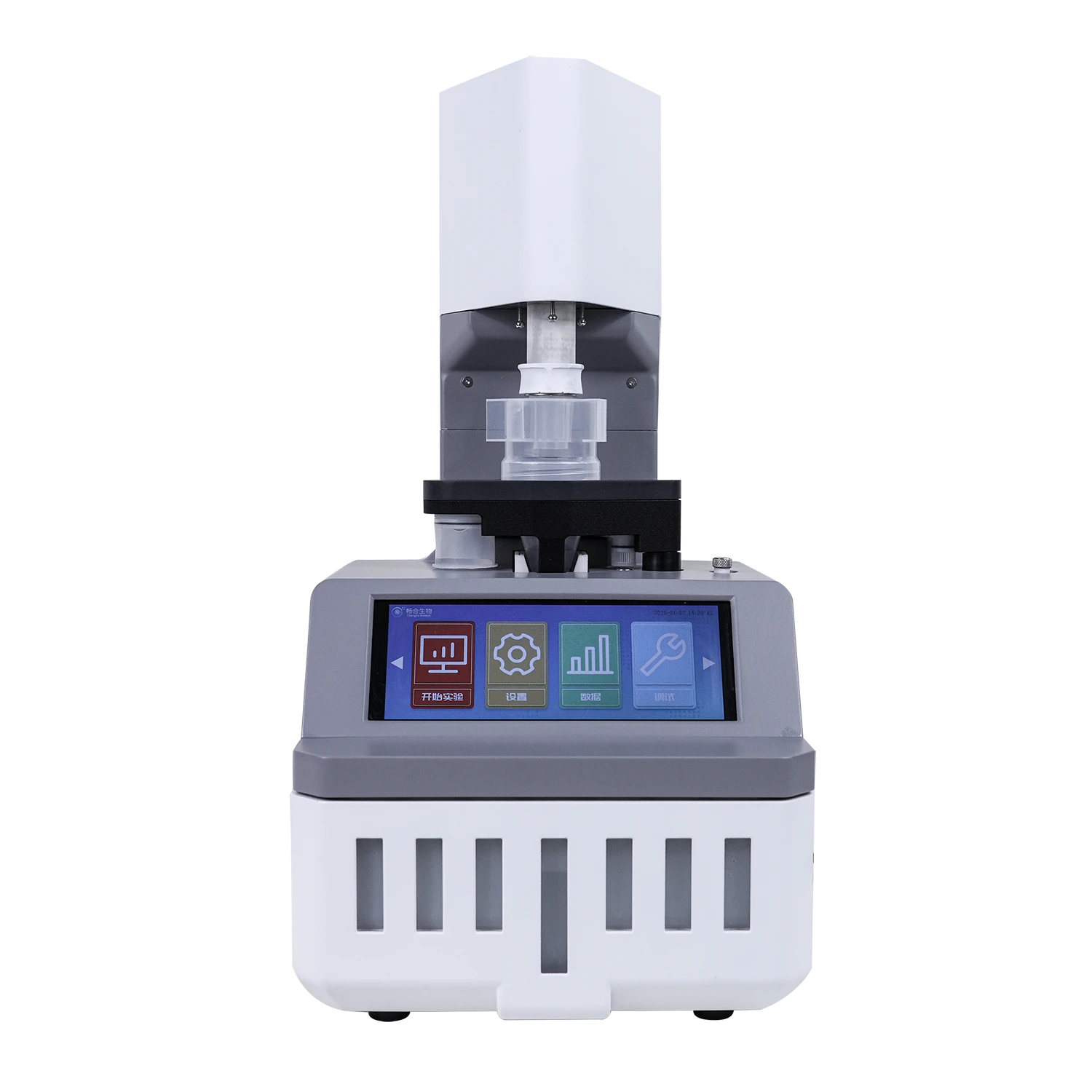
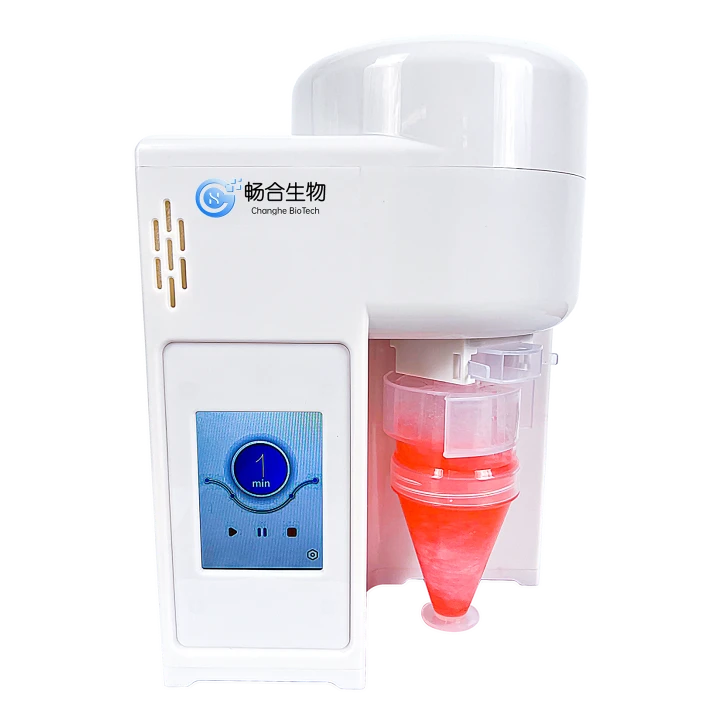
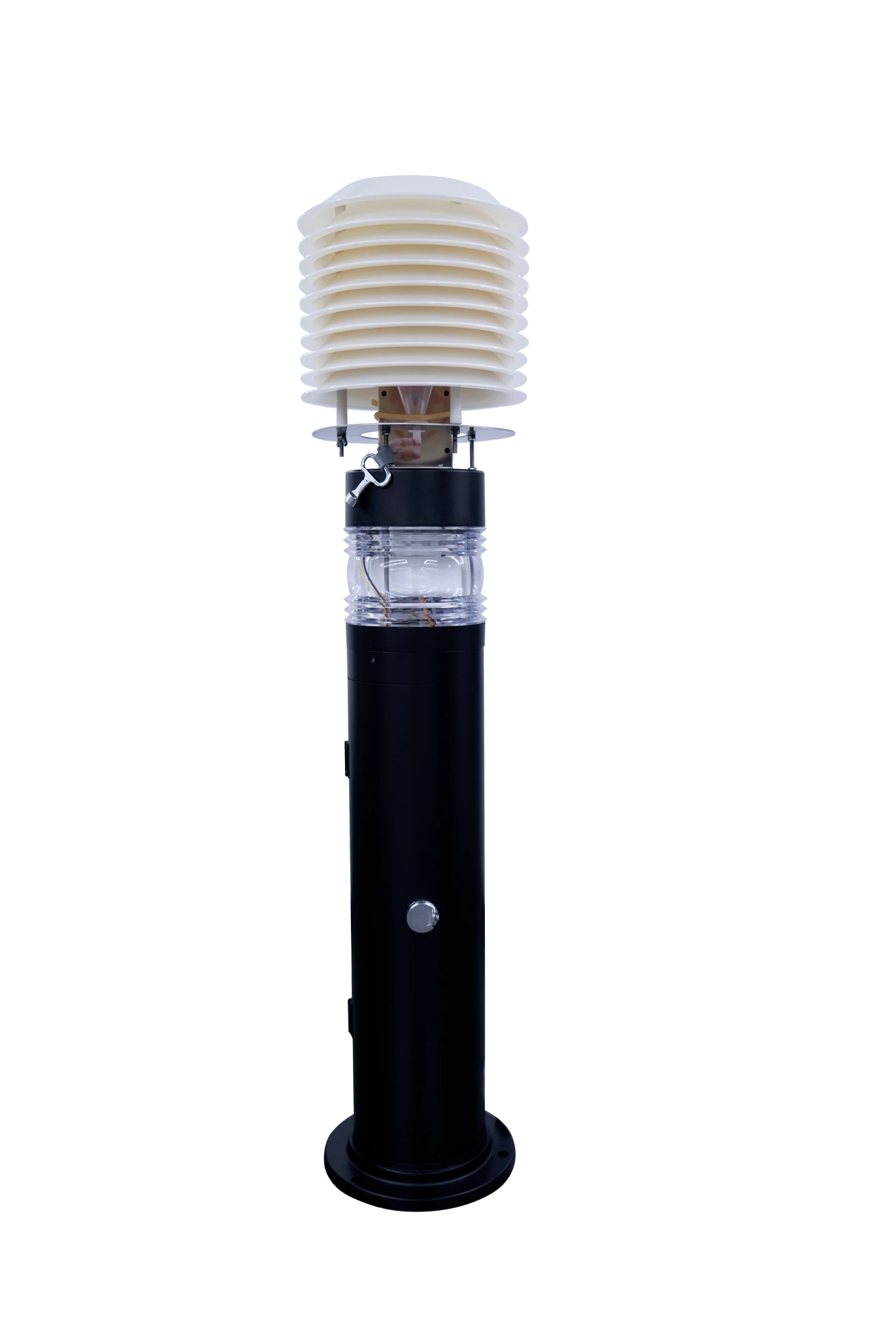
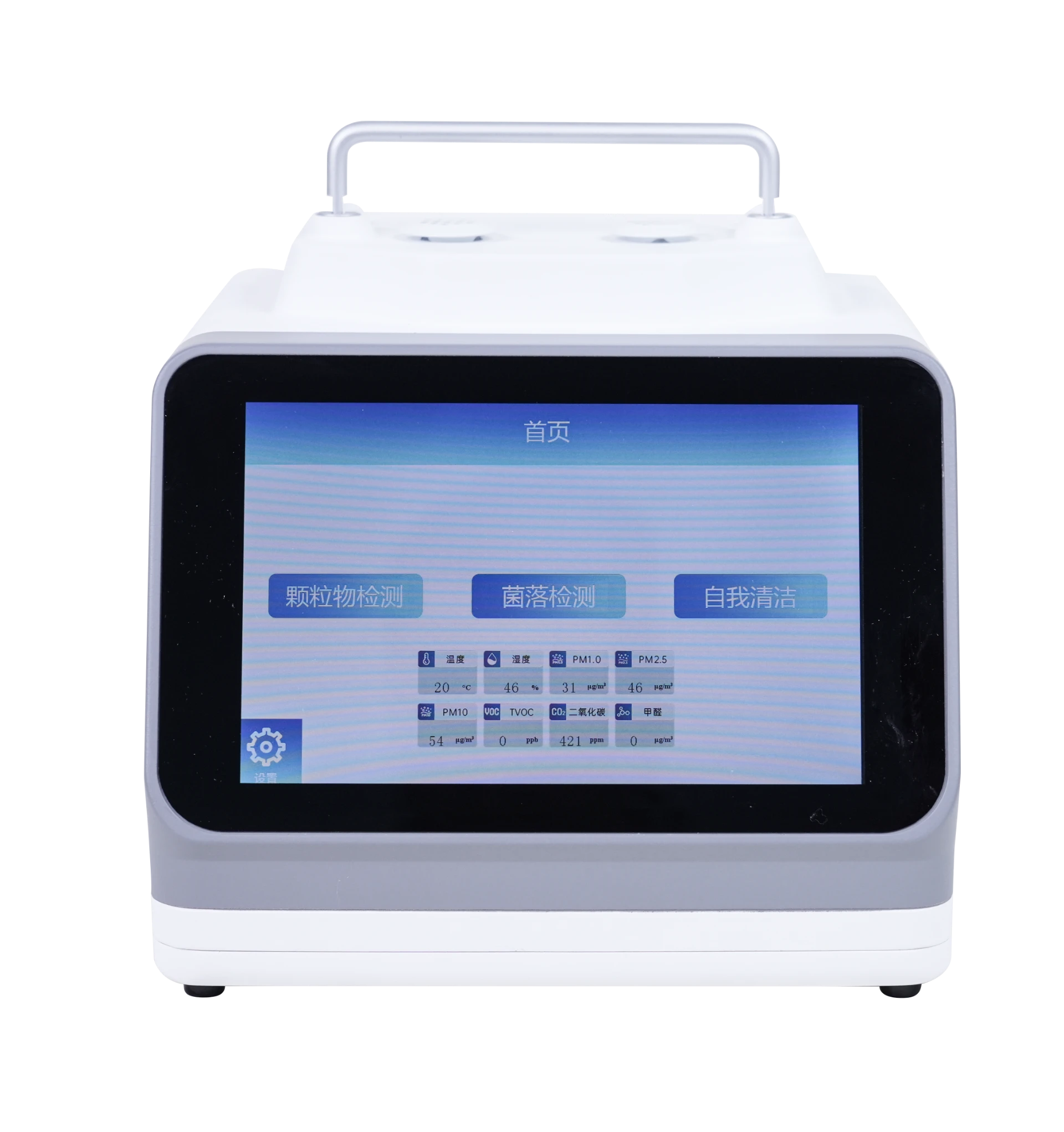
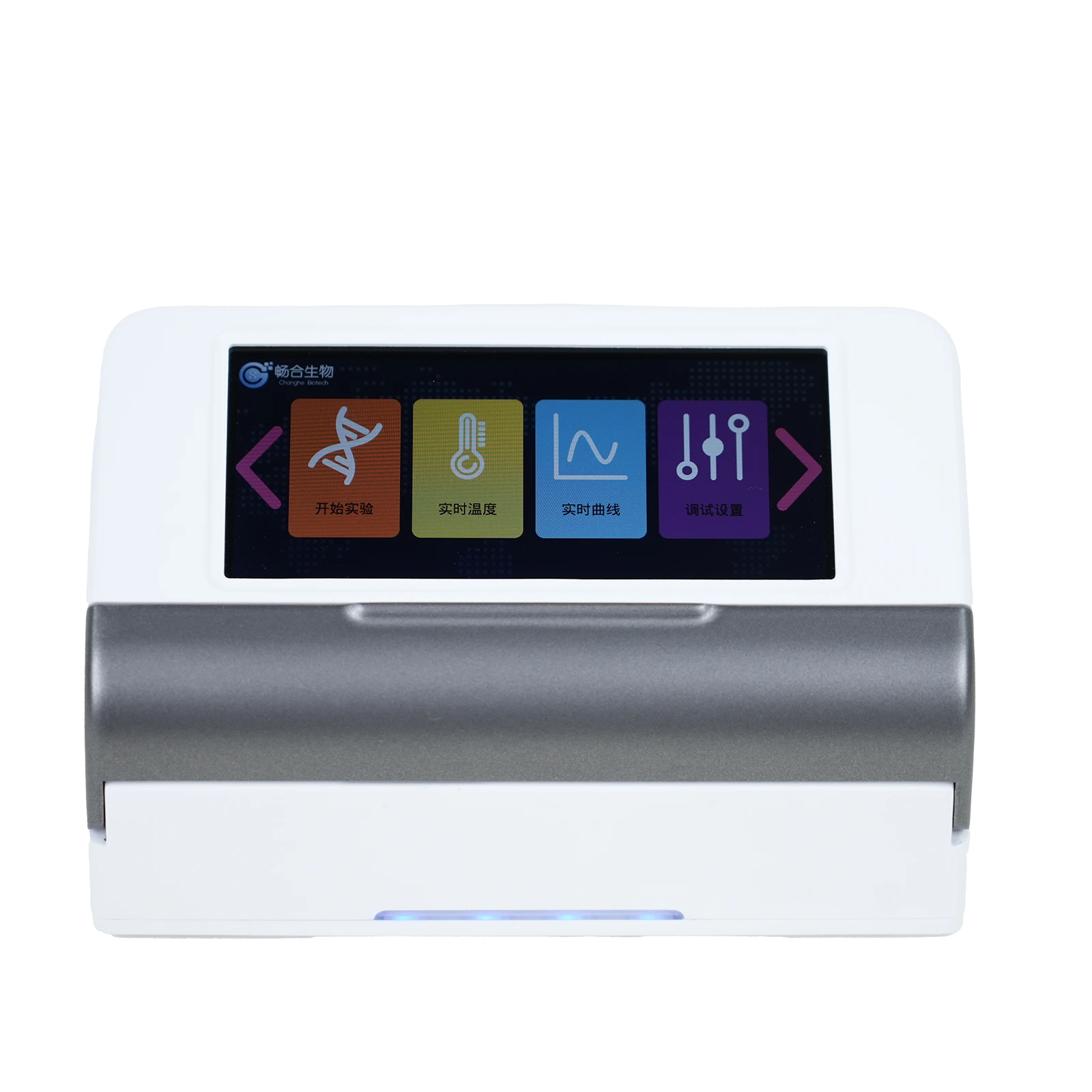
Comprehensive Bio-Surveillance Portfolio for Argentina

From portable field units to integrated hospital-wide monitoring networks.

Common Questions Regarding Bio-Detection in Argentina

Expert answers to technical and regulatory queries in the Argentinian medical device sector.

How does humidity in Buenos Aires affect bioaerosol detection accuracy?

Our systems utilize advanced dehumidification and condensation control modules to ensure that high humidity does not lead to sample clumping, maintaining high sensitivity for all bio-particles.

Are these bio detection systems compliant with local Argentinian health regulations?

Yes, our equipment is designed to meet international ISO and CE standards, which are widely recognized by Argentinian health authorities for medical diagnostic use.

Can a portable bio detector be used for zoonotic disease screening in rural areas?

Absolutely. Our portable units are built for field durability and can capture diverse biological samples from the air, which can then be analyzed for specific zoonotic markers.

What is the difference between passive sampling and active bio detection?

Passive sampling relies on natural settling, while our active systems pull a measured volume of air through a collector, providing precise quantitative data on pathogen concentration.

How often do the sensors in bio detection systems require calibration?

Depending on the environment, we recommend a semi-annual calibration check. Our systems include self-diagnostic software that alerts operators when a recalibration is needed.

Can these systems integrate with existing hospital BMS in Argentina?

Yes, our systems support standard communication protocols (Modbus/TCP, BACnet), allowing seamless integration with most modern Building Management Systems (BMS).

Secure Your Facility's Biological Safety Today

Our expert engineers are ready to design a customized biological monitoring strategy for your institution in Argentina.

Contact Us Now

If you are interested in our products, you can choose to leave your information here, and we will be in touch with you shortly.