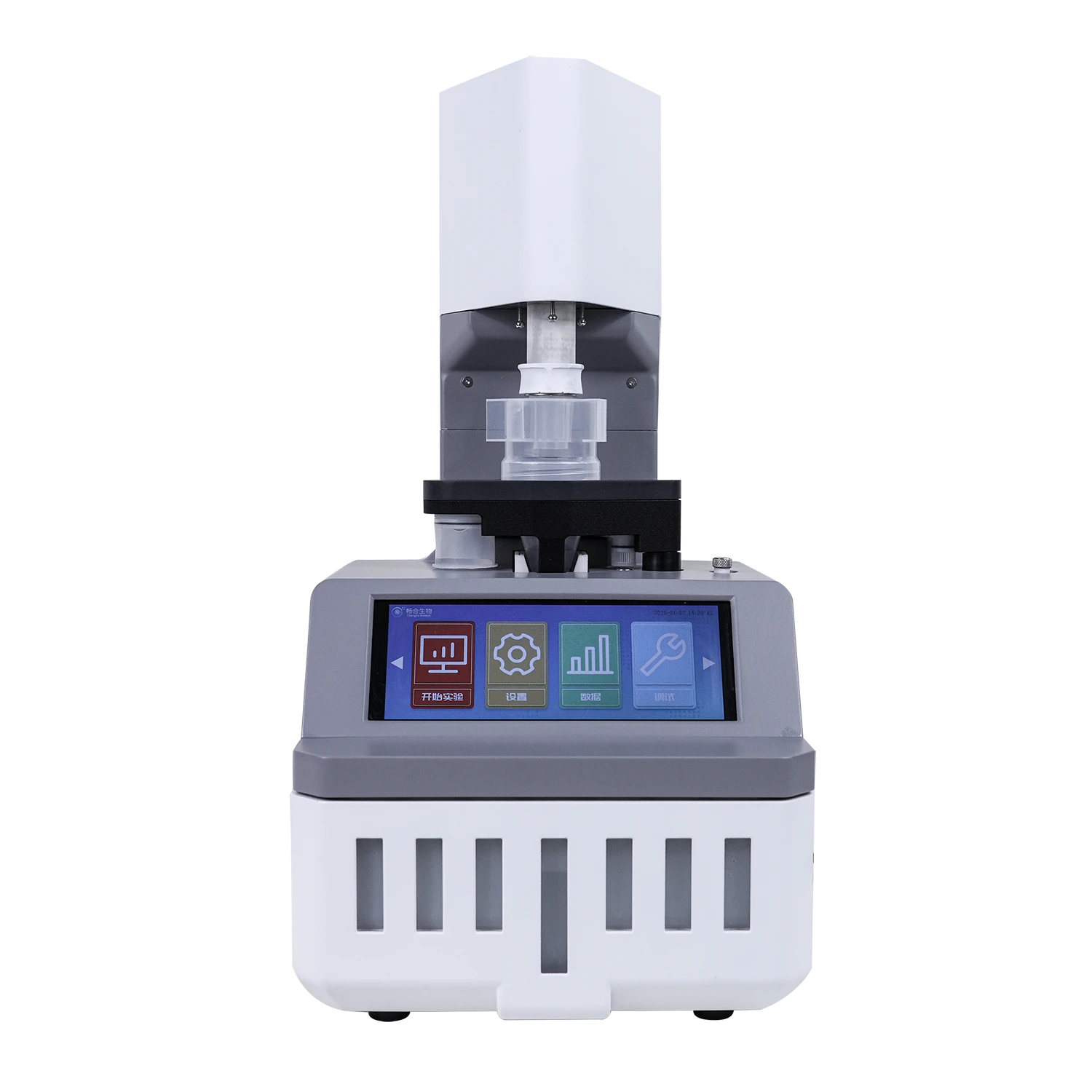
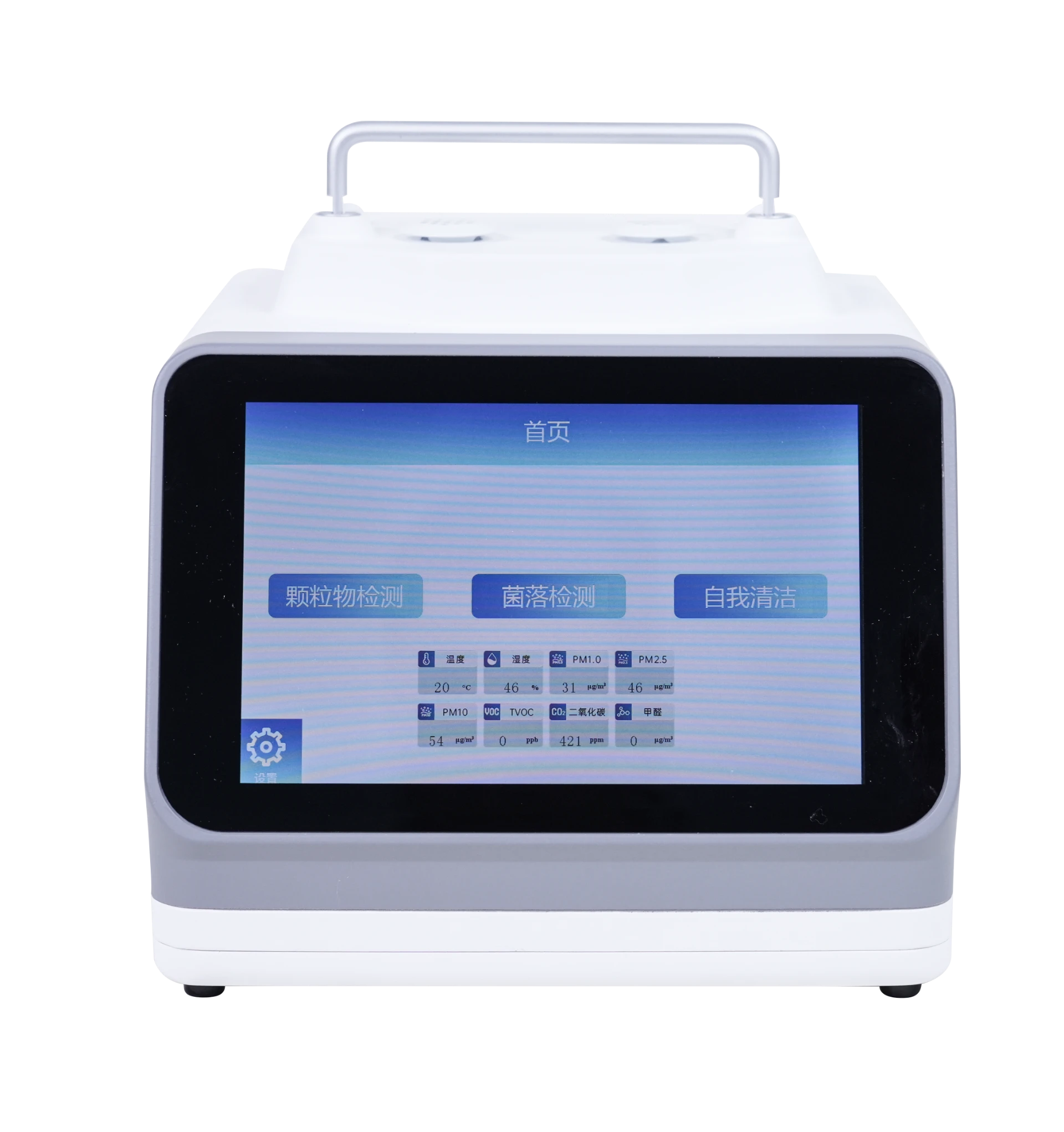
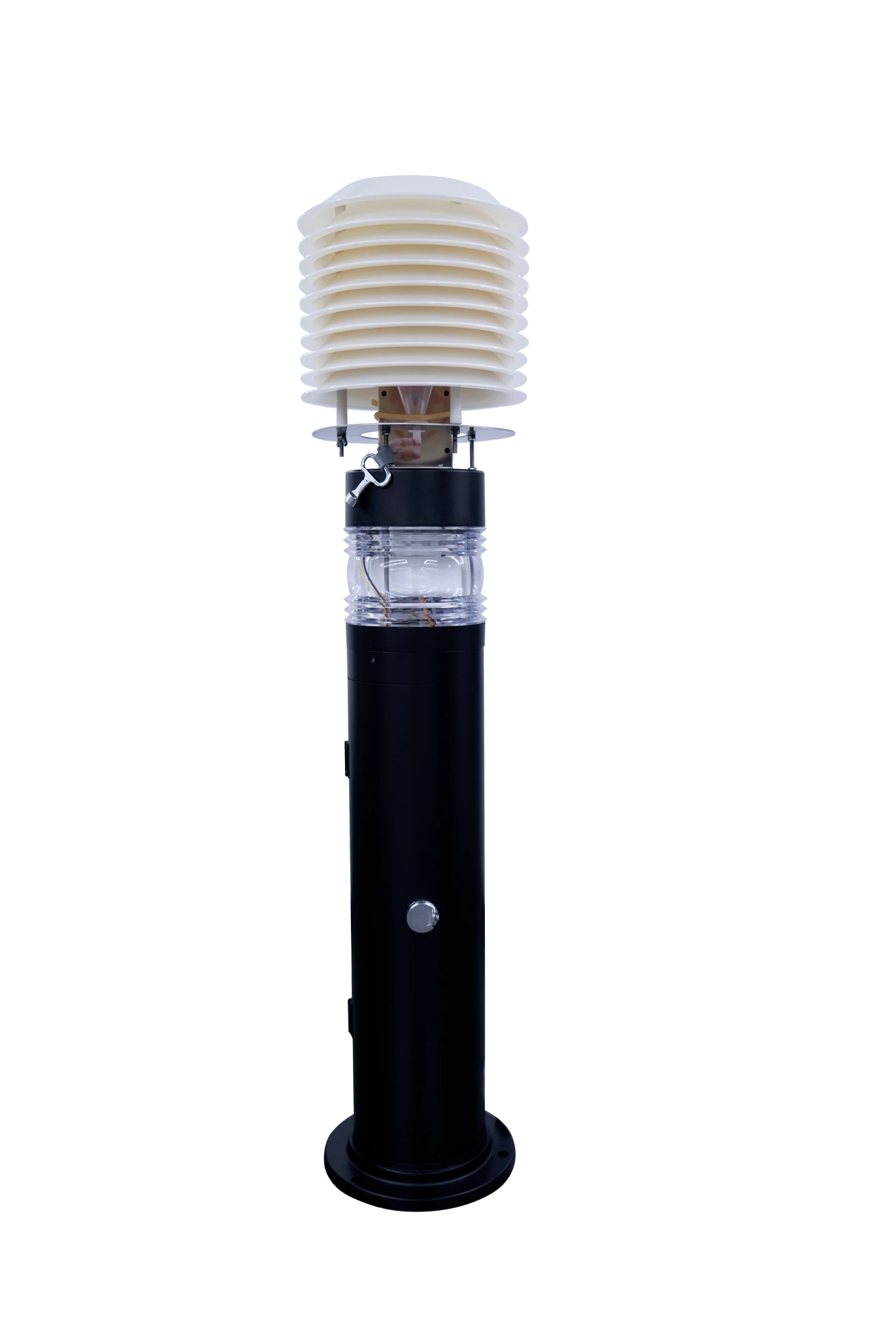
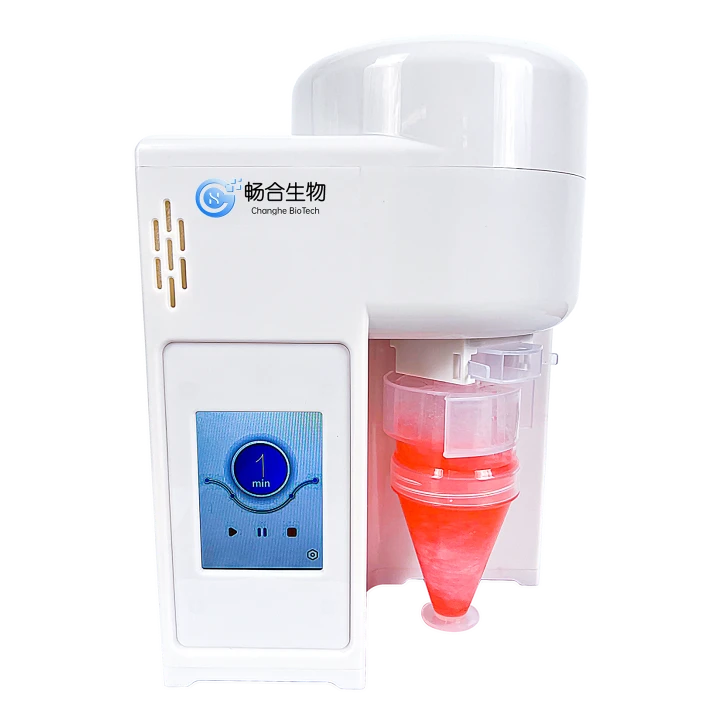
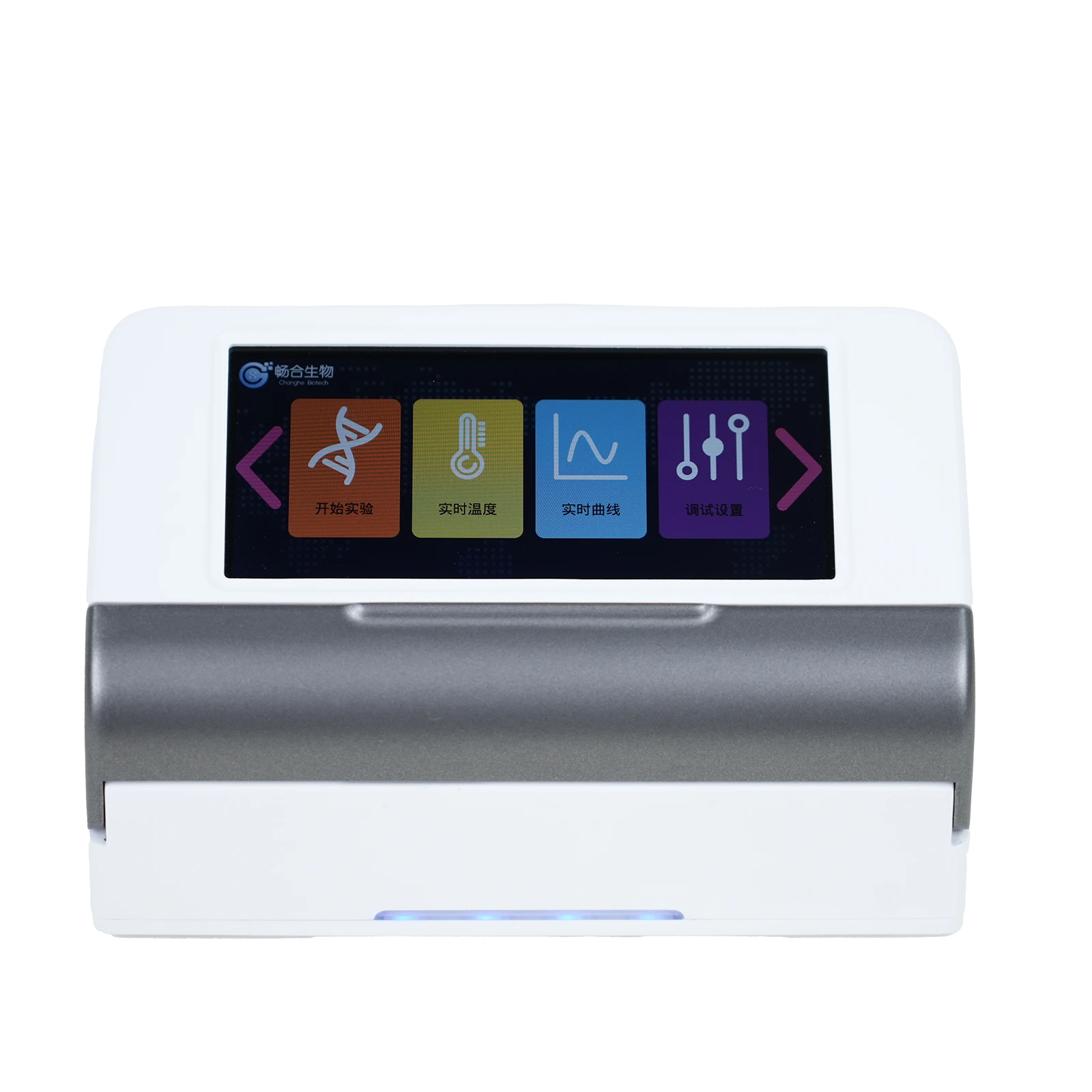
In Bolivia, the landscape of medical diagnostic manufacturing is heavily influenced by the extreme altitude of cities like La Paz and El Alto. The low oxygen levels and varying humidity impact the stability of traditional bio detection reagents, necessitating equipment that is specifically calibrated for high-altitude atmospheric pressure to prevent false negatives in critical care environments.
The current infrastructure relies heavily on imported laboratory equipment, creating a gap in real-time monitoring. There is an urgent need for integrated bio detection systems that can operate autonomously in diverse climates, from the humid Amazonian basin of Santa Cruz to the arid Altiplano, to monitor respiratory threats effectively.
Economic shifts toward strengthening national health sovereignty have led to an increased demand for localized technical support and robust hardware. The transition toward digitized biological surveillance is now a priority for Bolivian health authorities to mitigate the risk of zoonotic spillover in rural agricultural zones.