Chile's unique geographical layout, stretching from the arid Atacama Desert to the humid fjords of the south, creates diverse environmental pressures on bioaerosol detection. Medical facilities in Santiago often face urban pollution interference, while southern clinics must deal with high humidity affecting sensor accuracy.
The local healthcare sector is currently transitioning from manual culture-based sampling to automated biological detection. This shift is driven by the need for real-time response to emerging zoonotic threats and the increasing demand for sterile environment certification in pharmaceutical manufacturing hubs.
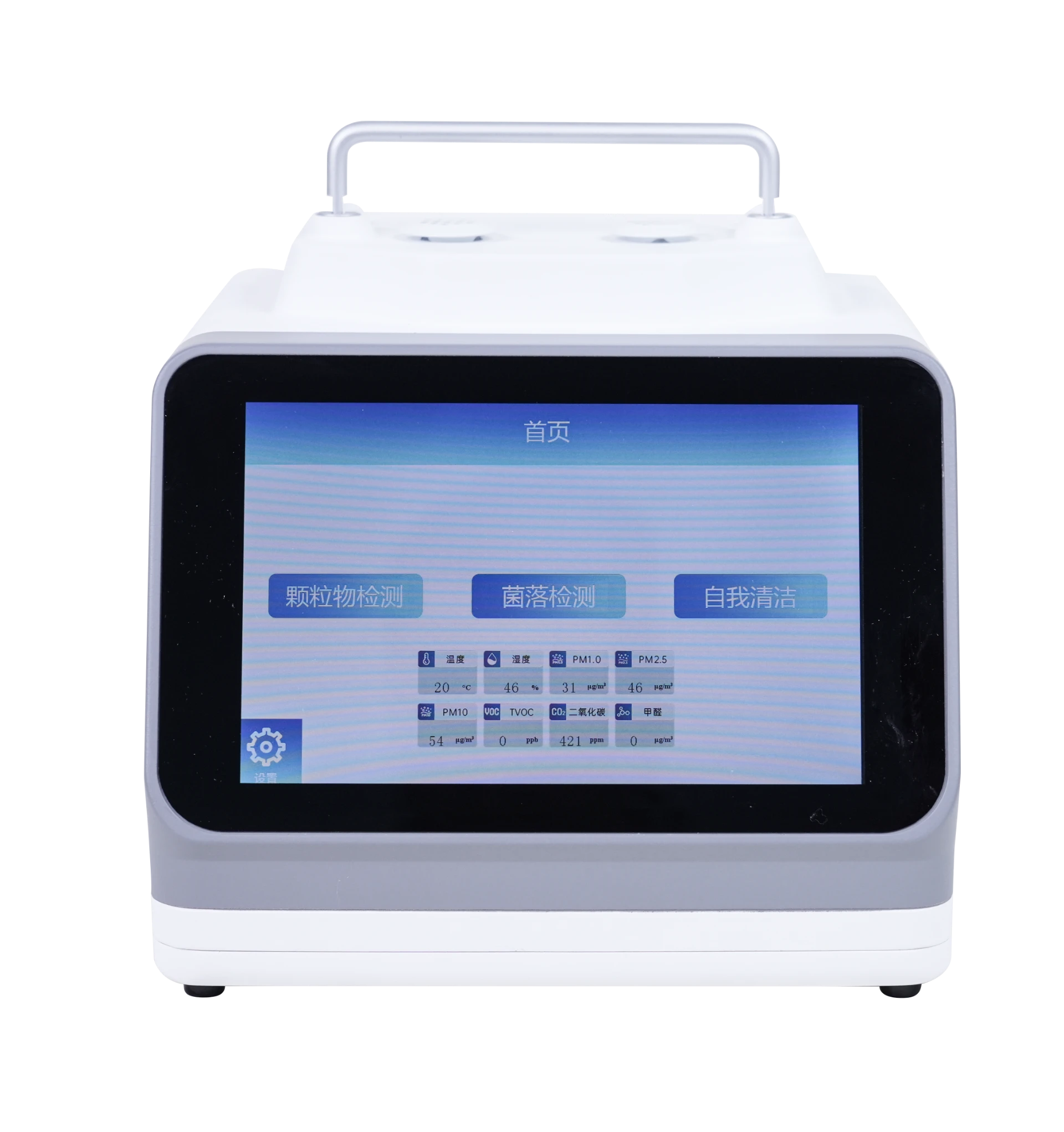
Despite advancements, many regional hospitals still rely on outdated equipment. The adoption of a modern bio detector is becoming a priority for the Ministry of Health to prevent nosocomial infections and enhance the safety of diagnostic laboratories across the country.