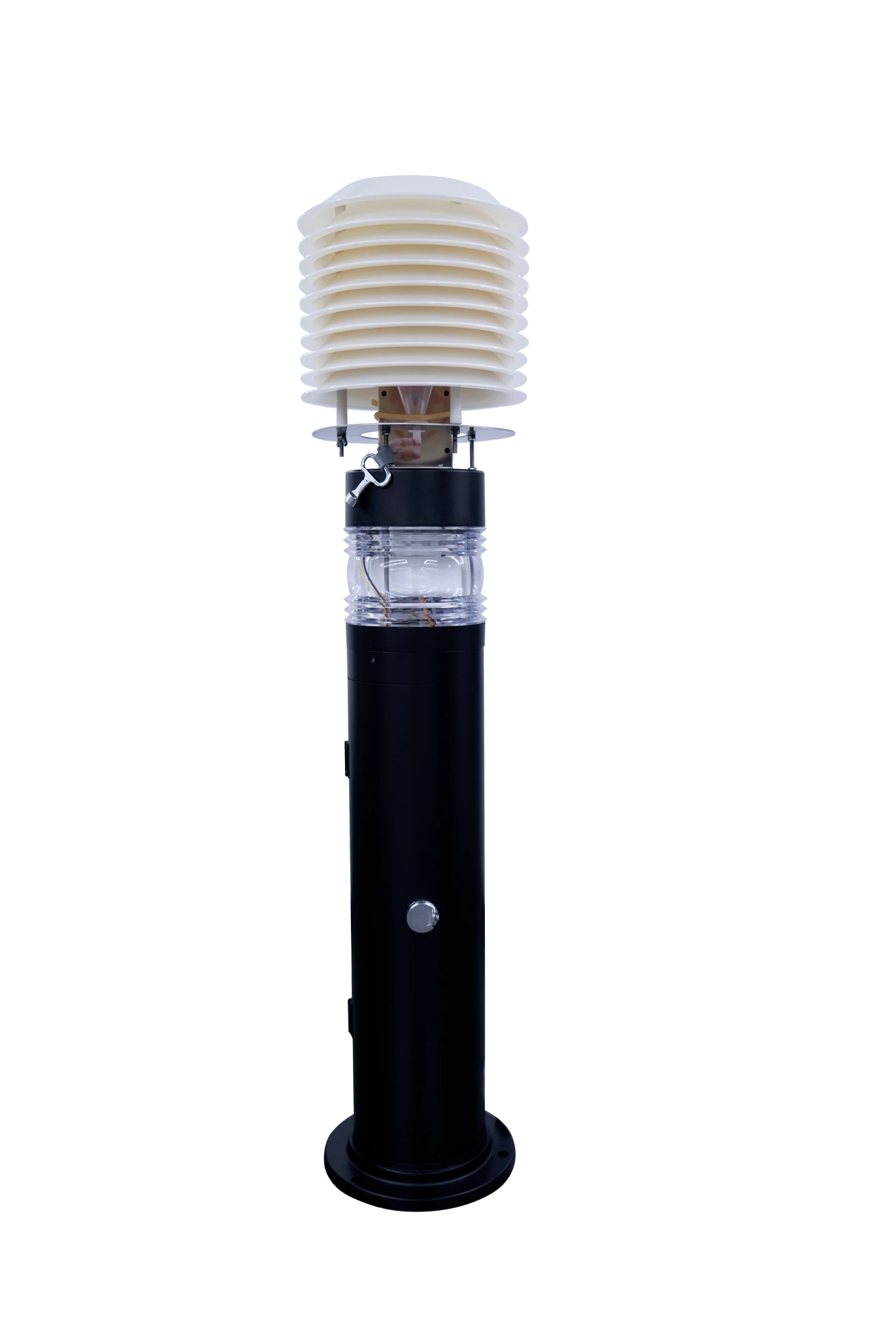
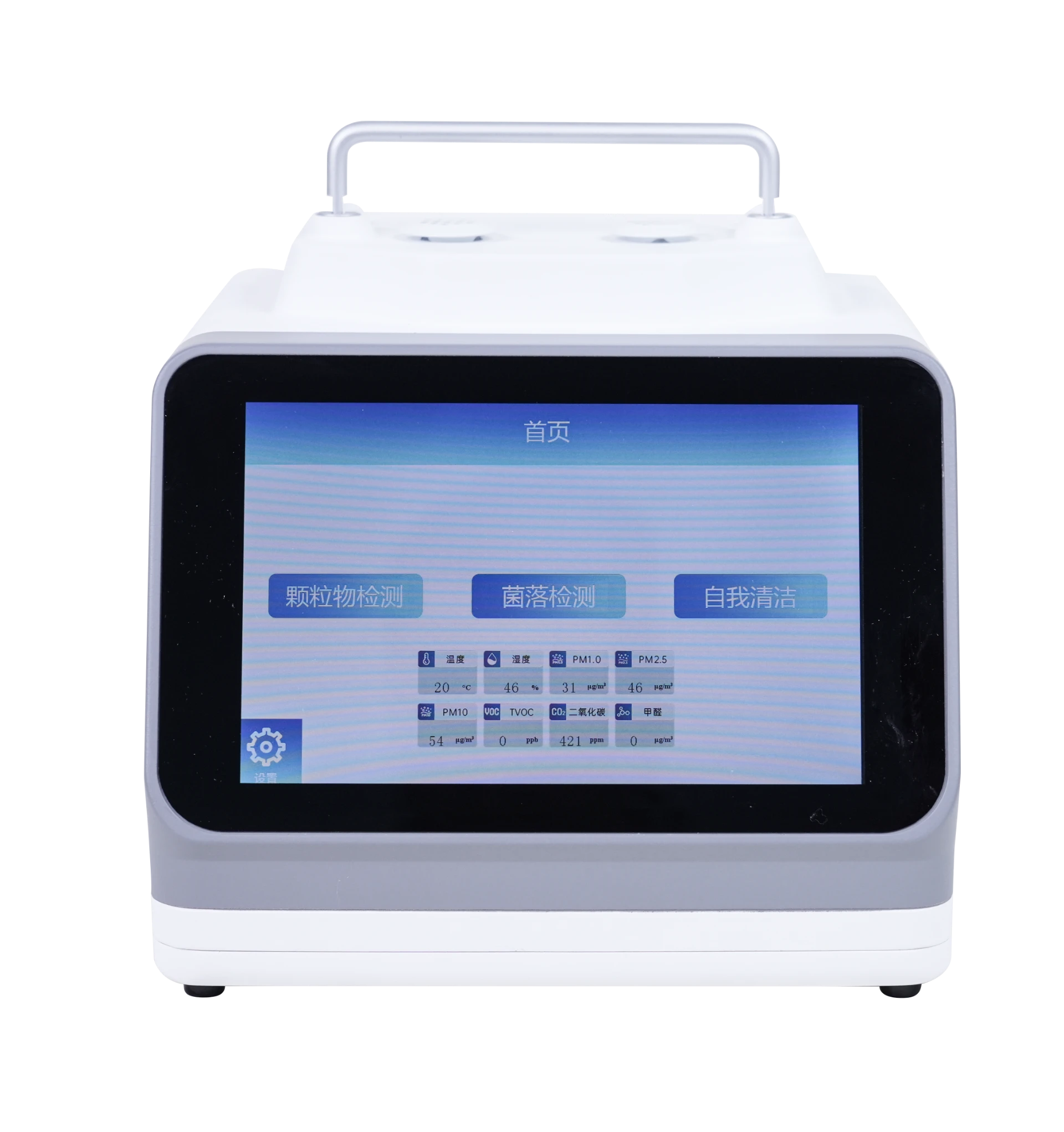
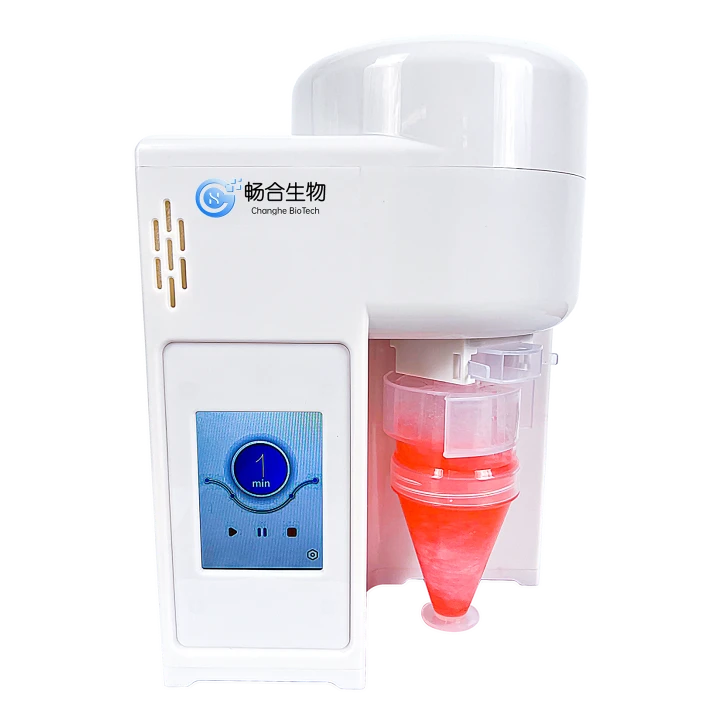
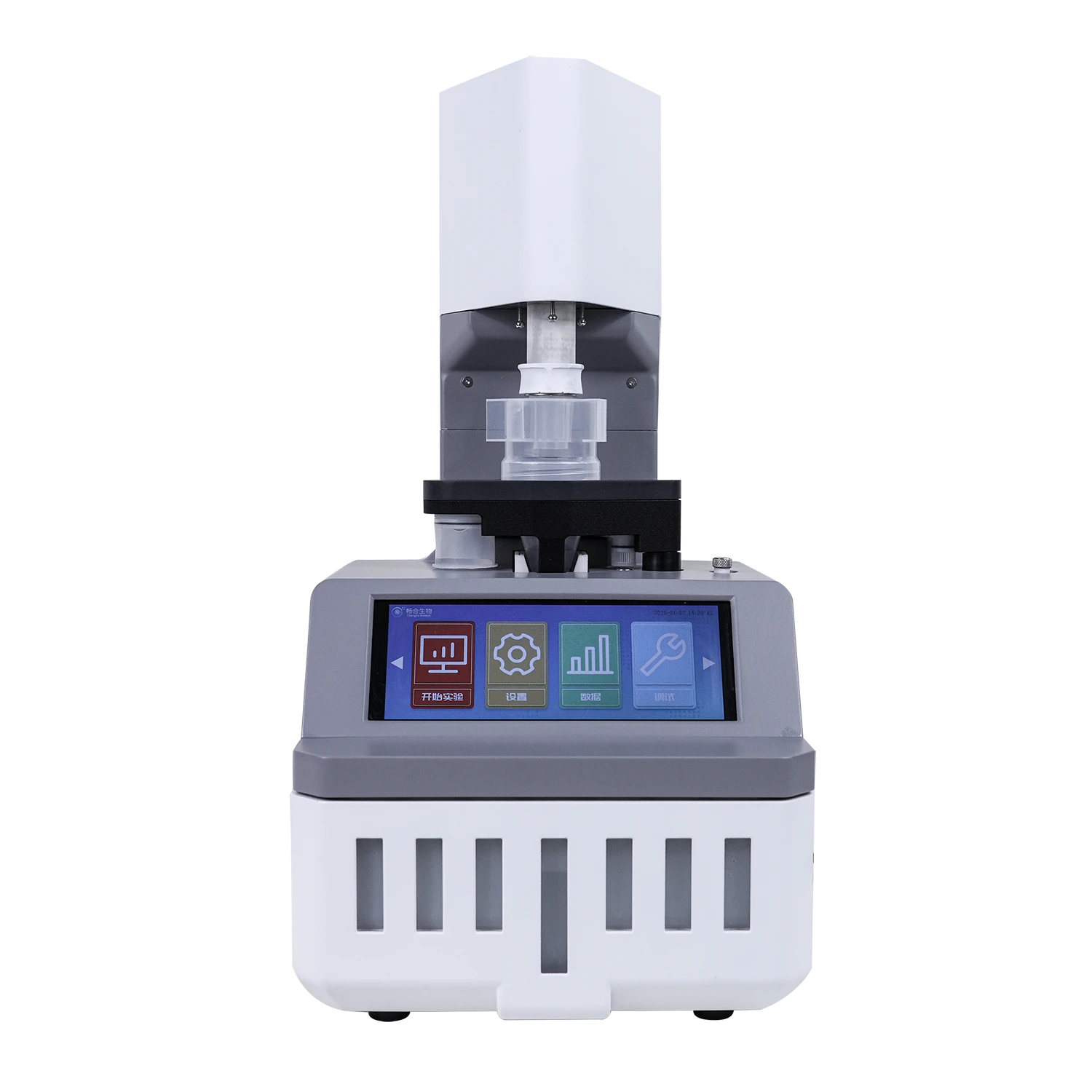
Ecuador's unique geography, ranging from the Galápagos Islands to the Andean Highlands and the Amazon basin, creates highly varied environmental conditions that complicate standard biological detection. The high humidity of the coast and the thin air of the mountains require specialized equipment capable of maintaining sensitivity across extreme pressure and moisture gradients.
Currently, many diagnostic facilities in Quito and Guayaquil rely on traditional culture-based methods, which suffer from significant time lags. There is a critical need for real-time bio detection to prevent the spread of zoonotic diseases and monitor industrial emissions in the growing manufacturing sectors of the country.
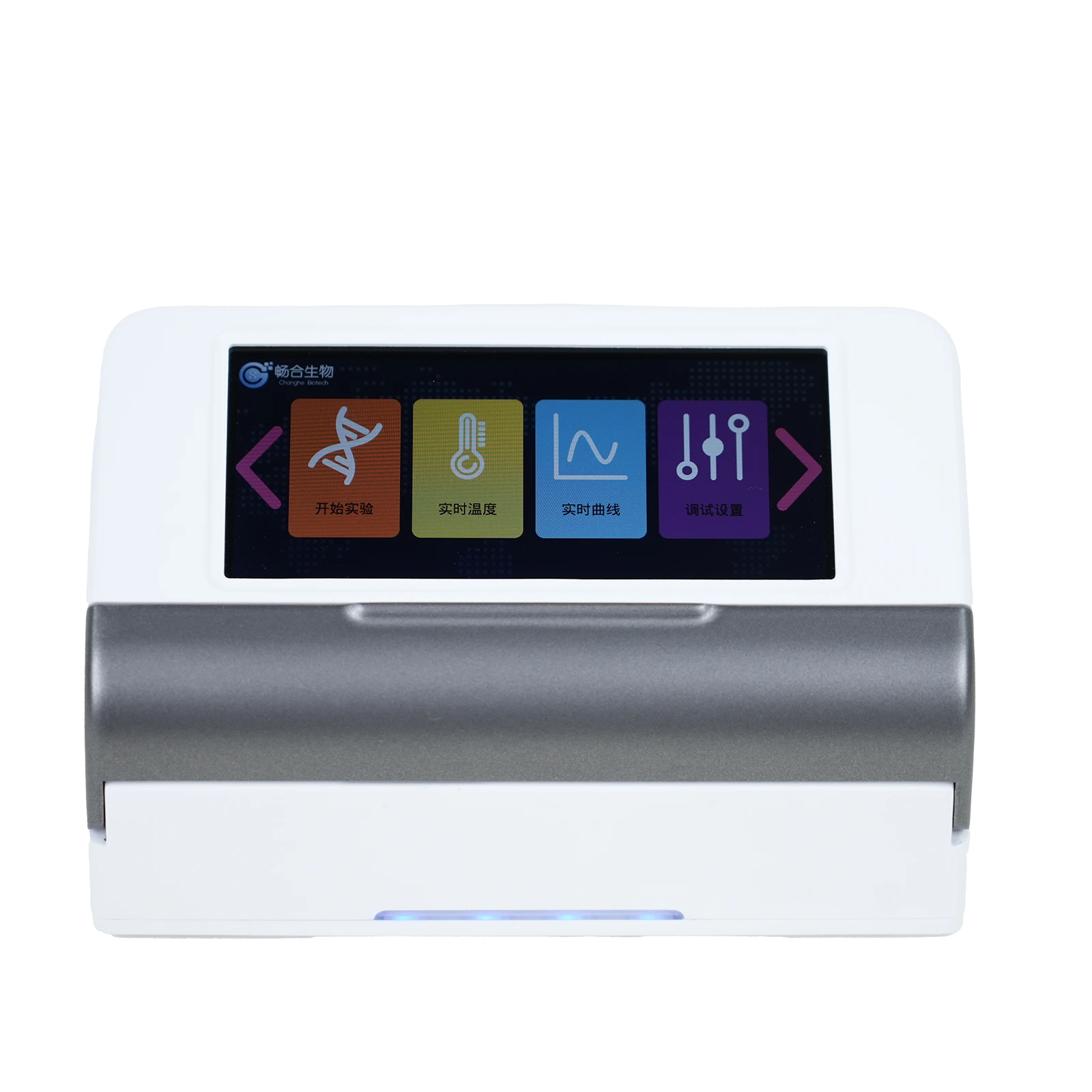
The integration of automated monitoring is becoming a priority for the Ecuadorian Ministry of Public Health. As the country enhances its biosecurity protocols, the demand for a robust bio detector has surged to protect strategic infrastructure, including international airports and pharmaceutical production plants.