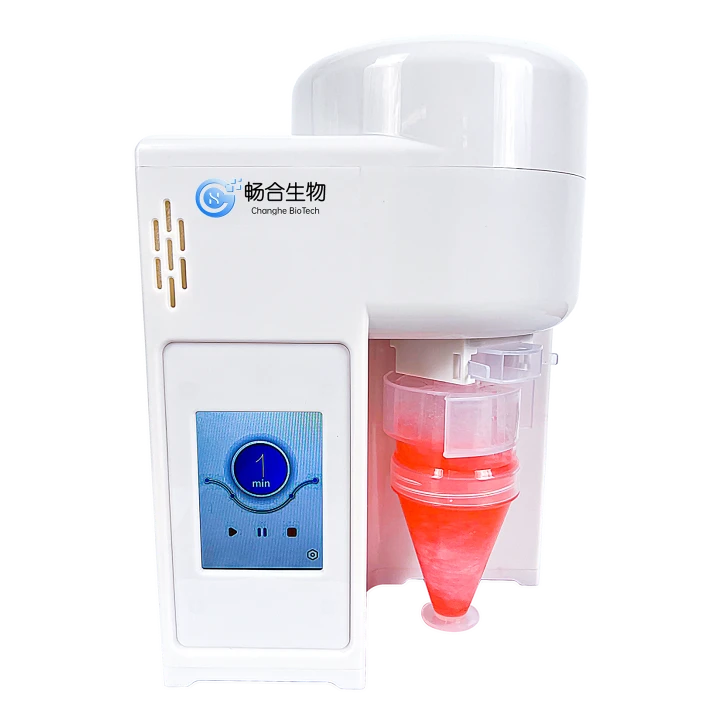
Advanced Bio Detection Systems for Egypt's Healthcare Infrastructure

Precision biological monitoring and real-time environmental safety solutions tailored for the unique climatic and medical demands of the Egyptian market.

Advanced Bio Detection Systems for Egypt's Healthcare Infrastructure

Providing high-sensitivity biological surveillance to protect public health and critical facilities across Egypt through cutting-edge diagnostic technology.

The Landscape of Biological Detection in Egypt

Analyzing the challenges of pathogen monitoring in North Africa's strategic hub.

Egypt faces unique challenges in healthcare manufacturing and environmental monitoring due to its arid climate and high dust concentrations. The prevalence of airborne particulates in urban centers like Cairo requires highly specialized bio detection tools that can differentiate between mineral dust and actual biological threats.

Currently, the Egyptian medical diagnostic sector is undergoing a rapid transition. There is a growing demand for localized manufacturing of medical instruments to reduce reliance on imports, driving the need for integrated bio detector technologies within hospital ventilation and pharmaceutical cleanrooms.

Economic shifts and the "Egypt Vision 2030" have prioritized the digitalization of health services. This has created a gap where traditional sampling methods are no longer sufficient, necessitating the adoption of automated, real-time monitoring to prevent nosocomial infections in densely populated medical facilities.
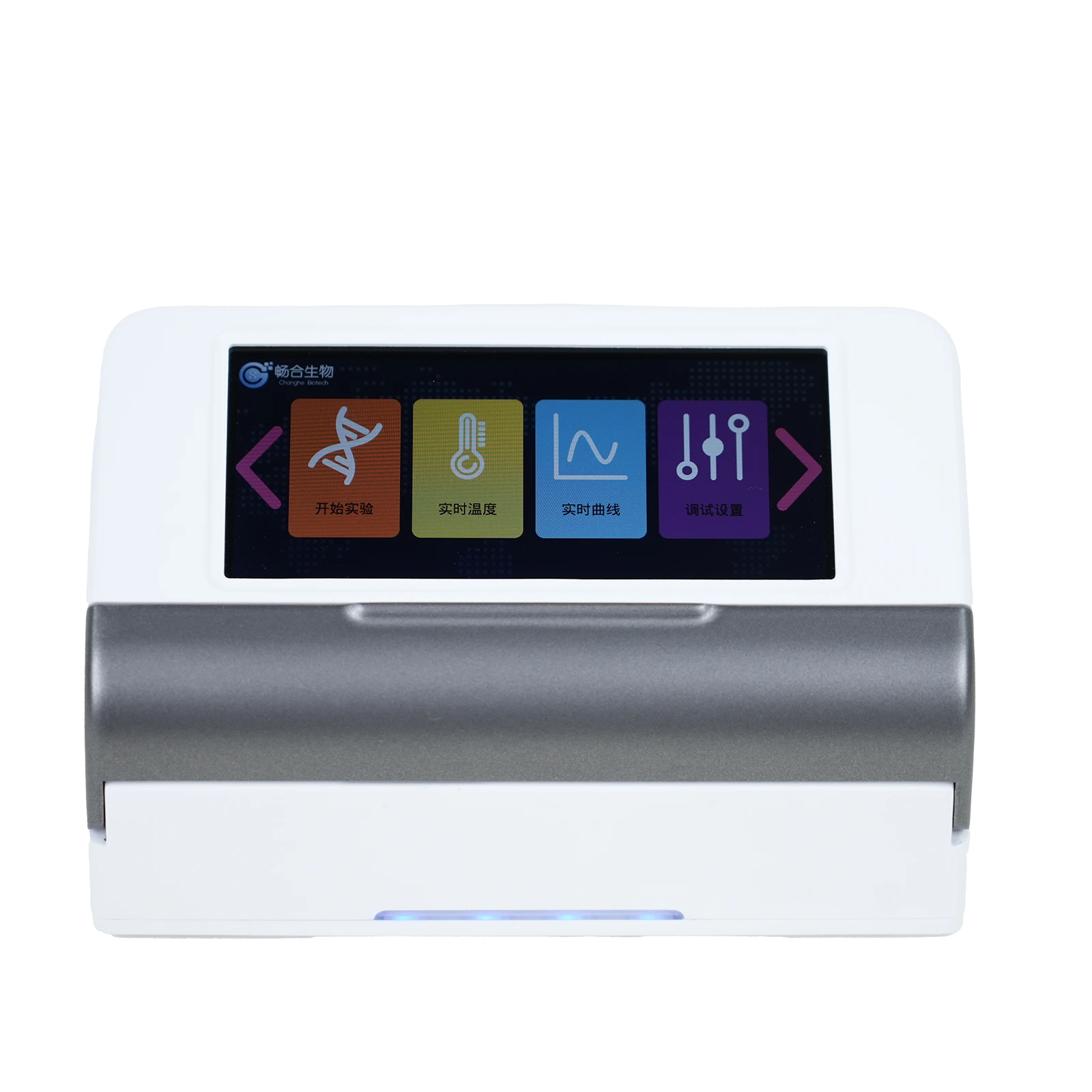
Evolution of Bioaerosol Detection Technology

From manual culture methods to autonomous molecular surveillance.

Market Development History

Prior to 2010, the Egyptian market relied heavily on passive agar plate sampling. This traditional approach offered delayed results and lacked the sensitivity required for rapid response in critical care environments.

Between 2010 and 2020, the industry shifted toward active air sampling. The introduction of centrifugal and impaction samplers allowed for better concentration of particles, though analysis still required off-site laboratory confirmation.

Since 2021, the integration of laser-induced fluorescence and rapid PCR has revolutionized the field, enabling the transition from "sample and wait" to "detect and react" paradigms in Egypt's top-tier medical institutions.

Future Development Trends

AI-Driven Pathogen Identification

Integration of machine learning to analyze aerosol patterns, reducing false positives caused by Egypt's frequent sandstorms.

Nanopore Sequencing Integration

Moving toward on-site genomic sequencing for immediate species identification of detected biological agents.

IoT-Enabled Facility Grids

The deployment of networked sensors across entire hospital complexes for centralized bio-hazard mapping.

Future Outlook for Bio-Surveillance in Egypt

Predicting the trajectory of medical diagnostic equipment in North Africa.

Edge Computing Integration
Processing detection data locally to ensure zero-latency alerts in Egyptian emergency wards.
Climate-Resilient Hardware
Developing sensors capable of operating in extreme heat and high-salinity coastal environments.
Miniaturized Lab-on-a-Chip
Shifting from bulky equipment to portable devices for field detection in rural Nile Delta regions.
Predictive Bio-Modeling
Using historical data to predict pathogen spikes based on seasonal shifts in Egypt.

Industry Outlook

Google search trends for "biosecurity" and "automated diagnostics" in Egypt indicate a sharp increase in institutional interest. We anticipate a 15% annual growth in the adoption of autonomous surveillance systems as hospitals seek to meet international accreditation standards.

The future lies in the convergence of medical device manufacturing and digital health. By integrating AI with hardware, Egyptian providers can transition from reactive treatment to proactive environmental prevention.

Localized Application Scenarios in Egypt

Implementing high-precision biological monitoring across diverse Egyptian environments.

1. Cairo Metropolitan Hospital Hubs

Deployment of fixed monitoring stations in high-traffic public hospitals to detect airborne pathogens and reduce the spread of respiratory infections in crowded waiting areas.

2. Pharmaceutical Plants in 6th of October City

Integration of cleanroom surveillance systems to ensure zero biological contamination during the manufacturing of sterile medical devices and injectable drugs.

3. Suez Canal Port Health Screening

Utilizing portable detection units at key ports of entry to screen for imported biological threats, ensuring national biosecurity at the gateway of global trade.

4. Nile Delta Agricultural Research Centers

Monitoring bioaerosols in research labs to prevent the cross-contamination of genetically modified seeds and detect zoonotic leaps from livestock to humans.

5. Luxury Tourism Resorts in Sharm El-Sheikh

Implementing indoor air quality monitoring in high-end hotel ventilation systems to ensure a safe, pathogen-free environment for international visitors.

Brand Story

Global Development Journey of Suzhou Changhe Bio-Technology Co., Ltd.

Foundational Innovation

Established with a vision to solve the inaccuracy of traditional air sampling, we focused on the core physics of aerosol collection.

Technological Breakthrough

Developed patented high-efficiency sampling heads that significantly increased the recovery rate of viable biological particles.

Global Expansion

Extended our footprint into North Africa, adapting our instruments to meet the harsh environmental conditions of Egypt and neighboring regions.

Medical Grade Certification

Achieved international certifications ensuring our equipment meets the strictest standards for medical diagnostic and therapeutic environments.

The Future of Bio-Safety

Committed to empowering Egyptian healthcare with autonomous detection tools that protect lives through precision engineering.

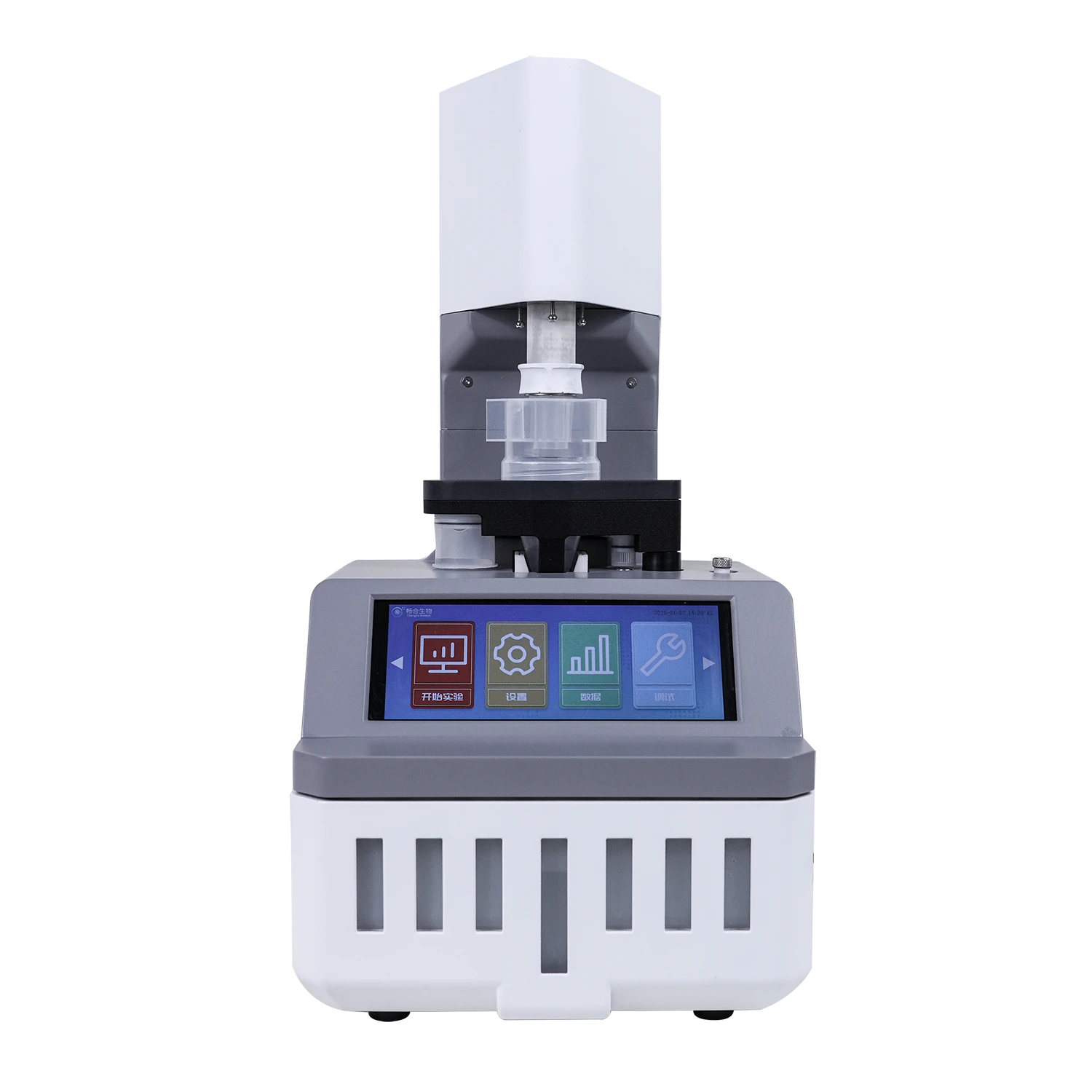
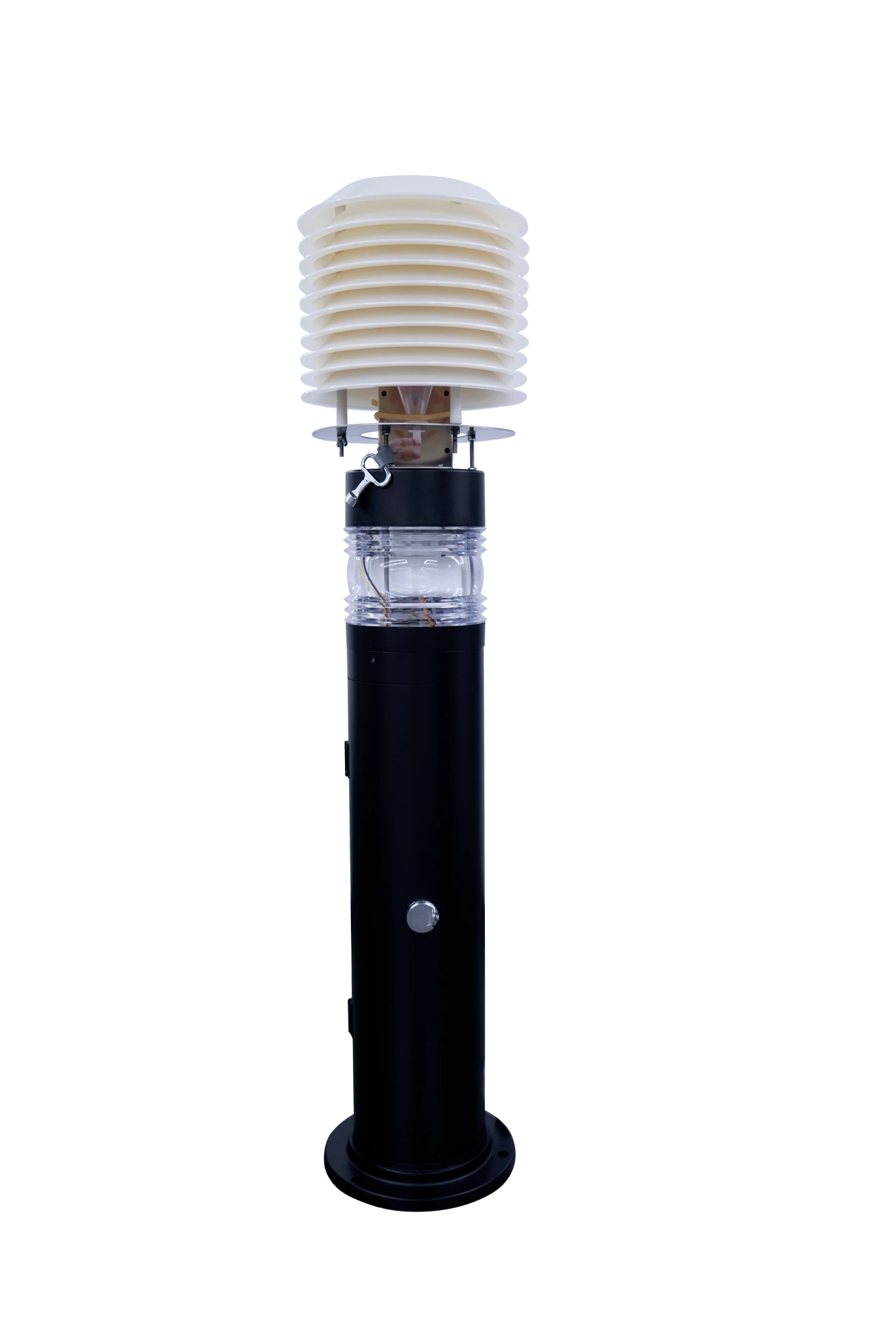
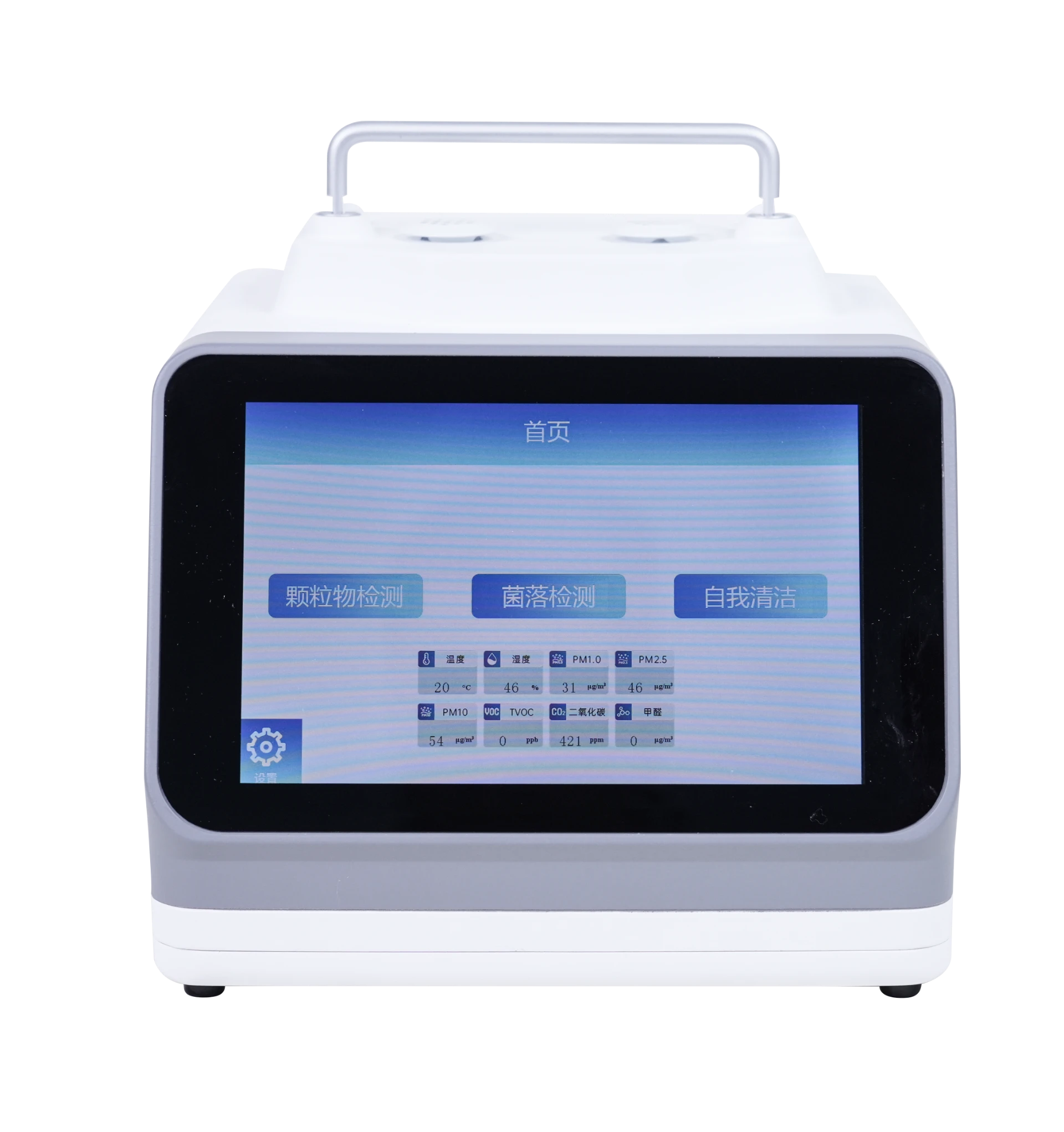
Comprehensive Bio-Monitoring Suite for Egypt

A curated portfolio of instruments designed for the Egyptian medical and industrial landscape.

Egyptian Market FAQ: Bio-Detection

Expert answers to common technical and regulatory queries in Egypt.

How do bio detection systems handle high dust levels in Cairo?

Our systems employ advanced pre-filtration and size-selective inlets that remove inorganic mineral dust, ensuring that only biological particles are analyzed, thus reducing false alarms.

Are these biological detection tools compliant with Egyptian health regulations?

Yes, our equipment is designed to meet ISO and international medical standards, facilitating easier certification and approval by the Egyptian Ministry of Health.

What is the best bio detector for pharmaceutical cleanrooms in Egypt?

For cleanrooms, we recommend our automated continuous monitoring systems that provide real-time alerts, ensuring strict adherence to sterile manufacturing protocols.

Can bioaerosol detection be integrated into existing HVAC systems?

Absolutely. Our systems feature modular interfaces that allow for seamless integration into existing hospital ventilation networks for centralized air quality management.

How often does a bio detector require calibration in arid climates?

Due to the high particulate load in Egypt, we recommend quarterly calibration and filter checks to maintain peak sensitivity and flow accuracy.

Do you provide technical training for bio detection systems in Egypt?

Yes, we offer comprehensive remote and on-site training programs to ensure local technicians can operate and maintain the equipment efficiently.

Secure Your Facility Today

Contact our experts to implement world-class biological surveillance tailored for the unique environment of Egypt.

Contact Us Now

If you are interested in our products, you can choose to leave your information here, and we will be in touch with you shortly.