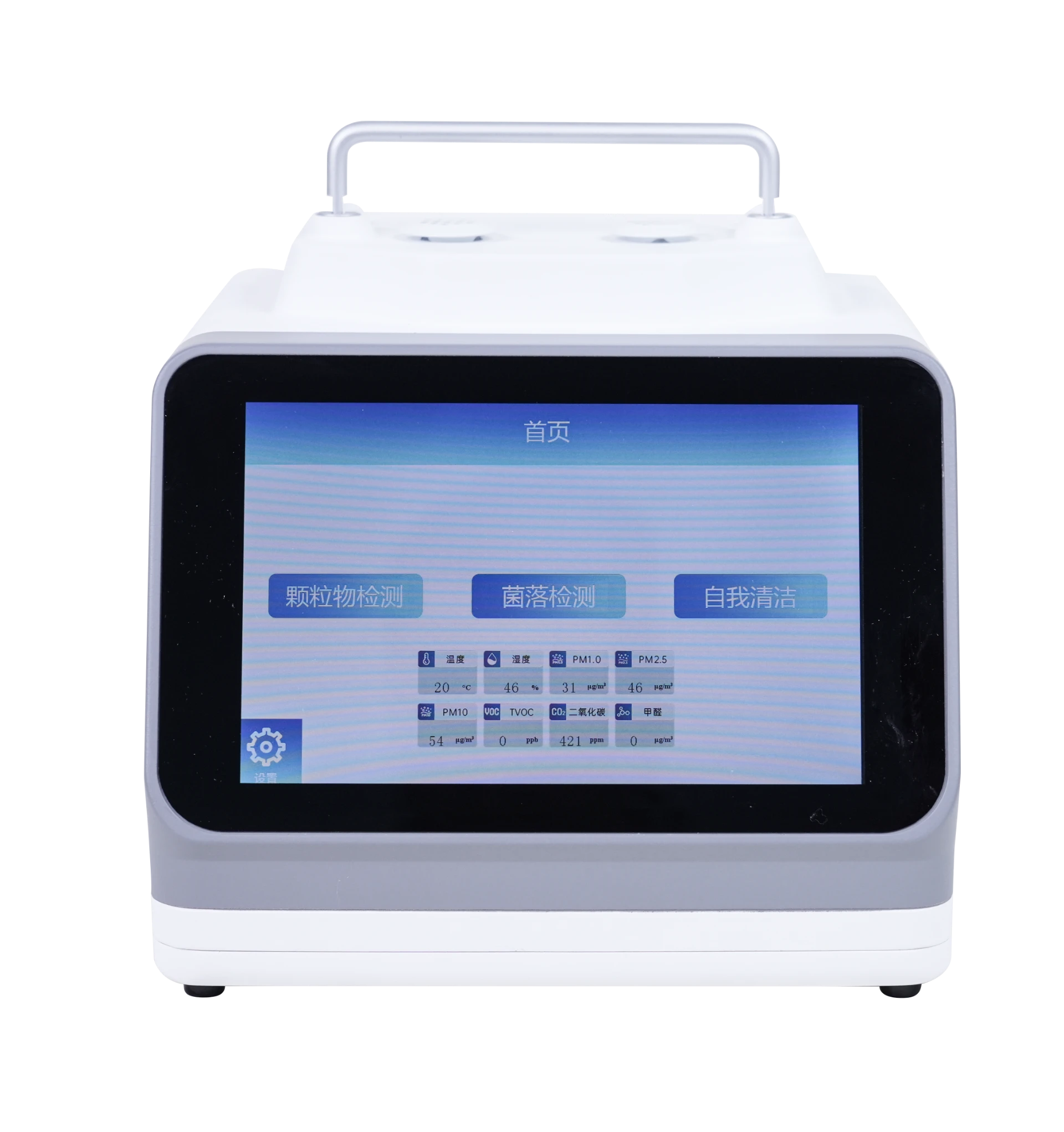
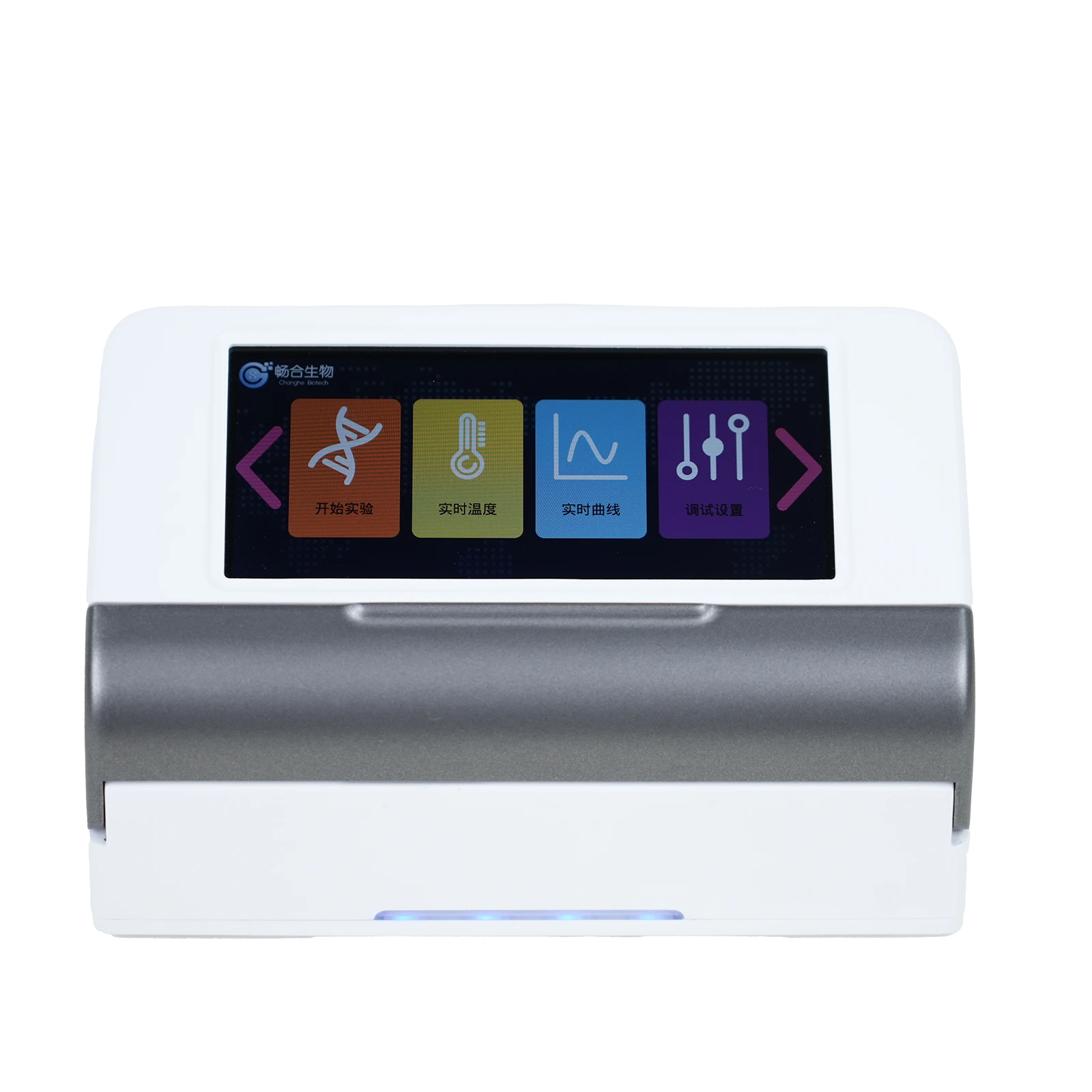
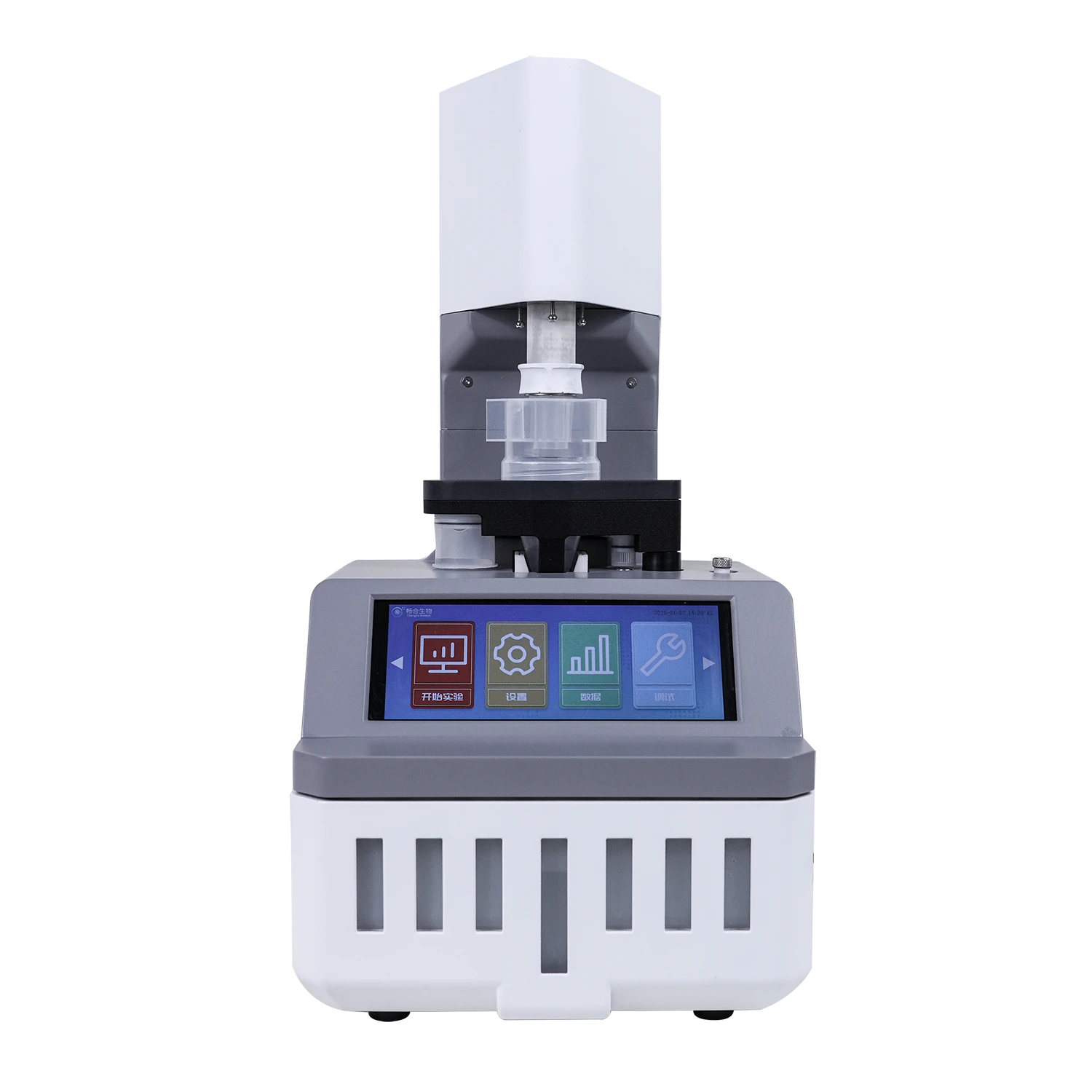
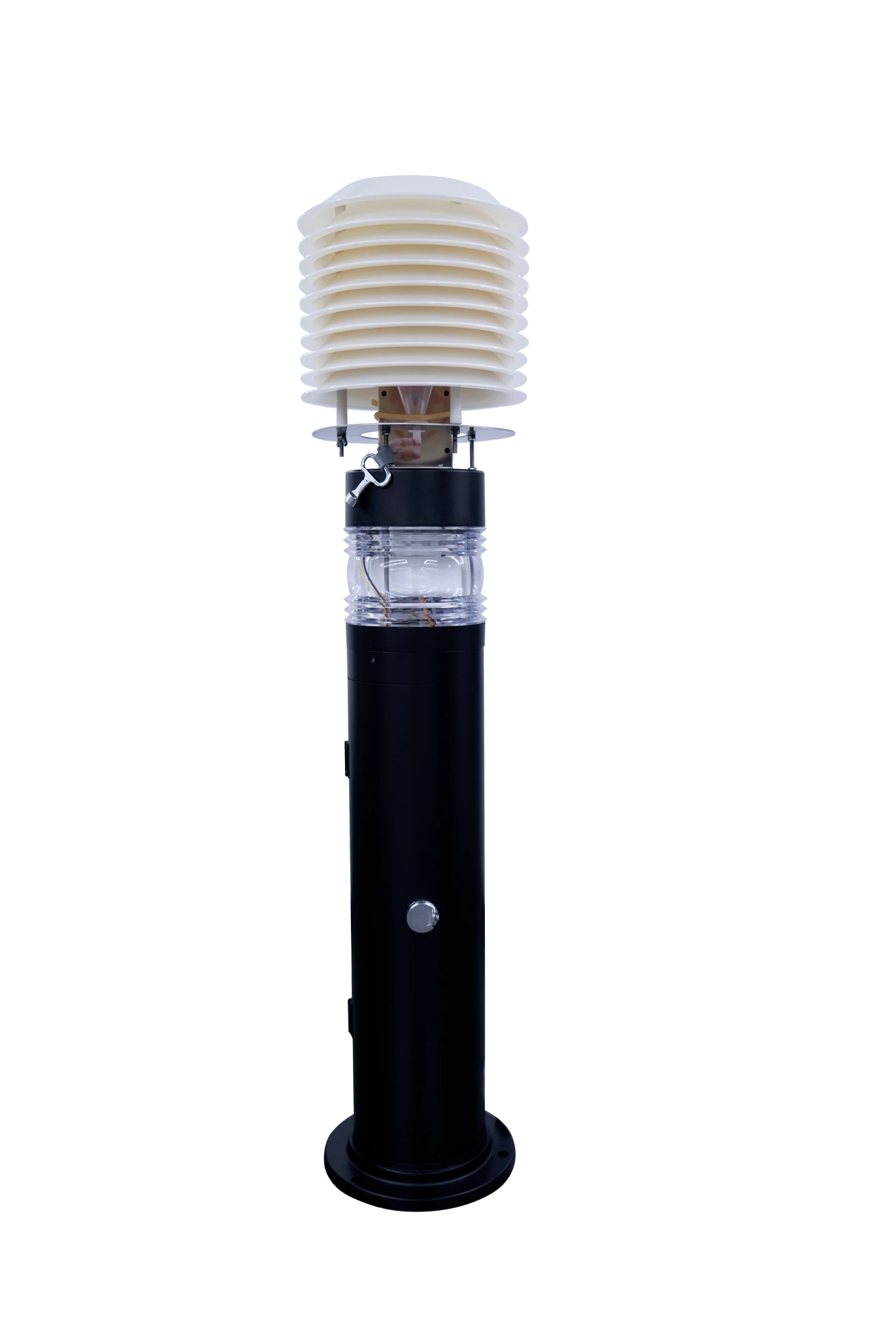
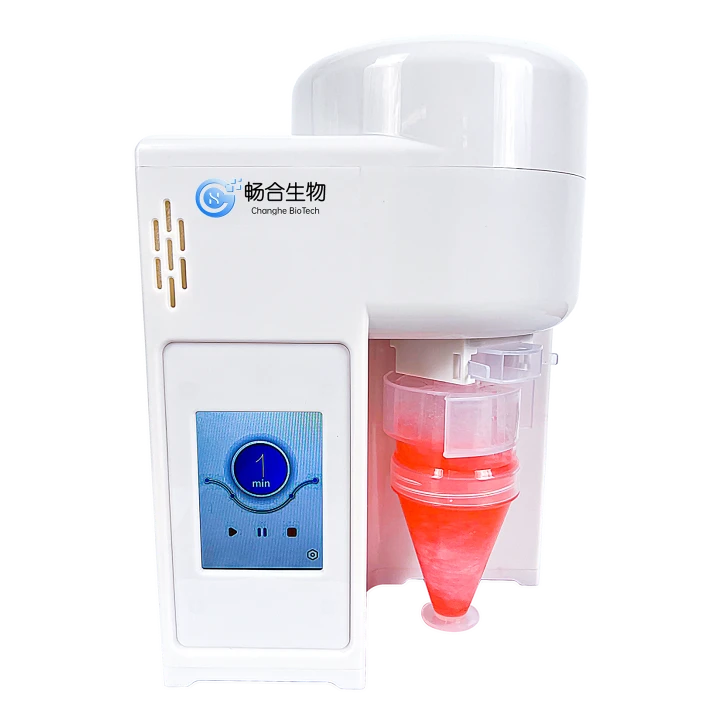
New Zealand's strict biosecurity framework is essential due to its unique biodiversity and island geography. The necessity for robust bioaerosol detection is driven by the need to prevent the introduction of invasive species and zoonotic pathogens that could devastate the local agricultural economy.
The humid maritime climate of the region influences the transport of biological particles. Consequently, the adoption of high-sensitivity biological detection tools has become a priority for the Ministry for Primary Industries and healthcare providers to manage environmental risks effectively.
Current infrastructure is shifting from manual swab sampling to automated, real-time monitoring. This transition ensures that any biological threat is identified before it can propagate through the country's integrated transport and trade networks.