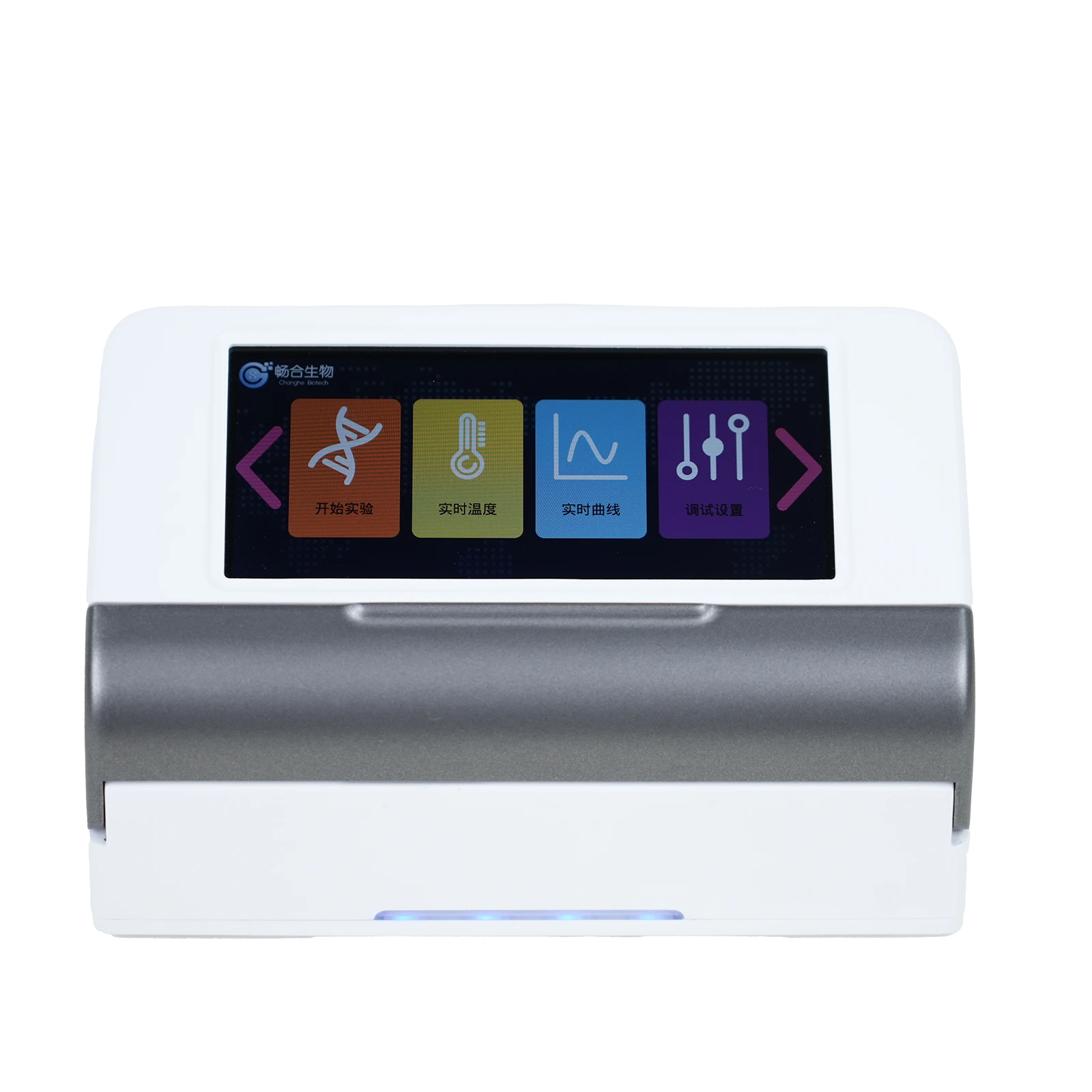
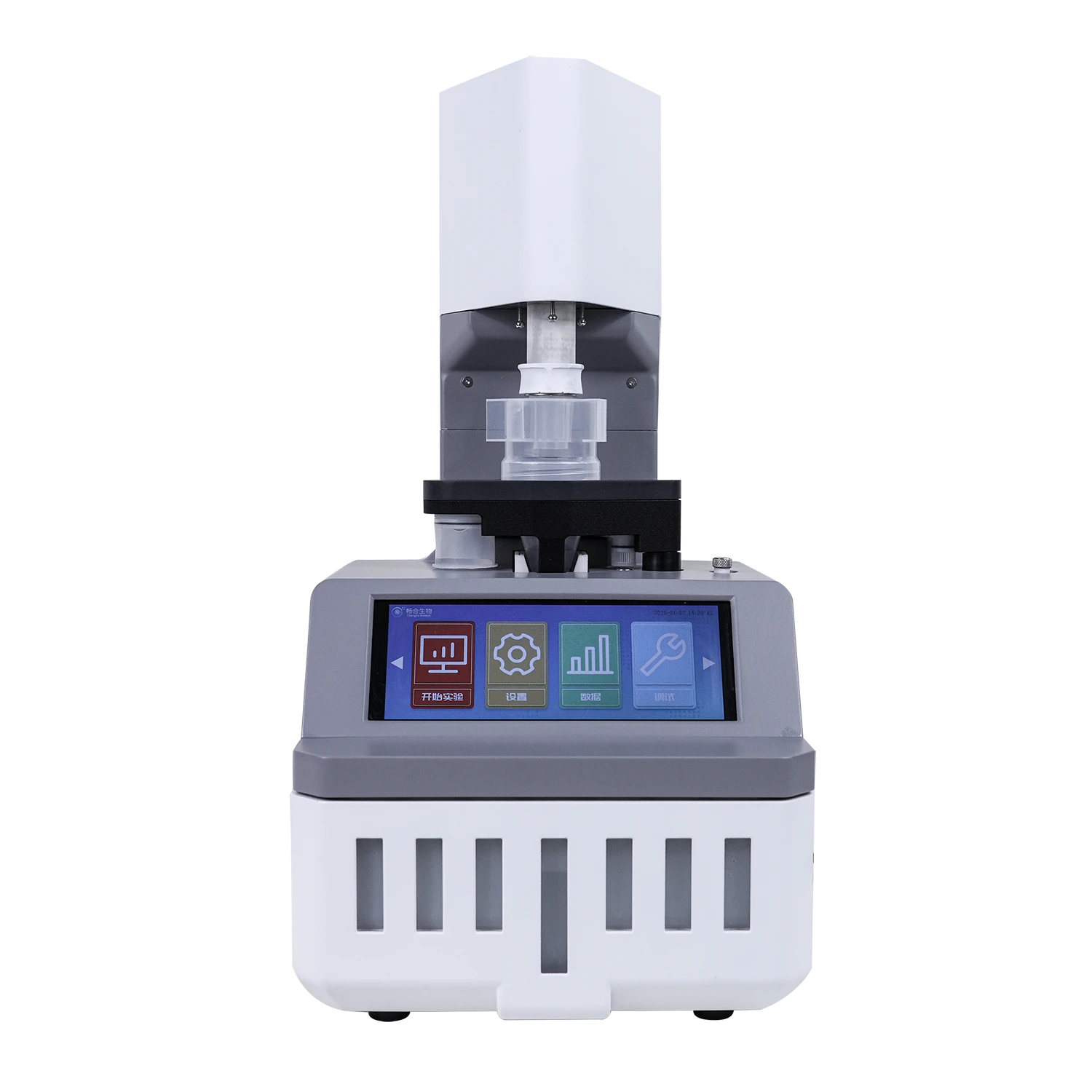
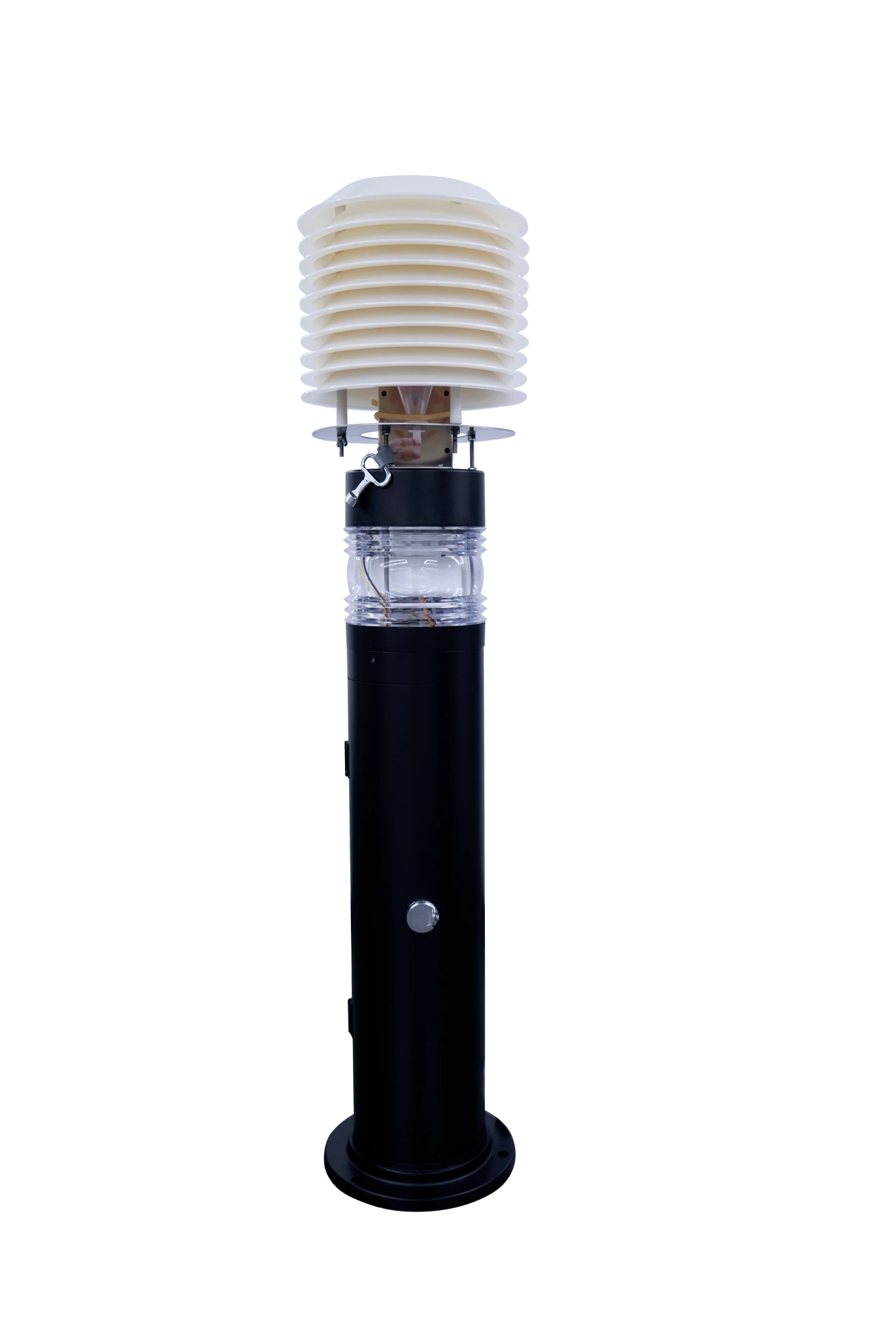
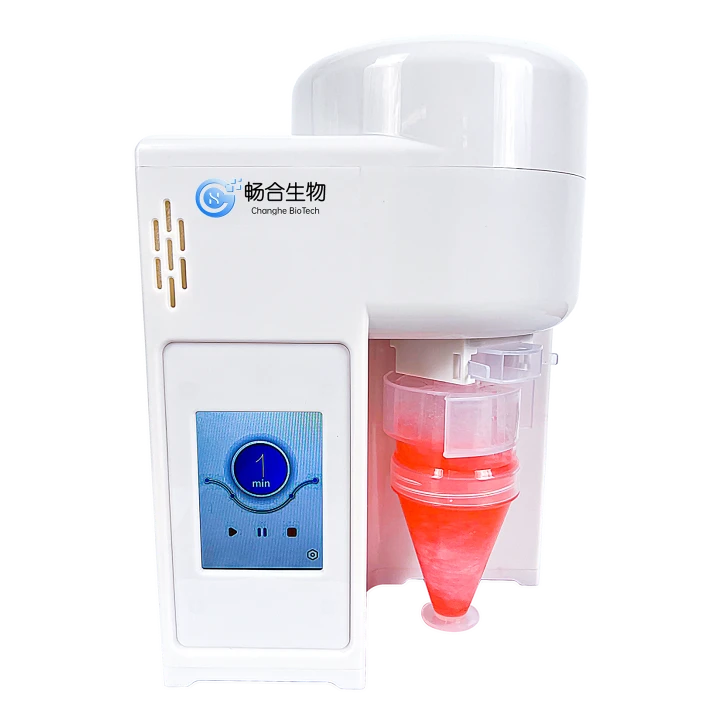
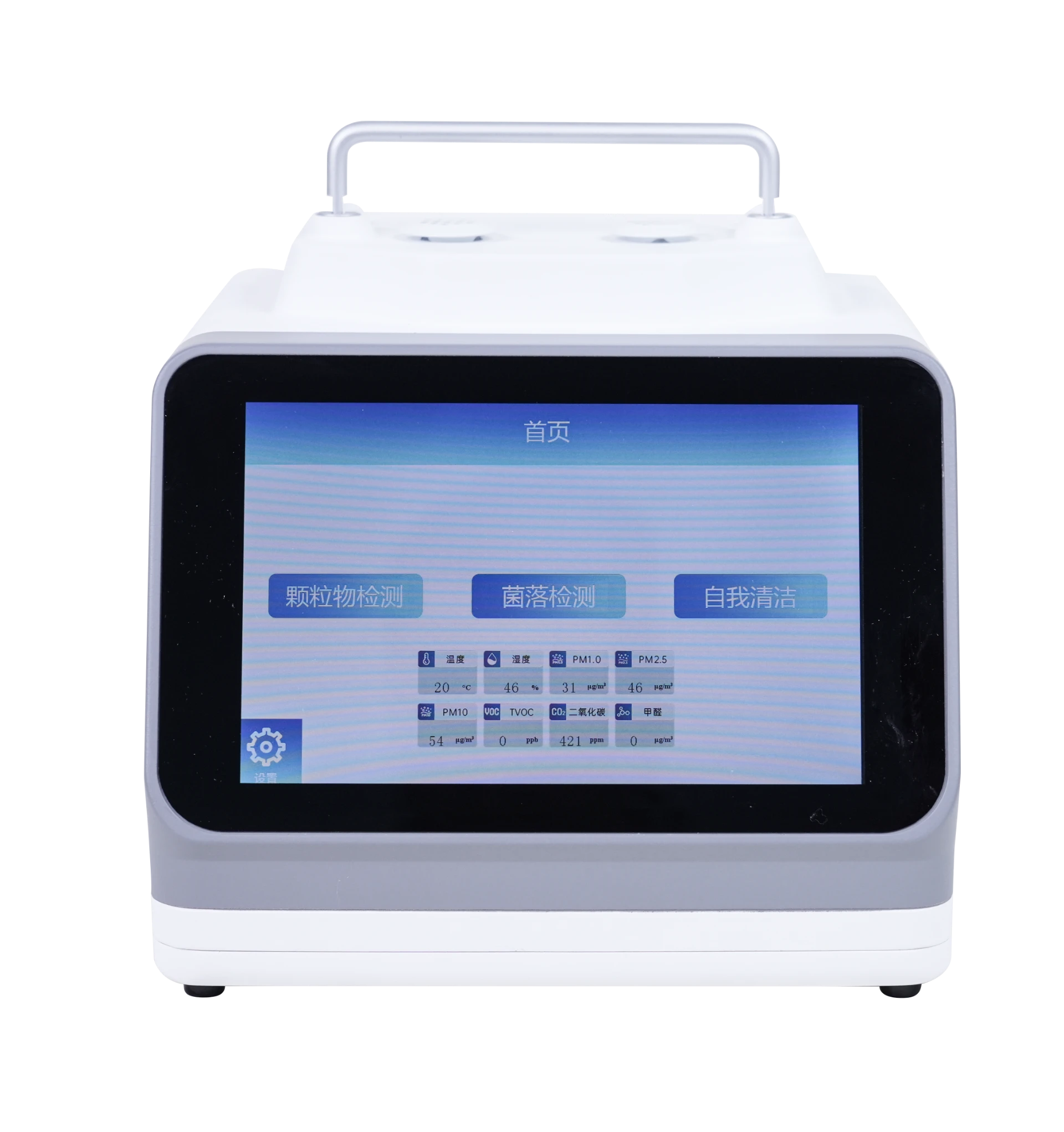
Paraguay's humid subtropical climate, characterized by high precipitation and temperature fluctuations, creates an ideal environment for the proliferation of airborne pathogens. This puts significant pressure on the medical diagnostic and monitoring sector, where traditional sampling methods often fail to provide real-time alerts.
Currently, many healthcare facilities in Asunción and Ciudad del Este rely on retrospective laboratory analysis. The lack of integrated bio detection systems means that contamination events in sterile manufacturing zones are often detected only after product batches are compromised.
Furthermore, the expansion of Paraguay's pharmaceutical manufacturing hub requires a transition toward automated bioaerosol detection to meet international GMP (Good Manufacturing Practice) standards, ensuring that therapeutic devices are produced in strictly monitored environments.