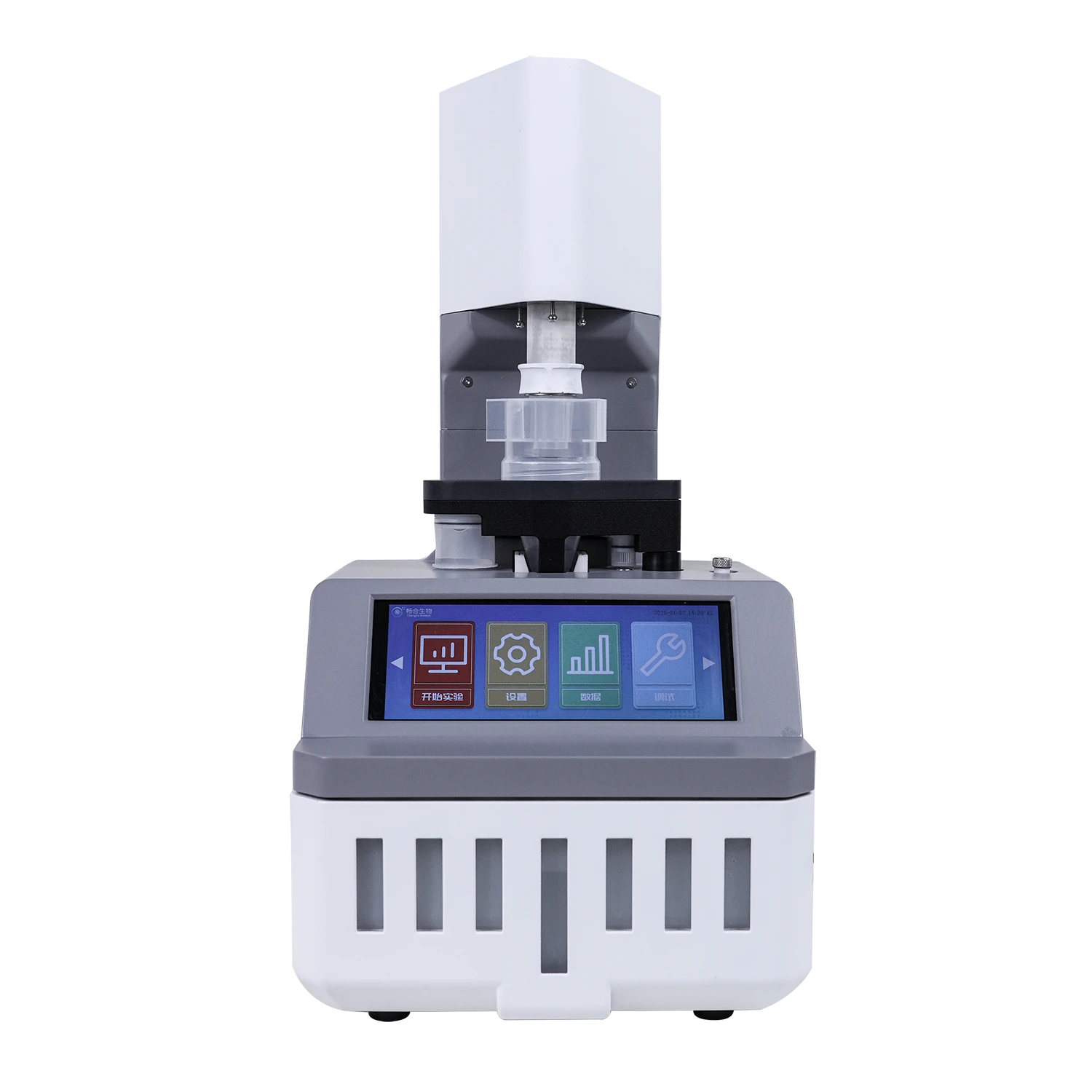

Air Sample Mold Test - Fast, Accurate Indoor Air Quality Kit
Real‑Time Insights for an air sample mold test: Field Notes from an Indoor Air Pro
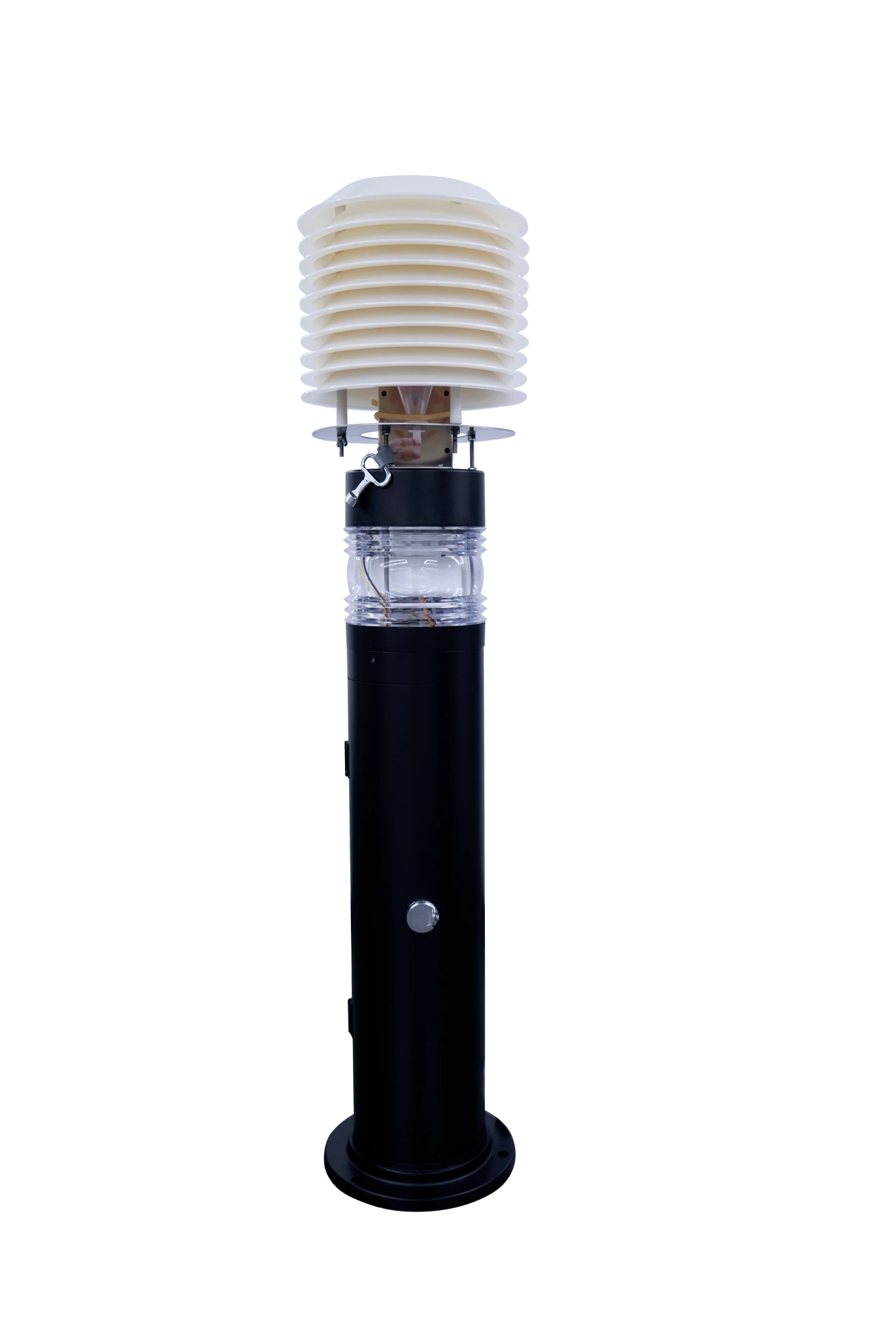
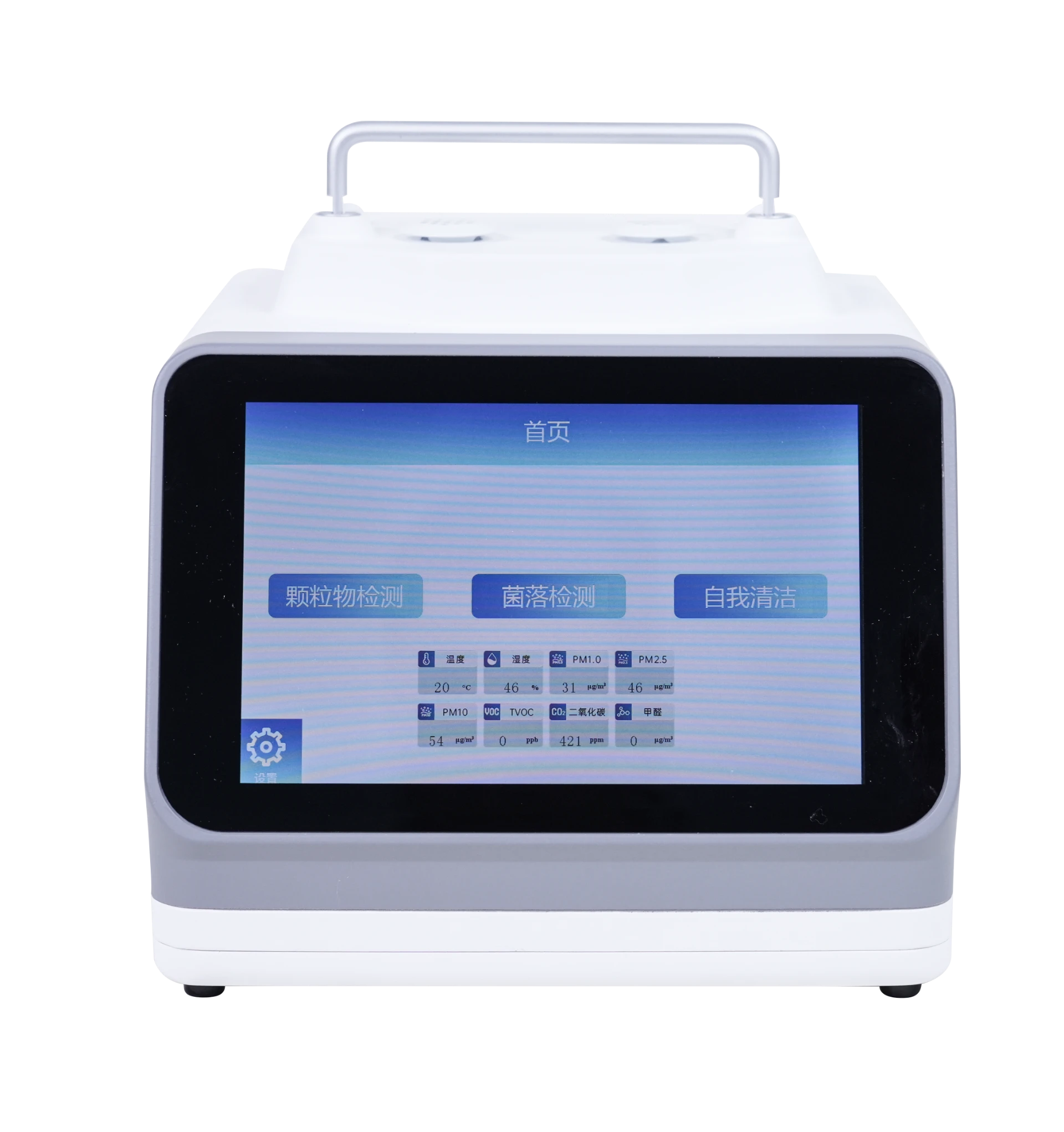
If you manage buildings or remediation projects, you already know mold doesn’t wait for lab reports. Real-time bioaerosol data is changing the game. I’ve spent years chasing musty complaints through schools, labs, and damp basements; the AST‑1‑2 Bioaerosol Monitoring Device has become a surprisingly practical tool in that chase. It measures fluorescence to flag biological particles, sizes them, and—here’s the kicker—streams trends as they unfold.
Why real-time mold intelligence matters
Traditional spore traps are useful, but they’re snapshots. Moisture events are dynamic. With continuous classification of fungi, pollen, and bacteria, we can pinpoint when a air sample mold test spikes, tie it to HVAC cycles, and validate fixes same day. Many customers say this cuts “mystery odor” time from weeks to hours.
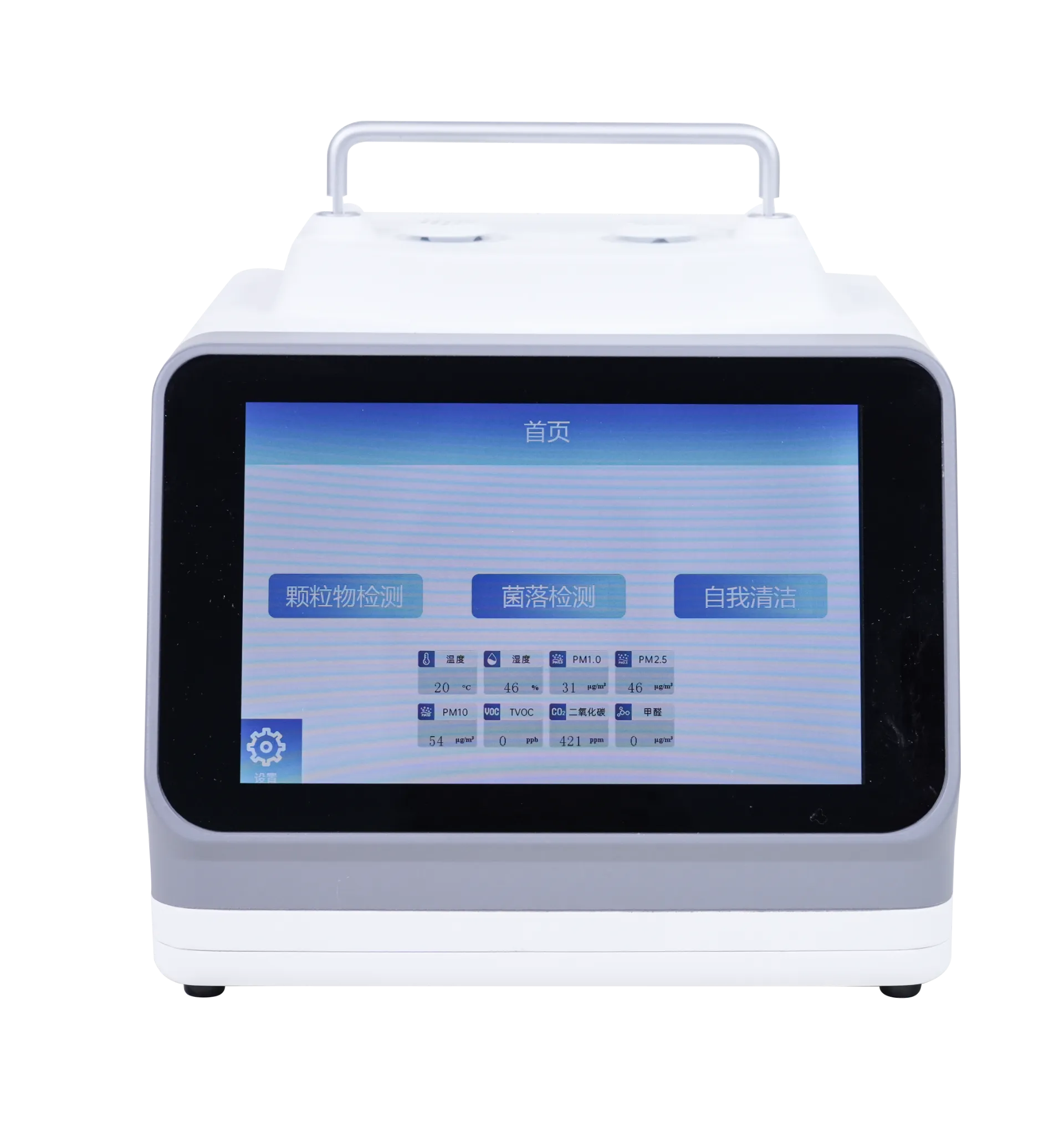
Product snapshot: AST‑1‑2 Bioaerosol Monitoring Device
Origin: FLOOR 7, NO.1588 HUHANG ROAD, SHANGHAI, CHINA. The unit uses laser-induced fluorescence to infer biological content, alongside optical sizing and morphology features. In plain English: it can tell you “these look fungal” and “they’re roughly 2–5 μm” in near real time.
| Measurement | Single-particle fluorescence + optical size (≈0.5–30 μm) |
| Flow rate | around 1–2 L/min (real-world use may vary) |
| Data | Counts by size bin, fluorescent intensity, morphology proxy |
| Interfaces | Local display, CSV/API export, network-ready |
| Certs (typical) | CE, RoHS; factory QA under ISO 9001 |
| Service life | Laser module ≈5–7 years; annual calibration recommended |
Where it shines
- Schools, offices, and healthcare facilities (IAQ baselining and moisture response)
- Restoration jobs (validate drying/cleaning before re-occupancy)
- Food and pharma clean areas (early warning when fungal counts drift)
- Museums/archives (sensitive materials + humidity swings)
Process flow for a rigorous air sample mold test
- Plan: Map sources/returns and outdoor reference; define dwell times (ISO 16000 guidance).
- Calibrate: Zero check with HEPA cap; verify particle sizing (ISO 21501-4 principles).
- Deploy: Place at breathing zone, avoid walls; log RH/temperature concurrently.
- Monitor: Track diurnal patterns; tag events (cleaning, HVAC on/off).
- Corroborate: When fluorescence surges, pull a parallel cassette for microscopy or qPCR (confirm species).
- Report: Compare to outdoor; document corrective measures; retain QA/QC.
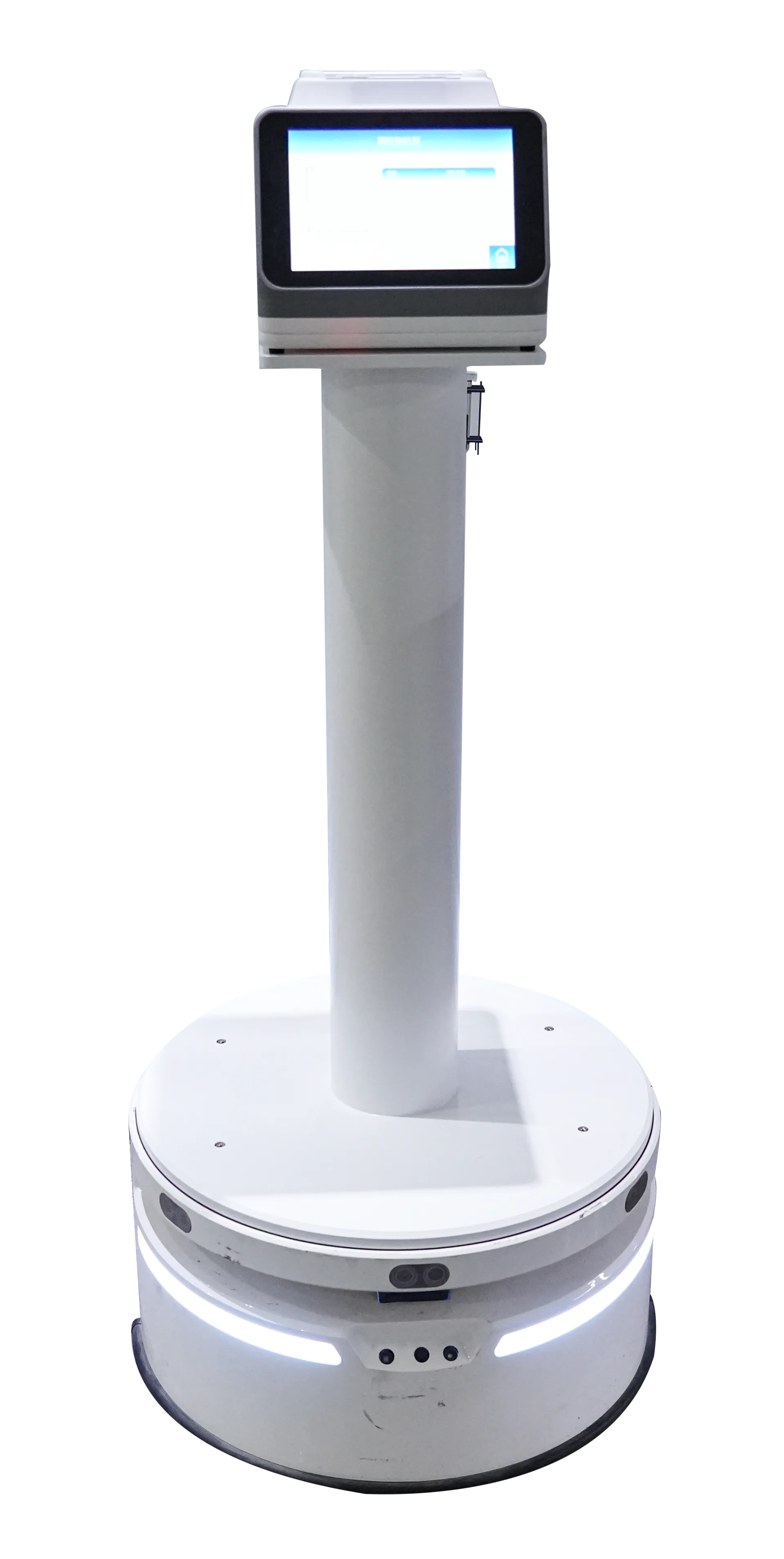
Vendor/Method comparison (what pros actually use)
| Option | Time to result | Detection | Pros / Cons |
|---|---|---|---|
| AST‑1‑2 (real-time) | Seconds | Fluorescent bioaerosols; size 0.5–30 μm | Pro: trend insight, rapid feedback. Con: classification, not species ID. |
| Spore trap cassette + microscopy | 24–72 h | Morphotypes, counts/m³ | Pro: widely accepted. Con: snapshot; operator variability. |
| qPCR (targeted) | 1–3 days | DNA of specific taxa | Pro: species-level. Con: cost; needs targets; no live/dead distinction. |
Customization and integration
Teams often request alarm thresholds (say, 2–5 μm fluorescent counts exceeding outdoor by 2×), REST API feeds to dashboards, or custom inlet options for high-humidity areas. Firmware can be tuned for smoothing windows; to be honest, a little filtering goes a long way in windy entrances.
Mini case study: school wing with a mystery leak
Baseline outdoor fluorescent 2–5 μm: ≈800 counts/m³. Classroom peak after HVAC start: 2,300 counts/m³, with concurrent RH spike to 68%. Post duct cleaning and dehumidification, peaks dropped by ≈68% within two days. Follow-up spore trap identified elevated Cladosporium consistent with the timing—it lined up nicely. One facility manager said, “We finally knew when to look.”
Standards, QA, and practical notes
- Use ISO 16000 series for planning/sampling concepts; EN 13098 for workplace bioaerosols.
- For particle sizing performance, align with ISO 21501-4 verification routines.
- Document calibration, zero checks, and any parallel lab methods (AIHA/ISO-accredited labs).
- Remember: a air sample mold test is stronger when fluorescence trends, microscopy, moisture readings, and occupant logs all point the same way.
Customer feedback: “Fast setup, immediate graphs. We used to wait a week to confirm a hunch.” “Surprisingly sensitive during night setbacks.”
References
- WHO Guidelines for Indoor Air Quality: Dampness and Mould.
- EPA: Mold Remediation in Schools and Commercial Buildings.
- AIHA: Recognition, Evaluation, and Control of Indoor Mold (Field Guide).
- ISO 16000 series: Indoor air — Part 1 et seq. (strategy, sampling, reporting).
- EN 13098: Workplace atmosphere — Measurement of airborne microorganisms.
- ISO 21501-4: Light scattering airborne particle counter calibration and performance.
-
Understanding pcr testes transgênicos for Agricultural PurityNewsApr.16,2026
-
Understanding Febre do Cão PCR for Precision Veterinary DiagnosticsNewsApr.09,2026
-
Understanding Respiração PCR and Grupo Cat for Advanced Bioaerosol Sampling TechniquesNewsApr.07,2026
-
IDEXX Feline Respiratory PCR Panel A Comprehensive Guide for VeterinariansNewsApr.04,2026
-
Understanding Grupo de Gatos URD PCR and Bioaerosol Sampling for Air Quality ControlNewsMar.28,2026
-
Understanding the Feline Respiratory PCR Panel Grupo de PCR Respiratório do GatoNewsMar.26,2026