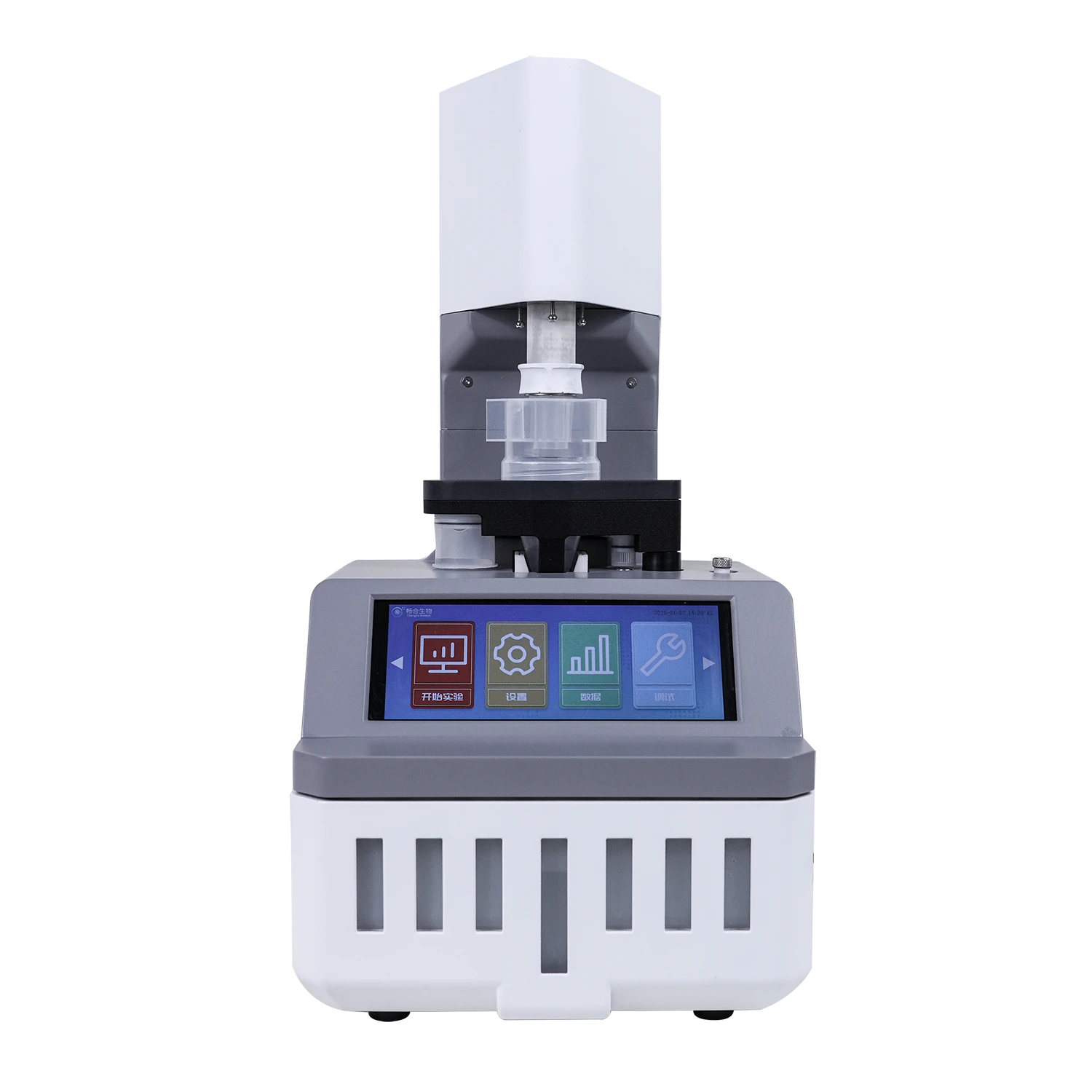

Air Sample Mold Test: Fast, Accurate, Easy—Need Results?
A Practical, Insider’s Look at Real‑Time Air Sample Mold Testing
If you’ve ever walked into a “clean” building and still smelled that faint musty note, you know why an air sample mold test matters. Over the past few years, IAQ teams, restoration contractors, even school districts have been shifting from slow culture plates to fast optical/fluorescence tools. To be honest, once you’ve seen live data trend in real time, going back feels… dated.
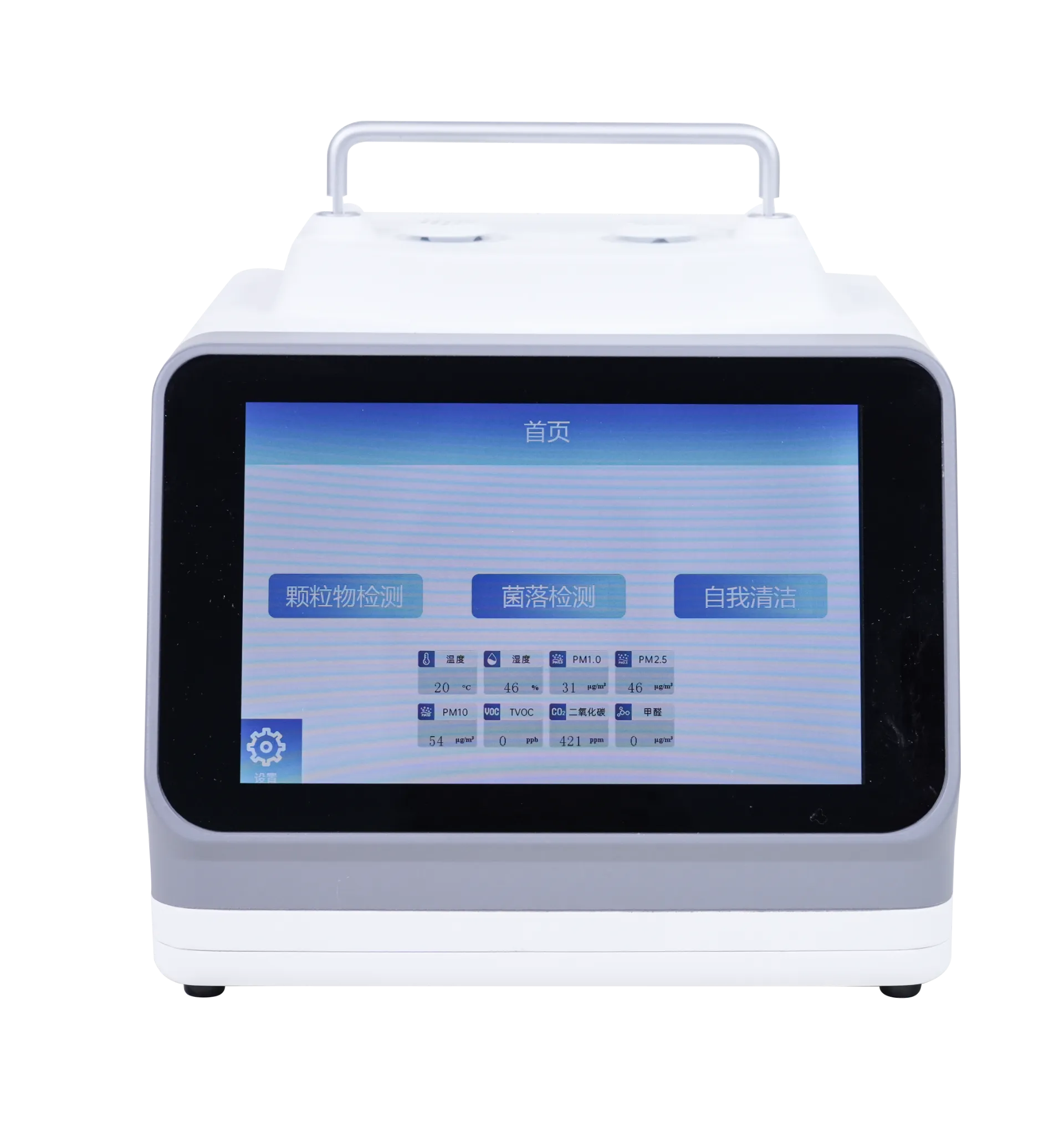
What the Bioaerosol Monitoring Device Does
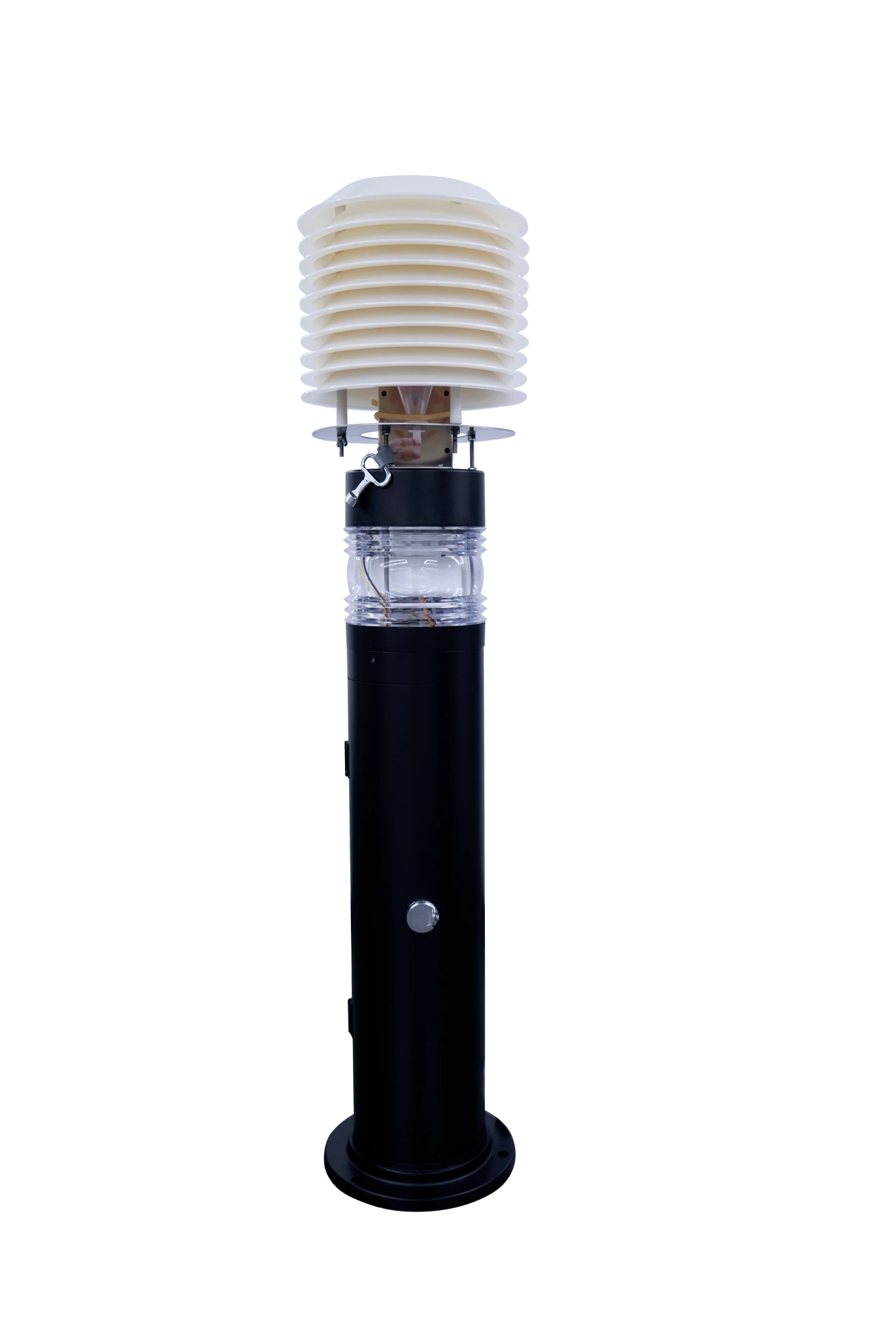
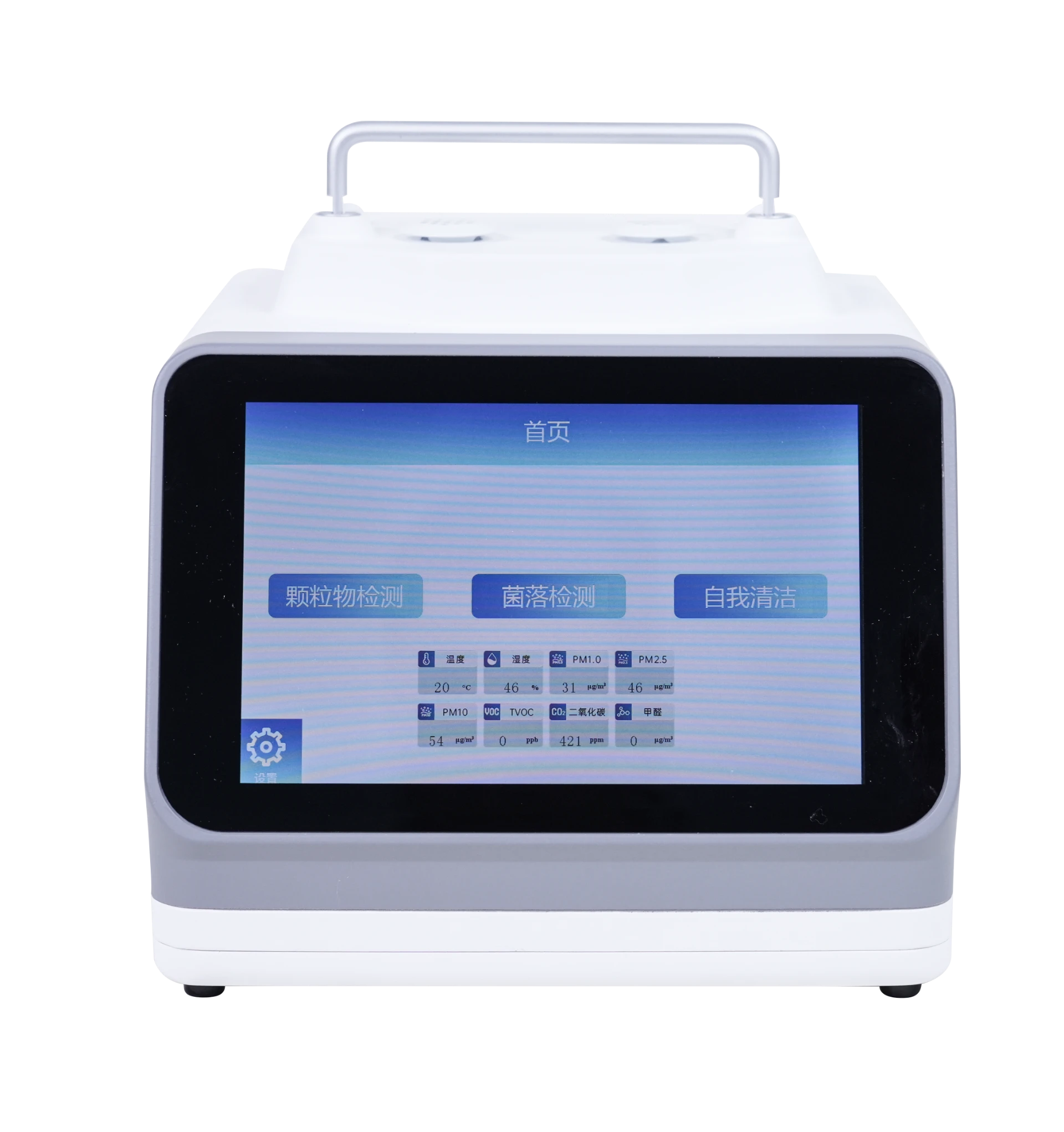
The AST-1-2 Bioaerosol Monitoring Device measures single particles in real time and uses laser light plus fluorescence to flag biological material—pollen, bacteria, fungi. It doesn’t “guess” from mass alone; it classifies using size, relative shape, and fluorescent signatures. In practice, that gives you a much sharper lens on mold behavior through the day.
Typical Process Flow (field use)
-
- Materials: optical sensor with UV excitation, isokinetic inlet, onboard processor, data logger, power (24 VDC).
- Methods: continuous draw of ambient air; size + fluorescence measured per particle; algorithms estimate “biological fraction.”
- Testing standards to align with: ISO 16000-18 for mold sampling concepts, EN 13098 for workplaces, AIHA/ACGIH field guidance; reporting often paired with EPA remediation guidance.
- Service life: UV/laser module ≈10,000–20,000 h (real-world use may vary); fan bearings ≈20,000 h; annual optical check recommended.
- Industries: schools, hospitals, pharma support areas, food processing, property management, museums, restoration and insurance claims.
Why real-time beats wait-time
During a air sample mold test after a leak, you see the spike immediately when HVAC cycles or doors open. Many customers say this “causal view” is what helps them actually fix issues, not just document them.
Product Specs (AST-1-2)
| Parameter | Spec (≈) | Notes |
|---|---|---|
| Particle size range | 0.5–20 µm | Covers most pollen, spores, bacteria clusters |
| Fluorescence channels | Dual UV excitation (≈280/365 nm) | Infers biological content |
| Flow rate | ≈2–5 L/min | Configurable per setup |
| Outputs | Counts, bio-fraction, size bins, shape ratio | API/CSV, dashboard |
| Connectivity | Ethernet, RS485, Wi‑Fi | BMS/SCADA friendly |
| Certifications | CE, RoHS; factory ISO 9001 | Documentation on request |
| Origin | FLOOR 7, NO.1588 HUHANG ROAD, SHANGHAI, CHINA | Global shipping |
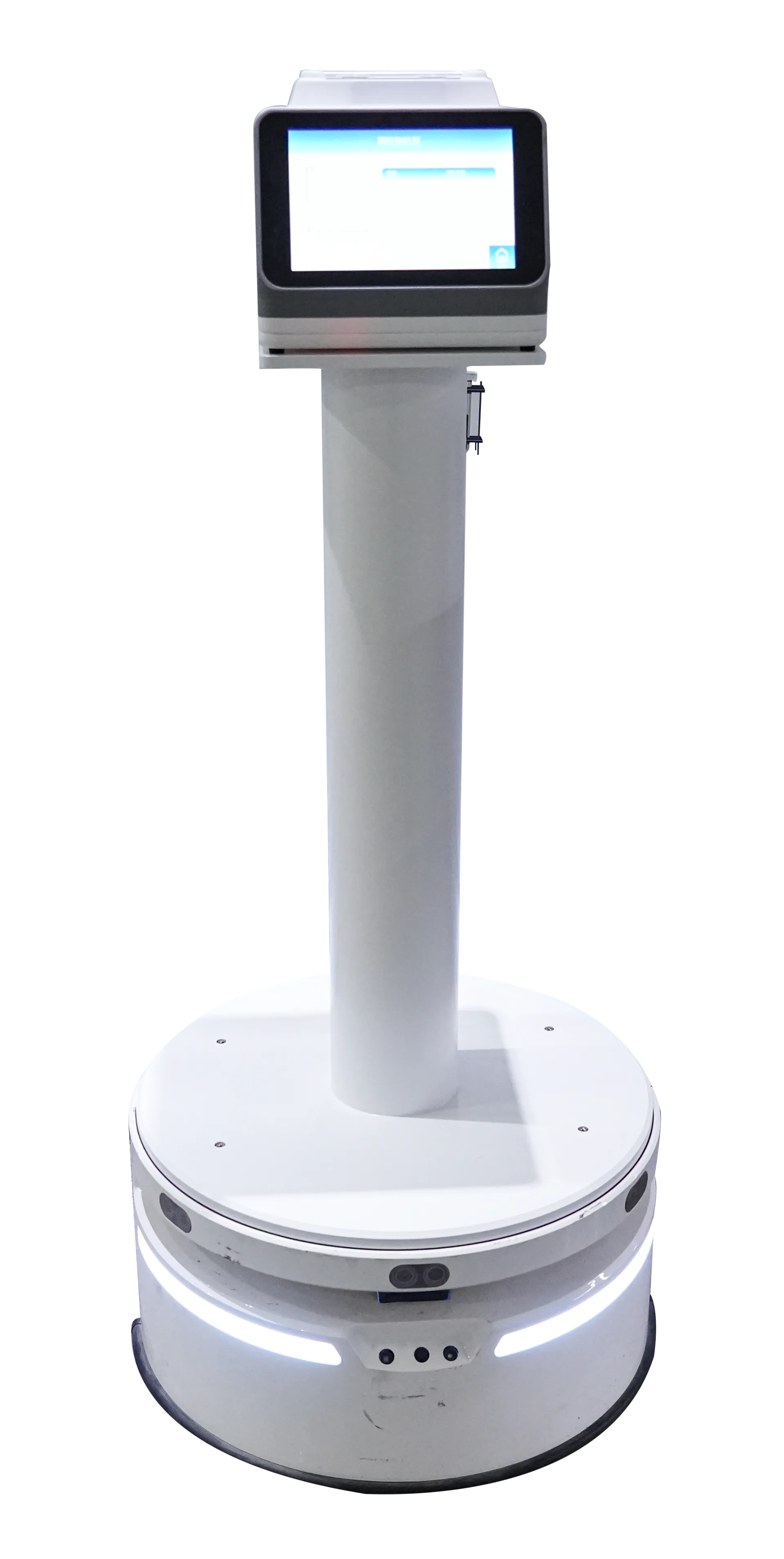
Vendor/Method Comparison
| Option | Principle | Time to Result | Strengths | Limitations |
|---|---|---|---|---|
| AST-1-2 (real-time) | Optical + fluorescence | Seconds | Trending, events, control loops | Not species-level ID |
| Impaction + culture | Agar growth | 2–7 days | Viable counts, ID | Misses non-viable; slow |
| Non‑fluorescent counters | Light scattering | Instant | Low cost, PM trends | No bio/non-bio split |
Applications, Customization, and Field Data
air sample mold test use cases: post‑flood remediation, hospital intake monitoring, museum collection rooms, food plant hygiene zoning, office IAQ baselining, school maintenance.
-
- Custom options: inlet heads, alarm thresholds, API/webhooks, multilingual UI, rugged carry case.
- Integration: BMS triggers (e.g., increase OA when bio-fraction > setpoint), e-mail/SMS alerts.
- Case snapshot: a 5,000‑sq‑ft school gym saw bio‑fraction peaks at 7:30–8:00 AM (door rush). After sealing a leaky vestibule and retuning HVAC, peaks dropped ≈62% week‑over‑week. That convinced facilities—and parents.
Customer feedback? It seems that teams like the “cause-and-effect” clarity. One PM told me, “We finally stopped arguing about timing the fogger—we watched the curve flatten in minutes.” Surprisingly, the biggest win was scheduling cleaning when counts are actually low, not just convenient.
Standards, Reporting, and Good Practice
Use real-time data to guide action, then document with recognized frameworks: ISO 16000 series for indoor mold sampling concepts, EN 13098 for workplaces, AIHA/ACGIH guidance notes. For remediation narratives, align with EPA’s playbook. And yes—keep a confirmatory lab method in your toolkit for species ID when required.
Authoritative references:
- WHO. Guidelines for Indoor Air Quality: Dampness and Mould, 2009.
- ISO 16000‑18: Indoor air — Detection and enumeration of moulds — Sampling by impaction.
- EPA. Mold Remediation in Schools and Commercial Buildings (EPA 402‑K‑01‑001).
- EN 13098: Workplace exposure — Measurement of airborne micro‑organisms and endotoxin.
- AIHA/ACGIH. Bioaerosols: Assessment and Control (latest edition).
-
Understanding pcr testes transgênicos for Agricultural PurityNewsApr.16,2026
-
Understanding Febre do Cão PCR for Precision Veterinary DiagnosticsNewsApr.09,2026
-
Understanding Respiração PCR and Grupo Cat for Advanced Bioaerosol Sampling TechniquesNewsApr.07,2026
-
IDEXX Feline Respiratory PCR Panel A Comprehensive Guide for VeterinariansNewsApr.04,2026
-
Understanding Grupo de Gatos URD PCR and Bioaerosol Sampling for Air Quality ControlNewsMar.28,2026
-
Understanding the Feline Respiratory PCR Panel Grupo de PCR Respiratório do GatoNewsMar.26,2026