
Air Sampling Bacteria: Fast, Accurate, ISO-Ready—Why Us?
A Practical Insider’s Guide to Air Sampling for Bacteria in 2025
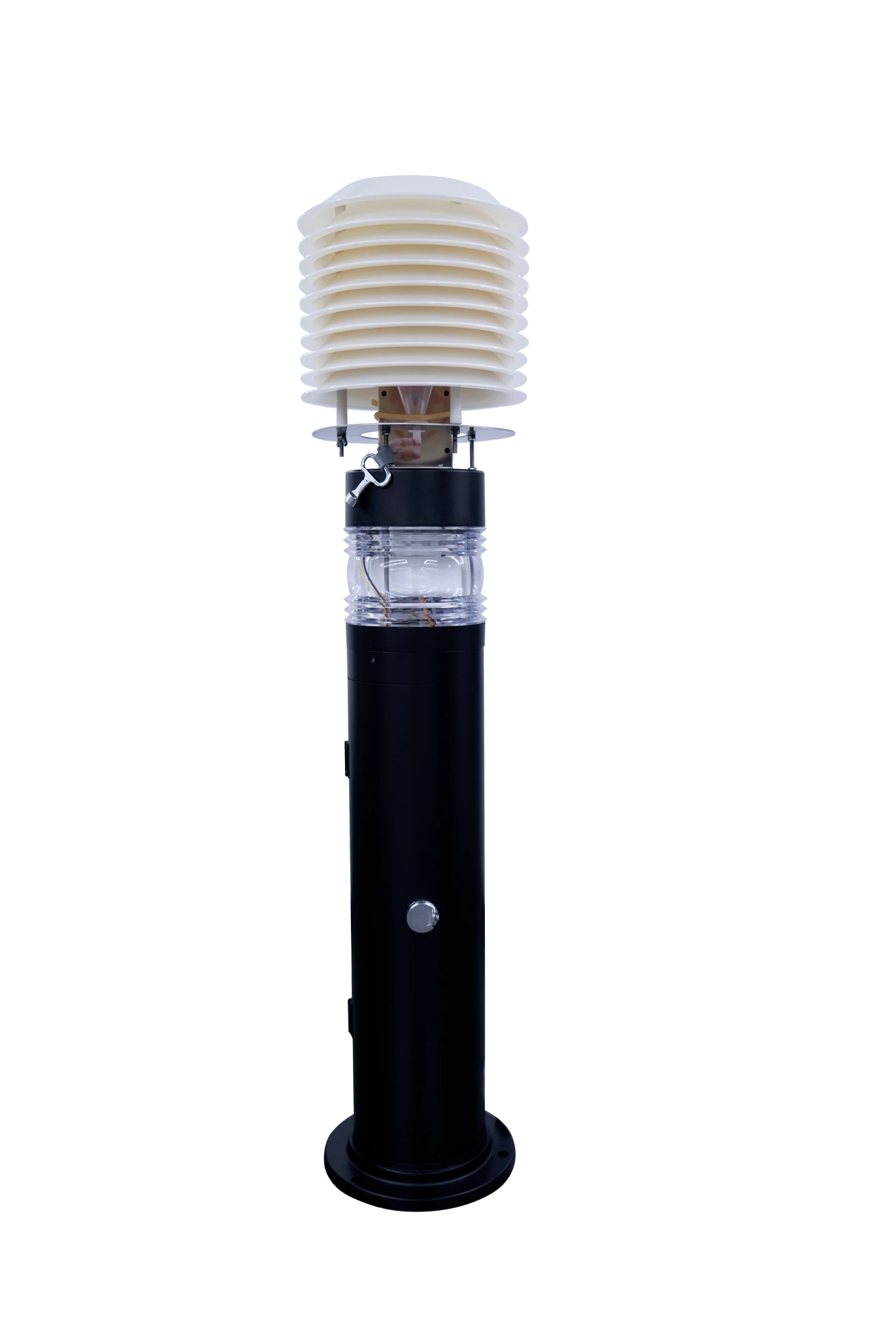
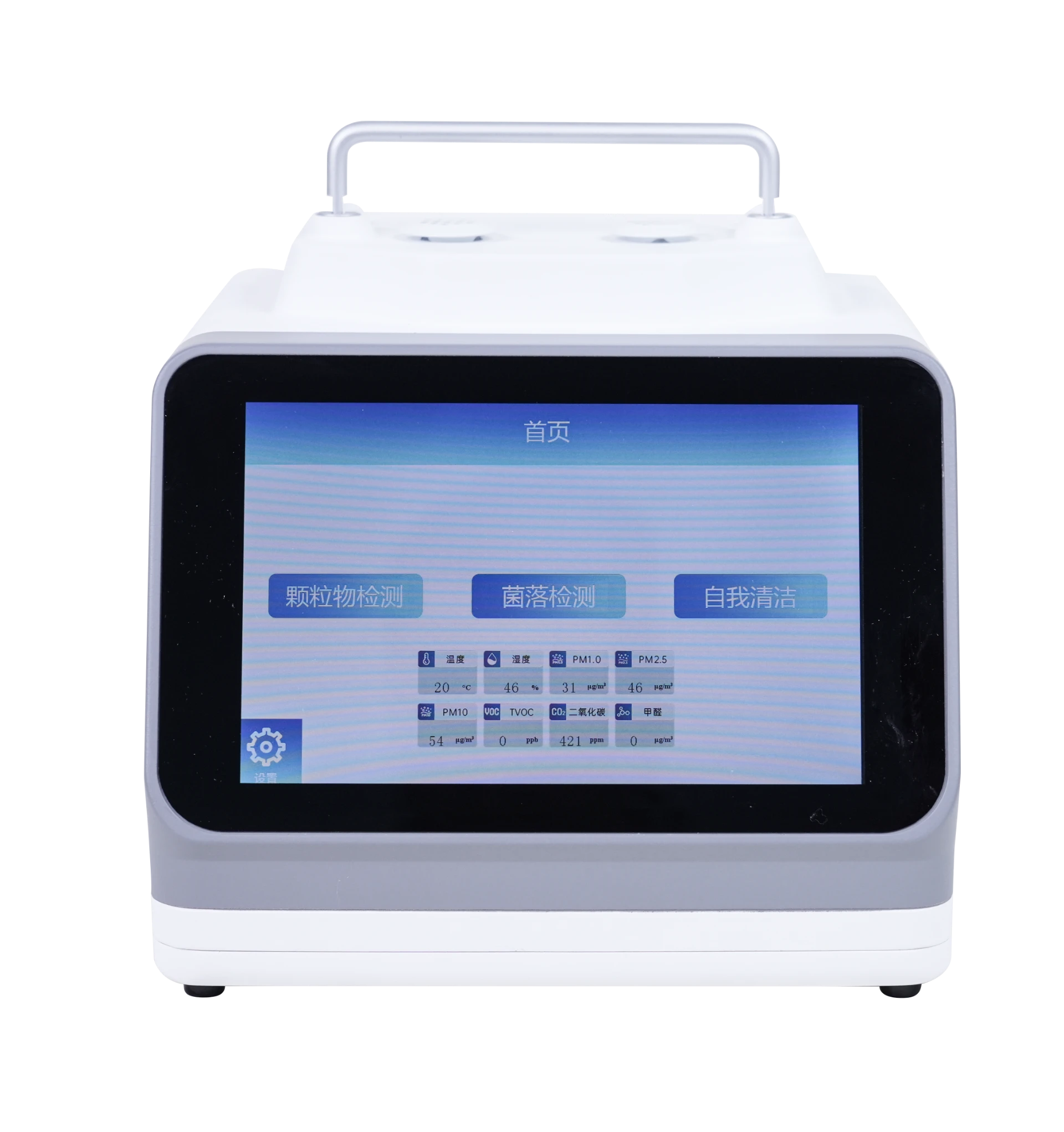
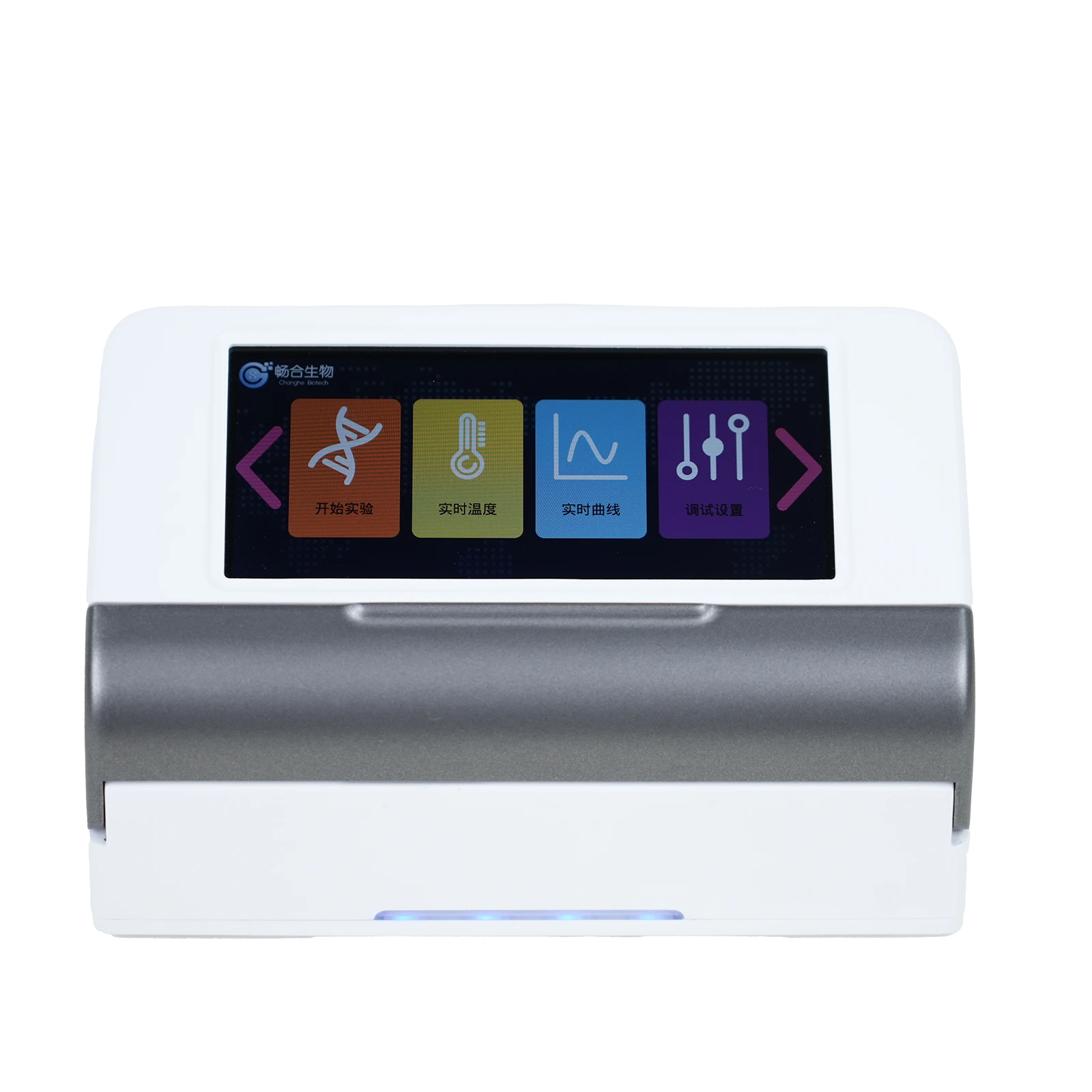
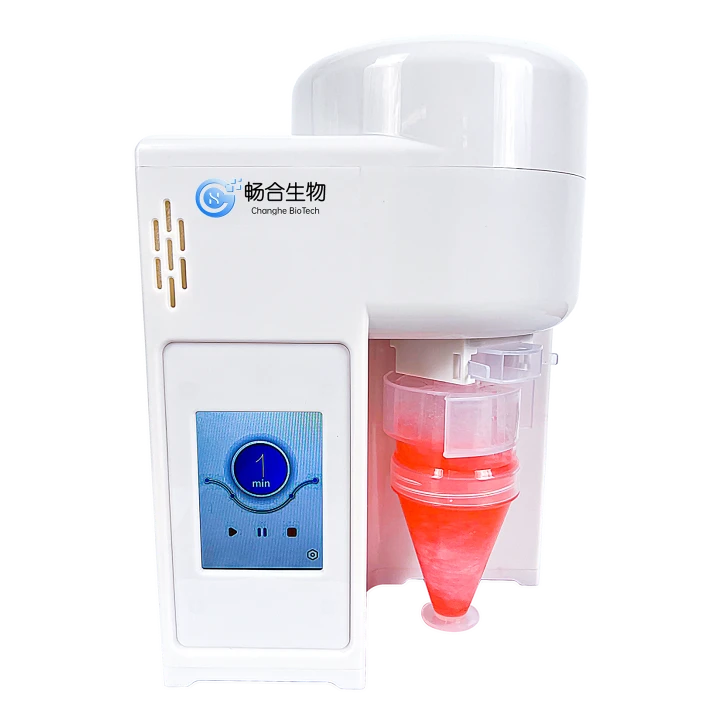
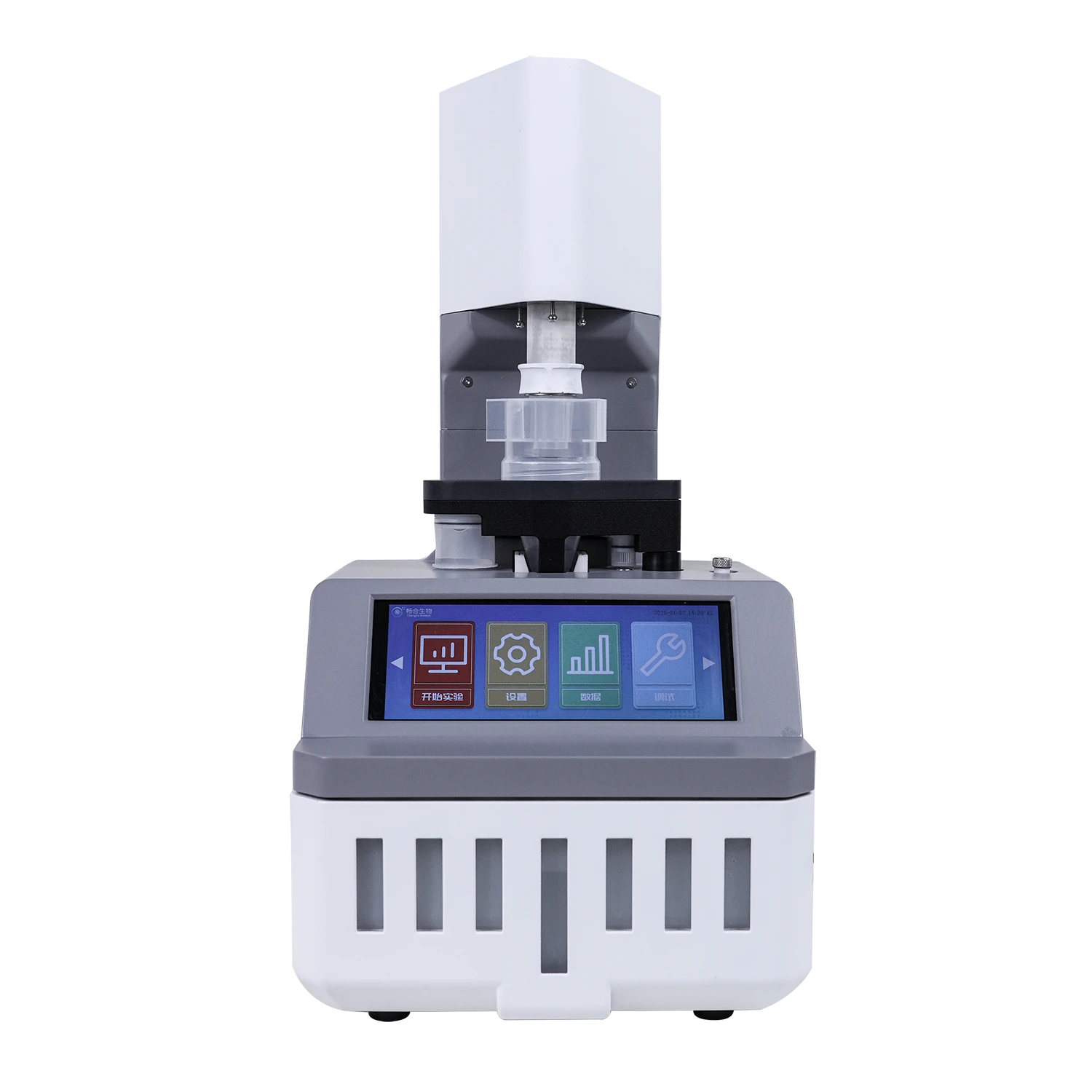
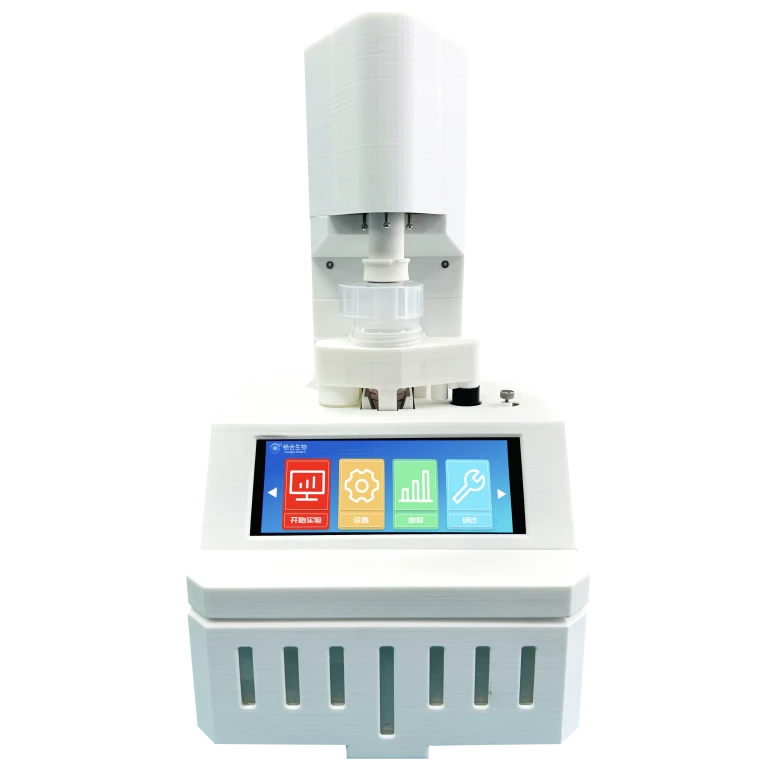
If you follow lab reality rather than brochure promises, you’ll know the phrase [air sampling bacteria] covers a messy, evolving field. To be honest, the big shift I’ve seen lately is from manual settle plates and filter swaps to automated wet-wall cyclone capture with on-board PCR. One standout launching lots of conversations among facility managers is the ASTF-1 Bioaerosol Sampler & Detection Device—an integrated sampler-extractor-quantifier that runs without babysitting.
Industry trend check
Hospitals, pharma cleanrooms, and even airports now expect near-real-time reads, not overnight incubation. Remote software control, open data ports, and “no cross-infection between consumables” are no longer nice-to-have—buyers ask for them first. Surprisingly, budgets are shifting from consumables to analytics and connectivity.
How the ASTF-1 works (short version)
Method: wet-wall cyclone concentrates bioaerosols at high flow; nucleic acids are extracted automatically in a closed path; four-color PCR quantifies targets; results stream to your LIMS via an open port. No manual intervention mid-run, and, yes, it supports remote operation. Origin: FLOOR 7, NO.1588 HUHANG ROAD, SHANGHAI, CHINA.
Product specifications (key points)
| Model | ASTF-1 Bioaerosol Sampler & Detection Device |
| Collection method | Wet-wall cyclone, large-flow intake |
| Flow rate | ≈300 L/min (real-world use may vary) |
| Detection | PCR with 4-color fluorescence channels |
| LoD | ~10² genomic copies/m³ for common pathogens (matrix-dependent) |
| Run time | Sampling 10–30 min; results in ~60–90 min total |
| Cross-contamination | Closed consumables path; no cross infection of consumables |
| Connectivity | Remote software; open port for various OS/platforms |
| Materials | 316L stainless wetted parts; medical-grade PTFE tubing |
| Service life | Core assembly ≈5–7 years or 10,000+ hours; 12-month warranty |
| Certifications | ISO 9001, CE; supports EN 17141-aligned monitoring |
Where it’s used
Hospitals (ICU/OR), biopharma cleanrooms, vaccine plants, food & beverage hygienic zones, airports and border screening, HVAC IAQ audits, and livestock facilities. For [air sampling bacteria] in cleanrooms, the draw is rapid exception handling—catch it, fix it, move on.
Vendor comparison (field notes)
| Feature | ASTF-1 (wet-wall + PCR) | Vendor B (impaction plates) | Vendor C (filter cassette) |
| Time to result | ~60–90 min | 24–72 h incubation | 4–8 h (lab PCR) |
| Automation | High; no manual intervention | Low; manual handling | Medium; manual extraction |
| Cross-contamination risk | Minimal (closed path) | Moderate (plate swaps) | Moderate (filter handling) |
| Remote/data | Open port, remote ops | Limited | Varies by kit |
Process flow and standards
Sampling (wet cyclone) → automated lysis/extraction → qPCR on four channels → onboard quant → secure export. Methods align with EN 17141/ISO 14698 philosophies for biocontamination control; qPCR reporting follows MIQE best practices; validation often references NIOSH bioaerosol guidance. In trials, capture efficiency for 0.5–10 μm aerosols exceeded 90% (lab aerosols; your mileage may vary).
Customization
Custom pathogen panels, assay thresholds per SOP, API integration with existing LIMS/SCADA, optional rugged case/UPS kit, and localized UI. For [air sampling bacteria] in food plants, customers often request Listeria/Salmonella panels and audit-friendly reports.
Mini case files
• Regional hospital ICU: switched from plates to ASTF-1, cut time-to-decision from 48 h to 75 min; flagged an HVAC damper fault same shift. Many customers say the “no-touch run” reduced glove changes and surprises.
• Beverage cleanroom: weekly trending showed a 1.6× spike before sanitation; root cause traced to weekend maintenance. After gasket replacement, counts normalized within two cycles.
References and standards
-
Understanding pcr testes transgênicos for Agricultural PurityNewsApr.16,2026
-
Understanding Febre do Cão PCR for Precision Veterinary DiagnosticsNewsApr.09,2026
-
Understanding Respiração PCR and Grupo Cat for Advanced Bioaerosol Sampling TechniquesNewsApr.07,2026
-
IDEXX Feline Respiratory PCR Panel A Comprehensive Guide for VeterinariansNewsApr.04,2026
-
Understanding Grupo de Gatos URD PCR and Bioaerosol Sampling for Air Quality ControlNewsMar.28,2026
-
Understanding the Feline Respiratory PCR Panel Grupo de PCR Respiratório do GatoNewsMar.26,2026