
Air Sampling Bacteria: Faster, Accurate ISO-Ready Samplers?
What Pros Really Mean When They Talk About air sampling bacteria
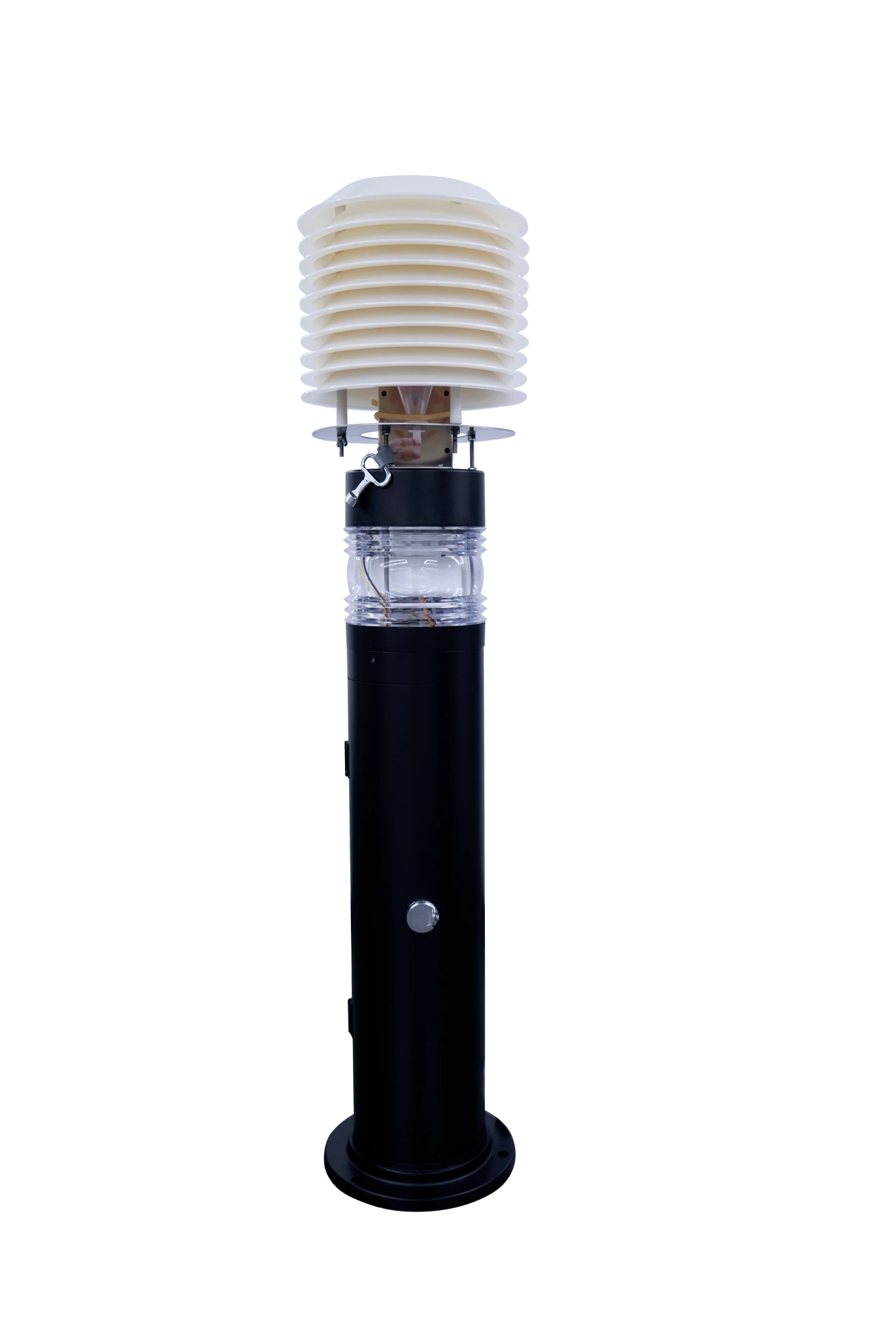
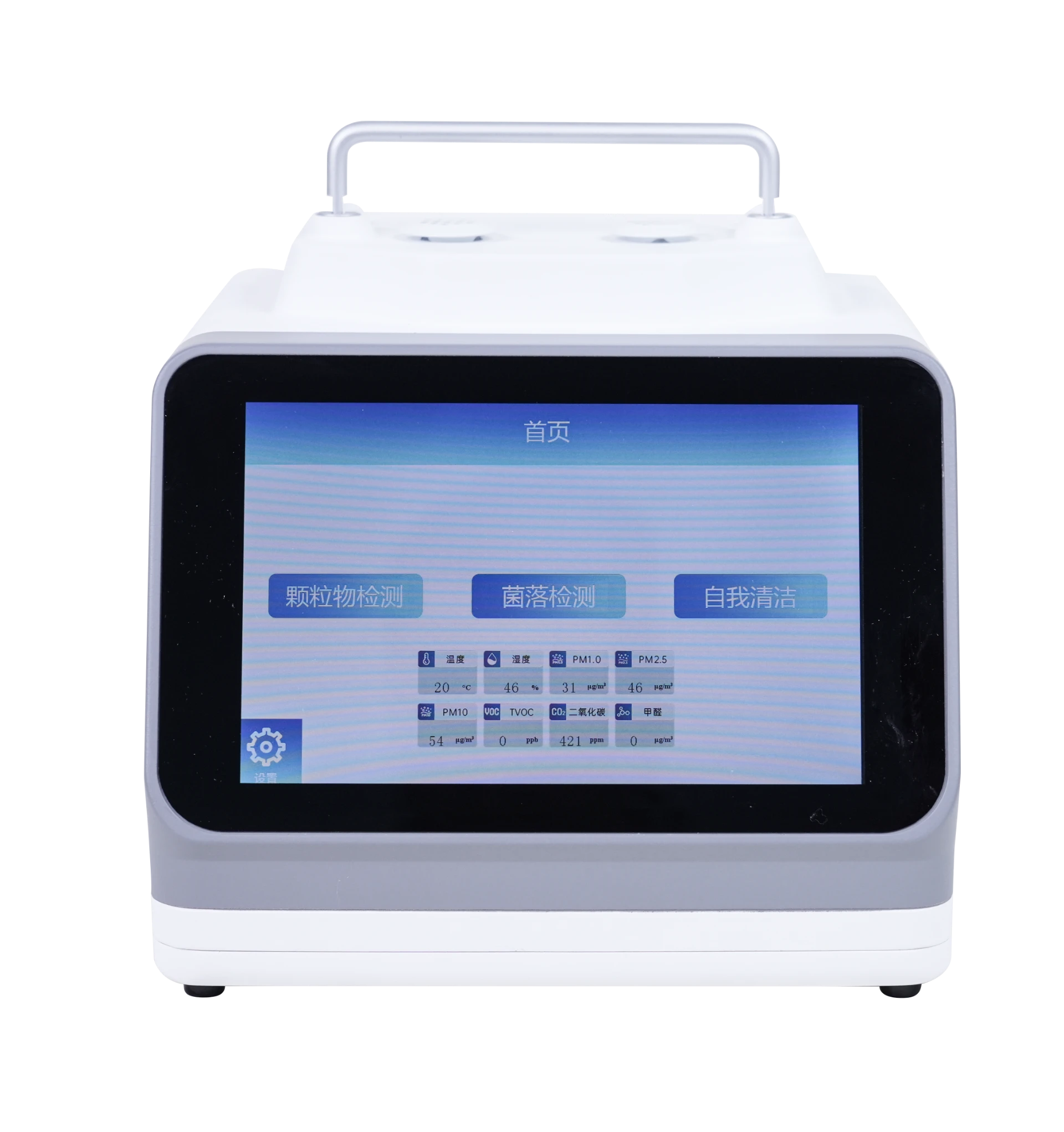
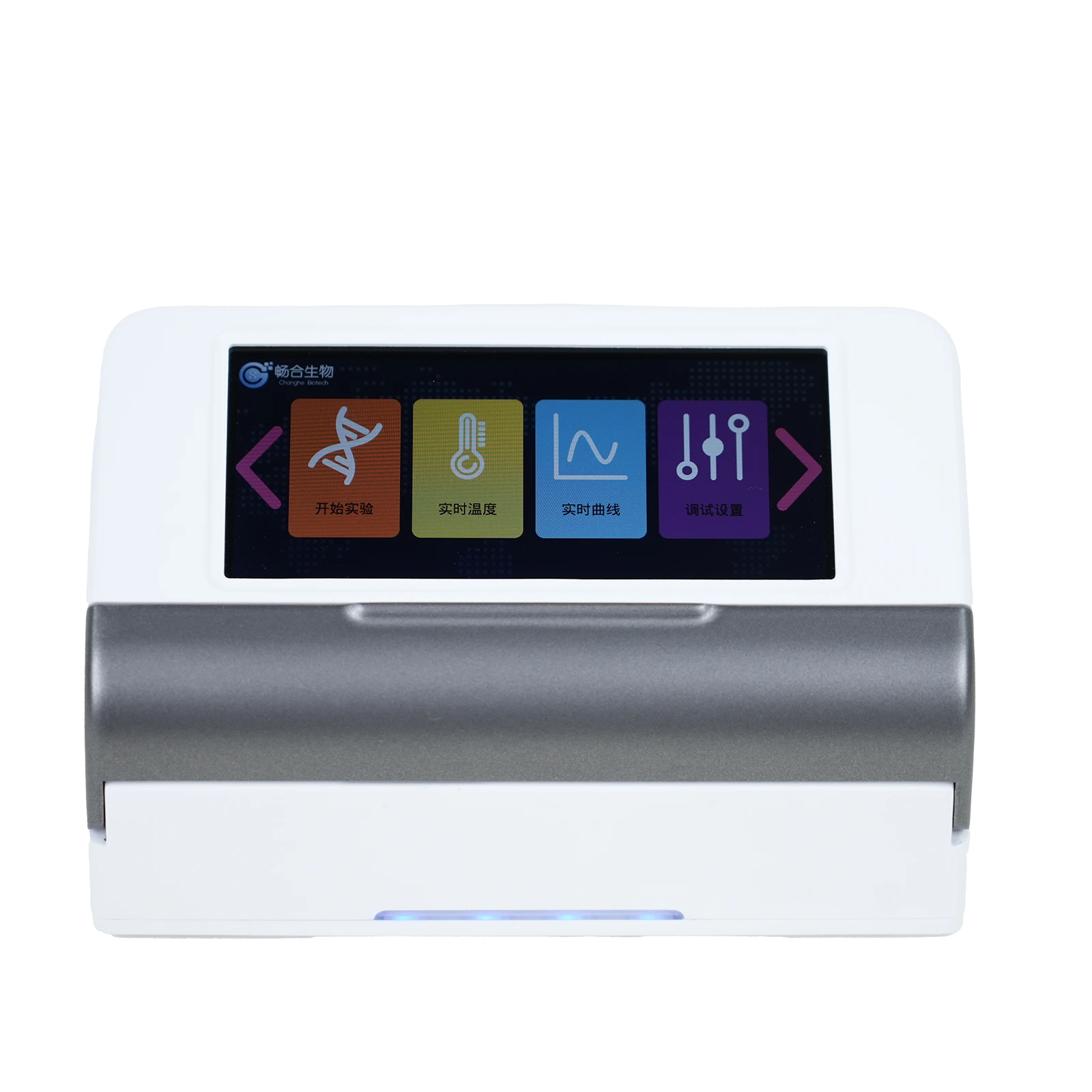
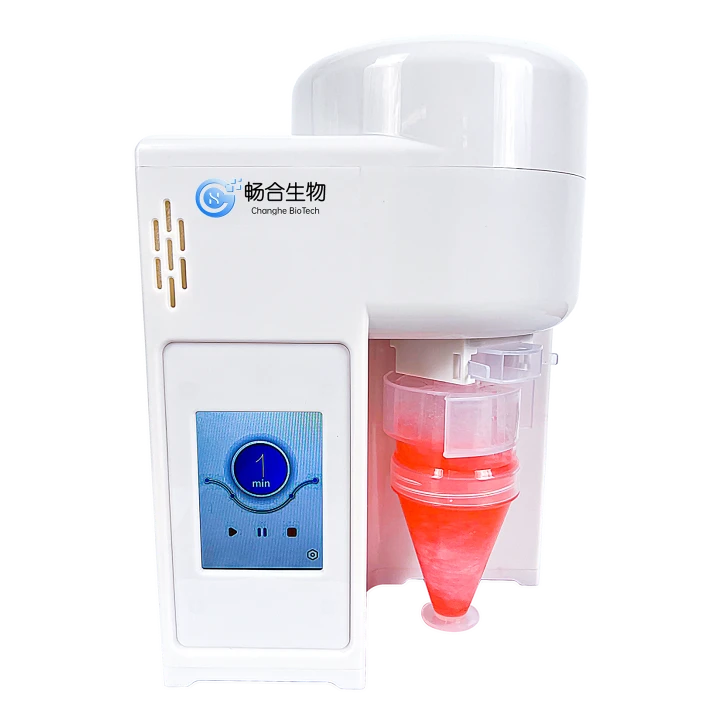
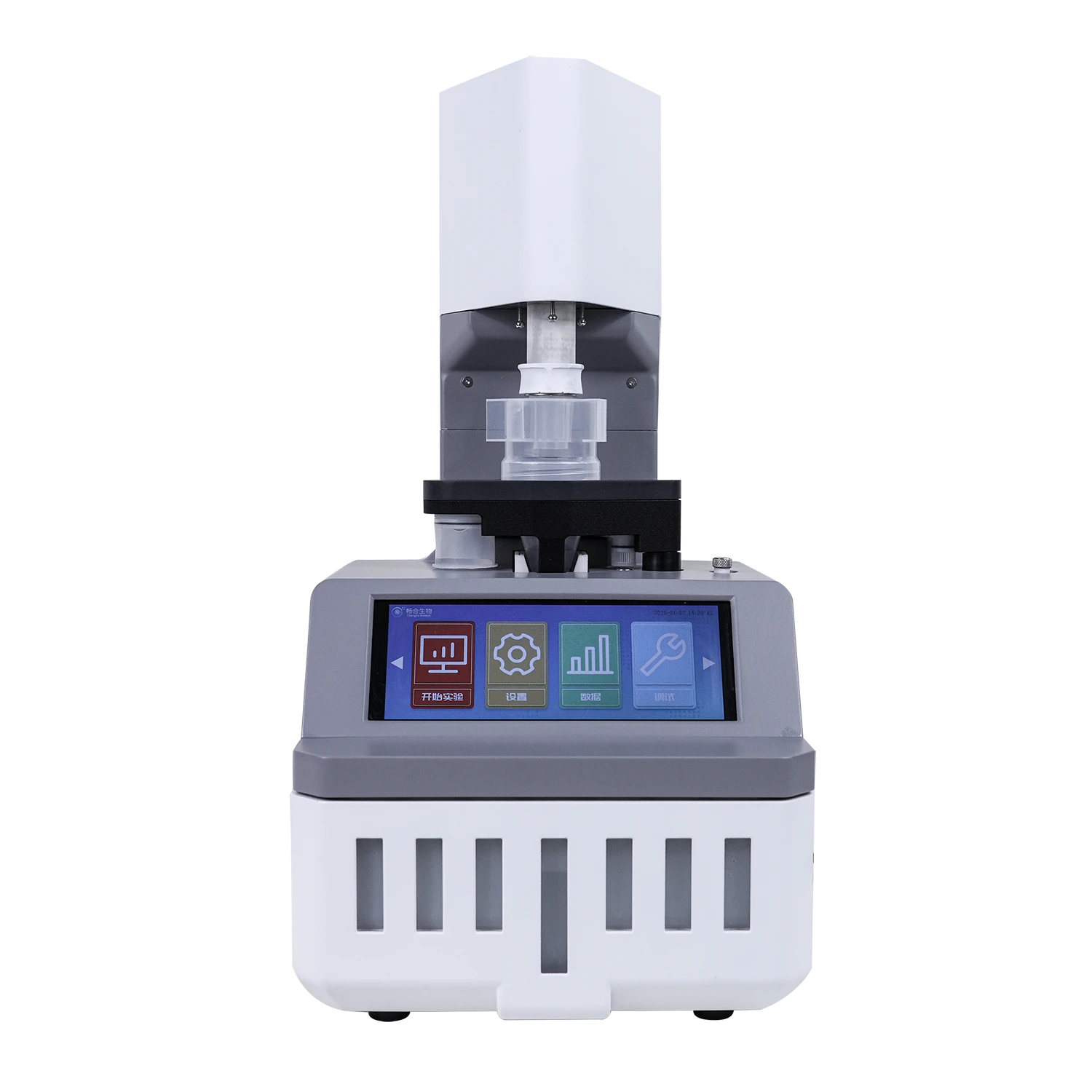
I’ve spent a chunk of my career inside cleanrooms, hospital ICUs, and, once, the loading bay of an international airport at 3 a.m. The conversations are always the same: “How fast can we know what’s in the air, and can we trust the result?” Lately, the answer is shifting toward fully automated, PCR‑based bioaerosol platforms that actually do the heavy lifting while you keep the line running. The ASTF‑1 Bioaerosol Sampler & Detection Device is one of those rare machines that moved from “interesting demo” to “we’re deploying this” surprisingly fast.
Why this matters now
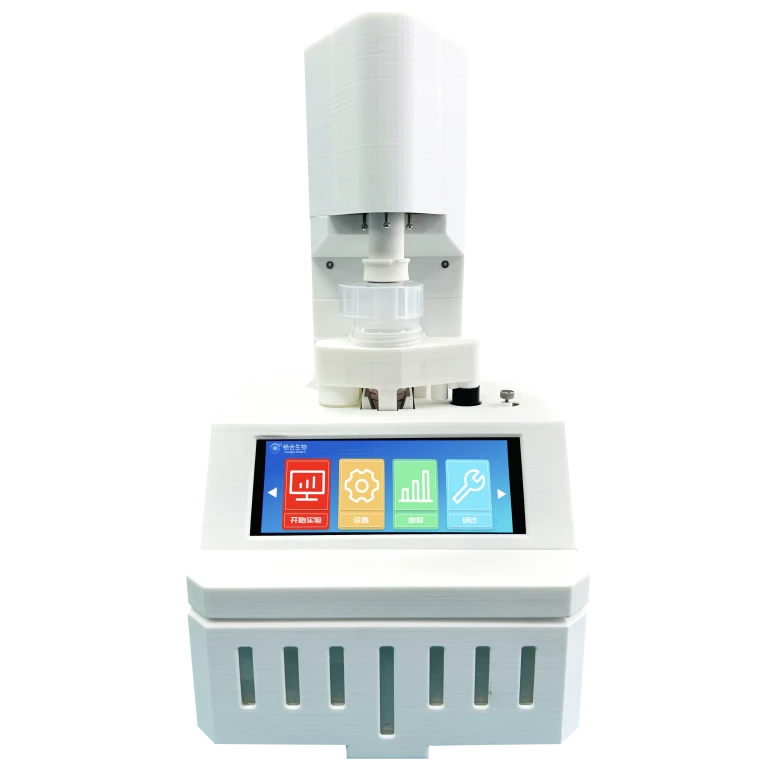
Trend-wise, we’re seeing three things: continuous monitoring instead of periodic plates, molecular confirmation (RT‑qPCR) replacing guesswork, and remote dashboards for multi-site oversight. The ASTF‑1, built in Shanghai (FLOOR 7, NO.1588 HUHANG ROAD, SHANGHAI, CHINA), leans into all three with a wet-wall cyclone to concentrate aerosols, automated nucleic acid extraction, and four‑color fluorescence PCR for multiplex targets. No manual intervention, no cross‑infection of consumables, and remote software control—exactly what overworked teams asked for.
How it works (short version)
- Materials: sterile collection liquid, lysis buffer, magnetic beads, RT‑qPCR reagents, closed cartridges.
- Methods: high‑flow wet‑wall cyclone concentrates pathogens; automated extraction; four‑channel PCR quantifies targets; onboard QC checks.
- Testing standards aligned: ISO 14698/EN 17141 for biocontamination control, MIQE for qPCR reporting; method verification per NIOSH guidance.
ASTF‑1 key specifications
| Collection method | Wet-wall cyclone, high flow |
| Airflow | ≈ 300–500 L/min (real‑world use may vary) |
| PCR channels | Four‑color fluorescence (multiplex) |
| Limit of detection | ≈ 10–50 copies/reaction (target‑dependent) |
| Run time | Sampling 15–30 min; results in ≈ 60–120 min |
| Automation | Fully automatic; no manual pipetting; closed consumables |
| Connectivity | Remote software control; open API/port for multiple OS |
| Certifications | CE, RoHS (documentation on request) |
| Service life | ≈ 5–7 years with annual calibration |
Where it’s used (and why)
Hospitals, pharma cleanrooms, food plants, airports, subways, schools—anywhere air sampling bacteria surveillance keeps people safe or batches compliant. Customers tell me the biggest win is moving from “We think it’s okay” to “We have a Ct value and a decision tree.” Honestly, that confidence changes behavior on the floor.
Process flow in practice
- Place unit and start remote job; cyclone concentrates sample into liquid.
- Automated lysis and magnetic‑bead extraction; internal control validated.
- RT‑qPCR four‑channel multiplex; thresholding per MIQE‑style QC.
- Report: target detected/quantified, Ct curves, audit trail; optional alert to BMS/SCADA via open port.
Vendor comparison (indicative)
| Feature | ASTF‑1 | Brand H (impactor) | Brand S (filter + lab PCR) |
|---|---|---|---|
| Time to result | ≈ 1–2 h onsite | 48–72 h (culture) | 8–24 h (ship to lab) |
| Cross‑contamination risk | Very low (closed) | Medium (plates) | Medium (filter handling) |
| Labor requirement | Minimal; remote | Technician time | Tech + courier |
Field data (typical)
- Capture efficiency: ≈ 60–80% across 0.5–5 µm aerosols (internal verification, ISO 14698 methods).
- False positives minimized via dual‑target confirmation; LoD ≈ 10–50 copies/reaction.
- Stability: 8‑hour continuous operation without manual intervention; no consumable cross infection observed.
Case notes
Hospital ICU: moved from weekly plates to daily air sampling bacteria screens; flagged a transient spike tied to a maintenance window—issue fixed the same shift. Airport gate: weekend pilot detected a respiratory panel target during peak boarding; operations increased air exchanges and staggered lines. Not glamorous, but effective.
Customization and integration
Open API for CMMS/BMS dashboards, adjustable target panels (pathogen sets), and site‑specific SOPs. Remote software operation is standard, and the port is open to adapt to various platform operating systems. Service agreements usually bundle calibration and training—worth it, in my view.
Authoritative references
- ISO 14698-1/2: Cleanrooms and associated controlled environments—Biocontamination control.
- EN 17141:2020 Cleanrooms and associated controlled environments—Biocontamination control.
- MIQE Guidelines: Minimum Information for Publication of Quantitative Real-Time PCR Experiments.
- NIOSH Bioaerosol Sampling guidance (CDC/NIOSH publications).
-
Understanding pcr testes transgênicos for Agricultural PurityNewsApr.16,2026
-
Understanding Febre do Cão PCR for Precision Veterinary DiagnosticsNewsApr.09,2026
-
Understanding Respiração PCR and Grupo Cat for Advanced Bioaerosol Sampling TechniquesNewsApr.07,2026
-
IDEXX Feline Respiratory PCR Panel A Comprehensive Guide for VeterinariansNewsApr.04,2026
-
Understanding Grupo de Gatos URD PCR and Bioaerosol Sampling for Air Quality ControlNewsMar.28,2026
-
Understanding the Feline Respiratory PCR Panel Grupo de PCR Respiratório do GatoNewsMar.26,2026