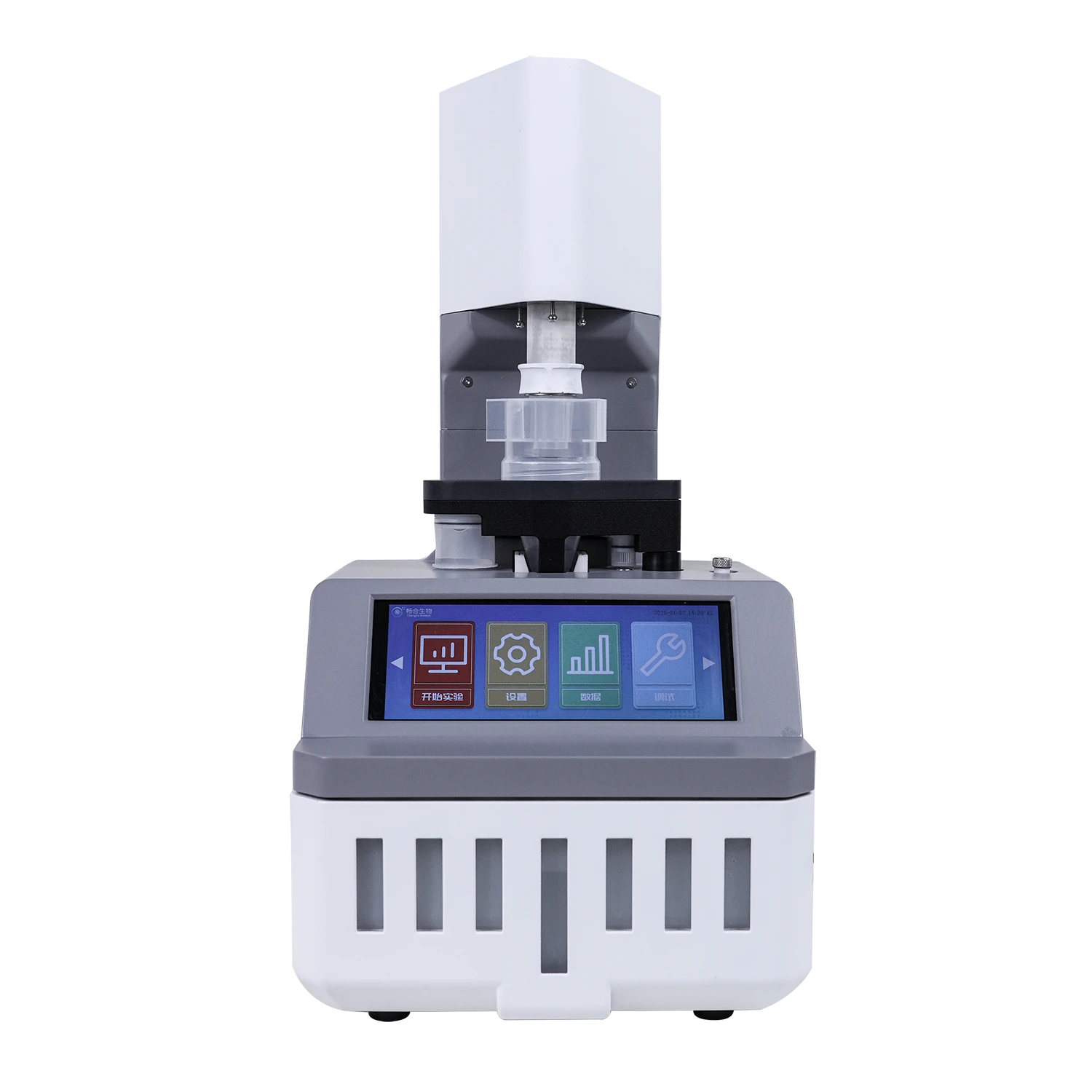

Air Sampling Bacteria: ISO-Accurate, Fast Bio Sampler?
Air sampling for real-world bacteria control: what’s working now, and what isn’t
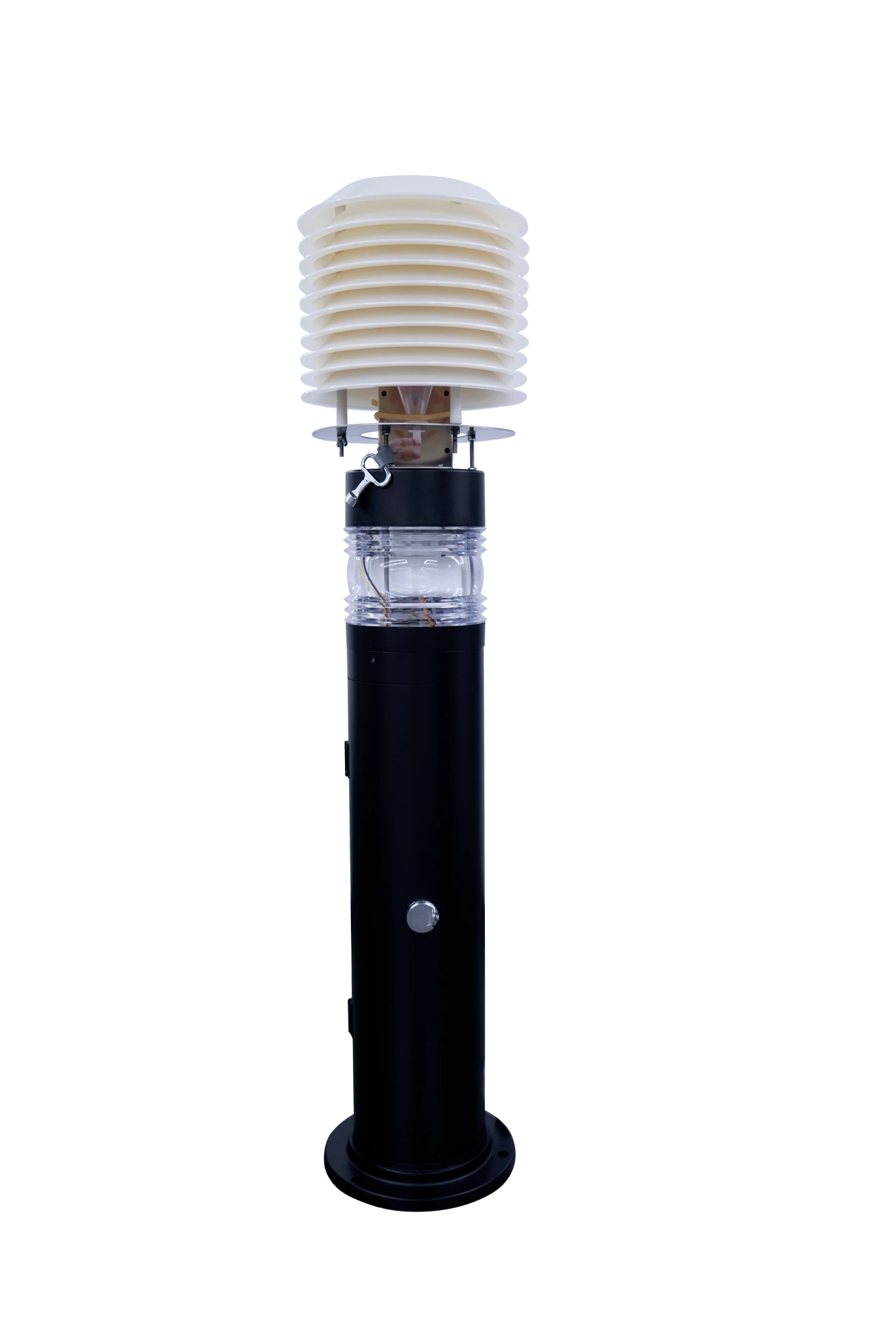
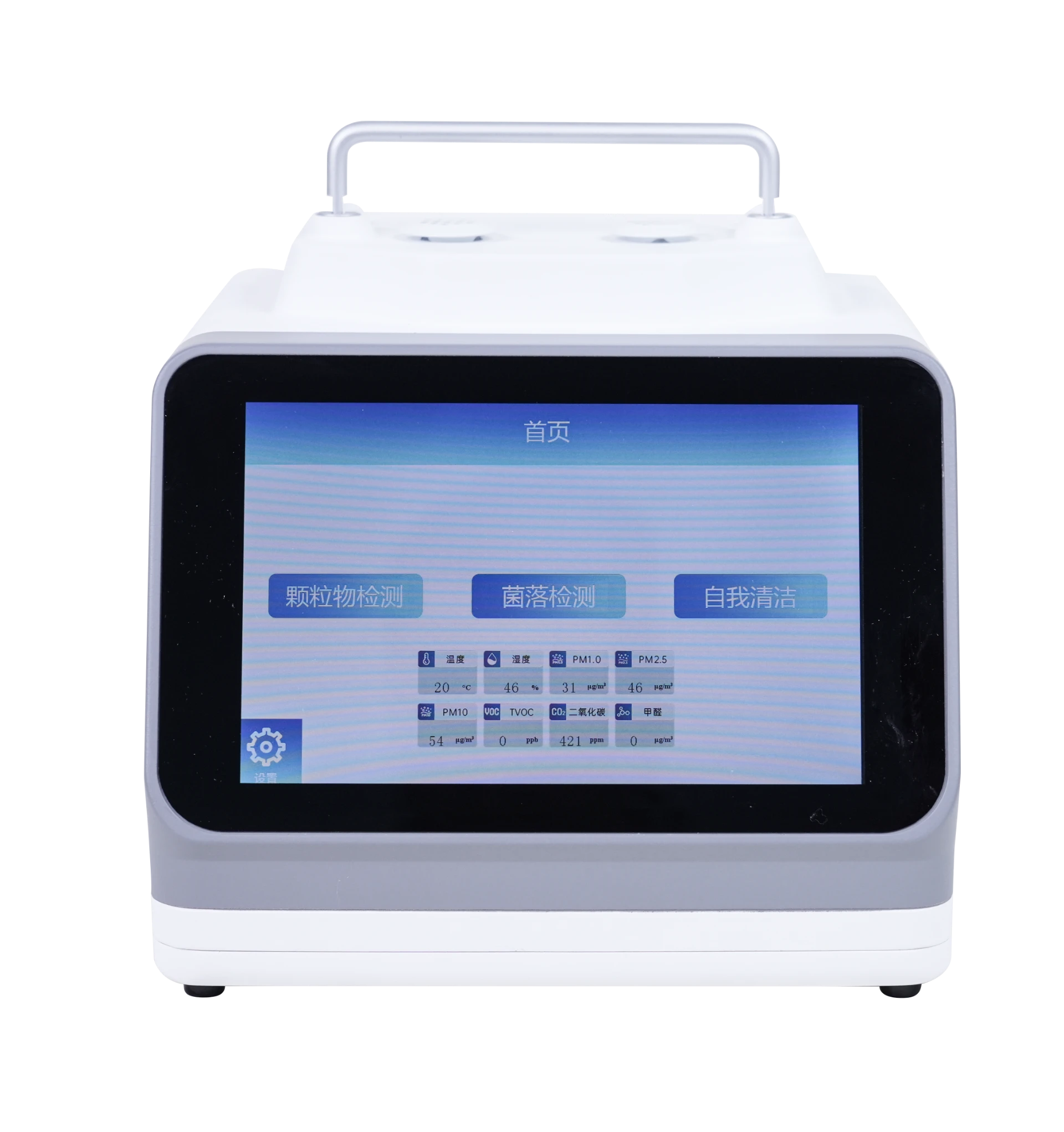
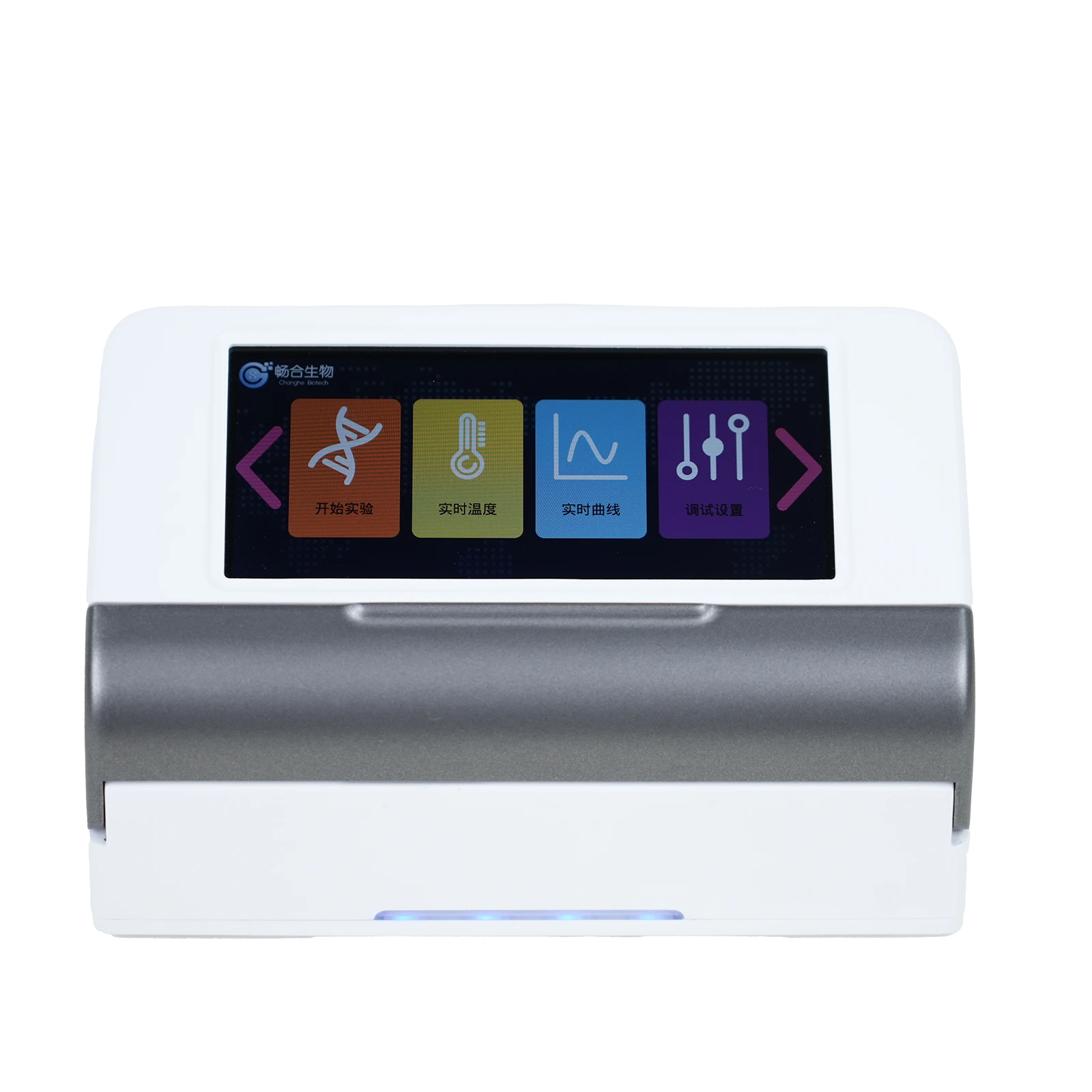
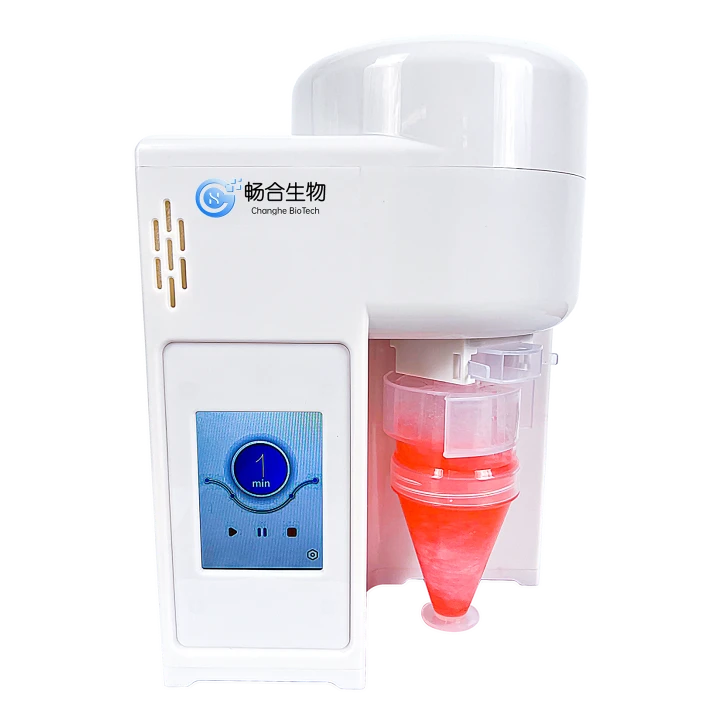
If you care about air sampling bacteria in hospitals, cleanrooms, or even transit hubs, the conversation has shifted—fast. Culture plates are still useful, sure, but decision-makers are asking for same-shift answers, not next-week colony counts. That’s why I’ve been watching the ASTF‑1 Bioaerosol Sampler & Detection Device with some interest. It’s a wet‑wall cyclone that funnels high volumes of air into a liquid, auto-extracts nucleic acids, then runs four‑color PCR for on-the-spot calls. No manual pipetting mid-run, and remote software if you don’t want to suit up just to start a test. To be honest, that’s the kind of practical upgrade many teams quietly want.
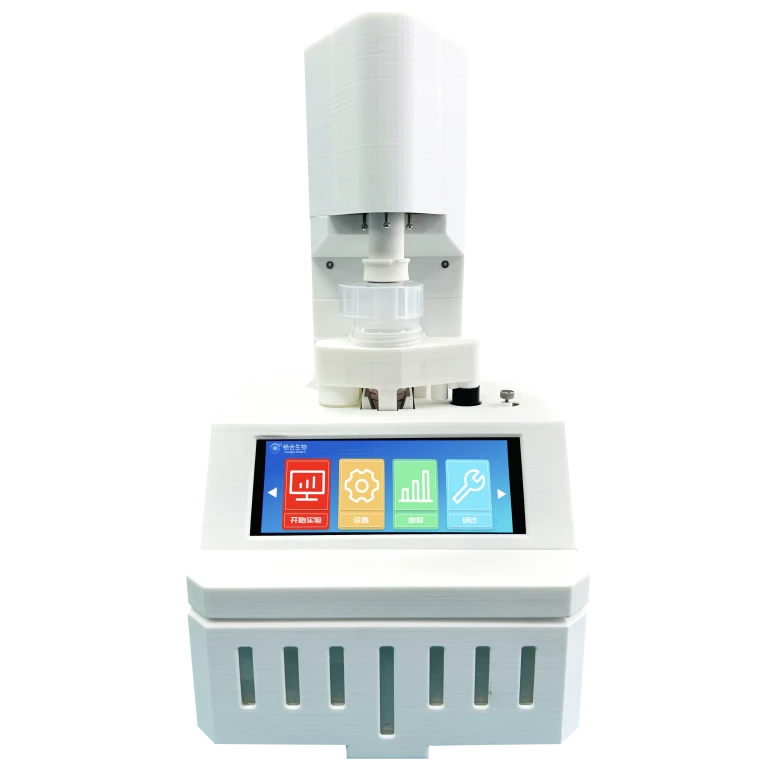
Industry trend check
Rapid, culture‑independent workflows are edging into routine environmental monitoring. Cleanroom managers cite EN 17141, QA folks mention trending to action levels instead of one-off spikes, and infection‑control teams want traceable, remoteable data. In fact, several buyers tell me they now run culture plates weekly and PCR screens nightly—belt and suspenders. It seems that mixed methods, not either/or, is the new normal for air sampling bacteria.
ASTF‑1 at a glance (specs)
| Parameter | ASTF‑1 Bioaerosol Sampler & Detection Device |
|---|---|
| Sampling method | Wet‑wall cyclone into collection liquid; high‑volume draw |
| Flow rate | ≈300–900 L/min (real‑world use may vary by site conditions) |
| Detection | PCR with four‑color fluorescence channels; auto extraction |
| Automation | No manual intervention during run; no consumable cross‑infection pathway |
| Data/Control | Remote software operation; open port for diverse OS/platforms |
| Service life | Core blower/pump ≈10,000–15,000 h (site maintenance dependent) |
| Materials | Wetted path in corrosion‑resistant alloy/engineering polymer; closed fluid loop |
| Origin | FLOOR 7, NO.1588 HUHANG ROAD, SHANGHAI, CHINA |
Process flow: from air to answer
- High‑volume intake; wet‑wall cyclone traps air sampling bacteria into liquid.
- Automated lysis and nucleic acid extraction (closed, to reduce contamination risk).
- qPCR on four fluorescence channels; targets configurable by panel.
- Results visualized locally and via remote client; audit trails retained.
- Verification against site SOPs aligned to ISO 14698/EN 17141 and, where used, USP <1116> action levels.
Where it’s being used
Hospitals (ORs, ICUs), pharma cleanrooms, vaccine fill/finish, food processing air zones, biosafety labs, transit hubs, wastewater/odor control sites—anywhere air sampling bacteria data feeds risk decisions.
Vendor landscape (quick compare)
| Feature | ASTF‑1 (wet‑wall + PCR) | Traditional impactor (agar) | Filter sampler (lab PCR) |
|---|---|---|---|
| Time to result | ≈1–3 h | 24–72 h incubation | ≈6–24 h (transport + lab) |
| Automation | High; remoteable | Low; manual handling | Medium; off‑instrument steps |
| Quantification type | Genomic copies (targets) | CFU/m³ (viable) | Genomic copies (lab) |
| Cross‑contam risk | Low; closed path | Medium; plate handling | Medium; filter handling |
Real‑world notes, testing, and certifications
In internal validation (on file), recovery for 1–3 µm aerosols was ≈60–80% with a limit of detection in the low‑tens of genome copies per assay—site conditions matter. Flow verification used a traceable flowmeter; users mapped results to EN 17141 action limits and ISO 14698 trending. Typical asks from QA: CE/EMC and quality system proof (e.g., ISO 9001/13485)—always verify certificates during procurement. Many customers say remote control is the quiet killer feature; being able to kick off a run without breaking gowning is a small daily win for air sampling bacteria.
Customization
- Target panels: healthcare pathogens, pharma environmental flora, foodborne bacteria.
- API/open‑port integration with LIMS/BMS; role‑based access.
- Consumable formats and cleaning cycles tuned to heavy‑use sites.
Mini case snapshots
Pharma fill line: PCR alerts flagged a spike; HVAC damper issue confirmed, CFU trend stabilized next shift. Hospital ICU: routine nightly runs cut response time from 2 days to same shift; staff reported fewer false alarms after setting PCR thresholds aligned to USP <1116> guidance. These are typical of what I’m hearing, surprisingly consistent across sites.
Citations
1) ISO 14698-1/2: Cleanrooms and associated controlled environments—Biocontamination control
2) EN 17141:2020 Cleanrooms and associated controlled environments—Biocontamination control
3) NIOSH NMAM 0800: Bioaerosol Sampling, National Institute for Occupational Safety and Health
4) WHO Laboratory Biosafety Manual, 4th ed.
5) MIQE Guidelines for qPCR (Bustin et al.), Clin Chem 2009
6) USP <1116> Microbiological Control and Monitoring of Aseptic Processing Environments
-
Understanding pcr testes transgênicos for Agricultural PurityNewsApr.16,2026
-
Understanding Febre do Cão PCR for Precision Veterinary DiagnosticsNewsApr.09,2026
-
Understanding Respiração PCR and Grupo Cat for Advanced Bioaerosol Sampling TechniquesNewsApr.07,2026
-
IDEXX Feline Respiratory PCR Panel A Comprehensive Guide for VeterinariansNewsApr.04,2026
-
Understanding Grupo de Gatos URD PCR and Bioaerosol Sampling for Air Quality ControlNewsMar.28,2026
-
Understanding the Feline Respiratory PCR Panel Grupo de PCR Respiratório do GatoNewsMar.26,2026