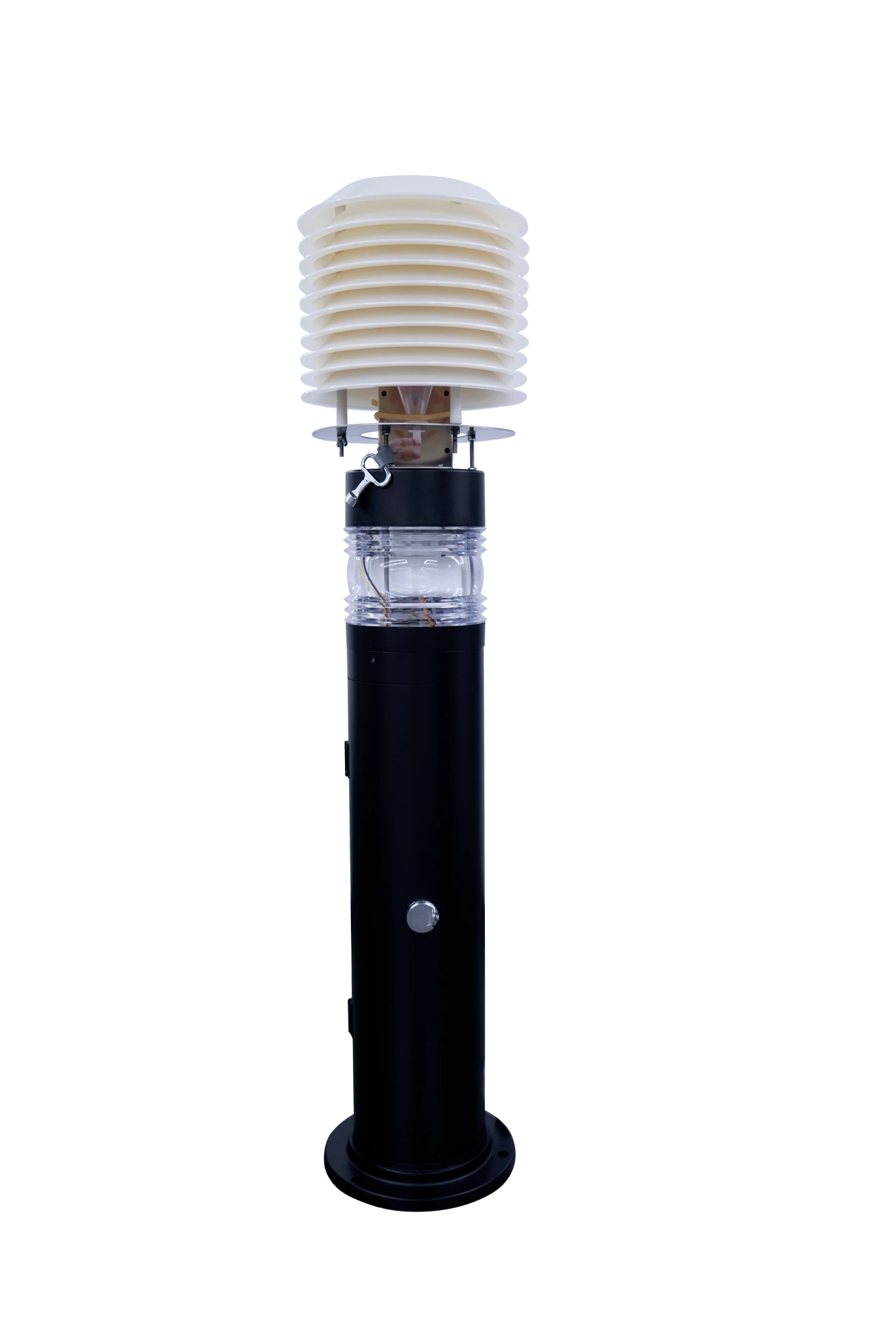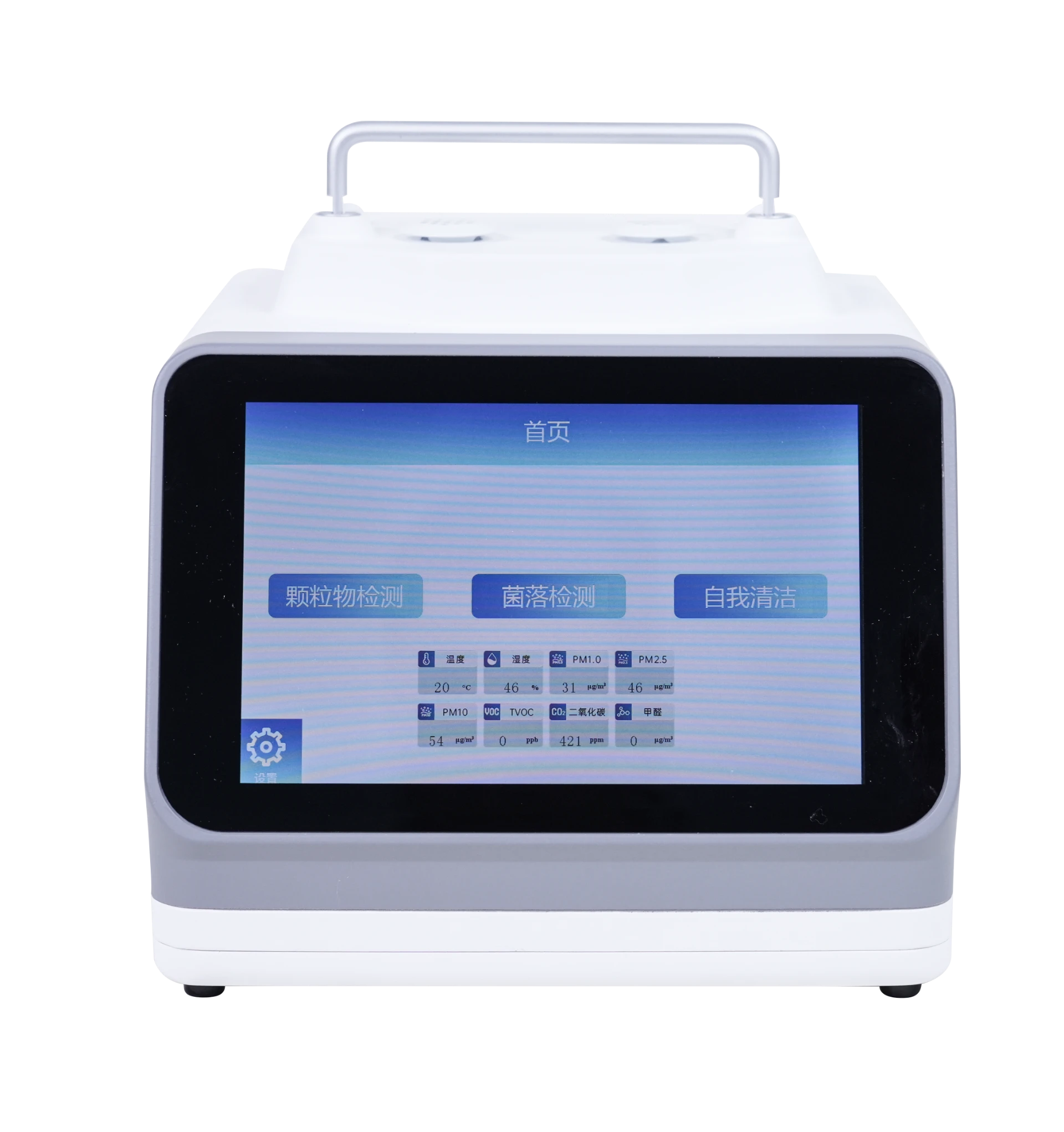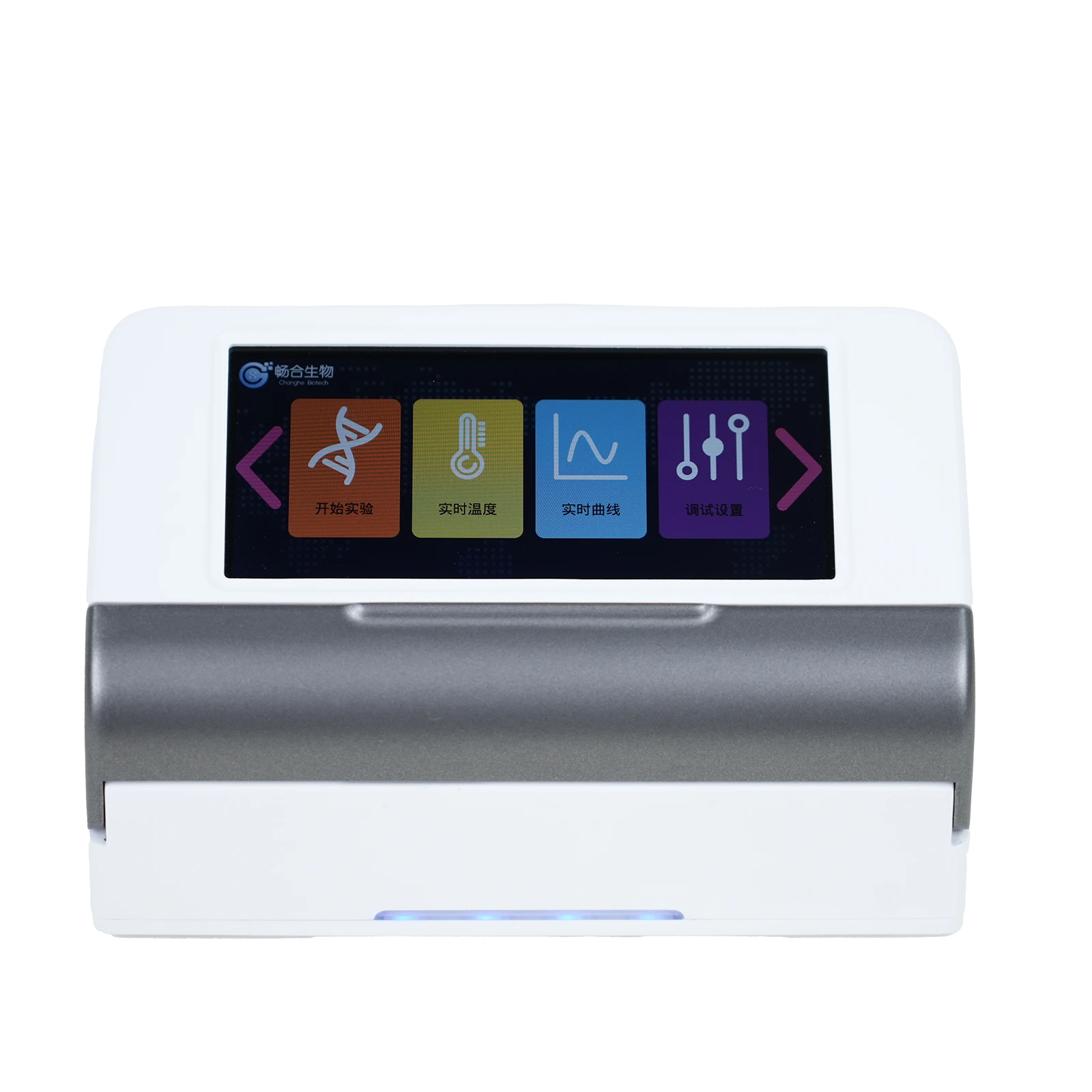

Air Sampling Bacteria: Need a Faster, ISO-Ready Bio Sampler?
A Pragmatic Look at Air Sampling for Bacteria: What’s Working Now
If you’ve been quietly wrestling with contamination audits, you’ve probably wondered whether air sampling bacteria tech has finally matured. Short answer: yes—especially when cyclonic collection meets on-board qPCR. I’ve seen teams go from “collect, courier, wait” to same-shift visibility. It isn’t magic; it’s engineering plus sensible software.
Why this category is trending
Three forces converged: regulatory scrutiny in cleanrooms and food plants, lessons from airborne pathogen events, and lab capacity strain. Wet-wall cyclones, once niche, are now paired with integrated nucleic-acid extraction and four-color qPCR, giving decision-grade answers before the shift ends. Many customers say the biggest change isn’t sensitivity—it’s time-to-answer and traceability.
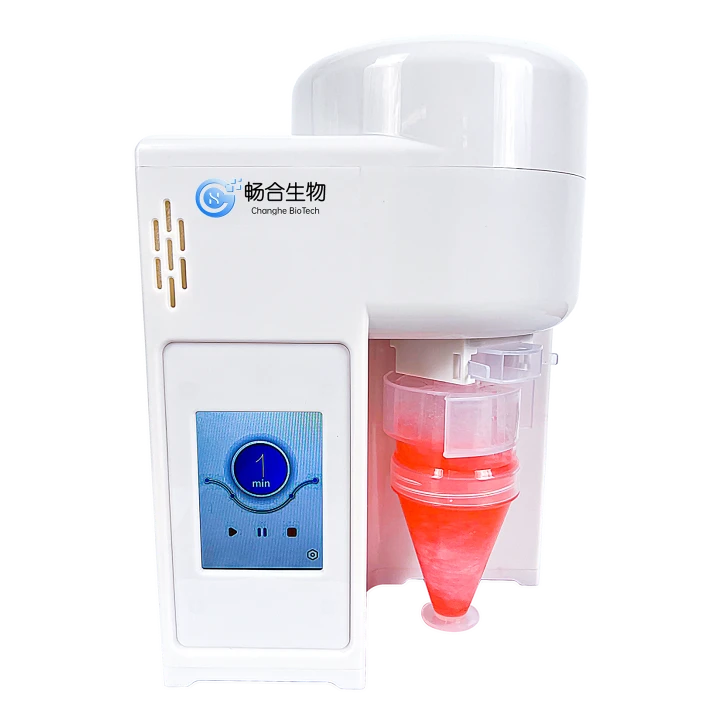
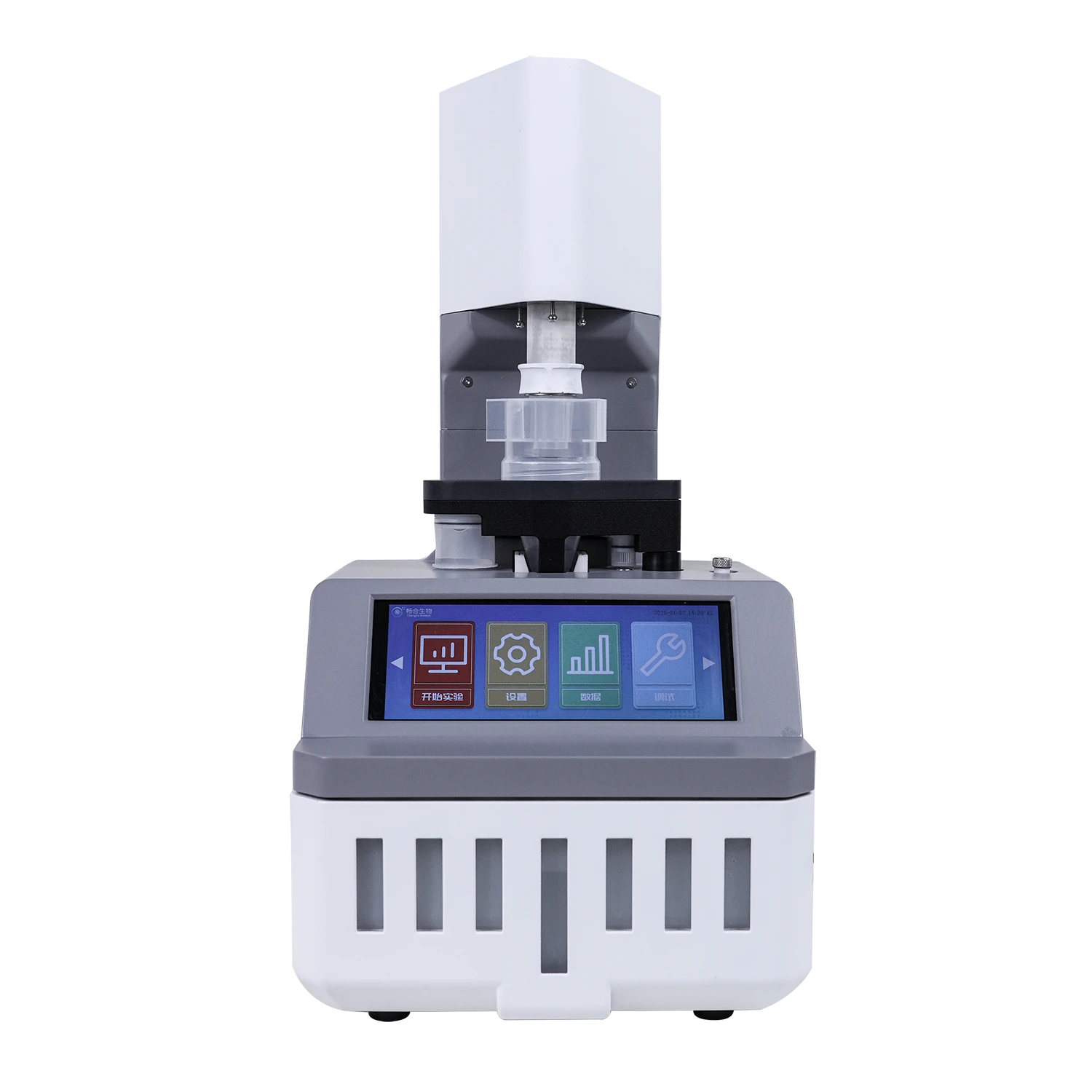
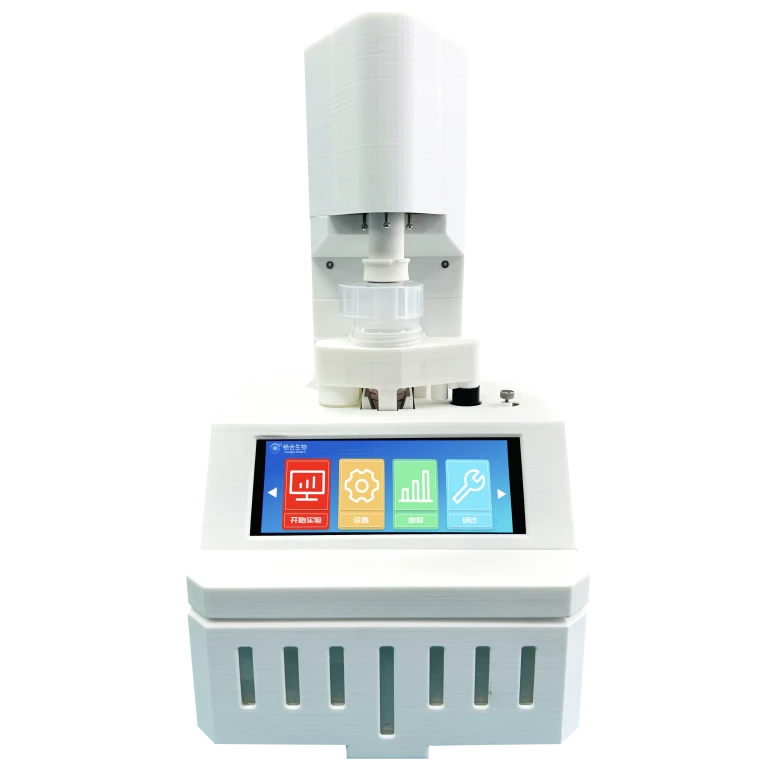
Product snapshot: ASTF-1 Bioaerosol Sampler & Detection Device
Origin: FLOOR 7, NO.1588 HUHANG ROAD, SHANGHAI, CHINA. The ASTF-1 uses a wet wall cyclone to pull large volumes, automatically extracts nucleic acids, and quantifies via four-color fluorescence PCR. No consumable cross-infection by design, and no manual intervention mid-run. Remote operation is built in, with open ports to play nicely across OS platforms. To be honest, that last bit—real API access—matters more than most brochures admit.
| Spec | ASTF-1 (≈ values; real-world use may vary) |
|---|---|
| Collection method | Wet wall cyclone, high-volume intake |
| Flow rate | Large-flow, factory default ≈ 300 L/min |
| Detection | Integrated PCR, four-color fluorescence channels |
| Automation | End-to-end: collection → extraction → qPCR → report |
| Software | Remote operation; open port/API; multi-OS support |
| Cross-contamination control | No cross infection of consumables (sealed pathway) |
| Service life | Major components designed for multi-year duty; preventive maintenance schedule recommended |
Process flow and methods
- Materials: corrosion‑resistant wetted parts; sealed consumables path to avoid carryover.
- Method: cyclonic collection into liquid, automated lysis and nucleic-acid extraction, qPCR on four-color channels for multiplex targets.
- Testing standards aligned: ISO 14698, ISO 16000-36; MIQE guidelines for qPCR reporting; EN 13098 for workplace bioaerosols.
- Service life: schedule based on pump hours and seals; typical quarterly QC with positive/negative controls.
- Industries: pharma cleanrooms, hospitals, bioprocess suites, food processing, public venues, and transit hubs.
Example internal test (vendor data, n=5): detection for mixed bacterial surrogate panel in ≈45–90 minutes; LoD on the order of 10²–10³ genome copies/m³ at high flow. It seems conservative and, honestly, acceptable for routine air sampling bacteria surveillance.
Where teams deploy it
- Cleanrooms: batch release support and deviation root-cause hunts.
- Hospitals: ICU and isolation corridors; surge monitoring during outbreaks.
- Food plants: post‑sanitation verification and seasonal risk windows.
- Transit/venues: trend baselining rather than “red siren” alarms—be realistic.
Vendor landscape (quick comparison)
| Vendor/Model | Method | Flow (L/min) | Automation | PCR onboard | Remote control |
|---|---|---|---|---|---|
| ASTF-1 (this device) | Wet cyclone | ≈300 | End-to-end | Yes, 4-color | Yes (API/open port) |
| Sartorius MD8 Airscan | Gelatin filter | ≈50–125 | Sampling only | No | Limited |
| SKC BioSampler | Impinger | ≈12.5 | Manual workflow | No | No |
Customization and integration
- Assay panels: custom multiplex targets (site-specific organisms).
- Connectivity: REST-style endpoints; export to LIMS/MES; role-based access.
- Consumables: sealed kits to reduce air sampling bacteria carryover risk.
Field notes (quick case snapshots)
Hospital ICU: baseline runs spotted periodic spikes tied to door-open clusters; staff retraining cut alerts by ~40% in two weeks. Food plant: post‑CIP verification showed a stubborn hotspot near a drain; airflow tweaks fixed it. Feedback was candid—teams liked the remote dashboard more than they expected.
Compliance and confidence
Aligns with ISO 14698 biocontamination control, ISO 16000-36 sampling strategy, and MIQE for qPCR documentation. Look for manufacturer QMS certifications (e.g., ISO 9001/13485) and maintain periodic proficiency tests. That’s the difference between pretty charts and defensible air sampling bacteria evidence.
References
- ISO 14698-1: Cleanrooms and associated controlled environments—Biocontamination control.
- ISO 16000-36: Indoor air—Strategies for the measurement of airborne microorganisms.
- MIQE Guidelines: Minimum information for publication of quantitative real-time PCR experiments (Bustin et al.).
- EN 13098: Workplace atmosphere—Guidance for measurement of airborne microorganisms and endotoxin.
- NIOSH Manual of Analytical Methods (NMAM), Bioaerosol sampling guidance.
-
Understanding pcr testes transgênicos for Agricultural PurityNewsApr.16,2026
-
Understanding Febre do Cão PCR for Precision Veterinary DiagnosticsNewsApr.09,2026
-
Understanding Respiração PCR and Grupo Cat for Advanced Bioaerosol Sampling TechniquesNewsApr.07,2026
-
IDEXX Feline Respiratory PCR Panel A Comprehensive Guide for VeterinariansNewsApr.04,2026
-
Understanding Grupo de Gatos URD PCR and Bioaerosol Sampling for Air Quality ControlNewsMar.28,2026
-
Understanding the Feline Respiratory PCR Panel Grupo de PCR Respiratório do GatoNewsMar.26,2026