

Bioaerosol Detection: Fast, Accurate Air & Mold Testing
In an increasingly complex industrial and environmental landscape, the precise identification and quantification of airborne biological particles are paramount. This is where bioaerosol detection plays a critical role, offering advanced solutions for monitoring the presence of bacteria, viruses, fungi, and their toxins in the air. From ensuring the safety of pharmaceutical cleanrooms to safeguarding public health in urban environments, the technology behind bioaerosol detection systems has evolved significantly, integrating cutting-edge engineering with robust analytical capabilities. This comprehensive overview delves into the intricate details of these systems, their manufacturing, applications, and the industry trends driving their innovation.
Manufacturing & Quality Assurance for Bioaerosol Detection Systems
The development and production of sophisticated instruments for bioaerosol detection, such as the Continuous Bioaerosol Sampler, demand meticulous attention to detail throughout the entire manufacturing process. These systems are designed to operate with high precision in diverse and often challenging environments, necessitating superior material selection, advanced manufacturing techniques, and stringent quality control.
Materials Selection and Component Sourcing
Components are typically fabricated from aerospace-grade aluminum alloys, stainless steel (e.g., 316L for critical wetted parts to ensure corrosion resistance), and specialized polymers. These materials are chosen for their inertness, durability, resistance to harsh chemicals, and thermal stability. For instance, sampling inlets often utilize precision-machined stainless steel to prevent biological adhesion and ensure optimal aerodynamic performance. Gaskets and seals are selected from PTFE or Kalrez to withstand aggressive decontamination agents and maintain system integrity.
Precision Manufacturing Processes
- CNC Machining: Critical components, including impellers, collection cones, and optical detection chambers, are manufactured using advanced 5-axis CNC machining. This ensures micron-level precision for airflow dynamics, optical alignment, and the consistent geometric design essential for effective particle capture and analysis.
- Laser Welding & Brazing: For hermetic sealing and high-integrity joins in stainless steel assemblies, automated laser welding or vacuum brazing techniques are employed. These methods minimize heat input, prevent material distortion, and eliminate potential leak paths crucial for maintaining sterility and sample integrity.
- Surface Treatment: Components exposed to the bioaerosol stream undergo specialized surface treatments. This includes electropolishing for stainless steel to achieve ultra-smooth, passive surfaces that reduce microbial adhesion and facilitate cleaning, and hard anodizing for aluminum to enhance corrosion and wear resistance.
- Cleanroom Assembly: Final assembly of sensitive components, particularly those involved in optical detection or sample collection, occurs within ISO Class 7 or 8 cleanrooms to prevent contamination and ensure optimal performance from the outset.
Rigorous Testing and Quality Standards
All bioaerosol detection systems, including Continuous Bioaerosol Samplers, undergo comprehensive testing to meet stringent international standards.
- ISO 14698: Compliance with ISO 14698 (Cleanrooms and associated controlled environments – Biocontamination control) is essential, particularly for units deployed in pharmaceutical, biotechnology, and healthcare settings. This standard guides sampling efficiency and methodology.
- ANSI/ASHRAE Standard 52.2: While primarily for air filters, principles of particle capture efficiency testing are adapted for bioaerosol samplers to assess their effectiveness across various particle sizes.
- ASTM E2666: Standard Practice for Bioaerosol Sampling is a direct reference for methodology, ensuring systems meet defined performance criteria for collecting viable and non-viable bioaerosols.
- CE Marking & RoHS Compliance: Demonstrates adherence to European safety, health, and environmental protection requirements, indicating global market readiness.
Typical service life for these robust systems ranges from 10 to 15 years with proper maintenance, showcasing their long-term reliability and return on investment for industrial applications.
Target Industries & Advantages
Advanced bioaerosol detection systems are indispensable across a broad spectrum of industries:
- Pharmaceutical & Biotechnology: Ensuring sterile manufacturing environments, crucial for drug safety and efficacy. Advantages include real-time monitoring to prevent contamination events, significantly reducing batch loss.
- Healthcare Facilities: Monitoring airborne pathogens in hospitals, operating rooms, and isolation units to protect patients and staff.
- Food & Beverage Processing: Preventing microbial contamination of products, thereby extending shelf life and ensuring consumer safety.
- Water Supply & Drainage: While less direct, bioaerosol samplers can monitor airborne microbial agents originating from wastewater treatment facilities or open water bodies, contributing to public health and environmental protection.
- Environmental Monitoring & Research: Tracking airborne pollen, spores, and microbial populations for ecological studies, climate change impact assessments, and public health warnings (e.g., asthma alerts).
- Building Management (HVAC): Proactive detection of mold spores and bacteria within ventilation systems prevents 'Sick Building Syndrome' and extends HVAC system longevity. Advantages include energy saving by optimizing filtration and ventilation based on real-time threat levels.
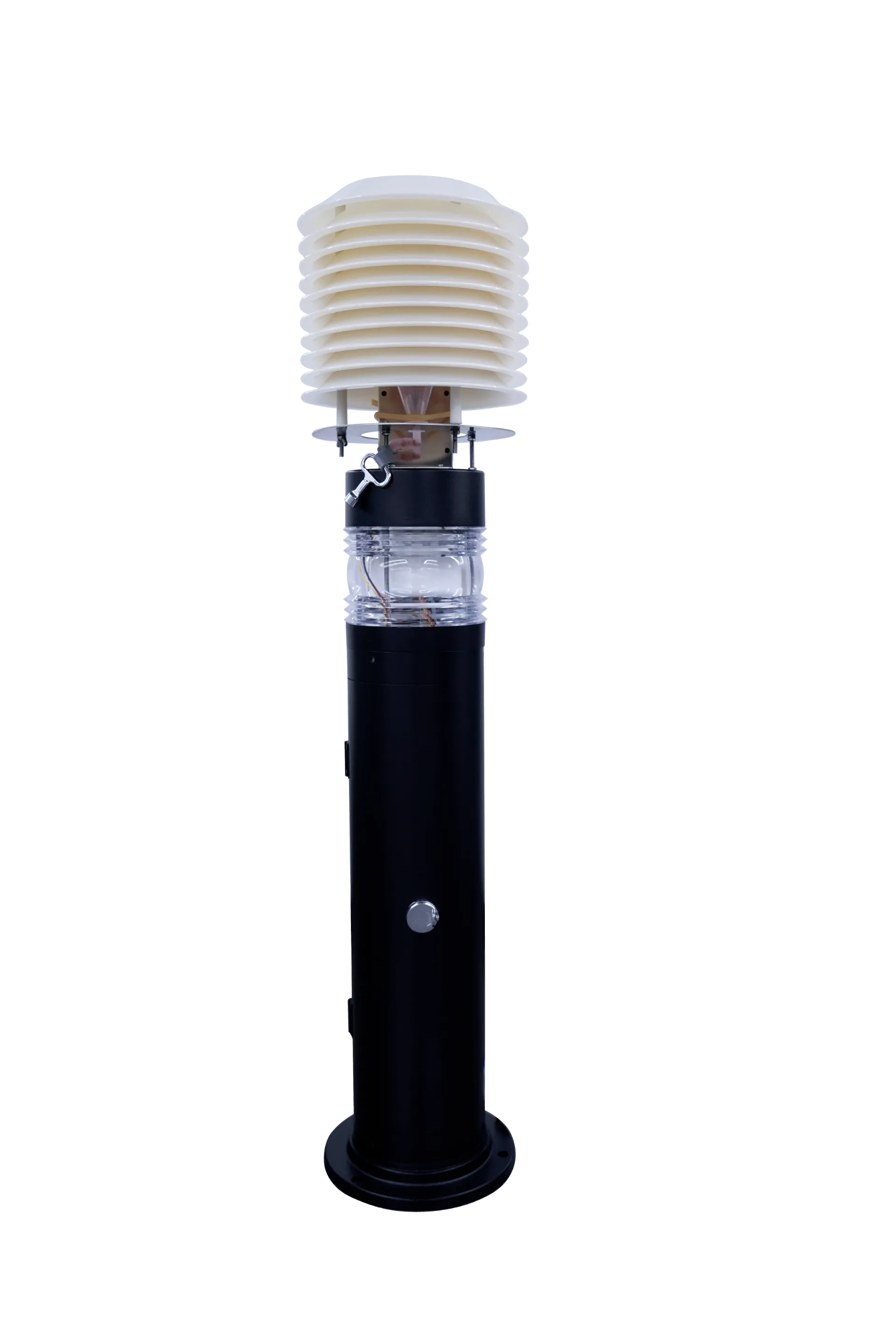
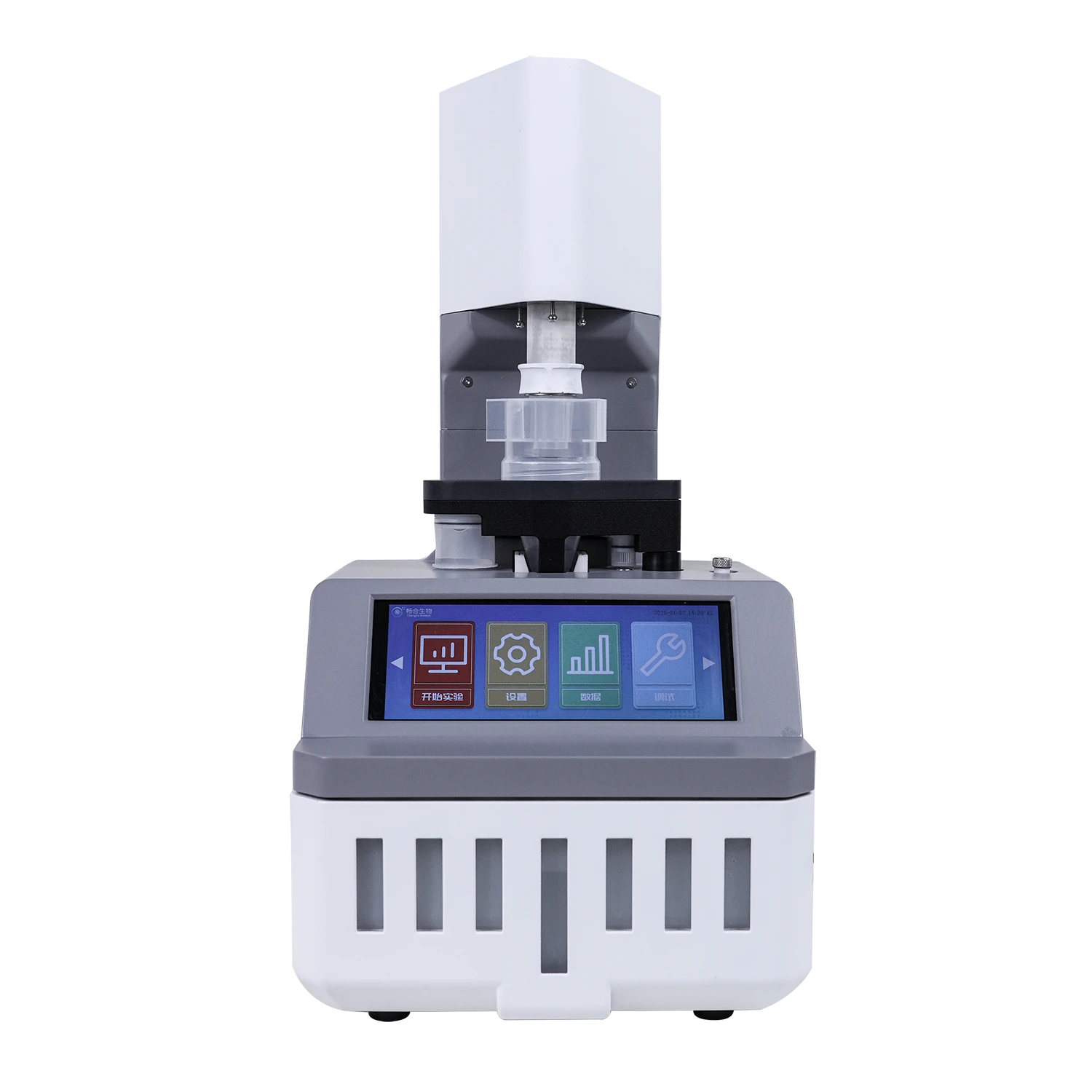
Fig 1: A sophisticated component of a continuous bioaerosol sampler, showcasing precision engineering.
Industry Trends in Bioaerosol Detection
The landscape of bioaerosol detection is rapidly evolving, driven by an increasing demand for faster, more accurate, and more integrated solutions. Several key trends are shaping the future of this critical technology.
- Real-Time & Near Real-Time Monitoring: The shift from traditional culture-based methods (which can take days) to rapid, automated detection is paramount. Technologies like fluorescence spectroscopy, flow cytometry, and mass spectrometry are enabling real-time classification and quantification of bioaerosols, critical for immediate response in biodefense or outbreak scenarios.
- Miniaturization and Portability: Development of compact, handheld, and drone-mounted bioaerosol sensors is expanding deployment capabilities for field use, emergency response, and personal exposure monitoring. This trend is vital for proactive air and mold testing and rapid assessment of environmental threats.
- AI and Machine Learning Integration: AI algorithms are increasingly used to analyze complex sensor data, differentiate between biological and inert particles, identify specific pathogens, and predict dispersion patterns. This significantly enhances the accuracy and actionable intelligence derived from detection systems.
- Multiplexing and Specificity: Modern systems are designed to detect a broader range of bioagents simultaneously (multiplexing) and with higher specificity, reducing false positives. This includes differentiating between harmless environmental microbes and pathogenic strains, essential for effective toxic mold detection.
- IoT and Cloud Connectivity: Remote monitoring, data logging, and cloud-based analytics are becoming standard features. This allows for centralized management of sensor networks, facilitates predictive maintenance, and supports large-scale epidemiological studies or environmental surveys.
- Enhanced Sample Collection: Innovations in impaction, impinger, and electrostatic precipitation techniques are improving collection efficiency for a wider range of particle sizes and viability, setting the foundation for more reliable downstream analysis, including advanced air sample mold test procedures.
Technical Specifications: Continuous Bioaerosol Sampler
Our Continuous Bioaerosol Sampler exemplifies the precision and reliability required for advanced bioaerosol monitoring. Key specifications are outlined below:
| Feature | Specification |
|---|---|
| Sampling Rate | 100 L/min (Adjustable: 50-200 L/min) |
| Particle Size Range for Collection | 0.5 µm - 20 µm (Aerodynamic Diameter) |
| Collection Method | Liquid Impingement (Vortex-based, preserving viability) |
| Sample Volume | 5 mL - 50 mL (User-configurable) |
| Detection Principle (Optional Integrated Module) | Fluorescence Spectroscopy (for real-time organic aerosol detection) |
| Power Supply | 100-240V AC, 50/60 Hz; 12V DC (Battery backup: 8-hour operation) |
| Operating Temperature | 0°C to 50°C |
| Dimensions (L x W x H) | 350 mm x 250 mm x 400 mm |
| Weight | 12 kg |
| Connectivity | Ethernet, USB, Optional Wi-Fi/4G for remote monitoring |
| Certifications | CE, ISO 9001, FCC Part 15 |
Application Scenarios for Bioaerosol Detection
The versatility of bioaerosol detection systems makes them indispensable across numerous sectors, addressing critical needs for environmental monitoring, public health, and industrial safety.
- Pharmaceutical and Biotech Manufacturing: In sterile cleanroom environments, continuous monitoring for airborne particulates, bacteria, and fungi is crucial for compliance with GMP (Good Manufacturing Practices) and preventing product contamination. Samplers ensure that critical zones maintain Class A/B conditions, directly impacting product quality and regulatory approval.
- Healthcare and Hospital Environments: Protecting immunocompromised patients from hospital-acquired infections (HAIs) is a top priority. Bioaerosol detectors are deployed in operating theaters, intensive care units, and infectious disease wards to monitor for airborne pathogens like MRSA, C. difficile spores, and fungal spores. This aids in targeted ventilation and decontamination strategies.
- Indoor Air Quality (IAQ) Management: With growing awareness of the health impacts of indoor pollutants, these systems are vital for air and mold testing in commercial buildings, schools, and residential complexes. They identify sources of bioaerosols that contribute to sick building syndrome, allergies, and respiratory issues, including accurate toxic mold detection.
- Environmental and Public Health Monitoring: Used to track the spread of allergens (pollen, fungal spores), airborne diseases, and potential bioterrorism agents in urban areas, agricultural zones, and during large public gatherings. This provides early warning systems for public health authorities.
- Food and Beverage Industry: Preventing microbial contamination in processing, packaging, and storage areas is essential for food safety and shelf life. Bioaerosol samplers help identify airborne spoilage organisms and pathogens, supporting HACCP (Hazard Analysis and Critical Control Points) plans.
- Biodefense and Security: Rapid detection of biological warfare agents or naturally occurring pathogens (e.g., anthrax spores, viral outbreaks) in critical infrastructure, government buildings, or public transport hubs. Real-time capabilities are paramount for emergency response.
Technical Advantages of Advanced Bioaerosol Detection Systems
Modern bioaerosol detection systems offer a suite of technical advantages that set them apart from traditional methods, providing unparalleled efficiency and reliability for B2B applications.
- High Sensitivity and Specificity: Advanced optical sensors (e.g., UV-LIF, Differential Mobility Analysis) combined with sophisticated algorithms can detect biological particles at very low concentrations (e.g., single-digit particles per liter) and differentiate them from inert dust, significantly reducing false positives and enabling early intervention.
- Real-Time Monitoring Capabilities: Unlike traditional culture-based methods that involve incubation times of days, modern systems can provide actionable data within minutes or even seconds. This real-time feedback is crucial for dynamic environments like cleanrooms, hospital operating theaters, or biodefense scenarios where immediate response is critical.
- Automation and Reduced Human Error: Fully automated sampling, analysis, and data reporting minimize the need for manual intervention, reducing labor costs and eliminating variability associated with human operation. Integrated self-cleaning and calibration features ensure sustained accuracy over long operational periods.
- Integrated Data Management and Connectivity: Systems are typically equipped with robust data logging, remote access via Ethernet or cellular networks, and integration with SCADA or building management systems. This allows for centralized monitoring of large facilities, trend analysis, and seamless compliance reporting.
- Enhanced Sample Integrity: Collection methods such as liquid impingement are designed to maintain the viability and integrity of collected microorganisms, allowing for subsequent laboratory analysis (e.g., PCR, genetic sequencing) to identify specific strains or species, providing comprehensive insights for air sample mold test and pathogen identification.
- Robustness and Durability: Engineered for continuous operation in harsh industrial environments, these systems feature IP-rated enclosures, corrosion-resistant materials, and shock-absorbing designs. This ensures reliable performance with minimal downtime, even in challenging conditions.
Vendor Comparison: Selecting the Right Bioaerosol Detection System
Choosing the optimal bioaerosol detection system involves evaluating various vendors based on critical performance metrics, features, and support. A comparative analysis helps decision-makers align product capabilities with specific operational requirements.
| Feature/Vendor | Our Continuous Bioaerosol Sampler | Competitor A (Fluorescence-based) | Competitor B (Culture-based) |
|---|---|---|---|
| Detection Principle | Liquid Impingement + Optional Real-time Fluorescence | Real-time Fluorescence Spectroscopy | Impaction onto Agar Plates |
| Output Data | Viable & Non-viable counts (post-analysis); Real-time biofluorescence (when optioned) | Real-time Total Bio-particulate Concentration | Viable CFU counts (after incubation) |
| Time to Result | Minutes (real-time option); Hours-Days (lab analysis) | Seconds to Minutes | 24-72 hours (incubation) |
| Particle Size Range | 0.5 - 20 µm | 0.3 - 20 µm | Typically >1 µm |
| Portability | Portable (12 kg), Battery Option | Highly Portable (5-8 kg), Handheld options | Portable (2-5 kg), Requires lab analysis |
| Automated Operation | Continuous sampling, programmable, remote control | Continuous monitoring, alarm functions | Sampling only, manual plate changes |
| Cost (Indicative) | Mid-High Range | High Range | Low-Mid Range (per unit, higher consumables/labor) |
Our Continuous Bioaerosol Sampler offers a balanced approach, providing the benefits of continuous viable sample collection for detailed lab analysis, with the option for integrated real-time fluorescence detection for immediate alerts. This hybrid approach caters to both compliance-driven long-term monitoring and rapid incident response scenarios, providing a superior solution for comprehensive air sample mold test needs.
Customized Solutions for Bioaerosol Detection
Recognizing that no two industrial environments are identical, we offer highly customized bioaerosol detection solutions tailored to the unique requirements of each client. Our approach begins with a comprehensive site assessment and consultation to understand specific challenges, regulatory demands, and operational objectives.
- Sensor Array Configuration: Tailoring the number and placement of bioaerosol samplers and ancillary sensors (e.g., for particulate matter, temperature, humidity, CO2) to create a dense, intelligent monitoring network that provides comprehensive environmental data for optimal air and mold testing.
- Integration with Existing Infrastructure: Seamless integration with current Building Management Systems (BMS), SCADA systems, or corporate IT networks. This involves developing custom APIs or utilizing standard communication protocols (Modbus, BACnet, OPC UA) to ensure data flow and centralized control.
- Custom Software and Analytics: Developing bespoke software dashboards for real-time visualization, advanced alarming thresholds, predictive analytics for potential contamination events, and automated report generation for compliance purposes.
- Environmental Hardening and Enclosures: For applications in extreme conditions (e.g., hazardous locations, high humidity, outdoor deployments), we provide specialized enclosures (NEMA 4X, ATEX certified) and environmental controls (heating, cooling) to ensure system longevity and performance.
- Specific Bioagent Detection: While our standard systems offer broad-spectrum bioaerosol collection, for clients requiring detection of very specific pathogens or toxins, we can integrate specialized rapid PCR or immunoassay modules for targeted identification.
Application Case Studies
Case Study 1: Pharmaceutical Cleanroom Monitoring
A leading global pharmaceutical manufacturer faced challenges in maintaining consistent ISO Class 5 cleanroom conditions during aseptic filling processes. Traditional plate-based sampling often resulted in delayed detection of contamination events, leading to costly batch rejections and production downtime.
- Solution Implemented: Installation of three Continuous Bioaerosol Samplers with integrated real-time fluorescence modules in critical zones (filling line, material transfer points). These units were networked to the facility's central BMS.
- Results: The system provided immediate alerts for elevated bioaerosol levels, allowing operators to identify and rectify minor excursions before they impacted product sterility. Over 12 months, the client reported a 40% reduction in contamination-related batch discards and a 15% improvement in overall operational efficiency due to proactive intervention. The real-time data also supported more robust root-cause analysis for any incidents.
Case Study 2: Indoor Air Quality in a Large Office Complex
A corporate client with a multi-story office building experienced frequent employee complaints related to respiratory issues and allergies, suspected to be due to poor indoor air quality, potentially linked to unseen mold.
- Solution Implemented: Deployment of our Continuous Bioaerosol Samplers across various floors, specifically targeting HVAC intake vents and areas prone to moisture. The collected samples underwent detailed laboratory analysis for mold species identification, providing granular air sample mold test data.
- Results: The monitoring precisely identified elevated levels of specific mold spores (e.g., Stachybotrys chartarum) originating from a concealed leak in the HVAC system on the third floor, confirming toxic mold detection. Remediation efforts were precisely targeted, saving the client significant costs by avoiding widespread, unnecessary renovation. Post-remediation, continuous monitoring confirmed the effectiveness of the intervention, leading to a significant decrease in employee health complaints.
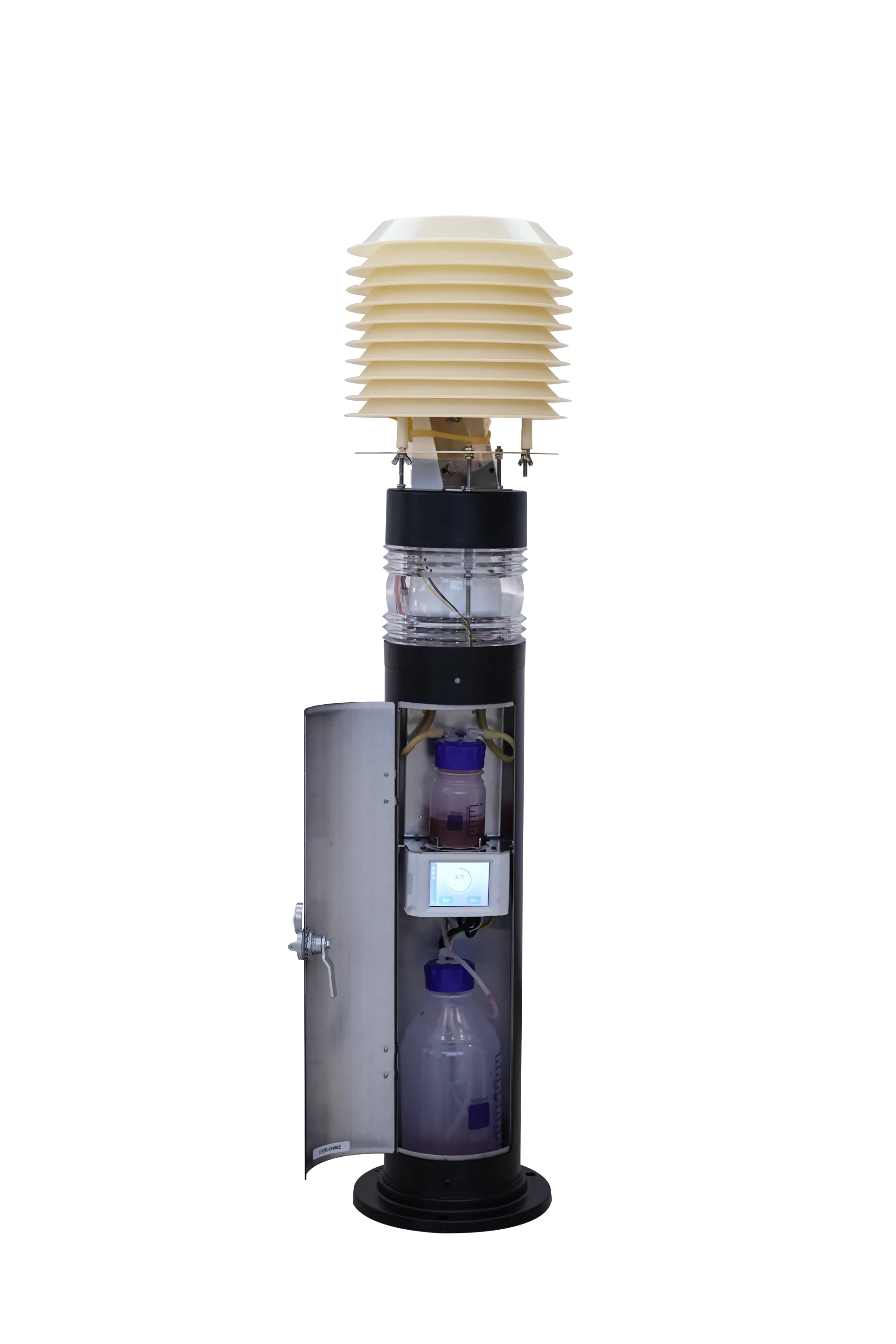
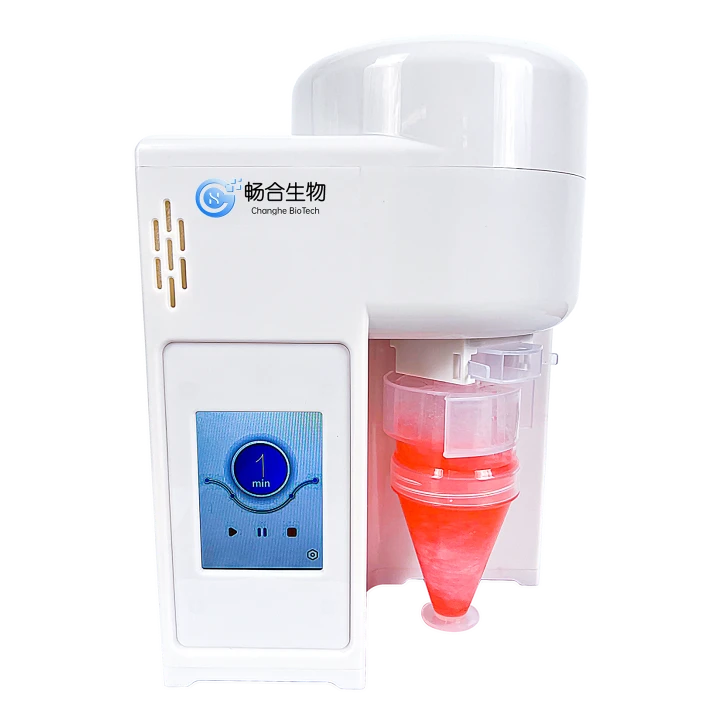
Fig 2: A Continuous Bioaerosol Sampler in operation, demonstrating its compact design and user interface.
Ensuring Trust and Reliability: FAQs
Q1: How often does the Continuous Bioaerosol Sampler require calibration?
A1: We recommend annual factory calibration or on-site calibration by certified technicians to ensure optimal accuracy and adherence to specifications. Critical airflow components should also be verified quarterly, depending on operational environment and usage intensity.
Q2: Can the system differentiate between viable and non-viable particles?
A2: Our liquid impingement collection method preserves the viability of microorganisms, allowing for subsequent laboratory analysis (e.g., culturing, PCR) to determine viability. If equipped with the optional fluorescence detection module, it can differentiate between biological and non-biological particles in real-time based on their inherent fluorescence, giving an immediate indication of bioaerosol presence.
Q3: What training is provided for operators?
A3: We provide comprehensive on-site or virtual training sessions for your technical staff. This covers system operation, routine maintenance, data interpretation, troubleshooting, and best practices for sample handling and analysis. Advanced training modules are also available for specific applications.
Lead Time & Fulfillment
Standard configurations of the Continuous Bioaerosol Sampler typically have a lead time of 4-6 weeks from order confirmation to shipment. For customized solutions involving specialized integrations or extensive sensor arrays, lead times may range from 8-12 weeks, depending on the complexity of the project. We maintain robust supply chain partnerships and internal manufacturing capabilities to ensure timely fulfillment and consistent product availability. Expedited shipping options are available upon request.
Warranty & After-Sales Support
All Continuous Bioaerosol Samplers come with a standard 2-year limited warranty covering manufacturing defects and component failures under normal operating conditions. Extended warranty packages are available, offering up to 5 years of comprehensive coverage.
Our dedicated after-sales support team provides technical assistance via phone, email, and remote diagnostics. We offer service contracts that include preventative maintenance, priority repair services, and access to our global network of certified field engineers for on-site support. Our commitment is to ensure continuous, reliable operation of your bioaerosol detection systems throughout their lifecycle.
References
- ISO 14698-1:2003, Cleanrooms and associated controlled environments — Biocontamination control — Part 1: General principles and methods.
- ASTM E2666-10, Standard Practice for Bioaerosol Sampling. ASTM International, West Conshohocken, PA, 2010.
- Chang, J.C. et al. (2018). Real-time detection of bioaerosols: current challenges and future directions. Environmental Science & Technology, 52(15), 8750-8761.
- Reponen, T. et al. (2011). Bioaerosol sampling: Collection efficiency, survivability, and identification. Applied and Environmental Microbiology, 77(1), 1-8.
-
Understanding pcr testes transgênicos for Agricultural PurityNewsApr.16,2026
-
Understanding Febre do Cão PCR for Precision Veterinary DiagnosticsNewsApr.09,2026
-
Understanding Respiração PCR and Grupo Cat for Advanced Bioaerosol Sampling TechniquesNewsApr.07,2026
-
IDEXX Feline Respiratory PCR Panel A Comprehensive Guide for VeterinariansNewsApr.04,2026
-
Understanding Grupo de Gatos URD PCR and Bioaerosol Sampling for Air Quality ControlNewsMar.28,2026
-
Understanding the Feline Respiratory PCR Panel Grupo de PCR Respiratório do GatoNewsMar.26,2026
Bioaerosol Detection: Fast, Accurate Air & Mold Testing
In an increasingly complex industrial and environmental landscape, the precise identification and quantification of airborne biological particles are paramount. This is where bioaerosol detection plays a critical role, offering advanced solutions for monitoring the presence of bacteria, viruses, fungi, and their toxins in the air. From ensuring the safety of pharmaceutical cleanrooms to safeguarding public health in urban environments, the technology behind bioaerosol detection systems has evolved significantly, integrating cutting-edge engineering with robust analytical capabilities. This comprehensive overview delves into the intricate details of these systems, their manufacturing, applications, and the industry trends driving their innovation.
Manufacturing & Quality Assurance for Bioaerosol Detection Systems
The development and production of sophisticated instruments for bioaerosol detection, such as the Continuous Bioaerosol Sampler, demand meticulous attention to detail throughout the entire manufacturing process. These systems are designed to operate with high precision in diverse and often challenging environments, necessitating superior material selection, advanced manufacturing techniques, and stringent quality control.
Materials Selection and Component Sourcing
Components are typically fabricated from aerospace-grade aluminum alloys, stainless steel (e.g., 316L for critical wetted parts to ensure corrosion resistance), and specialized polymers. These materials are chosen for their inertness, durability, resistance to harsh chemicals, and thermal stability. For instance, sampling inlets often utilize precision-machined stainless steel to prevent biological adhesion and ensure optimal aerodynamic performance. Gaskets and seals are selected from PTFE or Kalrez to withstand aggressive decontamination agents and maintain system integrity.
Precision Manufacturing Processes
- CNC Machining: Critical components, including impellers, collection cones, and optical detection chambers, are manufactured using advanced 5-axis CNC machining. This ensures micron-level precision for airflow dynamics, optical alignment, and the consistent geometric design essential for effective particle capture and analysis.
- Laser Welding & Brazing: For hermetic sealing and high-integrity joins in stainless steel assemblies, automated laser welding or vacuum brazing techniques are employed. These methods minimize heat input, prevent material distortion, and eliminate potential leak paths crucial for maintaining sterility and sample integrity.
- Surface Treatment: Components exposed to the bioaerosol stream undergo specialized surface treatments. This includes electropolishing for stainless steel to achieve ultra-smooth, passive surfaces that reduce microbial adhesion and facilitate cleaning, and hard anodizing for aluminum to enhance corrosion and wear resistance.
- Cleanroom Assembly: Final assembly of sensitive components, particularly those involved in optical detection or sample collection, occurs within ISO Class 7 or 8 cleanrooms to prevent contamination and ensure optimal performance from the outset.
Rigorous Testing and Quality Standards
All bioaerosol detection systems, including Continuous Bioaerosol Samplers, undergo comprehensive testing to meet stringent international standards.
- ISO 14698: Compliance with ISO 14698 (Cleanrooms and associated controlled environments – Biocontamination control) is essential, particularly for units deployed in pharmaceutical, biotechnology, and healthcare settings. This standard guides sampling efficiency and methodology.
- ANSI/ASHRAE Standard 52.2: While primarily for air filters, principles of particle capture efficiency testing are adapted for bioaerosol samplers to assess their effectiveness across various particle sizes.
- ASTM E2666: Standard Practice for Bioaerosol Sampling is a direct reference for methodology, ensuring systems meet defined performance criteria for collecting viable and non-viable bioaerosols.
- CE Marking & RoHS Compliance: Demonstrates adherence to European safety, health, and environmental protection requirements, indicating global market readiness.
Typical service life for these robust systems ranges from 10 to 15 years with proper maintenance, showcasing their long-term reliability and return on investment for industrial applications.
Target Industries & Advantages
Advanced bioaerosol detection systems are indispensable across a broad spectrum of industries:
- Pharmaceutical & Biotechnology: Ensuring sterile manufacturing environments, crucial for drug safety and efficacy. Advantages include real-time monitoring to prevent contamination events, significantly reducing batch loss.
- Healthcare Facilities: Monitoring airborne pathogens in hospitals, operating rooms, and isolation units to protect patients and staff.
- Food & Beverage Processing: Preventing microbial contamination of products, thereby extending shelf life and ensuring consumer safety.
- Water Supply & Drainage: While less direct, bioaerosol samplers can monitor airborne microbial agents originating from wastewater treatment facilities or open water bodies, contributing to public health and environmental protection.
- Environmental Monitoring & Research: Tracking airborne pollen, spores, and microbial populations for ecological studies, climate change impact assessments, and public health warnings (e.g., asthma alerts).
- Building Management (HVAC): Proactive detection of mold spores and bacteria within ventilation systems prevents 'Sick Building Syndrome' and extends HVAC system longevity. Advantages include energy saving by optimizing filtration and ventilation based on real-time threat levels.
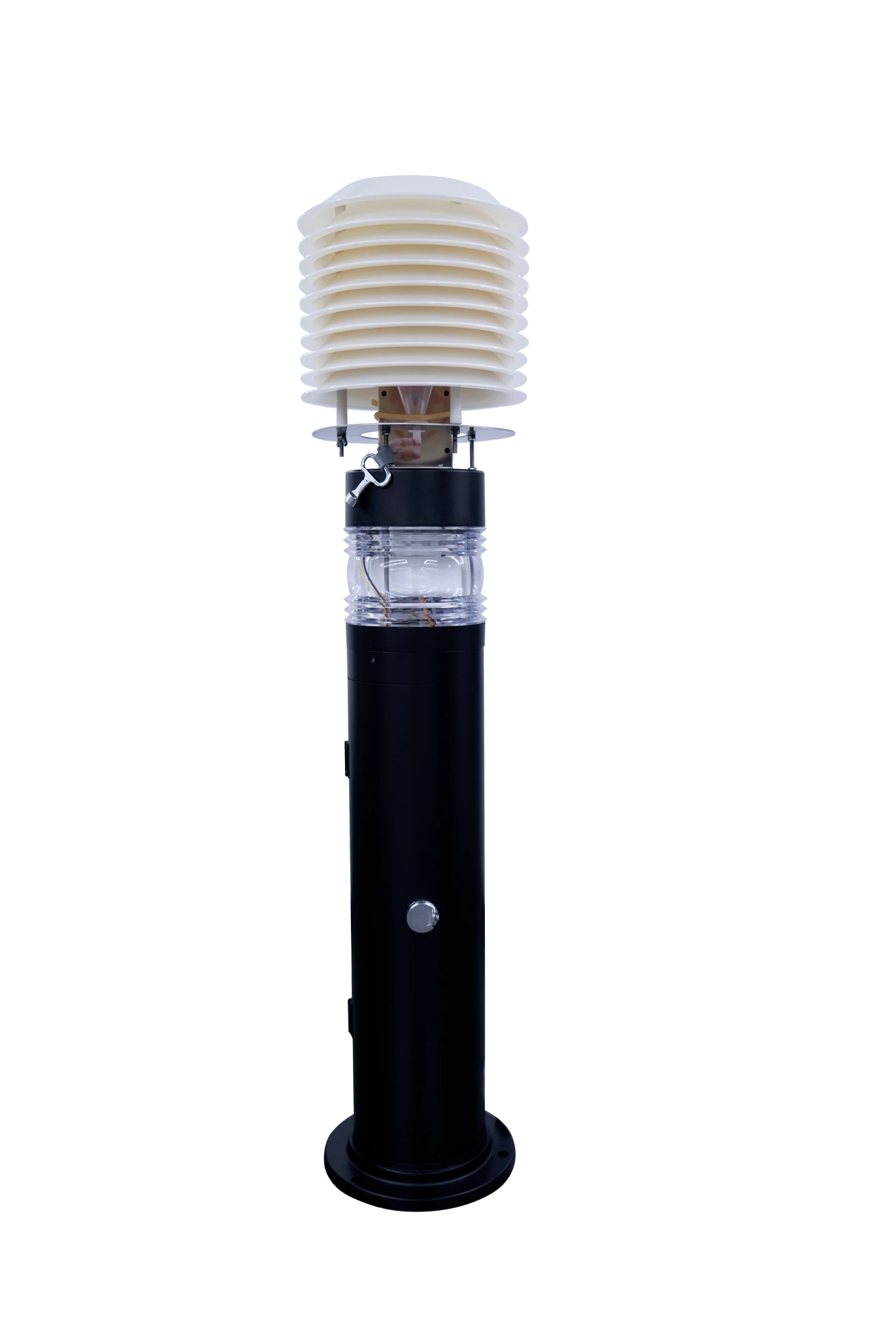
Fig 1: A sophisticated component of a continuous bioaerosol sampler, showcasing precision engineering.
Industry Trends in Bioaerosol Detection
The landscape of bioaerosol detection is rapidly evolving, driven by an increasing demand for faster, more accurate, and more integrated solutions. Several key trends are shaping the future of this critical technology.
- Real-Time & Near Real-Time Monitoring: The shift from traditional culture-based methods (which can take days) to rapid, automated detection is paramount. Technologies like fluorescence spectroscopy, flow cytometry, and mass spectrometry are enabling real-time classification and quantification of bioaerosols, critical for immediate response in biodefense or outbreak scenarios.
- Miniaturization and Portability: Development of compact, handheld, and drone-mounted bioaerosol sensors is expanding deployment capabilities for field use, emergency response, and personal exposure monitoring. This trend is vital for proactive air and mold testing and rapid assessment of environmental threats.
- AI and Machine Learning Integration: AI algorithms are increasingly used to analyze complex sensor data, differentiate between biological and inert particles, identify specific pathogens, and predict dispersion patterns. This significantly enhances the accuracy and actionable intelligence derived from detection systems.
- Multiplexing and Specificity: Modern systems are designed to detect a broader range of bioagents simultaneously (multiplexing) and with higher specificity, reducing false positives. This includes differentiating between harmless environmental microbes and pathogenic strains, essential for effective toxic mold detection.
- IoT and Cloud Connectivity: Remote monitoring, data logging, and cloud-based analytics are becoming standard features. This allows for centralized management of sensor networks, facilitates predictive maintenance, and supports large-scale epidemiological studies or environmental surveys.
- Enhanced Sample Collection: Innovations in impaction, impinger, and electrostatic precipitation techniques are improving collection efficiency for a wider range of particle sizes and viability, setting the foundation for more reliable downstream analysis, including advanced air sample mold test procedures.
Technical Specifications: Continuous Bioaerosol Sampler
Our Continuous Bioaerosol Sampler exemplifies the precision and reliability required for advanced bioaerosol monitoring. Key specifications are outlined below:
| Feature | Specification |
|---|---|
| Sampling Rate | 100 L/min (Adjustable: 50-200 L/min) |
| Particle Size Range for Collection | 0.5 µm - 20 µm (Aerodynamic Diameter) |
| Collection Method | Liquid Impingement (Vortex-based, preserving viability) |
| Sample Volume | 5 mL - 50 mL (User-configurable) |
| Detection Principle (Optional Integrated Module) | Fluorescence Spectroscopy (for real-time organic aerosol detection) |
| Power Supply | 100-240V AC, 50/60 Hz; 12V DC (Battery backup: 8-hour operation) |
| Operating Temperature | 0°C to 50°C |
| Dimensions (L x W x H) | 350 mm x 250 mm x 400 mm |
| Weight | 12 kg |
| Connectivity | Ethernet, USB, Optional Wi-Fi/4G for remote monitoring |
| Certifications | CE, ISO 9001, FCC Part 15 |
Application Scenarios for Bioaerosol Detection
The versatility of bioaerosol detection systems makes them indispensable across numerous sectors, addressing critical needs for environmental monitoring, public health, and industrial safety.
- Pharmaceutical and Biotech Manufacturing: In sterile cleanroom environments, continuous monitoring for airborne particulates, bacteria, and fungi is crucial for compliance with GMP (Good Manufacturing Practices) and preventing product contamination. Samplers ensure that critical zones maintain Class A/B conditions, directly impacting product quality and regulatory approval.
- Healthcare and Hospital Environments: Protecting immunocompromised patients from hospital-acquired infections (HAIs) is a top priority. Bioaerosol detectors are deployed in operating theaters, intensive care units, and infectious disease wards to monitor for airborne pathogens like MRSA, C. difficile spores, and fungal spores. This aids in targeted ventilation and decontamination strategies.
- Indoor Air Quality (IAQ) Management: With growing awareness of the health impacts of indoor pollutants, these systems are vital for air and mold testing in commercial buildings, schools, and residential complexes. They identify sources of bioaerosols that contribute to sick building syndrome, allergies, and respiratory issues, including accurate toxic mold detection.
- Environmental and Public Health Monitoring: Used to track the spread of allergens (pollen, fungal spores), airborne diseases, and potential bioterrorism agents in urban areas, agricultural zones, and during large public gatherings. This provides early warning systems for public health authorities.
- Food and Beverage Industry: Preventing microbial contamination in processing, packaging, and storage areas is essential for food safety and shelf life. Bioaerosol samplers help identify airborne spoilage organisms and pathogens, supporting HACCP (Hazard Analysis and Critical Control Points) plans.
- Biodefense and Security: Rapid detection of biological warfare agents or naturally occurring pathogens (e.g., anthrax spores, viral outbreaks) in critical infrastructure, government buildings, or public transport hubs. Real-time capabilities are paramount for emergency response.
Technical Advantages of Advanced Bioaerosol Detection Systems
Modern bioaerosol detection systems offer a suite of technical advantages that set them apart from traditional methods, providing unparalleled efficiency and reliability for B2B applications.
- High Sensitivity and Specificity: Advanced optical sensors (e.g., UV-LIF, Differential Mobility Analysis) combined with sophisticated algorithms can detect biological particles at very low concentrations (e.g., single-digit particles per liter) and differentiate them from inert dust, significantly reducing false positives and enabling early intervention.
- Real-Time Monitoring Capabilities: Unlike traditional culture-based methods that involve incubation times of days, modern systems can provide actionable data within minutes or even seconds. This real-time feedback is crucial for dynamic environments like cleanrooms, hospital operating theaters, or biodefense scenarios where immediate response is critical.
- Automation and Reduced Human Error: Fully automated sampling, analysis, and data reporting minimize the need for manual intervention, reducing labor costs and eliminating variability associated with human operation. Integrated self-cleaning and calibration features ensure sustained accuracy over long operational periods.
- Integrated Data Management and Connectivity: Systems are typically equipped with robust data logging, remote access via Ethernet or cellular networks, and integration with SCADA or building management systems. This allows for centralized monitoring of large facilities, trend analysis, and seamless compliance reporting.
- Enhanced Sample Integrity: Collection methods such as liquid impingement are designed to maintain the viability and integrity of collected microorganisms, allowing for subsequent laboratory analysis (e.g., PCR, genetic sequencing) to identify specific strains or species, providing comprehensive insights for air sample mold test and pathogen identification.
- Robustness and Durability: Engineered for continuous operation in harsh industrial environments, these systems feature IP-rated enclosures, corrosion-resistant materials, and shock-absorbing designs. This ensures reliable performance with minimal downtime, even in challenging conditions.
Vendor Comparison: Selecting the Right Bioaerosol Detection System
Choosing the optimal bioaerosol detection system involves evaluating various vendors based on critical performance metrics, features, and support. A comparative analysis helps decision-makers align product capabilities with specific operational requirements.
| Feature/Vendor | Our Continuous Bioaerosol Sampler | Competitor A (Fluorescence-based) | Competitor B (Culture-based) |
|---|---|---|---|
| Detection Principle | Liquid Impingement + Optional Real-time Fluorescence | Real-time Fluorescence Spectroscopy | Impaction onto Agar Plates |
| Output Data | Viable & Non-viable counts (post-analysis); Real-time biofluorescence (when optioned) | Real-time Total Bio-particulate Concentration | Viable CFU counts (after incubation) |
| Time to Result | Minutes (real-time option); Hours-Days (lab analysis) | Seconds to Minutes | 24-72 hours (incubation) |
| Particle Size Range | 0.5 - 20 µm | 0.3 - 20 µm | Typically >1 µm |
| Portability | Portable (12 kg), Battery Option | Highly Portable (5-8 kg), Handheld options | Portable (2-5 kg), Requires lab analysis |
| Automated Operation | Continuous sampling, programmable, remote control | Continuous monitoring, alarm functions | Sampling only, manual plate changes |
| Cost (Indicative) | Mid-High Range | High Range | Low-Mid Range (per unit, higher consumables/labor) |
Our Continuous Bioaerosol Sampler offers a balanced approach, providing the benefits of continuous viable sample collection for detailed lab analysis, with the option for integrated real-time fluorescence detection for immediate alerts. This hybrid approach caters to both compliance-driven long-term monitoring and rapid incident response scenarios, providing a superior solution for comprehensive air sample mold test needs.
Customized Solutions for Bioaerosol Detection
Recognizing that no two industrial environments are identical, we offer highly customized bioaerosol detection solutions tailored to the unique requirements of each client. Our approach begins with a comprehensive site assessment and consultation to understand specific challenges, regulatory demands, and operational objectives.
- Sensor Array Configuration: Tailoring the number and placement of bioaerosol samplers and ancillary sensors (e.g., for particulate matter, temperature, humidity, CO2) to create a dense, intelligent monitoring network that provides comprehensive environmental data for optimal air and mold testing.
- Integration with Existing Infrastructure: Seamless integration with current Building Management Systems (BMS), SCADA systems, or corporate IT networks. This involves developing custom APIs or utilizing standard communication protocols (Modbus, BACnet, OPC UA) to ensure data flow and centralized control.
- Custom Software and Analytics: Developing bespoke software dashboards for real-time visualization, advanced alarming thresholds, predictive analytics for potential contamination events, and automated report generation for compliance purposes.
- Environmental Hardening and Enclosures: For applications in extreme conditions (e.g., hazardous locations, high humidity, outdoor deployments), we provide specialized enclosures (NEMA 4X, ATEX certified) and environmental controls (heating, cooling) to ensure system longevity and performance.
- Specific Bioagent Detection: While our standard systems offer broad-spectrum bioaerosol collection, for clients requiring detection of very specific pathogens or toxins, we can integrate specialized rapid PCR or immunoassay modules for targeted identification.
Application Case Studies
Case Study 1: Pharmaceutical Cleanroom Monitoring
A leading global pharmaceutical manufacturer faced challenges in maintaining consistent ISO Class 5 cleanroom conditions during aseptic filling processes. Traditional plate-based sampling often resulted in delayed detection of contamination events, leading to costly batch rejections and production downtime.
- Solution Implemented: Installation of three Continuous Bioaerosol Samplers with integrated real-time fluorescence modules in critical zones (filling line, material transfer points). These units were networked to the facility's central BMS.
- Results: The system provided immediate alerts for elevated bioaerosol levels, allowing operators to identify and rectify minor excursions before they impacted product sterility. Over 12 months, the client reported a 40% reduction in contamination-related batch discards and a 15% improvement in overall operational efficiency due to proactive intervention. The real-time data also supported more robust root-cause analysis for any incidents.
Case Study 2: Indoor Air Quality in a Large Office Complex
A corporate client with a multi-story office building experienced frequent employee complaints related to respiratory issues and allergies, suspected to be due to poor indoor air quality, potentially linked to unseen mold.
- Solution Implemented: Deployment of our Continuous Bioaerosol Samplers across various floors, specifically targeting HVAC intake vents and areas prone to moisture. The collected samples underwent detailed laboratory analysis for mold species identification, providing granular air sample mold test data.
- Results: The monitoring precisely identified elevated levels of specific mold spores (e.g., Stachybotrys chartarum) originating from a concealed leak in the HVAC system on the third floor, confirming toxic mold detection. Remediation efforts were precisely targeted, saving the client significant costs by avoiding widespread, unnecessary renovation. Post-remediation, continuous monitoring confirmed the effectiveness of the intervention, leading to a significant decrease in employee health complaints.
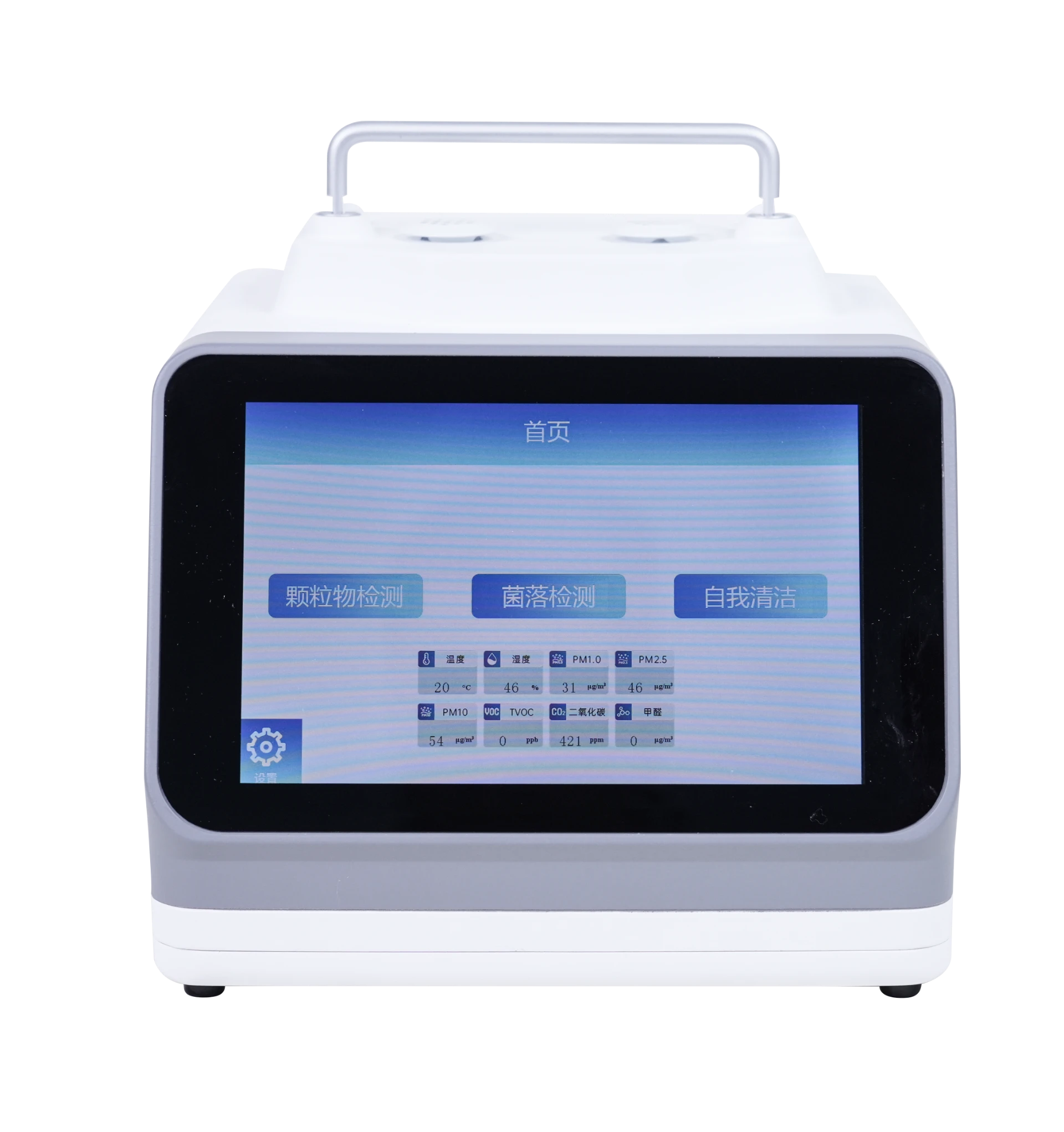
Fig 2: A Continuous Bioaerosol Sampler in operation, demonstrating its compact design and user interface.
Ensuring Trust and Reliability: FAQs
Q1: How often does the Continuous Bioaerosol Sampler require calibration?
A1: We recommend annual factory calibration or on-site calibration by certified technicians to ensure optimal accuracy and adherence to specifications. Critical airflow components should also be verified quarterly, depending on operational environment and usage intensity.
Q2: Can the system differentiate between viable and non-viable particles?
A2: Our liquid impingement collection method preserves the viability of microorganisms, allowing for subsequent laboratory analysis (e.g., culturing, PCR) to determine viability. If equipped with the optional fluorescence detection module, it can differentiate between biological and non-biological particles in real-time based on their inherent fluorescence, giving an immediate indication of bioaerosol presence.
Q3: What training is provided for operators?
A3: We provide comprehensive on-site or virtual training sessions for your technical staff. This covers system operation, routine maintenance, data interpretation, troubleshooting, and best practices for sample handling and analysis. Advanced training modules are also available for specific applications.
Lead Time & Fulfillment
Standard configurations of the Continuous Bioaerosol Sampler typically have a lead time of 4-6 weeks from order confirmation to shipment. For customized solutions involving specialized integrations or extensive sensor arrays, lead times may range from 8-12 weeks, depending on the complexity of the project. We maintain robust supply chain partnerships and internal manufacturing capabilities to ensure timely fulfillment and consistent product availability. Expedited shipping options are available upon request.
Warranty & After-Sales Support
All Continuous Bioaerosol Samplers come with a standard 2-year limited warranty covering manufacturing defects and component failures under normal operating conditions. Extended warranty packages are available, offering up to 5 years of comprehensive coverage.
Our dedicated after-sales support team provides technical assistance via phone, email, and remote diagnostics. We offer service contracts that include preventative maintenance, priority repair services, and access to our global network of certified field engineers for on-site support. Our commitment is to ensure continuous, reliable operation of your bioaerosol detection systems throughout their lifecycle.
References
- ISO 14698-1:2003, Cleanrooms and associated controlled environments — Biocontamination control — Part 1: General principles and methods.
- ASTM E2666-10, Standard Practice for Bioaerosol Sampling. ASTM International, West Conshohocken, PA, 2010.
- Chang, J.C. et al. (2018). Real-time detection of bioaerosols: current challenges and future directions. Environmental Science & Technology, 52(15), 8750-8761.
- Reponen, T. et al. (2011). Bioaerosol sampling: Collection efficiency, survivability, and identification. Applied and Environmental Microbiology, 77(1), 1-8.