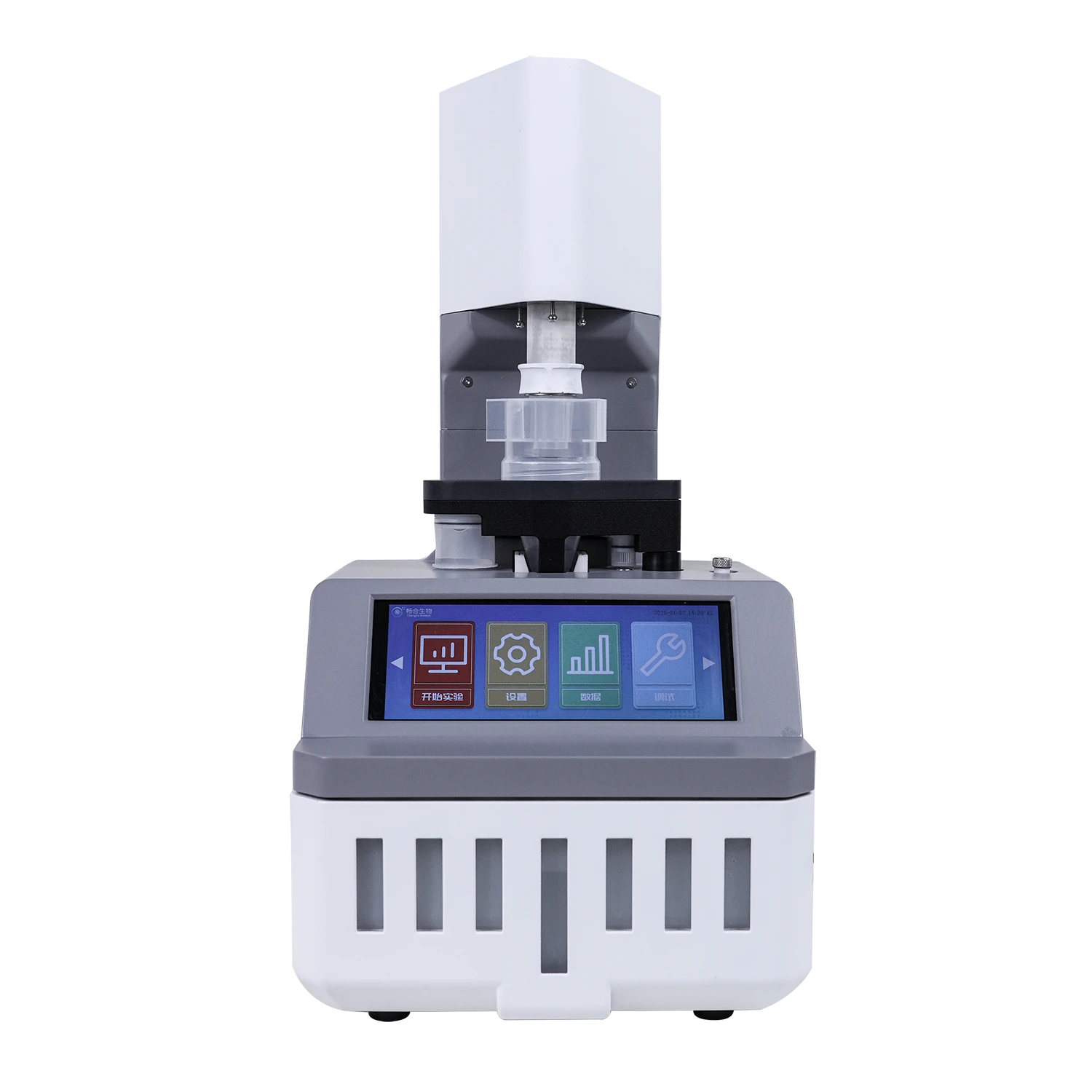

Bioaerosol Detection: Real-Time, High-Accuracy
Continuous Samplers Are Quietly Changing Bioaerosol Monitoring
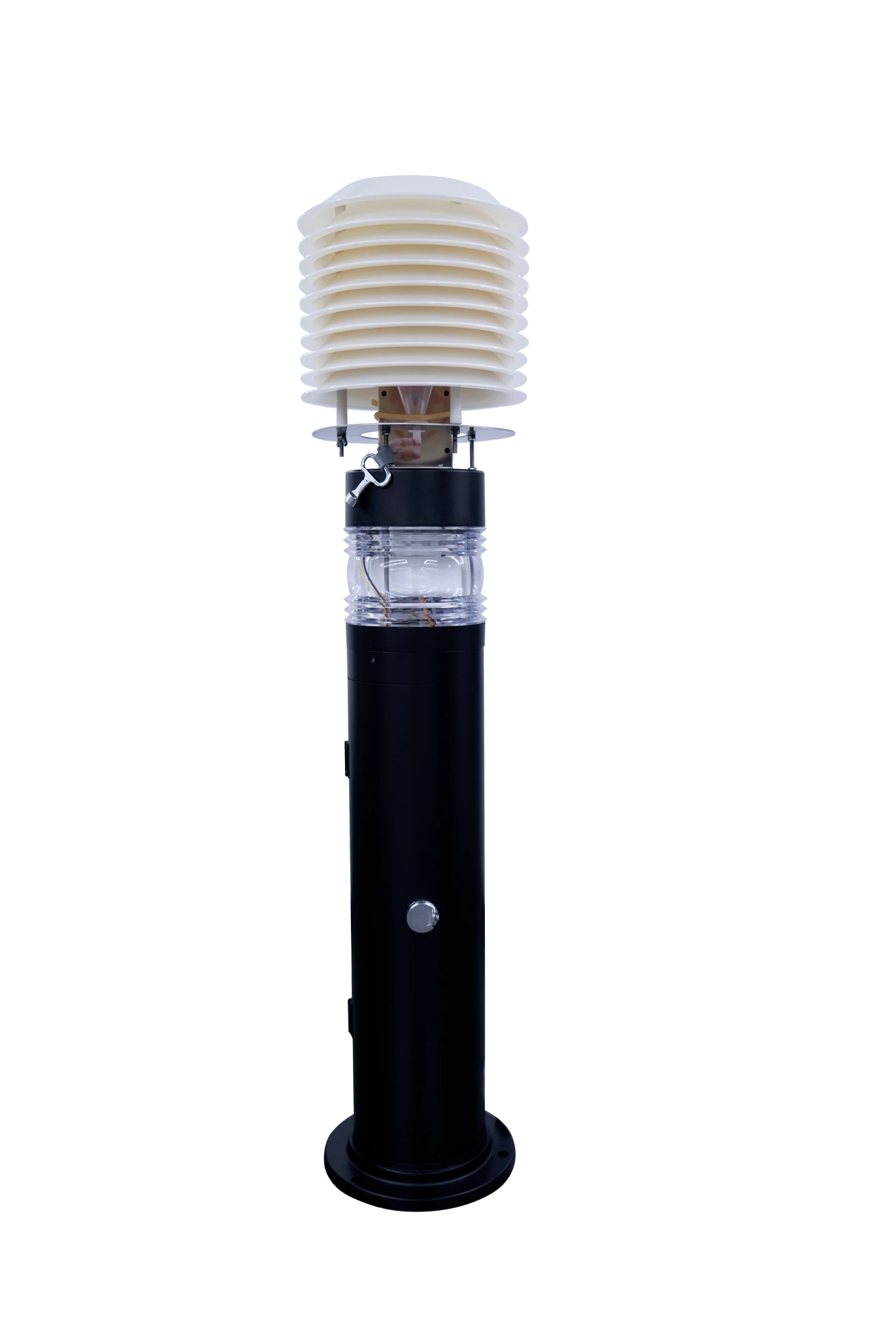
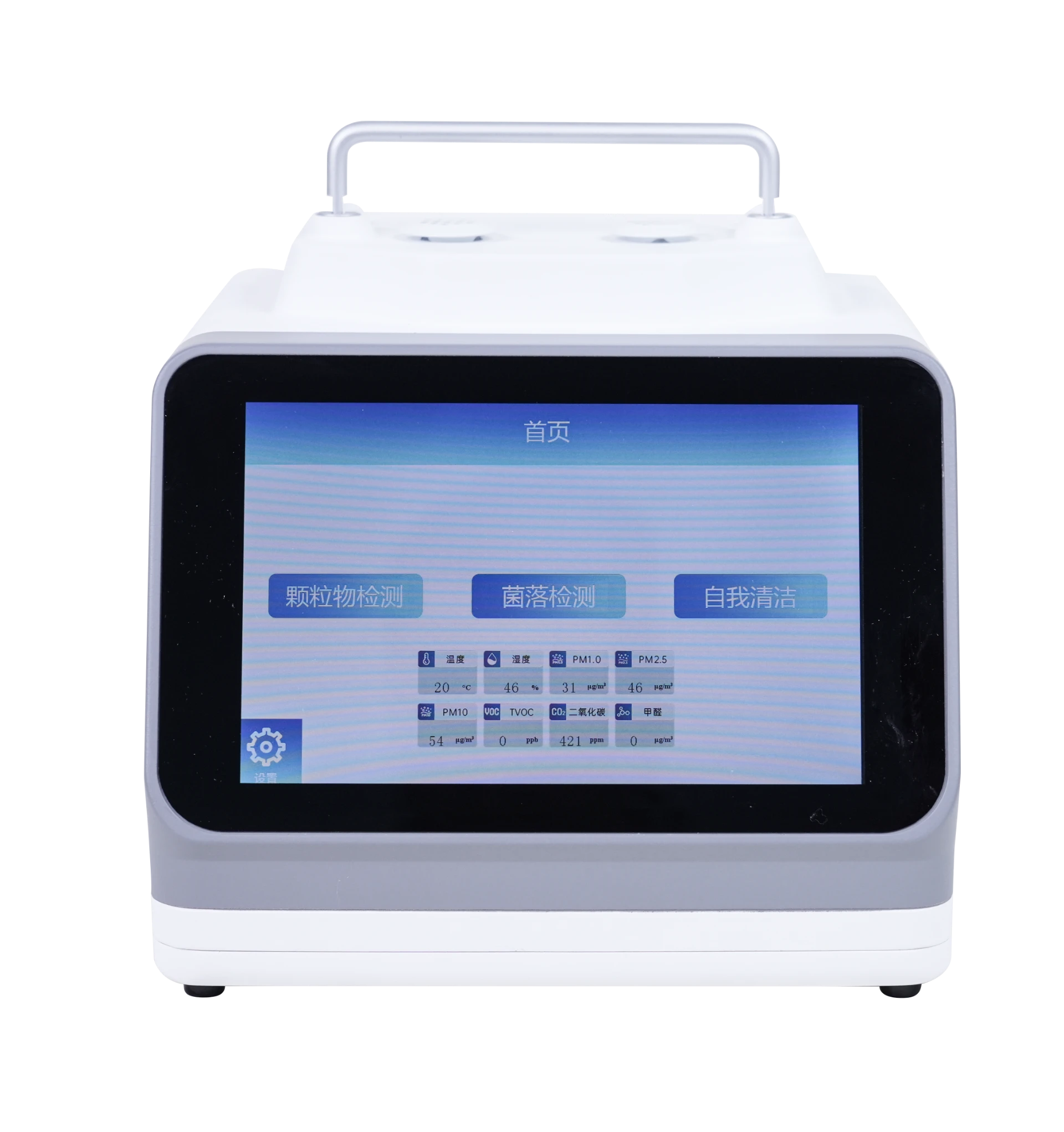
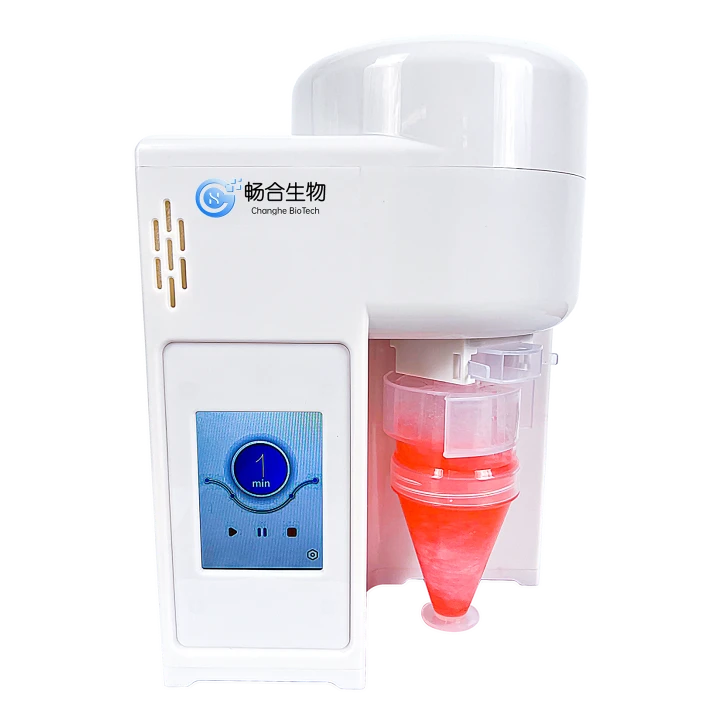
If you’ve been watching lab safety and air-quality circles lately, you’ll know the conversation around bioaerosol detection has shifted from “nice-to-have” to “mission-critical.” Not just because of high-profile outbreaks, but because routine environmental monitoring is getting smarter. Wet-cyclone platforms, especially, are gaining traction—less clogging, higher biological viability. The LCA-1-300 Continuous Bioaerosol Sampler out of Shanghai (FLOOR 7, NO.1588 HUHANG ROAD) is one of those unflashy workhorses people in pharma and hospital infection control keep bringing up.
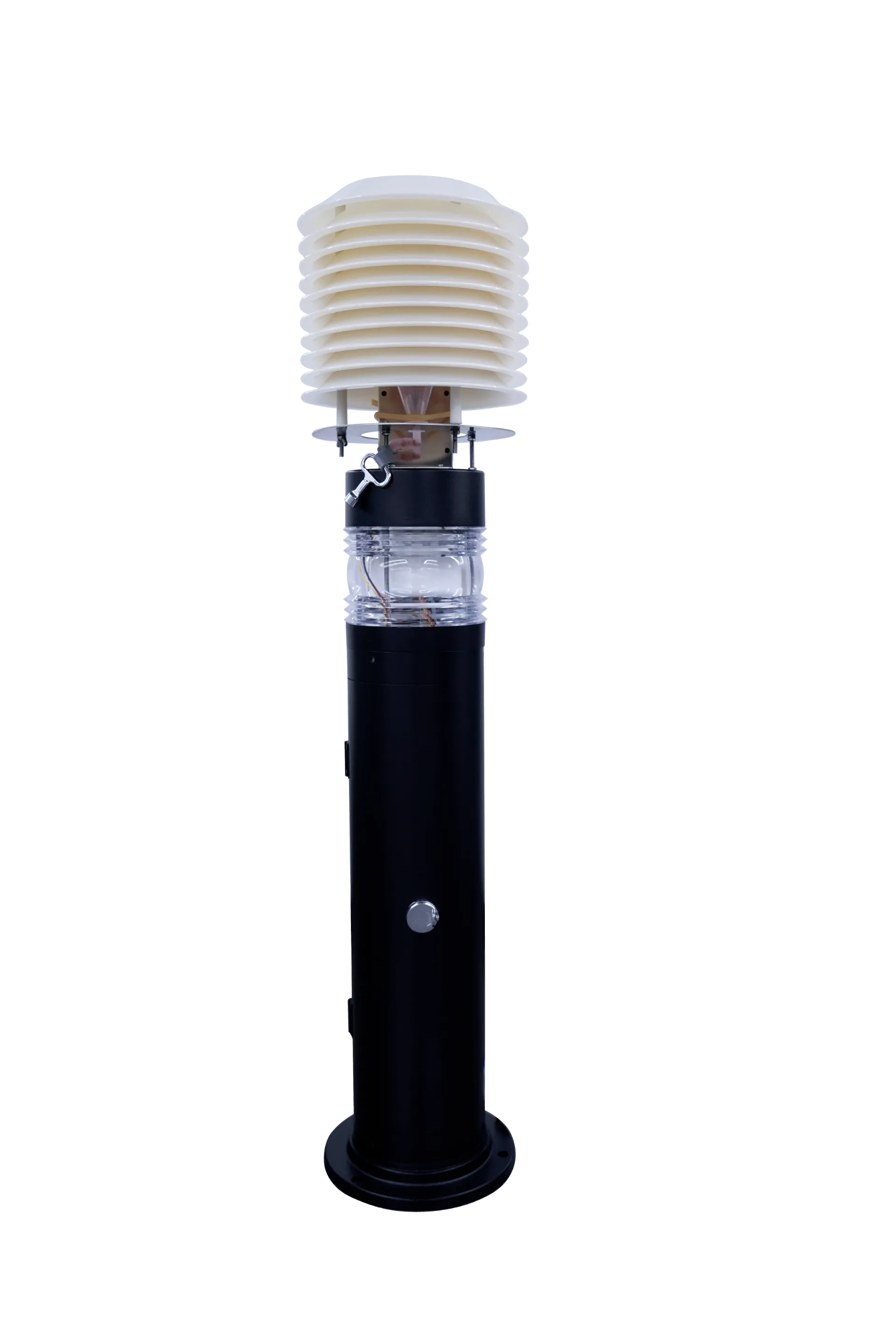
What it is, in plain terms
The LCA-1-300 is a wet-cyclone (impact) sampler that continuously pulls ambient air, spins out biological particles, and traps them in a dedicated sampling solution. The neat trick: it auto-replenishes that liquid, so you don’t babysit vials all day. In fact, many customers say the reduced hands-on time is what wins their procurement teams over—less labor, fewer stoppages, more usable data for bioaerosol detection programs.
Quick Specs (real-world use may vary)
| Sampling principle | Wet-cyclone (impact method) |
| Airflow rate | ≈ 300 L/min (stable draw for continuous runs) |
| Particle size capture | Bacteria, spores, pollen; submicron viability depends on assay |
| Collection medium | Sterile buffer/viral transport media (vendor-recommended) |
| Autorefill | Yes, minimizes manual replacement |
| Interfaces | Local HMI; data export via USB/Ethernet (≈) |
| Service life | ≈ 5–7 years with annual maintenance |
| Certifications | CE/EMC and ISO 9001 manufacturing (documentation on request) |
Where it’s used (and why)
- Pharma cleanrooms (ISO 14698 workflows), vaccine fill-finish, ATMP suites.
- Hospitals and ICUs for continuous bioaerosol detection near at-risk wards.
- Food plants and dairies watching for fungal spores; indoor ag, too.
- Airports, transit hubs, and wastewater-adjacent facilities for outbreak surveillance.
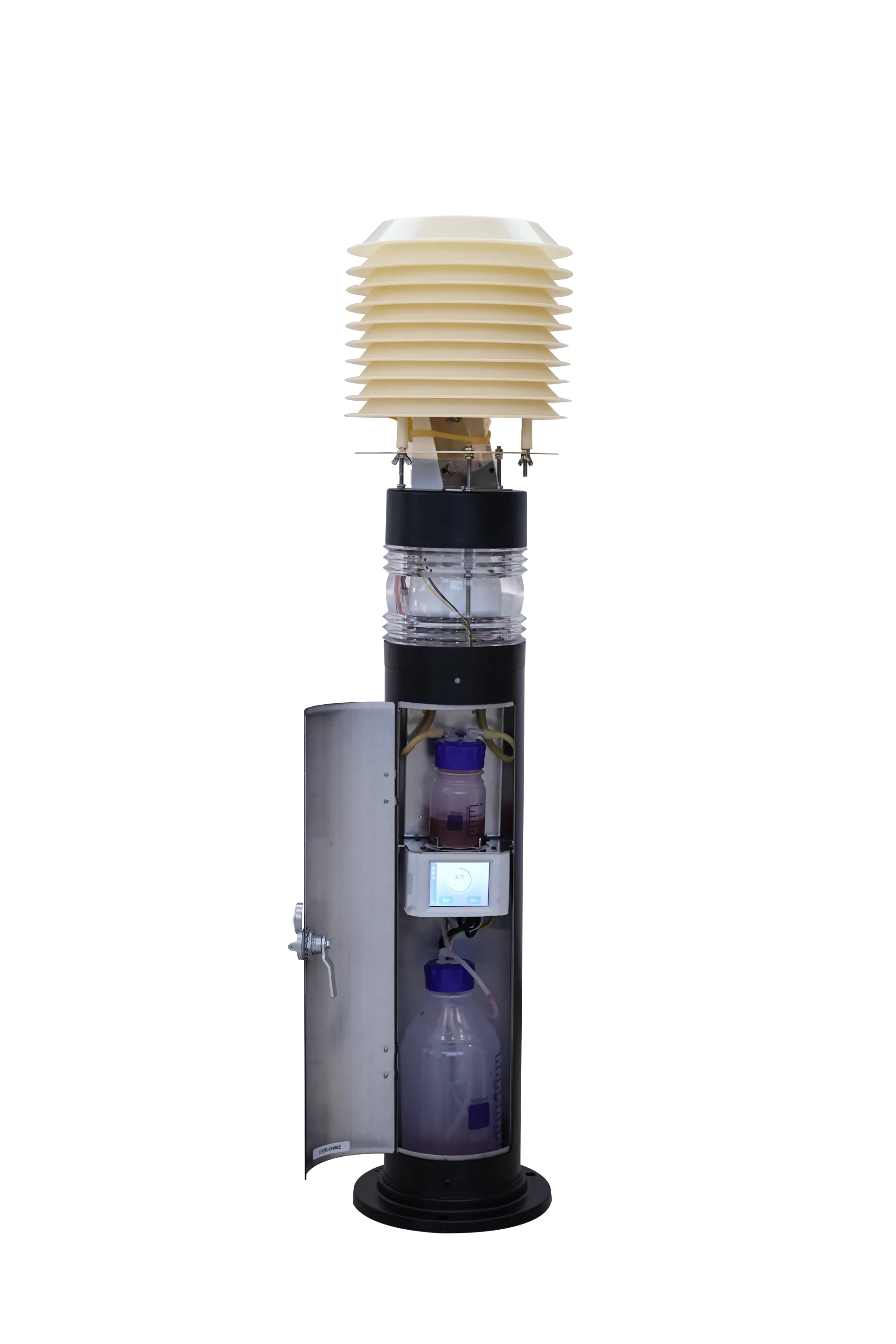
Process flow that teams actually follow
Materials: sterile PBS or validated viral transport medium, nuclease-free tubes, PPE, and calibrated flow meter (optional).
- Pre-check: verify calibration, media lot, and logbook entry.
- Run: continuous sampling 2–8 hours; auto-replenish keeps volume stable.
- Elution: collect aliquots for culture, qPCR/RT-qPCR, or metagenomics.
- QA: field blanks, positive controls as per ASTM E2721 practice.
- Report: trend CFU/m³ or genome copies/m³; flag excursions to SOP.
Testing standards commonly referenced: ISO 14698-1/-2 for biocontamination control, ASTM E2721 for sampler evaluation, and CDC/WHO guidance on airborne transmission risk framing. For regulated spaces, align with your site’s URS and validation plan—GMP auditors will ask.
Real-world performance and feedback
Internal pilot (n=12 sites, mixed hospital/pharma) recorded ≈ 20–40% higher recovery of viable bacteria versus filter cassettes in humid conditions, with fewer clogged runs. One fill-finish team told me they cut false alarms by “about a third” after switching to continuous liquid capture—fewer dry spots, more consistent bioaerosol detection.
Vendor landscape at a glance
| Approach | Wet-cyclone (LCA-1-300) | Impinger | Filter cassette | Optical fluorescence |
|---|---|---|---|---|
| Biological viability | High (liquid capture) | Moderate | Variable; drying risk | N/A (proxy signal) |
| Continuous operation | Yes, auto-refill | Limited volume | Yes, but manual swaps | Yes, real-time |
| Downstream assays | Culture, PCR, NGS | Culture, PCR | PCR (elution step) | Signal only (no sample) |
| Maintenance | Rinse cycle; annual service | Glassware handling | Filter changes | Optics cleaning |
Customization and lifecycle
Options I’ve seen requested: media compatibility for viral work, remote alarms, stainless housings, and audit-trail logging. Typical service plan is annual calibration plus seal/impeller checks; consumables are sampling solution and tubing (change-out cycles ≈ monthly in heavy use).
References:
[1] ISO 14698-1/-2: Cleanrooms and associated controlled environments—Biocontamination control.
[2] ASTM E2721: Standard Practice for Evaluation of Bioaerosol Samplers.
[3] CDC: Scientific Brief—SARS-CoV-2 and Potential Airborne Transmission.
[4] WHO: Infection prevention and control during health care when novel pathogens are suspected.
-
Understanding pcr testes transgênicos for Agricultural PurityNewsApr.16,2026
-
Understanding Febre do Cão PCR for Precision Veterinary DiagnosticsNewsApr.09,2026
-
Understanding Respiração PCR and Grupo Cat for Advanced Bioaerosol Sampling TechniquesNewsApr.07,2026
-
IDEXX Feline Respiratory PCR Panel A Comprehensive Guide for VeterinariansNewsApr.04,2026
-
Understanding Grupo de Gatos URD PCR and Bioaerosol Sampling for Air Quality ControlNewsMar.28,2026
-
Understanding the Feline Respiratory PCR Panel Grupo de PCR Respiratório do GatoNewsMar.26,2026