
Bioaerosol Detection: Real-Time, Lab-Grade Accuracy—Why Us?
Continuous bioaerosol detection moves from “pilot” to “production”
I’ve watched lab managers and EHS directors quietly upgrade their air monitoring stacks over the past two years. Not flashy, but very real. The driver? Faster risk decisions. In pharma suites, hospitals, even food plants, real-time or near-real-time bioaerosol detection isn’t a nice-to-have anymore; it’s operational insurance.
What’s new: wet-cyclone capture with auto-replenish
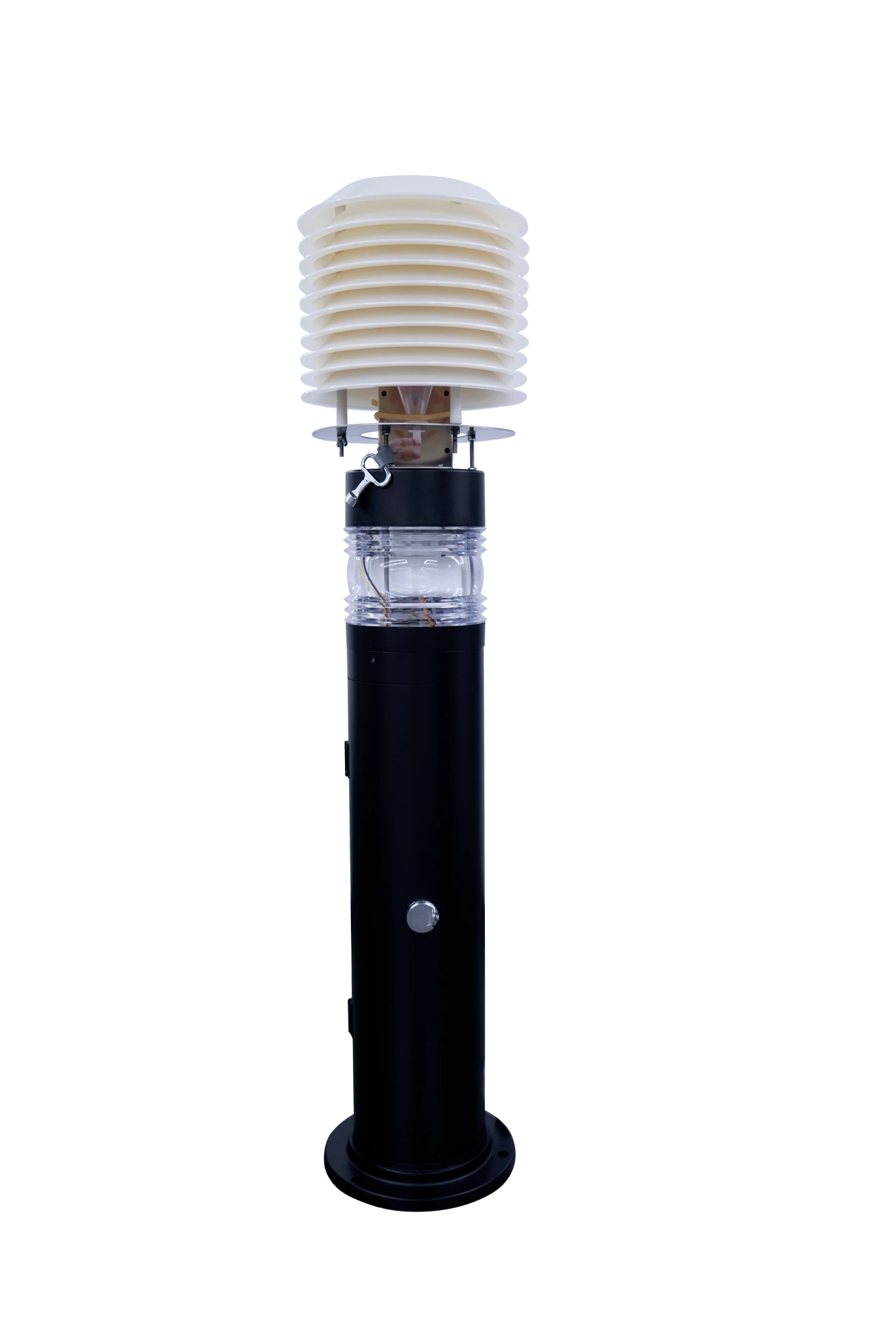
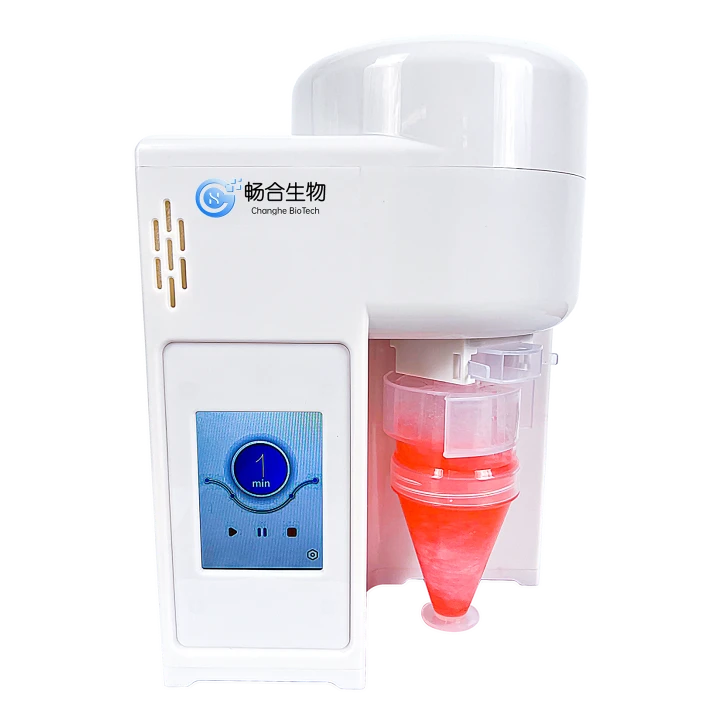
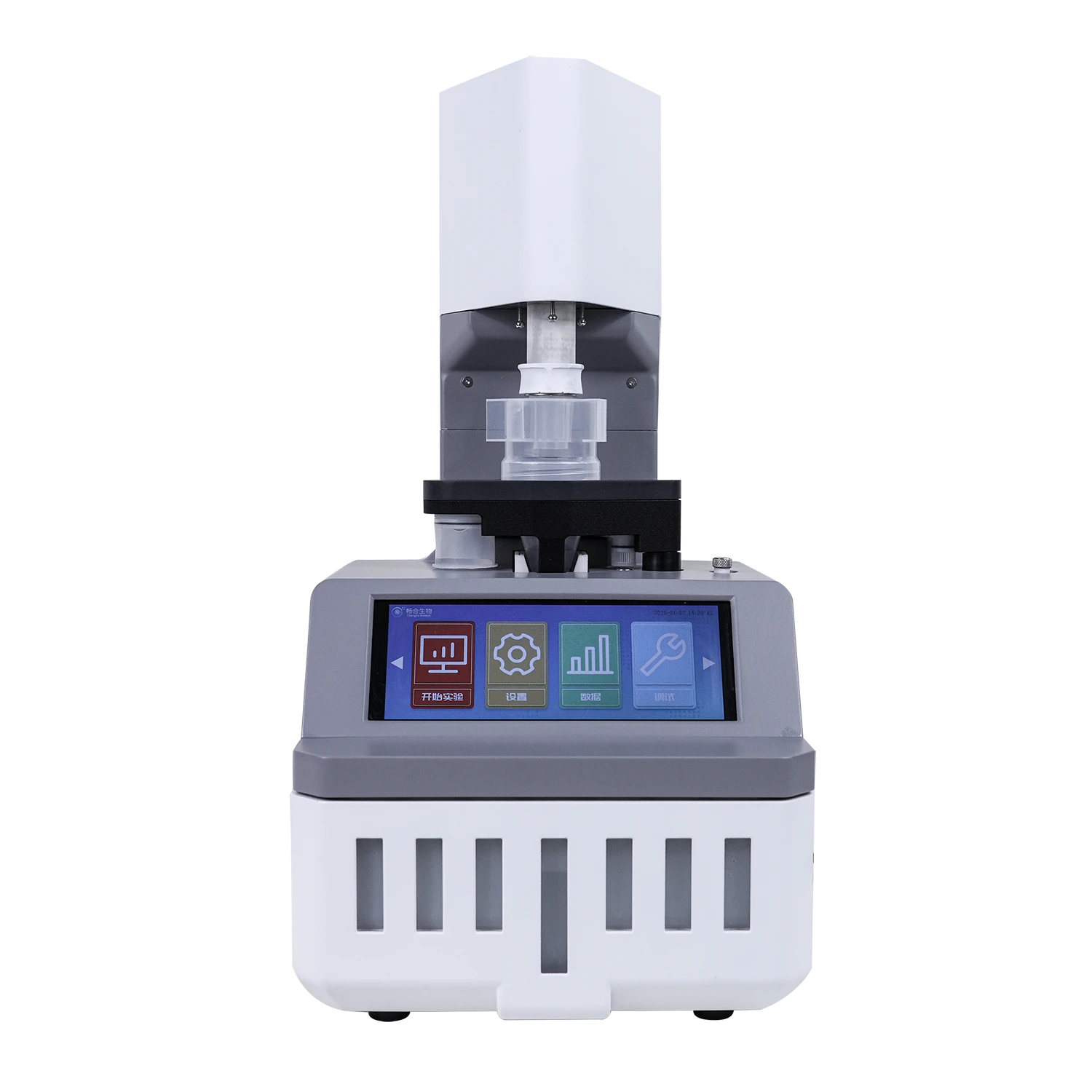
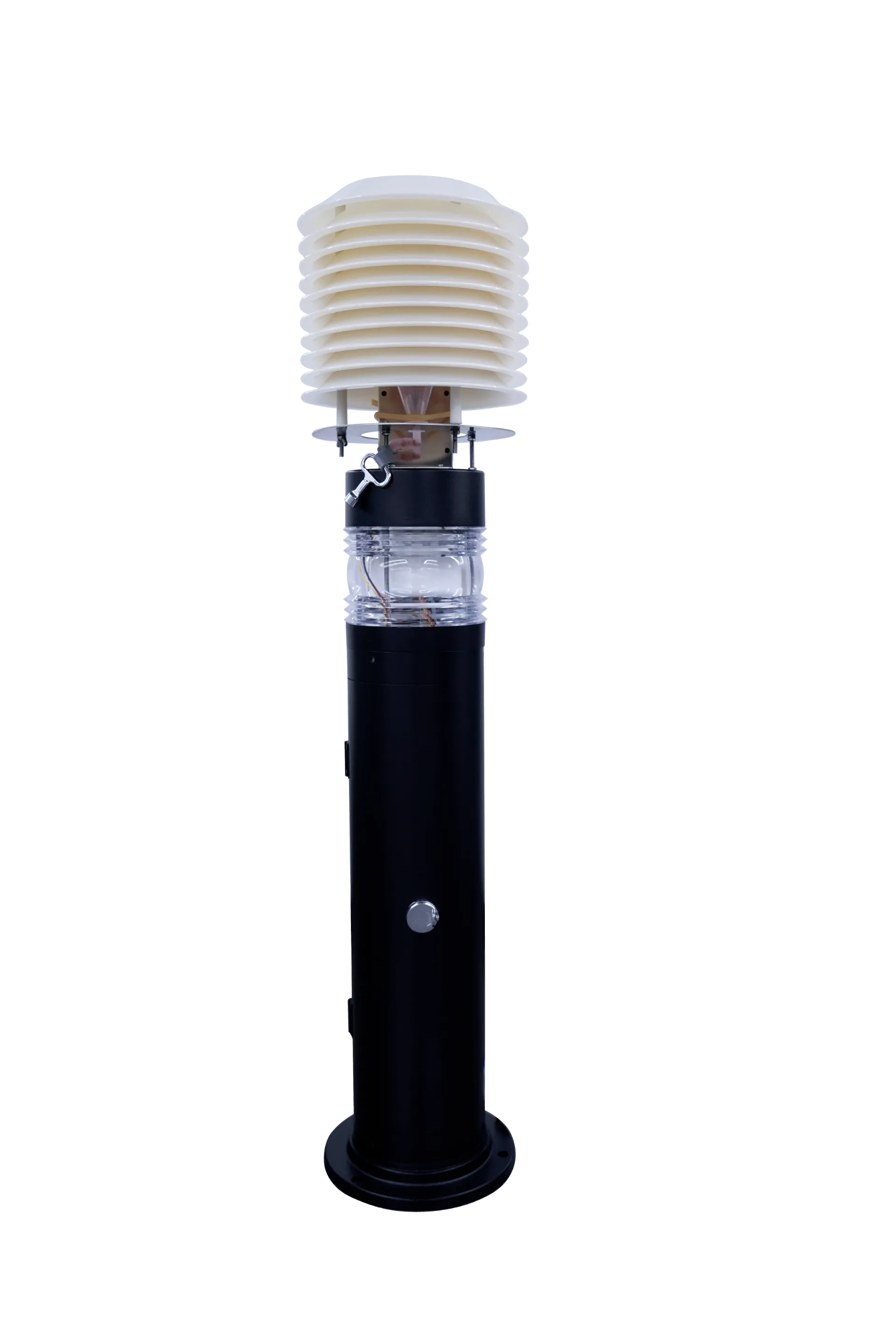
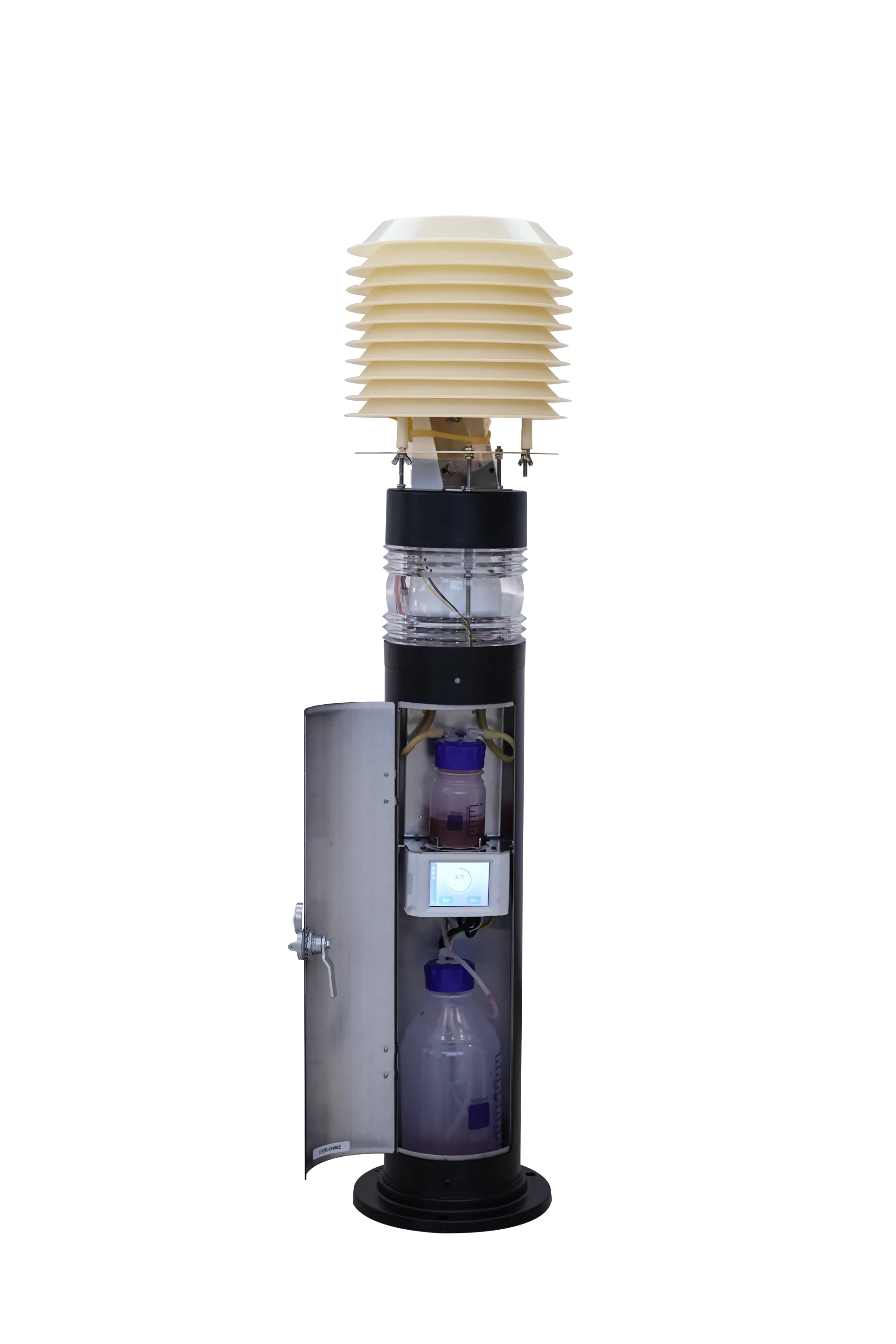
From a factory floor in Shanghai (FLOOR 7, NO.1588 HUHANG ROAD), the LCA-1-300 “Continous Bioaerosol Sampler” has been popping up in RFPs. It uses a wet-cyclone (impact) method to continuously pull air at high velocity, trap viable particles in a dedicated sampling solution, and—this is the practical bit—automatically top up the liquid so techs aren’t sprinting back and forth with pipettes. To be honest, many customers say this is the feature that finally made continuous bioaerosol detection sustainable in daily operations.
Process flow (materials, methods, and standards)
Materials: sterile aerosol sampling solution (PBS or proprietary buffer), sterile vials, swabs, and in some workflows, viral transport medium. Methods: the sampler draws ≈300 L/min (real-world may vary), impacts particles 0.5–10 µm into liquid, and sends aliquots for culture, qPCR, or immunoassay. Testing standards: teams typically align capture and analysis with ISO 14698 for biocontamination control, NIOSH NMAM 0800/0801 guidance for bioaerosol sampling, and EN 13098 in workplace settings. Service life: fans and pumps are rated for multi-year duty (around 10,000–15,000 h); seals and tubing are consumables. Industries: pharma cleanrooms, healthcare isolation wards, airports, food & beverage, wastewater bio-odor plants, and research universities.
Product snapshot: LCA-1-300 Continuous Bioaerosol Sampler
| Model | LCA-1-300 |
| Capture technology | Wet-cyclone (impact method), continuous |
| Nominal flow rate | ≈300 L/min (configurable; real-world use may vary) |
| Particle size range | ~0.5–10 µm (bioaerosol-relevant fraction) |
| Collection medium | Special aerosol sampling solution; auto-replenish |
| Duty cycle | 24/7 continuous; scheduled purge/rinse |
| I/O & data | USB/Ethernet; CSV/JSON export; API on request |
| Power | AC 110–240 V, ≈150 W typical |
| Noise | ≈58–62 dB(A) at 1 m |
| Certifications | CE, RoHS (availability by region) |
Vendor/technology comparison (quick take)
| Type | Wet-cyclone (LCA-1-300) | Impaction cassette (Andersen-type) | Optical autofluorescence counter |
| Strength | Continuous liquid capture; culture/qPCR ready | Species-level via plates; familiar SOPs | Near-real-time counts |
| Limitation | Requires liquid handling, periodic sanitize | Stop-start sampling; manual plate changes | Limited species specificity; consumables |
| LOD (≈) | Low—depends on assay; high-volume air helps | Moderate; time-averaged | Good for trend; not definitive ID |
Applications, customization, and real feedback
Typical deployments: Grade A/B cleanrooms (continuous bioaerosol detection between interventions), hospital ICUs, airport arrival halls, and spray-dryer rooms in dairy. Customization options include: adjustable flow modules (≈150–300 L/min), alternate buffers for viral stability, GMP-friendly audit trails, and 4–20 mA or Modbus gateways. Customers report fewer missed events compared to periodic plate sampling, and, surprisingly, lower technician time due to the auto-replenish loop.
Test data and compliance signals
Factory validation shows >80% capture efficiency at 1 µm using PSL spheres, with surrogate Bacillus spores detectable by qPCR at low CFU equivalents (internal QA, n≈10 runs). Labs align sample handling with ISO 14698 routines; workplace campaigns follow EN 13098. Biosafety procedures reference WHO guidance. If you need strict chain-of-custody, the Ethernet export plus hashed logs help.
Mini case study: ICU surveillance
A regional hospital in East Asia installed three LCA-1-300 units along an ICU corridor. After four weeks, the team reported a 45% faster alert-to-action window for suspected fungal bursts compared to weekly settle plates (internal report; same assay lab). It’s one site, sure, but the pattern—earlier signals, fewer surprises—keeps coming up in my notes.
Bottom line: if you’re tired of “snapshot” plates, continuous liquid capture with auto-replenish is a pragmatic step toward smarter bioaerosol detection and cleaner investigations.
References
- ISO 14698-1/-2: Cleanrooms and associated controlled environments—Biocontamination control.
- NIOSH Manual of Analytical Methods (NMAM) 0800/0801: Bioaerosol sampling guidance. https://www.cdc.gov/niosh/nmam/
- EN 13098: Workplace atmosphere—Guidelines for measurement of airborne microorganisms and endotoxin.
- WHO Laboratory Biosafety Manual, 4th ed. https://www.who.int/publications/i/item/9789240011311
- ASHRAE resources on infection risk and ventilation (context for airborne monitoring). https://www.ashrae.org/technical-resources
-
Understanding pcr testes transgênicos for Agricultural PurityNewsApr.16,2026
-
Understanding Febre do Cão PCR for Precision Veterinary DiagnosticsNewsApr.09,2026
-
Understanding Respiração PCR and Grupo Cat for Advanced Bioaerosol Sampling TechniquesNewsApr.07,2026
-
IDEXX Feline Respiratory PCR Panel A Comprehensive Guide for VeterinariansNewsApr.04,2026
-
Understanding Grupo de Gatos URD PCR and Bioaerosol Sampling for Air Quality ControlNewsMar.28,2026
-
Understanding the Feline Respiratory PCR Panel Grupo de PCR Respiratório do GatoNewsMar.26,2026