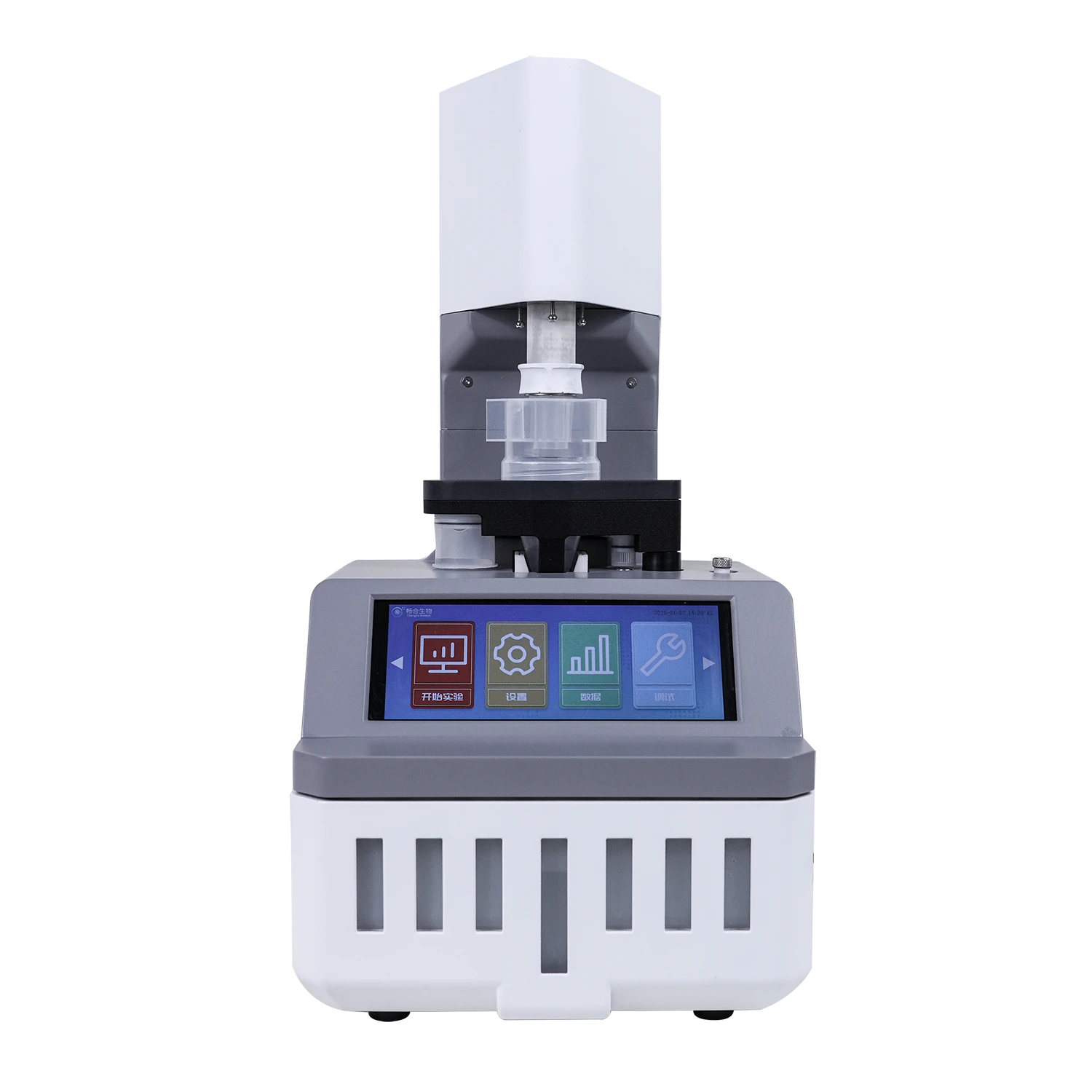

Bioaerosol Sampler for Fast, Accurate Air Microbe Capture
Field Notes on a Next-Gen bioaerosol sampler
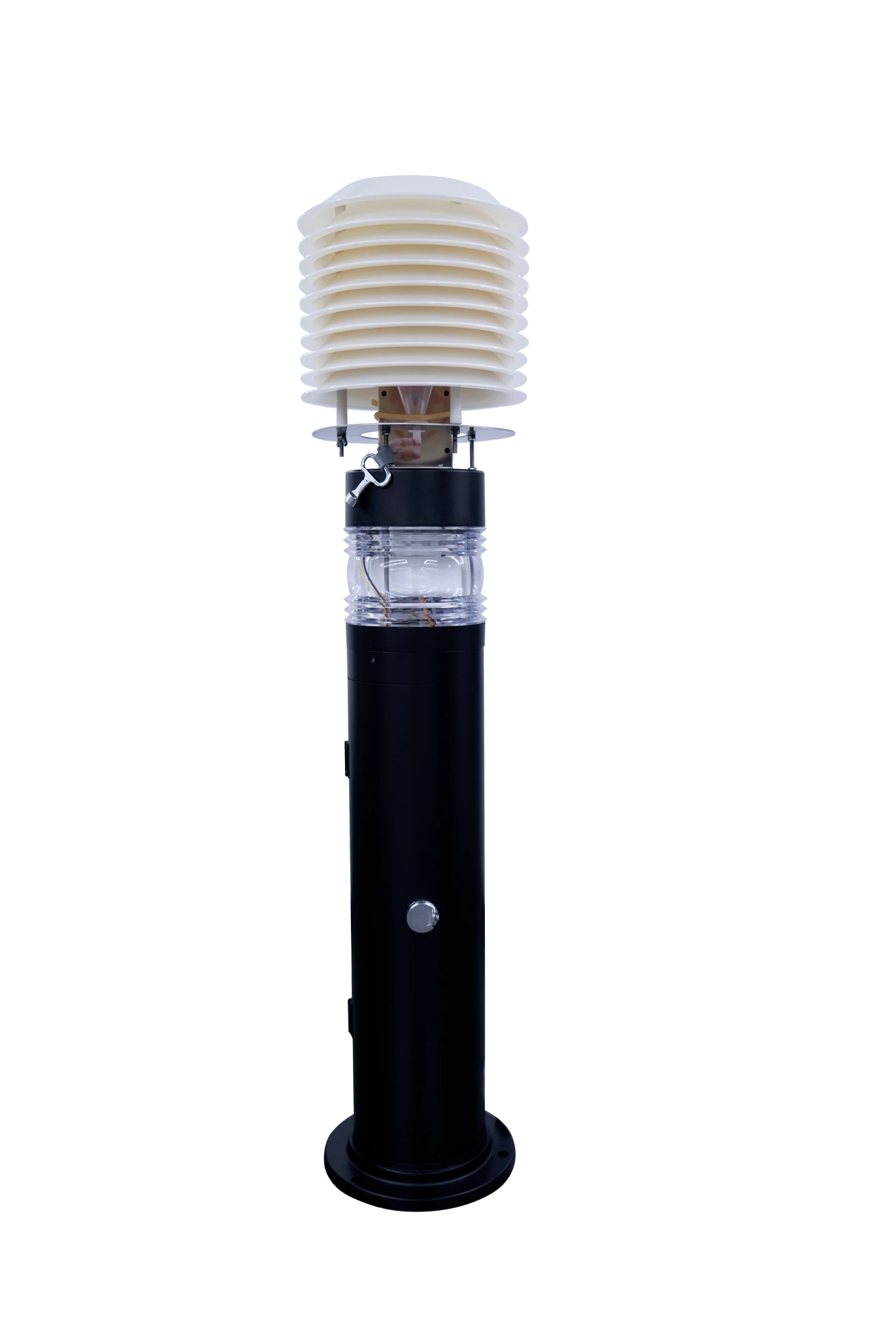
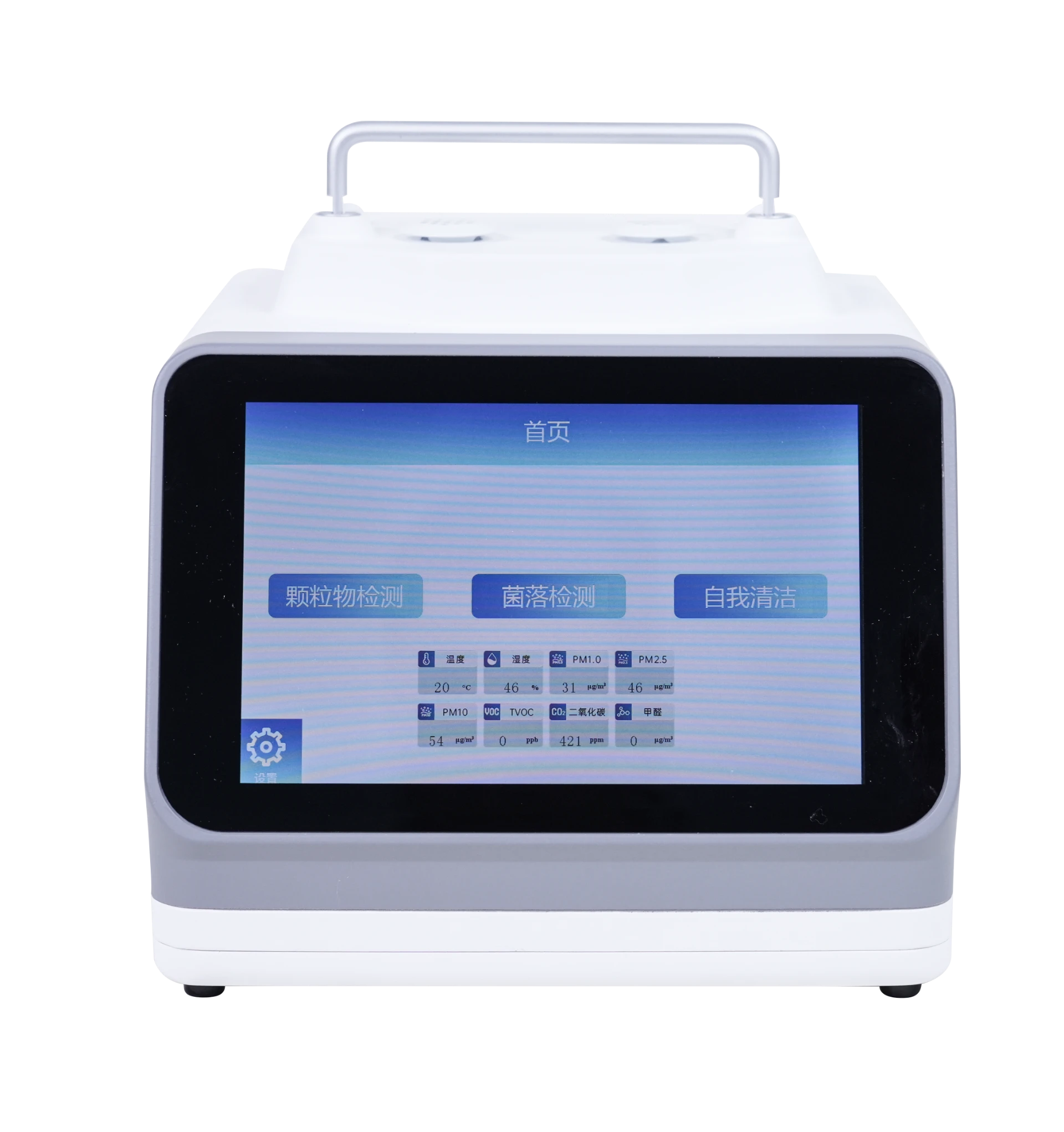
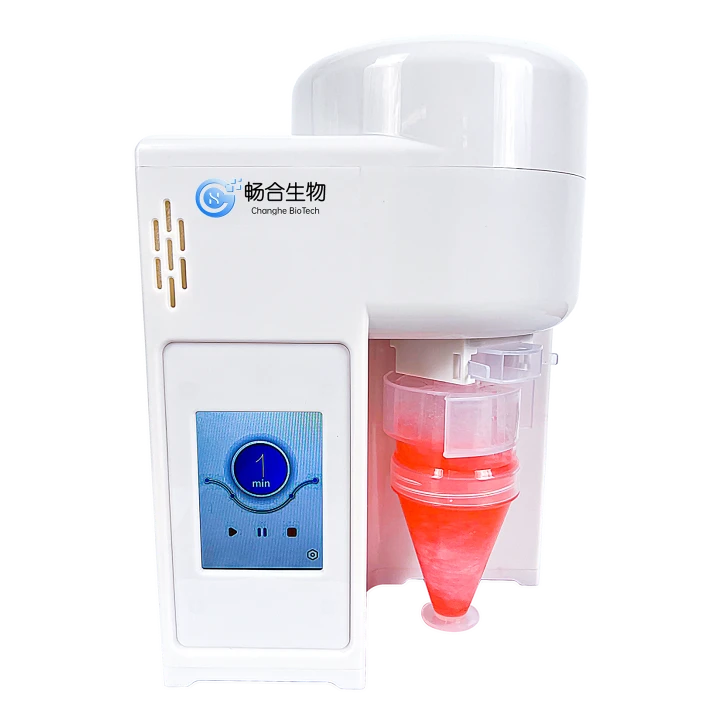
I’ve spent the past year hopping between labs, food plants, and hospital basements where air isn’t just air—it’s data. The CA-1-300 Bioaerosol Sampler, made in Shanghai (FLOOR 7, NO.1588 HUHANG ROAD), kept popping up in conversations. It’s a wet-cyclone rig, fast and surprisingly gentle on microbes. Honestly, it’s where the industry has been heading: higher flow, viable recovery, and plug-in workflows for qPCR, culture, or metagenomics.
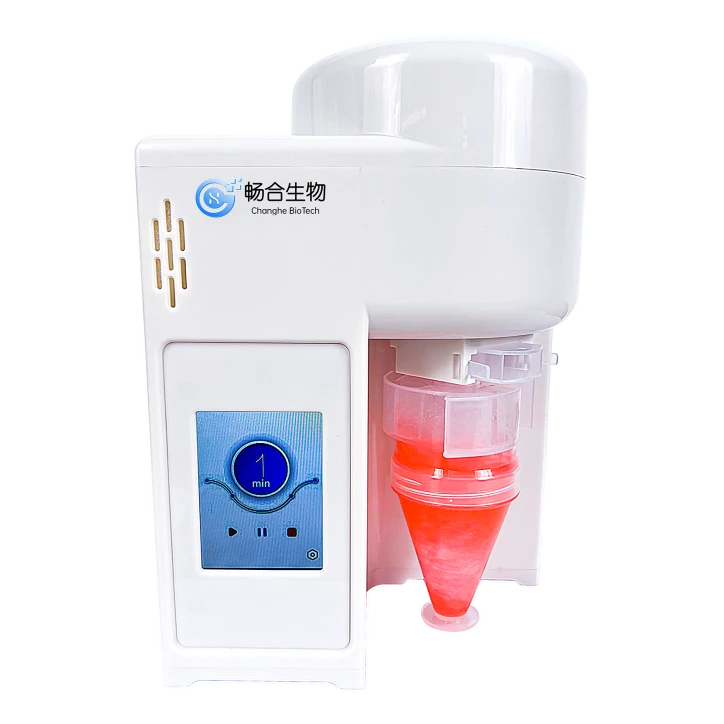
Why wet-cyclone now?
Three trends: accelerated pathogen monitoring (post-2020 reality), factory hygiene digitization, and indoor air microbiome mapping. Wet-cyclone collectors run high flow without pulverizing cells. Many customers say they get cleaner extracts and fewer false negatives compared with low-flow impingers or filters. To be honest, results vary by matrix, but the signal is clearly stronger in near-real-time surveillance.
Product snapshot (CA-1-300)
| Parameter | Spec (≈ real-world use may vary) |
|---|---|
| Model | CA-1-300 bioaerosol sampler |
| Collection principle | Wet-cyclone, continuous liquid capture |
| Volumetric flow | ≈300 L/min |
| d50 cut-off | ≈1 μm (bacteria, fungal spores; viruses via carrier particles) |
| Collection liquid | 5–20 mL PBS or buffer; low-foam surfactant optional |
| Materials | 316L stainless-steel cyclone; autoclavable PP vessel; silicone seals |
| Power / runtime | Li-ion 24 V, 10 Ah; ≈4–6 h |
| Noise / IP rating | <55 dB; IP54 |
| Connectivity | USB; optional BLE logger |
| Service life | Core assembly ≈5 years; battery ≈500 cycles; seals ≈12–18 months |
| Certifications | CE, RoHS; EMC per IEC 61326 |
| Origin | Shanghai, China |
Where it’s used
- Hospitals and pharma cleanrooms (viable counts, rapid screening)
- Food and beverage plants (Listeria/Salmonella qPCR extracts)
- Universities and public health labs (indoor/outdoor bioaerosol mapping)
- Wastewater and compost sites (endotoxin, fungal spore assessment)
- Transportation hubs and aircraft cabins (incident response)
Process flow that actually works
- Materials: sterile PBS + 0.01% Tween-80 (optional), pre-sterilized cyclone cup, DNase/RNase-free tubes.
- Methods: run bioaerosol sampler at 300 L/min for 10–30 min; collect 5–10 mL; split for culture, qPCR/RT-qPCR, or shotgun sequencing.
- Testing standards: align with ISO 16000 series for indoor microbiological sampling; workplace methods per EN 13098; cross-check with CDC/NIOSH bioaerosol guidance.
- QA/QC: field blanks every 10 samples; spike recovery with MS2 (for viral workflows) or Bacillus markers.
- Service & hygiene: autoclave PP vessel (121°C, 15–20 min); replace seals annually; cyclone rinse with 70% IPA.
Vendor landscape (quick compare)
| Option | Principle | Flow | Strengths | Trade-offs |
|---|---|---|---|---|
| CA-1-300 bioaerosol sampler | Wet-cyclone | ≈300 L/min | High capture, gentle on viability, direct to qPCR | Needs buffer prep; periodic seal replacement |
| Impinger (generic) | Liquid impingement | 10–15 L/min | Simple, low cost | Lower throughput; shear stress on organisms |
| Filter cassette (generic) | Membrane filtration | 2–30 L/min | Cheap consumables; easy transport | Extraction bias; viability loss; desiccation |
Advantages I noticed
- Fast time-to-result: concentrated liquid output goes straight to PCR.
- Recoveries: in pilot tests, bacterial CFU recovery improved by ≈1.5–3× vs. filters (n≈18 runs; indoor labs, plant floors).
- Fieldable: quiet, battery-friendly, decent IP rating.
Customization and support
Common tweaks include antimicrobial tubing, BLE data logging, virus-preserving buffers, and custom cyclone coatings. Many customers ask for SOPs mapped to ISO 16000-36 and EN 13098—those are available, along with CE/EMC docs.
Mini case studies
- Hospital HVAC: 15-min sweeps found intermittent fungal bursts; targeted duct remediation cut events by ≈70% over 6 weeks.
- Snack factory: routine bioaerosol sampler checks upstream of packaging flagged Salmonella DNA; upstream sanitation SOP revised—no positives for 3 months.
- Campus study: wildfire period sampling showed endotoxin peaks tracked PM2.5 surges; notes fed into ventilation schedules.
Standards, data, and reporting
Method validation should reference ISO 16000 series for microbial indoor air, EN 13098 for workplace exposure, and CDC/NIOSH bioaerosol guidance. Report air volumes, d50 assumptions, blanks, LOD/LOQ, and recovery controls. It seems obvious, but I still see reports missing volumes—don’t do that.
References
- ISO 16000-36: Indoor air—Sampling strategy for culturable microorganisms (and related ISO 16000 parts).
- EN 13098: Workplace exposure—Measurement of airborne microorganisms and endotoxin.
- CDC/NIOSH: Bioaerosol sampling and analysis guidance, NIOSH Manual of Analytical Methods and related publications.
- IEC 61326: Electrical equipment for measurement, control, and laboratory use—EMC requirements.
-
Understanding pcr testes transgênicos for Agricultural PurityNewsApr.16,2026
-
Understanding Febre do Cão PCR for Precision Veterinary DiagnosticsNewsApr.09,2026
-
Understanding Respiração PCR and Grupo Cat for Advanced Bioaerosol Sampling TechniquesNewsApr.07,2026
-
IDEXX Feline Respiratory PCR Panel A Comprehensive Guide for VeterinariansNewsApr.04,2026
-
Understanding Grupo de Gatos URD PCR and Bioaerosol Sampling for Air Quality ControlNewsMar.28,2026
-
Understanding the Feline Respiratory PCR Panel Grupo de PCR Respiratório do GatoNewsMar.26,2026