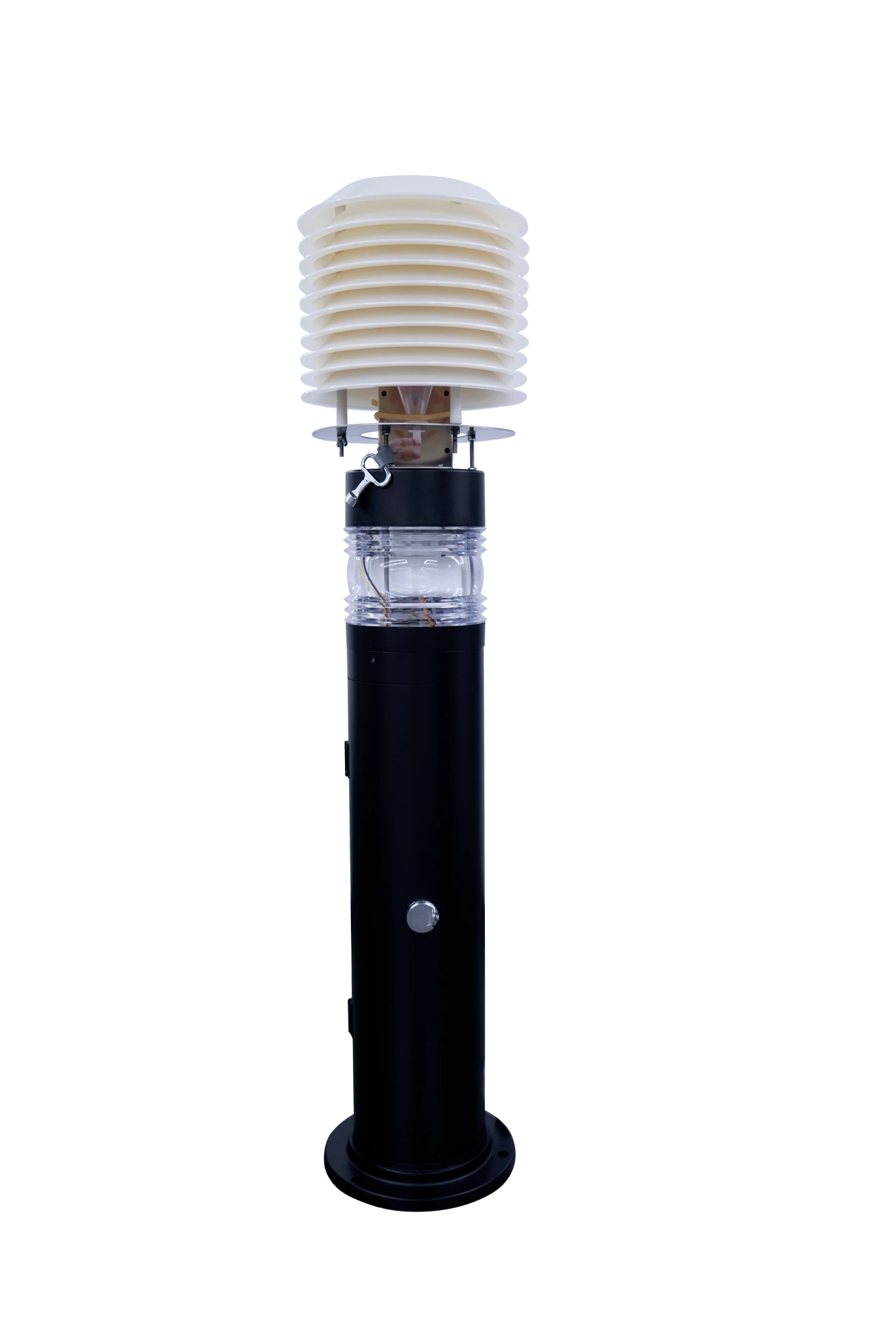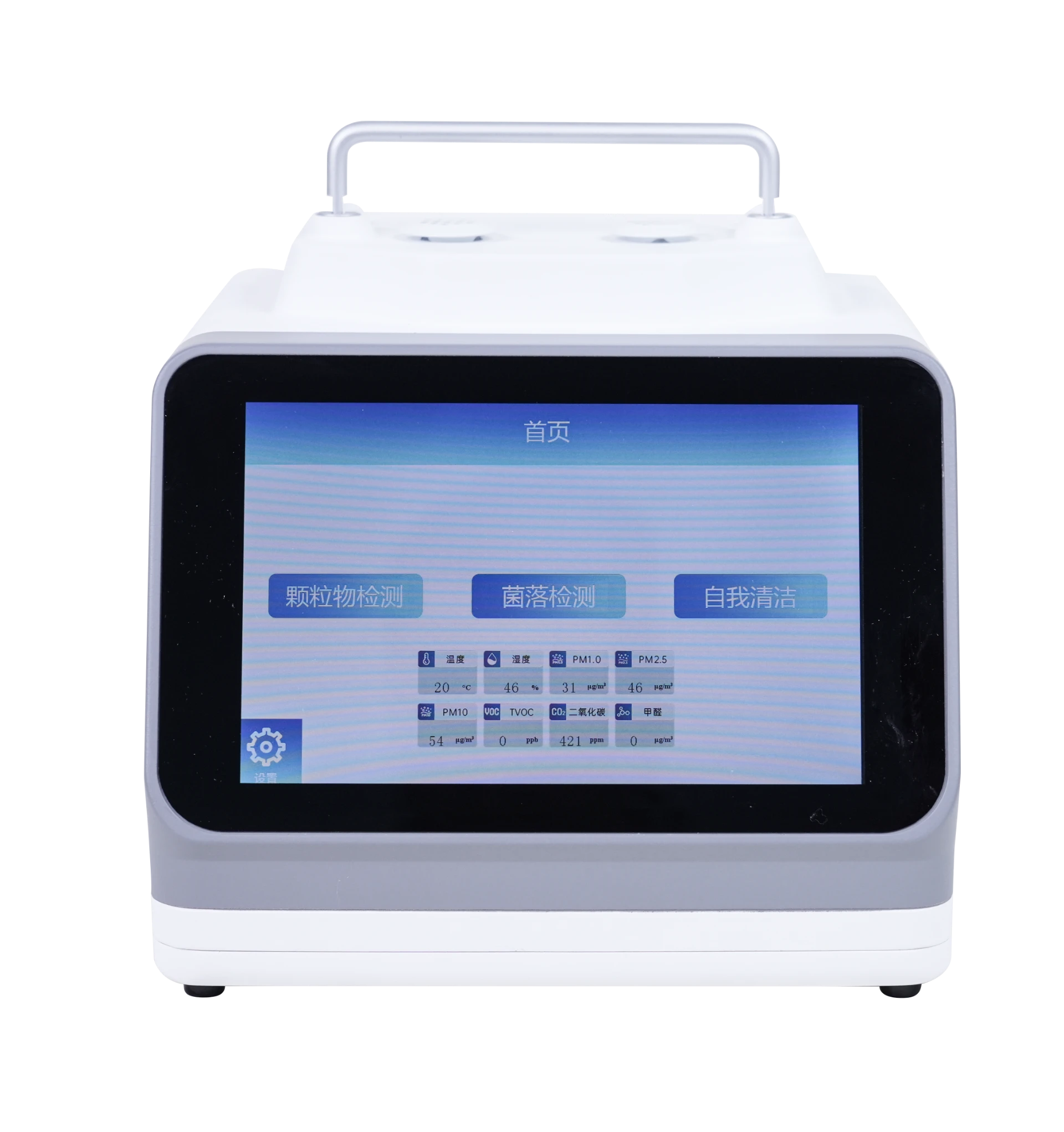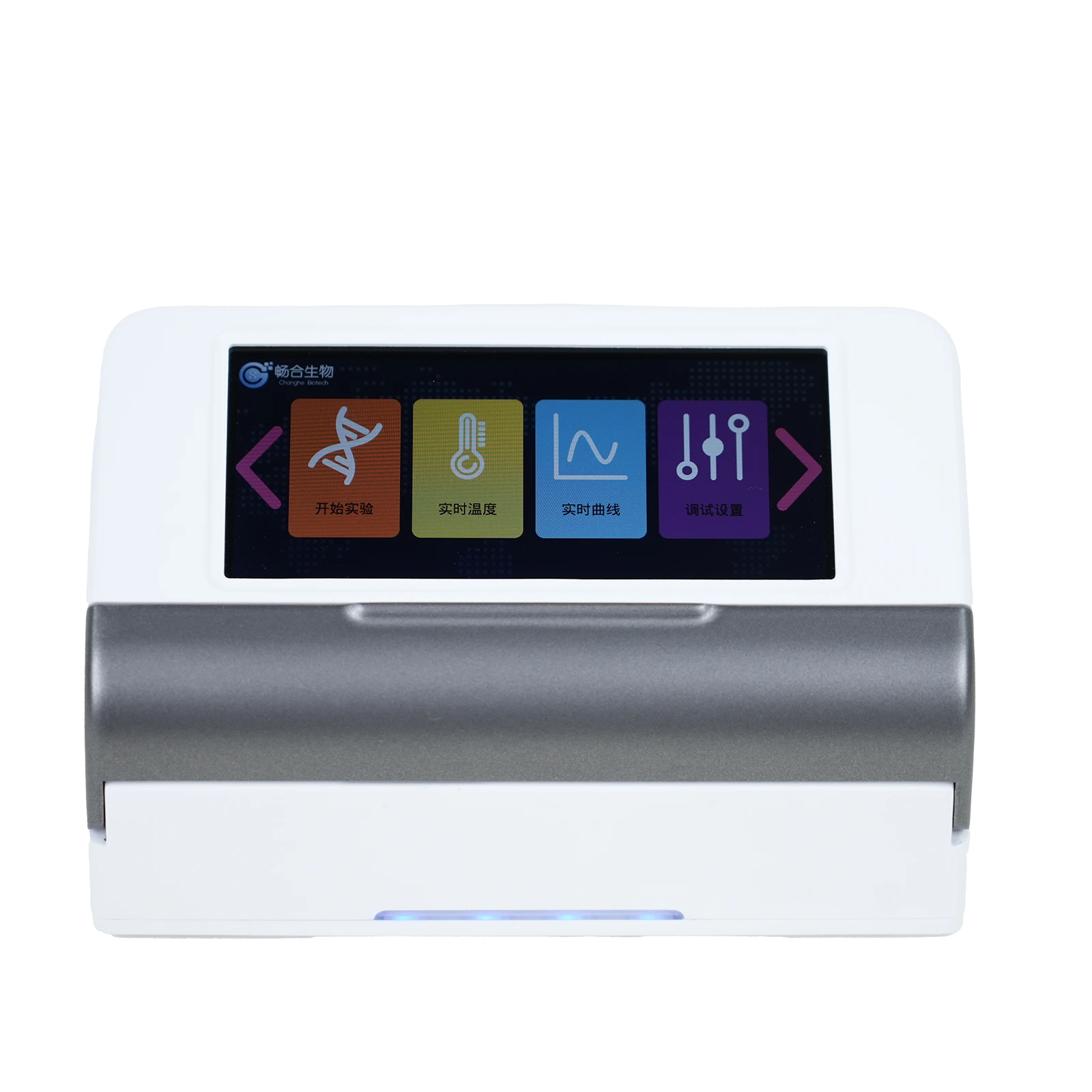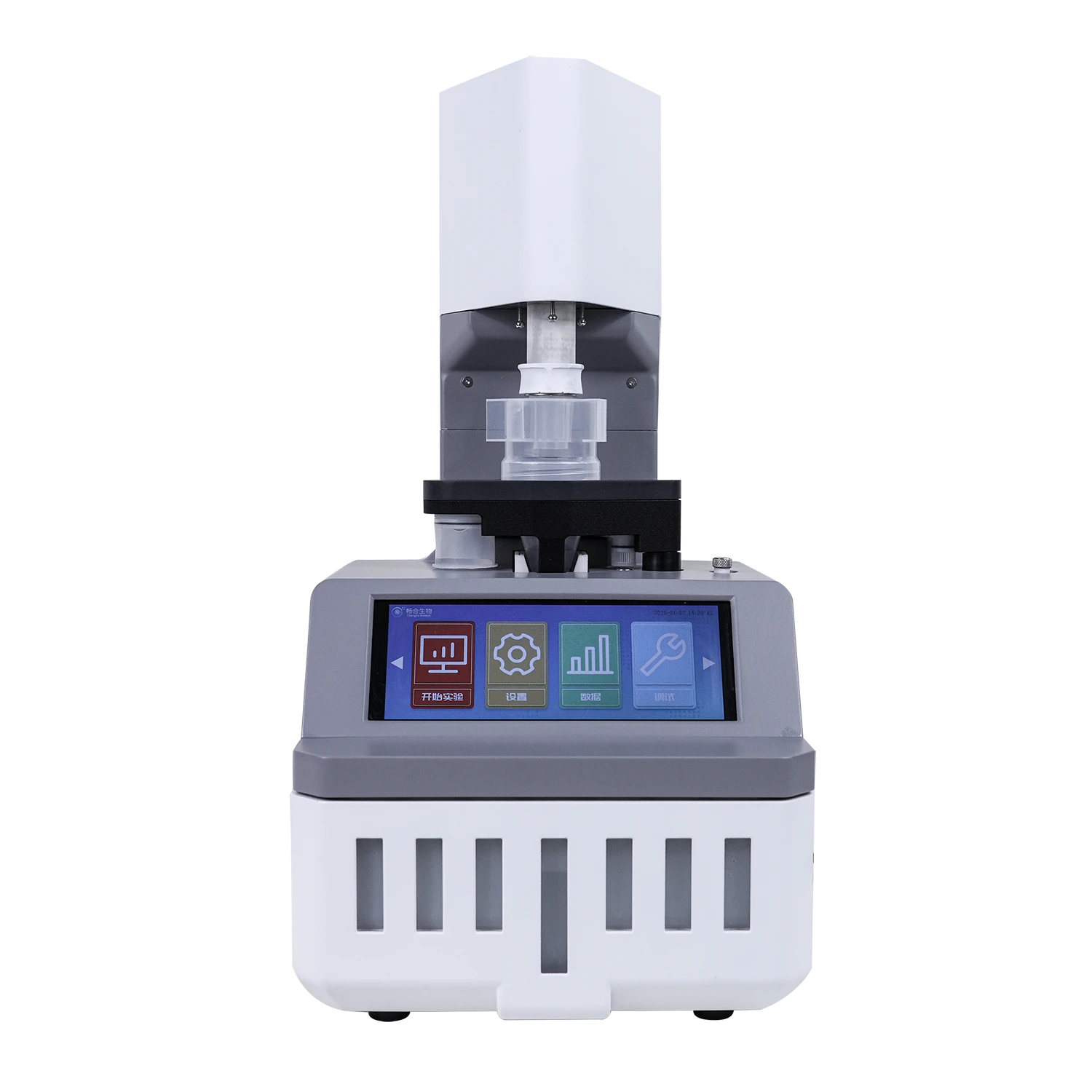

Bioaerosol Sampler - High-Efficiency, Accurate, Portable
Bioaerosol Sampler, Real-World Readiness: Notes from the Field
Two years ago, hardly anyone outside labs talked about airborne microbes. Now I hear facilities managers bring it up over coffee. If you’re weighing a bioaerosol sampler for compliance, outbreak response, or routine risk mapping, here’s the straight story on the CA-1-300 and what the market’s actually doing.
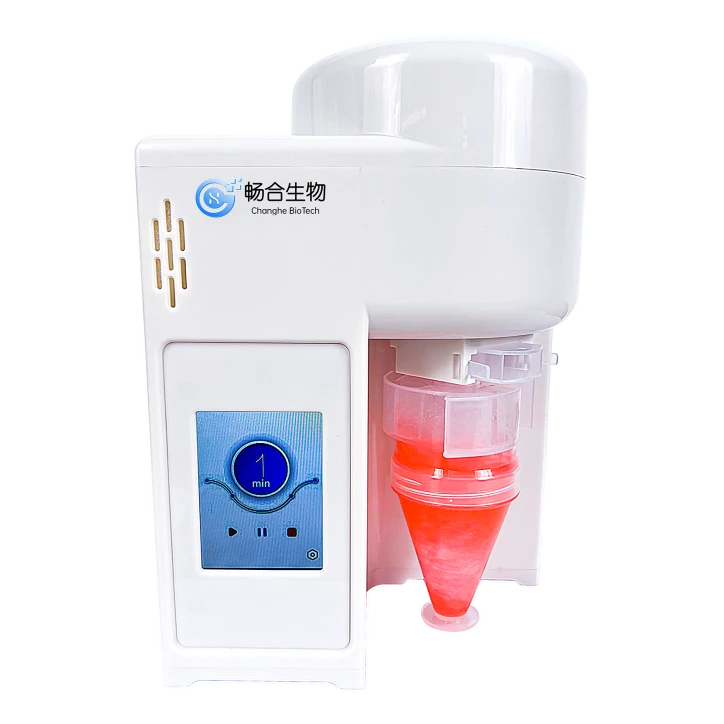
What it is, how it works
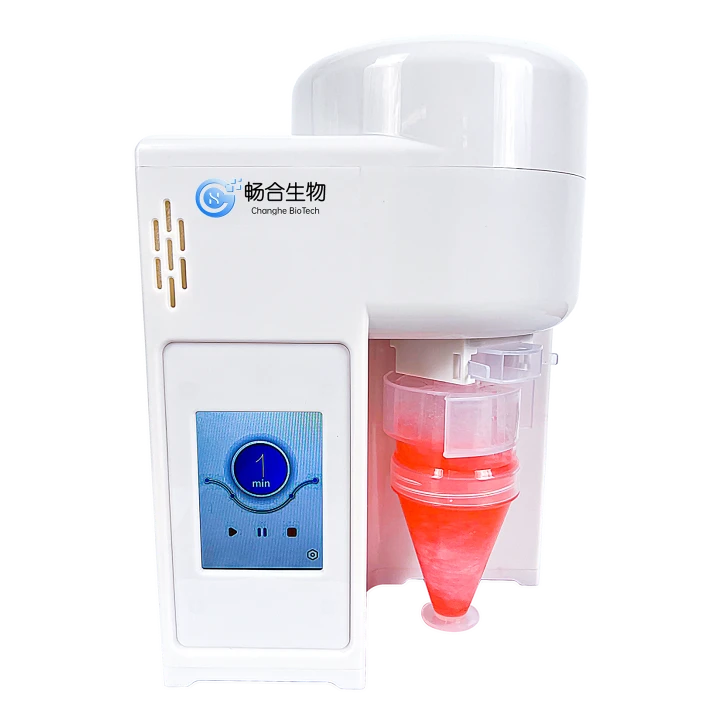
The CA-1-300 bioaerosol sampler is a wet-cyclone unit that pulls air at high velocity into a vortex, sweeping particles into a small liquid volume (PBS, VTM, etc.). That liquid goes straight to culture, qPCR, or NGS. Wet-cyclone matters because it’s gentler on viability than high-impaction plates and avoids filter extraction losses. In practice, it’s fast, tidy, and—this surprised me—less fussy to disinfect between runs.
Headline specs (field-relevant)
| Model | CA-1-300 bioaerosol sampler |
| Collection principle | Wet-cyclone (low shear) |
| Flow rate | ≈300 L/min (±10% real-world) |
| Particle size window | ~0.3–10 µm (bacteria, spores, some viruses on carriers) |
| Collection liquid | 5–10 mL PBS/VTM, sterile vial |
| Materials | 316L SS aerosol path; PTFE seals |
| Noise / IP rating | <55 dB(A) @1 m / IP54 |
| Power / Battery | DC 24 V; ≈4–6 h battery pack (typ.) |
| Service life | Pump ≥10,000 h (typical); seals 12–18 mo. use dependent |
Trends I’m seeing
- Shift to liquid capture for qPCR/NGS workflows (fast turnaround).
- Portable audits in cleanrooms (EN 17141) and healthcare (ASHRAE 170 baselines).
- Data defensibility: referencing ISO/EN/NIOSH methods is now table stakes.
Applications that make sense
- Hospitals and ORs (baseline bioburden mapping, construction impact).
- Pharma/biologics cleanrooms, aseptic fill lines, isolators.
- Food plants, indoor air quality surveys, universities, and BSL labs.
- Emergency response / incident investigation (spores, endotoxin proxy sampling).
Workflow & standards
Typical run: sterile vial install → 10–20 min sample at 300 L/min → cap → lab handoff → culture (CFU), qPCR (Ct), or metagenomics. Methods align with EN 17141 (bio-contamination control), ISO 14698, NIOSH NMAM 0800/0801 guidance and cleanroom SOPs. Validation often cross-checks against settle plates or slit-to-agar for trending.
Test data (vendor, n=30): capture efficiency 90% for ≥1 µm polystyrene latex spheres; viable recovery of S. aureus and B. subtilis spores comparable to impactors, with ≈20–30% higher yield in qPCR extraction. Your mileage may vary with humidity and media.
Why wet-cyclone here?
- One-step liquid handoff to PCR (less hands-on time).
- Lower desiccation; better viability for sensitive strains.
- Compact, wipe-down design; autoclavable wetted parts.
Vendor snapshot (field picks)
| Vendor / Model | Principle | Flow | Best for | Notes |
|---|---|---|---|---|
| CA-1-300 (Shanghai) | Wet-cyclone | ≈300 L/min | PCR-driven programs | High recovery into liquid; portable |
| Brand B Impactor | Slit-to-agar | 100 L/min | CFU trending | Great for compliance plates; no PCR direct |
| Value C Filter | Membrane | 20–50 L/min | Budget surveys | Extraction step adds variability |
Customization & support
- Nozzles: isokinetic inlet options; optional HEPA-protected exhaust.
- Media kits: PBS/VTM vials, sterile quick-change caps.
- Battery packs, carry case; API-ready data logger upon request.
- Certs: CE, RoHS, factory ISO 9001 (documentation on file).
Origin: FLOOR 7, NO.1588 HUHANG ROAD, SHANGHAI, CHINA.
Mini case notes
Hospital OR audit: 15-min pulls pre- and post-construction barrier. qPCR detected a transient 3× rise in fungal DNA; HVAC setpoint tweak plus anteroom restored baseline within 48 h.
Fill-finish cleanroom: Weekly bioaerosol sampler runs cut swab/plate labor by ~30%. Deviations flagged earlier via PCR Ct drift, not CFU alone.
Customer aside: many users say the quick-change sterile vials reduced changeover “pain” more than they expected.
Bottom line: if your program leans on molecular assays, a wet-cyclone bioaerosol sampler like the CA-1-300 is a pragmatic step up—fast, defensible, and, to be honest, easier to live with day-to-day.
Authoritative references
- EN 17141:2020, Cleanrooms and associated controlled environments—Biocontamination control. https://standards.cen.eu
- ISO 14698-1/-2, Biocontamination control in cleanrooms. https://www.iso.org
- NIOSH NMAM 0800/0801, Bioaerosol sampling and analysis guidance. https://www.cdc.gov/niosh/nmam
- ASHRAE Standard 170, Ventilation of Health Care Facilities. https://www.ashrae.org
- CDC/NIH BMBL 6th ed., Biosafety in Microbiological and Biomedical Laboratories. https://www.cdc.gov/labs
-
Understanding pcr testes transgênicos for Agricultural PurityNewsApr.16,2026
-
Understanding Febre do Cão PCR for Precision Veterinary DiagnosticsNewsApr.09,2026
-
Understanding Respiração PCR and Grupo Cat for Advanced Bioaerosol Sampling TechniquesNewsApr.07,2026
-
IDEXX Feline Respiratory PCR Panel A Comprehensive Guide for VeterinariansNewsApr.04,2026
-
Understanding Grupo de Gatos URD PCR and Bioaerosol Sampling for Air Quality ControlNewsMar.28,2026
-
Understanding the Feline Respiratory PCR Panel Grupo de PCR Respiratório do GatoNewsMar.26,2026