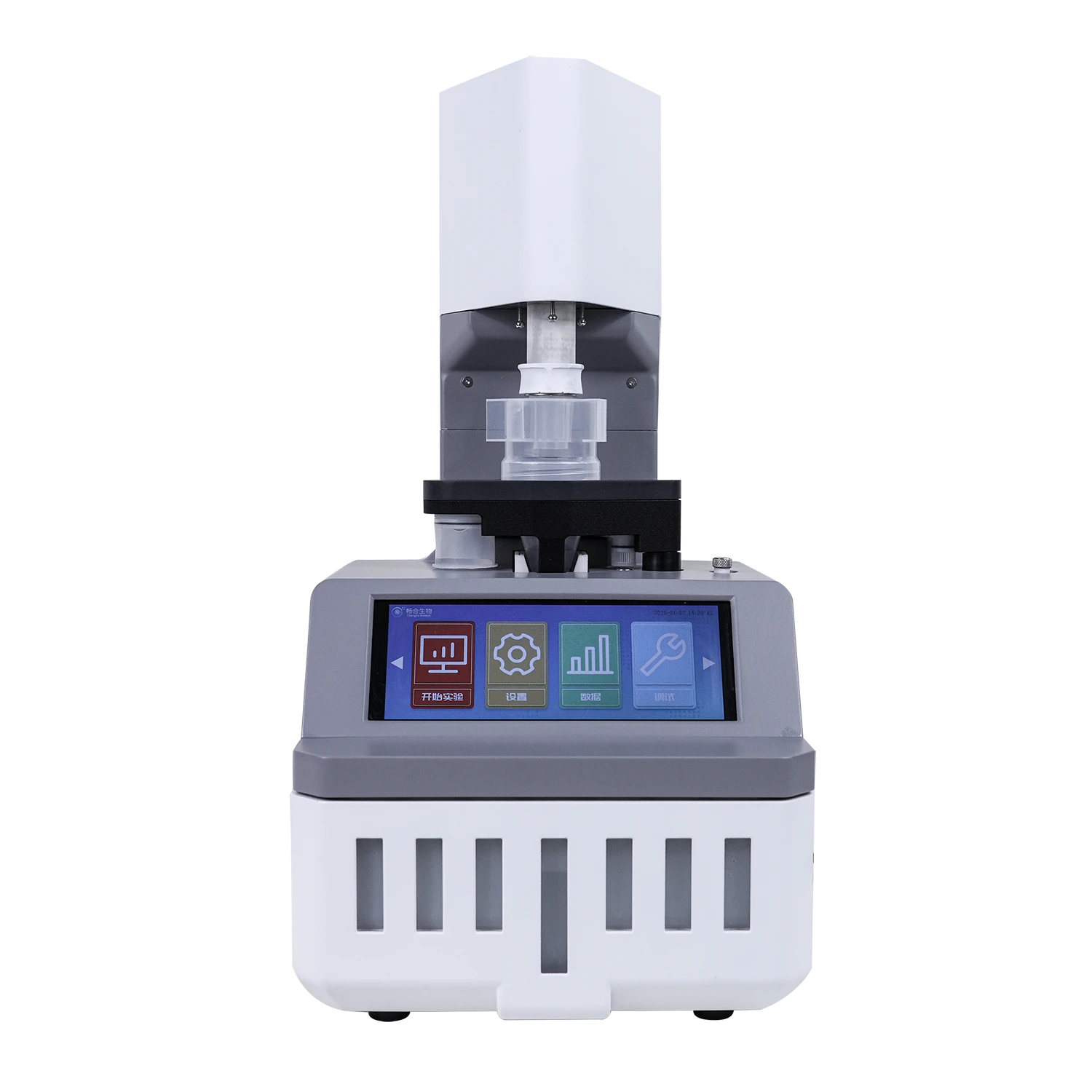

Bioaerosol Sampler – High-Efficiency, Portable, Accurate
Field Notes on a Workhorse: The Bioaerosol Sampler That Labs Actually Use
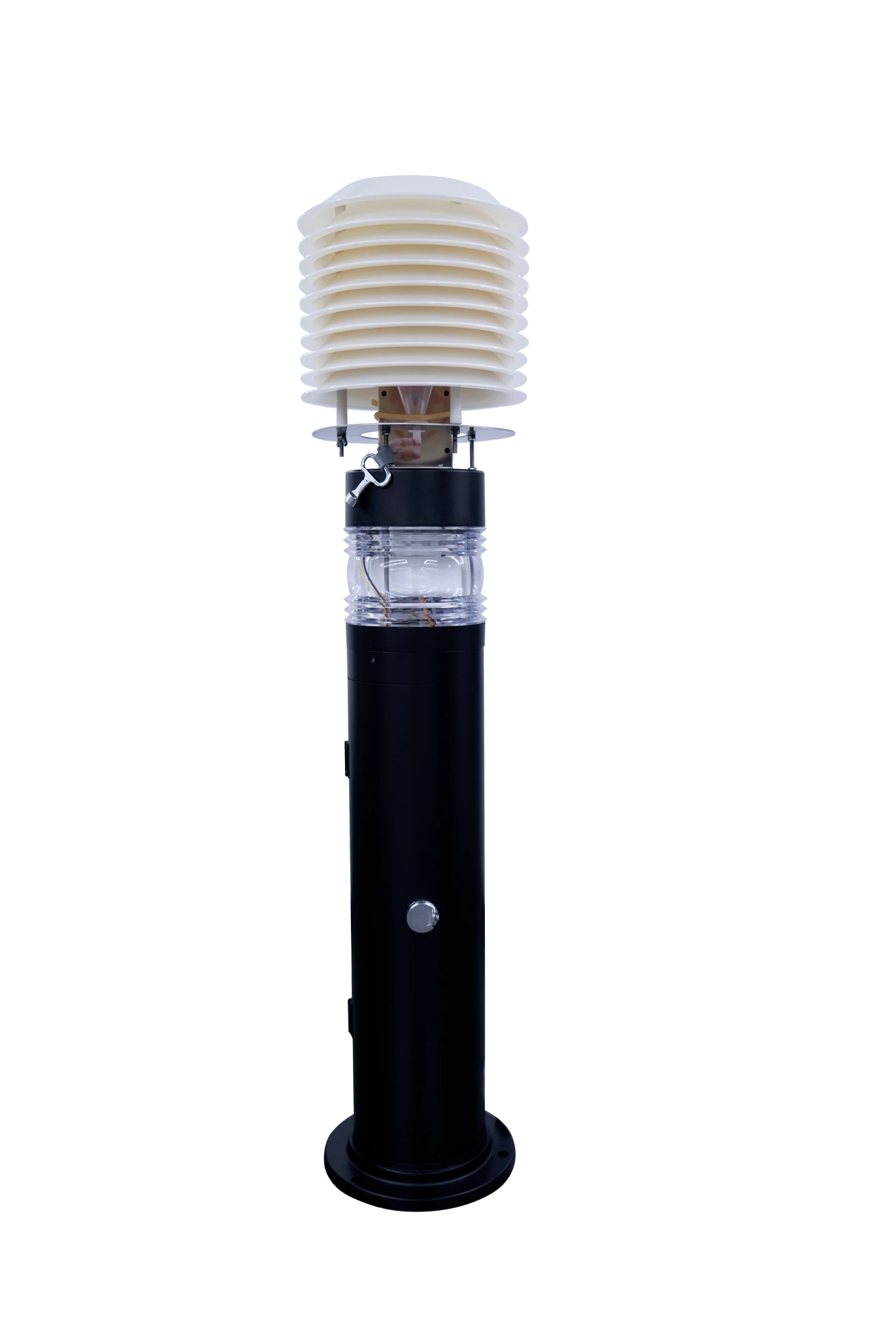
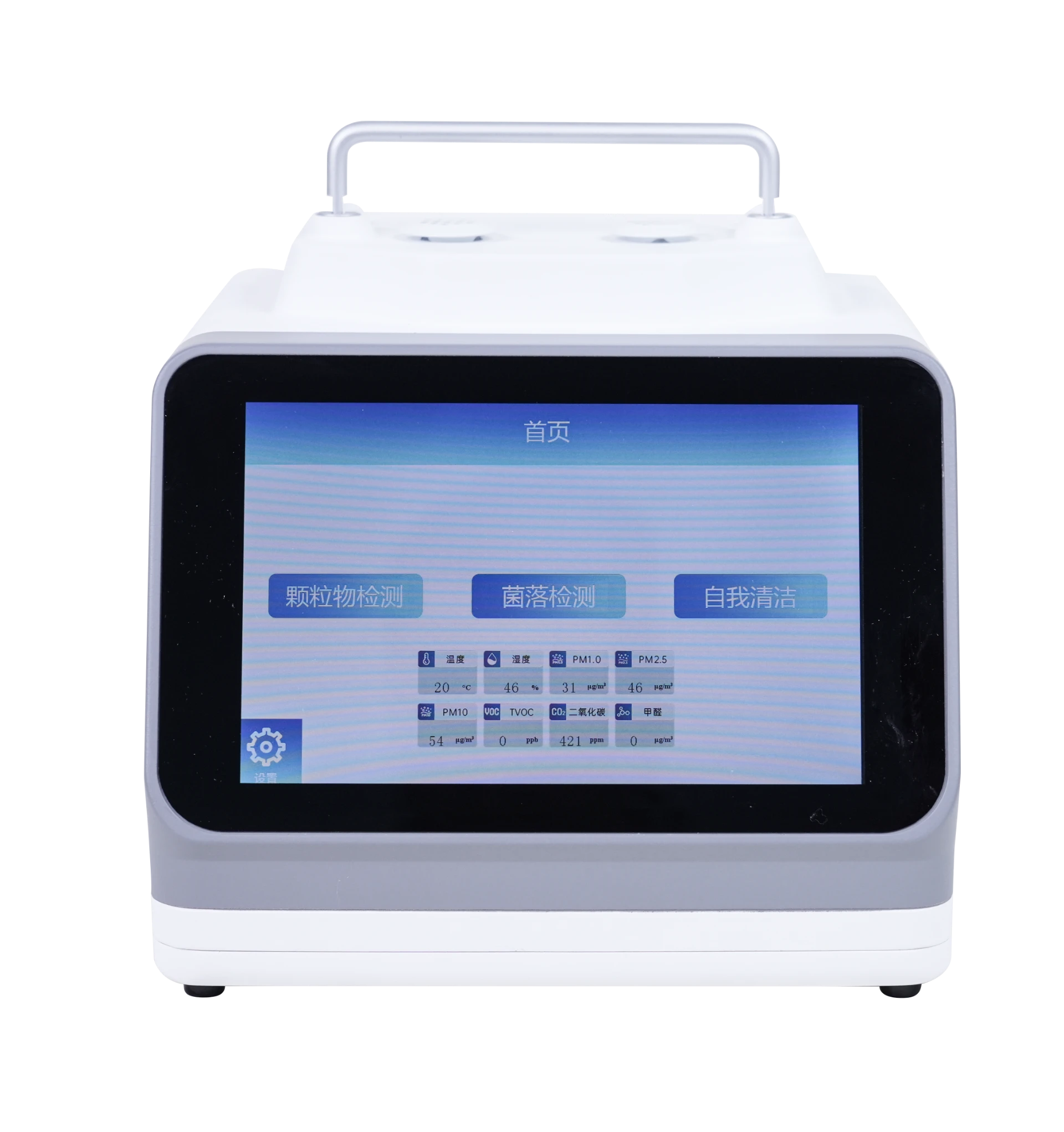
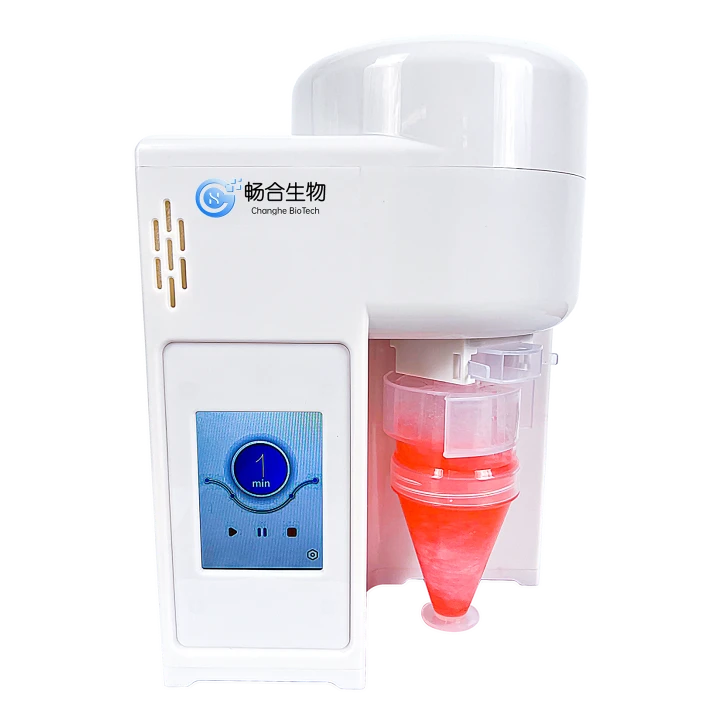
If you’ve spent time in a cleanroom, a hospital isolation ward, or a damp food plant corridor (I have, more than once), you know airborne microbes don’t announce their arrival. That’s why a bioaerosol sampler that’s fast, gentle, and reliable matters. The CA-1-300 is a wet-cyclone unit designed for real-world sampling where the air is complicated and the stakes are high.
Quick context: industry demand has shifted toward high-flow, culture- and PCR-compatible devices. In fact, many customers say they want “one run, two outputs” — viable counts plus qPCR-ready extracts. The CA-1-300 leans into that trend with wet-cyclone collection that protects viability while concentrating material for downstream assays. It’s made in Shanghai (FLOOR 7, NO.1588 HUHANG ROAD, SHANGHAI, CHINA), which, to be honest, has become a serious hub for environmental monitoring hardware.
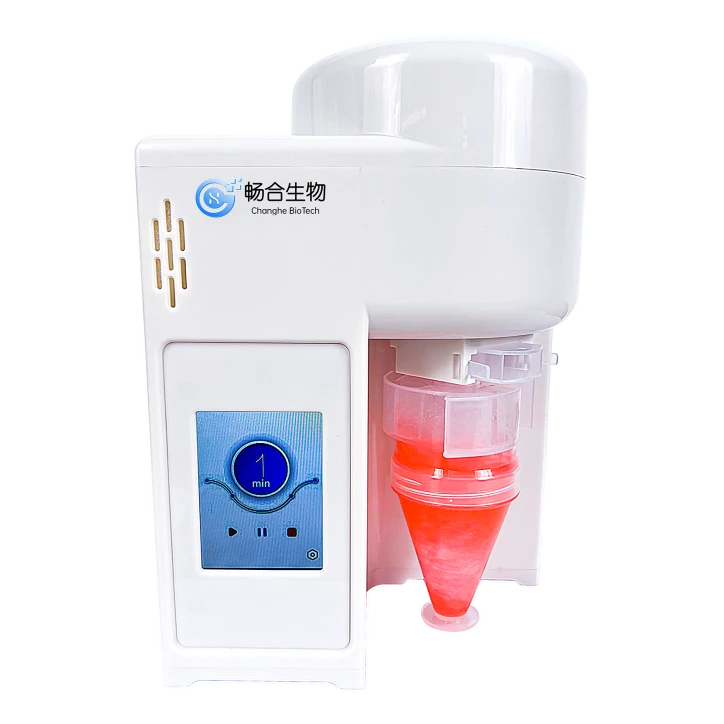
What it does well (and why it’s different)
- Wet-cyclone capture supports viable culturing and molecular workflows.
- High flow (≈300 L/min) reduces sampling time; actually helpful in time-pressured GMP releases.
- Gentler shear compared with hard-impact plates; better for fragile microorganisms.
- Works across cleanrooms, hospitals, wastewater headworks, livestock barns, and universities.
Key specifications (real-world use may vary)
| Model | CA-1-300 bioaerosol sampler |
| Collection principle | Wet-cyclone (liquid impingement) |
| Nominal flow rate | ≈300 L/min (closed-loop controlled) |
| Collection medium | Sterile buffer/saline, ≈10–20 mL |
| Effective particle size | Around 0.5–10 µm (d50 ≈0.8–1.2 µm) |
| Noise level | ≈58–62 dB(A) |
| Materials (wetted) | Corrosion-resistant metals/polymers, smooth-finish internals |
| Power | AC mains with DC drive; low-start surge |
| Service life | Motor rated for thousands of hours; routine seals/consumables |
Process flow, methods, and standards
- Prepare sterile collection fluid and containers (ISO 14698 hygiene practices).
- Sample at preset flow; log time, location, temperature, RH.
- Aliquot for culture (TSA/Sabouraud, 30–35°C, 48–120 h) and for qPCR/metagenomics.
- Quantify CFU/m³ and gene copies/m³; include field blanks and duplicates (NIOSH NMAM guidance).
- Compare to facility alert/action levels; document per GMP or hospital policy.
Validation commonly references ISO 14698, EN 13098, WHO airborne infection control guidance, and ASHRAE 170 for ventilation context. Test data I’ve seen shows >70% collection for 1–3 µm aerosols under lab conditions—good enough for trending and root-cause hunts.
Where it’s being used
- Pharma/biotech cleanrooms (environmental monitoring, aseptic intervention checks).
- Hospitals and clinics (airborne pathogen surveillance near patient zones).
- Food & beverage plants (post-wash zones, coolers—surprisingly tricky airflows).
- Universities and wastewater facilities (aerosolized microbes research).
- Agriculture and animal housing (endotoxin and viable counts together).
Vendor options (quick comparison)
| Approach | Strengths | Watch-outs |
|---|---|---|
| CA-1-300 bioaerosol sampler (wet-cyclone) | High flow, supportive of viability and PCR, short run times | Needs liquid handling; periodic seal replacement |
| Andersen-style impactor (agar plates) | Direct CFU on plates; well-known method | Lower total volume; shear can stress delicate organisms |
| Filter cassette (PTFE/MCE) | Great for DNA/RNA extraction; simple logistics | Viability often reduced; elution efficiency varies |
Customization and support
- Media kits matched to downstream culture or PCR chemistry.
- Flow audits and calibration certificates traceable to ISO/IEC 17025.
- Swappable reservoirs (≈10, 15, 20 mL) and rugged field case.
- Spares: seals, tubing, and pre-sterilized vials; SOP templates on request.
Mini case notes
- Hospital ICU: 10-min runs before/after HVAC balance; fungal counts dropped ≈60% post-adjustment—correlated with HEPA leak fixes.
- Dairy plant: weekend sanitations verified with the bioaerosol sampler plus qPCR; results posted to QA dashboards on Monday, less firefighting later in the week.
Certifications and documentation: ISO 14698-aligned procedures, EN 13098 guidance, flow calibration traceability, and NIOSH NMAM-informed sampling plans are commonly provided.
Authoritative references
- ISO 14698-1/2: Cleanrooms—Biocontamination control.
- EN 13098: Workplace atmospheres—Guidance on measurement of airborne microorganisms and endotoxin.
- NIOSH Manual of Analytical Methods (NMAM), 5th Ed.—Bioaerosol sampling guidance.
- WHO: Natural Ventilation for Infection Control in Health-Care Settings.
- ASHRAE 170: Ventilation of Health Care Facilities.
-
Understanding pcr testes transgênicos for Agricultural PurityNewsApr.16,2026
-
Understanding Febre do Cão PCR for Precision Veterinary DiagnosticsNewsApr.09,2026
-
Understanding Respiração PCR and Grupo Cat for Advanced Bioaerosol Sampling TechniquesNewsApr.07,2026
-
IDEXX Feline Respiratory PCR Panel A Comprehensive Guide for VeterinariansNewsApr.04,2026
-
Understanding Grupo de Gatos URD PCR and Bioaerosol Sampling for Air Quality ControlNewsMar.28,2026
-
Understanding the Feline Respiratory PCR Panel Grupo de PCR Respiratório do GatoNewsMar.26,2026