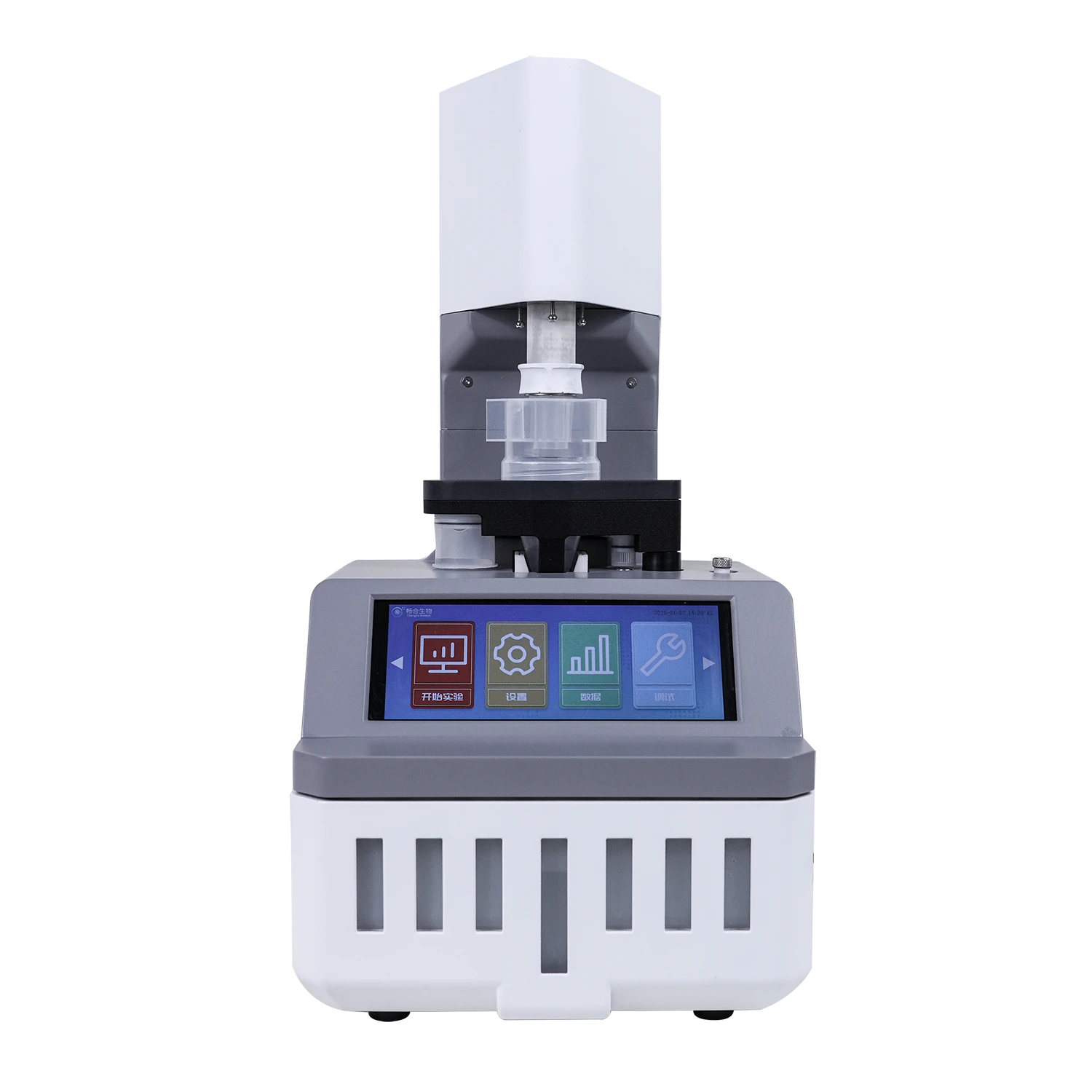

Bioaerosol Sampler – High-Efficiency, Portable, Real-Time
Field Notes on a Next-Gen Bioaerosol Sampler (and why it matters now)
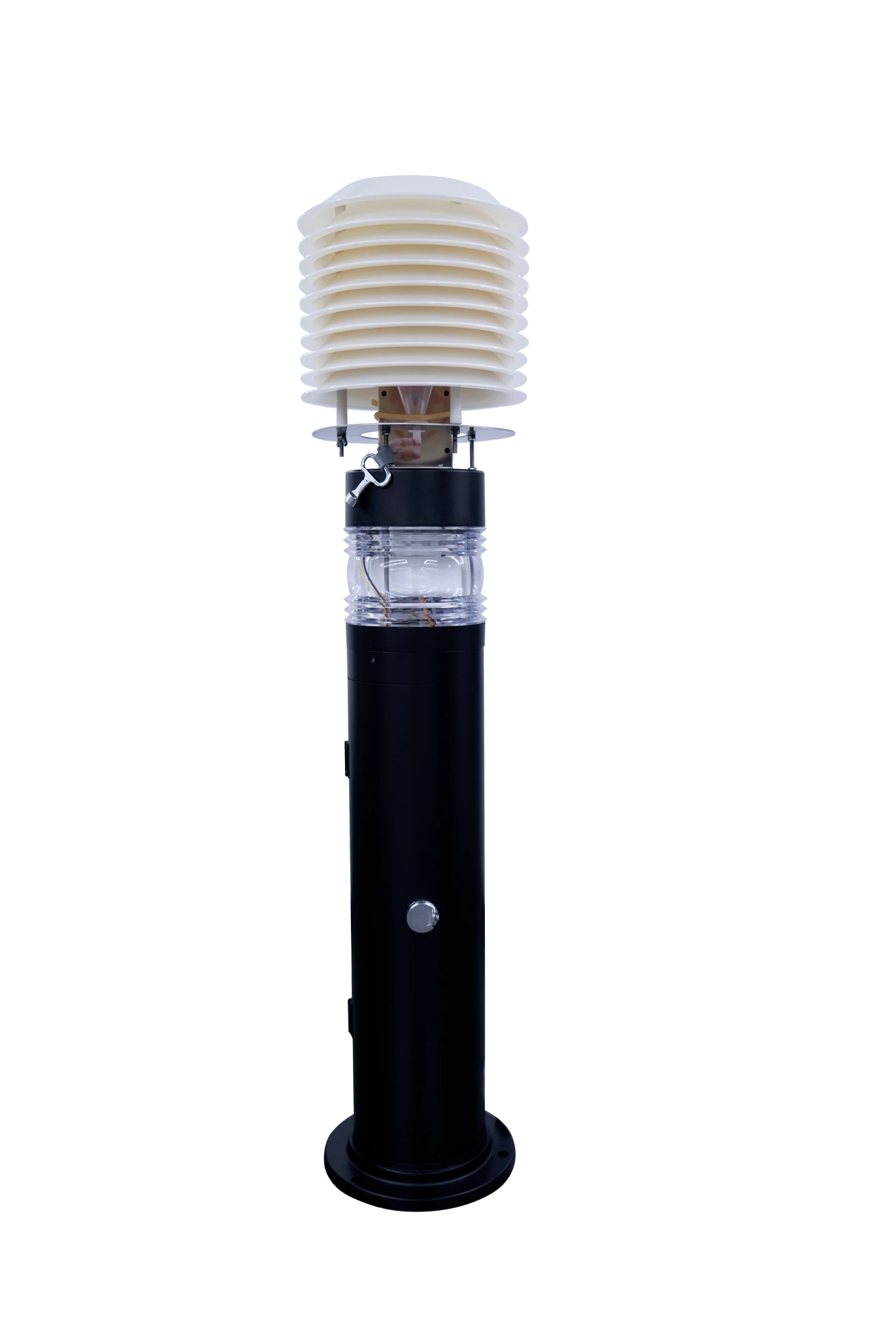
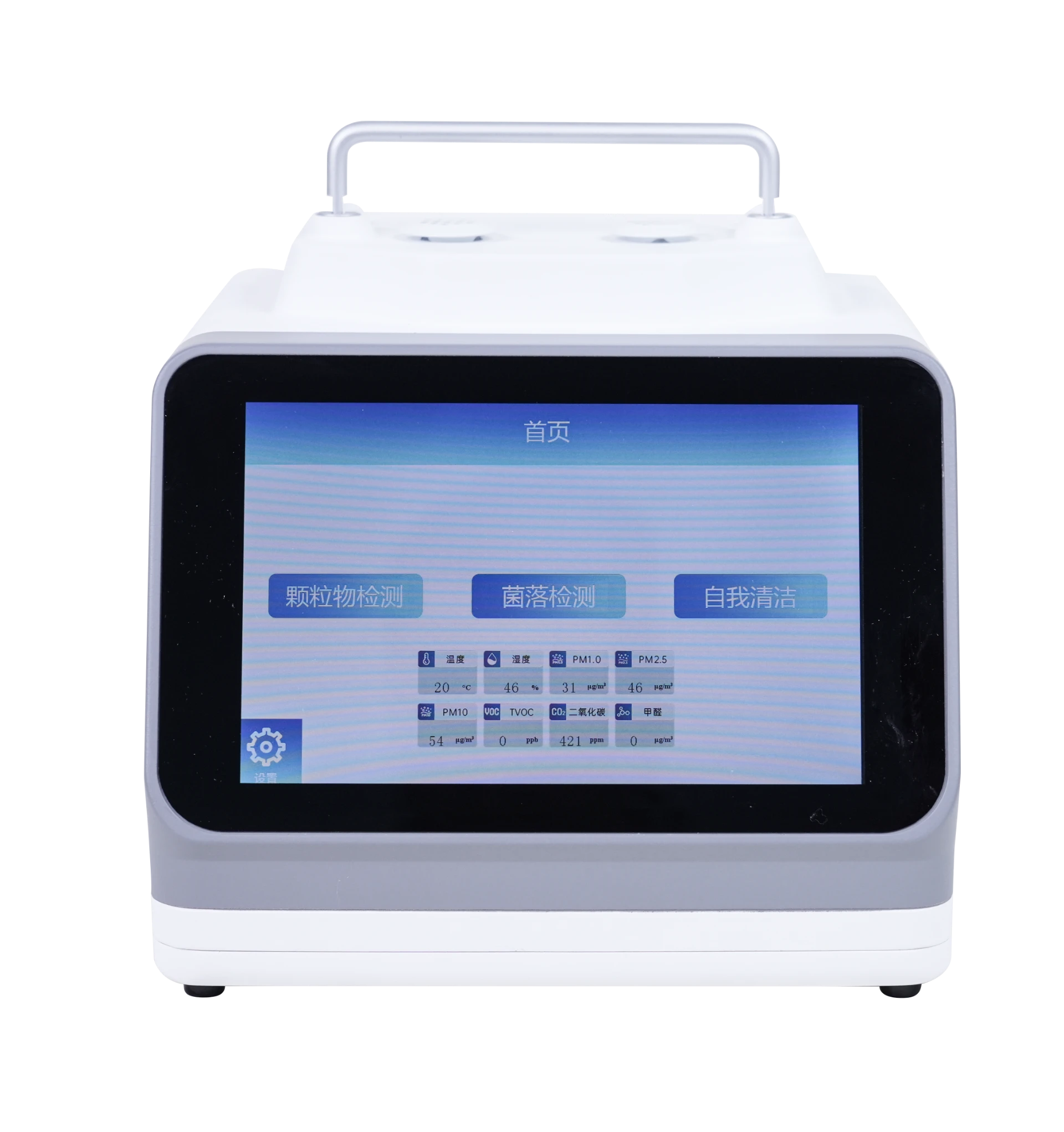
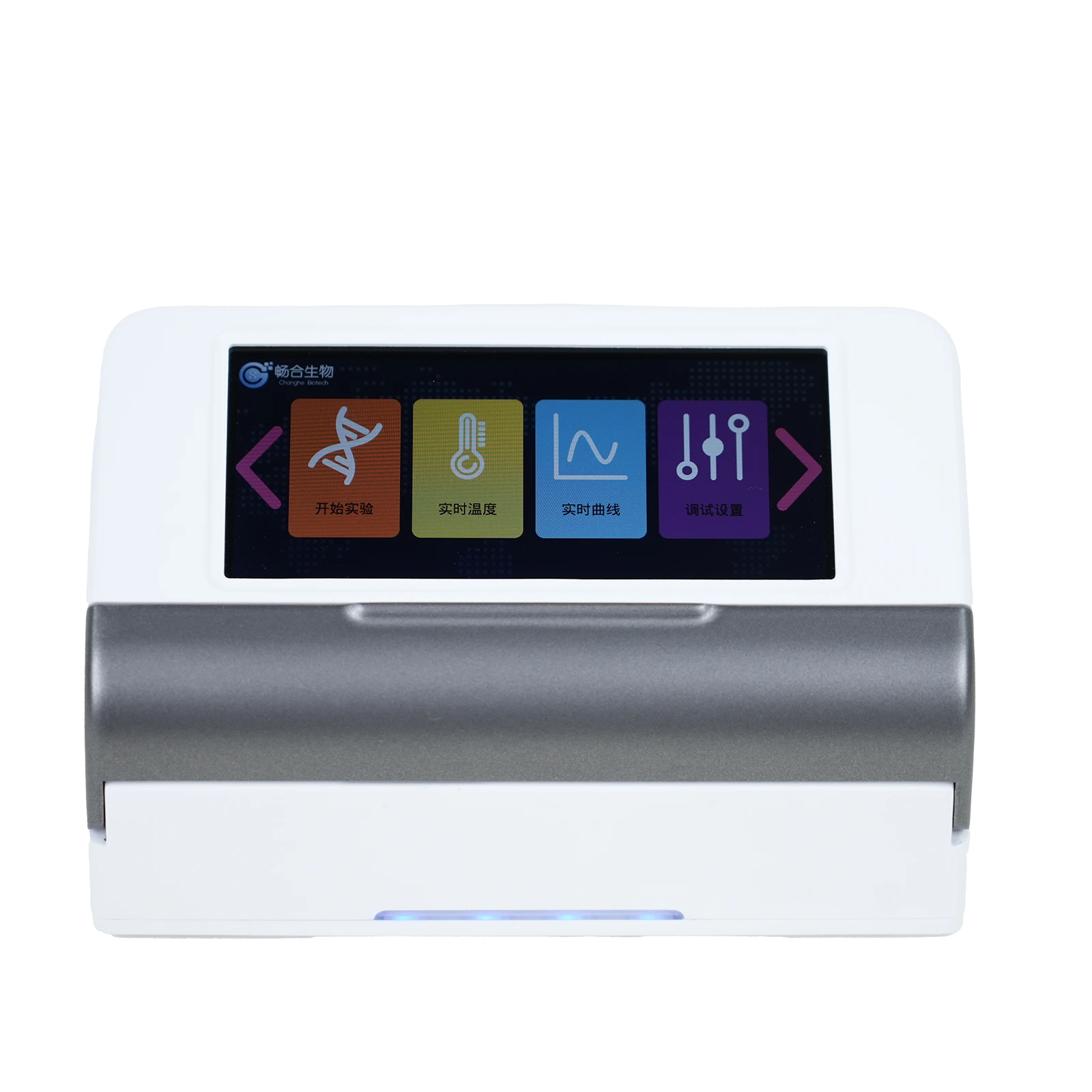
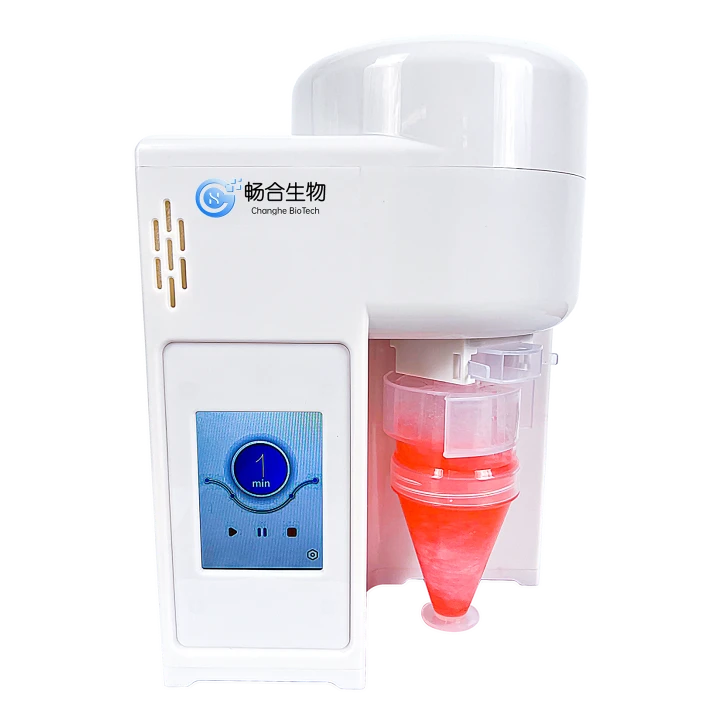
When labs tell me they’re juggling culture plates, impingers, and awkward pumps, I point them to the Bioaerosol Sampler. It’s the CA-1-300 wet-cyclone model out of Shanghai, and—honestly—it hits a sweet spot between rugged field gear and lab-grade capture efficiency. Wet-cyclone isn’t new, but the way this unit balances flow stability, viability protection, and portability is, well, unusually practical.
Why the timing is right
Demand for environmental surveillance keeps climbing: hospitals tracing HAIs, food plants proving sanitation, transit hubs watching seasonal spikes. The trend is clear—faster, defensible bioaerosol data, with fewer moving parts. And, to be honest, fewer headaches. A wet-cyclone Bioaerosol Sampler supports viable organisms better than dry filters in many conditions, which is a real-world edge when downstream culture or qPCR is critical.
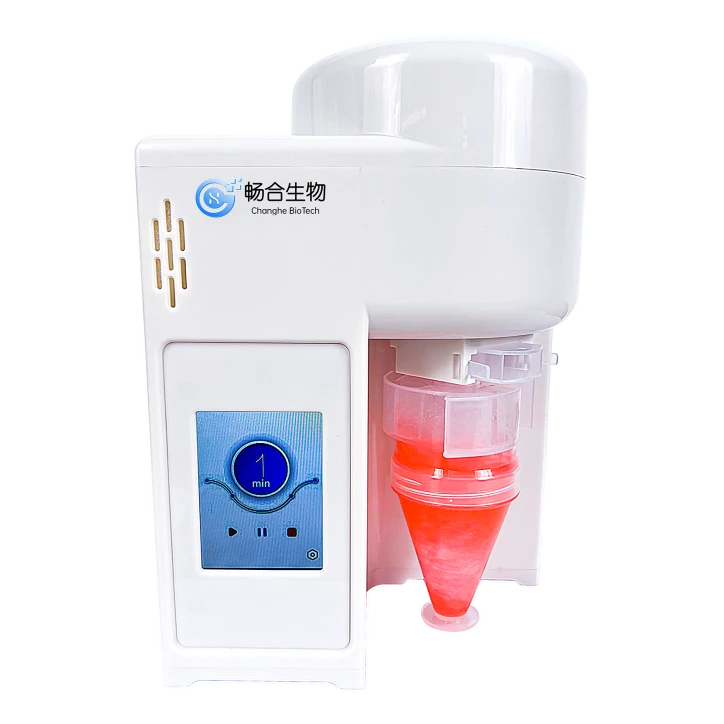
How it works (materials, methods, and flow)
The CA-1-300 pulls air at a controlled high flow into a cyclone chamber where particles spiral into a liquid film—usually sterile PBS or collection buffer (≈10–20 mL typical). That liquid becomes your sample for culture, PCR, or immunoassay. Materials are corrosion-resistant (anodized aluminum housing, chemical-resistant seals, lab-grade tubing). Service life? The cyclone body is engineered for multi‑year duty (≈5+ years with routine cleaning), and fans/pumps are rated for around 10,000 h in real-world use.
Testing is typically aligned to ISO 14698 biocontamination control, NIOSH bioaerosol methods, and internal QA against flow accuracy (±5% target), noise, and microbial viability checks with surrogate organisms.
Product specifications
| Model | CA-1-300 Bioaerosol Sampler |
| Sampling principle | Wet-cyclone (viability-preserving collection) |
| Flow rate | ≈300 L/min (real-world use may vary ±5%) |
| Particle capture | Down to ≈0.5–1 µm (method-dependent) |
| Collection liquid | PBS / buffer, ≈10–20 mL |
| Noise | ≈60–65 dB at 1 m |
| Power/Battery | AC + optional battery pack (≈4–6 h) |
| Dimensions/Weight | Portable frame; field-deployable (around 6–8 kg) |
Where it’s used (and why)
- Hospitals and cleanrooms validating ISO 14698 controls
- Food and beverage QC, air hygiene checks near critical lines
- Public transit, schools, airports—incident response and routine surveillance
- Research labs running culture, qPCR, or sequencing from liquid samples
Many customers say the liquid output reduces prep time. It seems that viability is better than filters in dry climates, which tracks with the literature.
Vendor comparison (quick take)
| Feature | CA-1-300 (wet-cyclone) | Vendor A (impinger) | Vendor B (filter-based) |
|---|---|---|---|
| Flow | ≈300 L/min | ≈12–20 L/min | ≈2–100 L/min |
| Viability | High (liquid capture) | Moderate–High | Variable; desiccation risk |
| Setup time | Low | Moderate | Low–Moderate |
| Consumables | Buffer only | Glassware + buffer | Filters (recurring) |
Customization and compliance
Options include alternate cyclone liners, heated inlets for cold sites, barcode sample tracking, and Bluetooth data export. Typical certifications: ISO 9001 manufacturing, CE, RoHS; designed to align with ISO 14698, ISO 16000 series, and NIOSH bioaerosol methods (0800/0801). Site address: FLOOR 7, NO.1588 HUHANG ROAD, SHANGHAI, CHINA.
Case notes and test data (short version)
- Cleanroom check: baseline CFU/m³ dropped below 1 after HVAC tune-up; the Bioaerosol Sampler confirmed post-action viability reductions within 24 h.
- Transit hub pilot: qPCR detection of seasonal virus markers improved ≈2–3× versus filters; turnaround faster due to direct liquid extraction.
- Food plant audit: operators liked the rinse-and-go workflow; feedback noted less sample loss and fewer handling steps.
Maintenance is basic: rinse cyclone with sterile water, periodic 70% IPA wipe, quarterly seals check. Keep a log for service intervals—small habit, big payoff.
Final thought
If you need defensible air microbiology without wrestling a lab bench into the hallway, a wet-cyclone Bioaerosol Sampler like the CA-1-300 is—actually—one of the saner picks right now.
References
- ISO 14698-1/-2: Cleanrooms and associated controlled environments—Biocontamination control.
- NIOSH Manual of Analytical Methods (NMAM), 5th Ed., Methods 0800/0801: Bioaerosol sampling.
- WHO: Guidelines on air sampling for microorganisms in healthcare environments.
- ISO 16000 series: Indoor air—sampling and analysis of biological agents (selected parts).
-
Understanding pcr testes transgênicos for Agricultural PurityNewsApr.16,2026
-
Understanding Febre do Cão PCR for Precision Veterinary DiagnosticsNewsApr.09,2026
-
Understanding Respiração PCR and Grupo Cat for Advanced Bioaerosol Sampling TechniquesNewsApr.07,2026
-
IDEXX Feline Respiratory PCR Panel A Comprehensive Guide for VeterinariansNewsApr.04,2026
-
Understanding Grupo de Gatos URD PCR and Bioaerosol Sampling for Air Quality ControlNewsMar.28,2026
-
Understanding the Feline Respiratory PCR Panel Grupo de PCR Respiratório do GatoNewsMar.26,2026