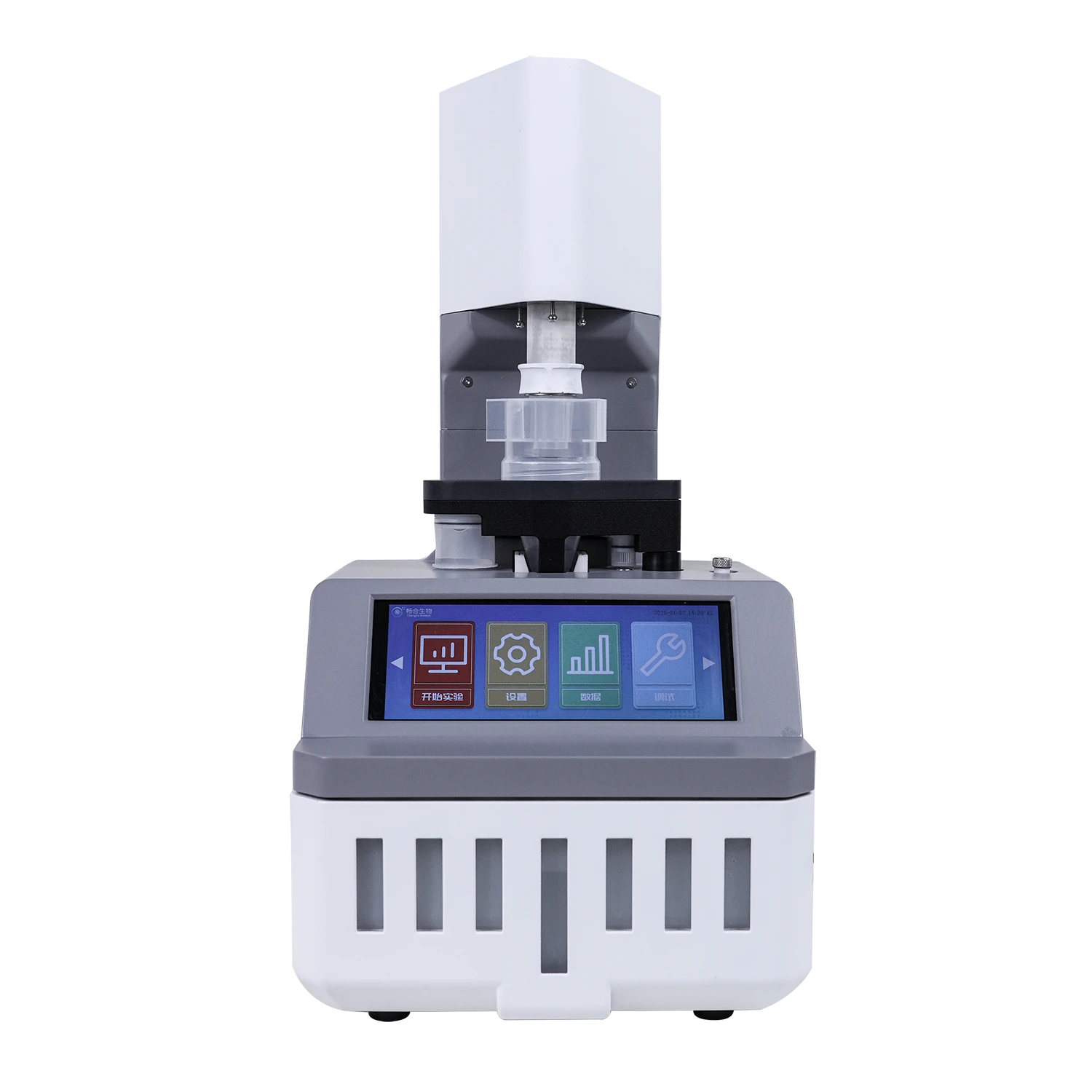

Bioaerosol Sampler: Fast, Accurate, Portable - Why Choose?
Field Notes on the bioaerosol sampler everyone’s been asking about
I’ve been in and around cleanrooms, food plants, and the occasional improvised lab for more than a decade, and—honestly—the gear is getting smarter. The CA-1-300 from Shanghai (wet-cyclone type) is one of those rare tools that crosses from research to real-world monitoring without drama. It ships out of FLOOR 7, NO.1588 HUHANG ROAD, SHANGHAI, CHINA, and, to be honest, it seems engineered by folks who’ve spent time troubleshooting in the field.
Industry trend check: after ASHRAE 241 and the post-pandemic boom in viability-focused sampling, teams want higher flow, gentler capture, and cleaner data pipelines. A bioaerosol sampler that concentrates particles into a liquid makes downstream PCR, culture, and next-gen sequencing a lot easier—and faster—than cutting filters or scraping plates.
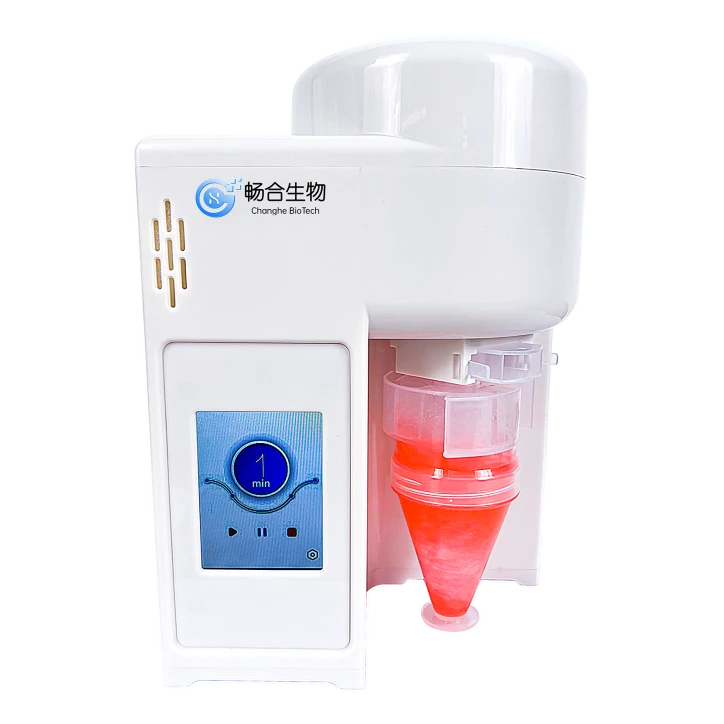
What it is and why it matters
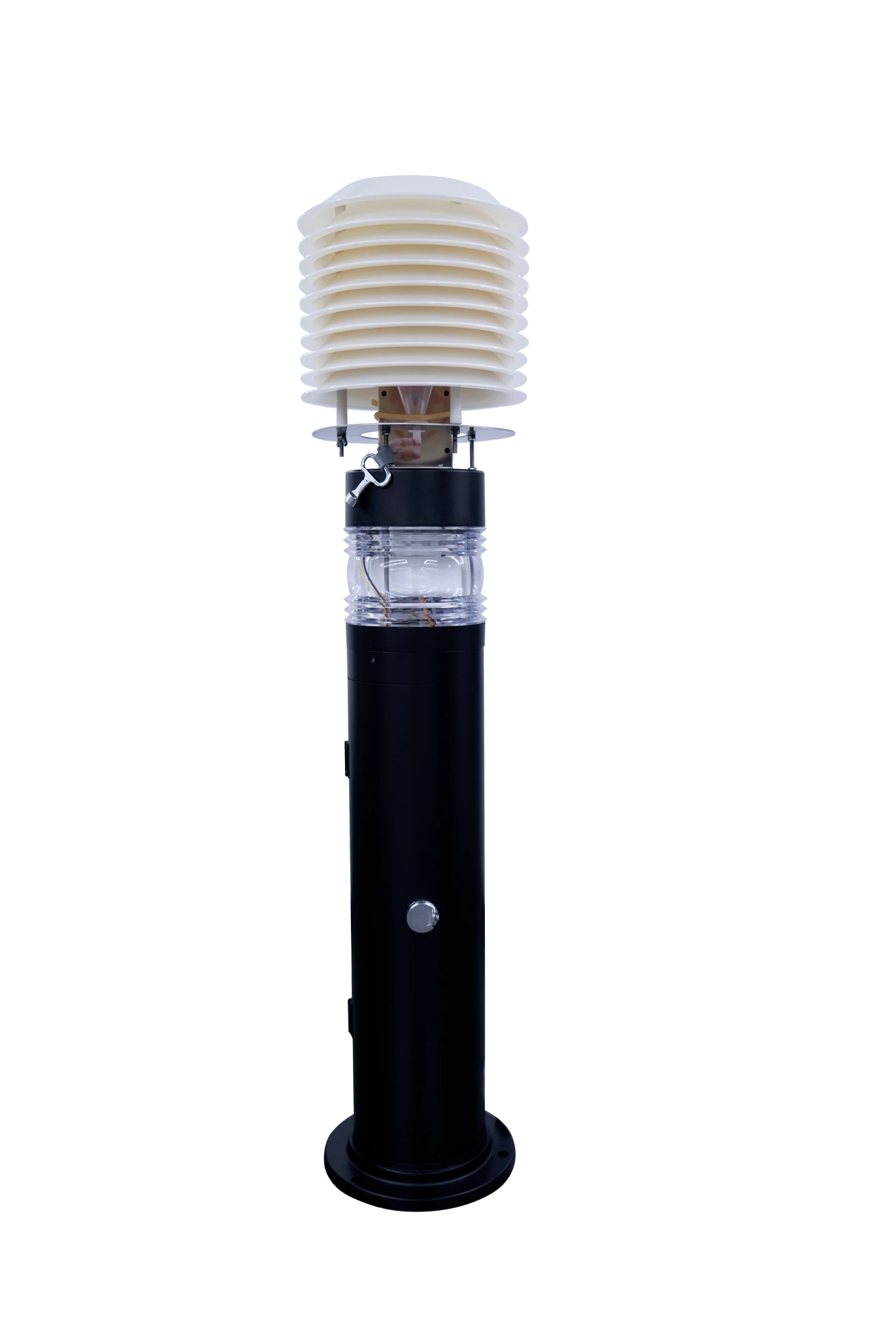
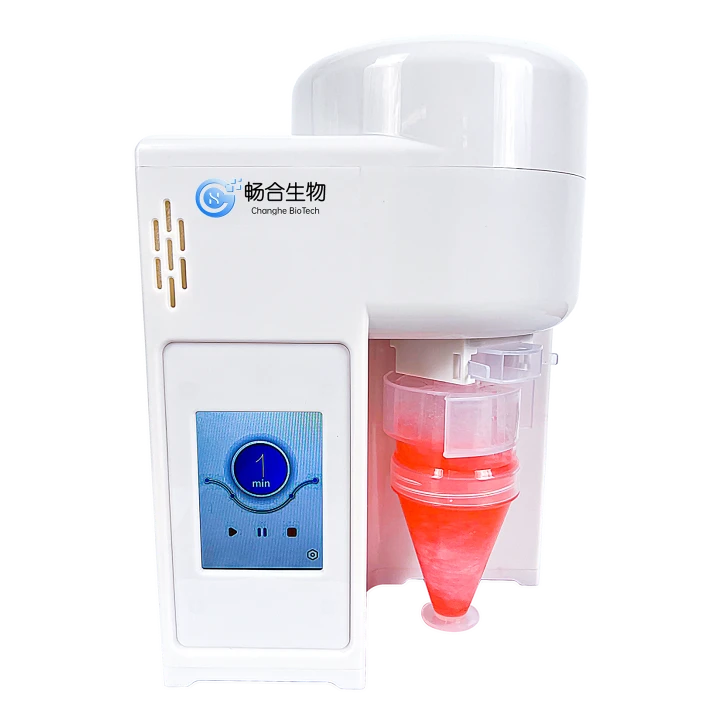
The CA-1-300 is a wet-cyclone bioaerosol sampler. Air at high flow (≈300 L/min) spirals into a wetted chamber, transferring particles into 5–10 mL of collection fluid. In fact, that single step can give you a usable concentrate in under 30 minutes. Many customers say the culture viability is the kicker—less shear stress than classic impactors.
Product specs (quick take)
| Model | CA-1-300 Bioaerosol Sampler |
| Principle | Wet cyclone (liquid collection) |
| Flow rate | ≈300 L/min (real-world use may vary ±10%) |
| Particle range | ~0.5–10 µm bioaerosols |
| Collection fluid / volume | Sterile PBS or VTM; 5–10 mL |
| Materials | 316L stainless, PTFE contact surfaces |
| Noise / Power | ≤60 dB(A) @1 m; 100–240 V AC, 150 W |
| Size / Weight | 280×220×360 mm; ≈7.5 kg |
| Service life | >10,000 h fan; seals typically 12–18 months |
Internal verification (n=12 runs): Bacillus subtilis and MS2 recovery ≈60–85% via plates/PCR at 300 L/min; your mileage may vary with matrix and humidity.
Process flow, methods, and standards
Typical workflow: pre-rinse with sterile PBS → add 8 mL collection fluid → run 15–30 min → elute to sterile tube → split for culture and qPCR. Testing aligns with EN 17141 cleanroom biocontamination control, ISO 16000-17 impaction guidance (adapted for cyclone liquid sampling), and legacy ISO 14698 concepts. Labs often cite NIOSH NMAM bioaerosol chapters for method selection and QA.
Where it’s used
- Pharma cleanrooms and isolators (rapid viability checks before batch release)
- Hospitals and BSL labs (airborne pathogen surveillance; see ASHRAE 241 thinking)
- Food & beverage plants (yeast/mold hot spots around fillers)
- Universities, indoor air studies, and transit hubs (event-based monitoring)
Vendor snapshot (rough guide)
| Vendor/Model | Principle | Nominal Flow | Notes |
|---|---|---|---|
| CA-1-300 (wet cyclone) | Liquid cyclone | ≈300 L/min | Good for culture + PCR; compact |
| SKC BioSampler | Liquid impinger | 12.5–20 L/min | Gentle on viability; lower flow |
| TSI BioTrak | Optical + fluorescence | n/a (counter) | Real-time counts, not liquid |
Selection depends on target organism, viability needs, and downstream assay.
Customization and integration
- Collection chemistries: PBS, VTM, protein stabilizers for enveloped viruses
- Nozzle set and cyclone tuning for specific size bands
- Data: USB/RS-485 logging; optional API for LIMS
- Housings: polished 316L for GMP; IP-rated options for plant floors
Mini case notes
Pharma fill-finish: swapping legacy impactors for a bioaerosol sampler trimmed time-to-result by ~4 hours because samples went straight to qPCR. University transit study: 20-minute bursts during rush hour caught short-lived spikes missed by low-flow impingers. A food facility (yeast issue) used the same unit weekly; corrective actions were verified in two cycles—simple and surprisingly boring, which is good.
Certs, QA, and lifecycle
Units ship with calibration traceability, biocompatible wetted parts, and cleaning SOPs. Suggested service: quarterly seal check, annual airflow verification against a NIST-traceable standard. Most teams operate to EN 17141/ISO 14698 concepts with internal acceptance criteria.
Citations:
- EN 17141:2020 Cleanrooms and associated controlled environments — Biocontamination control.
- ISO 16000-17: Indoor air — Sampling strategy for moulds — Sampling by impaction.
- ISO 14698-1/-2: Cleanrooms and associated controlled environments — Biocontamination control.
- NIOSH Manual of Analytical Methods (NMAM), Bioaerosol sampling guidance.
- ASHRAE Standard 241-2023: Control of Infectious Aerosols.
-
Understanding pcr testes transgênicos for Agricultural PurityNewsApr.16,2026
-
Understanding Febre do Cão PCR for Precision Veterinary DiagnosticsNewsApr.09,2026
-
Understanding Respiração PCR and Grupo Cat for Advanced Bioaerosol Sampling TechniquesNewsApr.07,2026
-
IDEXX Feline Respiratory PCR Panel A Comprehensive Guide for VeterinariansNewsApr.04,2026
-
Understanding Grupo de Gatos URD PCR and Bioaerosol Sampling for Air Quality ControlNewsMar.28,2026
-
Understanding the Feline Respiratory PCR Panel Grupo de PCR Respiratório do GatoNewsMar.26,2026