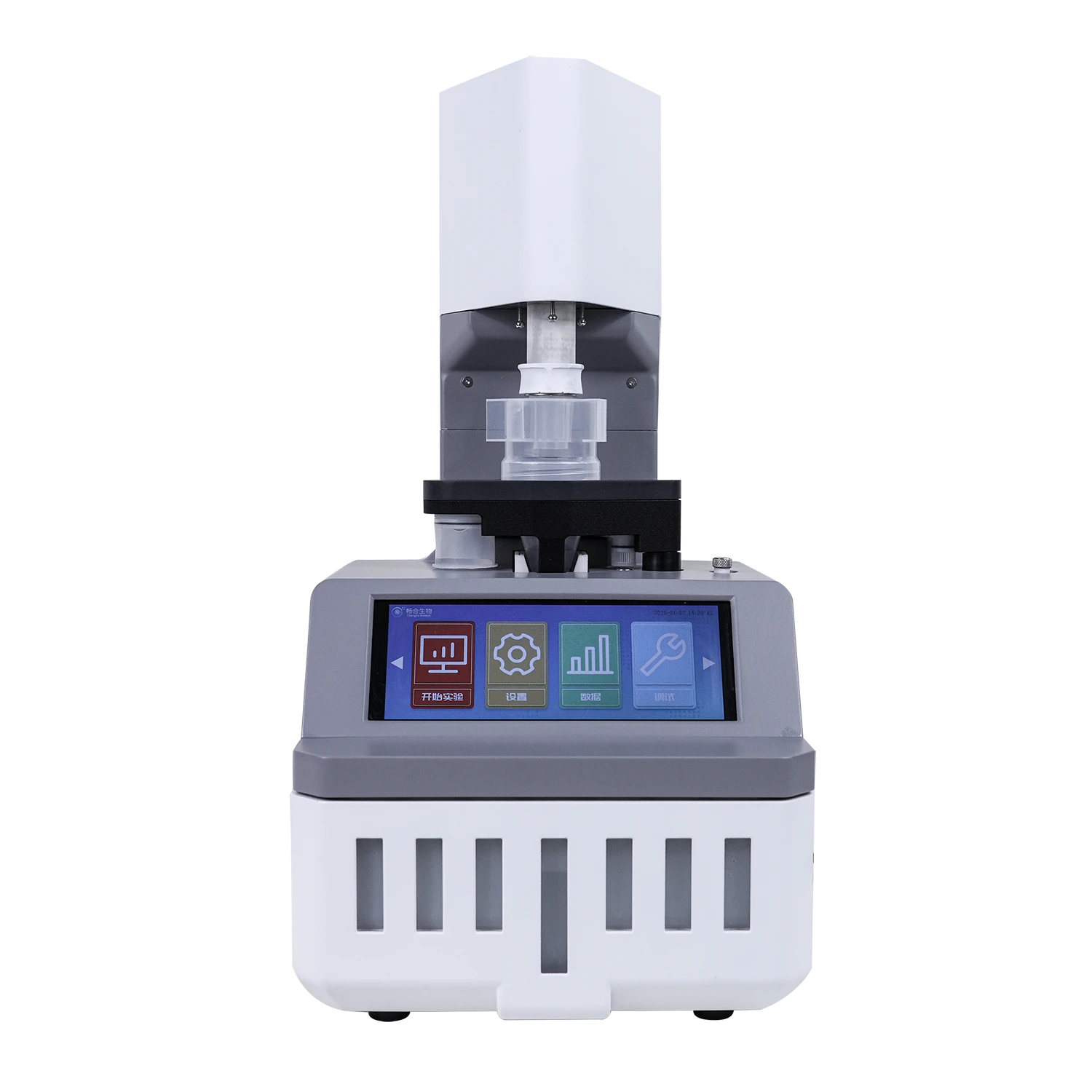

Bioaerosol Sampler: Fast, Accurate, Portable—Why Buy?
Field Notes: Why a modern bioaerosol sampler is finally practical for real-world surveillance
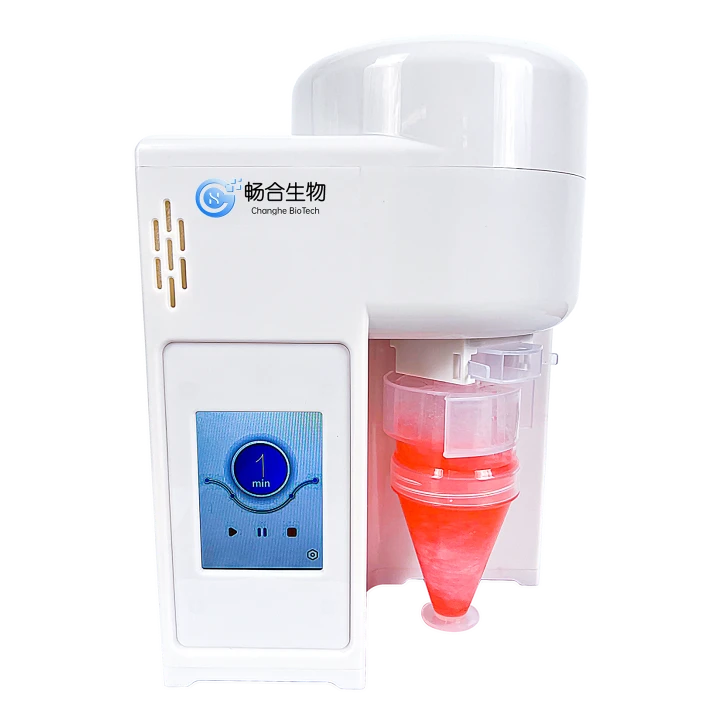
To be honest, bioaerosol monitoring used to be a slow, messy ritual—plates, pumps, and a lot of waiting. The CA-1-300 changes that vibe. It’s a wet-cyclone device (yes, actual cyclone physics) that continuously concentrates airborne microbes into liquid. In day-to-day projects, that means fast PCR-ready aliquots and less fiddling. Many customers say it’s the first time sampling kept pace with their lab queue.
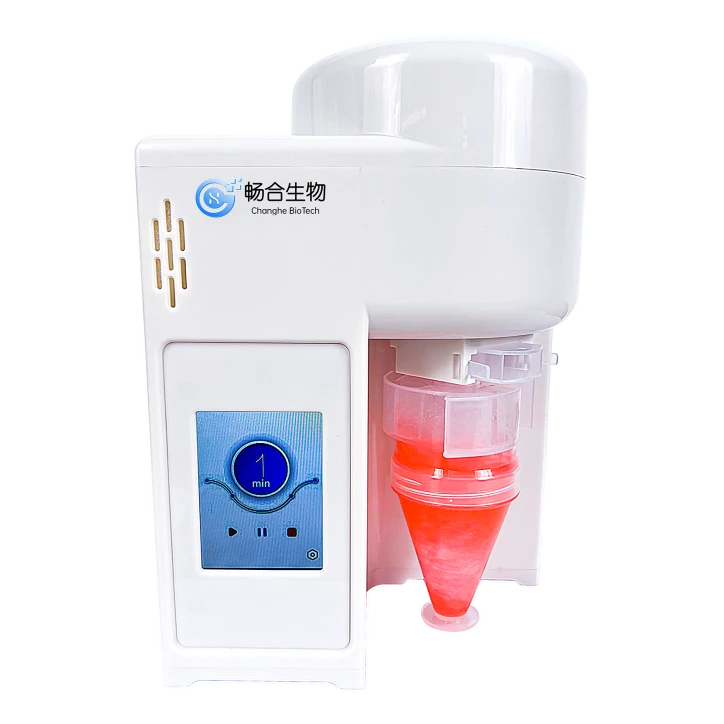
What it is (and what it isn’t)
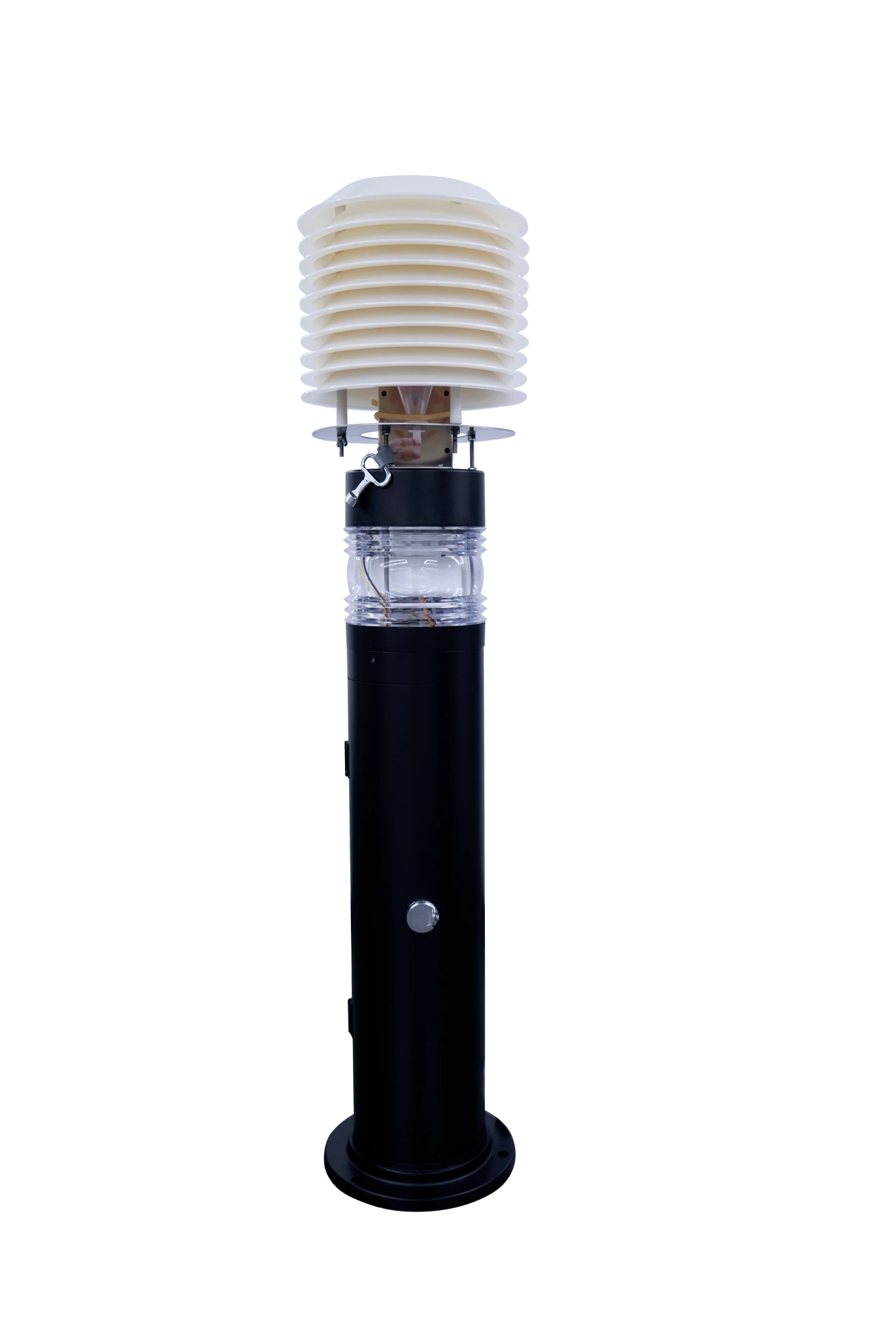
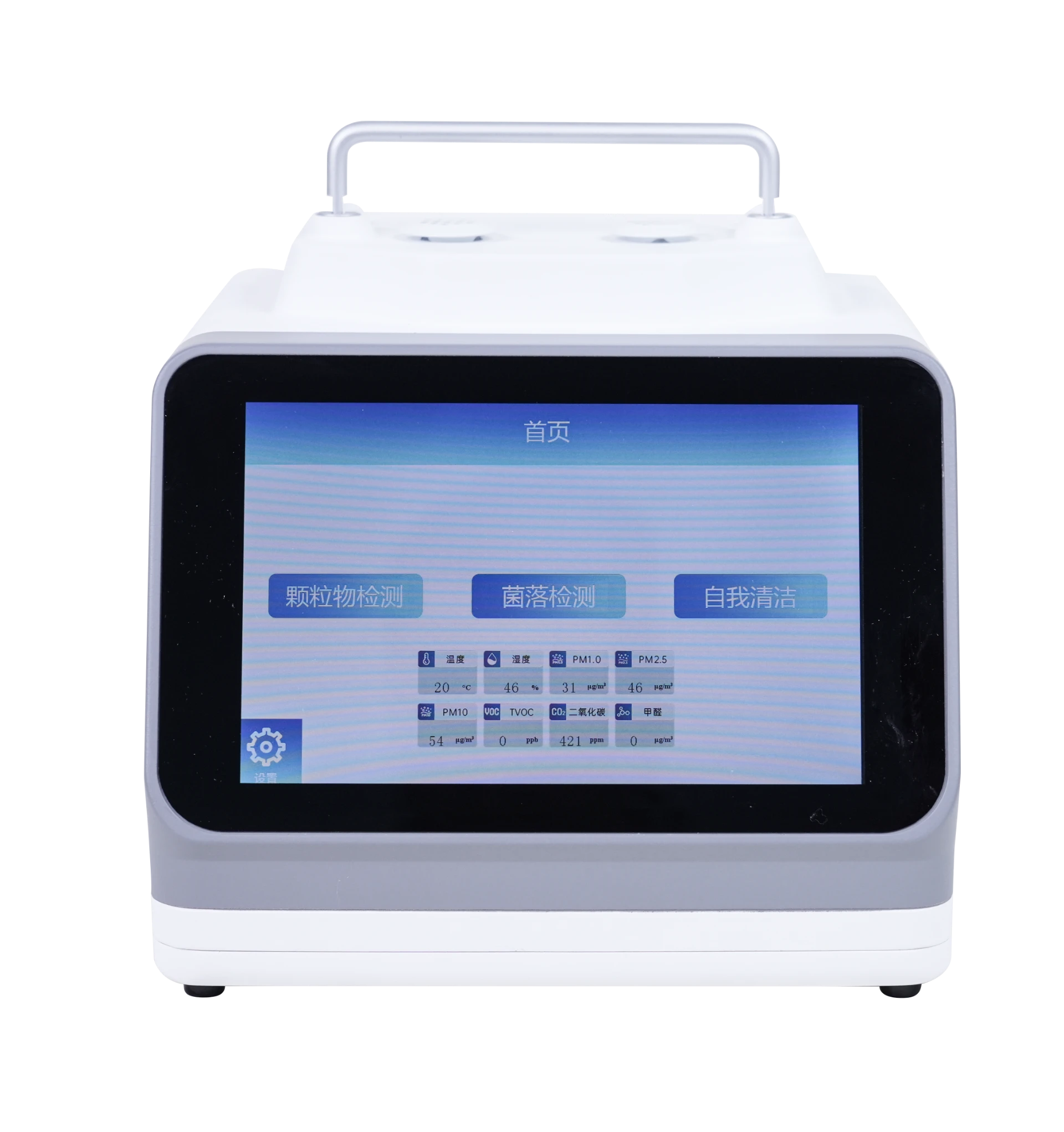
The bioaerosol sampler here—model CA-1-300—is a wet-cyclone unit designed for multi-scenario sampling: hospitals, cleanrooms, airports, food plants, even wastewater-adjacent sites. Origin: FLOOR 7, NO.1588 HUHANG ROAD, SHANGHAI, CHINA. It pulls high flow (around 300 L/min), spins the air, and traps particles in collection buffer. No plates mid-run; culture remains an option, but rapid molecular is the typical path.
Specs that matter
| Parameter | CA-1-300 (wet-cyclone) |
|---|---|
| Flow rate | ≈300 L/min (real-world use may vary ±10%) |
| Particle focus | 0.5–10 μm sweet spot |
| Collection medium | 10–15 mL sterile buffer (PBS/VPSS) |
| Recovery, culturable bacteria | ≈60–75% in bench tests with MS2/Bacillus surrogates |
| Noise | ≈58–62 dB(A) at 1 m |
| Materials | 316L stainless cyclone; PTFE lines; autoclavable wetted path |
| Service life | 5–7 years with routine seal replacement |
| Certifications | Factory ISO 9001; CE; RoHS |
How teams actually run it (materials → methods → results)
- Materials: sterile PBS or VPSS buffer, 50 mL tubes, RNase-free tips, qPCR kits.
- Method (typical): 30–60 min pull at ≈300 L/min; collect 10–15 mL concentrate; split to culture + RT-qPCR. I guess 30 min is a sweet spot indoors.
- Testing standards referenced on projects: EN 17141/ISO 14698 for cleanrooms; EN 13098 for workplace bioaerosols; ISO 16000 parts for indoor strategies.
- MQA: field blanks every 10 samples; flow audit weekly with a calibrated primary standard.
Applications and industry fit
We see the bioaerosol sampler in pharma aseptic suites, hospital ICUs (construction periods especially), airport biosurveillance, food plants (Listeria risk mapping), livestock facilities, and university labs chasing seasonal fungi. Surprisingly, wastewater plants are using it near aeration basins to profile endotoxin and culturable bacteria.
Vendor landscape (quick compare)
| Type | 1–3 μm efficiency | Flow | Viability | Consumables | Price (≈) |
|---|---|---|---|---|---|
| CA-1-300 (wet-cyclone) | High (≈85% for 1–3 μm) | ≈300 L/min | Strong (liquid capture) | Low (buffer + tubes) | Mid |
| Andersen impactor (multi-stage) | Medium; size-resolved | 28.3 L/min | Good for culture | Agar plates | High |
| Filter cassette (PTFE) | High (capture), elution losses | 2–20 L/min | Variable; desiccation risk | Filters each run | Low |
Real-world notes and test data
- Internal validation (n=12 runs): MS2 bacteriophage recovery 62% ±9% after 30 min, 300 L/min; 1–3 μm polystyrene latex spheres overall collection ≈88% (third-party lab). Data will vary by organism and buffer.
- Users report setup-to-sample in under 5 minutes; one lab manager said “finally, the sampler doesn’t set our PCR team behind.”
- Service: seal kit around 18–24 months; cyclone bowl autoclavable up to 121°C.
Customization and support
Options include HEPA prefilter housings, battery cart for field work, low-temp buffer, barcoded tubes, and firmware flags for ISO sampling plans. Factory training is offered; IQ/OQ docs are available for regulated sites.
Case snippets
- Airport biosurveillance: weekly pooled RT-qPCR runs caught a spike of seasonal coronaviruses; response team adjusted cleaning zones within 24 hours.
- Hospital renovation: the bioaerosol sampler mapped Aspergillus hotspots near temporary barriers, guiding negative-pressure tweaks that cut counts by ≈70% week-over-week.
- Dairy processing: endotoxin plus 16S assays identified an airflow short-circuit; a simple duct baffle fixed it. Sometimes it’s the obvious thing.
Standards and references
- EN 17141:2020 Cleanrooms and associated controlled environments — Biocontamination control.
- ISO 14698-1/-2:2003 Cleanrooms and associated controlled environments — Biocontamination control.
- EN 13098:2000 Workplace atmospheres — Measurement of airborne microorganisms and endotoxin.
- ISO 16000-17: Indoor air — Sampling strategy for moulds (and related ISO 16000 series parts).
- ACGIH: Bioaerosols — Assessment and Control (latest edition).
-
Understanding pcr testes transgênicos for Agricultural PurityNewsApr.16,2026
-
Understanding Febre do Cão PCR for Precision Veterinary DiagnosticsNewsApr.09,2026
-
Understanding Respiração PCR and Grupo Cat for Advanced Bioaerosol Sampling TechniquesNewsApr.07,2026
-
IDEXX Feline Respiratory PCR Panel A Comprehensive Guide for VeterinariansNewsApr.04,2026
-
Understanding Grupo de Gatos URD PCR and Bioaerosol Sampling for Air Quality ControlNewsMar.28,2026
-
Understanding the Feline Respiratory PCR Panel Grupo de PCR Respiratório do GatoNewsMar.26,2026