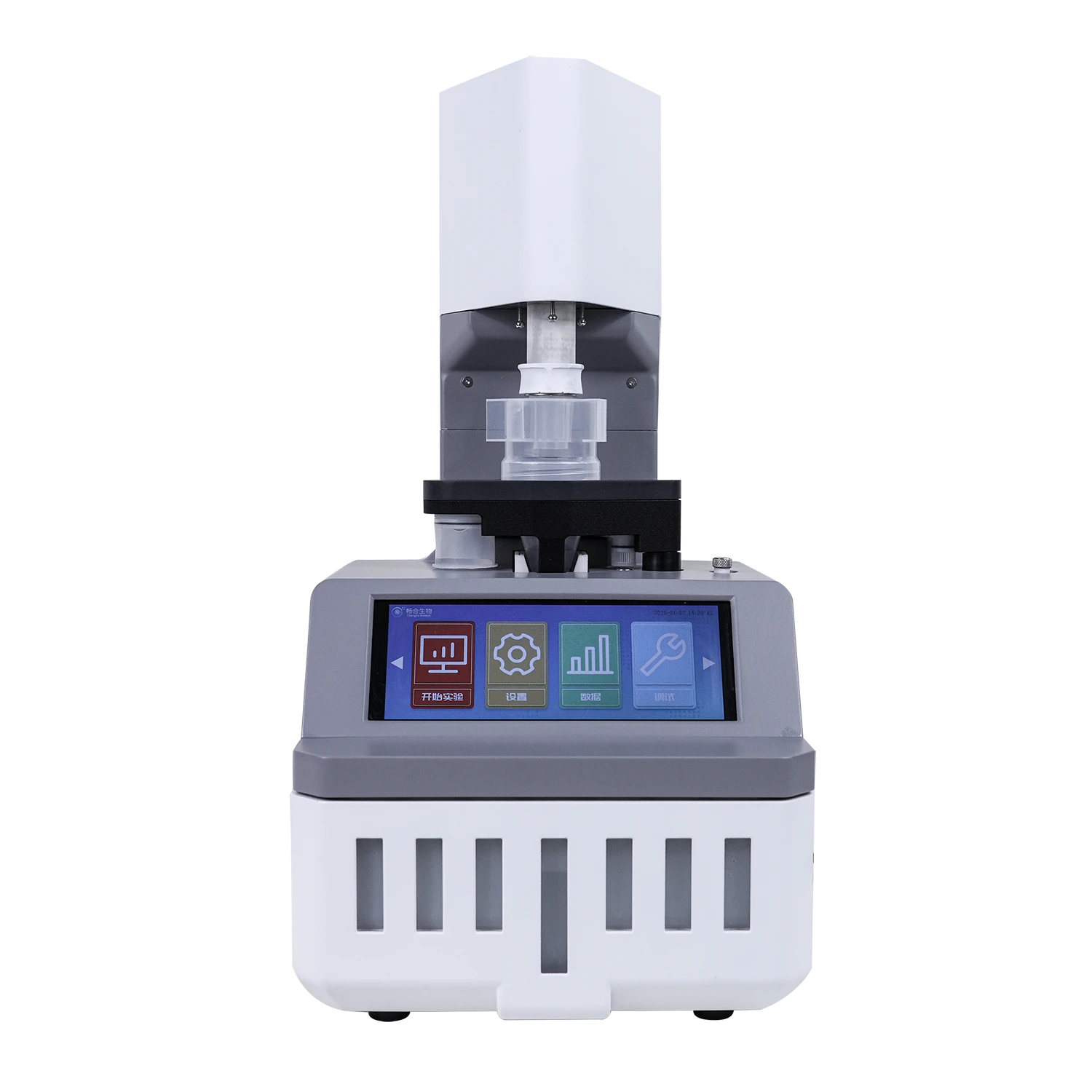

Bioaerosol Sampler: High Capture, Portable, ISO—Why Us?
Field notes on a modern bioaerosol workflow
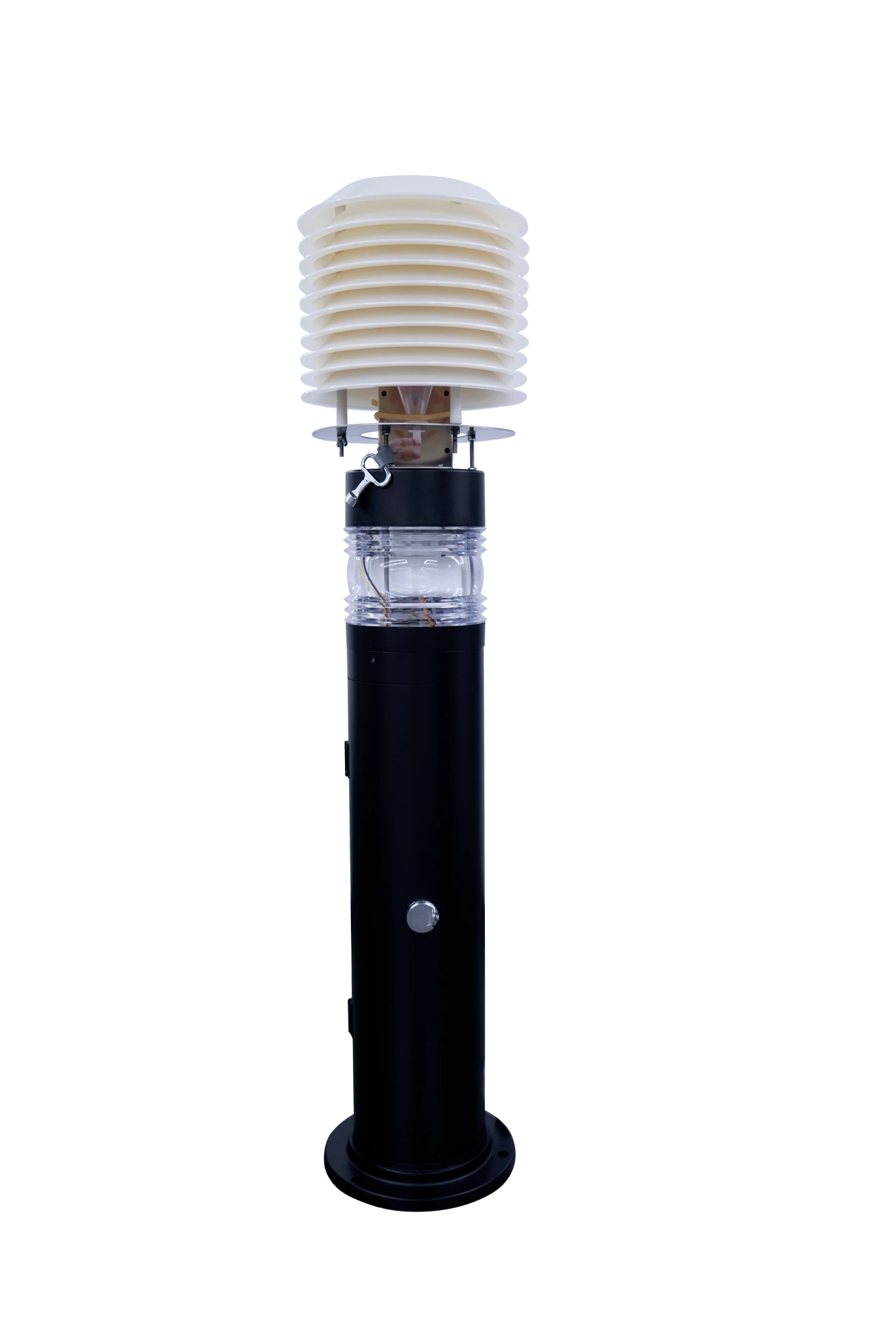
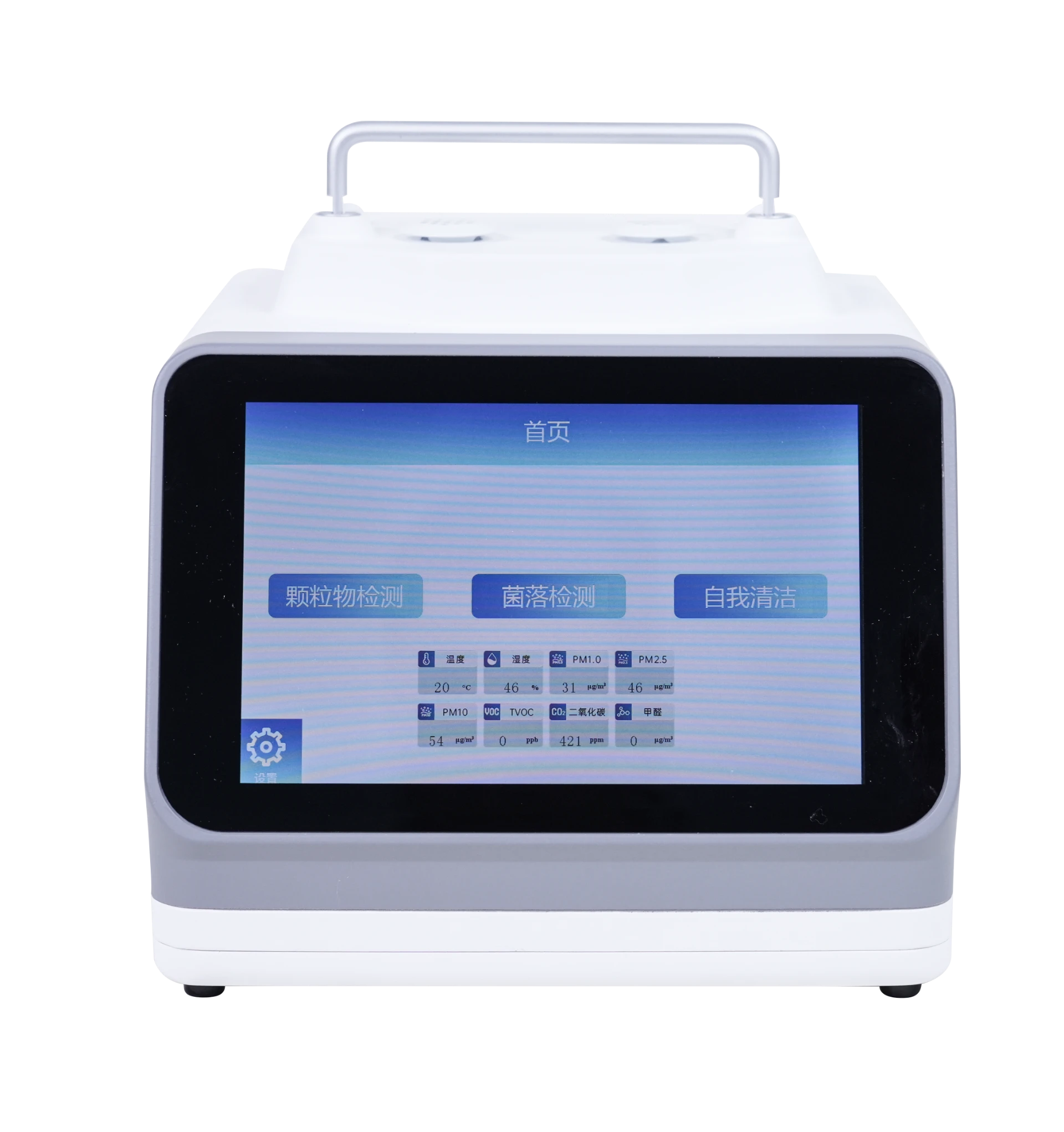
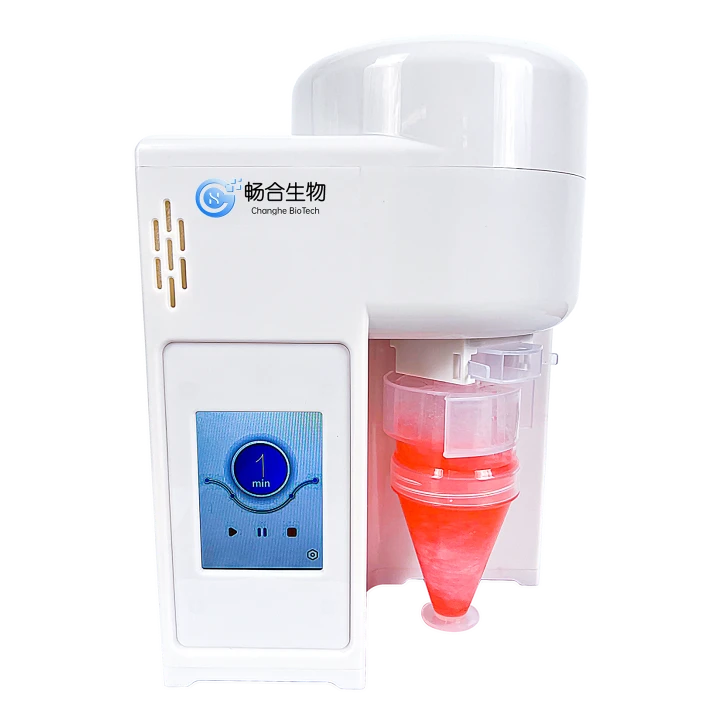
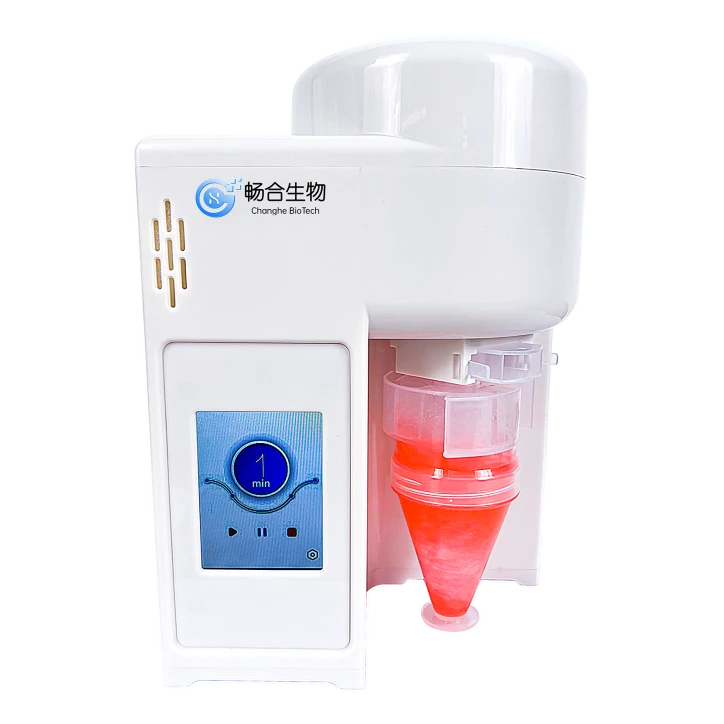
If you’ve been following environmental monitoring the past few years, you’ve seen the curve: more surveillance, more genomics, and—honestly—more practical gear. The bioaerosol sampler I’ve been hands-on with lately is the CA-1-300, a wet-cyclone unit that feels purpose-built for mixed real-world jobs, not just pristine labs.
What’s changing in the market
Three trends, to be blunt: near-real-time pathogen intelligence, cross-domain deployment (hospitals to barns), and cleaner sample prep for PCR/viability assays. Wet-cyclone systems like this bioaerosol sampler hit that sweet spot: high flow, liquid output, and gentler handling of organisms than some filters.
Product snapshot: CA-1-300
| Model | CA-1-300 Wet-Cyclone bioaerosol sampler |
| Operating principle | Cyclonic inertia into sterile liquid (impingement in vortex) |
| Nominal flow | ≈300 L/min (real-world use may vary with altitude and media) |
| Particle size window | ~0.3–10 μm bioaerosols |
| Collection medium | 5–15 mL sterile buffer (PBS or viral transport medium) |
| Recovery/viability | Internal tests show >80% RNA recovery with MS2; bacterial CFU retention ≈70–90% at ≥1 μm (lab conditions) |
| Noise / Power | |
| Service life | Around 5–8 years with scheduled seal and motor maintenance |
Made in: FLOOR 7, NO.1588 HUHANG ROAD, SHANGHAI, CHINA. Many customers say it’s surprisingly quiet and easier to sanitize than they expected—smooth internals help.
Where it gets used
- Hospitals and ICUs for viral RNA trending (no, not clinical diagnosis—environmental intel).
- Pharma cleanrooms (ISO 5–8) alongside settle plates to meet ISO 14698 risk mapping.
- Food plants and indoor farms; spore and bacterial monitoring.
- Transportation hubs and campuses for sentinel surveillance.
- Animal facilities and barns; higher dust load but workable with prefilters.
Process flow (materials, methods, QA)
Materials: sterile conical tubes, PBS/VTM, ethanol 70%, swabs, PPE. Methods: run the bioaerosol sampler 10–60 minutes (site SOP), cap liquid, split for culture, qPCR/RT-qPCR, or antigen ELISA. QA/QC: field blanks every 10 samples, duplicates at 10%, and flow verification with a calibrated rotameter. Testing standards often referenced: ISO 14698-1/-2, NIOSH bioaerosol guidance, and WHO ventilation surveillance notes.
Why wet-cyclone?
Versus filters, the bioaerosol sampler avoids desiccation—better for viability. Compared with classic impingers, you get higher flow and less foaming. Maintenance is basically seals, a quick rinse, and an occasional autoclave for removable wetted parts (check O-ring compatibility first, I guess).
Vendor snapshot (quick, imperfect comparison)
| Vendor / Model | Method | Flow | Pros | Trade-offs |
|---|---|---|---|---|
| CA-1-300 bioaerosol sampler | Wet cyclone to liquid | ≈300 L/min | High throughput; gentle on viability; PCR-ready aliquot | Needs buffer handling; periodic seal care |
| SKC BioSampler | Liquid impinger | ≈12.5 L/min | Simple; widely cited | Lower flow; potential shear stress |
| Sartorius MD8 | Gelatin filter | 50–125 L/min | Clean, simple consumables | Desiccation risk; dissolve step for PCR |
Customization and certifications
Options: 316L wetted path, battery pack, BLE data, HEPA purge, and nozzle tuning for different particle cut-points. Manufacturing typically aligns with ISO 9001; CE/EMC and RoHS available on request. Calibration certificates issued per ISO/IEC 17025 partner labs.
Mini case notes
- Hospital ICU: 48-hour RNA trend helped pinpoint airflow dead zones; ventilation adjusted, false alarms dropped.
- Vaccine fill-finish: weekly runs caught seasonal spore upticks; sanitation windows re-timed, fewer interventions afterward.
- University barns: influenza A surveillance with qPCR; early alerts correlated with animal symptoms 2–3 days later.
To be honest, the best part is boring reliability. Flip it on, get your liquid, run PCR—done.
References
- ISO 14698-1/-2: Cleanrooms and associated controlled environments — Biocontamination control (General principles & evaluation).
- NIOSH. Guidance on Bioaerosols in the Workplace; NIOSH Manual of Analytical Methods (selected bioaerosol sampling notes).
- WHO. Roadmap to improve and ensure good indoor ventilation in the context of COVID-19.
- US EPA. Compendium of Methods for the Determination of Air Pollutants—Microbiological Methods (selected chapters).
-
Understanding pcr testes transgênicos for Agricultural PurityNewsApr.16,2026
-
Understanding Febre do Cão PCR for Precision Veterinary DiagnosticsNewsApr.09,2026
-
Understanding Respiração PCR and Grupo Cat for Advanced Bioaerosol Sampling TechniquesNewsApr.07,2026
-
IDEXX Feline Respiratory PCR Panel A Comprehensive Guide for VeterinariansNewsApr.04,2026
-
Understanding Grupo de Gatos URD PCR and Bioaerosol Sampling for Air Quality ControlNewsMar.28,2026
-
Understanding the Feline Respiratory PCR Panel Grupo de PCR Respiratório do GatoNewsMar.26,2026