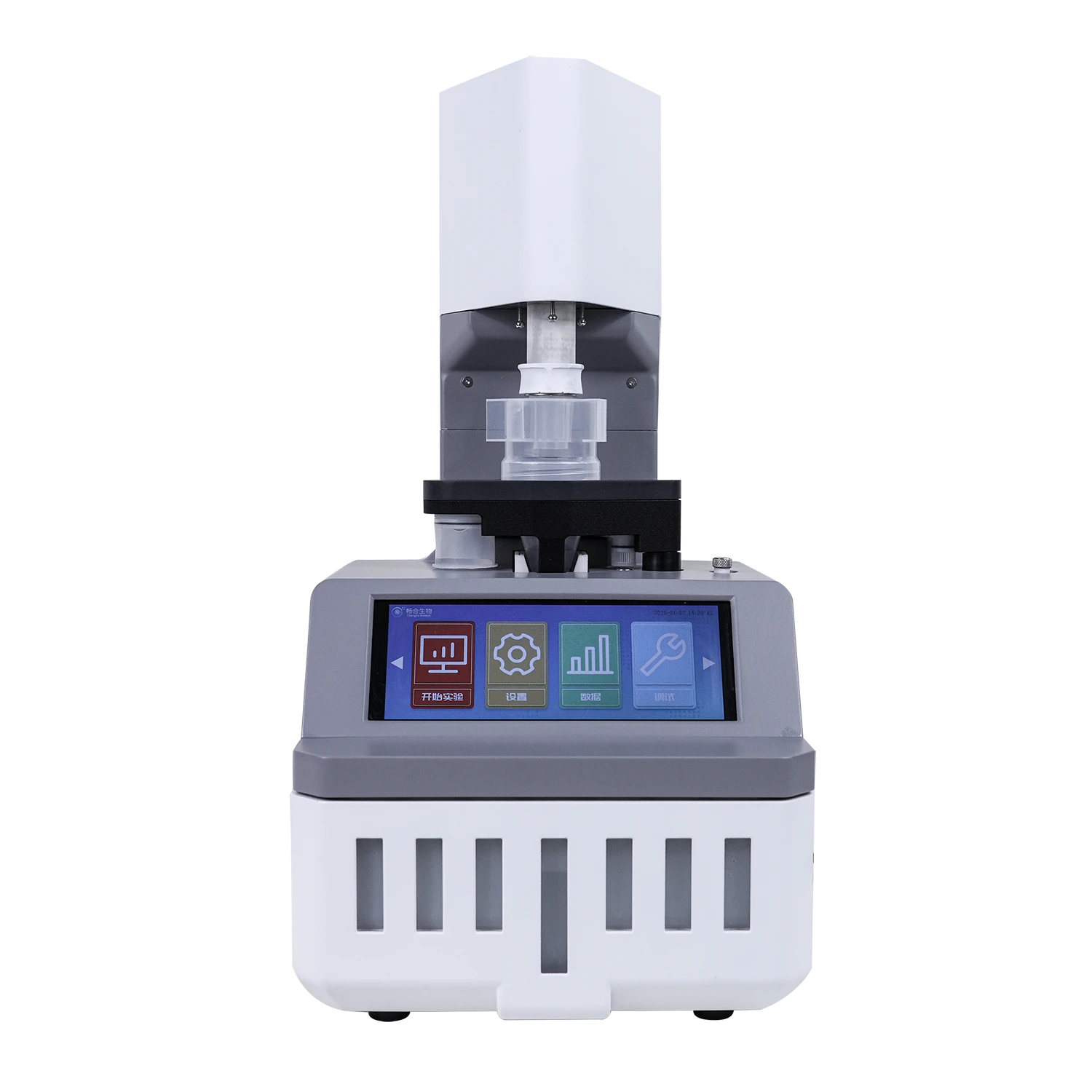

Comprehensive Guide to PCR Testing for Dogs and its Benefits
Understanding PCR Testing for Dogs: A Comprehensive Guide
As responsible pet owners, we constantly seek the best ways to ensure our canine companions’ health and wellbeing. In recent years, PCR (Polymerase Chain Reaction) testing has become an increasingly valuable tool in veterinary diagnostics. This article will delve into the specifics of PCR testing for dogs, explaining its purpose, benefits, process, and what the results mean. Understanding this technology empowers you to make informed decisions about your dog's care. PCR testing isn’t just for humans; it’s revolutionizing veterinary medicine.
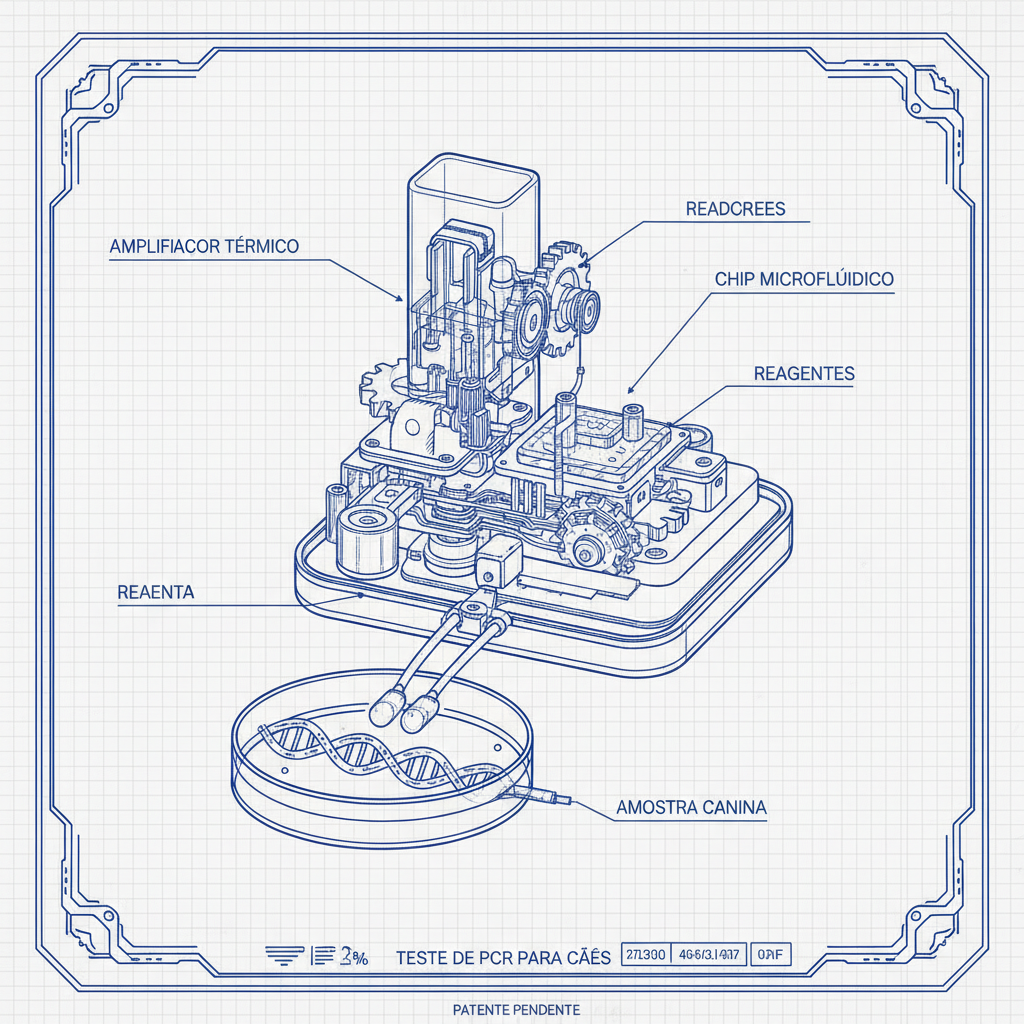
What is PCR Testing and Why is it Used for Dogs?
PCR testing is a molecular laboratory technique used to detect the presence of specific genetic material – like DNA or RNA – from a pathogen (virus, bacteria, fungus, etc.). It works by amplifying a tiny amount of the pathogen’s genetic code, making it detectable even if the infection is in its early stages or present in low concentrations. For dogs, this is extremely useful in diagnosing infectious diseases where early and accurate detection is vital. Common applications include detecting canine parvovirus, distemper virus, leptospirosis, and more. The accuracy and speed of PCR testing are significantly higher than traditional methods, leading to quicker and more effective treatment plans.
Key Highlights: PCR testing detects the genetic material of pathogens, providing rapid and accurate diagnosis of infectious diseases in dogs.
The Process of PCR Testing for Dogs: A Step-by-Step Guide
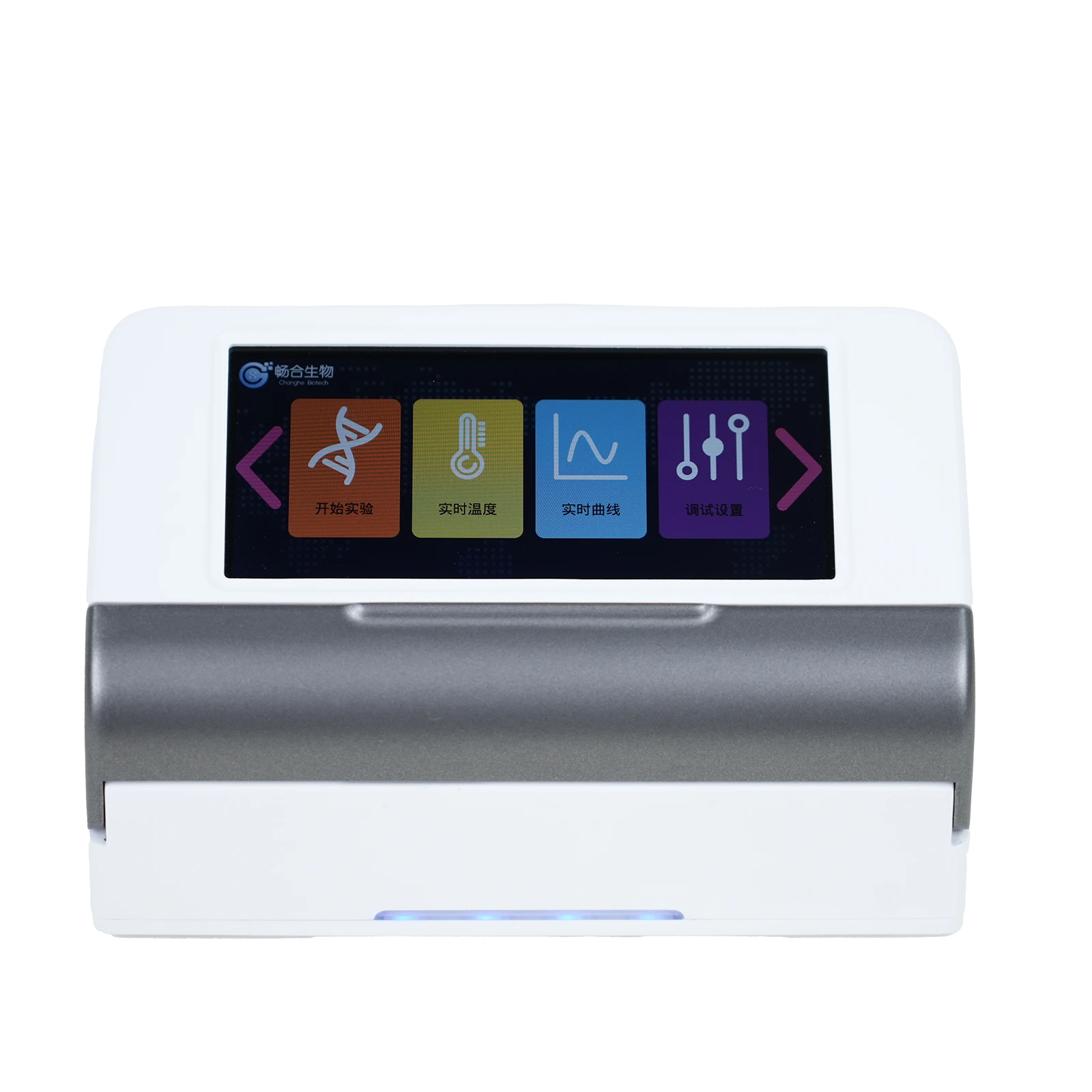
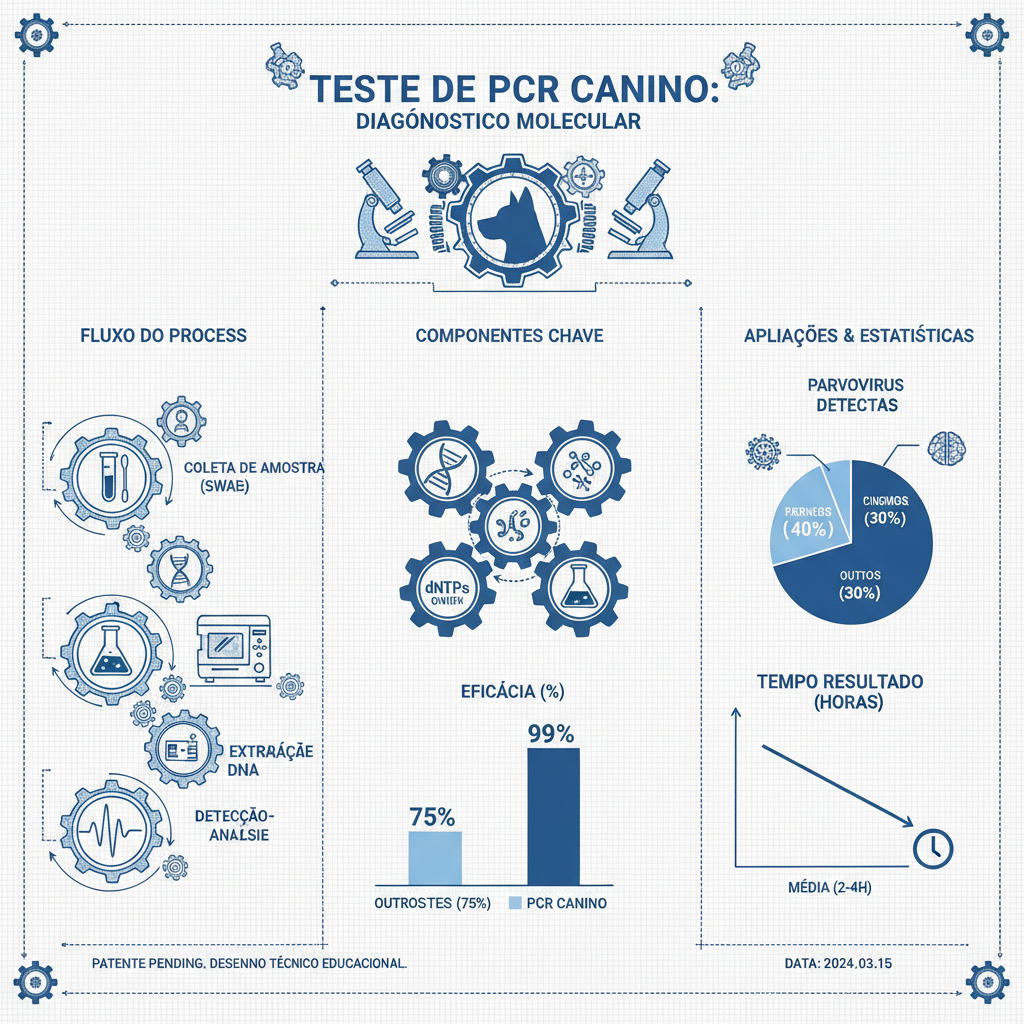
The process of PCR testing typically involves these steps: first, a sample is collected from your dog. This can be a swab of the mouth, nose, or eyes, or a sample of blood, feces, or urine. The sample is then sent to a veterinary diagnostic laboratory. In the lab, the genetic material is extracted from the sample. Then, the PCR machine amplifies the target DNA or RNA. Finally, the amplified genetic material is detected, and a positive or negative result is determined. The entire process typically takes between a few hours to a couple of days, depending on the laboratory’s turnaround time.
PCR Testing Steps:
• Sample Collection (swab, blood, feces, urine)
• Genetic Material Extraction
• DNA/RNA Amplification
• Result Detection (Positive/Negative)
PCR Testing for Dogs: Comparing it to Traditional Methods
Traditional methods, like antibody tests or cultures, can be less accurate and slower than PCR testing. Antibody tests detect the presence of antibodies produced in response to an infection, but they don't necessarily indicate an active infection. Cultures require growing the pathogen in a lab, which can take days or weeks. PCR testing, on the other hand, directly detects the pathogen's genetic material, offering a much faster and more accurate diagnosis. This is particularly crucial in cases where rapid intervention is necessary to prevent the spread of disease or improve the dog’s prognosis.
Common Diseases Detected with PCR Testing in Dogs
PCR testing is invaluable for diagnosing a wide range of canine diseases. Some of the most common include: Canine Parvovirus (CPV), Canine Distemper Virus (CDV), Canine Adenovirus (CAV), Canine Influenza Virus (CIV), Leptospirosis, Bordetella bronchiseptica (Kennel Cough), and various fungal infections. Early detection of these diseases allows for prompt treatment and minimizes the risk of complications. Different laboratories offer panels that test for multiple pathogens simultaneously, maximizing efficiency and providing a broader diagnostic picture.
Understanding Your Dog’s PCR Test Results
A positive PCR test result indicates that the pathogen's genetic material was detected in the sample, meaning your dog is currently infected. A negative result suggests that the pathogen was not detected, but it doesn’t always completely rule out an infection. Factors like the timing of the sample collection (early in the infection) or the presence of the pathogen in low concentrations can sometimes lead to false negatives. Your veterinarian will interpret the results in conjunction with your dog’s clinical signs and other diagnostic findings to create the most appropriate treatment plan. For more information and advanced diagnostic solutions, visit Bioaerosolsampler.com.
Conclusion: Empowering Canine Health Through PCR Testing
PCR testing represents a significant advancement in veterinary diagnostics, providing a rapid, accurate, and reliable way to detect infectious diseases in dogs. By understanding the benefits and process of PCR testing, you can proactively support your dog's health and wellbeing. Don’t hesitate to discuss PCR testing with your veterinarian if you suspect your dog may be ill – early diagnosis can make all the difference.
Frequently Asked Questions (FAQs)
How much does PCR testing for dogs typically cost?
The cost of PCR testing can vary depending on the laboratory, the specific disease being tested for, and the type of sample collected. Generally, you can expect to pay anywhere from $80 to $300 or more per test. Some veterinary clinics offer in-house PCR testing, which may have a faster turnaround time but potentially a higher cost. It's best to contact your veterinarian or a veterinary diagnostic laboratory for a specific price quote.
Can PCR testing be used to determine the severity of an infection?
While PCR testing confirms the presence or absence of a pathogen, it doesn’t directly measure the severity of the infection. However, the viral load (the amount of pathogen detected) can sometimes provide an indication of disease severity, though it’s not always a reliable indicator. Your veterinarian will assess the severity based on the dog’s clinical signs, symptoms, and other diagnostic tests, alongside the PCR results.
What type of sample is best for PCR testing?
The best type of sample depends on the suspected disease. For respiratory infections, a nasal or throat swab is often preferred. For gastrointestinal infections, a fecal sample is typically used. Blood samples can be used to detect systemic infections. Your veterinarian will determine the most appropriate sample type based on your dog’s symptoms and the suspected pathogen. A reliable lab like Bioaerosolsampler can provide guidance on proper sample collection and handling.
How long does it take to get PCR test results back?
Turnaround times for PCR test results can vary depending on the laboratory and the specific test. Generally, results are available within 24-48 hours, but some tests may take longer. In-house PCR testing at your veterinary clinic may offer faster results, sometimes within a few hours. Your veterinarian will provide you with an estimated turnaround time when the test is ordered.
-
Understanding pcr testes transgênicos for Agricultural PurityNewsApr.16,2026
-
Understanding Febre do Cão PCR for Precision Veterinary DiagnosticsNewsApr.09,2026
-
Understanding Respiração PCR and Grupo Cat for Advanced Bioaerosol Sampling TechniquesNewsApr.07,2026
-
IDEXX Feline Respiratory PCR Panel A Comprehensive Guide for VeterinariansNewsApr.04,2026
-
Understanding Grupo de Gatos URD PCR and Bioaerosol Sampling for Air Quality ControlNewsMar.28,2026
-
Understanding the Feline Respiratory PCR Panel Grupo de PCR Respiratório do GatoNewsMar.26,2026