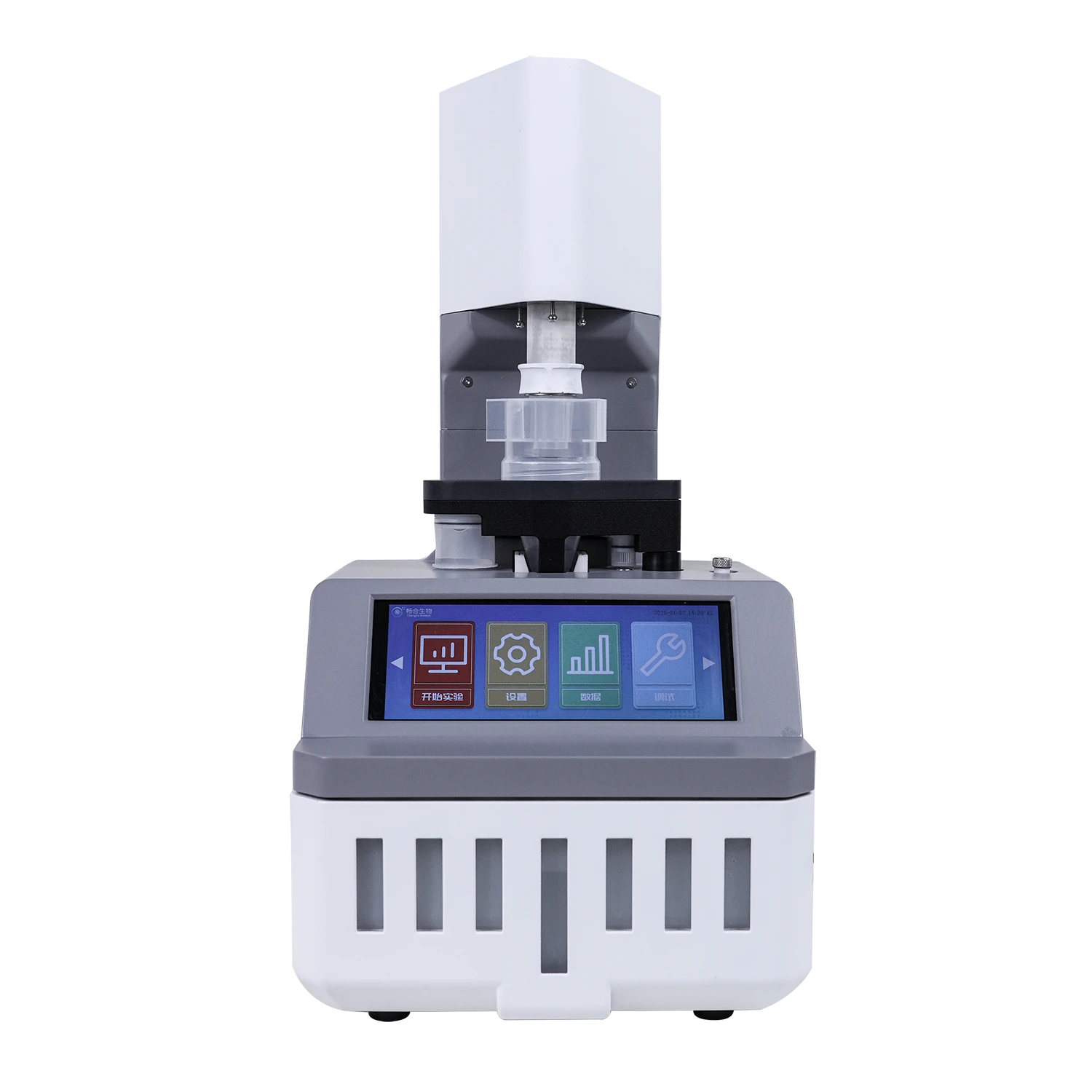

Comprehensive Guide to the Idexx Canine Respiratory PCR Panel for Dogs
Understanding the Idexx Canine Respiratory PCR Panel: A Comprehensive Guide
The Idexx Canine Respiratory PCR Panel is a crucial diagnostic tool for veterinarians facing cases of canine infectious respiratory disease complex (CIRDC), commonly known as “kennel cough.” This panel allows for the rapid and accurate detection of multiple viral and bacterial pathogens simultaneously, enabling informed treatment decisions and improved patient outcomes. Understanding this panel and its applications is paramount for veterinary professionals. This article will delve into the details, benefits, and interpretation of the painel de respiração pcr para cães idexx, aiding in effective respiratory disease management.
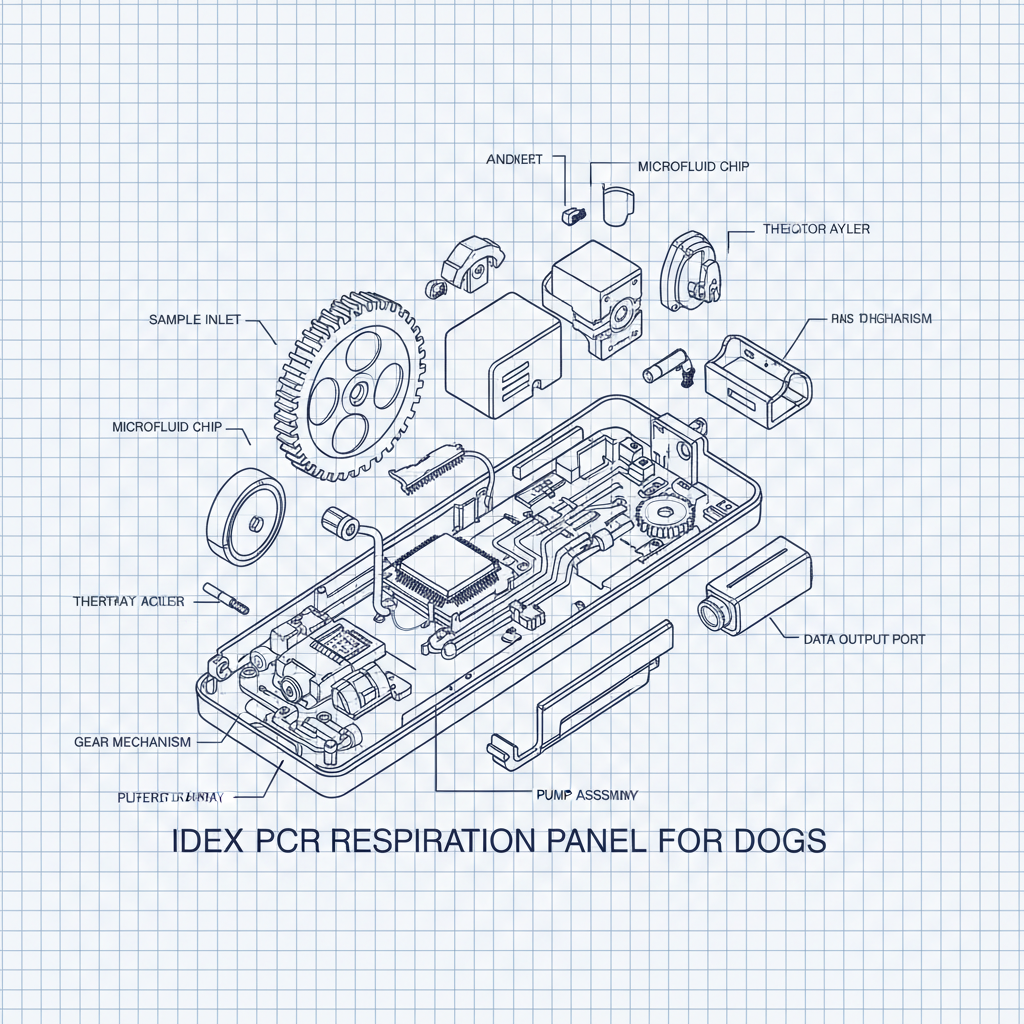
What is the Idexx Canine Respiratory PCR Panel?
The Idexx Canine Respiratory PCR Panel is a polymerase chain reaction (PCR) test designed to identify the presence of several common pathogens associated with canine respiratory infections. Unlike traditional culture methods, PCR detects the genetic material (DNA or RNA) of the pathogens, providing faster and more sensitive results. This panel typically screens for key viruses like Canine Adenovirus type 2, Canine Parainfluenza Virus, and Canine Respiratory Coronavirus, alongside common bacterial agents like Bordetella bronchiseptica and Mycoplasma canis. It’s a powerful diagnostic tool, significantly aiding in accurate diagnosis and appropriate treatment plans. A rapid and accurate diagnosis with the Idexx PCR panel can reduce the spread of infection and improve patient welfare.
Key Highlights: Detects multiple pathogens simultaneously, providing comprehensive respiratory disease screening. Offers faster and more sensitive results compared to traditional culture methods.
Pathogens Detected by the Idexx Panel
The specific pathogens included in the panel may vary slightly, but commonly include:
- Viruses: Canine Adenovirus type 2, Canine Parainfluenza Virus, Canine Respiratory Coronavirus, Canine Distemper Virus
- Bacteria: Bordetella bronchiseptica, Mycoplasma canis, Streptococcus equi subsp. equi
Detecting these pathogens allows veterinarians to differentiate between viral and bacterial infections, or identify cases of co-infection, which are common in CIRDC. Knowing the specific causative agent(s) guides antibiotic selection and other therapeutic interventions. Utilizing the PCR panel leads to more targeted and effective treatment strategies.
Benefits of Multi-Pathogen Detection:
• Identifies the specific cause of respiratory illness.
• Guides appropriate antibiotic use.
• Helps prevent the spread of infection.
• Improves patient outcomes.
Idexx PCR Panel vs. Traditional Diagnostic Methods
Traditional methods like bacterial culture and viral isolation can be time-consuming, often taking several days to yield results. They also have limitations in sensitivity, potentially missing low-level infections or detecting pathogens that are difficult to culture. The Idexx Canine Respiratory PCR Panel offers significant advantages:
Clinical Applications and Interpretation of Results
The painel de respiração pcr para cães idexx is valuable in several clinical scenarios: diagnosis of acute respiratory illness, investigation of outbreaks in kennels or shelters, and monitoring treatment response. Positive results indicate the presence of the identified pathogen, but it’s crucial to correlate these findings with clinical signs and other diagnostic data. A negative result doesn’t necessarily rule out infection, as the pathogen may be present below the detection limit or not targeted by the panel. Proper interpretation requires veterinary expertise and a thorough understanding of the limitations of PCR testing.
Cost and Availability
The cost of the Idexx Canine Respiratory PCR Panel varies depending on the number of pathogens tested and the laboratory performing the analysis. It is generally more expensive than traditional culture methods, but the speed and accuracy can justify the cost, especially in cases where rapid diagnosis is crucial. The panel is widely available through Idexx Laboratories and other veterinary diagnostic labs. Contacting Bioaerosolsampler or your local veterinary diagnostic laboratory will provide the most accurate pricing and turnaround time information.
Conclusion: Enhancing Canine Respiratory Disease Management
The Idexx Canine Respiratory PCR Panel represents a significant advancement in canine respiratory disease diagnosis. Its ability to rapidly and accurately detect multiple pathogens empowers veterinarians to make informed treatment decisions, reduce the spread of infection, and ultimately improve patient outcomes. Investing in advanced diagnostic tools like this panel is a crucial step towards providing optimal care for canine patients.
Frequently Asked Questions (FAQs)
What sample type is required for the Idexx Canine Respiratory PCR Panel?
Typically, a nasal swab, oropharyngeal swab, or tracheal wash is used to collect a sample for this PCR panel. The collection method may be recommended by the laboratory based on the clinical presentation of the patient. Proper sample collection is critical for accurate results. Consult the lab’s guidelines for specific instructions on sample collection and handling. Ensure the sample is transported and stored appropriately to maintain its integrity before testing.
Can the PCR panel differentiate between a carrier state and active infection?
The PCR panel detects the presence of the pathogen’s genetic material, but it doesn't necessarily differentiate between a carrier state (where the animal harbors the pathogen without showing clinical signs) and an active infection. Clinical signs and other diagnostic tests (like cytology or blood work) are crucial to determine whether the pathogen is causing active disease. A positive PCR result in an asymptomatic dog may indicate a carrier state.
What is the turnaround time for receiving results from the Idexx PCR Panel?
The turnaround time for results can vary depending on the laboratory and sample submission method. However, typically, results are available within 24-48 hours of the lab receiving the sample. Some labs may offer expedited testing options for faster results. Contact Bioaerosolsampler or the submitting laboratory for precise turnaround time estimates.
Is the Idexx Canine Respiratory PCR Panel suitable for use in shelter settings?
Yes, the Idexx Canine Respiratory PCR Panel is extremely valuable in shelter settings. Shelters often experience outbreaks of respiratory disease due to the close proximity of animals. The rapid and accurate results of the PCR panel help identify the causative agents, allowing for prompt implementation of isolation protocols and appropriate treatment to minimize the spread of infection. It's a vital tool for maintaining the health of shelter populations.
-
Understanding pcr testes transgênicos for Agricultural PurityNewsApr.16,2026
-
Understanding Febre do Cão PCR for Precision Veterinary DiagnosticsNewsApr.09,2026
-
Understanding Respiração PCR and Grupo Cat for Advanced Bioaerosol Sampling TechniquesNewsApr.07,2026
-
IDEXX Feline Respiratory PCR Panel A Comprehensive Guide for VeterinariansNewsApr.04,2026
-
Understanding Grupo de Gatos URD PCR and Bioaerosol Sampling for Air Quality ControlNewsMar.28,2026
-
Understanding the Feline Respiratory PCR Panel Grupo de PCR Respiratório do GatoNewsMar.26,2026