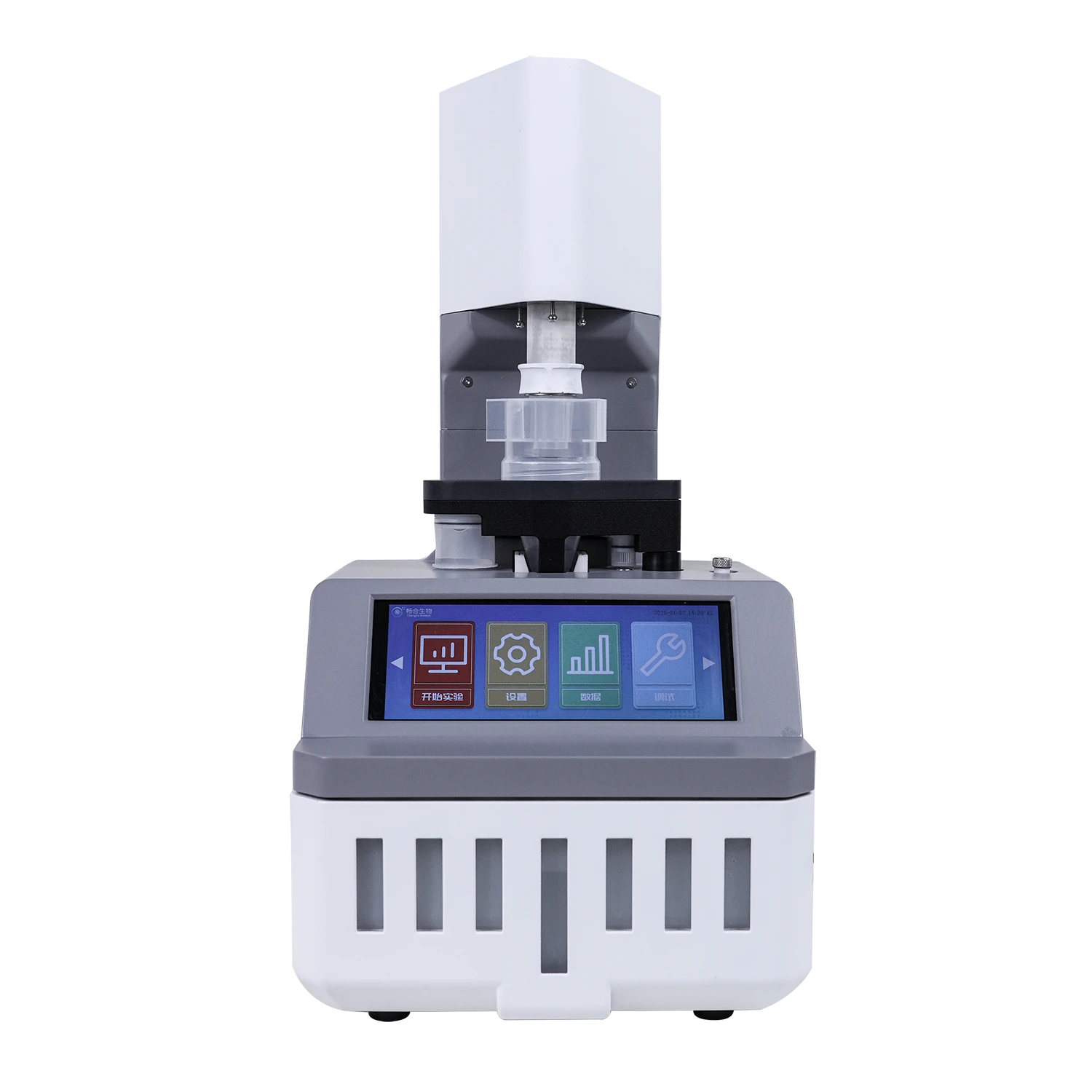

Detecção de Aerossóis do Vírus - Industrial Bioaerosol Sampling Solutions
Detecção de Aerossóis do Vírus: The Industrial Angle You Might Not Expect
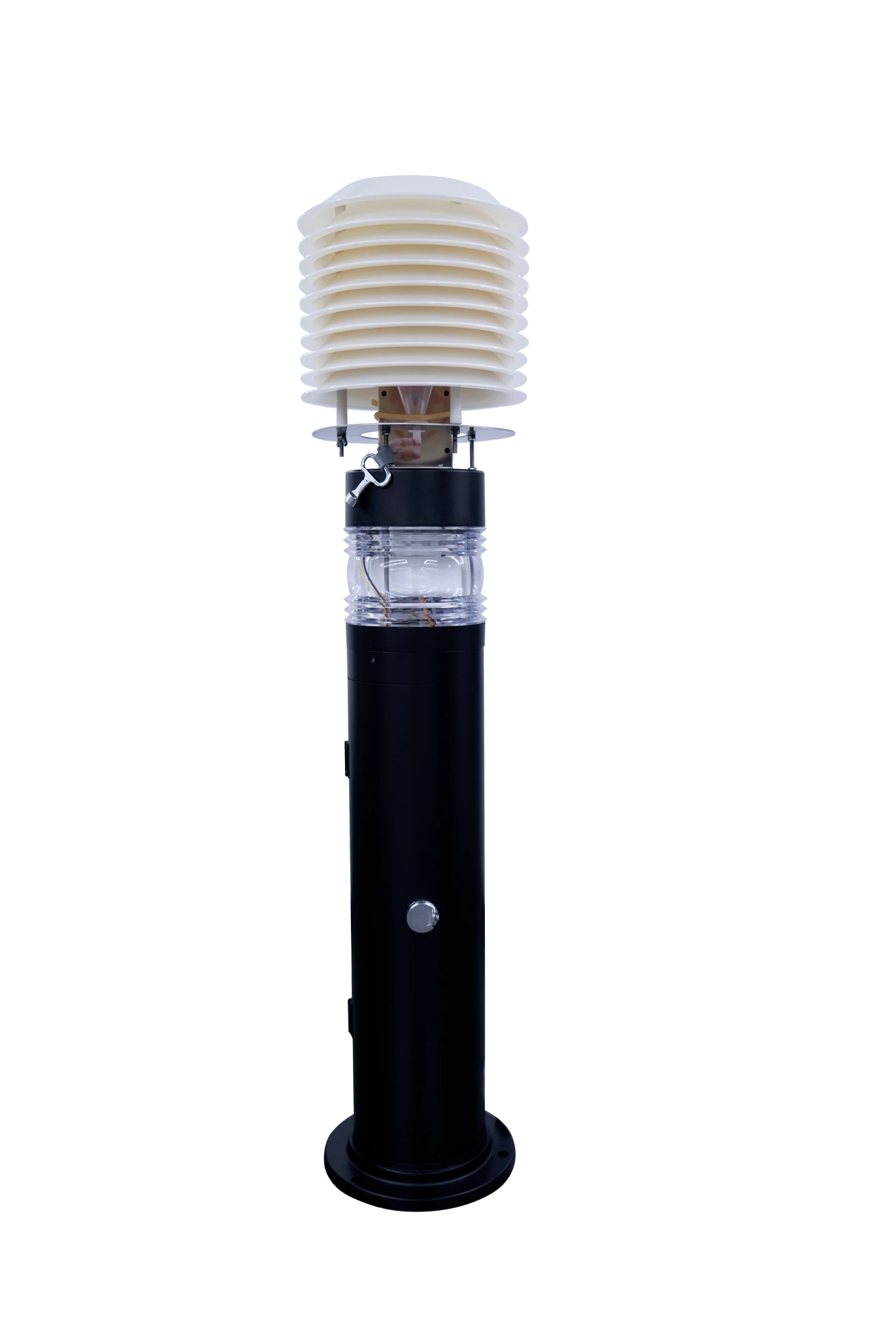
Having worked in the industrial equipment sector for over a decade, especially around environmental monitoring gear, I can’t help but be intrigued by the rising focus on detecção de aerossóis do vírus. This isn’t just a fancy buzzword anymore—it’s becoming a crucial part of how companies, labs, and even public health teams approach airborne virus detection and control.
Frankly, this type of aerosol detection felt niche when I first came across it years ago. The idea of sampling tiny virus particles wandering invisibly through the air seemed almost sci-fi. But with recent pandemics and the need for rapid, reliable environmental viral detection, specialized air samplers have taken center stage.
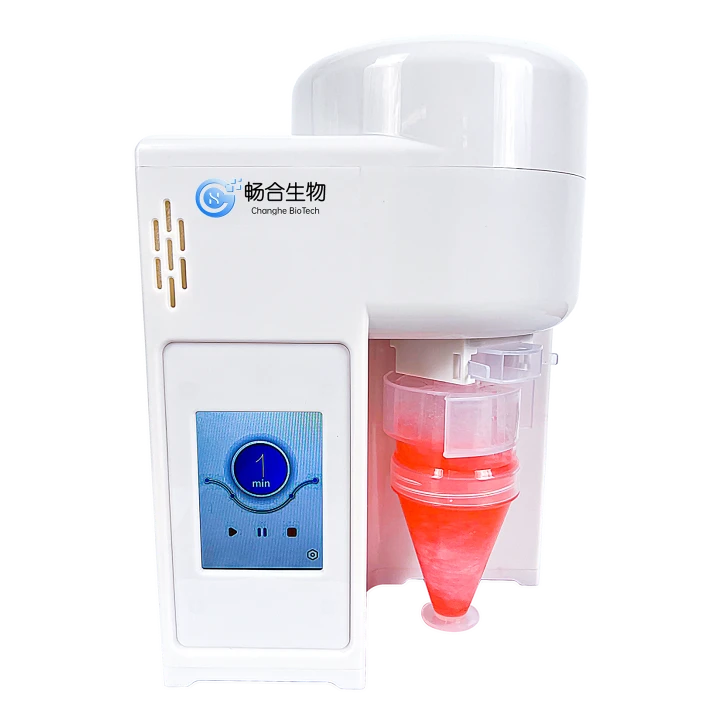
The basic principle is straightforward but the engineering behind it isn’t trivial. Devices need to carefully draw in air, trap these microscopic aerosols containing virus particles, and preserve them for analysis—often PCR or immunoassays afterward. Achieving that without damaging the samples or getting overwhelmed by impurities takes precise design.
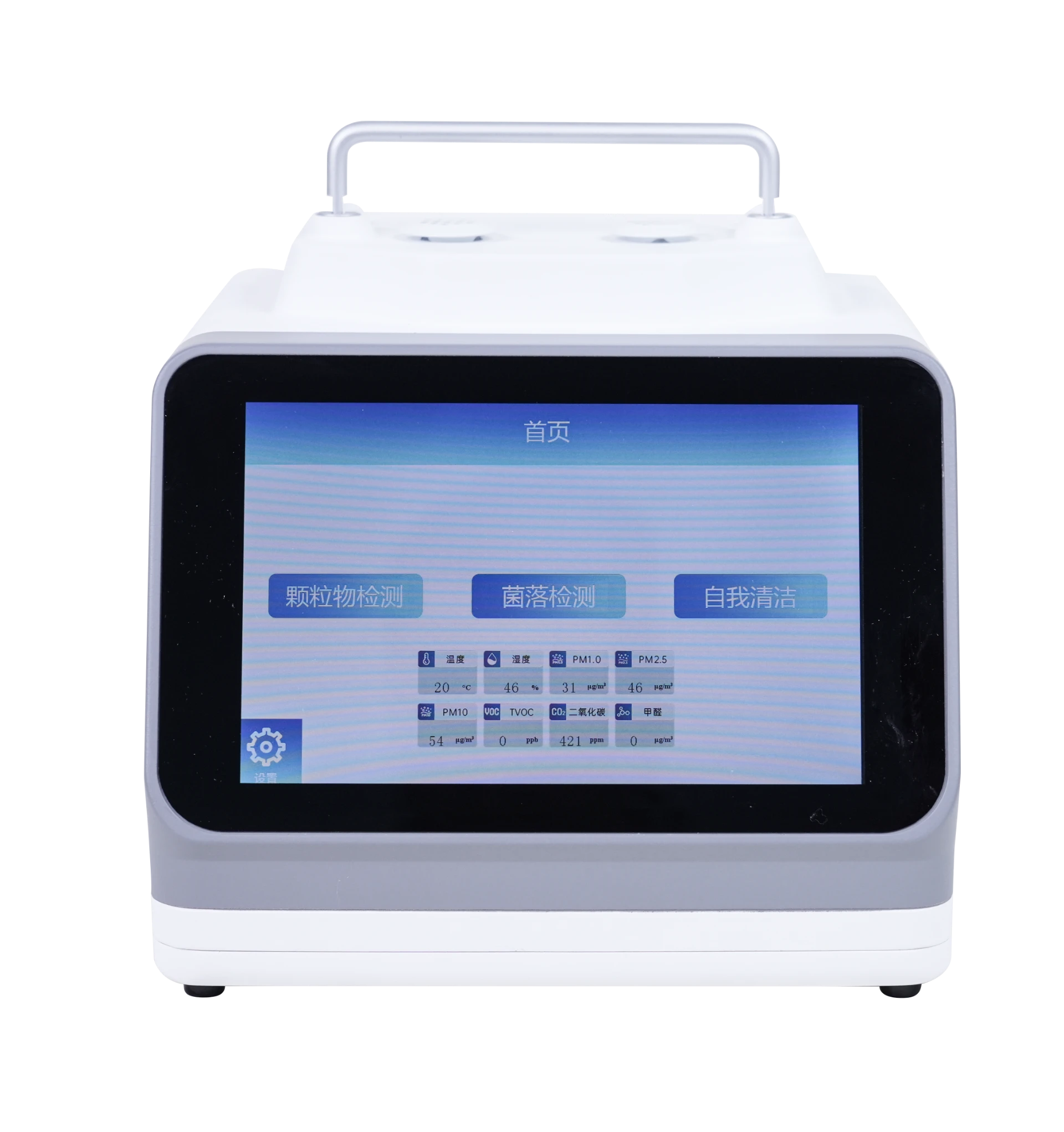
One major trend I’ve noticed is the move towards portability and real-time sampling. Laboratories and environmental engineers don’t want to lug heavy, clunky equipment around or wait days for lab results if possible. Enter compact bioaerosol samplers with efficient filtration media and user-friendly interfaces. It’s a game-changer, honestly.
Materials used in construction are usually corrosion-resistant metals and robust plastics to withstand prolonged field deployment. Also, they incorporate HEPA or similar filters to sift out irrelevant particles—dust, pollen—so the viral load isn’t masked. I recall a project where we tested two samplers side-by-side; the difference in how well they maintained sample integrity was pretty striking.
| Specification | Details |
|---|---|
| Sampling Flow Rate | 5 - 15 L/min adjustable |
| Filter Type | PTFE membrane, 0.3 µm pore |
| Power Source | Rechargeable Li-ion battery, 8h runtime |
| Weight | 1.8 kg (portable) |
| Data Interface | USB & Wireless data transfer |
| Operating Temp. | 5°C to 40°C |
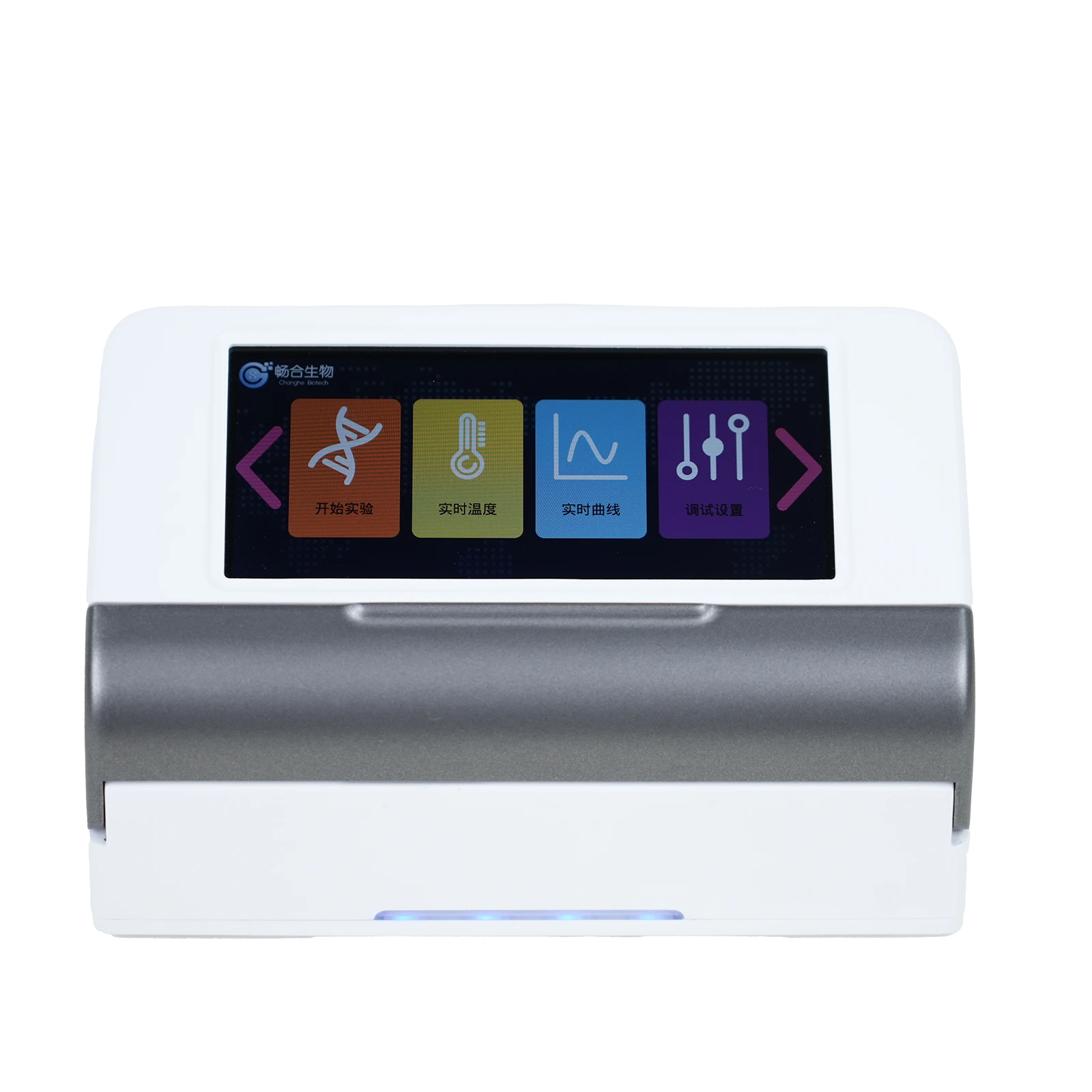
Customization options are also pretty important. Facilities sometimes want samplers that work within their existing HVAC systems or that can sync up to centralized monitoring. User-friendly touchscreen controls and automated sampling schedules reduce operator errors and maintenance downtime—something many engineers swear by.
Oddly enough, in one case I witnessed, a hospital deployed these samplers around its ER. The quick feedback allowed infection control teams to spot potential viral aerosol “hotspots” before patient exposure escalated. It feels like an unseen safety net, and I guess that’s why the market demand keeps growing.
Here’s a quick comparison to help make sense of some top vendors offering reliable detecção de aerossóis do vírus devices:
| Vendor | Portability | Detection Limit | Price Range | Customer Support |
|---|---|---|---|---|
| BioAero Sampler Co. | Highly portable (1.8 kg) | < 1 viral particle/L | $$$ | 24/7 Tech support |
| EnviroSense Devices | Medium portability (~3 kg) | ~5 viral particles/L | $$ | Business hours only |
| AeroHealth Instruments | Fixed unit, not portable | < 0.5 viral particle/L | $$$$ | Premium onsite support |
In real terms, choosing the right bioaerosol sampler depends on your operational needs, accuracy requirements, and budget. No one device fits all. I’ve often advised clients to run side-by-side testing in their environment before committing—seeing results firsthand is revealing.
At the end of the day, detecção de aerossóis do vírus technology feels like a quiet revolution in industrial health and safety. For anyone involved in environmental monitoring or infection control, investing in these tools is no longer a “nice to have,” but a smart precaution. Or at least, that’s how it strikes me after years of seeing evolving standards and real-world use cases.
And you know, that’s what makes the industrial equipment field endlessly fascinating — the challenge of adapting technology to meet urgent, evolving needs.
Quick takeaway: Reliable airborne virus detection is becoming indispensable—and the right sampler can make all the difference.
References:
1. National Institutes of Health – Aerosol transmission of viruses
2. Environmental Protection Agency – Airborne virus monitoring systems
3. Journal of Aerosol Science – Bioaerosol sampler performance in clinical settings
-
Understanding pcr testes transgênicos for Agricultural PurityNewsApr.16,2026
-
Understanding Febre do Cão PCR for Precision Veterinary DiagnosticsNewsApr.09,2026
-
Understanding Respiração PCR and Grupo Cat for Advanced Bioaerosol Sampling TechniquesNewsApr.07,2026
-
IDEXX Feline Respiratory PCR Panel A Comprehensive Guide for VeterinariansNewsApr.04,2026
-
Understanding Grupo de Gatos URD PCR and Bioaerosol Sampling for Air Quality ControlNewsMar.28,2026
-
Understanding the Feline Respiratory PCR Panel Grupo de PCR Respiratório do GatoNewsMar.26,2026