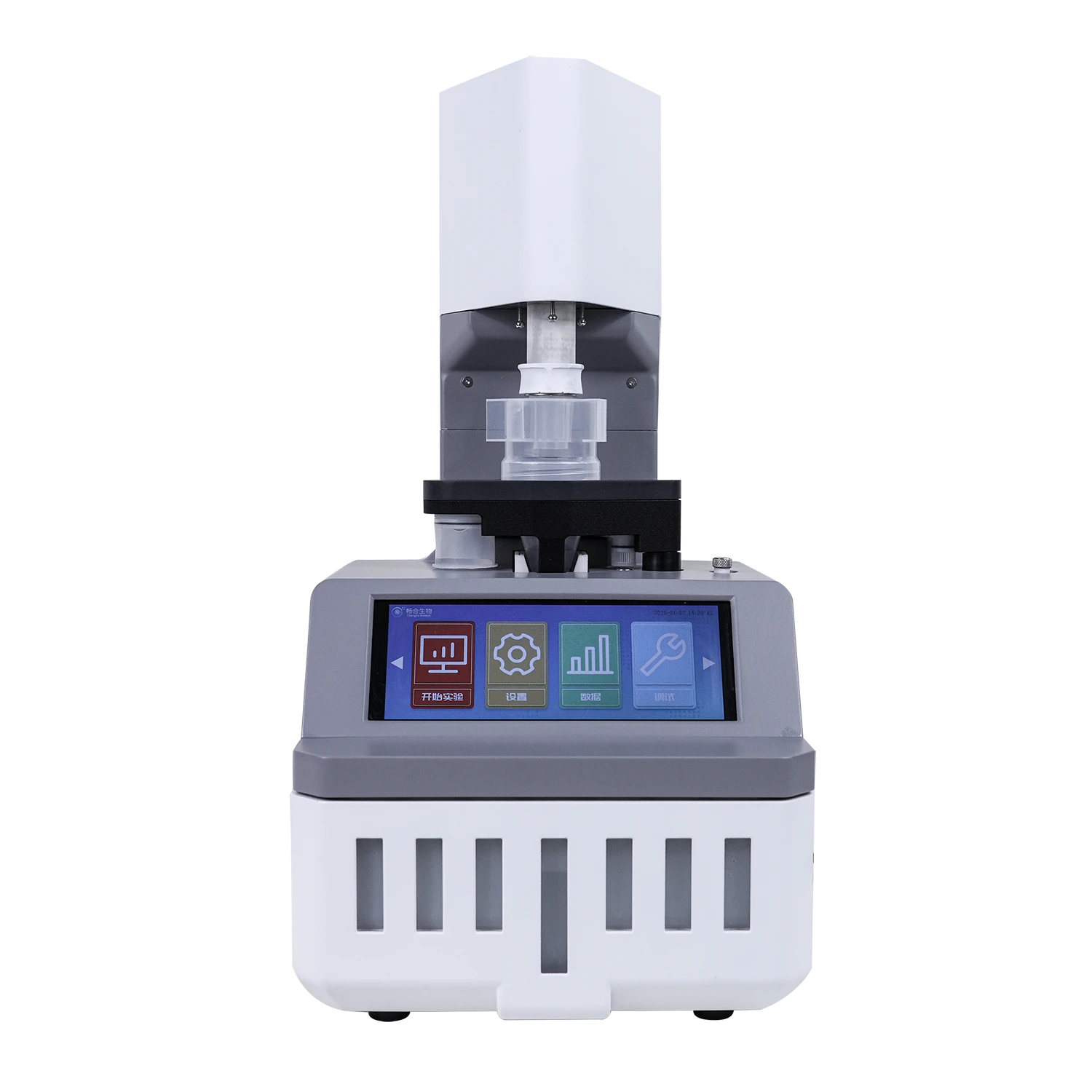

Detectores de Mofo Aéreo: Reliable Mold Air Sampling for Industry
Detectores de Mofo Aéreo: How to Spot Unseen Threats in Industrial Airspaces
Having spent more than a decade tinkering around in industrial environments—factories, warehouses, even some indoor agricultural setups—I’ve come to appreciate just how sneaky mold spores can be. These tiny fungal hitchhikers are invisible to the naked eye, yet they wreak havoc on equipment, stored materials, and worker health alike. So when I first came across a solid detector de mofo aéreo, I was genuinely curious about how well these devices truly perform in the field.
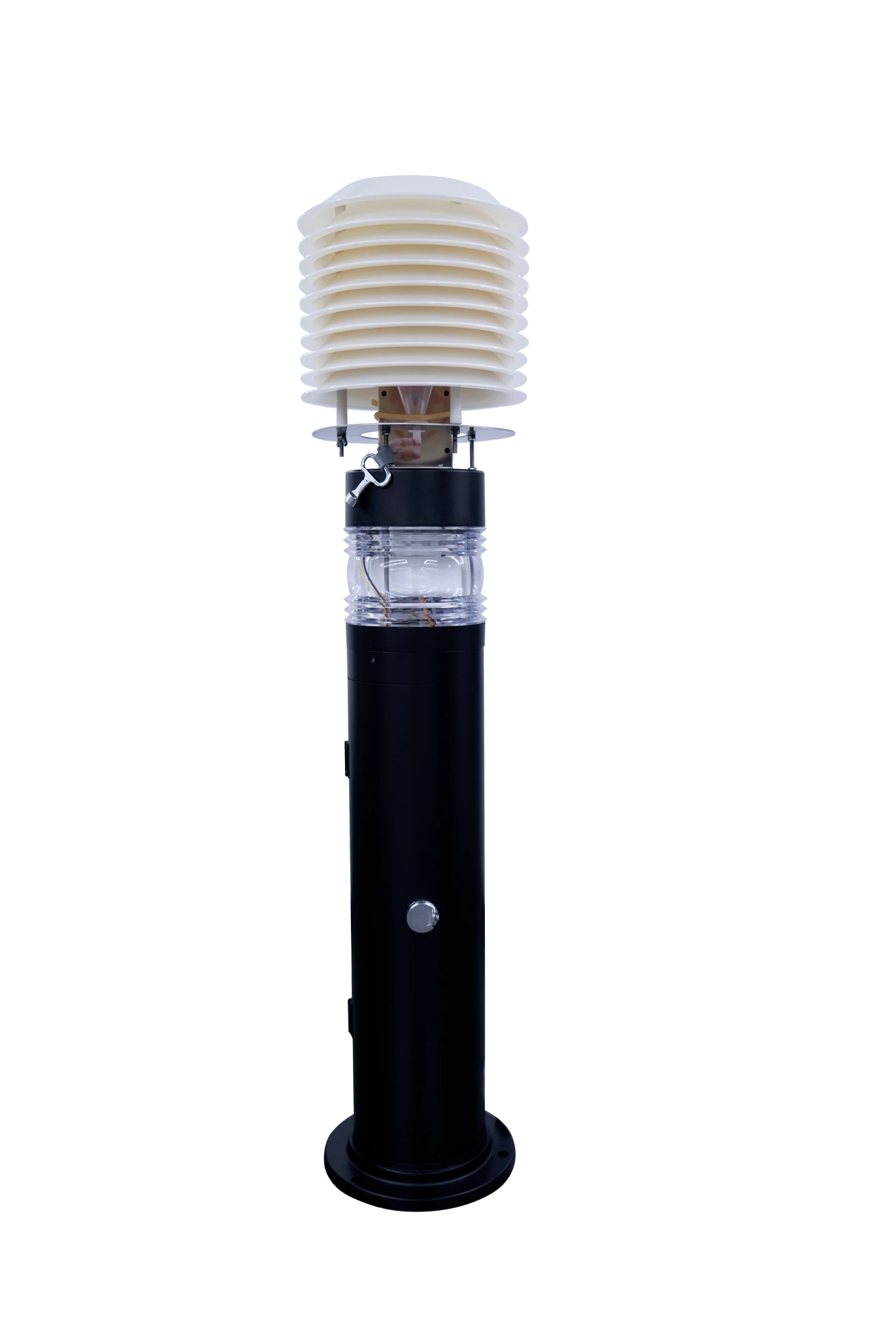
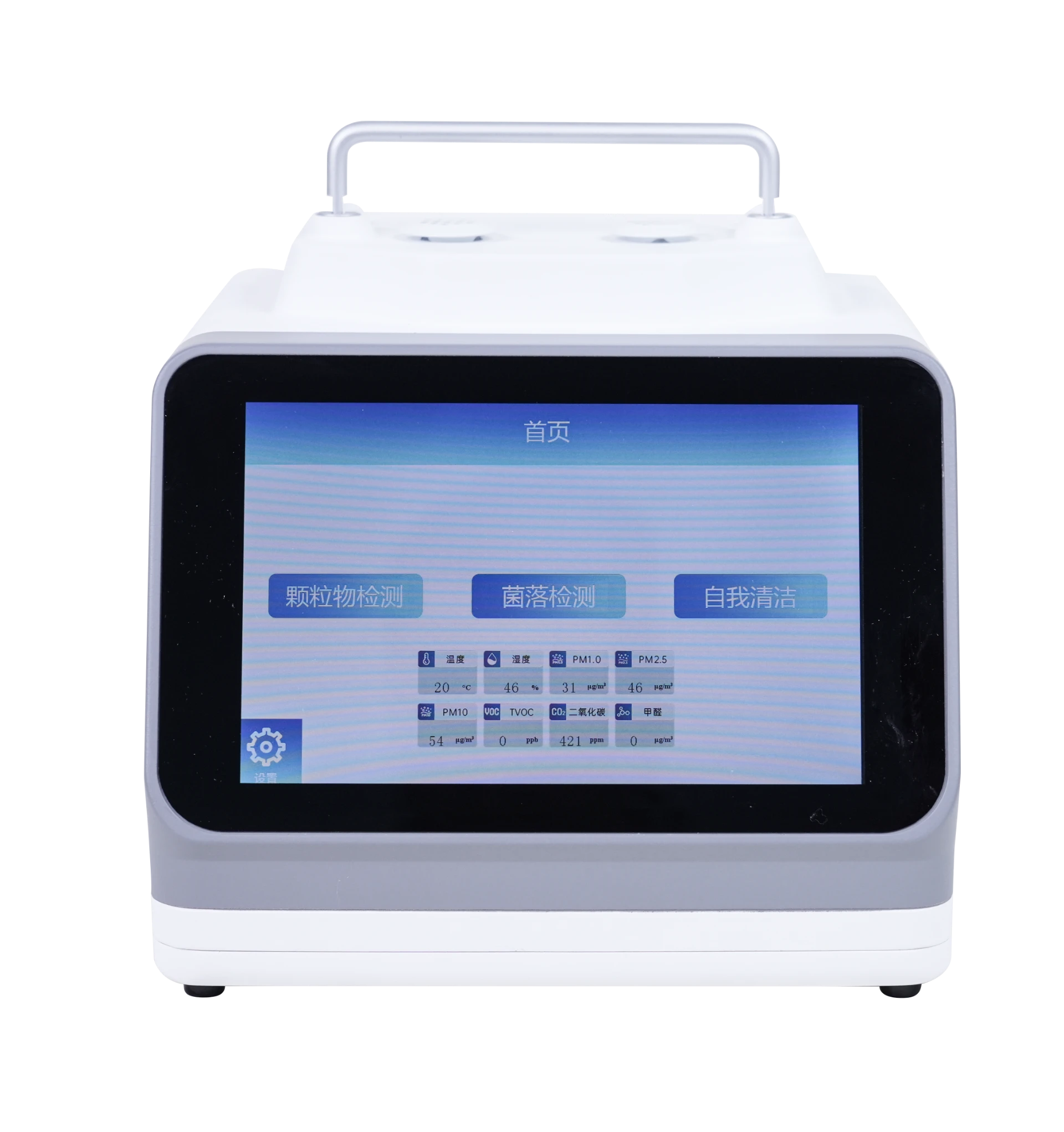
“Detectores de mofo aéreo,” or airborne mold detectors, form an indispensable part of industrial hygiene monitoring programs—especially in sectors like food processing, pharmaceuticals, and large-scale HVAC maintenance. The technology essentially captures, counts, and sometimes identifies mold spores floating in the air. Given the right setup, you can predict contamination risks before visible damage appears.
Oddly enough, many people underestimate the complexity behind these devices. They’re not just simple “mold meters.” In real terms, effective mold detection depends on various factors: sampling efficiency, airflow rates, environmental conditions, and of course, the ease of operation. Having worked closely with both basic handheld units and sophisticated integrated samplers, I’ve noted that customization options are a big, often overlooked benefit.
Insights from Product Design and Testing
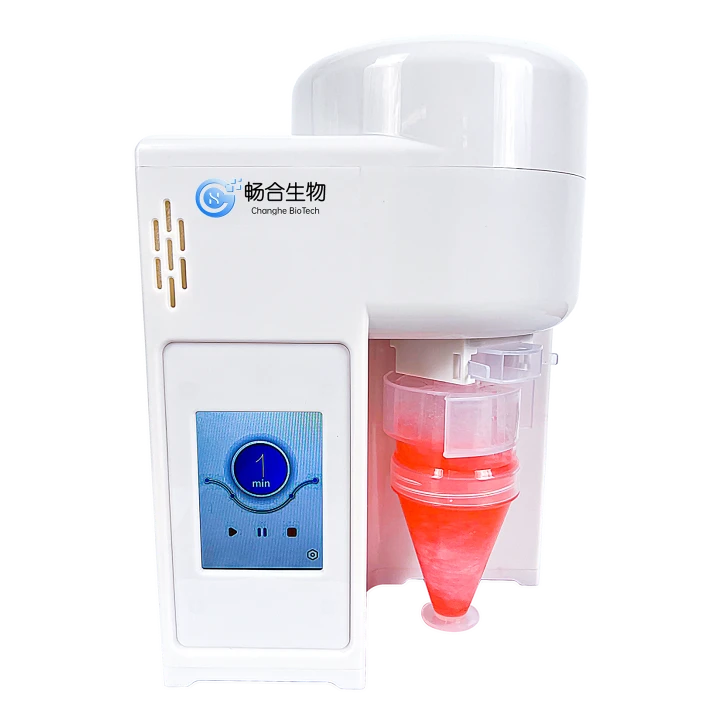
Most airborne mold detectors rely on impaction or filtration methods to snag spores—think of it like catching bugs mid-flight with a sticky net or funnel. Some modern designs incorporate bioaerosol samplers which not only capture but keep spores viable for lab analysis. That's crucial when you’re pinpointing species for remediation.
The heart of these devices often includes:
| Specification | Typical Range/Value | Notes |
|---|---|---|
| Airflow Rate | 10 - 100 L/min | Depends on model and sampler type |
| Sampling Duration | 5 - 30 minutes | Adjustable; longer for low-spore environments |
| Detection Limit | 1 CFU/m³ or lower | Colony Forming Units per cubic meter |
| Power Source | Rechargeable battery or mains | Portability influences site coverage |
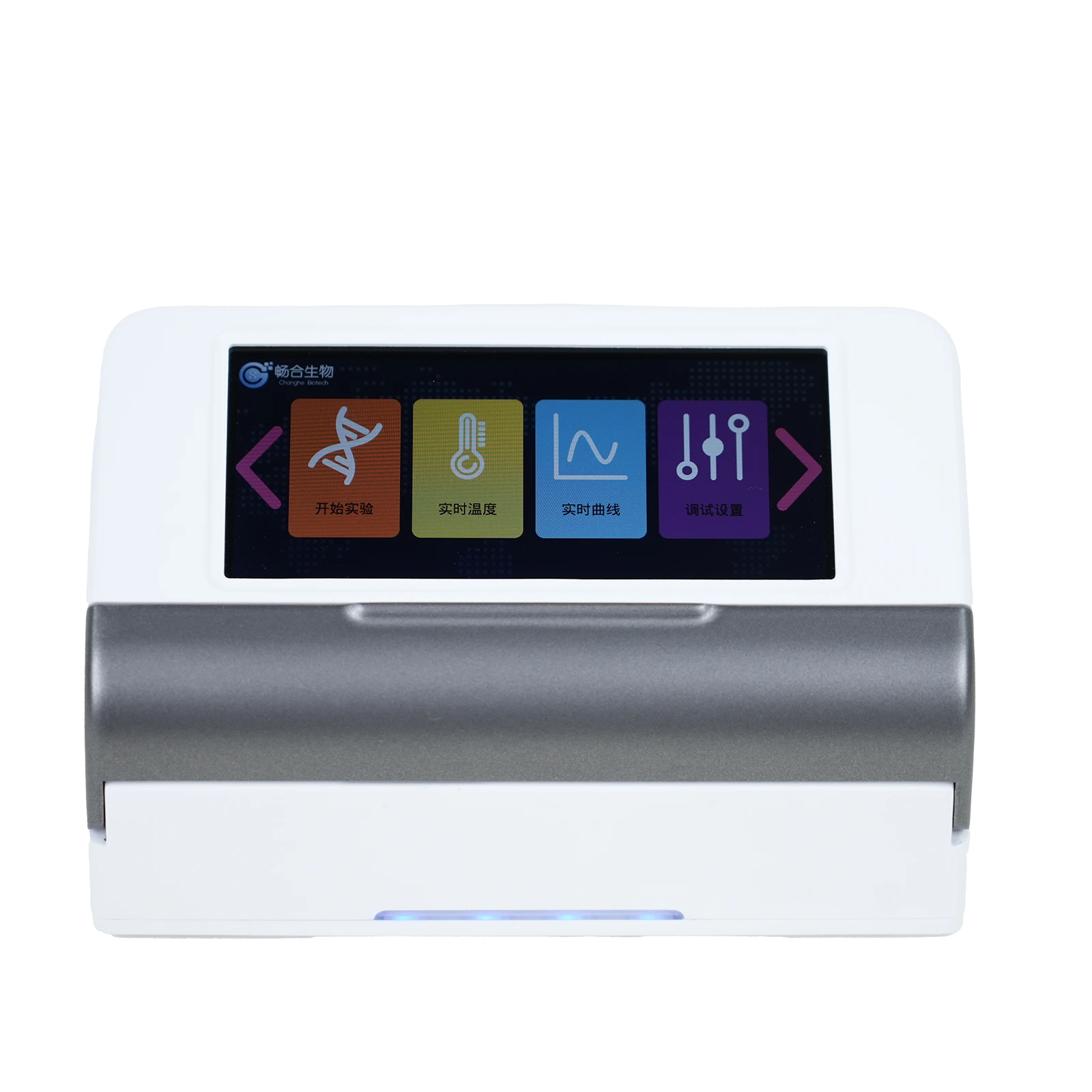
| Data Output | Digital counts, some with species ID | Connectivity varies (USB, Bluetooth) |
What stood out to me over the years is how important it is to match the right detector to the job. For example, when my team was handling a controlled environment in a pharmaceutical plant—where even trace fungi could shut down production—we chose devices with high sampling rates and advanced bioaerosol identification capabilities.
Comparing Leading Vendors
Choosing the right detector de mofo aéreo is not just a matter of specs. Customer support, calibration service, and ease of device maintenance play big roles too. Here's a quick vendor comparison table I threw together based on my experience and feedback from industry peers:
| Vendor | Sampling Efficiency | Ease of Use | Customer Support | Cost Range |
|---|---|---|---|---|
| BioAerosolSampler Co. | Excellent (95%+) | User-friendly touchscreen | Highly responsive, onsite calibration | $$$ |
| MoldDetect Systems | Good (80%-90%) | Basic interface, some training needed | Standard online support | $$ |
| AirMyco Instruments | Fair (75%-85%) | Advanced features but steep learning curve | Limited support outside US | $ |
In my experience, BioAerosolSampler Co. often edges ahead for big industrial clients who need robust reliability, though that $ price tag is something to keep in mind. MoldDetect Systems strikes a solid balance for smaller firms or those on a budget who still want effective detection.
I recall a client in a large brewery who used these mold detectors after a sudden spike in product contamination. Within just a few days of targeted airborne sampling, we located a hidden ventilation duct clogged with damp debris—breeding ground for spores—and prevented a potential shutdown. Moments like that, you realize these detectors are more than gadgets; they’re early warning champions.
Why It Matters
Frankly, airborne mold detection is one of those areas where a stitch in time saves more than nine. Mold growth in industrial spaces can cause costly downtime, damage sensitive machinery, and even lead to health claims if workers suffer respiratory issues. So investing in the right detector de mofo aéreo isn’t just about tech specs—it’s about protecting assets and people.
From my vantage point, the future likely holds more integration of data analytics and IoT connectivity for real-time monitoring—maybe even some AI to predict outbreaks before spores multiply. Until then, choosing reliable mold detection hardware and knowing how to read its output remain essential skills for any quality control or facility manager.
In summary: whether you’re new to airborne mold detection or looking to upgrade your tools, lean on devices with proven sampling efficiency and solid service. Because, as I’ve learned firsthand, catching those invisible spores early makes all the difference.
References:
1. Environmental Protection Agency (EPA) Mold Sampling Guidelines,
2. Industrial Hygiene Manual, 4th Edition, AIHA,
3. User manuals and field reports from BioAerosolSampler Co. and industry peers.
-
Understanding pcr testes transgênicos for Agricultural PurityNewsApr.16,2026
-
Understanding Febre do Cão PCR for Precision Veterinary DiagnosticsNewsApr.09,2026
-
Understanding Respiração PCR and Grupo Cat for Advanced Bioaerosol Sampling TechniquesNewsApr.07,2026
-
IDEXX Feline Respiratory PCR Panel A Comprehensive Guide for VeterinariansNewsApr.04,2026
-
Understanding Grupo de Gatos URD PCR and Bioaerosol Sampling for Air Quality ControlNewsMar.28,2026
-
Understanding the Feline Respiratory PCR Panel Grupo de PCR Respiratório do GatoNewsMar.26,2026