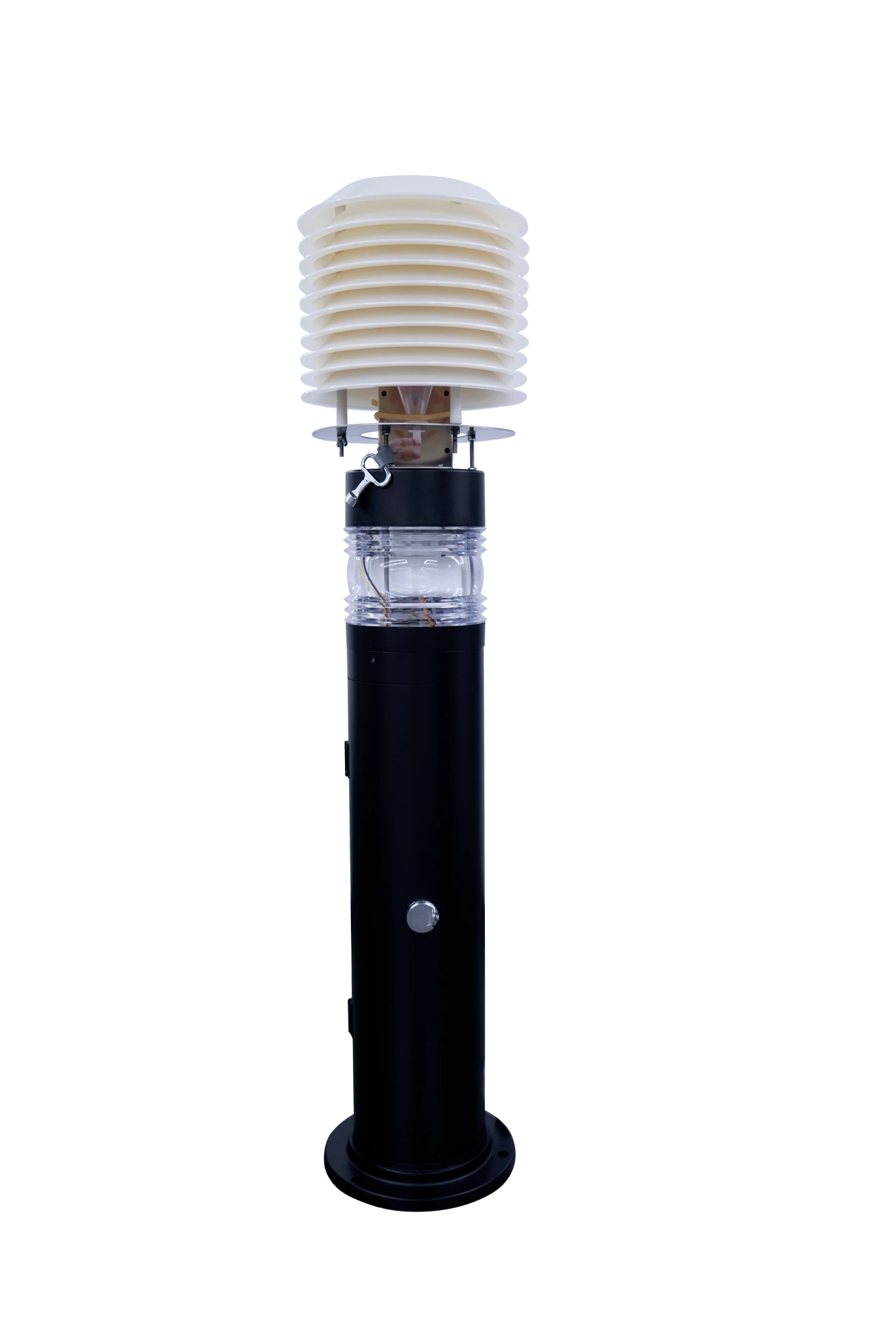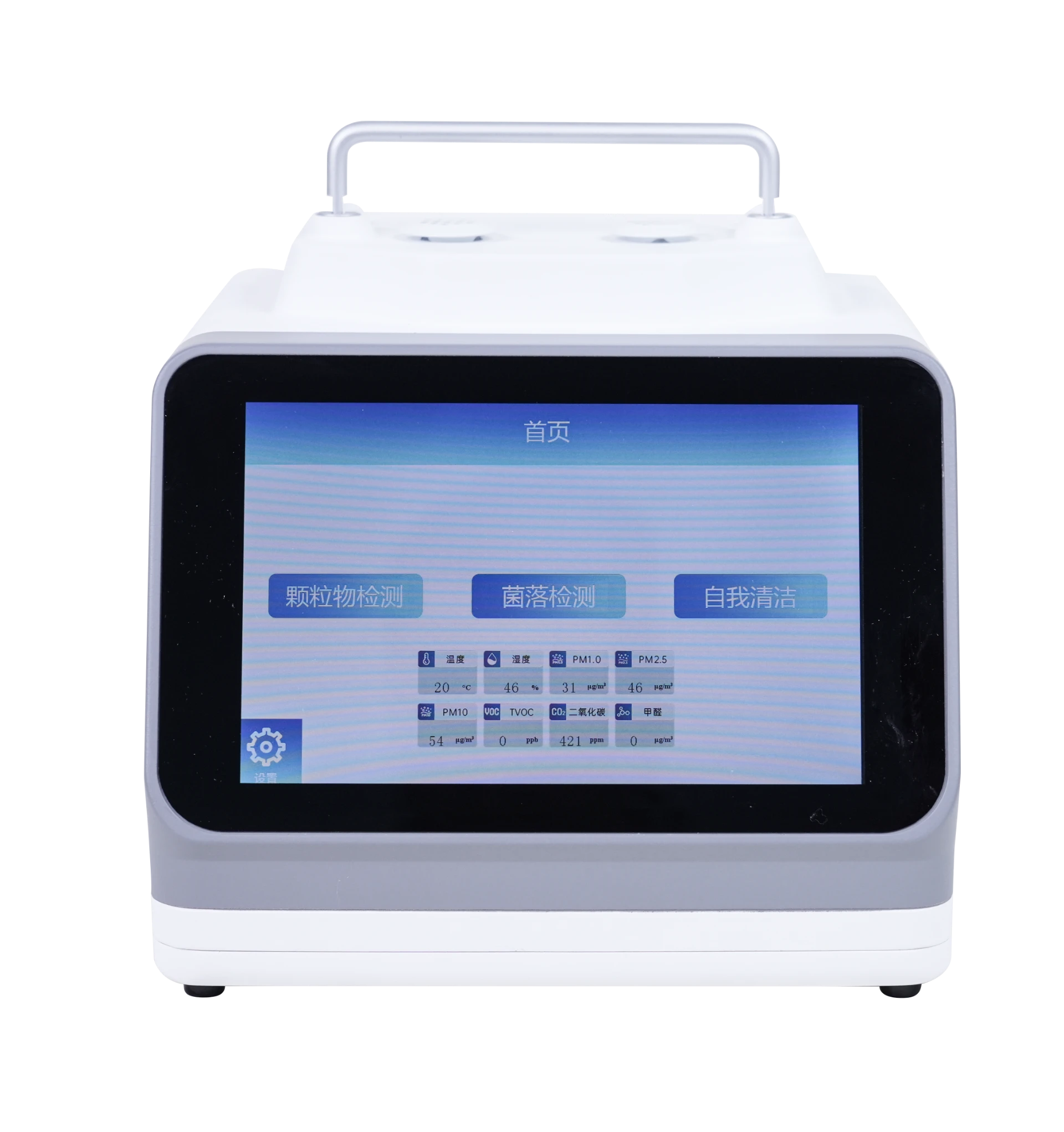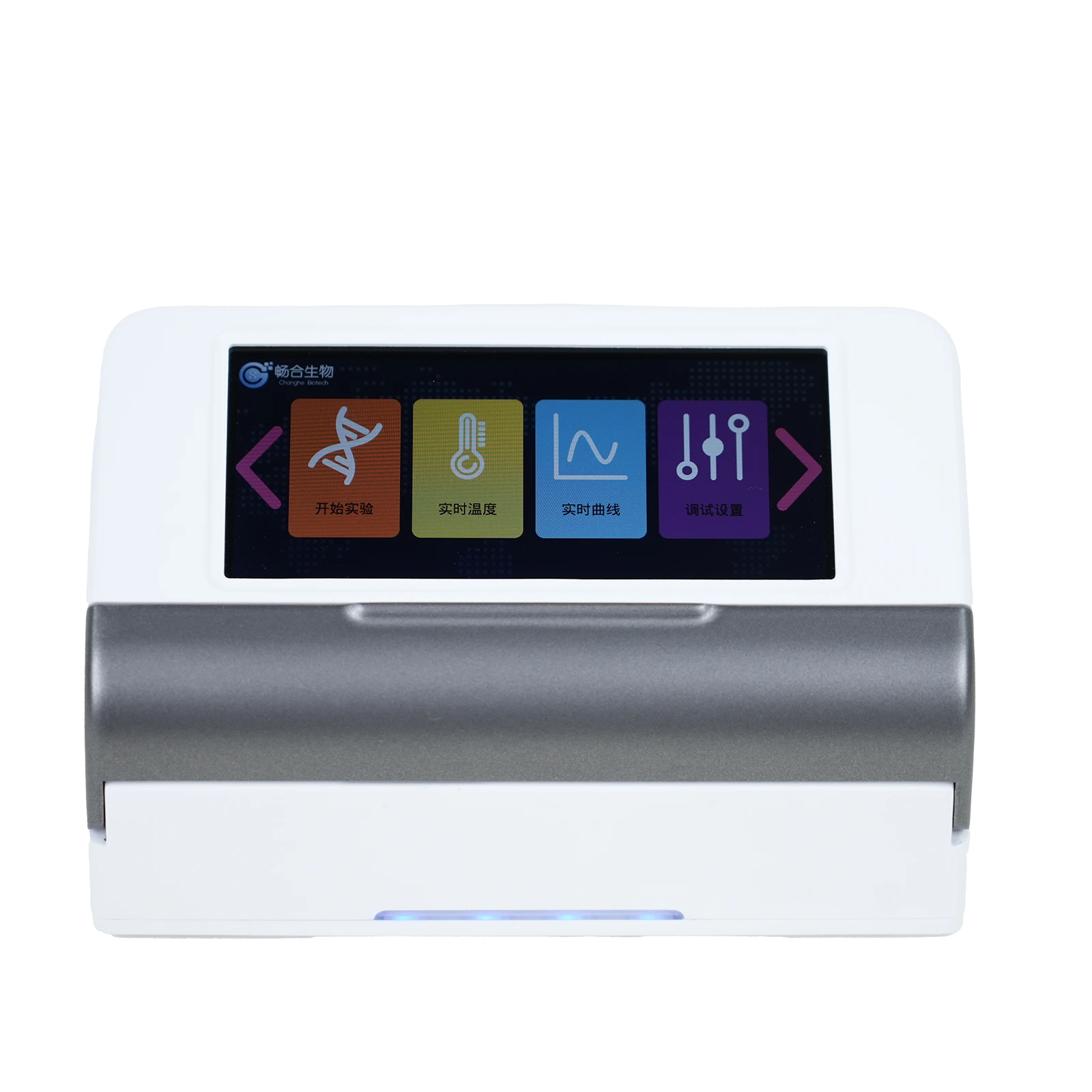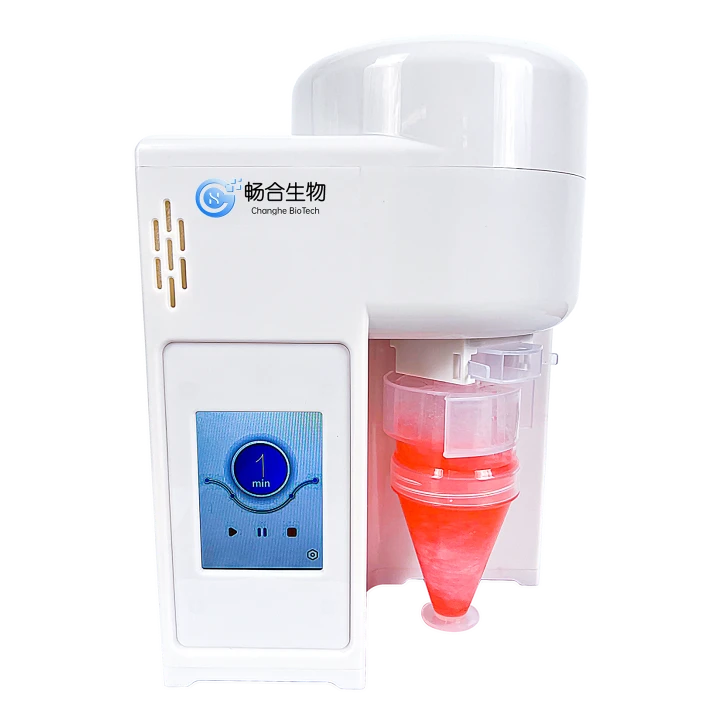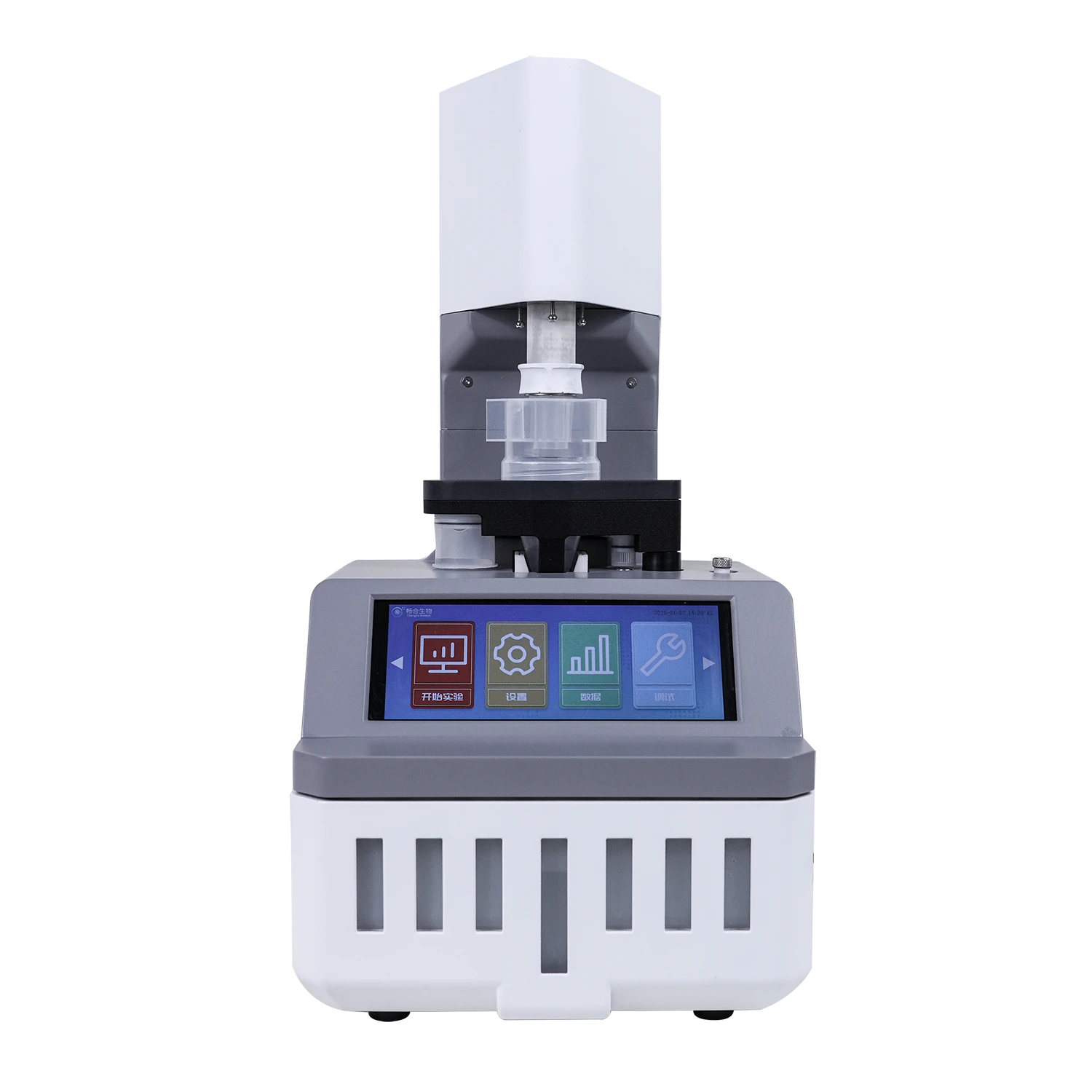

High-Efficiency Bioaerosol Sampler for Accurate Biological Air Monitoring
Industry Trends in Bioaerosol Monitoring
The global focus on public health, environmental safety, and industrial hygiene has significantly elevated the importance of accurate bioaerosol monitoring. Bioaerosols, defined as airborne particles of biological origin, encompass a wide array of microorganisms such as bacteria, viruses, fungi, and pollen, along with their fragments and toxins. These airborne contaminants pose substantial risks in various settings, from healthcare facilities and pharmaceutical cleanrooms to agricultural environments and urban air quality monitoring stations. The demand for advanced detection and quantification technologies, particularly the bioaerosol sampler, is driven by an increasing awareness of airborne disease transmission, stricter regulatory compliance, and the need for proactive contamination control strategies. Emerging trends include the integration of real-time monitoring capabilities, enhanced selectivity for specific pathogens, and miniaturization for portable applications. Furthermore, the advent of IoT and AI in environmental monitoring systems allows for more sophisticated data analysis and predictive modeling, enabling rapid response to biohazard threats. This evolution underscores the critical role of precise and reliable biological samplers in safeguarding human health and maintaining operational integrity.
Recent market analysis indicates a compound annual growth rate (CAGR) of over 6% for the bioaerosol monitoring market, projected to reach multi-billion dollar valuations by the end of the decade. This growth is primarily fueled by healthcare expenditure increases, biodefense initiatives, and heightened concerns over indoor air quality. The development of advanced biological samplers with improved collection efficiency and viability preservation is paramount to addressing these challenges effectively. Innovations in collection media and methodologies, such as impaction, impingement, and filtration, continue to refine the performance of modern samplers, ensuring the capture of viable microorganisms for subsequent laboratory analysis, thus closing the loop on comprehensive biohazard assessment.
The Bioaerosol Sampler: Core Technology and Design Principles
A bioaerosol sampler is a sophisticated instrument designed to collect airborne biological particles from a given environment for subsequent analysis. The fundamental principle revolves around drawing air through a collection medium where biological particles are captured. This process typically involves one of several mechanisms: impaction, impingement, or filtration. Impaction samplers use a high-velocity air jet to direct particles onto a solid agar surface, while impingement samplers collect particles in a liquid medium. Filtration samplers pass air through a filter membrane, trapping particles on its surface. Each method is optimized for specific applications and particle characteristics, impacting collection efficiency and the viability of captured microorganisms. Key design considerations include particle size selectivity, flow rate accuracy, collection efficiency (often expressed as physical and biological efficiency), and the ability to minimize particle bounce or re-aerosolization.
Modern bioaerosol samplers incorporate advanced aerodynamic designs to ensure laminar flow and uniform particle deposition, crucial for accurate microbial counts. Materials of construction are carefully selected for inertness and sterilization compatibility, often utilizing autoclavable stainless steel or high-grade polymers to prevent cross-contamination. Integrated vacuum pumps, precise flow controllers, and programmable sampling durations enhance operational flexibility and reproducibility. Furthermore, some cutting-edge designs feature multi-stage collection capabilities, allowing for the differentiation of particles based on aerodynamic diameter, which is vital for understanding the respiratory deposition of airborne pathogens. The reliability and precision of these devices are paramount for maintaining sterile environments in biopharmaceutical manufacturing, ensuring public health in critical infrastructure, and supporting epidemiological studies.
Manufacturing Process Flow of Advanced Bioaerosol Samplers
The manufacturing of a high-performance bioaerosol sampler involves a multi-stage process, meticulously controlled to ensure precision, durability, and compliance with stringent industry standards. Each stage, from raw material selection to final calibration, is critical to the product's overall reliability and performance:
Step 1: Material Sourcing & Preparation
High-grade stainless steel (e.g., AISI 316L for corrosion resistance and ease of sterilization), medical-grade plastics (e.g., Polycarbonate, PEEK) and specialized alloys are sourced from certified suppliers. These materials are selected for their inertness, mechanical strength, and ability to withstand repeated sterilization cycles (autoclave, UV-C). Initial inspection ensures adherence to material composition and purity standards, crucial for environmental monitoring devices. These materials are chosen for their superior corrosion resistance, critical in environments like petrochemical and water supply & drainage industries where aggressive chemicals or moisture are present.
Step 2: Precision Machining (CNC & Forging)
Critical components, such as impaction heads, nozzles, and collection plates, undergo advanced CNC machining to achieve micron-level tolerances. This precision is vital for maintaining consistent air flow dynamics and ensuring accurate particle collection. Forged components, where applicable, enhance material density and structural integrity, particularly for parts requiring exceptional mechanical resilience and extended service life. This reduces the likelihood of material fatigue and extends the operational lifespan, offering significant energy saving through reduced maintenance and replacement cycles.
Step 3: Surface Treatment & Finishing
Surfaces are meticulously polished, passivated, or electropolished to minimize microbial adhesion, improve corrosion resistance, and facilitate thorough cleaning. This step is critical for devices used in industries like pharmaceuticals and food processing, where hygiene is paramount. A smooth, inert surface ensures the integrity of collected samples and prevents cross-contamination, contributing to a longer service life of up to 10-15 years under typical operating conditions.
Step 4: Assembly & Integration
Skilled technicians assemble the mechanical components, integrating critical electronic subsystems such as vacuum pumps, flow sensors, microcontrollers, and user interfaces. Wiring and circuit board installation are performed under controlled conditions to prevent static discharge and ensure reliable operation. Each sub-assembly undergoes initial functional testing.
Step 5: Calibration & Performance Testing
Each completed bioaerosol sampler undergoes extensive calibration and performance testing. This includes flow rate accuracy calibration, particle collection efficiency validation, and environmental stability tests. Testing standards strictly adhere to international norms such as ISO 14698 (Cleanrooms and associated controlled environments – Biocontamination control) and relevant ANSI/ASHRAE standards. Test results are meticulously documented, ensuring traceability and compliance.
Step 6: Quality Assurance & Certification
A final comprehensive quality assurance inspection verifies all aspects of the product, from cosmetic appearance to functional performance. Products are certified with CE, FDA (where applicable), and other regional certifications, affirming their suitability for target industries including petrochemical, metallurgy, pharmaceuticals, food & beverage, water supply & drainage, and environmental monitoring. The robust design and manufacturing ensure unparalleled corrosion resistance, particularly vital in chemical-laden or high-humidity environments.
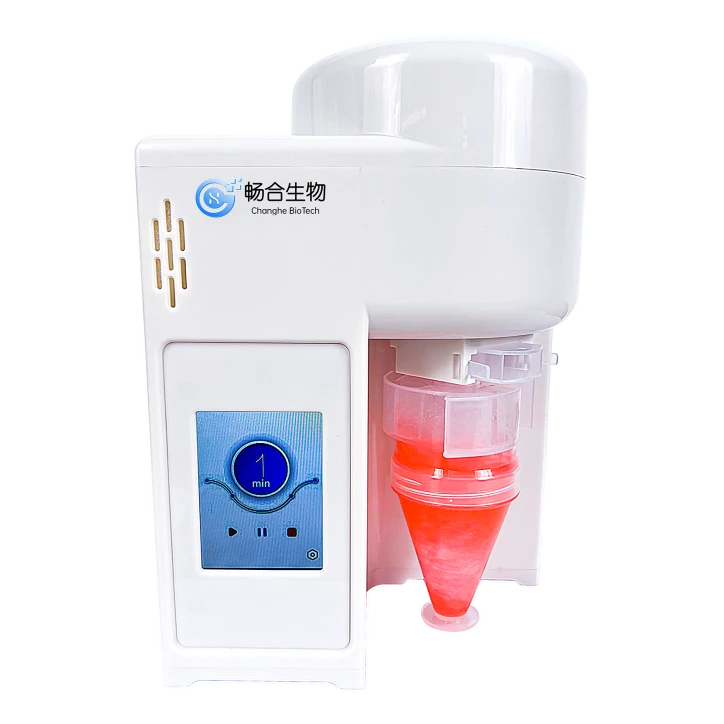
This rigorous manufacturing approach ensures that each biological sampler delivers consistent, reliable performance in the most demanding applications, contributing to enhanced safety and compliance across various sectors.
Technical Specifications and Parameters
The efficacy of a bioaerosol sampler is defined by its precise technical specifications, which dictate its suitability for particular monitoring tasks. Below is a representative table outlining key parameters for a leading-edge biological sampler:
Bioaerosol Sampler - Key Technical Specifications
Understanding these parameters is crucial for selecting the appropriate biological sampler for specific applications, ensuring that the instrument meets the necessary regulatory and operational demands. Precision in these specifications directly translates to the reliability of monitoring data, supporting critical decision-making processes.
Application Scenarios Across Diverse Industries
The versatility of a bioaerosol sampler allows its deployment across a broad spectrum of industries where monitoring airborne biological contaminants is critical for safety, quality control, and regulatory compliance. The "biological sampler the cycle" refers to the continuous process of monitoring, analysis, and corrective action, which is fundamental in these sectors.
- Pharmaceutical & Biotechnology: Essential for maintaining ISO 14644 (Cleanroom Standards) and cGMP compliance. Samplers ensure sterile environments for drug manufacturing, vaccine production, and cell culture, preventing product contamination.
- Healthcare & Hospitals: Used in operating theaters, isolation wards, and critical care units to monitor airborne pathogens, contributing to infection control and patient safety. Crucial for detecting the spread of hospital-acquired infections (HAIs).
- Food & Beverage: Safeguarding against microbial spoilage and pathogen contamination in processing, packaging, and storage areas. Prevents product recalls and ensures consumer safety.
- Environmental Monitoring & Public Health: Deployed in urban areas, agricultural zones, and wastewater treatment plants to assess ambient air quality, detect biological warfare agents, and monitor allergen levels like pollen or mold spores. An effective bacteria sampler is vital here.
- Petrochemical Industry: While seemingly non-biological, this sector often involves large-scale cooling towers and bioremediation processes that can generate bioaerosols, including Legionella. Monitoring is critical for worker health and regulatory compliance.
- Metallurgy & Heavy Industry: Processes can release particulate matter that may harbor microorganisms, particularly in areas with water cooling or humid conditions. Bioaerosol samplers help identify potential biohazard risks to workers.
- Water Supply & Drainage: Facilities handling water are prone to microbial growth. Samplers monitor airborne microorganisms, especially near aeration basins or wastewater treatment processes, protecting workers and surrounding communities.
- Biodefense & Homeland Security: Rapid detection of airborne biological threats, such as anthrax spores or other pathogens, is critical for national security and emergency response.
In each of these scenarios, the ability of a biological sampler to accurately capture viable and non-viable particles is paramount. The data gathered informs risk assessments, drives corrective actions, and ensures adherence to health and safety protocols.
Key Technical Advantages
Our advanced bioaerosol sampler stands out due to several key technical advantages, engineered to meet the rigorous demands of B2B applications:
- Superior Collection Efficiency: Optimized aerodynamic design ensures maximum capture of viable particles across a broad size range, minimizing sample loss and improving the accuracy of microbial counts. This is critical for reliable data in sensitive environments.
- Preservation of Viability: Gentle impaction or impingement mechanisms prevent cellular damage, ensuring that collected microorganisms remain viable for subsequent culturing and identification, which is essential for comprehensive analysis.
- Robust & Corrosion-Resistant Construction: Fabricated from 316L stainless steel and medical-grade polymers, our samplers offer exceptional durability and corrosion resistance. This extends the service life in harsh industrial environments, such as those with high humidity or chemical exposure, including petrochemical and water treatment facilities.
- High Precision Flow Control: Integrated mass flow controllers maintain a constant, accurate sampling rate regardless of pressure fluctuations, guaranteeing reproducible results and compliance with international standards like ISO 14698.
- User-Friendly Interface & Automation: Intuitive touchscreen controls and programmable sampling protocols reduce operational complexity, minimizing human error and allowing for automated, unattended monitoring over extended periods, optimizing energy consumption.
- Data Integrity & Connectivity: Equipped with extensive internal data logging, timestamping, and USB/Ethernet connectivity, ensuring an immutable audit trail for regulatory compliance (e.g., FDA 21 CFR Part 11) and seamless integration with existing LIMS (Laboratory Information Management Systems).
- Modular & Sterilizable Design: Components are designed for easy disassembly, cleaning, and sterilization (autoclavable), facilitating rapid turnaround times between samples and minimizing the risk of cross-contamination.
These advantages collectively contribute to a superior total cost of ownership, reduced operational burden, and unparalleled data quality, making our biological sampler an indispensable tool for critical bioaerosol monitoring applications.
Vendor Comparison: Choosing the Right Bioaerosol Sampler
Selecting the optimal bioaerosol sampler requires a thorough evaluation of various vendors and their offerings. While many manufacturers provide solutions, key differentiators often lie in specific technical features, support, and overall value. The table below compares our offerings against common industry benchmarks:
Comparative Analysis of Bioaerosol Sampler Vendors
Our commitment to using premium materials, superior engineering, and comprehensive post-sales support positions our biological samplers as a leading choice for critical applications. This detailed comparison highlights not just technical superiority but also long-term reliability and compliance assurance.
Tailored Solutions and Customization
Recognizing that diverse industries and specific operational environments often require unique monitoring solutions, we offer extensive customization options for our bioaerosol sampler range. Our engineering team works in close collaboration with clients to understand their precise requirements, ensuring that the deployed biological sampler is perfectly aligned with their technical and regulatory needs.
Customization can encompass several areas:
- Application-Specific Impaction Heads: Development of impaction heads optimized for unique particle size ranges or specific collection media, enhancing selectivity for target microorganisms (e.g., a dedicated bacteria sampler with modified flow characteristics).
- Environmental Hardening: Tailoring material specifications or adding protective casings for deployment in extreme conditions, such as high humidity, corrosive atmospheres (relevant for petrochemical and metallurgy), or explosive zones (ATEX compliance).
- Integrated Monitoring Systems: Seamless integration with existing Building Management Systems (BMS), SCADA, or Environmental Monitoring Systems (EMS) through custom communication protocols (e.g., Modbus, OPC UA) for centralized control and data acquisition.
- Software and Firmware Modifications: Custom user interfaces, specialized data analysis algorithms, or unique alarm thresholds to suit specific operational procedures and reporting requirements.
- Portable vs. Fixed Installations: Designing ergonomic portable units for mobile monitoring or robust fixed-point systems for continuous, long-term surveillance in critical areas.
Our expertise in engineering and microbiology allows us to provide comprehensive consultations, from initial concept to final deployment, ensuring that the customized solution delivers optimal performance and compliance for even the most challenging bioaerosol monitoring scenarios.
Real-World Application Case Studies
Our bioaerosol sampler solutions have been successfully deployed in numerous critical applications, demonstrating tangible benefits for our clients:
Case Study 1: Pharmaceutical Cleanroom Monitoring
- Client: A leading global pharmaceutical manufacturer.
- Challenge: Ensuring continuous compliance with ISO 14644 and cGMP in Grade A/B cleanrooms during aseptic filling operations, requiring highly accurate and reliable biological samplers with minimal human intervention.
- Solution: Deployment of a network of our automated bioaerosol samplers, integrated with the client's existing EMS. Customizable programming allowed for unattended sequential sampling, reducing personnel exposure and contamination risk.
- Result: The client achieved enhanced data integrity with consistent microbial counts, reduced false positives, and significantly improved operational efficiency by automating the sampling process. This led to fewer batch rejections and streamlined regulatory audits, demonstrating the robustness of the biological sampler in a demanding environment.
Case Study 2: Water Treatment Plant Biohazard Assessment
- Client: A major municipal water utility managing a large wastewater treatment facility.
- Challenge: Identifying and quantifying airborne bacterial and fungal populations, particularly around aeration basins, to assess occupational health risks for employees and potential community exposure. Existing methods were sporadic and lacked real-time insight.
- Solution: Installation of several corrosion-resistant biological samplers at strategic points across the facility. The devices were equipped with specialized impaction plates designed for high viability capture of common waterborne microorganisms. Data was logged continuously and accessible remotely.
- Result: The utility gained unprecedented insight into bioaerosol distribution and fluctuation, identifying peak exposure times and informing targeted PPE use. The detailed data enabled the implementation of optimized ventilation and hygiene protocols, substantially improving worker safety and community relations, proving the efficiency of the bacteria sampler in preventing health risks.
Case Study 3: Indoor Air Quality in Commercial Buildings
- Client: A large corporate campus experiencing recurring issues with "sick building syndrome" and employee complaints related to air quality.
- Challenge: Pinpointing the source and nature of airborne biological contaminants (mold spores, bacteria, allergens) contributing to health issues across multiple buildings, often linked to HVAC systems.
- Solution: A comprehensive indoor air quality assessment utilizing portable bioaerosol samplers deployed at various locations and times. The samplers' ability to collect viable organisms allowed for detailed fungal and bacterial identification.
- Result: The data revealed elevated levels of specific mold spores linked to localized moisture intrusion and HVAC system deficiencies. This allowed the facility management to implement targeted remediation, including duct cleaning and moisture control, leading to a significant reduction in employee health complaints and an improvement in overall indoor air quality.
Frequently Asked Questions (FAQ)
Q: What is the primary difference between an active and passive biological sampler?
A: An active biological sampler (like our bioaerosol sampler) actively draws a measured volume of air through a collection medium (e.g., agar plate, liquid, filter) at a controlled flow rate. Passive samplers, such as settle plates, rely on gravitational deposition of particles onto a surface over time, offering less quantitative data and are typically used for qualitative or semi-quantitative assessments.
Q: How often should a bioaerosol sampler be calibrated?
A: For critical applications, it is recommended that the flow rate of a bioaerosol sampler be calibrated annually by an accredited laboratory, or more frequently if specified by regulatory guidelines or internal quality procedures. Calibration ensures the accuracy and reproducibility of sampling volumes, which directly impacts the validity of microbial concentration results.
Q: Can your samplers be used for both viable and non-viable particle collection?
A: Our bioaerosol samplers are primarily designed for viable particle collection (i.e., collecting living microorganisms that can be cultured). While they will physically capture non-viable particles, specific analysis for non-viable components often requires dedicated particle counters or separate sampling methods. Our designs are optimized to maintain the integrity and viability of captured organisms.
Q: Are your biological samplers compatible with different types of culture media?
A: Yes, our impaction-based biological samplers are designed to be compatible with standard 90mm Petri dishes, allowing for the use of various selective and non-selective agar media depending on the target microorganisms (e.g., SDA for fungi, TSA for general bacteria). This flexibility makes them highly adaptable for diverse microbiological analyses.
Lead Time, Warranty, and After-Sales Support
Lead Time and Fulfillment:
We maintain an efficient manufacturing and supply chain to ensure timely delivery of our bioaerosol sampler units. Standard models typically have a lead time of 4-6 weeks from order confirmation. For customized solutions or large-volume orders, lead times will be provided on a case-by-case basis during the quotation phase, reflecting the complexity and scale of the project. Our logistics team works diligently to ensure secure and prompt global shipping, utilizing reliable carriers to minimize transit times and ensure product integrity upon arrival.
Warranty Commitments:
Every bioaerosol sampler manufactured by us comes with a comprehensive three (3) year limited warranty from the date of purchase. This warranty covers defects in materials and workmanship under normal use and service. Our commitment to quality ensures that components are rigorously tested, providing peace of mind to our clients regarding the longevity and reliability of their investment. Extended warranty options and service contracts are also available for clients requiring prolonged coverage and proactive maintenance support.
Customer Support and After-Sales Service:
Our dedication to client success extends beyond the point of sale. We provide robust after-sales support designed to maximize the uptime and performance of your biological sampler. Our services include:
- Technical Support Hotline: Access to experienced technical specialists for troubleshooting, operational guidance, and application-specific advice.
- On-Site Training & Installation: Professional services for initial setup, operational training for personnel, and best practices for sampling and maintenance.
- Preventative Maintenance Programs: Tailored service plans to ensure optimal performance, extended equipment lifespan, and compliance with regulatory calibration requirements.
- Parts & Repair Services: Availability of genuine replacement parts and efficient repair services conducted by certified technicians to minimize downtime.
- Software Updates: Regular firmware and software updates to enhance functionality, improve user experience, and ensure compatibility with evolving standards.
Our global network of authorized service partners further ensures that professional support is readily available, wherever your operations are located. We are committed to fostering long-term partnerships built on trust, reliability, and unparalleled service quality.
References
- ISO 14698-1:2003. Cleanrooms and associated controlled environments — Biocontamination control — Part 1: General principles and methods. International Organization for Standardization.
- American Society for Testing and Materials. ASTM F2158-18: Standard Guide for Characterization of a Bioaerosol Sampler.
- U.S. Environmental Protection Agency (EPA). Bioaerosol Sampling Methods: Review of Current Technologies and Applications.
- European Medicines Agency (EMA). EU Guidelines for Good Manufacturing Practice for Medicinal Products for Human and Veterinary Use, Annex 1: Manufacture of Sterile Medicinal Products.
- Macher, J. M. (1999). Bioaerosol Assessment and Control. American Conference of Governmental Industrial Hygienists (ACGIH).
-
Understanding pcr testes transgênicos for Agricultural PurityNewsApr.16,2026
-
Understanding Febre do Cão PCR for Precision Veterinary DiagnosticsNewsApr.09,2026
-
Understanding Respiração PCR and Grupo Cat for Advanced Bioaerosol Sampling TechniquesNewsApr.07,2026
-
IDEXX Feline Respiratory PCR Panel A Comprehensive Guide for VeterinariansNewsApr.04,2026
-
Understanding Grupo de Gatos URD PCR and Bioaerosol Sampling for Air Quality ControlNewsMar.28,2026
-
Understanding the Feline Respiratory PCR Panel Grupo de PCR Respiratório do GatoNewsMar.26,2026