
Micropcr Systems: A Field Guide
Jan . 25, 2026 01:55
Back to list
Micropcr Systems: A Field Guide
Understanding Micropcr Systems: A Field Perspective
You know, I’ve spent a good chunk of my career wandering around factories, research labs, even some pretty remote field sites. And increasingly, I’m running into these micropcr systems…or, more accurately, hearing about them. It used to be you needed a whole room dedicated to PCR, a full-blown molecular biology setup. Now? It’s shrinking. Rapidly. Honestly, it’s a bit astounding. The demand stems from the need for faster, more portable, and frankly, cheaper analysis, especially in things like environmental monitoring, point-of-care diagnostics, and food safety. The industry is shifting from centralized testing to distributed, real-time analysis. It's a big deal. I remember a few years back, talking to an engineer at a water treatment plant; they were still sending samples out for bacterial analysis, waiting days for results. That's changing.Micropcr: Technical Specifications and Core Components
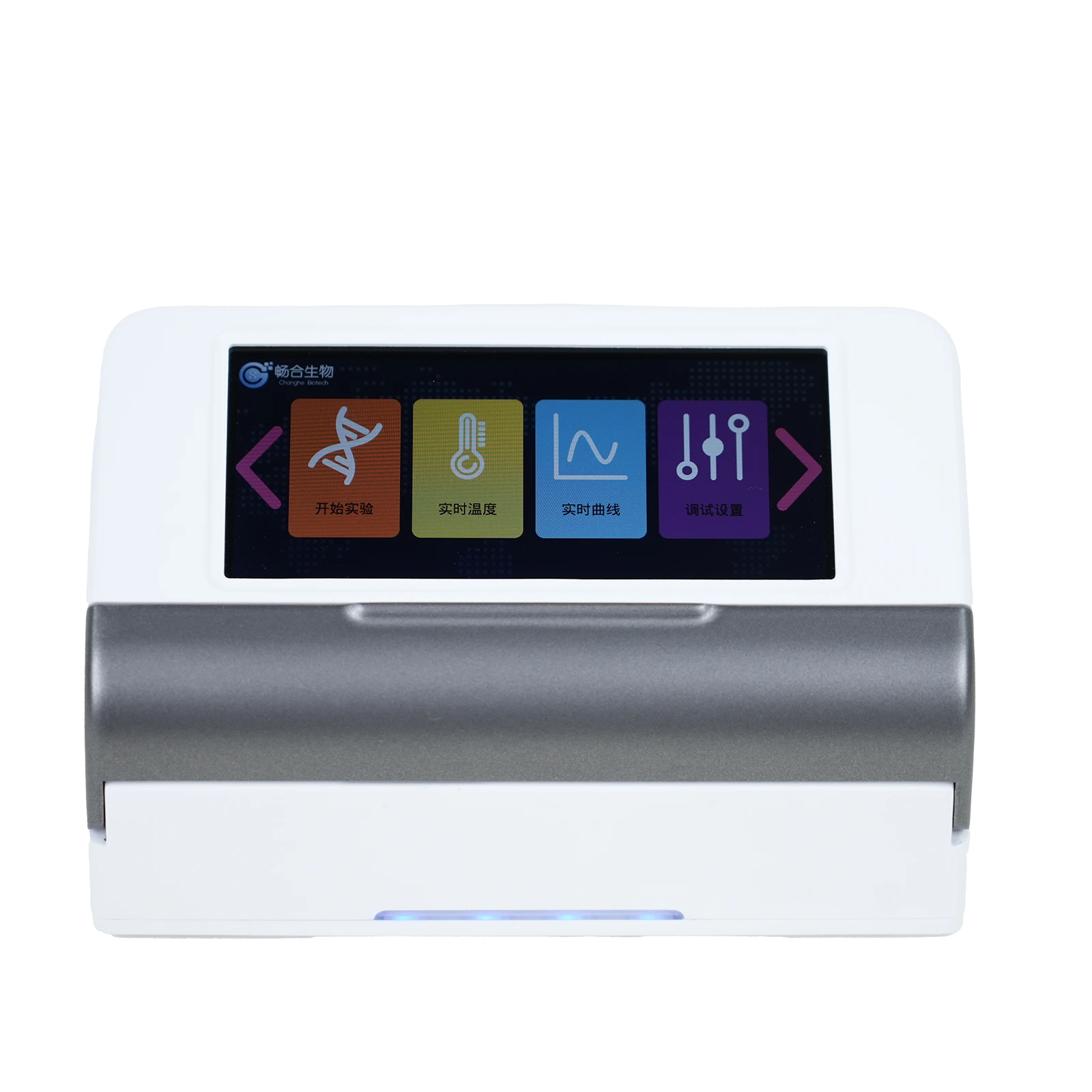
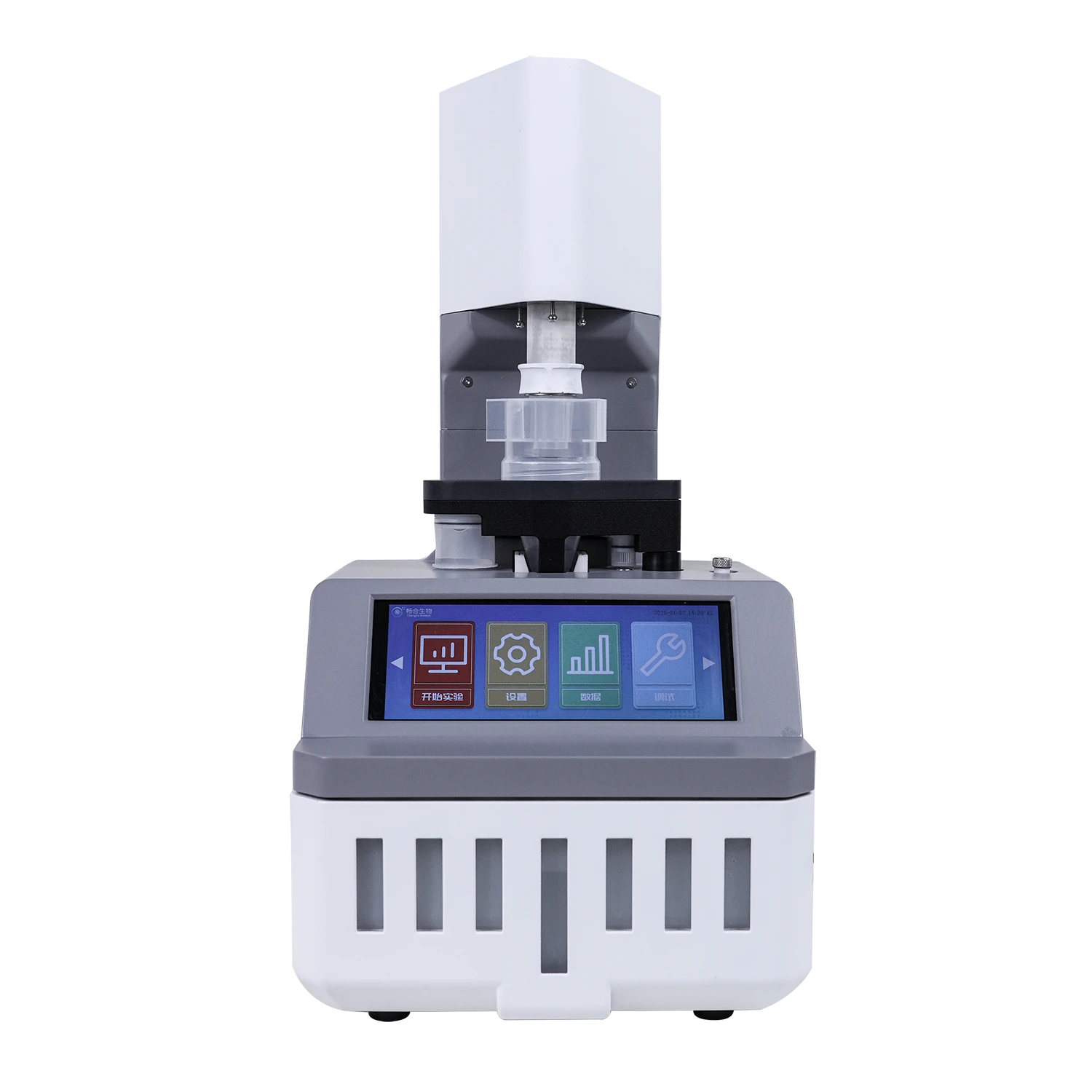
Let's get into the nitty-gritty. What is a micropcr system, at its core? It's a miniaturized polymerase chain reaction machine. Same principle as the bigger ones – amplifying DNA – but packed into a smaller footprint. The critical components are, obviously, the thermal cycler itself (the heating/cooling element), a detection system (fluorescence is common), and the microfluidic chips or consumables where the reaction happens. The materials are evolving, too. I’ve seen systems built around silicon, glass, and even polymers – each with its advantages and disadvantages. Here's a breakdown of a typical system’s specs:| Parameter | Specification | Notes |
|---|---|---|
| Reaction Volume | 1-10 µL | Typical range for microfluidic chips |
| Thermal Cycling Time | 20-60 minutes | Depends on protocol and system design |
| Detection Method | Fluorescence (SYBR Green, TaqMan) | Real-time PCR capabilities |
| Power Requirements | USB or AC Adapter | Portability is key |
Vendor Landscape & Considerations
Choosing a system isn’t simple. There's a surprisingly crowded field, and honestly, it can be tough to sort through the marketing hype. Some focus on ultra-portability, others on throughput, and still others on specific applications. I suppose it really comes down to your needs. You'll find players like Bioaerosolsampler.com, Stilla Technologies, and Cepheid – all offering different approaches. Here’s a quick (and admittedly simplified) comparison:| Vendor | Focus | Price Range (approx.) | Portability |
|---|---|---|---|
| Bioaerosolsampler.com | Airborne Pathogen Detection | $8,000 - $15,000 | High |
| Stilla Technologies | Digital PCR & Crystal Digital PCR | $20,000 - $40,000+ | Moderate |
| Cepheid | Rapid Diagnostic Systems | $10,000 - $30,000 | Moderate |
Concluding Thoughts
Micropcr is maturing quickly. It’s no longer just a lab curiosity; it's becoming a practical tool for real-world applications. The lines between research and point-of-need testing are blurring…and that’s a powerful shift.
References:
- PCR Applications in Environmental Monitoring, Environmental Science & Technology, 2022
- Miniaturized PCR Systems: A Review, Analytical Chemistry, 2021
- Personal conversations with field engineers, 2018-2023
Previous:
Latest news
-
Understanding pcr testes transgênicos for Agricultural PurityNewsApr.16,2026
-
Understanding Febre do Cão PCR for Precision Veterinary DiagnosticsNewsApr.09,2026
-
Understanding Respiração PCR and Grupo Cat for Advanced Bioaerosol Sampling TechniquesNewsApr.07,2026
-
IDEXX Feline Respiratory PCR Panel A Comprehensive Guide for VeterinariansNewsApr.04,2026
-
Understanding Grupo de Gatos URD PCR and Bioaerosol Sampling for Air Quality ControlNewsMar.28,2026
-
Understanding the Feline Respiratory PCR Panel Grupo de PCR Respiratório do GatoNewsMar.26,2026