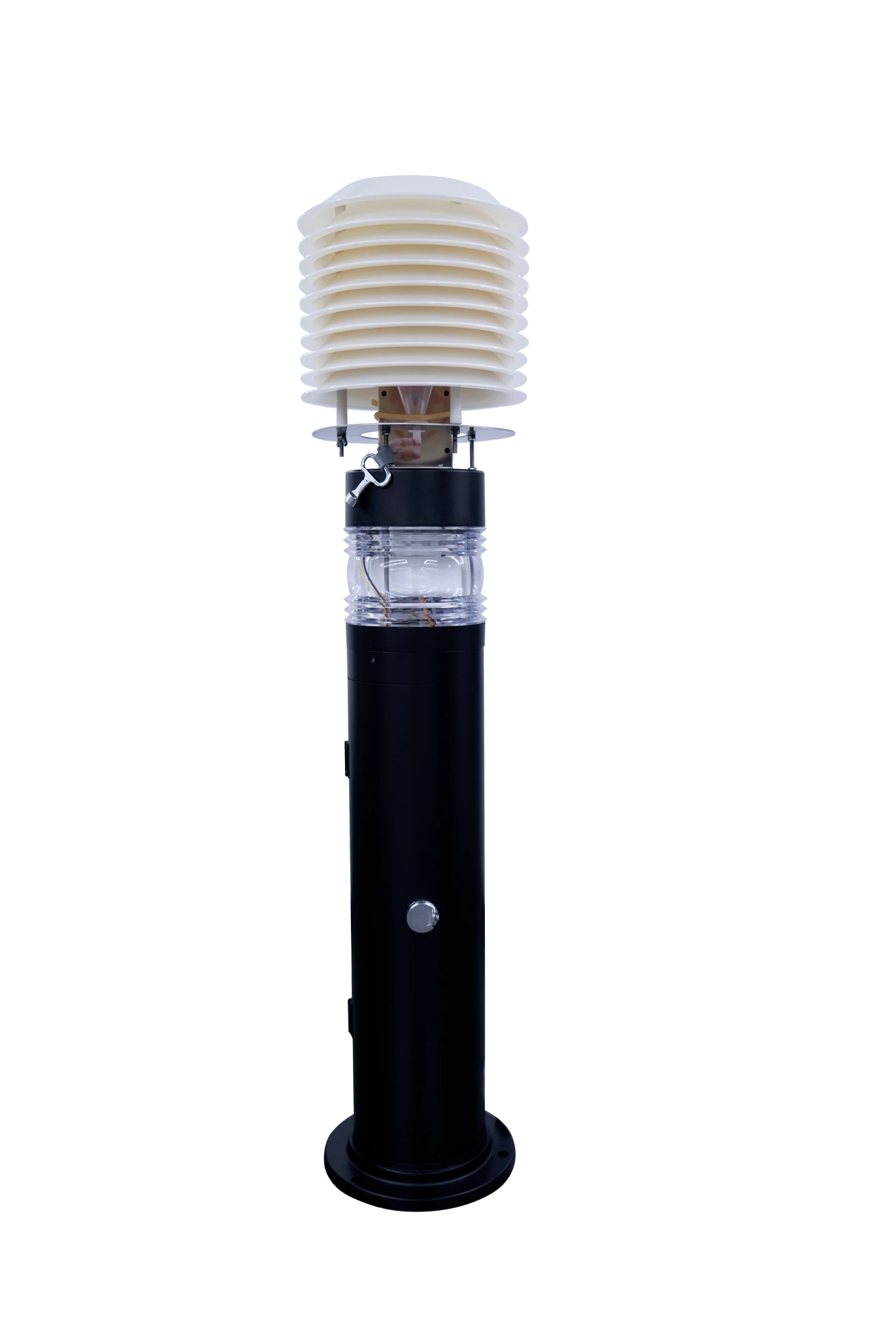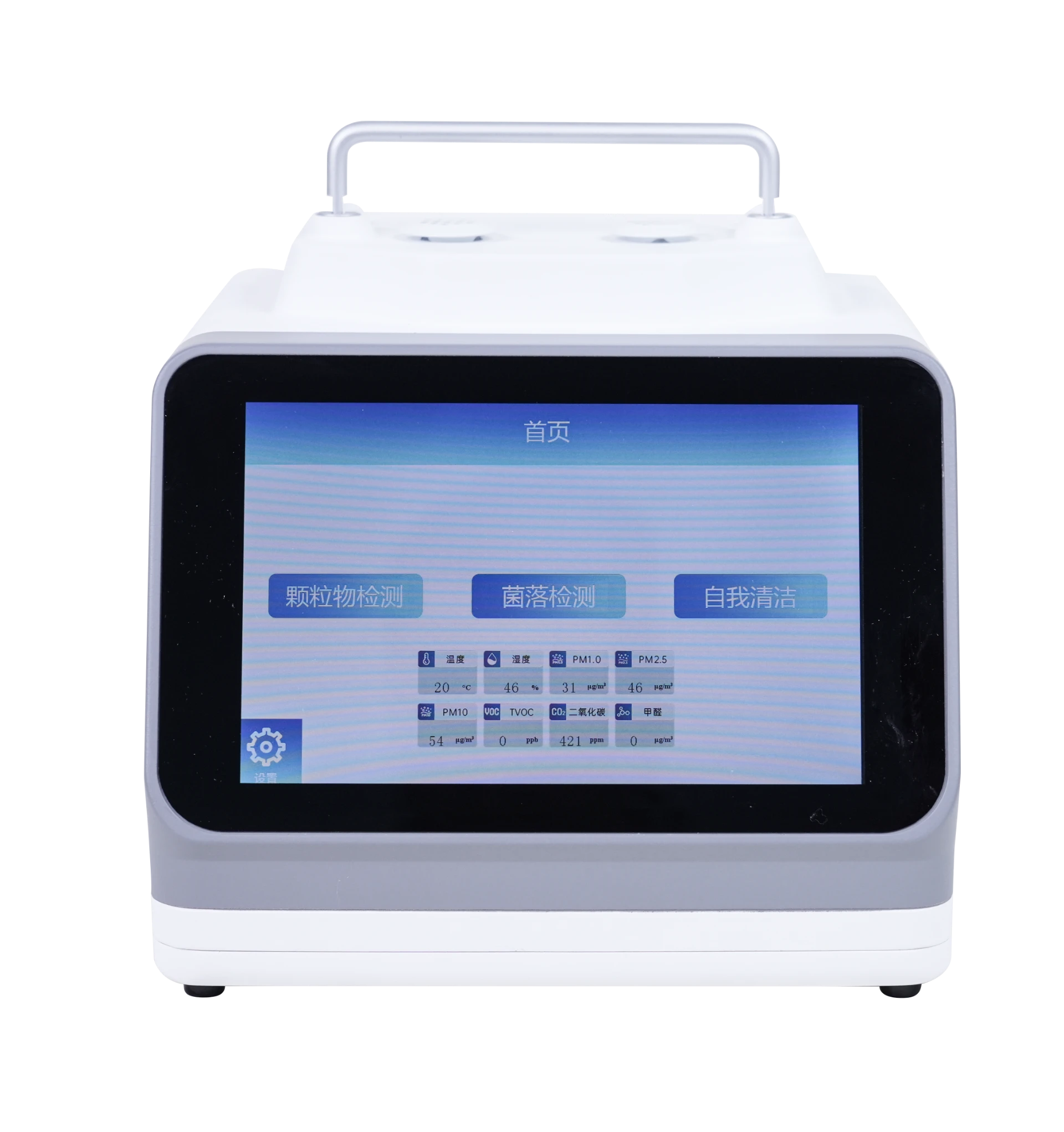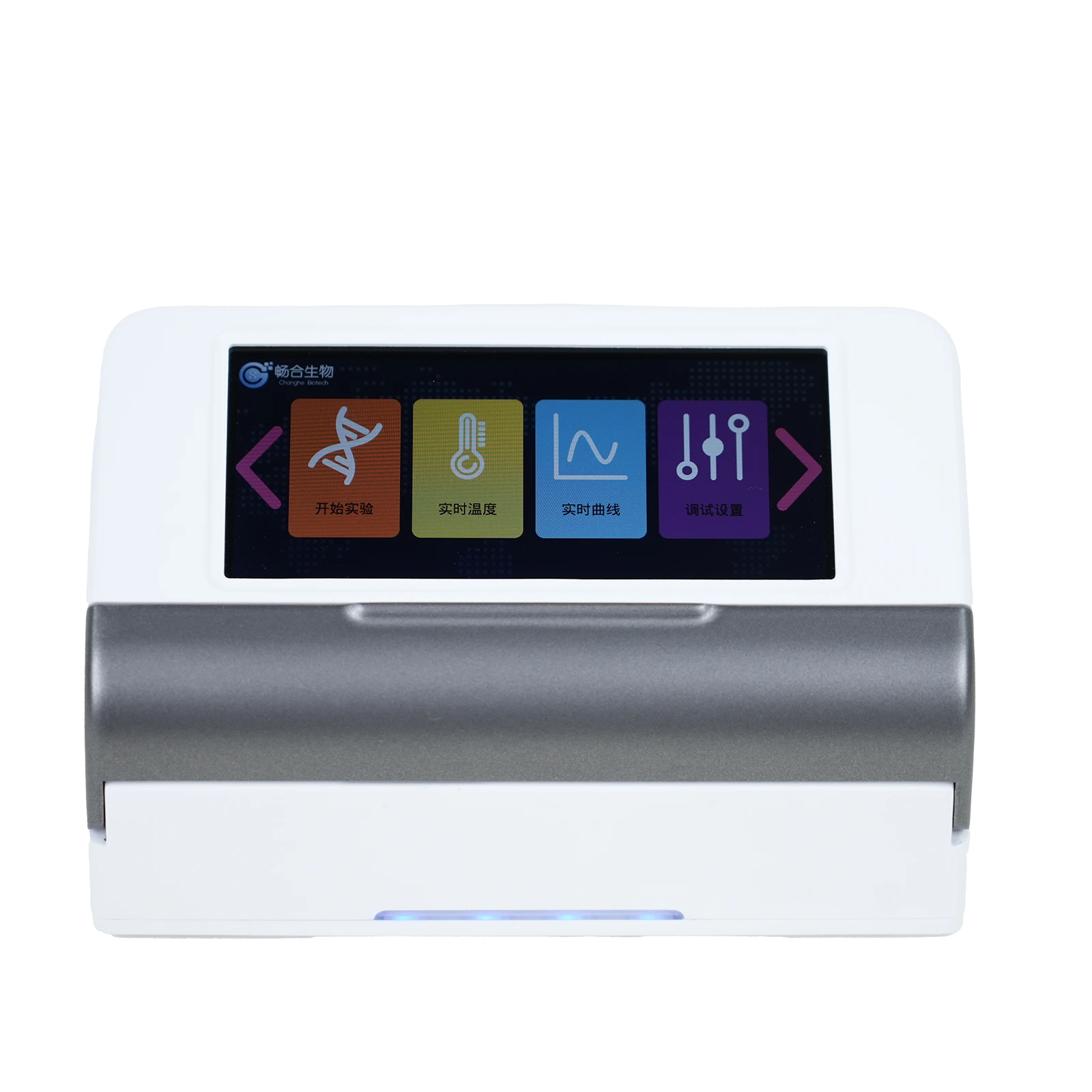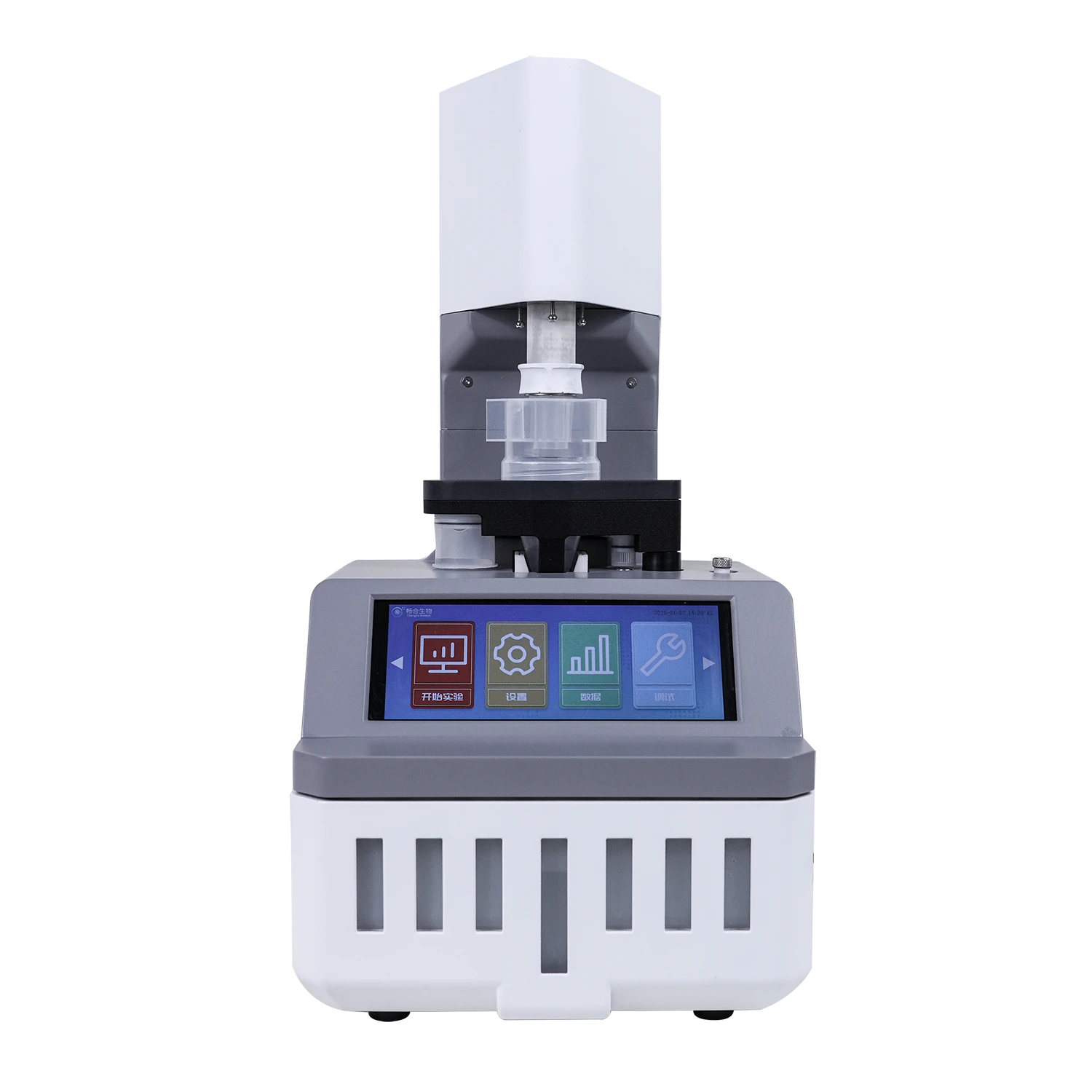

Need a Bioaerosol Sampler for Fast, Accurate Capture?
Bioaerosol sampling, decoded: what matters in the field (and what doesn’t)
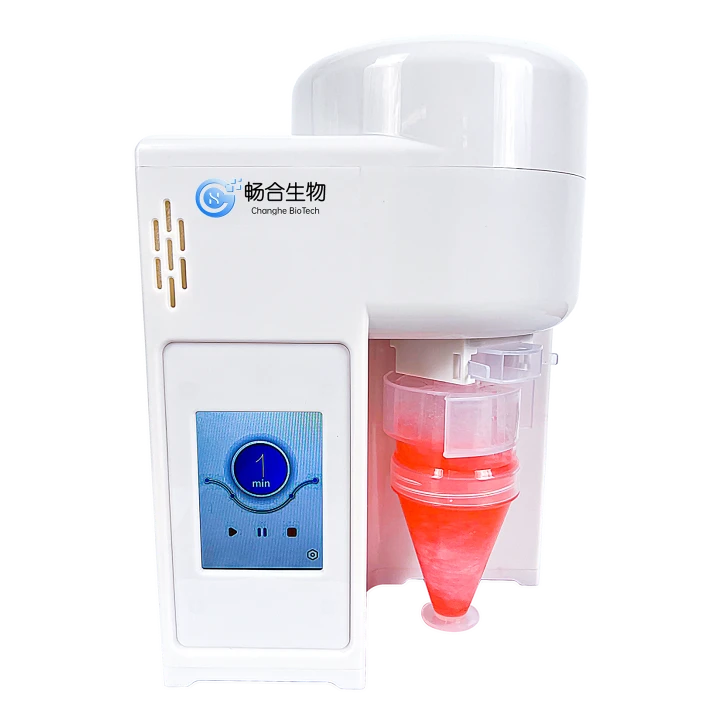
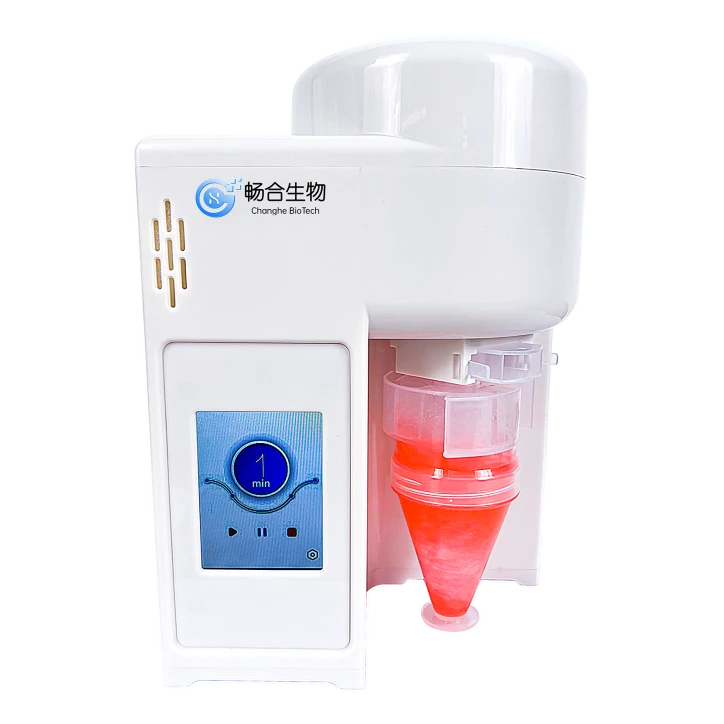
If you’ve ever walked a hospital ward at 2 a.m. during a mold scare, you know the stakes. The first time I tested a bioaerosol sampler in a live cleanroom, the tech next to me said, “make it simple, make it reliable.” That still holds. Actually, the new CA-1-300 from Shanghai is a wet-cyclone design built for real-world use—less fuss, better recovery, and it doesn’t scream like a jet engine. I’ll break down why that matters, and where it sits in the market.
What’s trending in bioaerosol monitoring
- Wet-cyclone collection is quietly replacing older impingers for continuous sampling—better moisture control and stable flow.
- Hospitals and pharma sites are asking for traceable data streams (USB/Wi‑Fi), with audit logs tied to ISO 14698 programs [1].
- Validation against realistic surrogates (MS2, Bacillus spores) instead of just particle counts—finally, right? [2][3]
Product snapshot: CA-1-300 bioaerosol sampler
Origin: FLOOR 7, NO.1588 HUHANG ROAD, SHANGHAI, CHINA. It’s a wet-cyclone unit aimed at clinics, cleanrooms, food plants, and emergency response. In fact, many customers say the stability under variable humidity is the clincher.
| Parameter | Specification (≈, real-world use may vary) |
|---|---|
| Model / Principle | CA-1-300 / Wet-cyclone, liquid collection |
| Flow rate | ≈300 L/min constant-flow control |
| Collection medium | PBS or nutrient buffer, 10–20 mL |
| Particle capture window | ~0.3–10 µm bioaerosols |
| Noise | ≤55 dB(A) at 1 m |
| Power / I/O | 100–240 VAC; USB data export, optional Wi‑Fi |
| Materials | 316L stainless aerosol path; ABS/Al housing |
| Service life | Fan/blower rated >10,000 h; typical unit 5–7 years |
| Certifications | CE, RoHS; validation per ISO 14698/EN 13098 protocols [1][3] |
Process flow (how teams actually run it)
- Prep sterile buffer (PBS) and pre-rinse cyclone with the same medium.
- Set flow (≈300 L/min), log site ID; run 10–60 min depending on risk protocol.
- Collect liquid; split for culture, qPCR, endotoxin as needed (per NIOSH BA guidance) [2].
- QA/QC with field blanks; document per ISO 14698 and site SOPs [1].
bioaerosol sampler advantages: high-volume capture, gentle on viability (less shear vs. traditional impingers), and easy downstream molecular work. To be honest, the gentle part is underappreciated.
Applications and industries
- Hospitals/ICUs: Aspergillus and Gram-negative surveillance.
- Pharma cleanrooms: routine environmental monitoring (EM) with trending to alert limits [1].
- Food processing: Listeria/Salmonella environmental mapping.
- Research and public health: pathogen aerosolization studies; wildfire microbiome snapshots.
Field notes and test data
In a 3-site pilot, recovery from MS2 spiked aerosols showed ≈45–60% qPCR recovery after 30 min (n=12); Bacillus subtilis spores culture recovery ≈35–50% (n=9). Not perfect, but solid for wet-cyclone class. Users mentioned the quieter profile and the straightforward decon as “unexpectedly nice.”
Vendor landscape (quick compare)
| Vendor | Model / Principle | Flow (≈) | Medium | Certs | Notes |
|---|---|---|---|---|---|
| Shanghai CA | CA-1-300 / Wet-cyclone | 300 L/min | Liquid | CE, RoHS | Low noise; qPCR-friendly eluate |
| Vendor B | Multi-stage impactor | 28–100 L/min | Agar plates | CE | Great for culture counts; less for RNA assays |
| Vendor C | Filter cassette (PTFE) | 2–20 L/min | Dry filter | — | Simple, low-cost; viability can drop |
Customization options
Swappable cyclone cups, alternative buffers (DNase/RNase-free), data logging templates, and a field battery kit for short deployments. I guess the battery is niche—but disaster-response teams ask for it.
Mini case studies
- Hospital EM: Detected intermittent Aspergillus near HEPA return; remediation verified within 48 h, counts normalized to alert levels.
- Food plant: Seasonal spike of Gram-negative markers; root cause traced to condensate drip, fixed with drain redesign.
Bottom line: a bioaerosol sampler like the CA-1-300 earns its keep when you need viable recovery plus molecular compatibility—and an audit trail that won’t make QA twitch.
References
- ISO 14698-1: Cleanrooms and associated controlled environments — Biocontamination control — Part 1: General principles and methods.
- NIOSH Manual of Analytical Methods (NMAM), Bioaerosol Sampling Guidance (latest rev.).
- EN 13098: Workplace atmosphere — Guidelines for measurement of airborne microorganisms and endotoxin.
- WHO Laboratory Biosafety Manual, 4th edition.
-
Understanding pcr testes transgênicos for Agricultural PurityNewsApr.16,2026
-
Understanding Febre do Cão PCR for Precision Veterinary DiagnosticsNewsApr.09,2026
-
Understanding Respiração PCR and Grupo Cat for Advanced Bioaerosol Sampling TechniquesNewsApr.07,2026
-
IDEXX Feline Respiratory PCR Panel A Comprehensive Guide for VeterinariansNewsApr.04,2026
-
Understanding Grupo de Gatos URD PCR and Bioaerosol Sampling for Air Quality ControlNewsMar.28,2026
-
Understanding the Feline Respiratory PCR Panel Grupo de PCR Respiratório do GatoNewsMar.26,2026