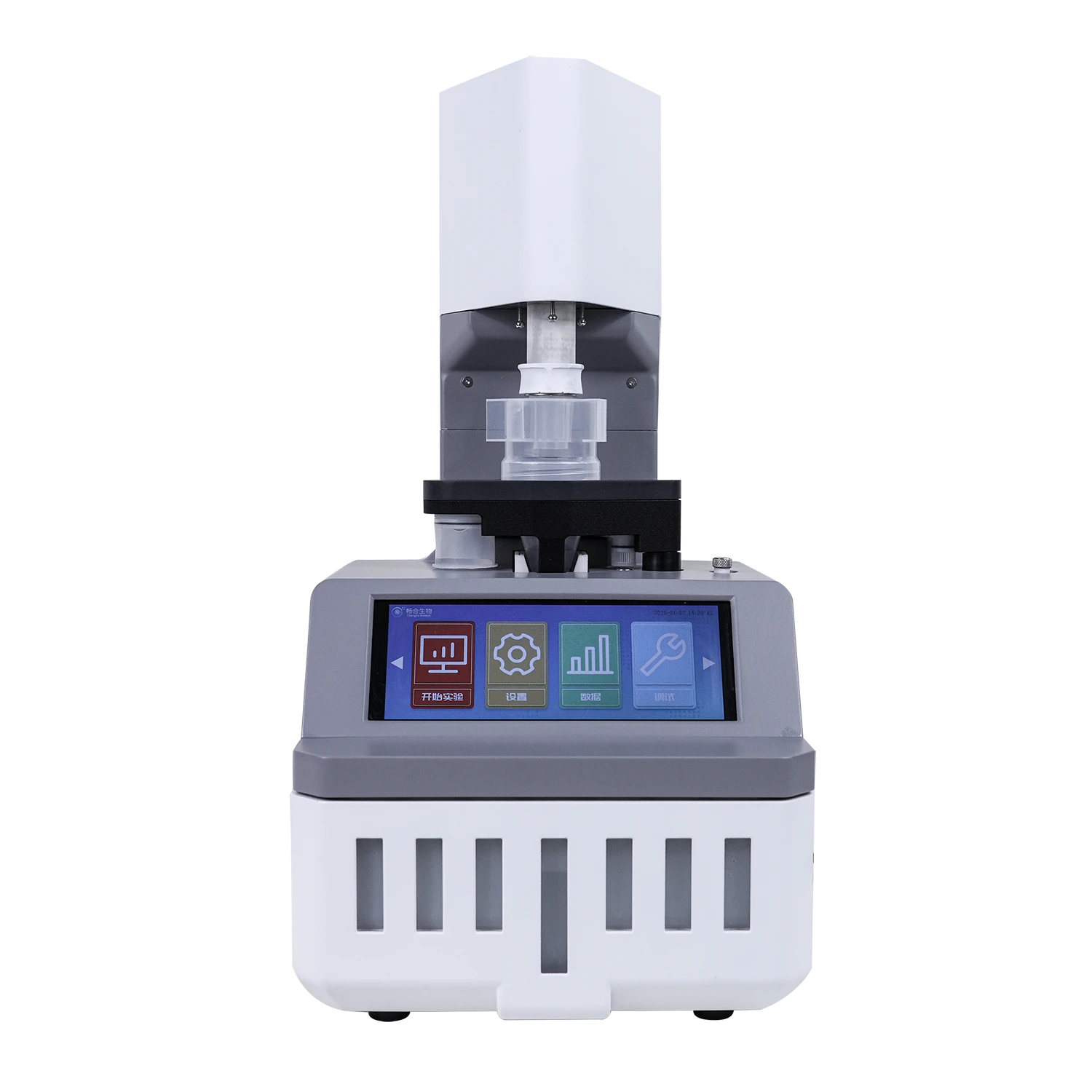

Need a Bioaerosol Sampler for Fast, Accurate Detection?
What I’m Seeing in Bioaerosol Monitoring (and Why a Wet-Cyclone Really Matters)
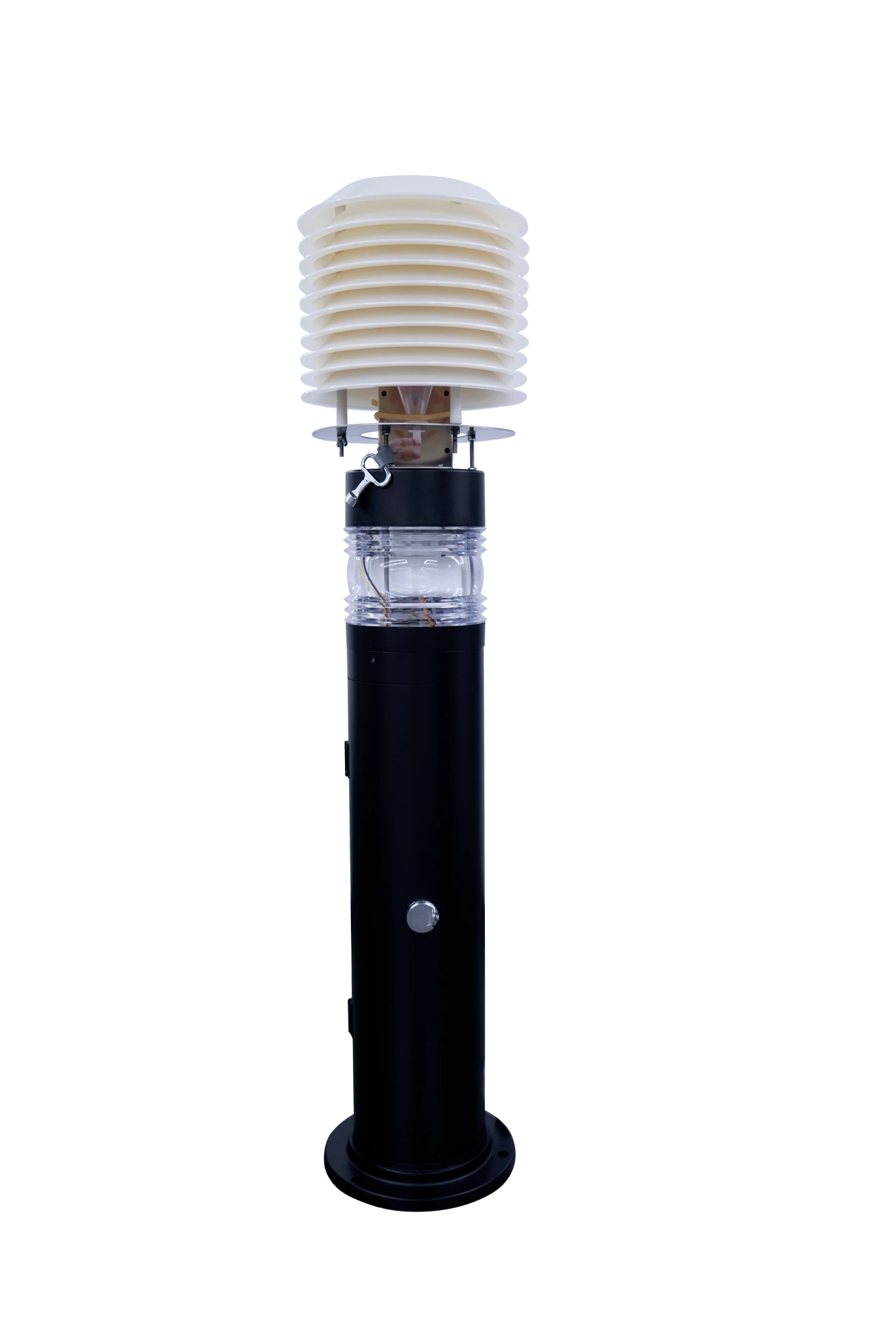
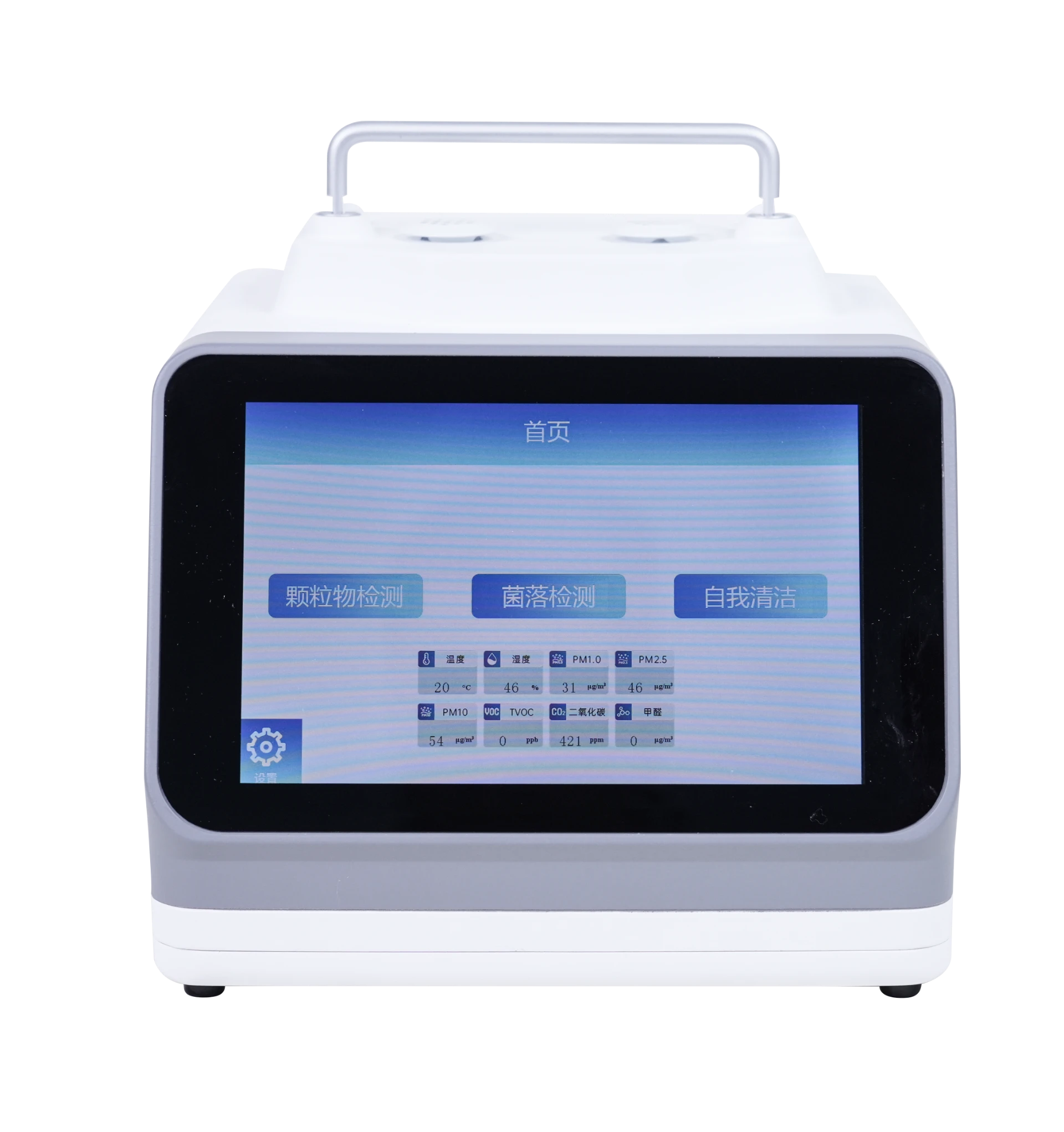
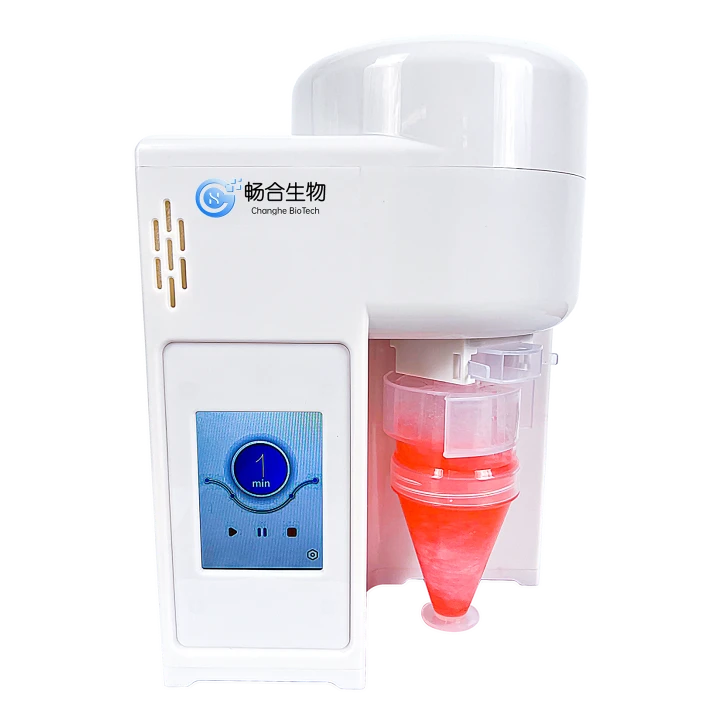
I’ve spent the past few years bouncing between cleanrooms, hospitals, and food plants, and one tool keeps following me around: the bioaerosol sampler. The CA-1-300, a wet-cyclone unit out of Shanghai, is one of those devices that quietly solves messy, real-world problems—like keeping nucleic acids intact for qPCR while still capturing viable organisms for culture. To be honest, that combo used to be tricky.
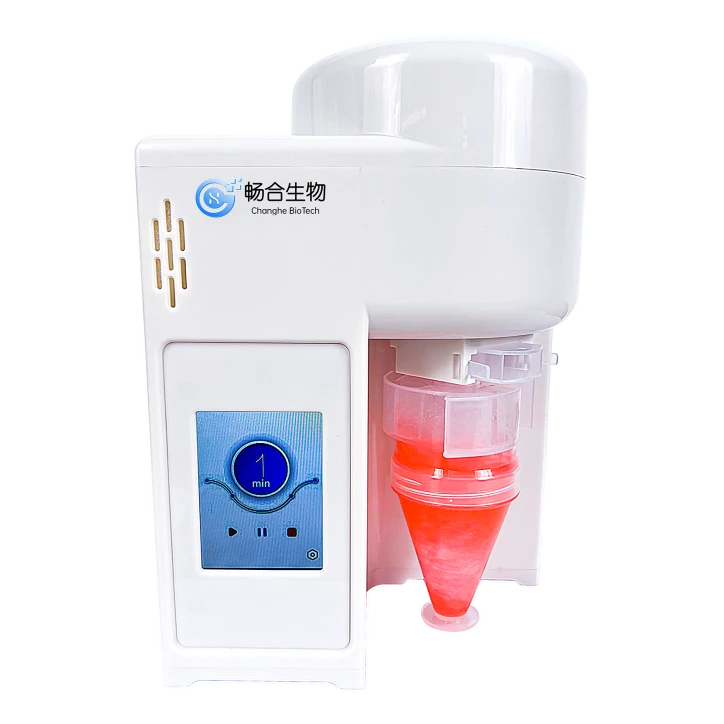
Trends I’m Hearing From the Field
- Hospitals aligning sampling with ASHRAE 241 and IPC playbooks; airflow is back in fashion.
- Pharma QC asking for higher recovery of fragile organisms and viral RNA—filters can be harsh.
- Wastewater-adjacent plants and airports adding routine airborne pathogen sweeps. Surprisingly pragmatic.
CA-1-300 Quick Specs (real-world values may vary)
| Parameter | CA-1-300 |
|---|---|
| Operation principle | Wet-cyclone (continuous liquid collection) |
| Flow rate | ≈ 300 L/min (stable ±5%) |
| d50 aerodynamic cutoff | ≈ 1.0 µm; high capture up to submicron with optimized media |
| Collection liquid | 10–20 mL PBS or VTM, 0.005–0.01% Tween-80 optional |
| Efficiency (internal test) | ≈ 80–90% for 1–3 µm PSL; viable recovery favored vs filters |
| Noise / power | ≈ 58 dB; 24 V DC with AC adapter |
| Materials / service life | 316L interfaces, autoclavable reservoir; blower ≈ 10,000 h |
| Certifications | CE, RoHS; factory ISO 9001 (docs on request) |
How we actually use the bioaerosol sampler (field workflow)
- Prep: sterilize reservoir; add 10–20 mL PBS/VTM.
- Run: 10–30 minutes at 300 L/min (site-dependent; see ISO 16000-17/EN 13098).
- Recover: decant eluate; split for culture (TSA/Sabouraud) and RT-qPCR (RNA stabilized).
- QA/QC: include field blanks; calibrate flow annually; verify per ISO 14698 biocontamination controls.
Where it shines
- Hospitals and labs: infection-control sweeps aligned with ASHRAE 241.
- Pharma cleanrooms: gentler collection vs. desiccating filters—better nucleic acid integrity.
- Food plants and cold rooms: mould counts and Listeria screening in air.
- Transport hubs, schools, wastewater-adjacent: periodic pathogen surveillance.
Advantages, in my notes: the bioaerosol sampler gives liquid-ready samples (no elution hassle), decent submicron performance for RNA targets, and lower consumables cost than single-use gel impingers. Many customers say the maintenance is refreshingly boring—in a good way.
Vendor snapshot (impartial, I hope)
| Feature | CA-1-300 (wet-cyclone) | Vendor A (impactor) | Vendor B (filter cassette) | Vendor C (gel impinger) |
|---|---|---|---|---|
| Viable capture | High; gentle liquid | Good for culturable | Variable; desiccation risk | High but gel refills |
| qPCR readiness | Strong (liquid) | Needs extraction | Membrane extraction step | Good; gel carryover risk |
| Consumables cost | Low | Medium | Low–medium | High (gel) |
Customization and support
From FLOOR 7, NO.1588 HUHANG ROAD, SHANGHAI, CHINA, the team offers nozzle/flow tuning, heated reservoir (anti-condensation), and Wi‑Fi/USB data logging. Lead times are sensible; spare seals usually in stock. Real-world service life: pumps ≈ 5–7 years with routine filter changes; seals 12–18 months.
Tiny case notes
- Operating theatre: Aspergillus counts dropped ≈ 65% after HVAC tweak verified by the bioaerosol sampler.
- Fresh-cut facility: seasonal mould spikes mapped to door cycles; targeted fix, fewer recalls.
- Transit hub pilot: weekly liquid samples fed into RT‑qPCR dashboard—surveillance with minimal fuss.
Customer feedback: “Liquid samples save us an hour per run.” Another added, “It’s not loud, which my nurses appreciate.” Fair points.
Standards alignment
Sampling plans can track ISO 16000-17 for mould strategies; cleanroom oversight fits ISO 14698. Healthcare teams are increasingly mapping results to ASHRAE 241 risk-reduction goals, while workplace assessments reference EN 13098. NIOSH guidance underpins method validation and QA/QC documentation.
References
- ASHRAE Standard 241-2023: Control of Infectious Aerosols.
- ISO 14698-1: Cleanrooms—Biocontamination control.
- ISO 16000-17: Indoor air—Sampling strategy for moulds.
- CDC/NIOSH: Bioaerosol sampling and analytical guidance (NIOSH NMAM and topic resources).
- EN 13098: Workplace exposure—Measurement of airborne microorganisms and endotoxin.
-
Understanding pcr testes transgênicos for Agricultural PurityNewsApr.16,2026
-
Understanding Febre do Cão PCR for Precision Veterinary DiagnosticsNewsApr.09,2026
-
Understanding Respiração PCR and Grupo Cat for Advanced Bioaerosol Sampling TechniquesNewsApr.07,2026
-
IDEXX Feline Respiratory PCR Panel A Comprehensive Guide for VeterinariansNewsApr.04,2026
-
Understanding Grupo de Gatos URD PCR and Bioaerosol Sampling for Air Quality ControlNewsMar.28,2026
-
Understanding the Feline Respiratory PCR Panel Grupo de PCR Respiratório do GatoNewsMar.26,2026