
PCR Panel for Cats – Rapid, Accurate, Same-Day Results
A Practical Look at a Modern PCR Panel for Cats: Field Notes, Specs, and Real-World Use
If you run a small animal practice or a shelter clinic, you’ve probably felt the squeeze: clients want same-day answers, while your team wants tools that just work. That’s exactly where a compact isothermal device can anchor a flexible pcr panel for cats. To be honest, the category has matured fast—quietly, even—thanks to robust optics, tighter temperature control, and Bluetooth-enabled reporting.
Product at a Glance
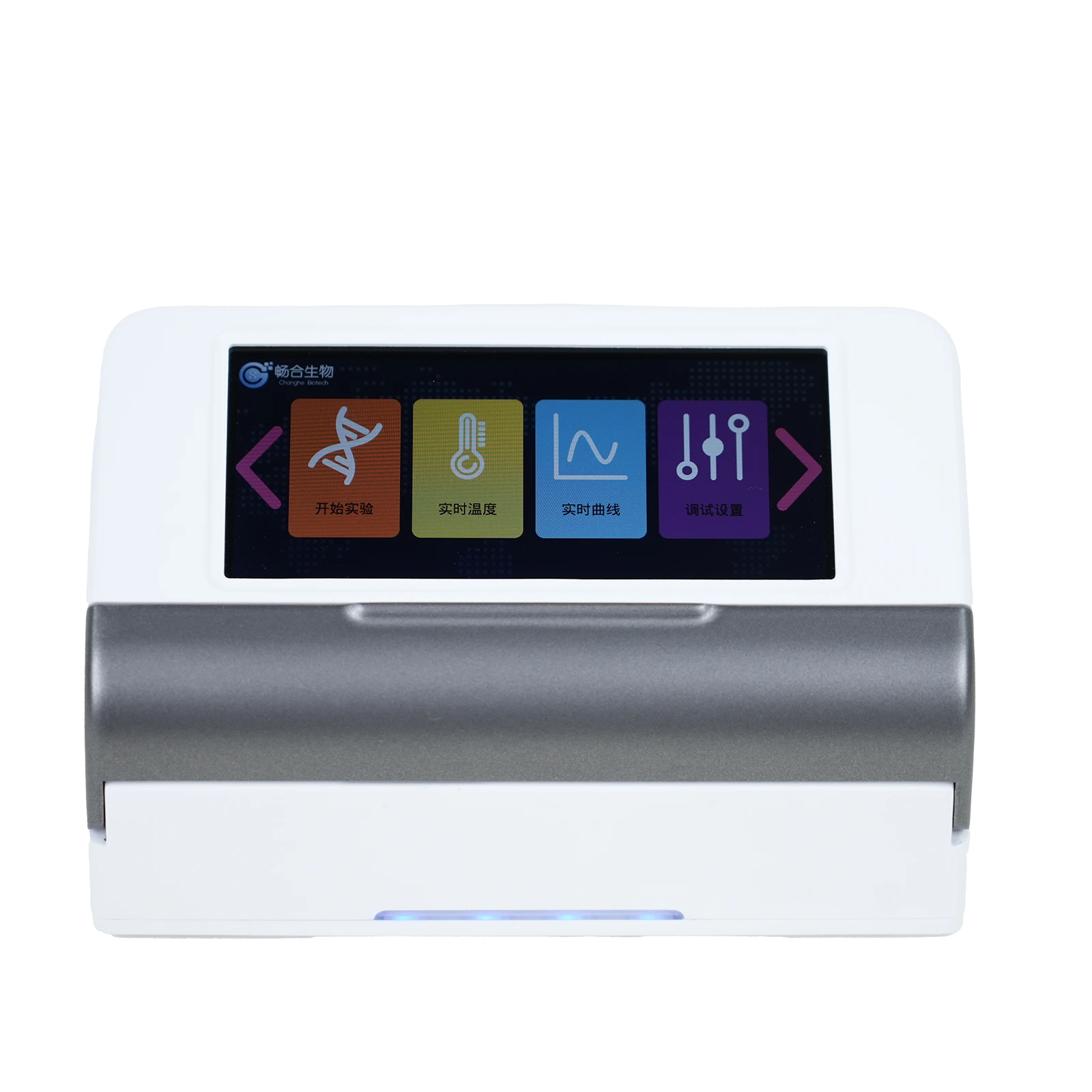
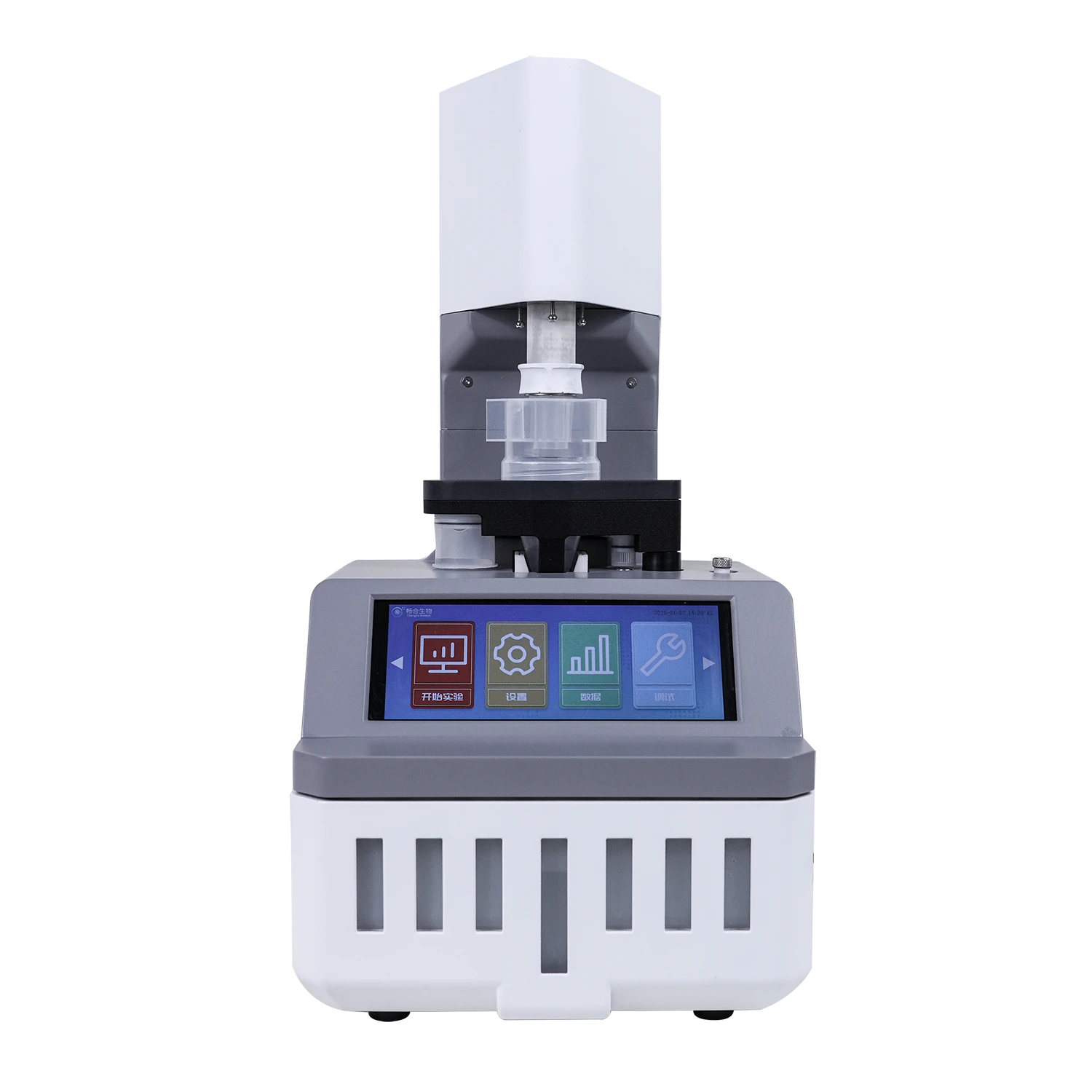
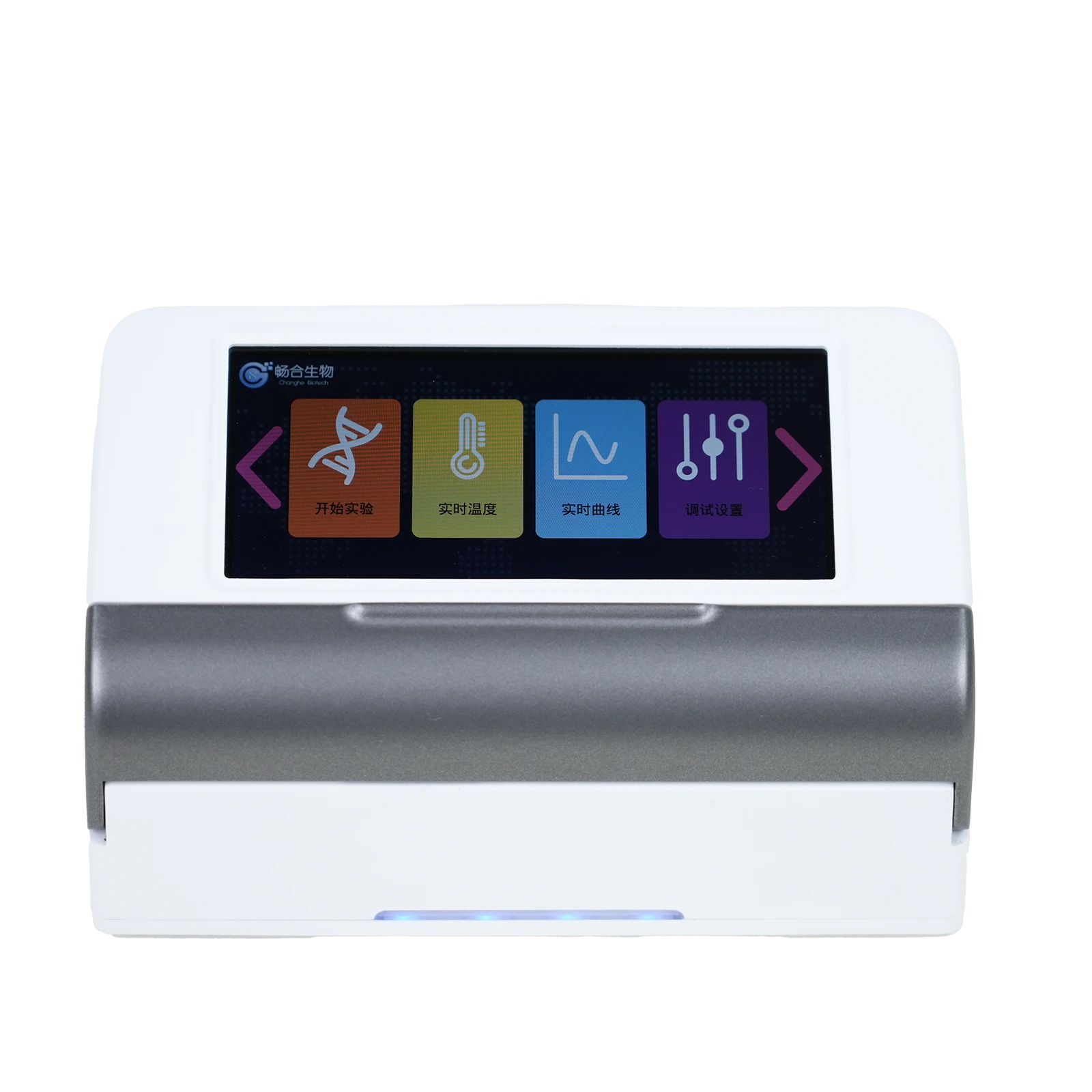
The Mini PCR (model HF-8T) is an isothermal fluorescent nucleic acid amplification device designed for rapid veterinary workflows. It combines a high-precision miniaturized optical sensing module with accurate temperature control and Bluetooth connectivity for real-time signal tracking. It’s compatible with LAMP, RPA, LAMP-CRISPR, RPA-CRISPR, and LAMP-PfAgo, and works with both liquid and lyophilized reagents. Origin: FLOOR 7, NO.1588 HUHANG ROAD, SHANGHAI, CHINA.
| Parameter | Mini PCR HF-8T (≈, real-world may vary) |
|---|---|
| Modality | Isothermal fluorescent nucleic acid amplification |
| Supported chemistries | LAMP, RPA, LAMP-CRISPR, RPA-CRISPR, LAMP-PfAgo |
| Reagent compatibility | Liquid and lyophilized formats |
| Optics | High-precision miniaturized optical sensing module |
| Connectivity | Bluetooth for real-time monitoring/reporting |
| Temperature control | Accurate, stable isothermal control |
| Typical service life | ≈5–7 years with routine maintenance and calibration (usage-dependent) |
| Use context | Veterinary point-of-care and bench testing for feline panels |
What’s in a feline PCR panel today?
A modern pcr panel for cats often targets respiratory and GI pathogens where speed matters: FHV-1, FCV, Chlamydia felis, Mycoplasma felis, FPV, FCoV, plus add-ons like hemoplasmas or Toxoplasma when clinically indicated. LAMP/RPA assays typically turn around results in ≈30–45 minutes, which—speaking from experience—can change a triage conversation in a shelter intake line.
Process Flow (materials and methods)
- Materials: sterile swabs, transport media (as recommended), rapid extraction buffer/kit, LAMP or RPA master mix, lyophilized target-ready pellets (optional), controls (positive/negative), PPE.
- Method: collect sample (e.g., conjunctival/oropharyngeal or fecal), perform quick lysis/extraction, add template to reagent, load wells, run isothermal program with fluorescence readout.
- Standards: verify LOD/precision per CLSI (e.g., EP17 for LoD, EP05 for precision), follow MIQE-style reporting where applicable, and veterinary validation under WOAH/AAVLD guidance.
- Industries: private clinics, ER hospitals, shelters, mobile field units, academic or reference labs.
Why clinics choose it
Advantages I keep hearing about: portability, no full thermal cycling curve to babysit, and Bluetooth graphs that make training junior techs simpler. Many customers say on-the-spot stratification—cohorting cats with suspected FHV-1/FCV—has cut cross-exposure risk and unnecessary antibiotics. It seems that’s partly the speed, partly the confidence from visible amplification curves.
Vendor landscape (high-level)
| Criteria | Mini PCR (HF-8T) | Benchtop qPCR System | DIY/Open-source Thermocycler |
|---|---|---|---|
| Chemistry | Isothermal (LAMP/RPA-family) | qPCR (thermal cycling) | Varies; often basic PCR |
| Speed | ≈30–45 min | ≈60–120 min | ≈60–120+ min |
| Portability | High | Low | Medium (varies) |
| Data output | Fluorescent curves via Bluetooth | Full qPCR quantitation | Limited |
| Regulatory fit | Vet use; confirm local requirements | Often clinical lab settings | Research/teaching |
Customization and kit-building
Clinics commonly customize a pcr panel for cats by bundling lyophilized LAMP assays for respiratory pathogens plus a GI add-on. Bluetooth templates can auto-fill run parameters. For shelters, pre-aliquoted controls and laminated quick-start cards reduce training friction.
Case snapshots
- Urban shelter: rapid respiratory panel flagged FHV-1 in ≈35 minutes; immediate cohorting reduced ward spread week-over-week (informal tracking).
- House-call vet: on-site FPV rule-out avoided unnecessary hospitalization—owner relief was palpable.
Validation, certifications, and notes
Follow MIQE-style documentation, verify LoD and precision (CLSI EP17/EP05), and align with WOAH/AAVLD veterinary validation. Typical LAMP assays can reach LoD around 10–100 copies/reaction in literature, but confirm with your targets and matrix. For procurement, ask vendors about quality systems (e.g., ISO 13485) and electrical safety certifications; usage remains subject to local veterinary regulations.
Citations:
[1] Bustin SA, et al. The MIQE Guidelines. Clin Chem. 2009. https://academic.oup.com/clinchem/article/55/4/611/5631762
[2] Notomi T, et al. Loop-mediated isothermal amplification of DNA. Nucleic Acids Res. 2000. https://academic.oup.com/nar/article/28/12/e63/2374271
[3] WOAH (OIE) Terrestrial Manual. https://www.woah.org/en/what-we-do/standards/codes-and-manuals/terrestrial-manual-online-access/
[4] CLSI EP17 (LoD/LoQ) overview. https://clsi.org/standards/products/method-evaluation/documents/ep17/
-
Understanding pcr testes transgênicos for Agricultural PurityNewsApr.16,2026
-
Understanding Febre do Cão PCR for Precision Veterinary DiagnosticsNewsApr.09,2026
-
Understanding Respiração PCR and Grupo Cat for Advanced Bioaerosol Sampling TechniquesNewsApr.07,2026
-
IDEXX Feline Respiratory PCR Panel A Comprehensive Guide for VeterinariansNewsApr.04,2026
-
Understanding Grupo de Gatos URD PCR and Bioaerosol Sampling for Air Quality ControlNewsMar.28,2026
-
Understanding the Feline Respiratory PCR Panel Grupo de PCR Respiratório do GatoNewsMar.26,2026