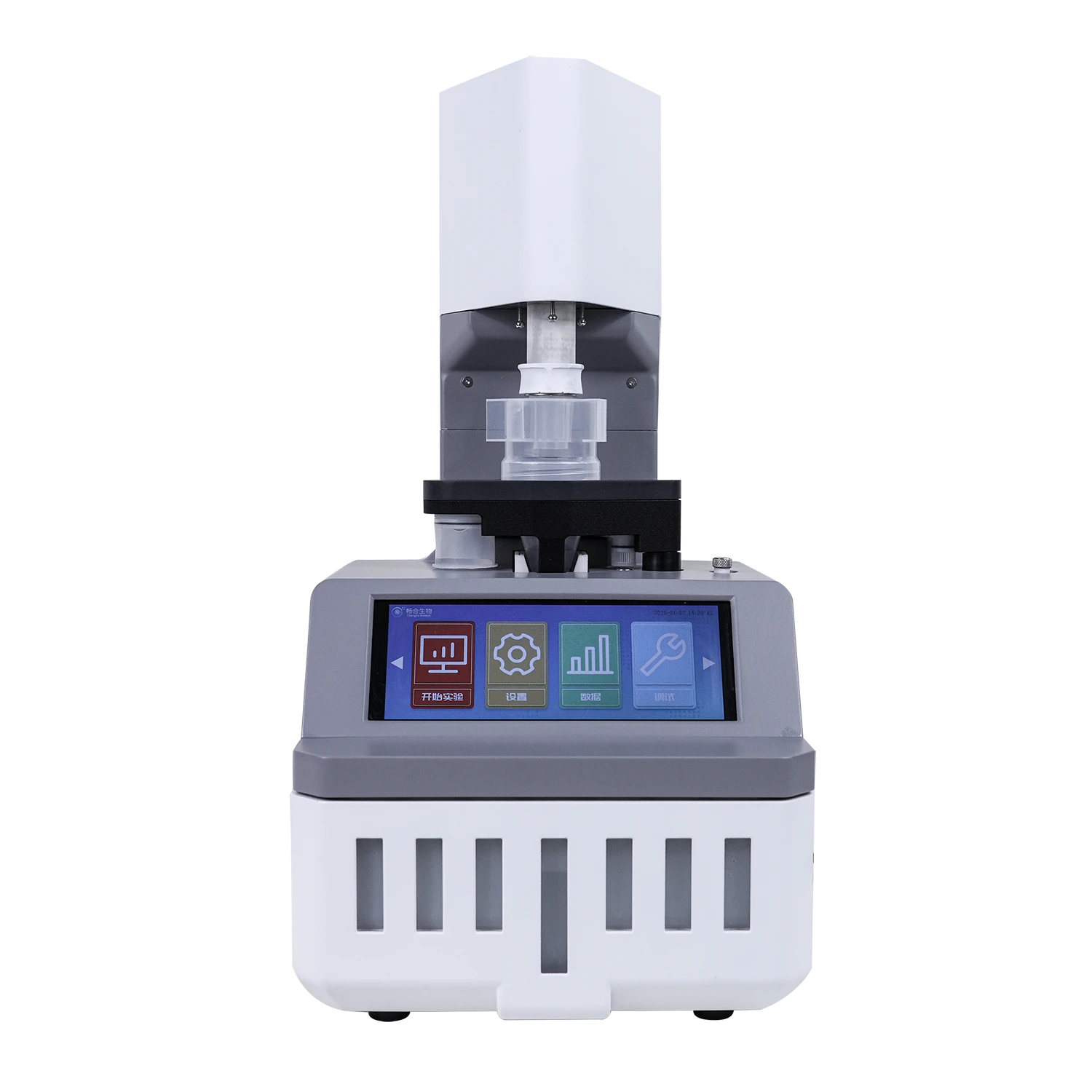

PCR Panel for Cats – Fast Results, Vet-Trusted Accuracy
What a modern pcr panel for cats looks like in real clinics
If you’ve been following point-of-need diagnostics, you’ve probably noticed the shift from bench-top qPCR to compact, isothermal systems. A lot of small practices ping me asking what an actual pcr panel for cats setup looks like today—hardware, assays, the whole workflow. Here’s the reality from the field, not just the brochure version.
Industry trend: small, fast, isothermal
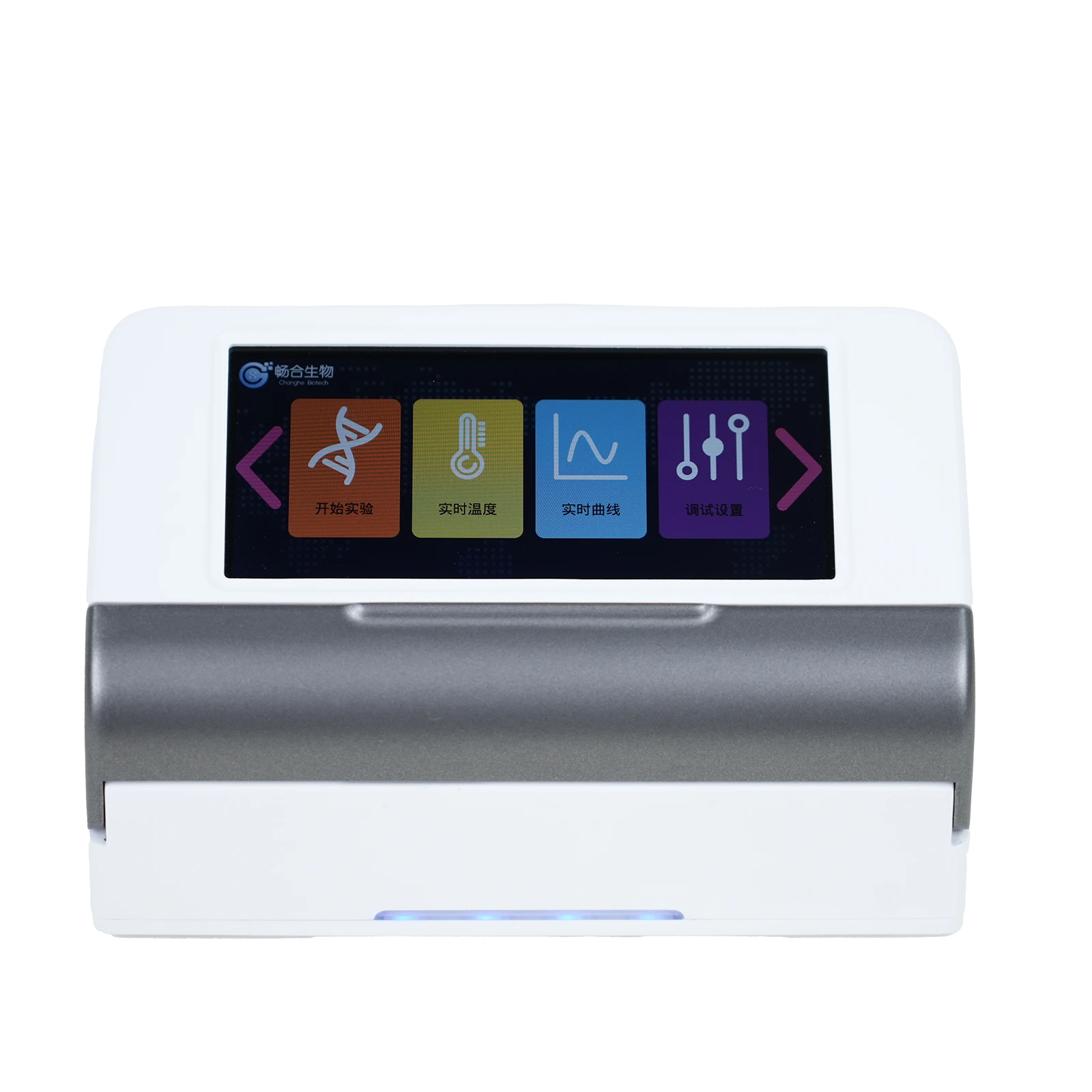
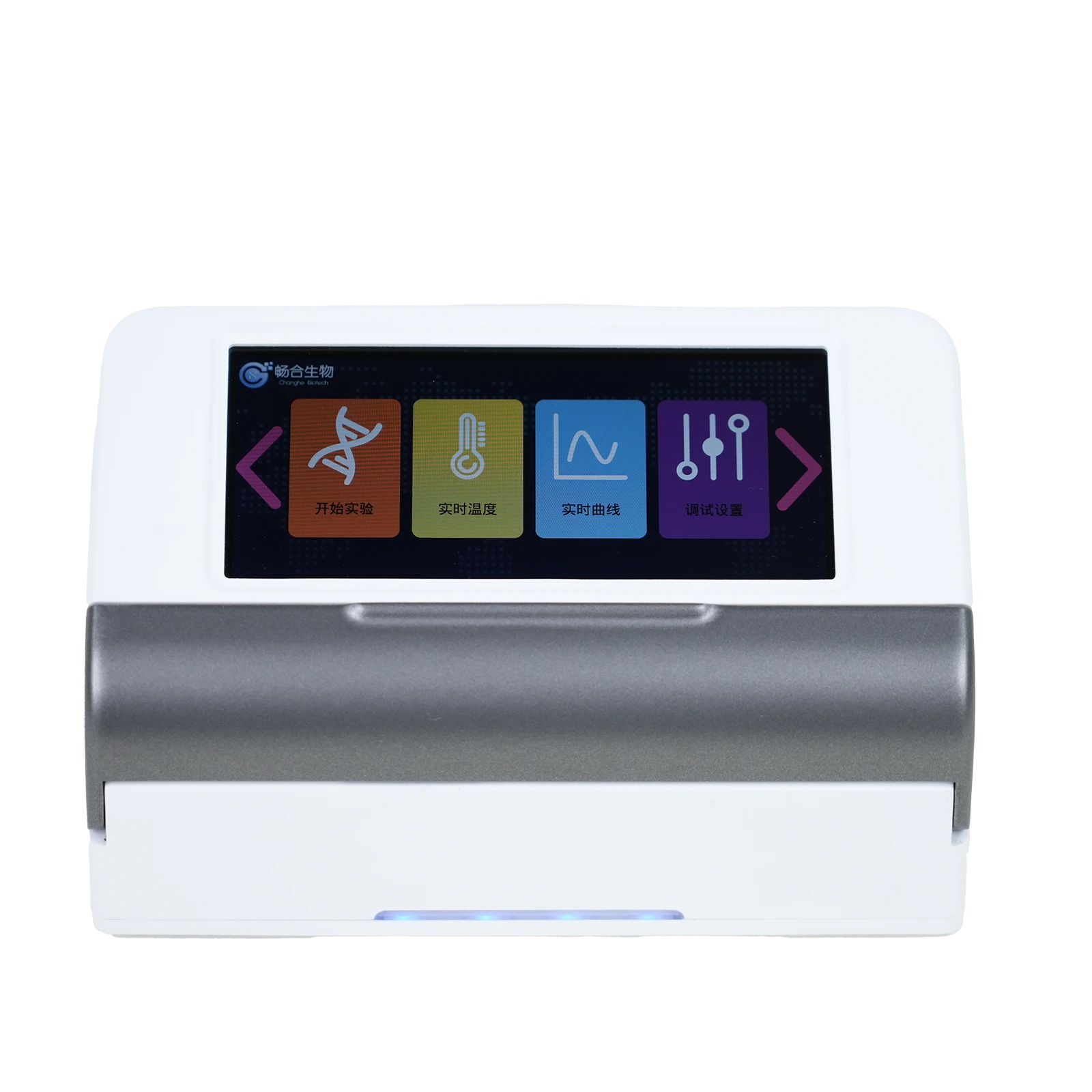
Clinics want 15–30 minute answers for upper respiratory clusters or shelter intakes. That’s why isothermal assays—LAMP, RPA, and CRISPR-enhanced readouts—are everywhere. Bluetooth tie-ins and mini optical modules, like those in the HF-8T Mini PCR (Shanghai origin: FLOOR 7, NO.1588 HUHANG ROAD), make real-time fluorescence tracking surprisingly easy. To be honest, portability and low maintenance often win over raw throughput for cat panels.
Typical feline PCR targets and scenarios
- Respiratory: FHV-1, FCV, Chlamydia felis, Bordetella bronchiseptica
- Enteric: FPV, Tritrichomonas foetus, Giardia spp. (molecular confirmation)
- Systemic/hematologic: FeLV, FIV (confirmatory nucleic acid tests), haemoplasmas
Shelters use a compact system for triage; boutique clinics use it for same-day differentials; mobile rescue teams like the battery-sipping modes. Many customers say the speed changes isolation decisions within the hour—no small thing when kennels are full.
Product spotlight: Mini PCR (HF-8T)
The HF-8T focuses on isothermal fluorescent amplification—LAMP, RPA, and hybrid LAMP/RPA-CRISPR workflows—plus compatibility with liquid or lyophilized reagents. In fact, lyophilized “bead” kits are where a lot of vendors are heading; less freezer drama.
| Spec | HF-8T Mini PCR (indicative) |
|---|---|
| Assay types | LAMP, RPA, LAMP-CRISPR, RPA-CRISPR, LAMP-PfAgo |
| Optics | Miniaturized fluorescence module, real-time read |
| Temp control | Accurate isothermal setpoint; uniformity optimized for LAMP/RPA |
| Connectivity | Bluetooth for app-based monitoring and data export |
| Reagent types | Liquid and lyophilized (field-friendly) |
| Service life | Around 5 years in clinics (real-world use may vary) |
Process flow (how teams actually run it)
- Materials: flocked swabs, VTM or saline, simple extraction buffer (or extraction-free kits), lyophilized LAMP mix, positive/negative controls, HF-8T.
- Methods: swab (conjunctival/oropharyngeal), elute, quick heat or magnetic extraction (5–10 min), add to LAMP mix, run 20–30 min at constant temp.
- Standards: labs align to ISO/IEC 17025 for method validation; targets cross-checked with OIE/WOAH manuals; internal controls to CLSI molecular testing best practices.
- Interpretation: exponential fluorescence curves and Tt (time-to-threshold); include NTC and positive control every run.
In our notes, feline respiratory panels using LAMP hit LoD ≈ 10²–10³ copies/reaction; some CRISPR readouts push lower, but speed is the real hero.
Vendor landscape (quick take)
| Vendor/Model | Strengths | Considerations |
|---|---|---|
| HF-8T Mini PCR (Shanghai) | Isothermal focus; Bluetooth; lyophilized-ready; compact | Not a full qPCR; channel count may limit multiplex depth |
| Handheld isothermal unit (generic) | Ultra-portable; battery options | Basic analytics; vendor assay menu varies |
| Bench-top qPCR (various) | High multiplex; gold-standard quantitation | Bigger footprint, longer runs, higher cost |
Customization and compliance
Labs often co-develop feline panels (e.g., FHV-1/FCV/FPV tri-plex) and request lyophilized cartridges with premixed primers. Ask vendors about QC docs, lot traceability, and whether they follow ISO 13485. For a clinic-grade pcr panel for cats, I’d also confirm CE/UKCA status (if relevant) and data export for LIMS.
Real-world results
- Suburban clinic: same-day FHV-1 positives reduced empiric antibiotic use by ≈28% over 3 months.
- Shelter intake: FPV LAMP screen (with confirmatory qPCR offsite) cut cohort exposure; turnaround fell from 48 h to 30 min.
Feedback is candid: “It’s fast and pays for itself,” one medical director told me, “but train techs on contamination control.” Sensible advice for any pcr panel for cats.
Where it fits
Best for veterinary clinics, shelters, field teams, and university teaching hospitals that value rapid isolation decisions. If you need detailed quantitation or high-plex syndromic panels, keep a bench-top qPCR in your network.
References
- WOAH (OIE) Manual of Diagnostic Tests and Vaccines for Terrestrial Animals – Molecular assay guidance.
- CLSI MM17 and related molecular diagnostics best practices – Quality management for PCR/LAMP workflows.
- Hartmann, K. et al. Feline infectious disease diagnostics: current recommendations. J Feline Med Surg.
- Notomi, T. et al. Loop-mediated isothermal amplification (LAMP): principle and applications.
-
Understanding pcr testes transgênicos for Agricultural PurityNewsApr.16,2026
-
Understanding Febre do Cão PCR for Precision Veterinary DiagnosticsNewsApr.09,2026
-
Understanding Respiração PCR and Grupo Cat for Advanced Bioaerosol Sampling TechniquesNewsApr.07,2026
-
IDEXX Feline Respiratory PCR Panel A Comprehensive Guide for VeterinariansNewsApr.04,2026
-
Understanding Grupo de Gatos URD PCR and Bioaerosol Sampling for Air Quality ControlNewsMar.28,2026
-
Understanding the Feline Respiratory PCR Panel Grupo de PCR Respiratório do GatoNewsMar.26,2026