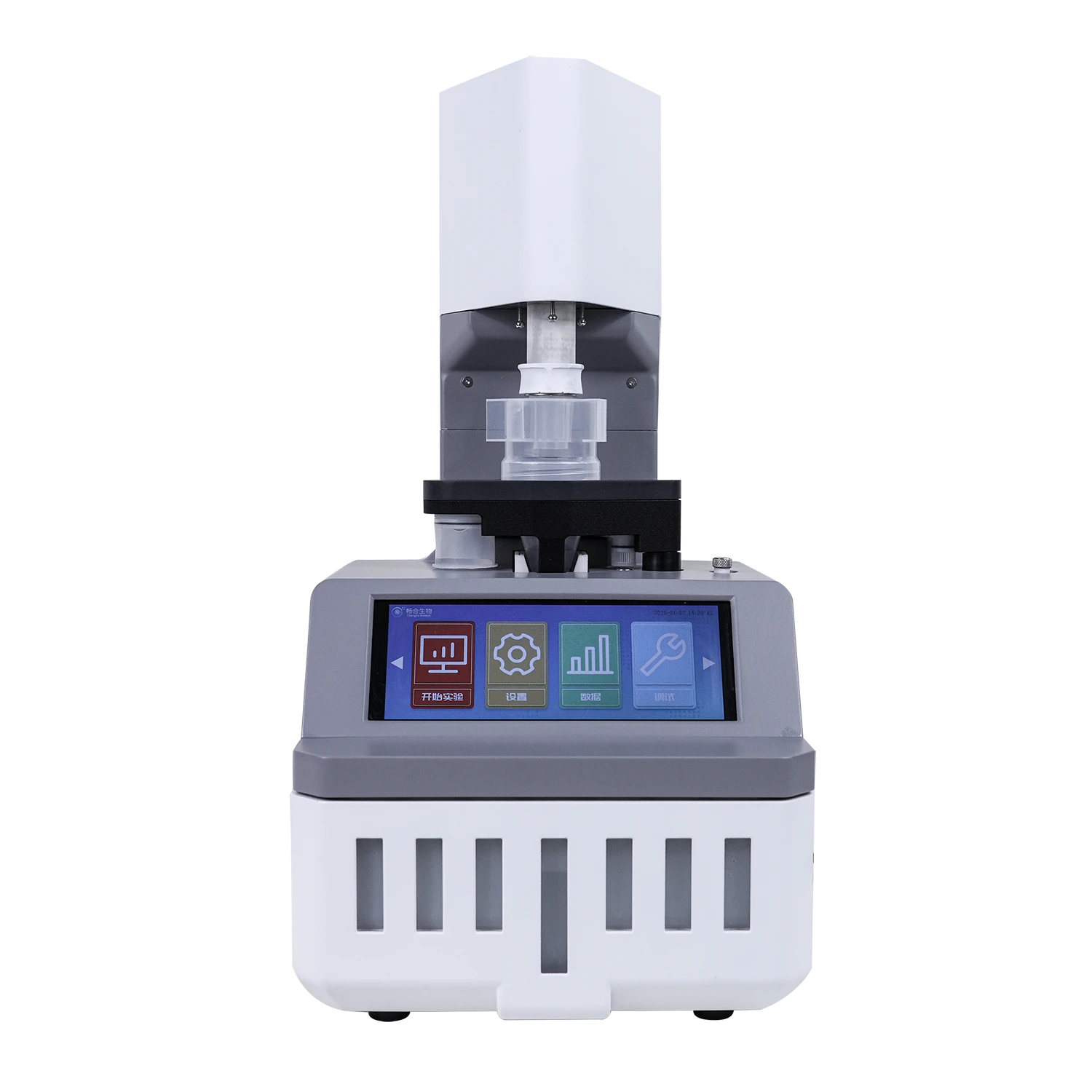

Precision Air Sampling Bacteria Monitors: Reliable Bio Samplers
The Critical Role of air sampling bacteria in Modern Industries
In industrial environments, the meticulous monitoring of airborne microorganisms is not merely a regulatory compliance measure but a foundational element of operational integrity, product quality, and occupational safety. The practice of air sampling bacteria provides crucial insights into the microbiological burden of a facility's atmosphere. This is particularly vital in sectors where microbial contamination can lead to significant economic losses, health hazards, or product recalls. Advanced bioaerosol samplers are engineered to accurately capture and quantify these airborne biological agents, enabling proactive intervention and control strategies.
This comprehensive overview delves into the methodologies, technological advancements, and strategic implications of effective bioaerosol monitoring, emphasizing its indispensable role in maintaining stringent environmental control standards across diverse B2B applications.
Industry Trends in Bioaerosol Monitoring and Air Quality
The landscape of industrial air quality management is continually evolving, driven by escalating regulatory pressures, advancements in sensor technology, and a heightened awareness of public health. Key trends in bioaerosol monitoring, particularly concerning air sampling bacteria, include:
- Real-time Monitoring & IoT Integration: The shift from periodic, manual sampling to continuous, automated systems integrated with the Internet of Things (IoT) allows for immediate data acquisition and remote control. This provides instantaneous alerts for contamination events, facilitating rapid response.
- Increased Specificity and Sensitivity: Next-generation biological samplers are incorporating advanced detection methodologies, such as PCR and immunoassay-based techniques, directly within the sampling device. This enhances the identification of specific microbial pathogens with higher sensitivity and faster turnaround times.
- Miniaturization and Portability: There's a growing demand for compact, lightweight, and easily deployable bio sampler devices, particularly for field applications, emergency response, and localized monitoring in complex industrial layouts.
- Data Analytics and Predictive Modeling: Sophisticated software platforms are emerging that not only collect data but also analyze trends, identify patterns, and predict potential contamination risks, moving from reactive to proactive environmental control.
- Sustainable Design and Operation: Manufacturers are increasingly focusing on energy-efficient designs, reusable components, and reduced waste generation in the development of air sampling for bacteria equipment.
These trends collectively aim to provide more comprehensive, timely, and actionable intelligence for maintaining superior air quality in critical environments.
The Process Flow of Air Sampling Bacteria: Methodology and Device Operation
Effective air sampling bacteria involves a structured process, from site assessment to data analysis, ensuring representative and reliable results. The Bioaerosol Sampler & Detection Device streamlines many aspects of this workflow. Here's a general process flow, illustrating both the methodology and the device's operational role:
1. Planning and Site Assessment:
- Objective Definition: Determine the purpose of sampling (e.g., baseline establishment, contamination source identification, regulatory compliance).
- Sampling Point Selection: Identify critical areas based on airflow patterns, human traffic, or known risk zones.
- Parameter Setting: Define sampling duration, flow rates, and desired detection limits relevant to air sampling for bacteria.
2. Device Deployment and Sampling:
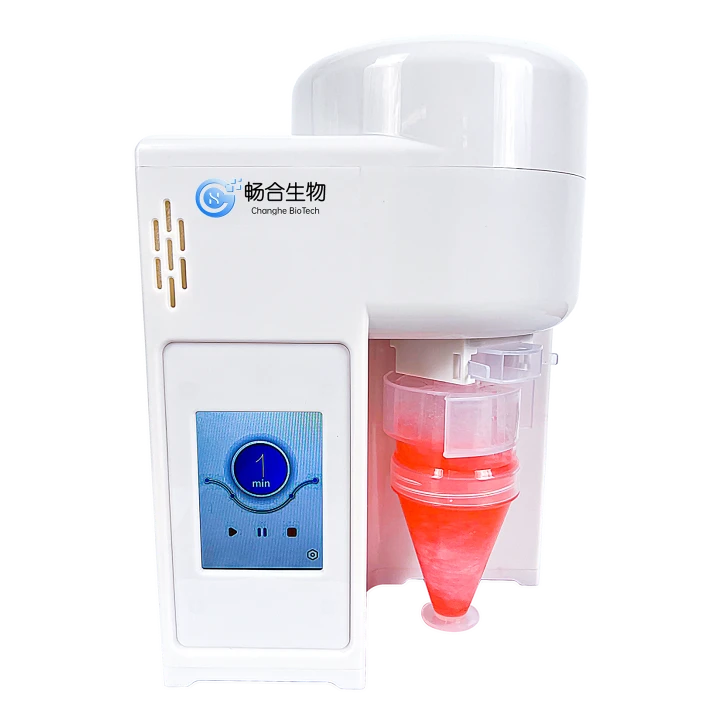
The Bioaerosol Sampler & Detection Device (a type of bio sampler) is deployed to the pre-selected locations. The core of this stage involves:
- Air Intake: The device draws in ambient air through a precisely engineered inlet.
- Impaction/Impinger Mechanism: Airborne particles, including bacteria, are collected. Impaction samplers force air through small orifices onto a solid agar medium (e.g., Andersen samplers), while impinger samplers collect particles into a liquid medium (e.g., AGI-30). The Bioaerosol Sampler & Detection Device utilizes optimized collection principles to ensure high capture efficiency for viable microorganisms.
- Controlled Flow Rate: Integrated pumps maintain a constant, calibrated airflow (e.g., 28.3 L/min or higher) to ensure consistent and reproducible results, crucial for quantitative the cycle biological samplers.
- Duration Control: The sampling run time is accurately controlled, ranging from minutes to hours, depending on the target sensitivity and environmental conditions.
3. Post-Sampling Processing & Analysis:
After collection, the sample media (agar plates, liquid impinger fluid) are retrieved from the biological samplers.
- Incubation: Agar plates are incubated under controlled conditions (temperature, humidity) to allow bacterial colonies to grow. Liquid samples may require plating onto agar or further molecular processing.
- Enumeration: Visible colonies are counted (Colony Forming Units, CFU) and typically expressed as CFU per cubic meter of air (CFU/m³).
- Identification: Further laboratory analysis (e.g., microscopy, biochemical tests, PCR, sequencing) is performed to identify specific bacterial species if required.
- Data Interpretation: Results are compared against established benchmarks, regulatory limits, or baseline data to assess air quality and identify deviations.
4. Reporting and Action:
- Comprehensive Report: Documentation of sampling parameters, results, and interpretation.
- Corrective Actions: Implementation of necessary measures, such as HVAC system adjustments, sterilization protocols, or process modifications, to mitigate identified risks.
- Continuous Monitoring: Regular re-sampling to verify the effectiveness of corrective actions and ensure ongoing compliance.
This methodical approach, facilitated by advanced devices like the Bioaerosol Sampler & Detection Device, ensures robust and reliable microbial air quality assessment.
Technical Specifications and Manufacturing Excellence of Bioaerosol Samplers
The Bioaerosol Sampler & Detection Device stands as a testament to precision engineering, designed to meet the rigorous demands of industrial air sampling bacteria. Its robust construction and adherence to international standards ensure longevity and performance.
Product Materials and Manufacturing Processes:
The device's external casing is typically constructed from high-grade, corrosion-resistant stainless steel (e.g., AISI 304 or 316L) or durable, chemical-resistant engineering plastics. Internal components, particularly those in contact with airflow or samples, are often made from medical-grade plastics or treated alloys to prevent contamination and ensure inertness. Manufacturing processes include:
- CNC Machining: Critical components, such as air inlets, impaction heads, and flow channels, are precision-machined using Computer Numerical Control (CNC) technology. This ensures exact tolerances, optimized aerodynamic performance, and consistent sample collection efficiency.
- Injection Molding: For complex plastic parts, advanced injection molding techniques are employed to create seamless, high-strength components with intricate geometries, crucial for maintaining airtight seals and precise airflow paths.
- Laser Welding/Bonding: Used for joining dissimilar materials or creating hermetic seals in critical areas, enhancing the device's durability and preventing leaks.
- Surface Treatment: Components undergo specialized surface treatments, such as electropolishing for stainless steel or antimicrobial coatings, to reduce microbial adhesion and facilitate easy decontamination.
Key Technical Parameters:
| Parameter | Specification | Benefit to User |
|---|---|---|
| Airflow Rate | 100 L/min ±2.5% (adjustable) | Rapid sampling, compliance with ISO 14698, flexible for various environments. |
| Collection Efficiency | >99% for particles >1 µm | High sensitivity for microbial aerosols, including bacteria and spores. |
| Sampling Head Material | Autoclavable Stainless Steel 316L | Sterility assurance, robust, corrosion-resistant, extended service life. |
| Power Supply | Rechargeable Li-ion battery (8+ hours continuous) / AC adapter | Portability, flexibility for field use and power-limited areas. |
| Control Interface | Intuitive Touchscreen LCD, Data Logging, USB/Bluetooth connectivity | User-friendly operation, compliant data traceability, remote monitoring capabilities. |
| Dimensions & Weight | Compact, <3 kg (example) | Easy transport and deployment in confined or multiple locations. |
Testing Standards and Service Life:
All devices undergo stringent quality control and performance validation, often adhering to international standards such as ISO 14698 (Cleanrooms and associated controlled environments – Biocontamination control) and FDA guidelines for pharmaceutical applications. Electrical safety and EMC compliance are typically ensured through IEC/EN standards. The expected service life of these high-quality biological samplers, with proper maintenance, exceeds 10 years, thanks to their robust materials and precision engineering.
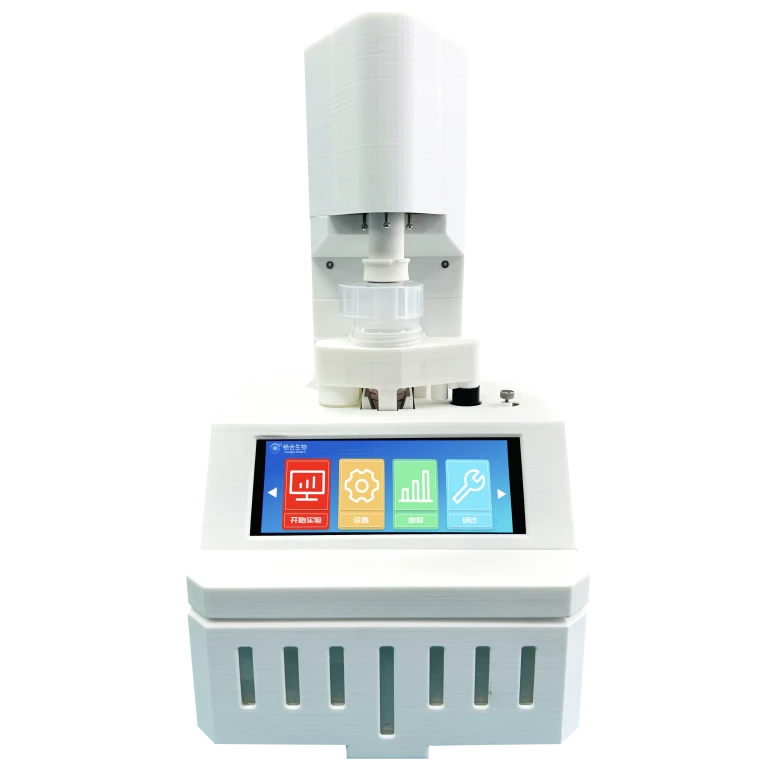
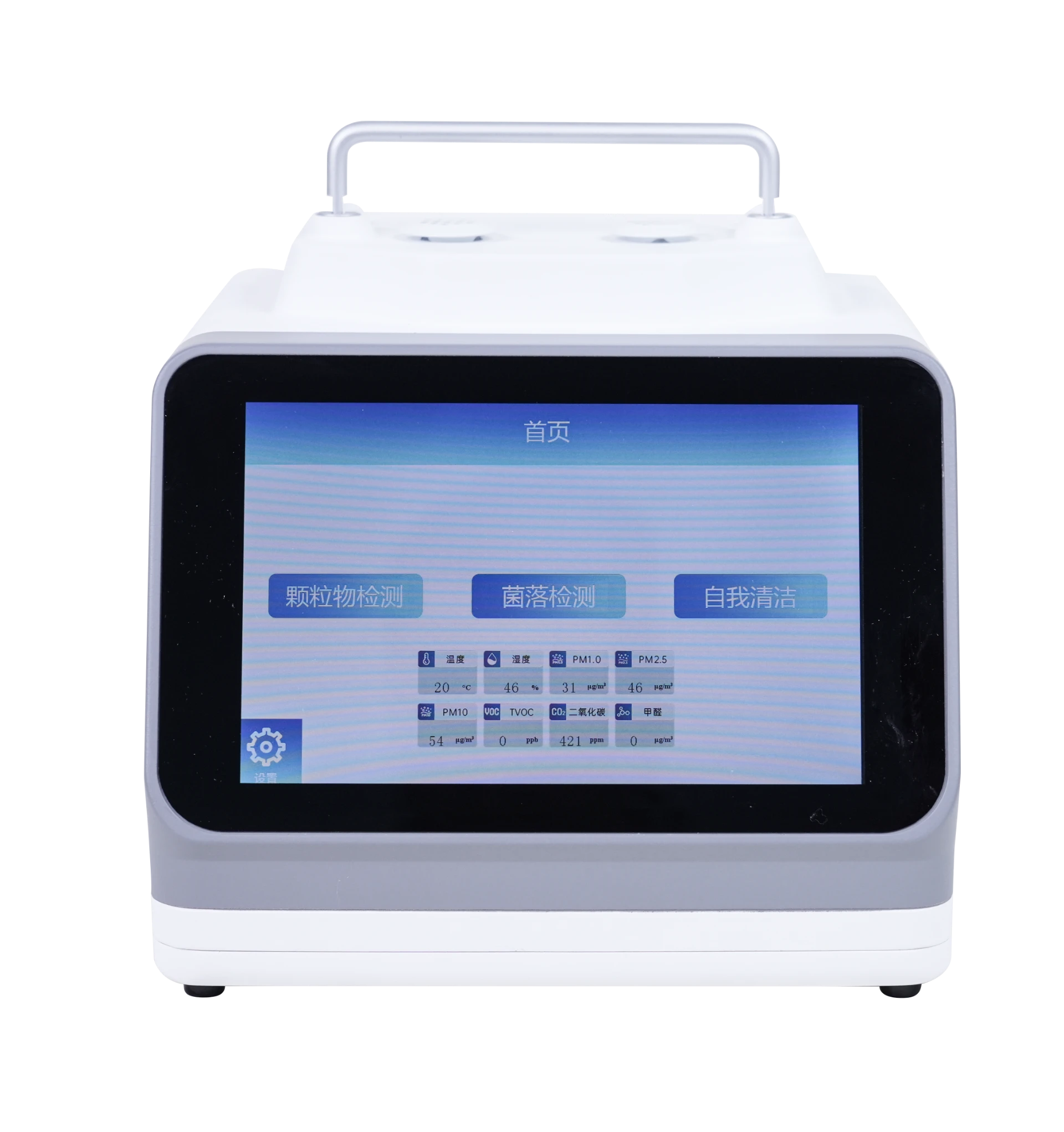
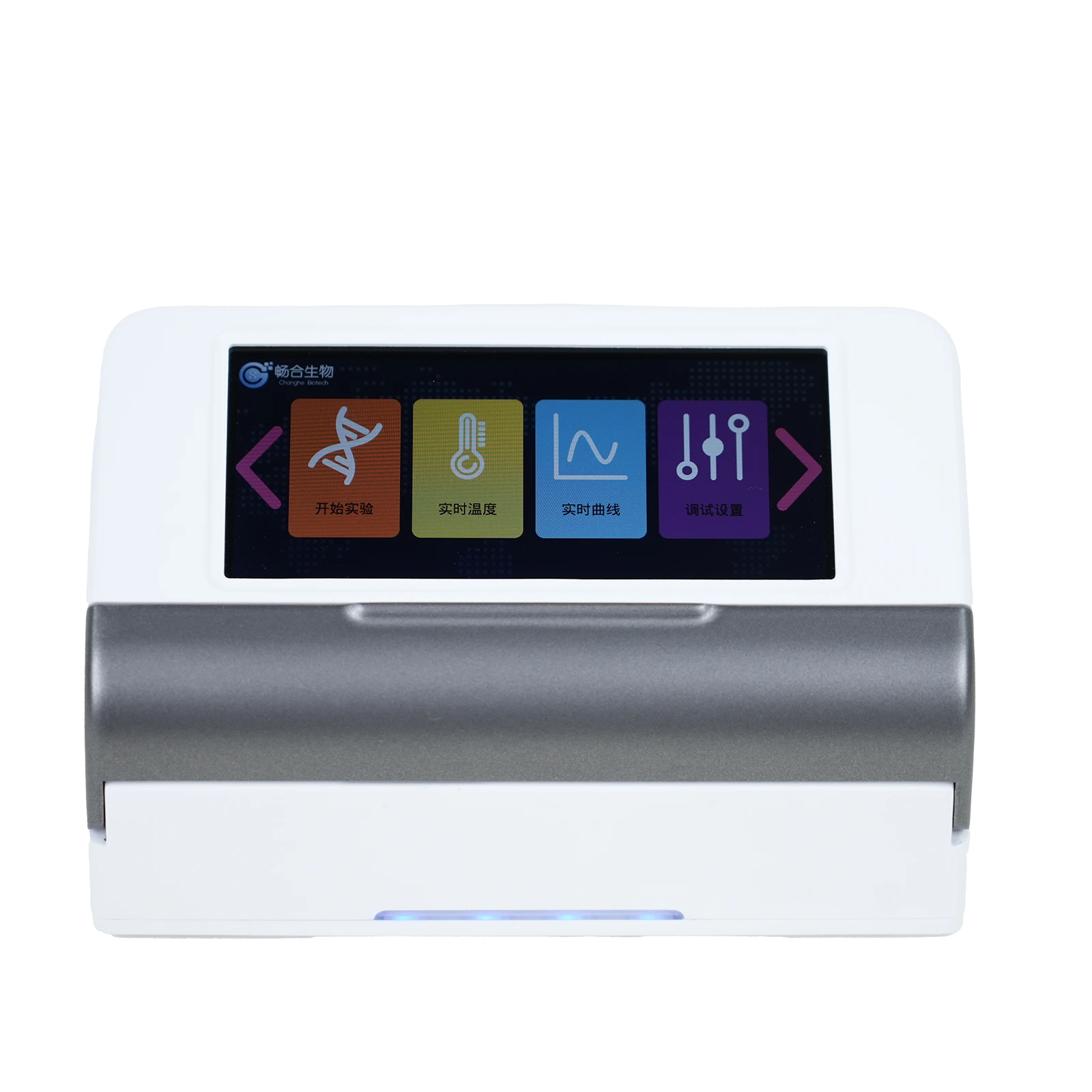
Modern Bioaerosol Sampler with touch interface for precise air sampling bacteria.
Application Scenarios and Target Industries
The applications for precise air sampling bacteria are extensive, spanning industries where environmental control and sterility are paramount. The Bioaerosol Sampler & Detection Device is engineered to serve a broad spectrum of critical environments.
Target Industries:
- Pharmaceutical & Biotechnology: Essential for monitoring cleanrooms (ISO 14644 classification), sterile manufacturing areas, and containment zones to prevent product contamination and ensure compliance with GMP (Good Manufacturing Practice) regulations.
- Healthcare & Hospitals: Critical in operating theaters, intensive care units, isolation rooms, and compounding pharmacies to control nosocomial infections and safeguard patient health.
- Food & Beverage Processing: Used to monitor processing lines, packaging areas, and storage facilities to prevent microbial spoilage, ensure food safety, and extend product shelf life.
- Cosmetics & Personal Care: Ensures product purity and safety by monitoring production environments where microbial contamination can degrade products or pose health risks to consumers.
- Petrochemical & Metallurgy (Corrosion Monitoring): While less direct for microbial pathogens, specialized bio samplers are used in these industries to detect microbial induced corrosion (MIC) agents in the air or within ventilation systems, highlighting the broader application of biological samplers.
- Water Supply & Drainage (Wastewater Treatment Plants): Monitors bioaerosol release from treatment facilities to assess potential environmental and occupational health impacts on surrounding communities and workers.
- HVAC & Indoor Air Quality (IAQ): Assesses microbial load in large building ventilation systems, identifying potential sources of mold, bacteria, and allergens that affect occupant health and building integrity.
- Environmental Consulting & Research: Used by environmental professionals for site assessments, forensic investigations of contamination, and academic research on bioaerosol transport and dispersion.
Typical Application Scenarios:
- Cleanroom Validation: Performing initial and routine qualification of cleanrooms according to ISO 14644 and GMP Annex 1 guidelines.
- Process Monitoring: Continuous or intermittent monitoring during critical manufacturing steps to detect deviations from microbial limits.
- Investigative Sampling: Locating the source of unexpected contamination events or identifying fungal/bacterial growth.
- Occupational Health & Safety: Assessing worker exposure to airborne pathogens in environments like waste handling, agriculture, or certain industrial processes.
- Filter Efficiency Testing: Evaluating the performance of HEPA or ULPA filters in maintaining sterile air quality.
Technical Advantages of Advanced Bioaerosol Samplers
Modern air sampling bacteria devices like the Bioaerosol Sampler & Detection Device offer a suite of technical advantages that translate directly into operational benefits for B2B users:
- High Collection Efficiency & Viability: Engineered impaction or impingement mechanisms ensure that a high percentage of airborne microorganisms are captured without significant loss of viability, providing a true representation of the bioaerosol load. This is crucial for accurate CFU counts, which are the basis of air sampling for bacteria.
- Precision Airflow Control: Integrated mass flow controllers maintain stable and accurate airflow rates, eliminating measurement variability due to pressure changes or filter loading. This adherence to calibrated flow (e.g., ISO 14698) is fundamental for reproducible results, especially for the cycle biological samplers.
- User-Friendly Interface & Automation: Intuitive touchscreens, programmable sampling cycles, and automated start/stop functions minimize human error and reduce training requirements, enhancing operational efficiency.
- Data Logging & Traceability: Onboard memory for storing sampling parameters, timestamps, and environmental data, often with USB or Bluetooth connectivity, ensures compliance with data integrity regulations (e.g., 21 CFR Part 11).
- Robust & Corrosion-Resistant Construction: Use of materials like SS 316L and engineering plastics provides exceptional durability, allowing for use in harsh industrial environments (e.g., petrochemical, wastewater treatment) and resistance to common cleaning agents. This extends the service life and reduces total cost of ownership.
- Portability & Flexible Deployment: Lightweight design and long-lasting battery power facilitate easy transport and deployment in multiple locations, including remote or difficult-to-access areas within a facility.
- Low Noise Operation: Optimized fan and pump designs result in quiet operation, making them suitable for use in noise-sensitive environments like hospitals or occupied cleanrooms.
- Energy Saving Features: Efficient motors and intelligent power management systems reduce energy consumption, contributing to lower operational costs and environmental sustainability.
- Modular Design & Easy Maintenance: Many devices feature modular components that can be easily disassembled for cleaning, sterilization (e.g., autoclavable parts), and routine maintenance, minimizing downtime.
These advantages collectively position advanced bio sampler devices as indispensable tools for comprehensive environmental monitoring.
Vendor Comparison: Choosing the Right Biological Samplers
Selecting the optimal biological samplers for air sampling bacteria requires a thorough evaluation of various factors beyond initial purchase cost. While many vendors offer solutions, the Bioaerosol Sampler & Detection Device distinguishes itself through a blend of technical superiority, operational efficiency, and long-term value. Below is a comparative overview highlighting key differentiators:
| Feature/Category | Bioaerosol Sampler & Detection Device | Basic Impaction Sampler (Competitor A) | Impinger-based Sampler (Competitor B) |
|---|---|---|---|
| Collection Method | Optimized Impaction/Filtration for Viability | Single-stage Impaction | Liquid Impingement |
| Airflow Control | Mass Flow Controller (Digital, Auto-calibrated) | Rotameter (Manual Adjustment) | Flow Restrictor (Fixed Rate) |
| Data Logging & Interface | Touchscreen LCD, USB/Bluetooth, Internal Memory, Audit Trail | Basic Digital Display, Manual Recording | Analog Controls, External Data Recorder Needed |
| Material & Durability | SS 316L, High-Grade Plastics, Autoclavable Parts | Aluminum/Plastic Casing, Limited Autoclavability | Glass/Plastic (Fragile, Chemical Reactive) |
| Battery Life | 8+ Hours Li-ion (Typical) | 4-6 Hours NiMH | AC Power Only/Limited Battery |
| Regulatory Compliance | ISO 14698, FDA 21 CFR Part 11 (data), GMP Annex 1 ready | Basic ISO compliance | Method-specific compliance (e.g., OSHA) |
This comparison illustrates that while basic options exist, the Bioaerosol Sampler & Detection Device offers a superior combination of precision, automation, durability, and compliance features, making it a robust investment for demanding B2B environments requiring reliable air sampling for bacteria.
Customized Solutions for Specific Needs
Recognizing that no two industrial environments are identical, the Bioaerosol Sampler & Detection Device is often available with customized solutions to meet unique operational challenges for air sampling bacteria. Our expertise lies in understanding the specific requirements of each client and tailoring the technology to deliver optimal performance.
Examples of Customization:
- Specialized Sampling Heads: Development of sampling heads optimized for specific particle size ranges, airflow patterns, or compatibility with unique culture media or collection liquids.
- Integration with Existing Systems: Custom firmware or hardware modifications to allow seamless integration with facility Building Management Systems (BMS), SCADA systems, or existing environmental monitoring networks for comprehensive the cycle biological samplers.
- Environmental Hardening: Enhanced casings or internal components for deployment in extreme conditions (e.g., high humidity, corrosive atmospheres, explosive environments – with appropriate certifications).
- Advanced Communication Protocols: Implementation of specific communication protocols (e.g., Modbus, OPC UA) to meet client IT infrastructure requirements for data transfer and remote control.
- Application-Specific Software: Custom software modules for data analysis, trend reporting, or compliance documentation, tailored to specific industry regulations or internal QA/QC procedures.
Our engineering team collaborates closely with clients to design, develop, and implement bespoke solutions, ensuring that the bio sampler not only meets but exceeds their expectations for performance and reliability.
Real-World Application Case Studies
Case Study 1: Pharmaceutical Cleanroom Validation
A leading pharmaceutical manufacturer faced challenges in routinely validating their Grade A and B cleanrooms for microbial particulate limits, as required by GMP Annex 1. Their existing biological samplers were cumbersome and lacked integrated data logging, leading to manual errors and prolonged reporting times. Upon implementing a fleet of Bioaerosol Sampler & Detection Devices, equipped with automated sampling programs and digital data output, the company observed:
- 50% Reduction in Sampling Time: Due to rapid sampling rates and programmable cycles.
- Elimination of Data Transcription Errors: Direct digital data transfer ensured accuracy and compliance with 21 CFR Part 11.
- Improved Audit Preparedness: Comprehensive, tamper-proof audit trails for all air sampling bacteria activities.
This led to a significant improvement in operational efficiency and regulatory confidence.
Case Study 2: Food Processing Facility Contamination Control
A large dairy processing plant experienced intermittent bacterial contamination in their chilled product storage area, impacting product shelf-life. Traditional swab sampling was reactive and did not pinpoint airborne sources. By deploying Bioaerosol Sampler & Detection Devices in key ventilation zones and near production lines, continuous air sampling for bacteria revealed higher than acceptable levels of specific psychrophilic bacteria. This data allowed the facility to:
- Identify a Faulty HVAC Filter: The primary source of airborne contamination was traced to a degraded filter in an intake vent.
- Optimize Cleaning Protocols: Targeted sanitization efforts in high-risk zones reduced bacterial counts by 70%.
- Extend Product Shelf Life: Resulting in reduced waste and increased profitability.
The device's reliability and precise data were instrumental in transforming their microbial control strategy from reactive to proactive.
Ensuring Trustworthiness: FAQ, Lead Times, Warranty, and Support
Frequently Asked Questions (FAQ)
Q1: How often should I perform air sampling bacteria in my facility?
A1: The frequency depends on your industry, regulatory requirements (e.g., GMP, ISO 14698), risk assessment, and process criticality. Sterile manufacturing environments may require daily or even continuous monitoring, while others may be monthly or quarterly. Our experts can help develop a tailored sampling plan.
Q2: What is the typical lead time for the Bioaerosol Sampler & Detection Device?
A2: Standard configurations of the Bioaerosol Sampler & Detection Device generally have a lead time of 2-4 weeks from order confirmation. Customized solutions may require 6-10 weeks, depending on the complexity of modifications. Expedited shipping options are available upon request.
Q3: Is the device difficult to operate and maintain?
A3: No, the device is designed for intuitive operation with a user-friendly touchscreen interface. Routine maintenance primarily involves cleaning and sterilization of sampling heads, which are autoclavable for ease of use. Comprehensive training and detailed manuals are provided.
Q4: What types of microorganisms can be detected?
A4: Our bio sampler effectively collects a wide range of airborne viable microorganisms, including bacteria, molds, yeasts, and spores, depending on the culture media used. Further laboratory analysis can identify specific species.
Warranty Commitments:
We stand by the quality and performance of our Bioaerosol Sampler & Detection Device with a comprehensive 2-year manufacturer's warranty covering defects in materials and workmanship. Extended warranty options and service contracts are also available for enhanced peace of mind, ensuring the continuous reliability of your air sampling bacteria program.
Customer Support and After-Sales Service:
Our commitment extends beyond product delivery. We offer dedicated technical support, including remote diagnostics, on-site service by certified technicians, and a readily available supply of spare parts and consumables. Comprehensive training programs are available for your personnel, ensuring optimal usage and maintenance of our biological samplers. Our global network of service partners guarantees prompt and efficient support wherever your operations are located.
Authoritative References and Certifications
Our Bioaerosol Sampler & Detection Device and associated methodologies for air sampling for bacteria are developed and manufactured in adherence to stringent international standards and best practices, reinforcing our commitment to quality and scientific rigor. Key authoritative benchmarks include:
- ISO 14698: This standard (Cleanrooms and associated controlled environments – Biocontamination control) guides bioaerosol monitoring, and our devices are designed for full compliance with its requirements for sampling efficiency and calibration.
- Good Manufacturing Practice (GMP) Guidelines: Specifically Annex 1 (Manufacture of Sterile Medicinal Products) for pharmaceutical applications, emphasizing the need for robust microbial environmental monitoring. Our systems support compliance with these critical regulations.
- FDA 21 CFR Part 11: For electronic records and electronic signatures, ensuring data integrity and traceability for sampled data, crucial for regulated industries.
- CE Marking: Demonstrating conformity with health, safety, and environmental protection standards for products sold within the European Economic Area.
- Internal Quality Management Systems: Certified to ISO 9001, ensuring consistent quality in design, development, production, and service of our biological samplers.
Our enduring partnerships with global pharmaceutical leaders, food safety organizations, and research institutions underscore the reliability and authoritativeness of our solutions in critical air sampling bacteria applications.
Conclusion
The effective monitoring of airborne microorganisms through advanced air sampling bacteria techniques is no longer a luxury but an absolute necessity for industries committed to safety, quality, and compliance. The Bioaerosol Sampler & Detection Device embodies the pinnacle of this technology, offering unparalleled precision, reliability, and user-friendliness. By integrating robust engineering with adherence to global standards, we provide solutions that empower B2B decision-makers and engineers to maintain pristine environmental control, safeguard products, and protect personnel. Investing in our advanced bio sampler technology is investing in a future of assured operational excellence and uncompromised air quality.
References
- International Organization for Standardization. ISO 14698-1:2003, Cleanrooms and associated controlled environments – Biocontamination control – Part 1: General principles and methods.
- Food and Drug Administration. 21 CFR Part 11: Electronic Records; Electronic Signatures.
- European Commission. EudraLex Volume 4 – Good Manufacturing Practice (GMP) Guidelines, Annex 1: Manufacture of Sterile Medicinal Products.
- National Institute for Occupational Safety and Health (NIOSH). Manual of Analytical Methods.
- American Society for Testing and Materials (ASTM). ASTM D6245-15, Standard Guide for Using Indoor Air Quality (IAQ) Bioaerosol Samplers.
-
Understanding pcr testes transgênicos for Agricultural PurityNewsApr.16,2026
-
Understanding Febre do Cão PCR for Precision Veterinary DiagnosticsNewsApr.09,2026
-
Understanding Respiração PCR and Grupo Cat for Advanced Bioaerosol Sampling TechniquesNewsApr.07,2026
-
IDEXX Feline Respiratory PCR Panel A Comprehensive Guide for VeterinariansNewsApr.04,2026
-
Understanding Grupo de Gatos URD PCR and Bioaerosol Sampling for Air Quality ControlNewsMar.28,2026
-
Understanding the Feline Respiratory PCR Panel Grupo de PCR Respiratório do GatoNewsMar.26,2026