

Precision Air Sampling Bacteria: Reliable Biological Samplers
The Critical Imperative of Advanced Bioaerosol Monitoring
In contemporary industrial and scientific environments, the precise monitoring and control of airborne biological contaminants are paramount. This involves sophisticated methodologies and advanced instrumentation, particularly in the realm of air sampling bacteria. The presence of viable microorganisms in the air can significantly impact product quality, process integrity, worker health, and environmental compliance across diverse sectors, from pharmaceuticals and healthcare to food processing and environmental monitoring.
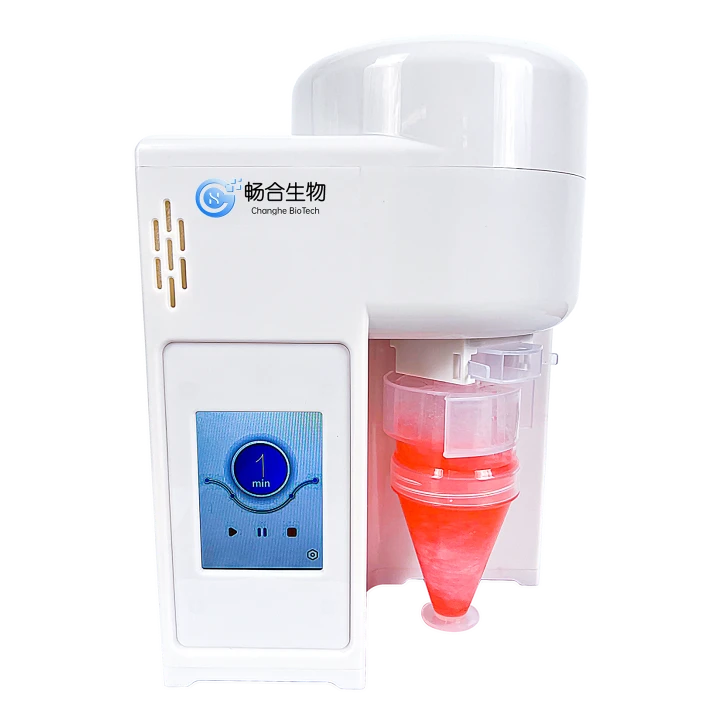
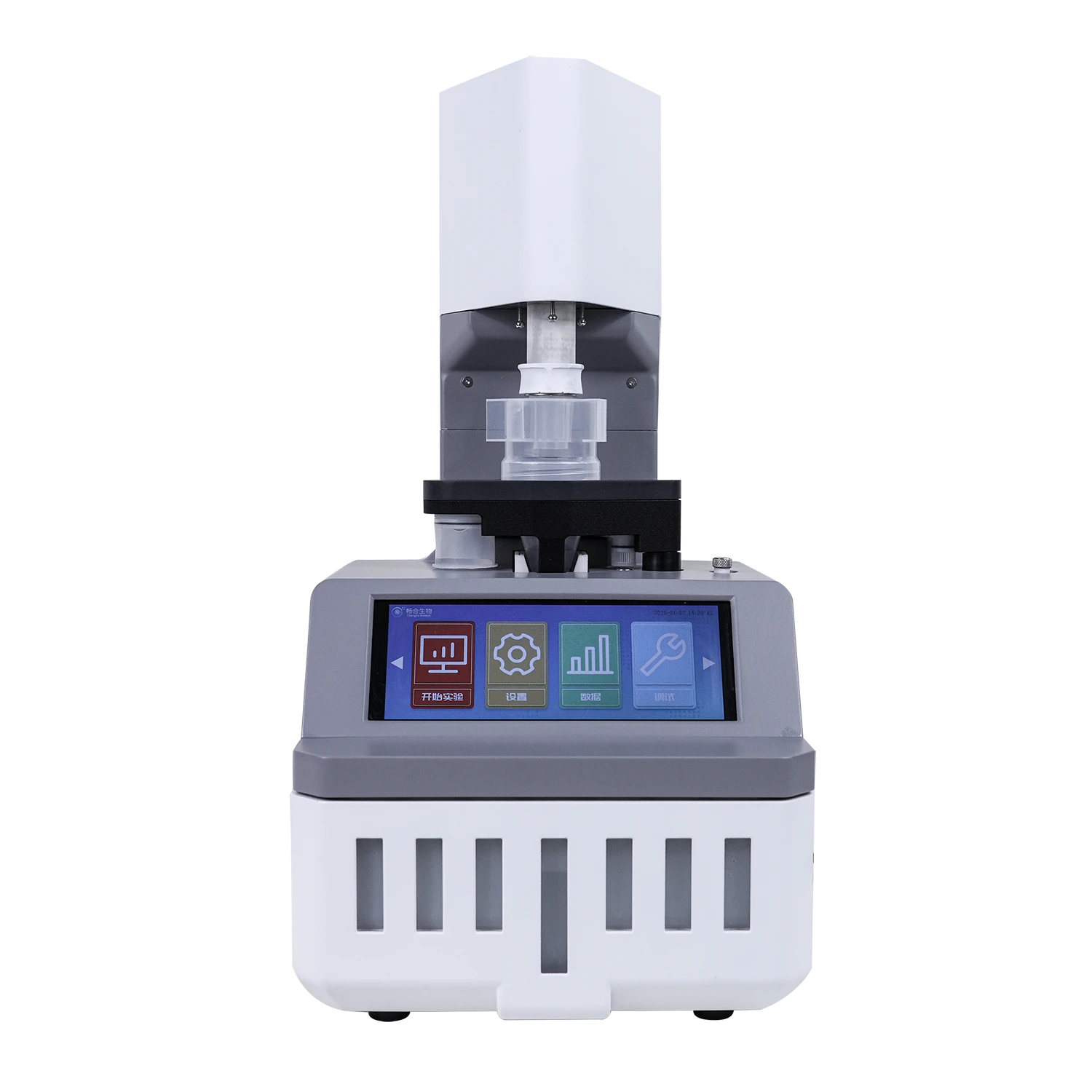
Our discussion delves into the technical intricacies, operational advantages, and strategic deployment of advanced bioaerosol sampling and detection devices, exemplified by the Bioaerosol Sampler & Detection Device. We aim to provide B2B decision-makers and technical engineers with a comprehensive understanding of the technology, its applications, and its role in maintaining stringent environmental control standards.
Industry Trends and Regulatory Landscape for Biological Samplers
The global landscape for bioaerosol monitoring is evolving rapidly, driven by heightened regulatory scrutiny and an increasing emphasis on proactive risk management. Emerging trends include a shift towards real-time, continuous monitoring solutions, enhanced sensitivity for detecting low concentrations of pathogens, and integration with broader environmental management systems. Regulations from bodies such as the FDA (e.g., cGMP guidelines for sterile manufacturing), ISO (e.g., ISO 14644 for cleanrooms, ISO 14690 for air cleanliness), and national health agencies are continually updated, demanding more rigorous and reliable air sampling bacteria protocols.
Technological advancements in biological samplers now incorporate features like automated data logging, remote accessibility, and sophisticated particle identification algorithms. These innovations enable industries to not only comply with standards but also to optimize operational efficiency and preempt potential contamination events. The market demands devices that offer not just high collection efficiency but also ease of use, durability, and cost-effectiveness over their service life.
Technical Specifications and Manufacturing Precision of a Bio Sampler
The efficacy of a bio sampler is fundamentally determined by its design, material science, and manufacturing precision. Modern bioaerosol samplers typically employ impaction, filtration, or impingement principles for particle collection. Impaction-based samplers, such as the Bioaerosol Sampler & Detection Device, draw air through a precisely sized orifice or slit, impacting airborne particles onto a collection surface, often a culture medium, for subsequent culturing and enumeration.
Materials and Design Philosophy
Critical components, including the inlet cone, impaction head, and collection plate holders, are meticulously fabricated from medical-grade 316L stainless steel. This material offers exceptional corrosion resistance, crucial in humid or chemically aggressive environments prevalent in petrochemical, water treatment, and pharmaceutical industries. Its inertness prevents sample contamination, while its durability ensures a prolonged service life, often exceeding 10 years with proper maintenance.
Precision Manufacturing Process for Air Sampling Bacteria Devices
The manufacturing of high-performance air sampling bacteria devices adheres to rigorous engineering standards to ensure unparalleled accuracy and repeatability. The process flow typically encompasses:
- Conceptual Design & Simulation: Utilizing advanced CAD/CAE tools for fluid dynamics and structural analysis to optimize airflow and collection efficiency.
- Material Sourcing & Verification: Procurement of certified 316L stainless steel and other specialized alloys, with incoming material inspections adhering to ASTM standards.
- Precision CNC Machining: Components are machined to micron-level tolerances using multi-axis CNC machines. This ensures the precise geometry of impaction jets and collection surfaces, critical for accurate particle sizing and collection.
- Surface Treatment & Finishing: Electropolishing and passivation treatments are applied to achieve ultra-smooth, crevice-free surfaces, enhancing hygiene, reducing microbial adhesion, and improving corrosion resistance.
- Cleanroom Assembly: Sub-assemblies and final devices are assembled in ISO Class 7 or 8 cleanrooms to prevent particulate contamination during manufacturing.
- Calibration & Testing: Each unit undergoes individual calibration for airflow rate (e.g., 100 L/min ± 5%) and functional testing. Performance is verified against international standards such as ISO 14690 for air quality in cleanrooms and USP for microbial control in aseptic environments.
- Quality Assurance & Documentation: Comprehensive quality checks, including dimensional verification, material traceability, and performance validation, are documented, providing full compliance records.
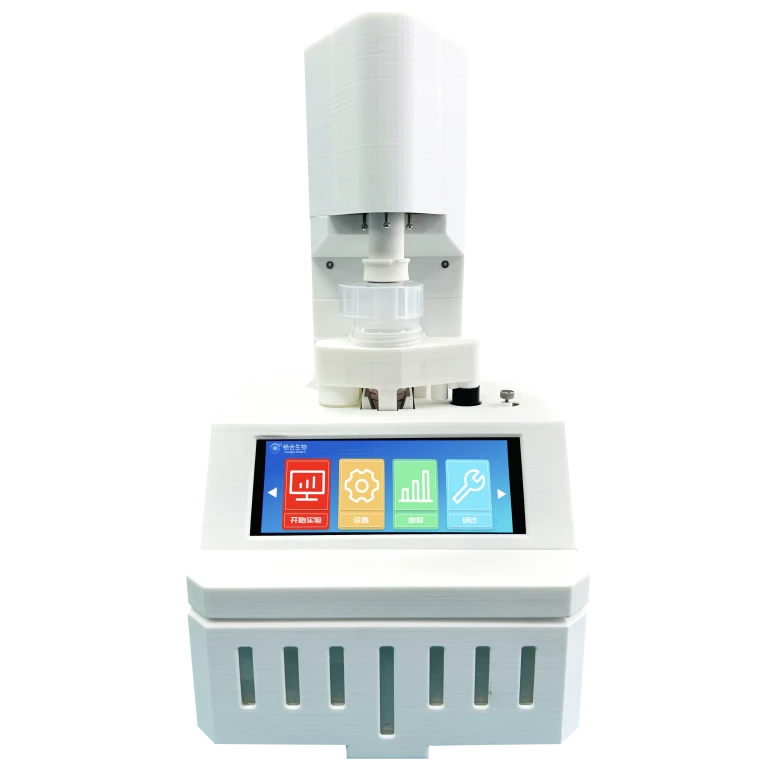
Image: High-precision components for bioaerosol sampling devices.
Key Product Specifications: Bioaerosol Sampler & Detection Device
| Parameter | Specification | Technical Detail |
|---|---|---|
| Sampling Flow Rate | 100 L/min ± 5% (Adjustable) | Ensures compliance with ISO 14690 and USP for consistent air volume. |
| Collection Efficiency | ≥99.9% for particles ≥0.8 µm | Critical for capturing a wide range of bacteria, fungi, and spores. |
| Impaction Velocity | Optimized for microbial viability | Minimizes cellular stress and desiccation during collection. |
| Operating Principle | Andersen-type impaction (multi-stage optional) | Facilitates size-fractionated collection and enumeration. |
| Materials of Construction | 316L Stainless Steel | Corrosion-resistant, autoclavable, suitable for aseptic environments. |
| Data Logging | Integrated memory, USB/Ethernet connectivity | Supports regulatory compliance and audit trails. |
| Battery Life | Up to 8 hours continuous operation | Enhances portability and flexibility for remote sampling. |
| Dimensions/Weight | Compact & Portable (e.g., 20x15x15 cm, 3.5 kg) | Facilitates ease of transport and deployment in various settings. |
Application Scenarios for Air Sampling Bacteria
The applications for precise air sampling bacteria extend across a multitude of industries where environmental control is paramount. The adaptability and robust design of advanced samplers make them indispensable tools in challenging and critical environments.
- Pharmaceutical & Biotechnology: Monitoring cleanrooms (ISO Class 5, 7, 8) for aseptic processing, sterile manufacturing, and vaccine production. Crucial for compliance with FDA and EMA regulations, ensuring product sterility and patient safety.
- Healthcare & Hospitals: Assessing air quality in operating theaters, isolation wards, and intensive care units to prevent healthcare-associated infections (HAIs) and ensure patient well-being.
- Food & Beverage Processing: Controlling airborne microbial loads in production areas, packaging lines, and cold storage facilities to prevent spoilage, ensure food safety, and extend product shelf-life.
- Petrochemical Industry: Monitoring for specific anaerobic bacteria or fungi in critical areas that could contribute to microbiologically influenced corrosion (MIC) in pipelines and storage tanks, offering significant corrosion resistance advantages due to sampler material choice.
- Metallurgy & Heavy Manufacturing: Assessing air quality in industrial settings where dust and aerosols can harbor microbial contaminants impacting worker health or sensitive material processing.
- Water Supply & Drainage Systems: Detecting airborne pathogens (e.g., Legionella, coliforms) released from aeration basins, cooling towers, or wastewater treatment facilities, crucial for public health protection and environmental compliance. This also helps in identifying sources of energy waste by pinpointing problematic microbial growth.
- Environmental Monitoring: Assessing bioaerosol concentrations in urban areas, agricultural settings, or near waste management sites for epidemiological studies and environmental impact assessments.
In each scenario, the ability to accurately collect and quantify airborne microorganisms provides actionable data for corrective measures, process optimization, and risk mitigation, demonstrating clear advantages in maintaining process integrity and public health.
Technical Advantages of Modern Bioaerosol Samplers
Modern bioaerosol samplers offer several distinct technical advantages over older or less sophisticated methods, directly translating into operational efficiencies and enhanced data reliability.
- High Viability Collection: Optimized impaction velocity and airflow design minimize stress on collected microorganisms, ensuring a higher percentage of viable cells for accurate enumeration.
- Precision Particle Size Cut-offs: Multi-stage impaction samplers can differentiate particles based on aerodynamic diameter, providing insights into the origin and potential health impact of bioaerosols.
- Automated & Programmable Sampling: Advanced devices allow for pre-setting sampling volumes, durations, and intervals, facilitating unattended operation and reducing labor costs.
- Data Integrity & Traceability: Integrated data logging, time-stamping, and non-volatile memory ensure that all sampling parameters are recorded and easily retrievable for audit trails and regulatory compliance.
- Portability & Remote Control: Lightweight design and battery power enable sampling in diverse locations, while optional wireless connectivity allows for remote monitoring and control, especially valuable in hazardous or difficult-to-access areas.
- Sterilizability & Cleanability: Components are designed for easy disassembly, cleaning, and sterilization (e.g., autoclaving), critical for maintaining aseptic conditions and preventing cross-contamination.
Image: User interface of a modern bioaerosol sampler.
Vendor Comparison and Customized Solutions for Biological Samplers
Selecting the right biological samplers involves evaluating various vendors based on performance, features, support, and total cost of ownership. While many general-purpose samplers exist, discerning buyers often require solutions tailored to their specific operational challenges.
Comparison of Advanced Bioaerosol Samplers
When comparing various the cycle biological samplers or other advanced bioaerosol detection devices, several critical factors must be considered:
| Feature/Parameter | Our Bioaerosol Sampler & Detection Device | Competitor A (e.g., General Purpose Sampler) | Competitor B (e.g., High-End Research Sampler) |
|---|---|---|---|
| Collection Method | Single-Stage or Multi-Stage Impaction | Single-Stage Impaction | Multi-Stage Impaction / Filtration |
| Flow Rate (L/min) | 100 (Adjustable) | 50 or 100 (Fixed) | Selectable (50-200) |
| Particle Size Range (µm) | ≥0.8 (viable collection) | ≥1.0 (general purpose) | 0.5 - 10+ (research focus) |
| Material | 316L Stainless Steel | Anodized Aluminum / Plastic | 316L Stainless Steel / Specialized Alloy |
| Data Logging / Connectivity | Yes (USB, Ethernet, Internal Memory) | Basic (Limited Memory) | Advanced (Cloud, WiFi, LIMS Integration) |
| Portability | Excellent (Battery Powered, Lightweight) | Good (Battery/Mains) | Moderate (Often Mains Powered, Heavier) |
| Certifications | ISO 9001, CE, cGMP compliance | CE | ISO, CE, FDA-compliant (some models) |
Customized Solutions
Recognizing that off-the-shelf solutions may not always meet every unique requirement, we offer bespoke customization services for our Bioaerosol Sampler & Detection Device. This can include:
- Specialized Inlet Configurations: For sampling in confined spaces or specific aerodynamic conditions.
- Environmental Hardening: Enhancements for operation in extreme temperatures, high humidity, or corrosive atmospheres (e.g., further specialized coatings, intrinsically safe designs for petrochemical environments).
- Software Integration: Seamless connectivity with existing Building Management Systems (BMS), Laboratory Information Management Systems (LIMS), or SCADA systems for centralized control and data analysis.
- Multi-Point Sampling Systems: Design and implementation of networked sampling points for continuous monitoring across large facilities.
Our engineering team collaborates closely with clients to develop solutions that not only meet performance targets but also integrate flawlessly into their operational workflows.
Real-World Application Case Studies (Experience & Authoritativeness)
Our commitment to delivering reliable air sampling bacteria solutions is evidenced by successful deployments in demanding industrial environments. These case studies highlight the practical benefits and the tangible return on investment our Bioaerosol Sampler & Detection Device offers.
Case Study 1: Pharmaceutical Aseptic Filling Line Monitoring
Client: A leading global pharmaceutical manufacturer.
Challenge: Maintaining ISO Class 5 air quality in an aseptic filling line to comply with stringent FDA cGMP regulations and prevent product contamination during sensitive operations.
Solution: Deployment of a network of Bioaerosol Sampler & Detection Devices, strategically placed within the critical zone. Devices were integrated into the plant's environmental monitoring system, providing continuous data logging and alarm functionalities.
Results: The system provided real-time and historical data demonstrating consistent compliance with microbial limits. Early detection of an out-of-specification event allowed for immediate investigation and corrective action, preventing a costly batch recall. The device's robust 316L stainless steel construction and ease of sterilization significantly reduced operational downtime for cleaning and validation, leading to a 15% improvement in line availability. Our client praised the system's reliability and the accuracy of its viable particle collection.
Case Study 2: Municipal Wastewater Treatment Plant Bioaerosol Assessment
Client: A major municipal water utility managing a large wastewater treatment facility.
Challenge: Assessing the occupational health risks posed by airborne microorganisms (bioaerosols) emanating from aeration tanks and sludge dewatering units, and addressing public concerns regarding potential off-site migration.
Solution: Portable Bioaerosol Sampler & Detection Devices were utilized for periodic monitoring at various points within the facility and at the perimeter. The ability to sample for specific bacterial indicators (e.g., coliforms, endotoxins) over extended periods was crucial.
Results: Data collected provided quantitative evidence of bioaerosol concentrations, allowing the utility to implement targeted engineering controls and personal protective equipment protocols. The long battery life and rugged design of the samplers enabled extensive field work in challenging environmental conditions (high humidity, varying temperatures). The comprehensive data contributed to a public health report that assuaged community concerns and informed long-term risk management strategies, highlighting the device's corrosion resistance in highly humid and chemically active environments.
Image: Bioaerosol sampler deployed in an industrial setting.
These examples demonstrate our long-standing commitment (over 15 years in the industry) and our strong network of partner clients who rely on our certified and high-performance equipment for critical environmental monitoring.
Trustworthiness: FAQ, Lead Time, Warranty & Support
Building long-term partnerships in the B2B sector requires not only superior products but also exceptional service and transparent commitments. We prioritize customer trust through clear communication and robust support structures.
Frequently Asked Questions (FAQ) about Air Sampling Bacteria Devices
- Q: What is the recommended calibration frequency for the device?
A: We recommend annual calibration by certified personnel to ensure sustained accuracy and compliance with regulatory standards. Calibration services are available through our authorized service centers. - Q: Can the Bioaerosol Sampler operate in hazardous environments?
A: While our standard models are robust, for intrinsically safe or explosion-proof requirements in petrochemical or similar environments, please inquire about our specialized ruggedized or customized solutions. - Q: How do I select the appropriate culture media for sampling?
A: The choice of culture media depends on the target microorganisms. We provide guidelines and recommendations, but it is typically determined by your microbiological testing protocols (e.g., TSA for total viable count, SDA for fungi, specific media for pathogens). - Q: Is the device compatible with LIMS (Laboratory Information Management Systems)?
A: Yes, our advanced models feature Ethernet connectivity and API support for seamless integration with most LIMS platforms, facilitating automated data transfer and management.
Lead Time & Fulfillment
Standard Bioaerosol Sampler & Detection Devices typically have a lead time of 4-6 weeks from order confirmation, depending on current stock and customization requirements. For large-volume orders or highly customized configurations, project timelines will be communicated clearly and managed proactively by your dedicated account manager. We maintain a transparent order fulfillment process, providing regular updates on production and shipping statuses.
Warranty Commitments
We stand behind the quality and reliability of our products. Each Bioaerosol Sampler & Detection Device comes with a standard 2-year warranty covering manufacturing defects and component failures. Extended warranty options and comprehensive service contracts are available to provide long-term peace of mind and minimize unforeseen operational costs.
Customer Support & After-Sales Service
Our commitment to our clients extends far beyond the point of sale. We offer comprehensive after-sales support including:
- Technical Assistance: A dedicated team of technical support engineers available for troubleshooting, operational guidance, and expert advice.
- On-site Training: Customized training programs for your personnel to ensure optimal device operation, maintenance, and data interpretation.
- Maintenance & Repair: Factory-authorized service centers and field technicians capable of performing routine maintenance, calibration, and repairs.
- Spare Parts Availability: A readily available inventory of genuine spare parts to minimize downtime.
Our goal is to ensure your bioaerosol monitoring systems operate effectively and reliably throughout their extensive service life.
Conclusion: Advancing Environmental Control with Precision Bioaerosol Monitoring
The demand for accurate and reliable biological samplers continues to grow, driven by increasingly stringent regulatory requirements, complex industrial processes, and a global focus on health and safety. The Bioaerosol Sampler & Detection Device represents the pinnacle of modern bioaerosol monitoring technology, offering unparalleled precision, robust construction, and versatile application capabilities.
By integrating advanced materials, precision manufacturing, and intelligent design, these devices empower industries to maintain superior environmental control, safeguard product quality, protect personnel, and ensure regulatory compliance. Investing in such advanced solutions is not merely a cost but a strategic decision that enhances operational resilience and fosters a safer, more productive environment.
Authoritative References
- International Organization for Standardization. ISO 14644: Cleanrooms and associated controlled environments. Various parts.
- United States Pharmacopeia. USP Microbiological Control and Monitoring of Aseptic Processing Environments.
- Food and Drug Administration. Guidance for Industry: Sterile Drug Products Produced by Aseptic Processing — Current Good Manufacturing Practice.
- International Organization for Standardization. ISO 14690: Guidance for the selection and use of microbiological air samplers.
- American National Standards Institute (ANSI) / American Society of Heating, Refrigerating and Air-Conditioning Engineers (ASHRAE). ASHRAE Standard 180: Standard Practice for Inspection and Maintenance of Commercial Building HVAC Systems.
-
Understanding pcr testes transgênicos for Agricultural PurityNewsApr.16,2026
-
Understanding Febre do Cão PCR for Precision Veterinary DiagnosticsNewsApr.09,2026
-
Understanding Respiração PCR and Grupo Cat for Advanced Bioaerosol Sampling TechniquesNewsApr.07,2026
-
IDEXX Feline Respiratory PCR Panel A Comprehensive Guide for VeterinariansNewsApr.04,2026
-
Understanding Grupo de Gatos URD PCR and Bioaerosol Sampling for Air Quality ControlNewsMar.28,2026
-
Understanding the Feline Respiratory PCR Panel Grupo de PCR Respiratório do GatoNewsMar.26,2026
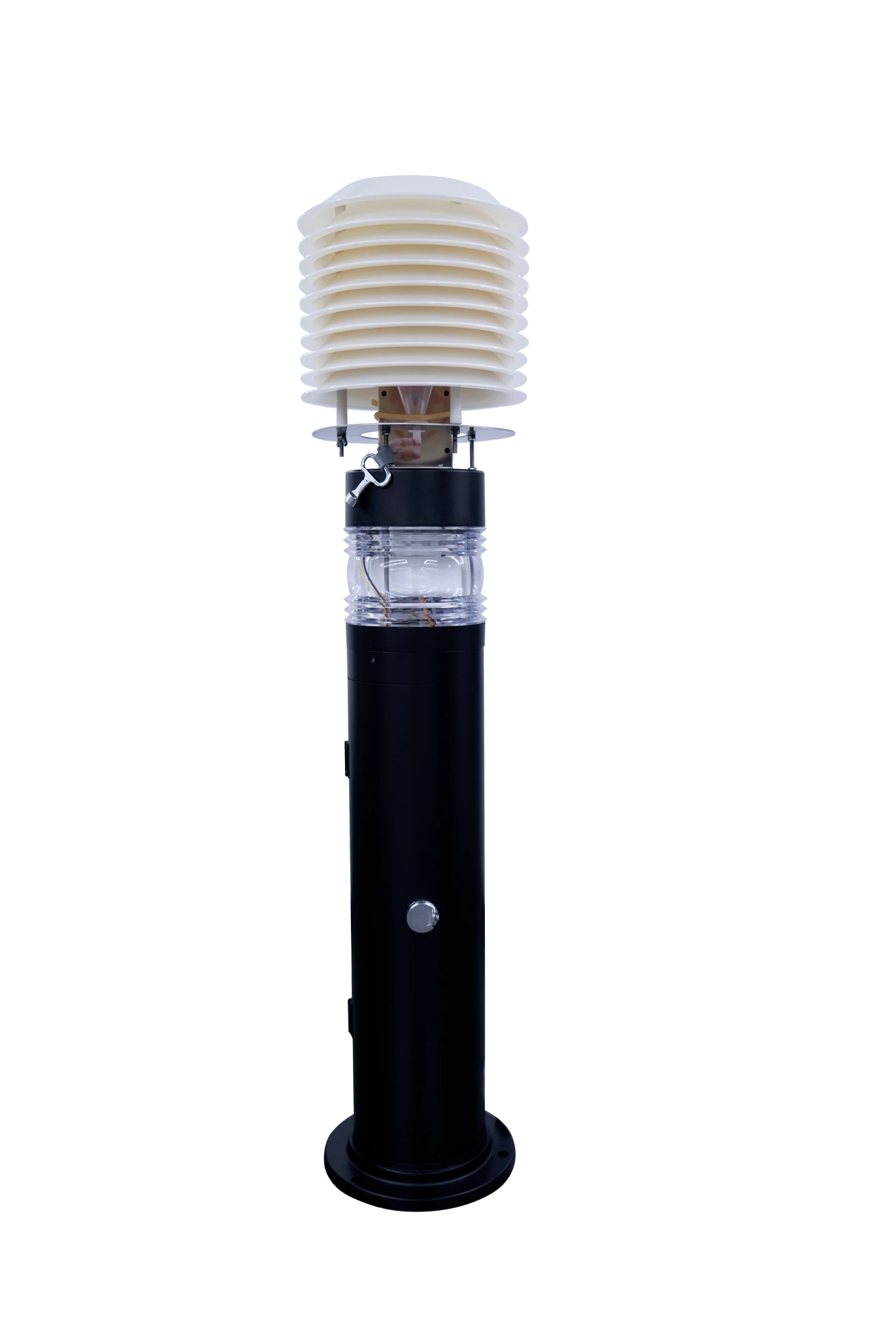
Precision Air Sampling Bacteria: Reliable Biological Samplers
The Critical Imperative of Advanced Bioaerosol Monitoring
In contemporary industrial and scientific environments, the precise monitoring and control of airborne biological contaminants are paramount. This involves sophisticated methodologies and advanced instrumentation, particularly in the realm of air sampling bacteria. The presence of viable microorganisms in the air can significantly impact product quality, process integrity, worker health, and environmental compliance across diverse sectors, from pharmaceuticals and healthcare to food processing and environmental monitoring.
Our discussion delves into the technical intricacies, operational advantages, and strategic deployment of advanced bioaerosol sampling and detection devices, exemplified by the Bioaerosol Sampler & Detection Device. We aim to provide B2B decision-makers and technical engineers with a comprehensive understanding of the technology, its applications, and its role in maintaining stringent environmental control standards.
Industry Trends and Regulatory Landscape for Biological Samplers
The global landscape for bioaerosol monitoring is evolving rapidly, driven by heightened regulatory scrutiny and an increasing emphasis on proactive risk management. Emerging trends include a shift towards real-time, continuous monitoring solutions, enhanced sensitivity for detecting low concentrations of pathogens, and integration with broader environmental management systems. Regulations from bodies such as the FDA (e.g., cGMP guidelines for sterile manufacturing), ISO (e.g., ISO 14644 for cleanrooms, ISO 14690 for air cleanliness), and national health agencies are continually updated, demanding more rigorous and reliable air sampling bacteria protocols.
Technological advancements in biological samplers now incorporate features like automated data logging, remote accessibility, and sophisticated particle identification algorithms. These innovations enable industries to not only comply with standards but also to optimize operational efficiency and preempt potential contamination events. The market demands devices that offer not just high collection efficiency but also ease of use, durability, and cost-effectiveness over their service life.
Technical Specifications and Manufacturing Precision of a Bio Sampler
The efficacy of a bio sampler is fundamentally determined by its design, material science, and manufacturing precision. Modern bioaerosol samplers typically employ impaction, filtration, or impingement principles for particle collection. Impaction-based samplers, such as the Bioaerosol Sampler & Detection Device, draw air through a precisely sized orifice or slit, impacting airborne particles onto a collection surface, often a culture medium, for subsequent culturing and enumeration.
Materials and Design Philosophy
Critical components, including the inlet cone, impaction head, and collection plate holders, are meticulously fabricated from medical-grade 316L stainless steel. This material offers exceptional corrosion resistance, crucial in humid or chemically aggressive environments prevalent in petrochemical, water treatment, and pharmaceutical industries. Its inertness prevents sample contamination, while its durability ensures a prolonged service life, often exceeding 10 years with proper maintenance.
Precision Manufacturing Process for Air Sampling Bacteria Devices
The manufacturing of high-performance air sampling bacteria devices adheres to rigorous engineering standards to ensure unparalleled accuracy and repeatability. The process flow typically encompasses:
- Conceptual Design & Simulation: Utilizing advanced CAD/CAE tools for fluid dynamics and structural analysis to optimize airflow and collection efficiency.
- Material Sourcing & Verification: Procurement of certified 316L stainless steel and other specialized alloys, with incoming material inspections adhering to ASTM standards.
- Precision CNC Machining: Components are machined to micron-level tolerances using multi-axis CNC machines. This ensures the precise geometry of impaction jets and collection surfaces, critical for accurate particle sizing and collection.
- Surface Treatment & Finishing: Electropolishing and passivation treatments are applied to achieve ultra-smooth, crevice-free surfaces, enhancing hygiene, reducing microbial adhesion, and improving corrosion resistance.
- Cleanroom Assembly: Sub-assemblies and final devices are assembled in ISO Class 7 or 8 cleanrooms to prevent particulate contamination during manufacturing.
- Calibration & Testing: Each unit undergoes individual calibration for airflow rate (e.g., 100 L/min ± 5%) and functional testing. Performance is verified against international standards such as ISO 14690 for air quality in cleanrooms and USP <1116> for microbial control in aseptic environments.
- Quality Assurance & Documentation: Comprehensive quality checks, including dimensional verification, material traceability, and performance validation, are documented, providing full compliance records.
Image: High-precision components for bioaerosol sampling devices.
Key Product Specifications: Bioaerosol Sampler & Detection Device
| Parameter | Specification | Technical Detail |
|---|---|---|
| Sampling Flow Rate | 100 L/min ± 5% (Adjustable) | Ensures compliance with ISO 14690 and USP <1116> for consistent air volume. |
| Collection Efficiency | ≥99.9% for particles ≥0.8 µm | Critical for capturing a wide range of bacteria, fungi, and spores. |
| Impaction Velocity | Optimized for microbial viability | Minimizes cellular stress and desiccation during collection. |
| Operating Principle | Andersen-type impaction (multi-stage optional) | Facilitates size-fractionated collection and enumeration. |
| Materials of Construction | 316L Stainless Steel | Corrosion-resistant, autoclavable, suitable for aseptic environments. |
| Data Logging | Integrated memory, USB/Ethernet connectivity | Supports regulatory compliance and audit trails. |
| Battery Life | Up to 8 hours continuous operation | Enhances portability and flexibility for remote sampling. |
| Dimensions/Weight | Compact & Portable (e.g., 20x15x15 cm, 3.5 kg) | Facilitates ease of transport and deployment in various settings. |
Application Scenarios for Air Sampling Bacteria
The applications for precise air sampling bacteria extend across a multitude of industries where environmental control is paramount. The adaptability and robust design of advanced samplers make them indispensable tools in challenging and critical environments.
- Pharmaceutical & Biotechnology: Monitoring cleanrooms (ISO Class 5, 7, 8) for aseptic processing, sterile manufacturing, and vaccine production. Crucial for compliance with FDA and EMA regulations, ensuring product sterility and patient safety.
- Healthcare & Hospitals: Assessing air quality in operating theaters, isolation wards, and intensive care units to prevent healthcare-associated infections (HAIs) and ensure patient well-being.
- Food & Beverage Processing: Controlling airborne microbial loads in production areas, packaging lines, and cold storage facilities to prevent spoilage, ensure food safety, and extend product shelf-life.
- Petrochemical Industry: Monitoring for specific anaerobic bacteria or fungi in critical areas that could contribute to microbiologically influenced corrosion (MIC) in pipelines and storage tanks, offering significant corrosion resistance advantages due to sampler material choice.
- Metallurgy & Heavy Manufacturing: Assessing air quality in industrial settings where dust and aerosols can harbor microbial contaminants impacting worker health or sensitive material processing.
- Water Supply & Drainage Systems: Detecting airborne pathogens (e.g., Legionella, coliforms) released from aeration basins, cooling towers, or wastewater treatment facilities, crucial for public health protection and environmental compliance. This also helps in identifying sources of energy waste by pinpointing problematic microbial growth.
- Environmental Monitoring: Assessing bioaerosol concentrations in urban areas, agricultural settings, or near waste management sites for epidemiological studies and environmental impact assessments.
In each scenario, the ability to accurately collect and quantify airborne microorganisms provides actionable data for corrective measures, process optimization, and risk mitigation, demonstrating clear advantages in maintaining process integrity and public health.
Technical Advantages of Modern Bioaerosol Samplers
Modern bioaerosol samplers offer several distinct technical advantages over older or less sophisticated methods, directly translating into operational efficiencies and enhanced data reliability.
- High Viability Collection: Optimized impaction velocity and airflow design minimize stress on collected microorganisms, ensuring a higher percentage of viable cells for accurate enumeration.
- Precision Particle Size Cut-offs: Multi-stage impaction samplers can differentiate particles based on aerodynamic diameter, providing insights into the origin and potential health impact of bioaerosols.
- Automated & Programmable Sampling: Advanced devices allow for pre-setting sampling volumes, durations, and intervals, facilitating unattended operation and reducing labor costs.
- Data Integrity & Traceability: Integrated data logging, time-stamping, and non-volatile memory ensure that all sampling parameters are recorded and easily retrievable for audit trails and regulatory compliance.
- Portability & Remote Control: Lightweight design and battery power enable sampling in diverse locations, while optional wireless connectivity allows for remote monitoring and control, especially valuable in hazardous or difficult-to-access areas.
- Sterilizability & Cleanability: Components are designed for easy disassembly, cleaning, and sterilization (e.g., autoclaving), critical for maintaining aseptic conditions and preventing cross-contamination.
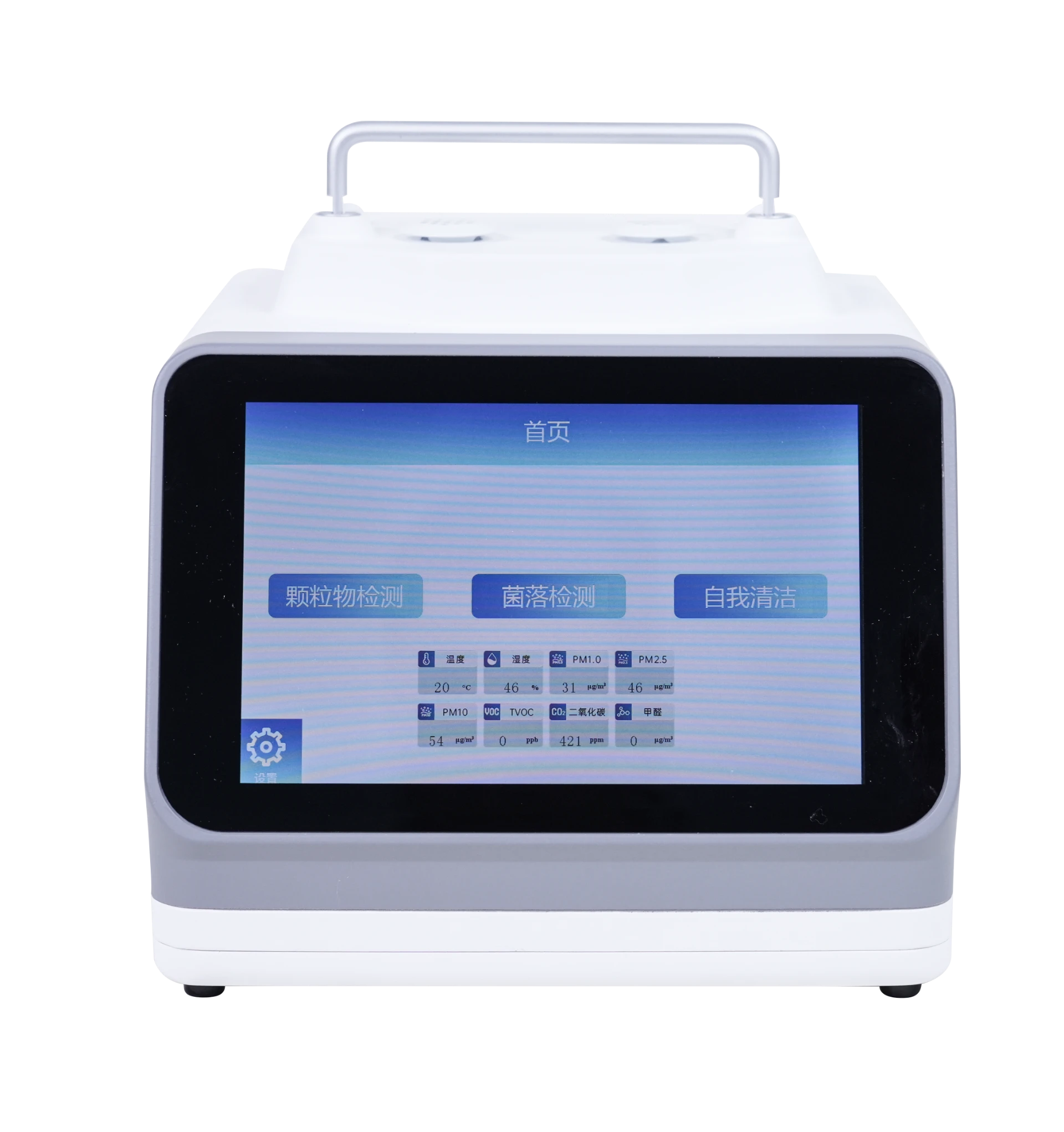
Image: User interface of a modern bioaerosol sampler.
Vendor Comparison and Customized Solutions for Biological Samplers
Selecting the right biological samplers involves evaluating various vendors based on performance, features, support, and total cost of ownership. While many general-purpose samplers exist, discerning buyers often require solutions tailored to their specific operational challenges.
Comparison of Advanced Bioaerosol Samplers
When comparing various the cycle biological samplers or other advanced bioaerosol detection devices, several critical factors must be considered:
| Feature/Parameter | Our Bioaerosol Sampler & Detection Device | Competitor A (e.g., General Purpose Sampler) | Competitor B (e.g., High-End Research Sampler) |
|---|---|---|---|
| Collection Method | Single-Stage or Multi-Stage Impaction | Single-Stage Impaction | Multi-Stage Impaction / Filtration |
| Flow Rate (L/min) | 100 (Adjustable) | 50 or 100 (Fixed) | Selectable (50-200) |
| Particle Size Range (µm) | ≥0.8 (viable collection) | ≥1.0 (general purpose) | 0.5 - 10+ (research focus) |
| Material | 316L Stainless Steel | Anodized Aluminum / Plastic | 316L Stainless Steel / Specialized Alloy |
| Data Logging / Connectivity | Yes (USB, Ethernet, Internal Memory) | Basic (Limited Memory) | Advanced (Cloud, WiFi, LIMS Integration) |
| Portability | Excellent (Battery Powered, Lightweight) | Good (Battery/Mains) | Moderate (Often Mains Powered, Heavier) |
| Certifications | ISO 9001, CE, cGMP compliance | CE | ISO, CE, FDA-compliant (some models) |
Customized Solutions
Recognizing that off-the-shelf solutions may not always meet every unique requirement, we offer bespoke customization services for our Bioaerosol Sampler & Detection Device. This can include:
- Specialized Inlet Configurations: For sampling in confined spaces or specific aerodynamic conditions.
- Environmental Hardening: Enhancements for operation in extreme temperatures, high humidity, or corrosive atmospheres (e.g., further specialized coatings, intrinsically safe designs for petrochemical environments).
- Software Integration: Seamless connectivity with existing Building Management Systems (BMS), Laboratory Information Management Systems (LIMS), or SCADA systems for centralized control and data analysis.
- Multi-Point Sampling Systems: Design and implementation of networked sampling points for continuous monitoring across large facilities.
Our engineering team collaborates closely with clients to develop solutions that not only meet performance targets but also integrate flawlessly into their operational workflows.
Real-World Application Case Studies (Experience & Authoritativeness)
Our commitment to delivering reliable air sampling bacteria solutions is evidenced by successful deployments in demanding industrial environments. These case studies highlight the practical benefits and the tangible return on investment our Bioaerosol Sampler & Detection Device offers.
Case Study 1: Pharmaceutical Aseptic Filling Line Monitoring
Client: A leading global pharmaceutical manufacturer.
Challenge: Maintaining ISO Class 5 air quality in an aseptic filling line to comply with stringent FDA cGMP regulations and prevent product contamination during sensitive operations.
Solution: Deployment of a network of Bioaerosol Sampler & Detection Devices, strategically placed within the critical zone. Devices were integrated into the plant's environmental monitoring system, providing continuous data logging and alarm functionalities.
Results: The system provided real-time and historical data demonstrating consistent compliance with microbial limits. Early detection of an out-of-specification event allowed for immediate investigation and corrective action, preventing a costly batch recall. The device's robust 316L stainless steel construction and ease of sterilization significantly reduced operational downtime for cleaning and validation, leading to a 15% improvement in line availability. Our client praised the system's reliability and the accuracy of its viable particle collection.
Case Study 2: Municipal Wastewater Treatment Plant Bioaerosol Assessment
Client: A major municipal water utility managing a large wastewater treatment facility.
Challenge: Assessing the occupational health risks posed by airborne microorganisms (bioaerosols) emanating from aeration tanks and sludge dewatering units, and addressing public concerns regarding potential off-site migration.
Solution: Portable Bioaerosol Sampler & Detection Devices were utilized for periodic monitoring at various points within the facility and at the perimeter. The ability to sample for specific bacterial indicators (e.g., coliforms, endotoxins) over extended periods was crucial.
Results: Data collected provided quantitative evidence of bioaerosol concentrations, allowing the utility to implement targeted engineering controls and personal protective equipment protocols. The long battery life and rugged design of the samplers enabled extensive field work in challenging environmental conditions (high humidity, varying temperatures). The comprehensive data contributed to a public health report that assuaged community concerns and informed long-term risk management strategies, highlighting the device's corrosion resistance in highly humid and chemically active environments.
Image: Bioaerosol sampler deployed in an industrial setting.
These examples demonstrate our long-standing commitment (over 15 years in the industry) and our strong network of partner clients who rely on our certified and high-performance equipment for critical environmental monitoring.
Trustworthiness: FAQ, Lead Time, Warranty & Support
Building long-term partnerships in the B2B sector requires not only superior products but also exceptional service and transparent commitments. We prioritize customer trust through clear communication and robust support structures.
Frequently Asked Questions (FAQ) about Air Sampling Bacteria Devices
- Q: What is the recommended calibration frequency for the device?
A: We recommend annual calibration by certified personnel to ensure sustained accuracy and compliance with regulatory standards. Calibration services are available through our authorized service centers. - Q: Can the Bioaerosol Sampler operate in hazardous environments?
A: While our standard models are robust, for intrinsically safe or explosion-proof requirements in petrochemical or similar environments, please inquire about our specialized ruggedized or customized solutions. - Q: How do I select the appropriate culture media for sampling?
A: The choice of culture media depends on the target microorganisms. We provide guidelines and recommendations, but it is typically determined by your microbiological testing protocols (e.g., TSA for total viable count, SDA for fungi, specific media for pathogens). - Q: Is the device compatible with LIMS (Laboratory Information Management Systems)?
A: Yes, our advanced models feature Ethernet connectivity and API support for seamless integration with most LIMS platforms, facilitating automated data transfer and management.
Lead Time & Fulfillment
Standard Bioaerosol Sampler & Detection Devices typically have a lead time of 4-6 weeks from order confirmation, depending on current stock and customization requirements. For large-volume orders or highly customized configurations, project timelines will be communicated clearly and managed proactively by your dedicated account manager. We maintain a transparent order fulfillment process, providing regular updates on production and shipping statuses.
Warranty Commitments
We stand behind the quality and reliability of our products. Each Bioaerosol Sampler & Detection Device comes with a standard 2-year warranty covering manufacturing defects and component failures. Extended warranty options and comprehensive service contracts are available to provide long-term peace of mind and minimize unforeseen operational costs.
Customer Support & After-Sales Service
Our commitment to our clients extends far beyond the point of sale. We offer comprehensive after-sales support including:
- Technical Assistance: A dedicated team of technical support engineers available for troubleshooting, operational guidance, and expert advice.
- On-site Training: Customized training programs for your personnel to ensure optimal device operation, maintenance, and data interpretation.
- Maintenance & Repair: Factory-authorized service centers and field technicians capable of performing routine maintenance, calibration, and repairs.
- Spare Parts Availability: A readily available inventory of genuine spare parts to minimize downtime.
Our goal is to ensure your bioaerosol monitoring systems operate effectively and reliably throughout their extensive service life.
Conclusion: Advancing Environmental Control with Precision Bioaerosol Monitoring
The demand for accurate and reliable biological samplers continues to grow, driven by increasingly stringent regulatory requirements, complex industrial processes, and a global focus on health and safety. The Bioaerosol Sampler & Detection Device represents the pinnacle of modern bioaerosol monitoring technology, offering unparalleled precision, robust construction, and versatile application capabilities.
By integrating advanced materials, precision manufacturing, and intelligent design, these devices empower industries to maintain superior environmental control, safeguard product quality, protect personnel, and ensure regulatory compliance. Investing in such advanced solutions is not merely a cost but a strategic decision that enhances operational resilience and fosters a safer, more productive environment.
Authoritative References
- International Organization for Standardization. ISO 14644: Cleanrooms and associated controlled environments. Various parts.
- United States Pharmacopeia. USP <1116> Microbiological Control and Monitoring of Aseptic Processing Environments.
- Food and Drug Administration. Guidance for Industry: Sterile Drug Products Produced by Aseptic Processing — Current Good Manufacturing Practice.
- International Organization for Standardization. ISO 14690: Guidance for the selection and use of microbiological air samplers.
- American National Standards Institute (ANSI) / American Society of Heating, Refrigerating and Air-Conditioning Engineers (ASHRAE). ASHRAE Standard 180: Standard Practice for Inspection and Maintenance of Commercial Building HVAC Systems.