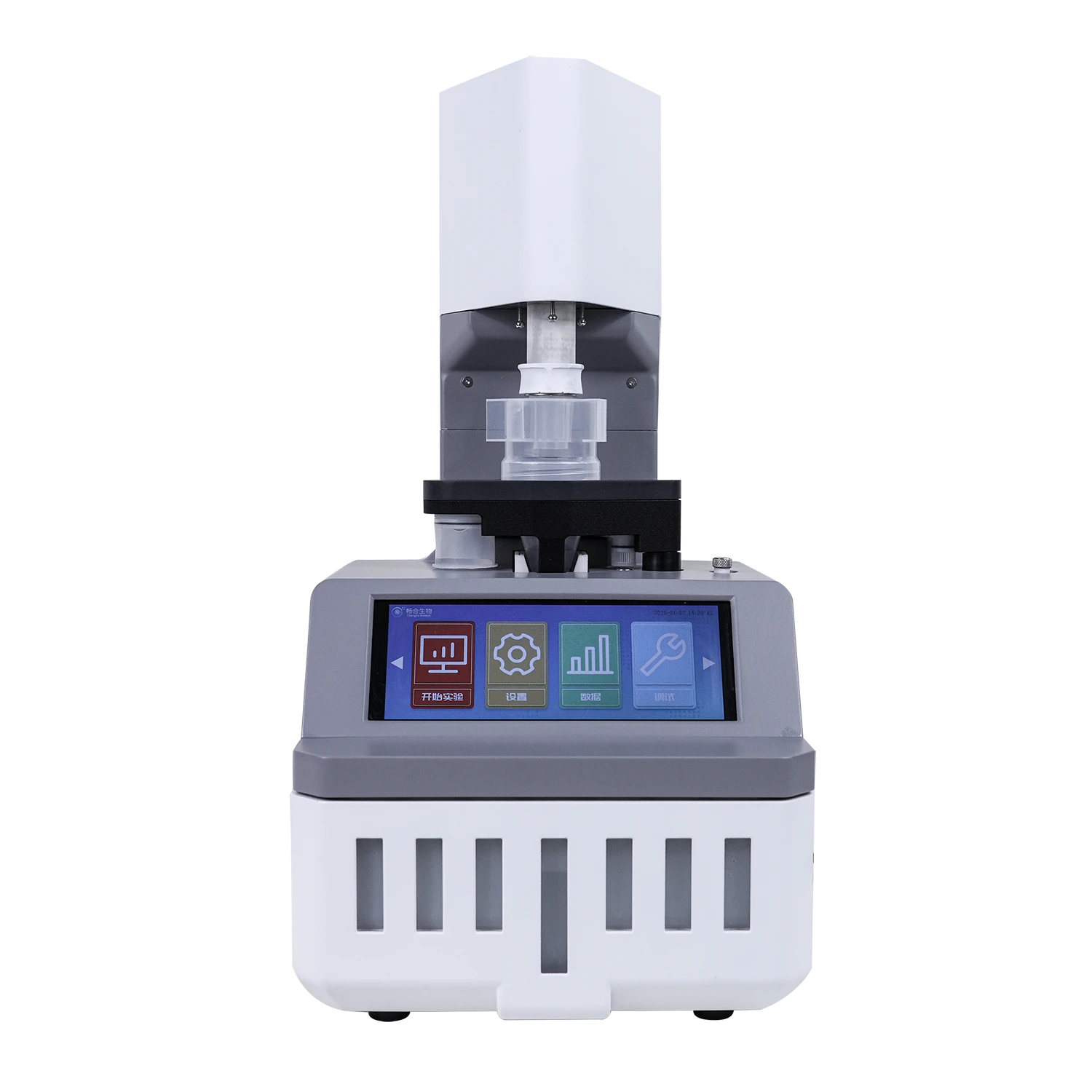

Precision Bioaerosol Detection for Safe Indoor Environments
The Imperative of Advanced Bioaerosol Detection
In an era of increasing environmental awareness and stringent health regulations, the precise and timely bioaerosol detection has become a critical requirement across numerous industries. Bioaerosols, comprising airborne particles of biological origin such as bacteria, fungi, viruses, and pollen, pose significant risks to human health, product integrity, and environmental ecosystems. From cleanroom environments to public health monitoring, the ability to accurately identify and quantify these microscopic threats is paramount. This article delves into the intricate world of bioaerosol detection, exploring its core processes, underlying technologies, diverse applications, and the distinct advantages offered by advanced systems like the Continuous Bioaerosol Sampler.
Process Flow: From Sampling to Analysis in Bioaerosol Detection Systems
The lifecycle of a high-performance continuous bioaerosol sampler, central to effective bioaerosol detection, begins long before deployment. It involves meticulous design, advanced manufacturing, and rigorous testing to ensure unparalleled accuracy and reliability.
1. Design and Material Selection: The Foundation of Precision
The initial phase focuses on selecting materials that ensure both performance and longevity. For instance, critical components like impaction plates, collection cones, and airflow channels often utilize medical-grade 316L stainless steel or specialized inert polymers. These materials are chosen for their superior corrosion resistance, minimal bio-adhesion properties, and ease of sterilization, crucial for maintaining sample integrity. Design considerations also include optimizing aerodynamic characteristics to achieve precise particle cut-offs and high collection efficiency across various size ranges, typically from 0.5 to 20 microns.
2. Manufacturing Processes: Engineering for Excellence
- CNC Machining & Precision Fabrication: Components requiring high dimensional accuracy, such as impaction nozzles and sensor mounts, are manufactured using advanced Computer Numerical Control (CNC) machining. This ensures tolerances typically within ±0.01mm, critical for consistent airflow dynamics and particle collection.
- Injection Molding: For complex geometries and lightweight enclosures, high-performance engineering plastics like PEEK or advanced ABS are precision injection molded. These parts are designed for robustness, chemical resistance, and ease of assembly.
- Surface Treatment: To further enhance durability and reduce surface interactions, components may undergo passivation, electropolishing, or specialized polymer coatings. This is particularly important for preventing cross-contamination and ensuring long-term operational stability.
- Cleanroom Assembly: The final assembly of optical, fluidic, and electronic modules is conducted in ISO Class 7 or higher cleanroom environments. This prevents particulate contamination during manufacturing, safeguarding the sensitivity and reliability of the detection system.
3. Calibration and Testing Standards: Ensuring Uncompromised Performance
Every continuous bioaerosol sampler undergoes a rigorous multi-stage testing protocol.
- Flow Rate Calibration: Airflow is precisely calibrated against NIST-traceable standards to ensure accurate volumetric sampling, essential for quantitative analysis.
- Particle Collection Efficiency: Tested using standardized particle aerosols (e.g., polystyrene latex spheres, bacterial spores) to verify capture rates across the specified particle size range. This often adheres to standards like ISO 14698 for cleanroom bio-contamination control.
- Environmental Testing: Devices are subjected to extreme temperature, humidity, and vibration tests to ensure resilience in diverse operational environments, aligning with IEC 60068 standards.
- Biosafety and Sterilization Compatibility: Verified to withstand common decontamination methods (e.g., VHP, autoclaving) without compromising material integrity or sensor performance.
- Electrical Safety & EMC: Compliance with international electrical safety standards (e.g., UL, CE, ANSI) and electromagnetic compatibility (EMC) directives is verified to ensure safe and interference-free operation.
4. Service Life & Target Industries
Designed for continuous operation, these systems boast a service life typically exceeding 5-7 years with proper maintenance, offering an exceptional return on investment. Key target industries include:
- Pharmaceutical & Biotechnology: Maintaining sterile manufacturing environments (ISO Class 5-8 cleanrooms).
- Healthcare & Hospitals: Infection control in critical areas like operating theaters, isolation wards, and pharmacies.
- Food & Beverage Processing: Preventing microbial contamination in production and packaging areas.
- Environmental Monitoring: Assessing outdoor air quality, monitoring pollen counts, and detecting biological threats in urban or industrial zones.
- Water Treatment & HVAC: Monitoring for Legionella and other bioaerosols in cooling towers and ventilation systems.
In these scenarios, advantages such as continuous monitoring, rapid alert capabilities, and quantifiable data are critical for energy saving through optimized HVAC, enhanced corrosion resistance of internal components, and overall improved operational safety.
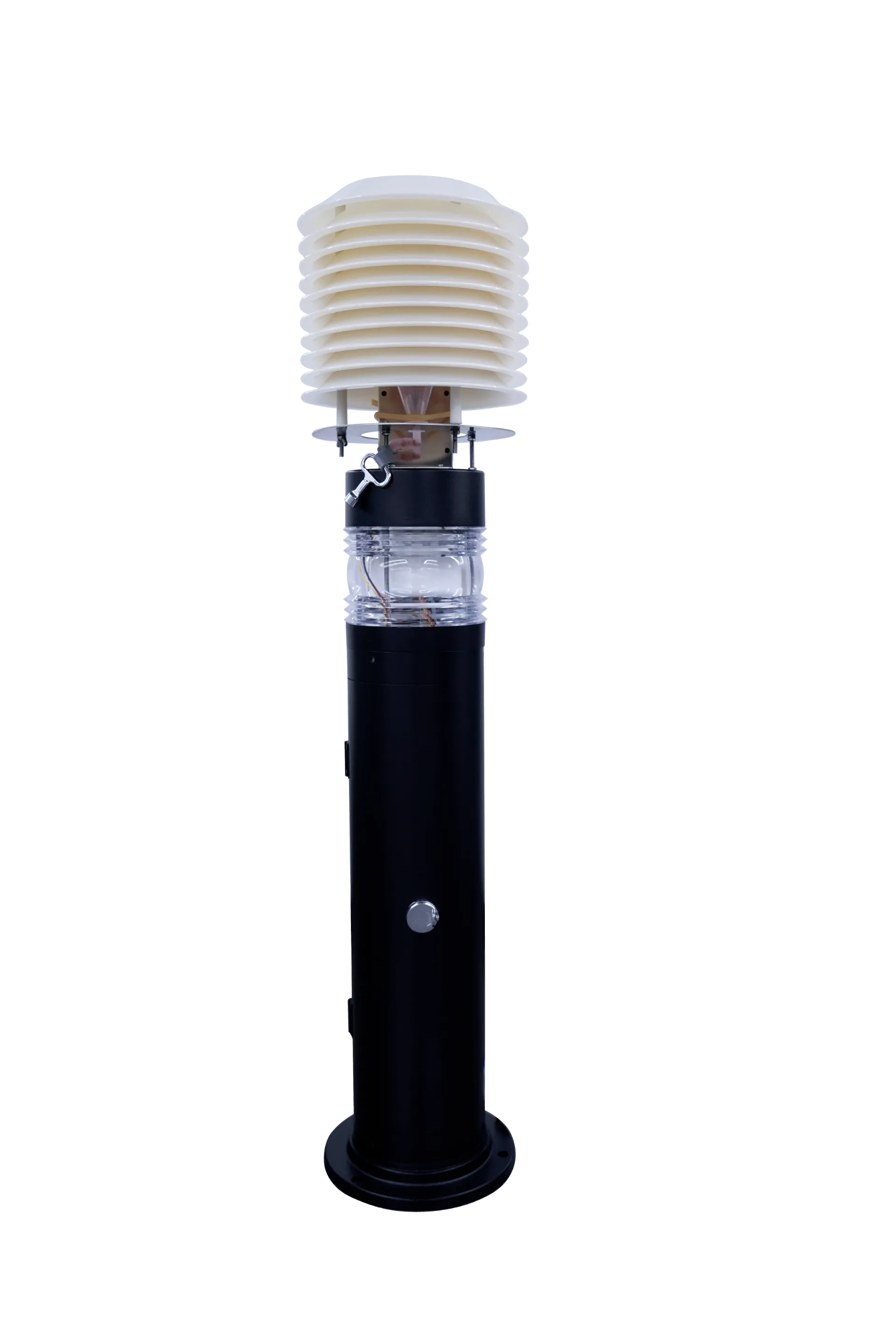
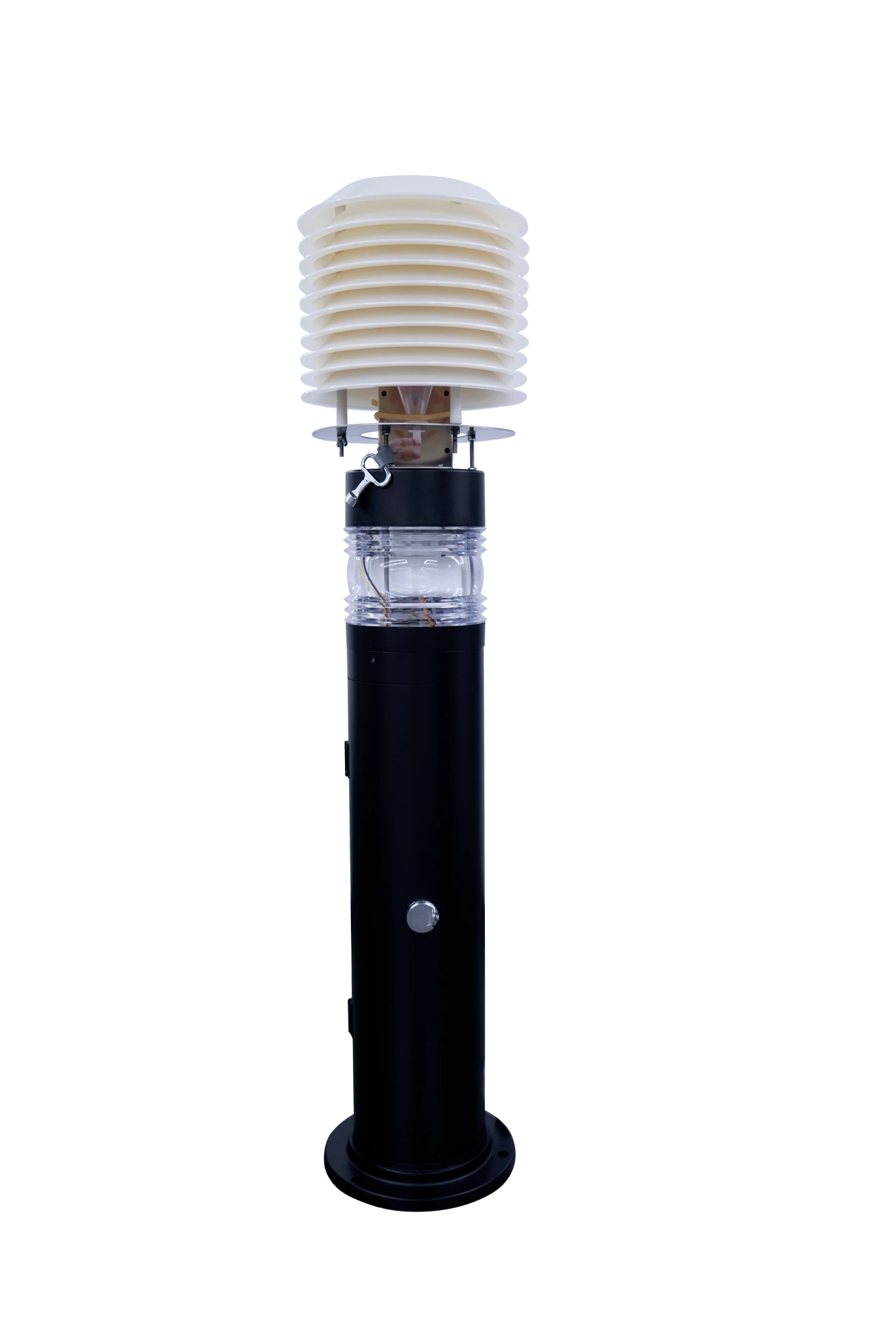
Fig 1: Advanced Bioaerosol Sampler for continuous monitoring.
Current Industry Trends in Bioaerosol Detection
The landscape of bioaerosol detection is rapidly evolving, driven by technological advancements and increasing regulatory pressure. Several key trends are shaping the future of this critical field:
- Real-time and Continuous Monitoring: Moving beyond traditional, time-delayed culture-based methods, the industry is shifting towards instruments that provide immediate data on airborne biological particles. This allows for rapid response to contamination events.
- Enhanced Specificity and Identification: Integration of advanced analytical techniques such as qPCR (quantitative Polymerase Chain Reaction), mass spectrometry, and immunoassay platforms within or alongside samplers allows for the rapid and specific identification of pathogens or allergens, rather than just total viable counts.
- Miniaturization and Portability: Demand for smaller, lighter, and more portable devices enables flexible deployment in various environments, including remote or hard-to-reach locations.
- IoT and Cloud Integration: Bioaerosol detection systems are increasingly connected to the Internet of Things (IoT) platforms, enabling remote monitoring, data logging, trend analysis, and automated alerts via cloud-based services. This facilitates centralized management of multiple monitoring points.
- AI and Machine Learning for Data Analysis: Artificial intelligence and machine learning algorithms are being employed to process complex data from sensors, identify patterns, predict contamination risks, and reduce false positives, improving the overall efficiency and reliability of detection.
- Multi-Parameter Sensing: Modern systems often integrate additional environmental sensors (e.g., temperature, humidity, particulate matter, volatile organic compounds) to provide a more comprehensive understanding of the air quality context.
These trends collectively aim to provide more proactive, precise, and actionable insights into bioaerosol threats, significantly enhancing environmental and public health protection.
Technical Specifications of Advanced Bioaerosol Samplers
Understanding the core technical specifications is crucial for selecting the appropriate equipment for specific bioaerosol detection needs. High-quality systems offer a blend of precision, robustness, and connectivity.
Key Parameters for Continuous Bioaerosol Samplers
| Parameter | Specification (Typical Range) | Significance |
|---|---|---|
| Airflow Rate | 10 - 100 LPM (Liters Per Minute) | Determines sampling volume and detection limit; higher rates provide better sensitivity over short periods. |
| Particle Size Range | 0.5 - 20 µm (Micrometers) | Covers respirable biological particles (bacteria, fungi, spores, viral aerosols). Critical for relevant biological threats. |
| Collection Efficiency | >95% for 1-10 µm particles | Indicates how effectively particles are captured onto the collection substrate. |
| Detection Method | Optical Fluorescence Spectroscopy / Liquid Impinger & Culture / PCR Integration | Real-time optical methods for total bioaerosol; traditional/molecular for specific identification. |
| Minimum Detection Limit | Typically 1-10 particles/liter or 10 CFU/m³ | Sensitivity of the instrument to detect low concentrations of bioaerosols. |
| Sampling Duration | Continuous to Programmable (e.g., 1 min to 24 hrs) | Flexibility for short-term event monitoring or long-term baseline establishment. |
| Communication Interfaces | Ethernet, Wi-Fi, 4G/5G, Modbus TCP/IP, RS-485 | Enables remote control, data logging, and integration into building management systems (BMS). |
| Power Requirements | 100-240 VAC, 50/60 Hz; or 12/24 VDC (battery backup) | Ensures compatibility with industrial power grids and provides operational continuity. |
| Operating Temperature | 0°C to 50°C (32°F to 122°F) | Broad range for diverse indoor and outdoor applications. |
| Dimensions & Weight | Varies (e.g., 30x20x15 cm, 5-10 kg) | Impacts portability, installation flexibility, and overall footprint. |
| Data Storage Capacity | Up to 1 year of continuous data on device; unlimited with cloud. | Ensures data integrity and availability for long-term trend analysis and compliance. |
These specifications highlight the sophisticated engineering behind modern bioaerosol detection systems, designed to meet the rigorous demands of industrial and scientific applications. Effective air and mold testing and general air quality assessments rely heavily on these detailed parameters.
Application Scenarios for Bioaerosol Detection
The versatility of advanced bioaerosol detection systems makes them indispensable across a wide spectrum of industries, providing crucial data for health, safety, and operational efficiency.
- Pharmaceutical & Life Sciences Cleanrooms: Essential for monitoring airborne viable and non-viable particles in controlled environments, adhering to GMP (Good Manufacturing Practice) and ISO 14644 standards. Continuous monitoring prevents product contamination, ensuring patient safety and regulatory compliance. Regular air sample mold test procedures are integrated into these protocols.
- Hospitals & Healthcare Facilities: Critical for infection control in operating rooms, intensive care units, and sterile compounding pharmacies. Early detection of airborne pathogens, including bacteria and viruses, helps prevent healthcare-associated infections (HAIs) and supports rapid response during outbreaks.
- Food & Beverage Processing Plants: Preventing microbial spoilage and ensuring product safety. Monitoring for airborne yeasts, molds (critical for toxic mold detection), and bacteria in production lines, packaging areas, and storage facilities reduces contamination risks and extends shelf life.
- Environmental Monitoring & Public Health: Used in urban areas, industrial perimeters, and agricultural zones to track pollen counts, detect allergenic particles, and monitor for potential biological threats or outbreaks of plant diseases. This aids in public health advisories and environmental policy-making.
- HVAC and Building Management: Integrating bioaerosol sensors into HVAC systems allows for continuous assessment of indoor air quality in commercial buildings, schools, and offices. This helps optimize ventilation, identify sources of indoor air pollutants, and mitigate sick building syndrome.
- Homeland Security & Biodefense: Rapid deployment for early warning of biological attacks or accidental releases of hazardous biological agents. The ability to detect and identify specific threats quickly is vital for emergency response.
These varied applications underscore the universal need for sophisticated bioaerosol monitoring to protect assets, personnel, and the public.
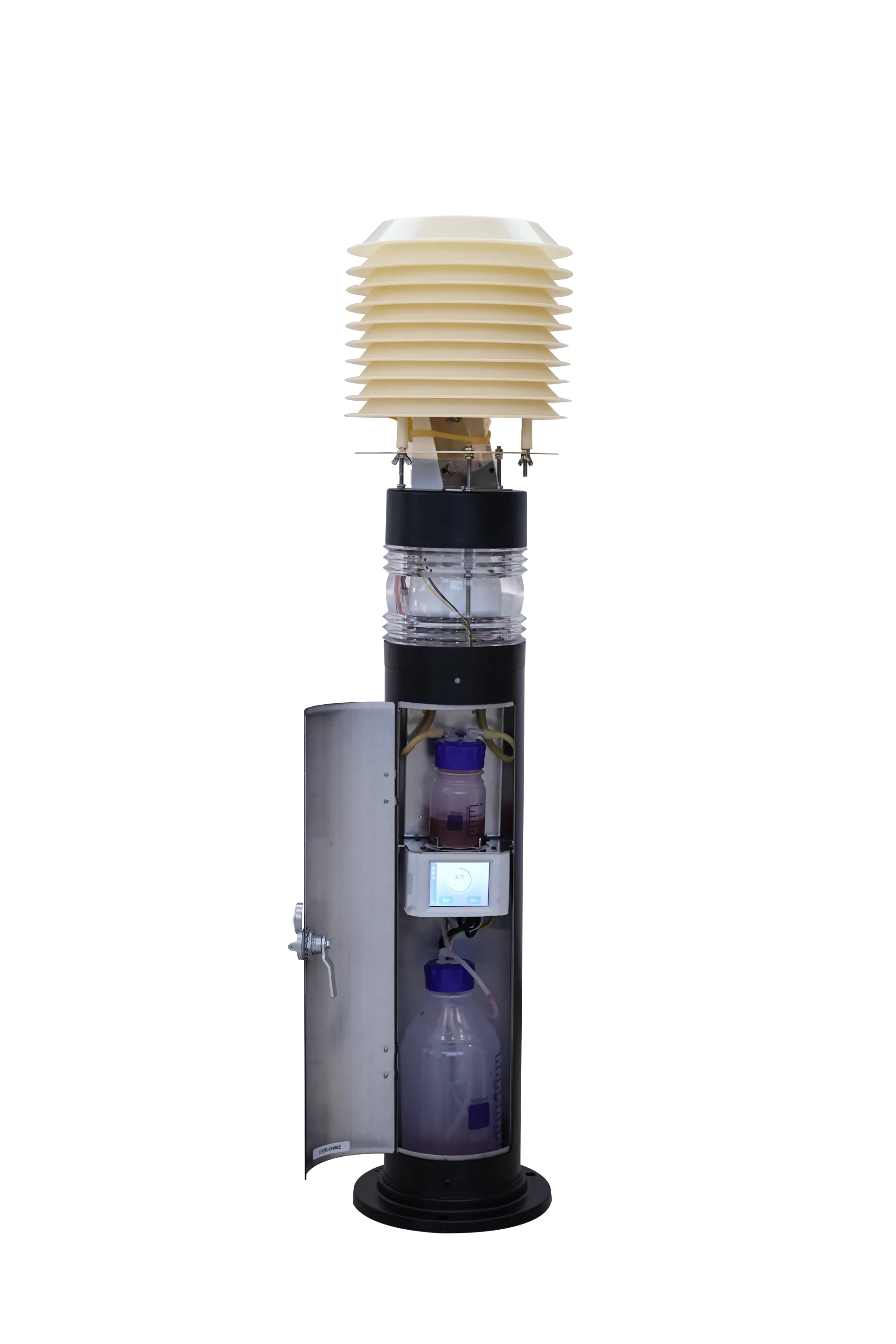
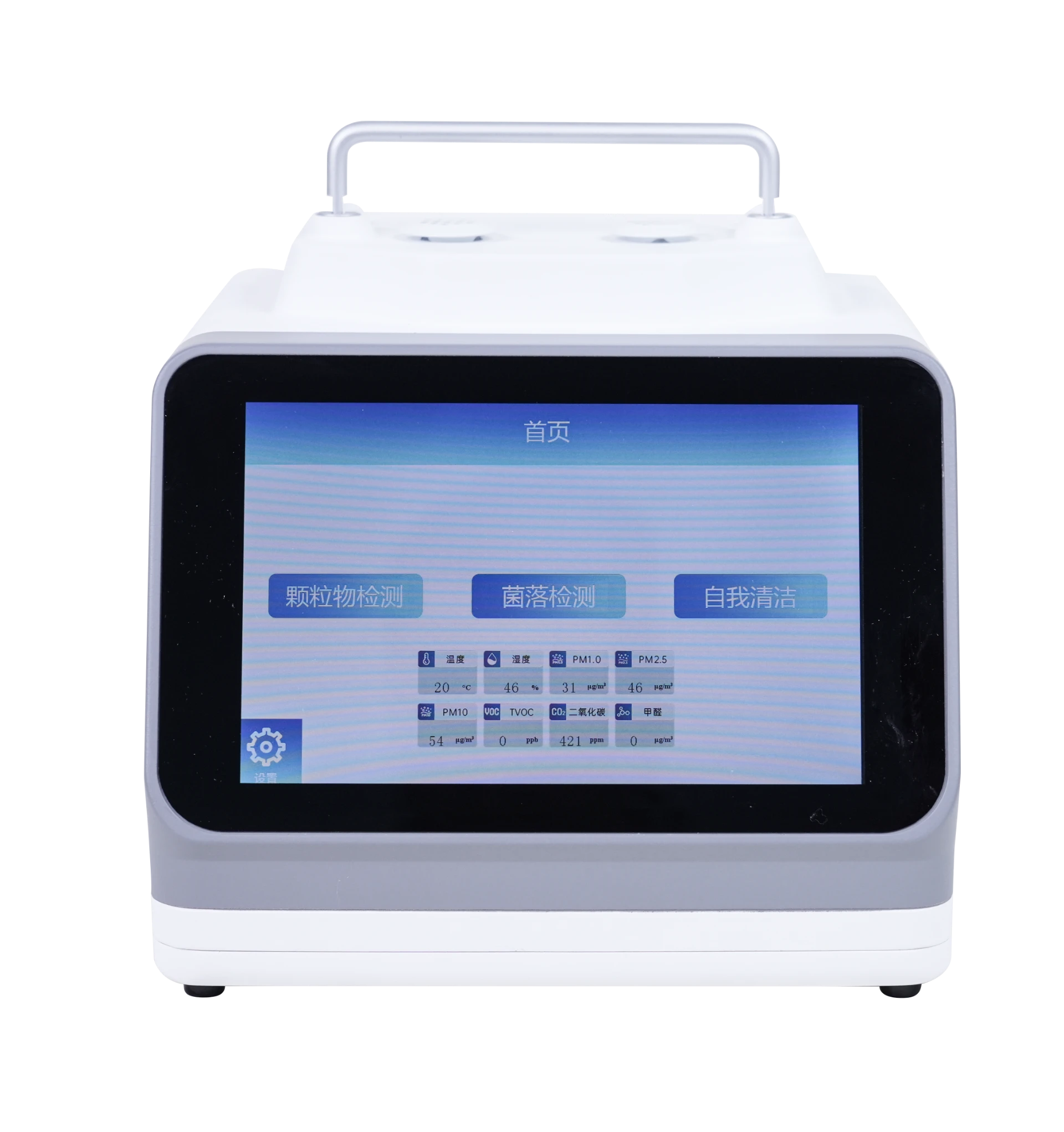
Fig 2: Real-time bioaerosol detection in a critical environment.
Technical Advantages of Modern Bioaerosol Detection Systems
The evolution of bioaerosol detection technology has introduced a suite of technical advantages that significantly outperform older, more manual methods.
- Real-time Data Acquisition: Unlike traditional impaction methods requiring laboratory incubation (24-72 hours), modern optical systems provide instantaneous data on total bioaerosol concentrations. This allows for immediate action in the event of a contamination breach, minimizing exposure and damage.
- High Sensitivity and Specificity: Advanced sensors utilizing techniques like UV-LIF (Ultraviolet Light-Induced Fluorescence) can differentiate between biological and non-biological particles and even distinguish between broad categories of biological particles (e.g., fungal vs. bacterial). When coupled with integrated molecular analysis, specific pathogens can be identified with high confidence.
- Automated and Continuous Operation: Systems designed for continuous operation eliminate the need for manual sampling, reducing labor costs and human error. They can be programmed for specific sampling intervals, running autonomously for extended periods. This is a game-changer for long-term monitoring.
- Integrated Data Logging and Remote Access: Onboard data storage and robust communication modules (Ethernet, Wi-Fi, cellular) allow for comprehensive data logging and remote monitoring. Users can access real-time data, historical trends, and receive automated alerts via web interfaces or mobile applications, enhancing operational oversight.
- Reduced Cross-Contamination Risk: Many modern systems incorporate sterile or single-use sampling media and enclosed fluidics, significantly reducing the risk of cross-contamination that can plague traditional open-air sampling methods.
- Versatile Deployment: From fixed installations in critical infrastructure to portable units for environmental surveys, the adaptability of modern systems allows for effective monitoring in diverse and challenging environments.
- Lower Total Cost of Ownership (TCO): While initial investment might be higher, the automation, reduced labor, rapid insights, and prevention of costly contamination events often lead to a lower TCO over the system's lifespan compared to manual, reactive methods.
These technical advancements ensure that industries can maintain cleaner, safer, and more compliant environments with greater efficiency and confidence.
Vendor Comparison: Continuous Bioaerosol Samplers
Choosing the right continuous bioaerosol sampler requires a thorough understanding of available options and their comparative strengths. Below is a comparison table outlining key features of our Continous Bioaerosol Sampler against two typical market offerings.
| Feature/Parameter | Continous Bioaerosol Sampler (Our Product) | Competitor A (High-End) | Competitor B (Entry-Level) |
|---|---|---|---|
| Sampling Method | Liquid Impinger with Microfluidics / UV-LIF | Dry Impinger / Optical Particle Counter | Agar Plate Impaction (Traditional) |
| Real-time Detection | Yes (Instantaneous Bioaerosol & Particulate Count) | Yes (Instantaneous Particulate Count, limited Bio) | No (24-72 hr lab analysis required) |
| Biological Specificity | High (Bio-fluorescence, optional PCR integration) | Moderate (Size & fluorescence signature) | High (Colony Morphology, further lab ID) |
| Continuous Operation | Yes (24/7 with automated fluid exchange) | Yes (Requires daily filter changes) | Limited (Batch sampling, media changes) |
| Remote Monitoring & Control | Standard (Cloud platform, API) | Optional (Proprietary software) | No (Manual data collection) |
| Maintenance Frequency | Low (Monthly fluid/reagent checks) | Medium (Daily/weekly filter changes) | High (Per-sample media preparation/analysis) |
| Integration with BMS/SCADA | Excellent (Modbus, OPC UA, custom API) | Good (Limited protocols) | Not Applicable |
| Typical Cost Range | $$$ (Premium, High ROI) | $$$ (High, specific niche) | $ (Low initial, high operational) |
This comparison highlights our Continous Bioaerosol Sampler's emphasis on comprehensive, automated, and highly specific bioaerosol detection, setting a benchmark for reliability and advanced analytical capabilities in critical environments.
Customized Solutions for Tailored Bioaerosol Detection
Recognizing that no two industrial or environmental challenges are identical, our approach to bioaerosol detection extends beyond off-the-shelf products. We specialize in developing customized solutions designed to meet the unique requirements of diverse operational contexts.
- Modular System Design: Our continuous bioaerosol samplers are built with a modular architecture, allowing for the integration of specialized sensors, collection methods, and analytical modules. This means a system can be configured for a pharmaceutical cleanroom (requiring high sensitivity to specific viable particles) or for an outdoor environmental monitoring station (focused on broader biological threat detection and robust weatherproofing).
- Scalable Deployment: Solutions range from single-point monitors to extensive network deployments spanning large facilities or metropolitan areas. Our team works with clients to design scalable architectures, ensuring seamless integration and centralized data management regardless of scale.
- Software & Data Integration: We offer bespoke software development to interface with existing Building Management Systems (BMS), SCADA, or proprietary data platforms. This includes custom dashboards, alarm triggers, and reporting functionalities tailored to specific operational protocols and regulatory compliance needs.
- Environmental Adaptations: For harsh or unique environments, we provide specialized enclosures, power solutions (e.g., solar integration), and environmental conditioning (e.g., heating/cooling) to ensure reliable performance under extreme conditions, whether it's an arctic research station or a desert-based industrial facility.
- Targeted Pathogen Identification: For clients requiring identification of specific bio-threats, we can integrate advanced molecular detection modules (e.g., automated qPCR preparation and analysis) directly into the sampling workflow, providing ultra-rapid and highly specific results.
Our engineering team collaborates closely with clients from conceptualization through deployment, ensuring that each customized solution delivers maximum efficacy and value.
Application Case Studies & Customer Successes
Our commitment to advanced bioaerosol detection has translated into significant operational improvements for our clients across various sectors. Below are illustrative case studies demonstrating the tangible benefits.
Case Study 1: Pharmaceutical Manufacturing Facility
A leading pharmaceutical company faced challenges in maintaining consistent ISO Class 7 cleanroom conditions, experiencing occasional, unexplained excursions in particulate and viable counts. Traditional monitoring methods provided delayed results, leading to costly batch holds and investigations.
- Solution: We deployed a network of six Continuous Bioaerosol Samplers strategically located within their critical manufacturing zones. These systems provided real-time bioaerosol and total particulate counts, integrated with their existing BMS.
- Results: Within three months, the facility reported a 70% reduction in unexplained cleanroom excursions. Real-time alerts enabled immediate investigation and remediation of ventilation issues or personnel breaches. This led to a 15% improvement in overall batch release efficiency and significant savings in contamination-related costs.
- Client Feedback: "The ability to see bioaerosol levels in real-time has been transformative for our contamination control strategy. We can now proactively address issues before they impact production." - Head of Quality Assurance, Major Pharma Co.
Case Study 2: Municipal Wastewater Treatment Plant
A large municipal wastewater treatment plant needed to monitor airborne pathogen levels around its aeration tanks and sludge dewatering facilities to protect worker health and ensure compliance with environmental safety regulations.
- Solution: We installed ruggedized Continuous Bioaerosol Samplers, designed for corrosive environments, at key perimeter and internal points. These systems continuously monitored for bacterial and fungal bioaerosols, with data streamed to the plant's central control room.
- Results: The plant gained actionable insights into bioaerosol dispersion patterns, leading to optimized ventilation strategies and targeted PPE deployment. This reduced employee exposure risks and provided quantifiable data for environmental impact assessments.
- Client Feedback: "Our staff safety has improved remarkably. The system gives us peace of mind and the data needed to prove our commitment to a healthy work environment." - Operations Manager, Municipal Utility.
Frequently Asked Questions (FAQ)
- Q: What is the primary difference between a bioaerosol sampler and a particle counter?
- A: A standard particle counter enumerates all airborne particles by size, regardless of their origin. A bioaerosol sampler specifically targets and often differentiates biological particles (bacteria, fungi, viruses) based on properties like fluorescence, or collects them for subsequent biological analysis (e.g., culturing or PCR). Our Continuous Bioaerosol Sampler offers both general particulate and specific bioaerosol detection capabilities.
- Q: Can your system differentiate between viable and non-viable bioaerosols?
- A: Our optical detection modules primarily detect total bioaerosols based on characteristic fluorescence. For viable vs. non-viable differentiation, the system can integrate with collection methods that allow for subsequent laboratory culturing (for viability) or molecular analysis (for specific organism identification, viable or non-viable DNA/RNA). The liquid impinger collection method is ideal for preserving viability for downstream analysis.
- Q: What are the typical lead times for your Continuous Bioaerosol Sampler?
- A: Standard units typically have a lead time of 4-6 weeks from order confirmation. Custom configurations or large deployments may require 8-12 weeks, depending on the complexity and component availability. We will provide a detailed timeline upon receiving your specific requirements.
- Q: What warranty is provided with your products?
- A: All Continuous Bioaerosol Samplers come with a standard 1-year limited warranty covering parts and labor against manufacturing defects. Extended warranty and service contracts are available for purchase, offering additional years of coverage and preventive maintenance.
- Q: What kind of customer support do you offer?
- A: We offer comprehensive customer support including technical phone and email support, remote diagnostics, and on-site service by certified technicians. Our dedicated support team is available during business hours, with emergency support options for critical applications. We also provide extensive training resources and documentation.
Conclusion
The demand for precise and continuous bioaerosol detection is not merely a regulatory compliance issue but a fundamental requirement for safeguarding health, ensuring product quality, and optimizing operational environments. Advanced systems, like our Continuous Bioaerosol Sampler, represent the pinnacle of this technology, offering unparalleled accuracy, real-time insights, and robust performance across a myriad of critical applications. By embracing these sophisticated solutions, industries can move from reactive mitigation to proactive prevention, building safer, cleaner, and more resilient operational landscapes.
References
- ISO 14698-1:2003. Cleanrooms and associated controlled environments - Biocontamination control - Part 1: General principles and methods. International Organization for Standardization.
- American Society of Heating, Refrigerating and Air-Conditioning Engineers (ASHRAE). ASHRAE Standard 62.1: Ventilation for Acceptable Indoor Air Quality.
- Centers for Disease Control and Prevention (CDC). Guidelines for Environmental Infection Control in Health-Care Facilities.
- World Health Organization (WHO). WHO Guidelines for Indoor Air Quality: Dampness and Mould.
- Federal Drug Administration (FDA). Sterile Drug Products Produced by Aseptic Processing — Current Good Manufacturing Practice.
-
Uniplex PCR Equipment for Industrial Biosafety & MonitoringNewsDec.08,2025
-
TB PCR Kit: A Veteran’s Take on Leading Diagnostic ToolsNewsDec.08,2025
-
Stem Loop Rt Pcr – Advanced Molecular Detection Solutions for Industry | Bio Aerosol SamplerNewsDec.08,2025
-
Reliable RT PCR RNA Virus Testing & Bioaerosol Sampling EquipmentNewsDec.07,2025
-
Rt Pcr Monkeypox: Advanced Viral Detection Solutions for B2B IndustriesNewsDec.07,2025
-
RT PCR Kit for Monkeypox Detection – Reliable Diagnostics ToolNewsDec.07,2025