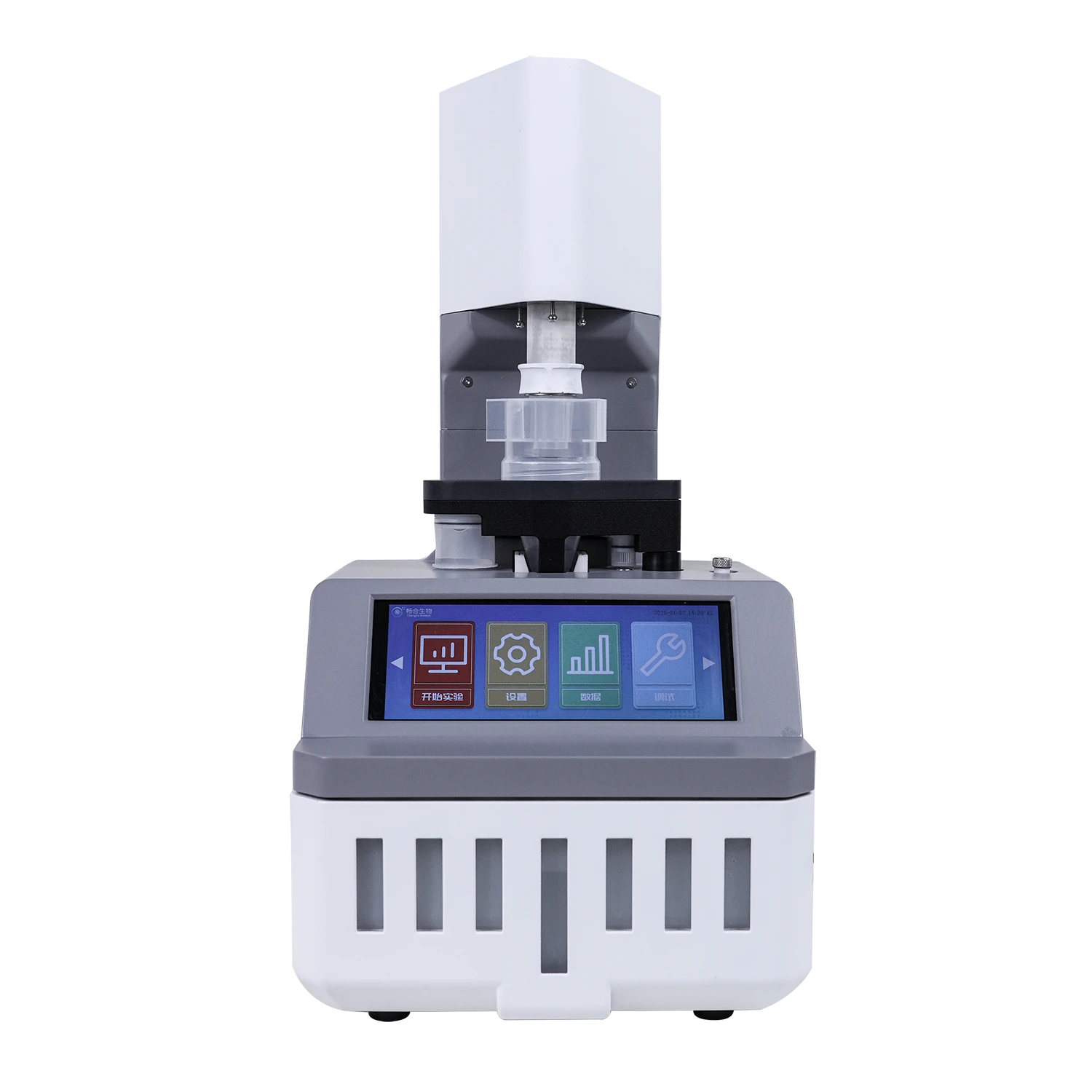

Professional Air Sample Mold Test Kits | Accurate & Easy Detection
The Imperative of Accurate Air Sample Mold Testing in Modern Industry
In critical industrial and commercial environments, maintaining pristine air quality is not merely a preference but a stringent requirement. Bioaerosols, particularly mold spores, pose significant risks to human health, product integrity, and operational efficiency. This makes a reliable air sample mold test an indispensable tool for proactive risk management and regulatory compliance.
Advanced bioaerosol monitoring devices are at the forefront of this effort, providing precise, quantifiable data necessary for informed decision-making. From pharmaceutical cleanrooms to large-scale HVAC systems, the demand for sophisticated mould testing equipment that can detect and quantify microbial contaminants with high accuracy continues to surge. This article delves into the technical intricacies, application benefits, and strategic importance of modern solutions for effective environmental monitoring.
Industry Trends and the Evolving Landscape of Mold Detection
The landscape of industrial hygiene is rapidly evolving, driven by stricter regulations, heightened public health awareness, and advancements in sensor technology. Key trends include:
- Proactive Monitoring: A shift from reactive remediation to continuous, real-time monitoring to prevent outbreaks.
- Enhanced Sensitivity and Specificity: The development of mould detector devices capable of identifying specific mold species at extremely low concentrations.
- Integration with IoT and AI: Incorporating smart sensors and artificial intelligence for predictive analytics and automated alert systems in mould mildew inspection.
- Regulatory Compliance: Increasing emphasis on adherence to international standards like ISO 16000 (Indoor Air Quality) and national guidelines (e.g., EPA, OSHA) for microbial contamination.
These trends underscore the critical need for robust and precise solutions for an air sample mold test, ensuring environmental integrity across diverse sectors.
The Precision Engineering Behind Bioaerosol Monitoring Devices for Air Sample Mold Test
The efficacy of an air sample mold test hinges on the quality and design of the bioaerosol monitoring device itself. Our Bioaerosol Monitoring Device, for example, is engineered with meticulous attention to detail, ensuring unparalleled accuracy and reliability in particulate collection.
Manufacturing Process & Quality Assurance:
- 1. Material Selection (Medical-Grade Stainless Steel & Polymers): Components are primarily crafted from SUS316L stainless steel for impaction heads, ensuring corrosion resistance, easy sterilization, and inertness. High-grade, autoclavable polymers are used for non-metallic parts, providing durability and chemical stability. This prevents cross-contamination and ensures a long service life of 10+ years under typical operating conditions.
- 2. Precision CNC Machining: Impaction holes and internal air pathways are precision-machined using advanced CNC technology. This ensures micron-level accuracy in hole diameter and spacing, critical for consistent air flow rates (e.g., 100 L/min ±2.5%) and optimal aerodynamic collection efficiency. This precision guarantees a representative air sample mold test.
- 3. Surface Treatment & Sterilization: All sample-contacting surfaces undergo electropolishing to reduce surface roughness, minimizing particle retention and simplifying decontamination. This is followed by gamma sterilization for sterile applications, adhering to ISO 13485 standards for medical devices.
- 4. Integrated Calibration & Testing: Each mould detector device undergoes rigorous multi-point calibration for flow accuracy against primary standards (e.g., NIST-traceable flow meters). Particle collection efficiency is validated using standardized bioaerosol challenges, ensuring performance aligns with ISO 14698 and ANSI/ASHRAE 170 guidelines for microbial airborne particle collection.
- 5. Environmental Endurance Testing: Devices are subjected to extreme temperature, humidity, and vibration tests to ensure robust performance in varied industrial environments, from desert petrochemical facilities to humid pharmaceutical labs. This commitment to durability translates into an extended service life and reduced total cost of ownership.
This structured manufacturing process, coupled with stringent testing standards, guarantees that our Bioaerosol Monitoring Device provides consistently accurate and reliable results for every air sample mold test, thereby enhancing operational safety and product quality.
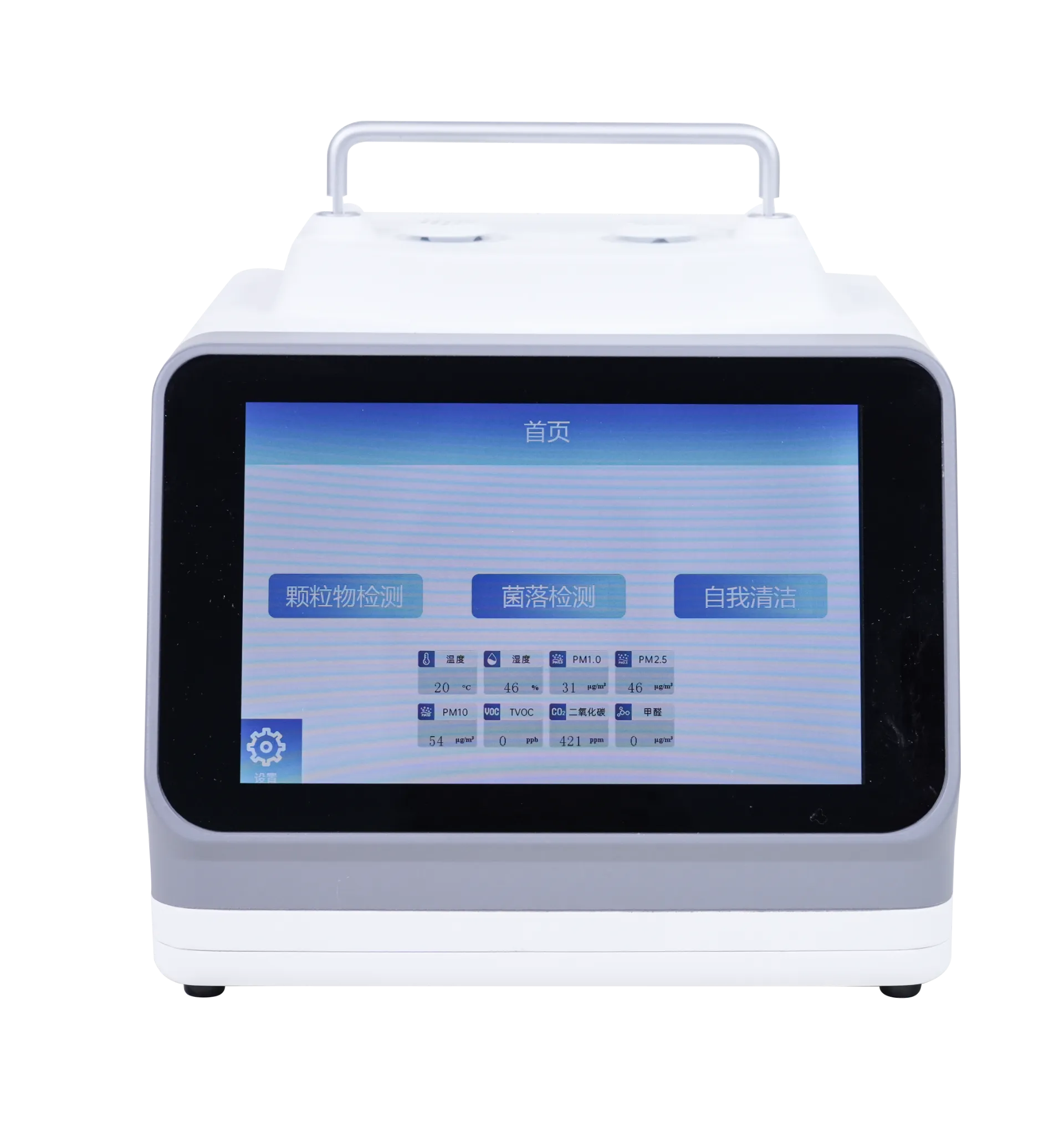
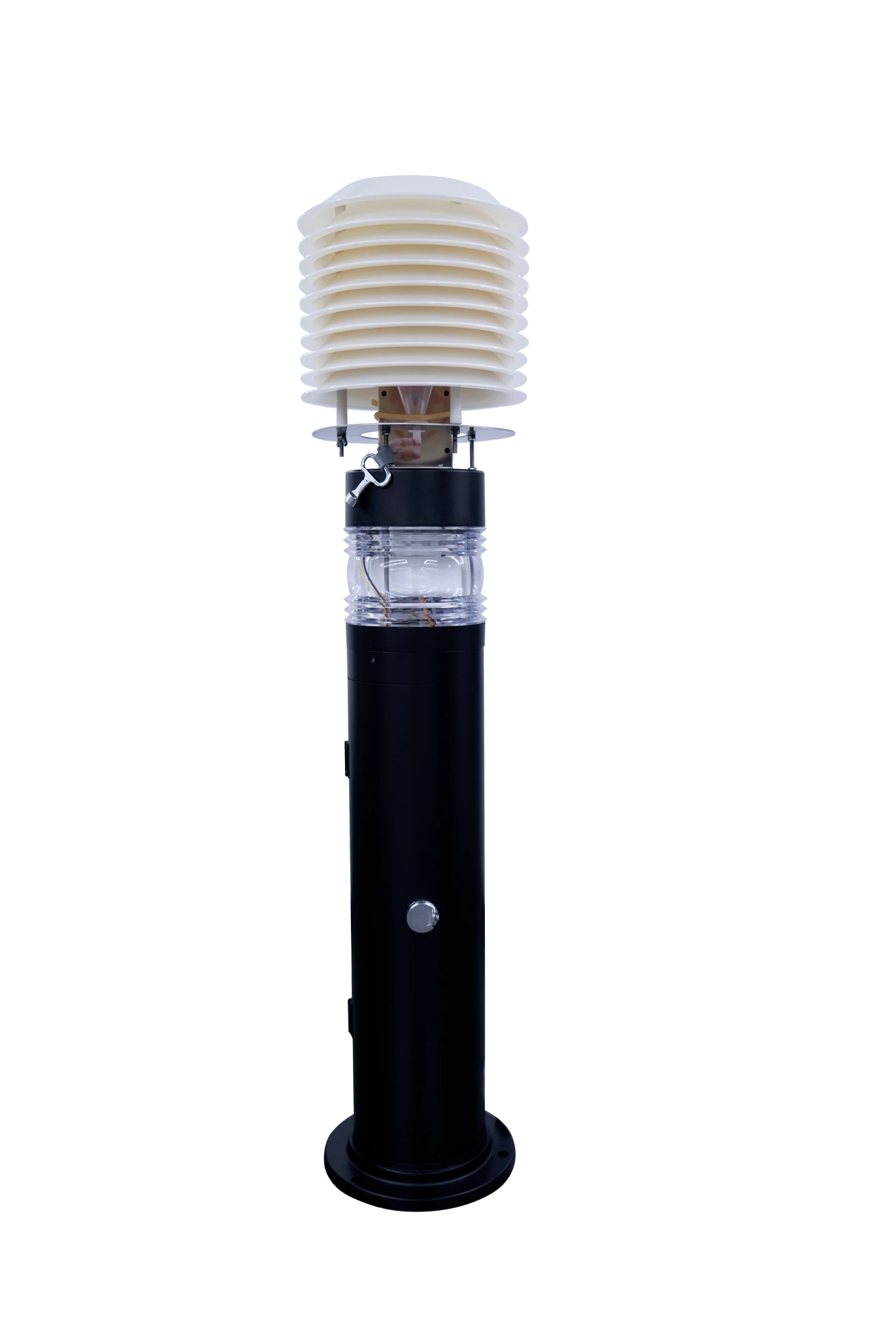
Image 1: Advanced impaction head for precise air sample collection.
Technical Specifications: Bioaerosol Monitoring Device
Understanding the core technical specifications of mould testing equipment is paramount for B2B decision-makers. The following table outlines key parameters for our Bioaerosol Monitoring Device, a leading solution for an accurate air sample mold test.
| Parameter | Specification | Notes/Compliance |
|---|---|---|
| Air Flow Rate | 100 L/min (Adjustable: 50-120 L/min) | ±2.5% accuracy, calibrated to NIST standards. |
| Collection Media | Standard Petri Dish (90mm), Contact Plate (55mm) | Versatile for various culture media and protocols. |
| Impaction Head Material | SUS316L Stainless Steel | Corrosion-resistant, autoclavable, compliant with pharmaceutical standards. |
| Particle Collection Efficiency | >99% for particles ≥1µm; >80% for particles 0.5-1µm | Aerodynamic sizing optimized for mold spores and bacteria. |
| Sampling Volume | Programmable (10L to 9999L) | Flexible for short-term and long-term monitoring. |
| Battery Life | >8 hours continuous operation (Rechargeable Li-ion) | Ensures portability and extended field use. |
| Operating Temperature | 5°C to 40°C | Suitable for most industrial environments. |
| Connectivity | USB, Optional Bluetooth/Wi-Fi for data logging | Seamless data transfer for analysis and reporting. |
| Certifications | CE, ISO 9001, FCC | Ensures international quality and safety standards. |
Application Scenarios and Target Industries
The versatility of modern mould testing equipment allows for its deployment across a wide spectrum of industries where environmental control and health safety are paramount. An accurate air sample mold test is crucial in these sectors:
- Pharmaceutical & Biotechnology: Monitoring cleanrooms (ISO Class 5-8), aseptic processing areas, and sterile manufacturing zones to prevent product contamination and ensure compliance with GMP (Good Manufacturing Practices) and FDA regulations.
- Healthcare Facilities: Operating rooms, isolation wards, ICUs, and compounding pharmacies require rigorous microbial air monitoring to prevent hospital-acquired infections (HAIs).
- Food & Beverage Processing: Ensuring hygienic production environments, cold storage areas, and packaging lines to prevent spoilage, protect consumers, and meet HACCP standards.
- HVAC & Indoor Air Quality (IAQ) Assessment: Commercial buildings, schools, offices, and residential complexes utilize these devices for routine mould mildew inspection and to identify sources of indoor air pollutants, particularly after water damage events.
- Water Supply & Drainage Infrastructure: Monitoring air quality in treatment plants, pumping stations, and distribution networks to detect airborne microbial threats that could compromise water safety.
- Petrochemical & Metallurgy (Controlled Environments): While not directly targeting mold, these industries often require environmental control in sensitive instrumentation rooms or control centers where humidity control can lead to mold if not monitored. The robust design and corrosion resistance make them suitable for challenging industrial settings.
- Environmental Consulting & Remediation: Essential for pre- and post-remediation assessments to verify the effectiveness of mold removal efforts.
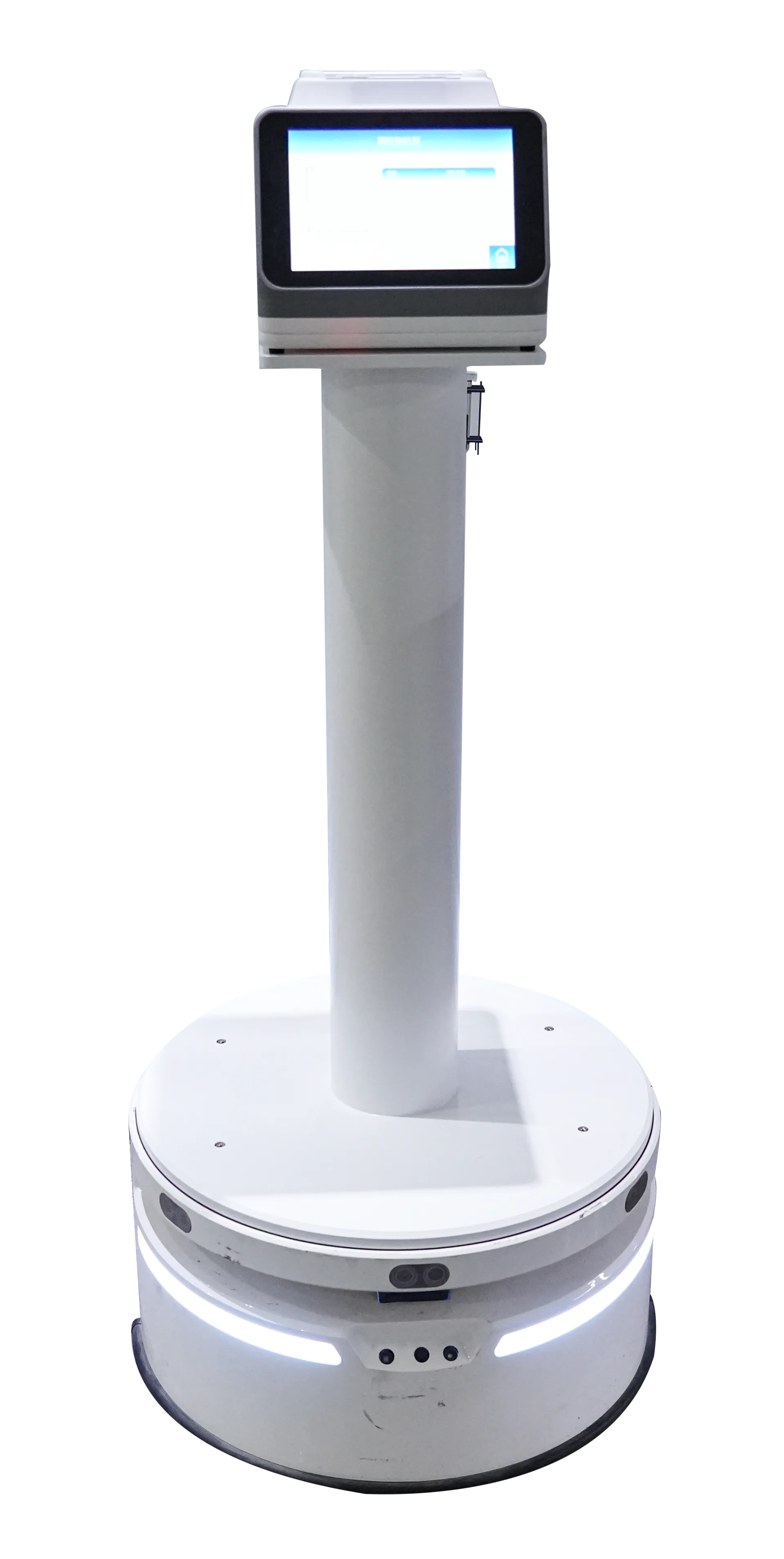
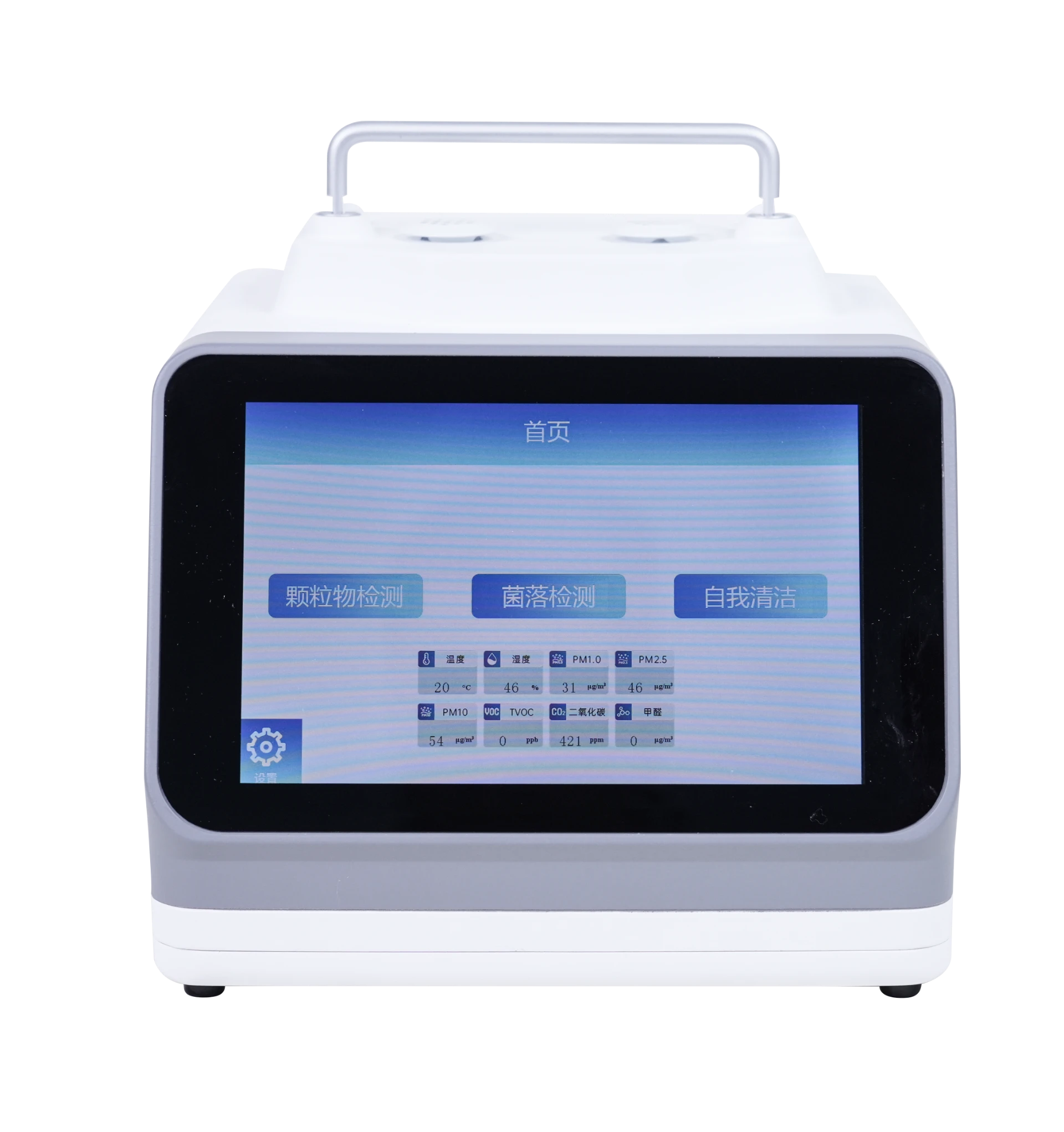
Image 2: Bioaerosol Monitoring Device in action during an indoor air quality assessment.
Technical Advantages of Advanced Mould Detector Devices
Modern mould testing equipment offers significant technical advantages that distinguish them from rudimentary methods, providing superior value for industrial applications:
- High Collection Efficiency: Optimized impaction design ensures a high percentage of airborne particles, including viable mold spores, are captured effectively onto the agar plate. This leads to more representative and reliable results for each air sample mold test.
- Precise Flow Control: Electronically regulated flow rates maintain constant sampling volume, eliminating human error and ensuring quantitative accuracy. This is crucial for comparing results across different sampling points or over time.
- Reduced Particle Bounce: Advanced designs minimize particle bounce-off from the agar surface, which can lead to underestimation of fungal concentrations, thus improving the integrity of the air sample mold test.
- Portability & Ease of Use: Lightweight, battery-operated units with intuitive interfaces allow for flexible deployment in hard-to-reach areas and rapid on-site sampling, enhancing operational efficiency.
- Data Logging & Traceability: Integrated memory and connectivity options (USB, Bluetooth) enable automatic recording of sampling parameters (volume, date, time), ensuring full traceability and compliance with audit requirements.
- Robust Construction: Materials like SUS316L stainless steel provide chemical resistance, making devices suitable for decontamination and use in harsh industrial environments. This contributes to a long service life and consistent performance.
- Compliance & Validation: Designed and tested to meet international standards (e.g., ISO 14698, USP ), ensuring that data generated is globally recognized and defensible in regulatory contexts.
Vendor Comparison: Evaluating Mould Testing Equipment
When investing in a mould detector device, B2B stakeholders must consider various factors beyond initial cost. Here's a comparison highlighting key differentiators:
| Feature/Device Type | Bioaerosol Monitoring Device (Our Product) | Basic Slit-to-Agar Sampler | Simple Air-O-Cell Cartridge |
|---|---|---|---|
| Sampling Principle | Andersen Impaction (Viable) | Slit-to-Agar Impaction (Viable) | Impaction to Adhesive Slide (Non-viable) |
| Output Data | CFU/m³ (Quantifiable viable count) | CFU/m³ (Quantifiable viable count) | Counts per field of view (Non-viable spore count) |
| Ease of Sterilization | Excellent (Autoclavable SS parts, Electropolished) | Good (Sterilizable metal parts) | N/A (Disposable cartridge) |
| Flow Rate Precision | High (Electronic, calibrated ±2.5%) | Moderate (Manual flow meter, ±5-10%) | Moderate (Pump variation, ±5-10%) |
| Data Logging & Traceability | Integrated, Digital, Software Compatible | Manual recording only | Limited, typically manual |
| Compliance Potential | High (ISO, USP, FDA GMP) | Moderate (Basic IAQ, some pharma) | Low (Screening only, not viable) |
| Target Application | Cleanrooms, Pharma, Critical Environments | General IAQ, less critical areas | Preliminary screening, rapid assessment |
This comparison highlights the superior control, data quality, and compliance capabilities of advanced bioaerosol monitoring devices for an accurate air sample mold test, making them the preferred choice for regulated and critical environments.
Customized Solutions for Specialized Air Sample Mold Test Requirements
Recognizing that no two industrial environments are identical, we offer customized solutions to address unique challenges in performing an air sample mold test. This includes:
- Integration with Existing BMS/SCADA: Our devices can be configured for seamless integration into existing Building Management Systems (BMS) or Supervisory Control and Data Acquisition (SCADA) platforms, enabling centralized monitoring and control.
- Environmental Hardening: For extreme conditions (e.g., high humidity, corrosive atmospheres in petrochemical plants, or very low temperatures), we can provide modified enclosures or specialized components that enhance the device's resilience and longevity.
- Specialized Sampling Heads: While standard impaction heads are versatile, specific applications might benefit from customized impaction hole patterns or sizes, optimizing collection efficiency for particular particle sizes or biological agents.
- Software Customization: Tailoring data visualization dashboards, alert thresholds, and reporting formats to align with specific organizational protocols or regulatory requirements for mould mildew inspection.
- Training & On-site Support: Providing comprehensive training programs for client teams on device operation, calibration, and data interpretation, along with on-site technical support for complex deployments.
These customized approaches ensure that our mould testing equipment delivers maximum effectiveness and efficiency, directly contributing to superior environmental control and risk mitigation.
Application Case Studies: Proving the Value of Bioaerosol Monitoring
Case Study 1: Pharmaceutical Cleanroom Certification
A leading pharmaceutical manufacturer faced challenges in maintaining ISO Class 7 cleanroom standards, particularly concerning airborne fungal spores. Traditional methods provided delayed results, leading to potential batch contamination risks. Implementing our Bioaerosol Monitoring Device for continuous air sample mold test throughout their aseptic filling line provided real-time data trends. Within three months, proactive monitoring identified a fluctuating mold presence linked to an HVAC filtration issue. The immediate data allowed for targeted filter replacement and process adjustments, reducing airborne mold counts by 70% and successfully maintaining compliance for their critical zones. This resulted in zero batch rejections due to microbial contamination for the subsequent year, yielding significant cost savings and improved product integrity.
Case Study 2: Commercial Building IAQ Post-Flood Remediation
Following extensive water damage from a burst pipe, a large corporate office building underwent mold remediation. To ensure the safety of returning occupants, comprehensive mould mildew inspection, including post-remediation air sample mold test, was crucial. Our portable Bioaerosol Monitoring Devices were deployed across multiple floors. The detailed CFU/m³ data revealed residual elevated mold spores in a specific ventilation zone that traditional visual inspections had missed. This precise identification allowed the remediation team to perform targeted additional work, successfully bringing all areas within acceptable limits. The prompt and quantifiable results from the mould detector device provided crucial evidence of a safe environment, preventing potential health complaints and litigation risks.
Case Study 3: Food Processing Facility Hygiene Monitoring
A dairy processing plant sought to enhance its environmental monitoring program to reduce spoilage and extend product shelf life. Their existing sporadic surface swabbing was insufficient for airborne contamination. By integrating our mould testing equipment into their daily QC checks for an air sample mold test in processing and packaging areas, they established baseline fungal levels. A subsequent spike in mold spores (particularly Penicillium) was detected, traced back to an inefficient air intake filter in a cooling unit. Rapid intervention, guided by the precise data, prevented a potential product recall and significantly improved overall product quality and shelf stability. The device's ease of use and data logging capabilities streamlined their HACCP compliance reporting.
Trustworthiness and Support: FAQ, Lead Time, Warranty, & After-Sales
Frequently Asked Questions (FAQ)
Q1: How often should an air sample mold test be performed in a cleanroom?
A1: For ISO Class 7 and 8 cleanrooms, daily or weekly monitoring is often required, depending on product criticality and regulatory guidelines (e.g., USP ). For ISO Class 5 and 6, continuous or shift-based monitoring is common. Specific frequency should be determined by a comprehensive risk assessment.
Q2: Can your mould detector device differentiate between viable and non-viable spores?
A2: Our Bioaerosol Monitoring Device uses viable impaction to capture live spores onto an agar plate. The subsequent laboratory incubation and analysis quantify only viable (culturable) mold spores, which are typically the primary concern for health and product contamination.
Q3: Is the device easy to calibrate?
A3: The device comes factory-calibrated to NIST-traceable standards. While in-field calibration checks can be performed using secondary standards, full calibration is typically recommended annually by certified technicians or returned to our service center to ensure sustained accuracy.
Lead Time & Fulfillment
Standard Bioaerosol Monitoring Devices typically have a lead time of 2-4 weeks from order confirmation, depending on current inventory and order volume. For customized solutions or large-scale deployments, lead times will be provided with a detailed project proposal, generally ranging from 6-12 weeks to accommodate specific engineering and testing requirements.
Warranty Commitment
All our mould testing equipment comes with a standard 1-year limited warranty covering manufacturing defects and material failures under normal operating conditions. Extended warranty options, including comprehensive service contracts and preventative maintenance plans, are available to ensure uninterrupted performance and peace of mind.
Customer Support & Service
We are committed to providing exceptional customer support. Our dedicated technical team offers:
- 24/7 Online & Phone Support: Expert assistance for troubleshooting and operational queries.
- On-site Technical Services: For installation, advanced training, calibration, and maintenance.
- Spare Parts Availability: A comprehensive inventory of genuine spare parts to minimize downtime.
- Software Updates: Regular firmware and software updates to enhance functionality and ensure long-term compatibility.
Conclusion: The Indispensable Role of Advanced Air Sample Mold Testing
The necessity of precise and reliable air sample mold test methodologies cannot be overstated in today's complex industrial landscape. With the increasing criticality of indoor air quality, the Bioaerosol Monitoring Device stands as a testament to engineering excellence, offering unmatched accuracy, robustness, and compliance. From pharmaceutical manufacturing to environmental remediation, the strategic deployment of advanced mould testing equipment empowers industries to maintain stringent quality controls, protect human health, and ensure operational continuity. Investing in superior mould detector device technology is not just a cost; it is an investment in safety, compliance, and long-term sustainability.
References
- International Organization for Standardization. (2014). ISO 14698-1:2003 Cleanrooms and associated controlled environments — Biocontamination control — Part 1: General principles and methods.
- U.S. Environmental Protection Agency. (2001). Mold Resources. Retrieved from EPA website.
- American Society for Testing and Materials. (2018). ASTM D7836 - 18 Standard Practice for Air Sampling for Viable Microorganisms in Indoor Environments.
- Pharmacopeial Forum. (2016). USP Microbiological Control and Monitoring of Aseptic Processing Environments.
- World Health Organization. (2009). WHO guidelines for indoor air quality: dampness and mould.
-
Understanding pcr testes transgênicos for Agricultural PurityNewsApr.16,2026
-
Understanding Febre do Cão PCR for Precision Veterinary DiagnosticsNewsApr.09,2026
-
Understanding Respiração PCR and Grupo Cat for Advanced Bioaerosol Sampling TechniquesNewsApr.07,2026
-
IDEXX Feline Respiratory PCR Panel A Comprehensive Guide for VeterinariansNewsApr.04,2026
-
Understanding Grupo de Gatos URD PCR and Bioaerosol Sampling for Air Quality ControlNewsMar.28,2026
-
Understanding the Feline Respiratory PCR Panel Grupo de PCR Respiratório do GatoNewsMar.26,2026