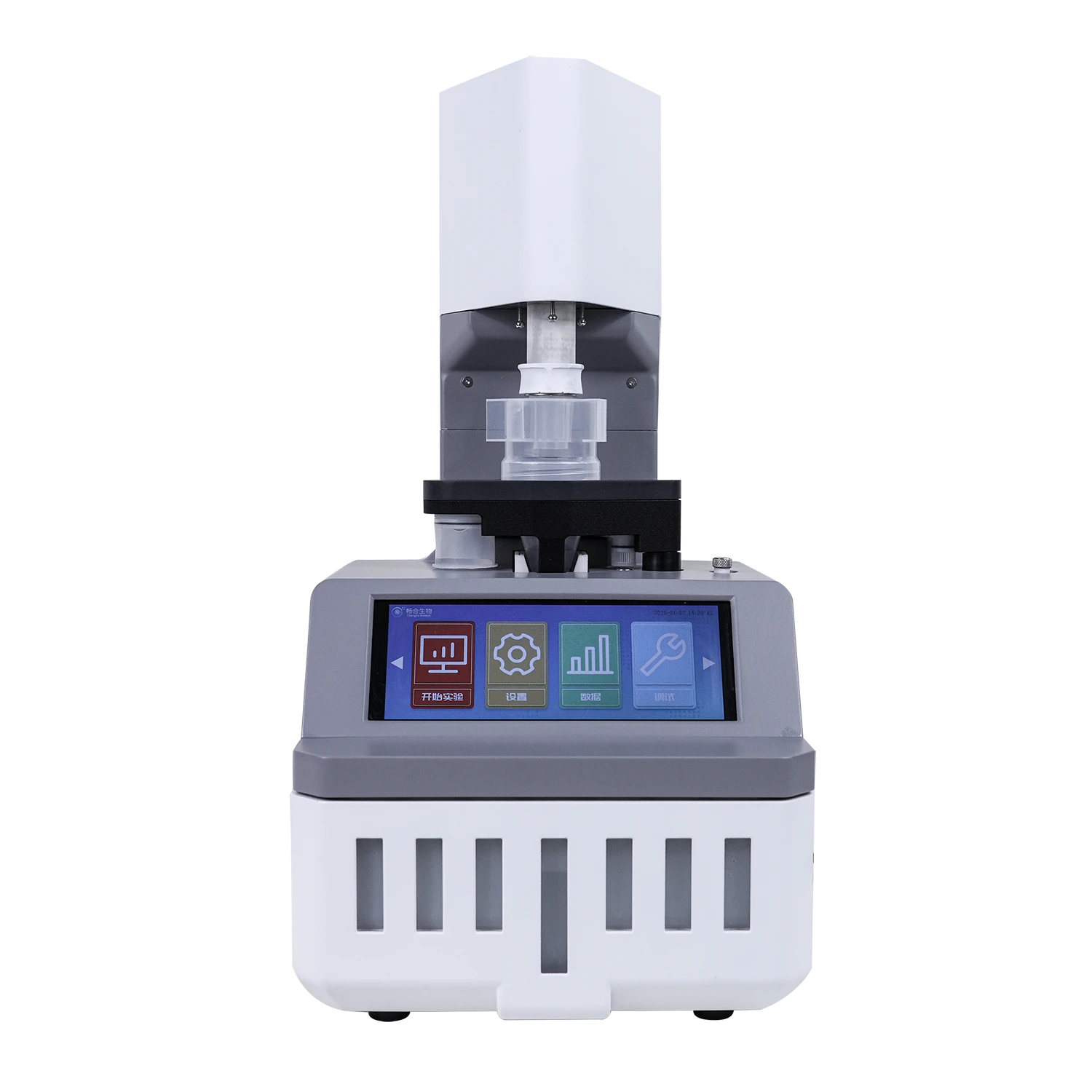

Rapid Bioaerosol Detection | Air & Mold Testing Solutions
Understanding Advanced bioaerosol detection in Industrial Environments
The proactive identification and quantification of airborne biological particles, collectively known as bioaerosols, is a critical component of industrial hygiene and public health. Modern bioaerosol detection technologies are instrumental in safeguarding operational integrity and ensuring the well-being of personnel in diverse sectors ranging from advanced manufacturing to critical infrastructure. These systems are designed to detect a wide array of biological agents, including bacteria, viruses, fungi (mold spores), and pollen, often in real-time or near real-time.
Effective bioaerosol monitoring prevents outbreaks, mitigates contamination risks, and aids in compliance with stringent environmental and safety regulations. The evolution of these systems has moved beyond traditional culture-based methods to incorporate sophisticated analytical techniques that offer unparalleled speed, accuracy, and sensitivity.
The Criticality of Bioaerosol Monitoring: Industry Trends and Challenges
Global industrialization and increasing awareness of occupational health hazards have driven significant advancements and adoption of bioaerosol detection systems. Current industry trends highlight a shift towards:
- Real-time Monitoring: The demand for immediate data on airborne biological threats, moving away from time-consuming laboratory analysis.
- Enhanced Specificity: Technologies capable of differentiating between various types of bioaerosols, including pathogenic vs. non-pathogenic strains.
- Miniaturization and Portability: Development of compact, robust devices suitable for field deployment and continuous monitoring in challenging environments.
- Integration with IoT and AI: Incorporating smart sensors and artificial intelligence for predictive analysis, automated alerts, and seamless data management.
- Regulatory Compliance: Stricter regulations, particularly in pharmaceutical, healthcare, and food processing industries, mandating comprehensive air and mold testing protocols.
Despite these advancements, challenges remain, including the variability of bioaerosol concentrations, the complexity of diverse biological signatures, and the need for robust systems that can withstand harsh industrial conditions while maintaining high analytical performance.
Process Flow of Advanced Bioaerosol Detection Systems
The operational workflow of a state-of-the-art bioaerosol detection system, such as a Continuous Bioaerosol Sampler, typically involves several key stages:
- Air Sampling: Ambient air is drawn into the system through a precisely engineered inlet. This stage is crucial for capturing a representative sample of the airborne particulate matter, including bioaerosols. Flow rates are accurately controlled to ensure consistent and reliable sampling.
- Bioaerosol Collection: The sampled air passes through a collection mechanism. Advanced systems often employ impaction technology, where particles are accelerated and deposited onto a specialized collection surface (e.g., a proprietary liquid medium or an agar plate). This method efficiently captures viable and non-viable bioaerosols without significant damage.
- Concentration and Preparation: For certain analytical methods, the collected bioaerosols are concentrated and prepared for analysis. This may involve centrifugation or filtration to increase the target concentration, followed by lysis to extract genetic material if molecular detection is planned.
- Detection and Analysis: This is the core of the system. Depending on the technology, detection can be achieved via:
- Optical Methods: Using laser-induced fluorescence (LIF) or light scattering to detect and characterize particles based on their intrinsic biological properties, often providing real-time data.
- Molecular Methods: Employing techniques like quantitative Polymerase Chain Reaction (qPCR) to identify specific DNA/RNA sequences, offering high specificity for pathogens.
- Immunological Methods: Utilizing antibody-antigen reactions for rapid detection of specific biological agents.
- Traditional Culture Methods: While slower, these remain vital for quantifying viable microorganisms (Colony Forming Units - CFU) and for subsequent identification.
- Data Interpretation and Reporting: The analytical data is processed, quantified, and presented through user-friendly interfaces. Automated alerts, trend analysis, and comprehensive reporting tools are standard features, facilitating informed decision-making.
The manufacturing of the Continous Bioaerosol Sampler adheres to rigorous quality standards. Components are often precision-engineered using advanced CNC machining for critical parts, ensuring dimensional accuracy and reliable performance. Materials are selected for their durability and resistance to environmental factors; for instance, corrosion-resistant stainless steel is frequently used for internal flow paths and external enclosures, enhancing the service life even in harsh industrial settings like petrochemical or wastewater treatment plants. All units undergo stringent testing against international standards such as ISO 14644 (Cleanrooms and associated controlled environments) and relevant ANSI standards, validating their sampling efficiency and detection accuracy. This commitment to manufacturing excellence results in systems that offer energy-saving operations and exceptional long-term reliability.
Technical Specifications of Continuous Bioaerosol Samplers
Advanced continuous bioaerosol samplers are engineered with specific parameters to ensure optimal performance across varied applications. Below are illustrative specifications for a high-performance continuous bioaerosol sampler, emphasizing key design elements:
| Parameter | Specification |
|---|---|
| Sampling Rate | 100 L/min (adjustable) |
| Collection Efficiency (for 0.5-10 µm particles) | >95% |
| Detection Method | Impaction to liquid for qPCR/culture; Optional integrated optical module |
| Particle Size Range | 0.5 - 100 µm |
| Dimensions (HxWxD) | 350 x 250 x 200 mm |
| Weight | Approximately 8.5 kg |
| Power Supply | 100-240 VAC, 50/60 Hz, < 50W |
| Communication | Ethernet, Wi-Fi, USB, RS-485 Modbus |
| Operating Temperature | 0°C to 50°C |
| Relative Humidity | 10-90% (non-condensing) |
| Certifications | CE, ISO 9001, FCC |
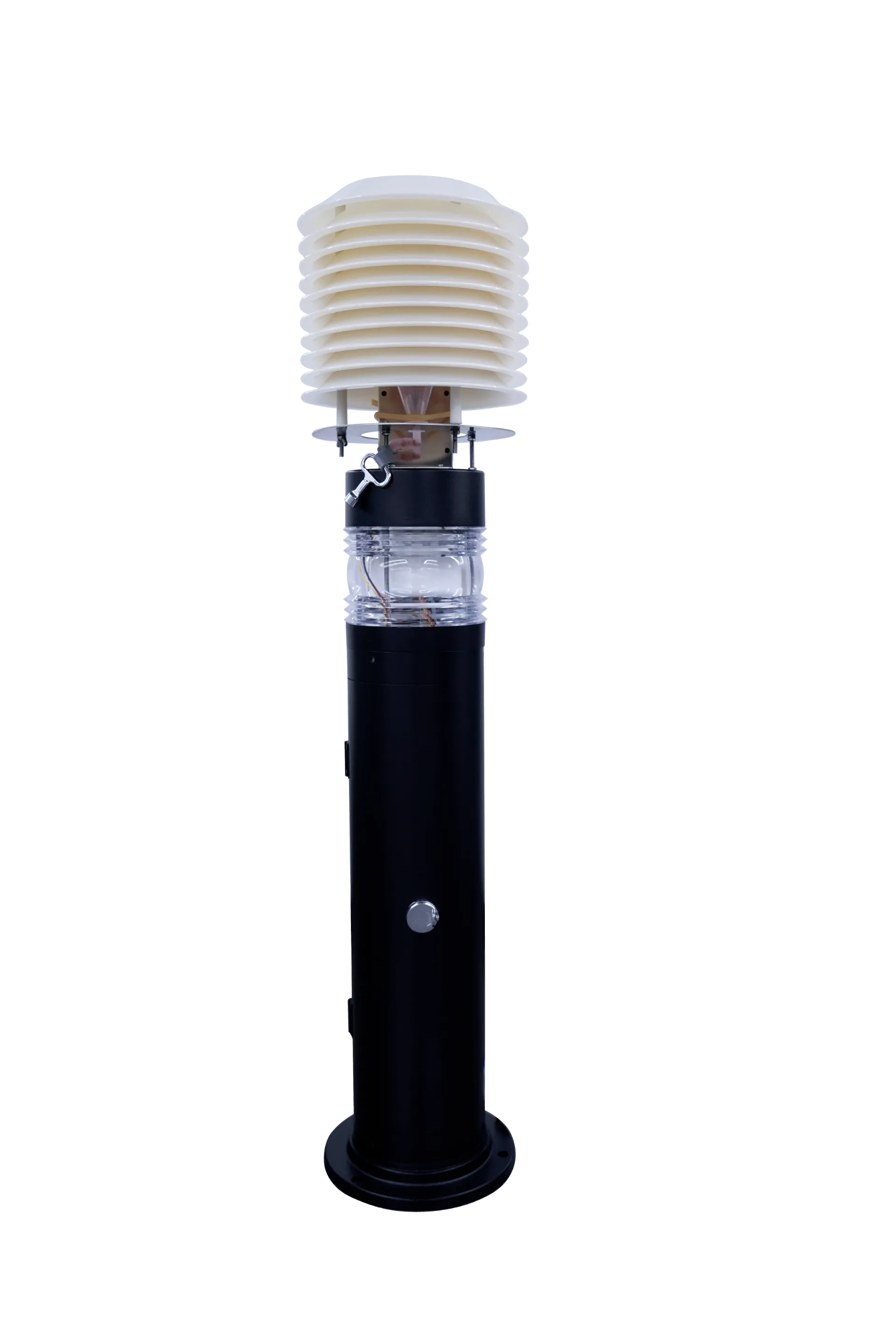
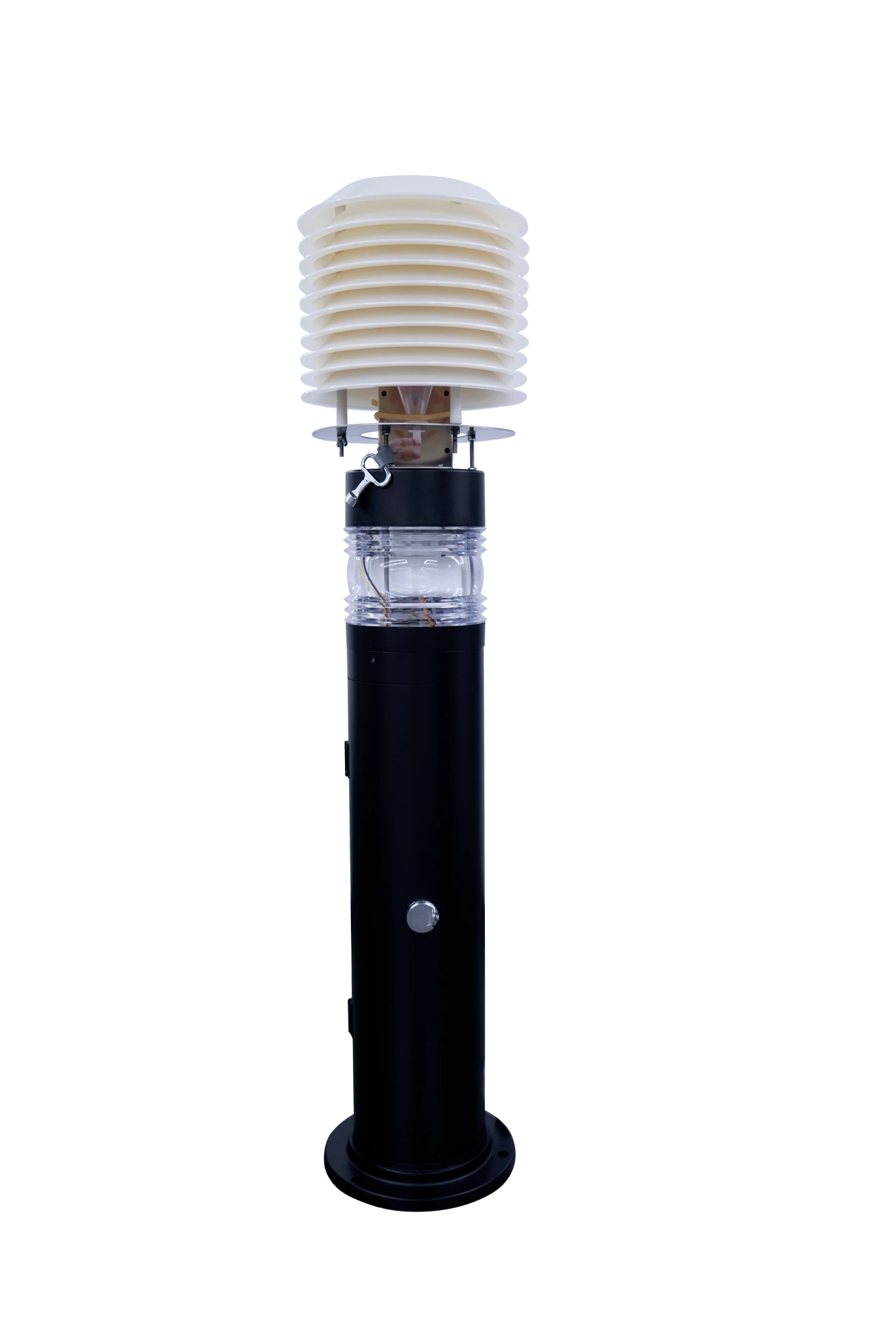
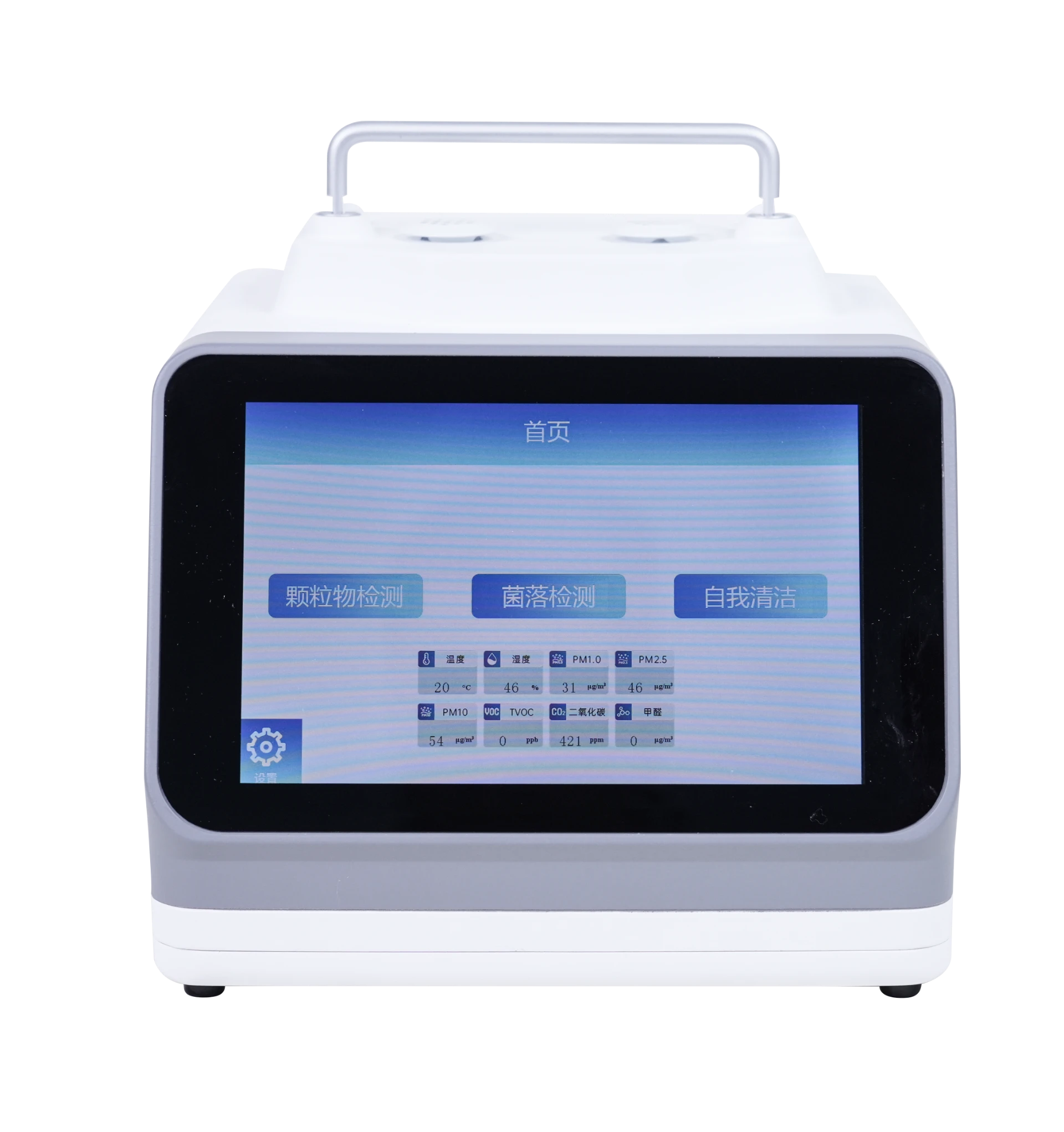
Fig 1: Advanced continuous bioaerosol sampler unit.
Technical Advantages and Differentiators
The superiority of modern continuous bioaerosol detection systems lies in several key technical advantages over traditional methods:
- Real-time Data Acquisition: Unlike traditional methods that require days for culture growth, advanced optical and molecular techniques provide near-instantaneous feedback. This is crucial for rapid response in critical environments, allowing for immediate intervention to prevent widespread contamination or exposure.
- High Sensitivity and Specificity: Modern detectors can identify bioaerosols at extremely low concentrations (e.g., single particles per liter) and often differentiate between specific species or groups. This capability is vital for early detection of potential threats, including toxic mold detection at sub-visible levels.
- Continuous Monitoring: Systems operate uninterrupted, providing a comprehensive temporal profile of bioaerosol concentrations, identifying spikes, and correlating them with operational events or environmental changes. This capability enhances proactive risk management.
- Reduced Human Error and Labor: Automation in sampling, collection, and initial analysis significantly minimizes the potential for human error inherent in manual sampling and laboratory processing. It also frees up valuable personnel time.
- Robustness and Durability: Engineered with industrial-grade materials like corrosion-resistant alloys (e.g., 316L stainless steel) and hermetically sealed enclosures, these systems are designed for longevity and reliable operation in challenging industrial environments, from high-humidity zones in water treatment to abrasive atmospheres in metallurgy. This contributes to significant long-term energy saving through reduced maintenance and consistent performance.
- Data Integration and Remote Access: Seamless integration with existing SCADA or building management systems via Ethernet or Wi-Fi allows for remote monitoring, data logging, and automated alert systems, enhancing operational control and security.
These advantages collectively translate into superior situational awareness, enhanced safety protocols, and optimized resource allocation for industries prioritizing stringent environmental control.
Application Scenarios and Target Industries
The broad utility of advanced bioaerosol detection extends across numerous sectors:
- Pharmaceutical and Biotechnology: Essential for maintaining sterile conditions in cleanrooms, manufacturing facilities, and R&D labs to prevent product contamination and ensure compliance with Good Manufacturing Practices (GMP). Critical for real-time monitoring of air sample mold test results.
- Healthcare Facilities: Monitoring operating rooms, isolation units, and general patient areas to detect and mitigate the spread of airborne pathogens (e.g., MRSA, C. difficile spores), improving patient safety and infection control.
- Food and Beverage Processing: Preventing microbial contamination of products and processing environments, which can lead to spoilage, recalls, and public health risks. Regular air and mold testing is paramount.
- Water Supply & Drainage / Wastewater Treatment: Monitoring for aerosolized bacteria and viruses (e.g., Legionella, enteric viruses) generated during treatment processes, protecting workers and nearby communities from exposure. The corrosion resistance of samplers is highly advantageous here.
- Petrochemical and Energy Sector: Ensuring air quality in confined spaces, control rooms, and ventilation systems to protect workers from naturally occurring biohazards or those introduced through various industrial processes.
- HVAC System Monitoring: Proactive detection of mold, bacteria, and allergens within large building ventilation systems to maintain healthy indoor air quality, particularly important in commercial buildings, schools, and offices. This prevents Sick Building Syndrome and costly remediation efforts associated with toxic mold detection.
- Environmental Research and Public Health: Tracking bioaerosol spread in urban environments, assessing allergen levels, and monitoring for bioterrorism threats.
In each of these scenarios, the ability to rapidly and accurately detect bioaerosols provides an indispensable layer of safety and operational efficiency.
Vendor Comparison: Choosing the Right Bioaerosol Detection Solution
Selecting the optimal bioaerosol detection system requires a detailed evaluation of various vendors and their offerings. Key parameters for comparison include detection speed, specificity, cost of ownership, and integration capabilities. Here’s a comparative overview of typical characteristics across different vendor solutions:
| Feature | Vendor A (Our Product - Continous Bioaerosol Sampler) | Vendor B (Competitor X) | Vendor C (Competitor Y) |
|---|---|---|---|
| Detection Principle | Liquid Impaction (Culture/qPCR compatible) | Agar Impaction (Culture only) | Filter-based (Lab analysis needed) |
| Analysis Time | Immediate (Optical) / Hours (qPCR) / Days (Culture) | Days (Culture) | Days (Lab analysis) |
| Specificity | High (Molecular/Optical differentiation) | Moderate (Morphological post-culture) | High (Advanced Lab techniques) |
| Continuous Monitoring | Yes, with automated media change | Limited (Manual plate change) | No (Batch sampling) |
| Connectivity | Ethernet, Wi-Fi, Cloud | Limited (Local data storage) | Basic (USB export) |
| Corrosion Resistance | High (Industrial-grade materials) | Moderate | Standard |
| Certifications | CE, ISO 9001, FCC | CE | None specified |
When considering a bioaerosol detection solution, potential buyers should prioritize systems that offer a balance of real-time capabilities, robust construction for industrial longevity, and comprehensive data integration features to meet evolving regulatory and operational demands.
Customized Solutions and Integration
Recognizing that no two industrial environments are identical, we specialize in providing customized bioaerosol detection solutions. Our offerings are not merely off-the-shelf products but adaptable systems designed for seamless integration into diverse existing infrastructures. Customization options include:
- Application-Specific Sensor Arrays: Tailoring the detection mechanisms to focus on particular bioaerosol types (e.g., specific fungal spores for toxic mold detection, or bacterial species in biopharmaceutical facilities).
- Environmental Hardening: Providing specialized enclosures (e.g., NEMA-rated, explosion-proof) for deployment in extreme temperatures, corrosive atmospheres, or hazardous areas common in petrochemical or heavy manufacturing.
- Scalable Network Solutions: Designing multi-point monitoring networks with centralized data acquisition and control, suitable for large facilities or geographically dispersed sites.
- Data Protocol Integration: Ensuring compatibility with various industrial communication protocols (e.g., Modbus TCP/IP, Profibus, OPC UA) for smooth integration with SCADA, DCS, or building management systems. Our engineering team works closely with clients to develop custom API interfaces where required.
- User Interface and Reporting Customization: Developing bespoke dashboards and reporting formats that align with internal quality assurance protocols and regulatory compliance requirements.
Our dedicated team of engineers and scientists offers comprehensive consultation, site surveys, and proof-of-concept deployments to ensure the proposed solution precisely meets operational demands and regulatory standards.
Real-World Application Case Studies
Our continuous bioaerosol samplers have been successfully deployed in various challenging industrial settings, demonstrating their reliability and effectiveness:
Case Study 1: Pharmaceutical Cleanroom Monitoring
A leading pharmaceutical manufacturer required continuous, real-time bioaerosol detection in their ISO Class 5 sterile filling lines. Traditional plate-based sampling was labor-intensive and delayed contamination alerts. We deployed a network of Continous Bioaerosol Samplers with integrated optical detection and automated liquid impaction for subsequent qPCR analysis. The system provided instant alerts for particulate spikes and identified the presence of specific bacterial species within 4 hours, a significant improvement over the 3-5 days of conventional methods. This enabled the client to isolate and resolve contamination sources much faster, reducing downtime by 15% and preventing potential product batch losses.
Case Study 2: Wastewater Treatment Plant Odor and Biohazard Control
A large municipal wastewater treatment plant faced public complaints regarding odors and concerns about aerosolized pathogens near their aeration basins. We installed several ruggedized Continous Bioaerosol Samplers designed for high-humidity, corrosive environments. The samplers continuously monitored for key indicator bacteria and fungi. The system successfully identified correlation between specific operational events and transient spikes in bioaerosol levels. This data informed changes in aeration protocols and ventilation system upgrades, resulting in a 30% reduction in peak bioaerosol concentrations and significant improvement in ambient air quality, enhancing both worker safety and community relations.
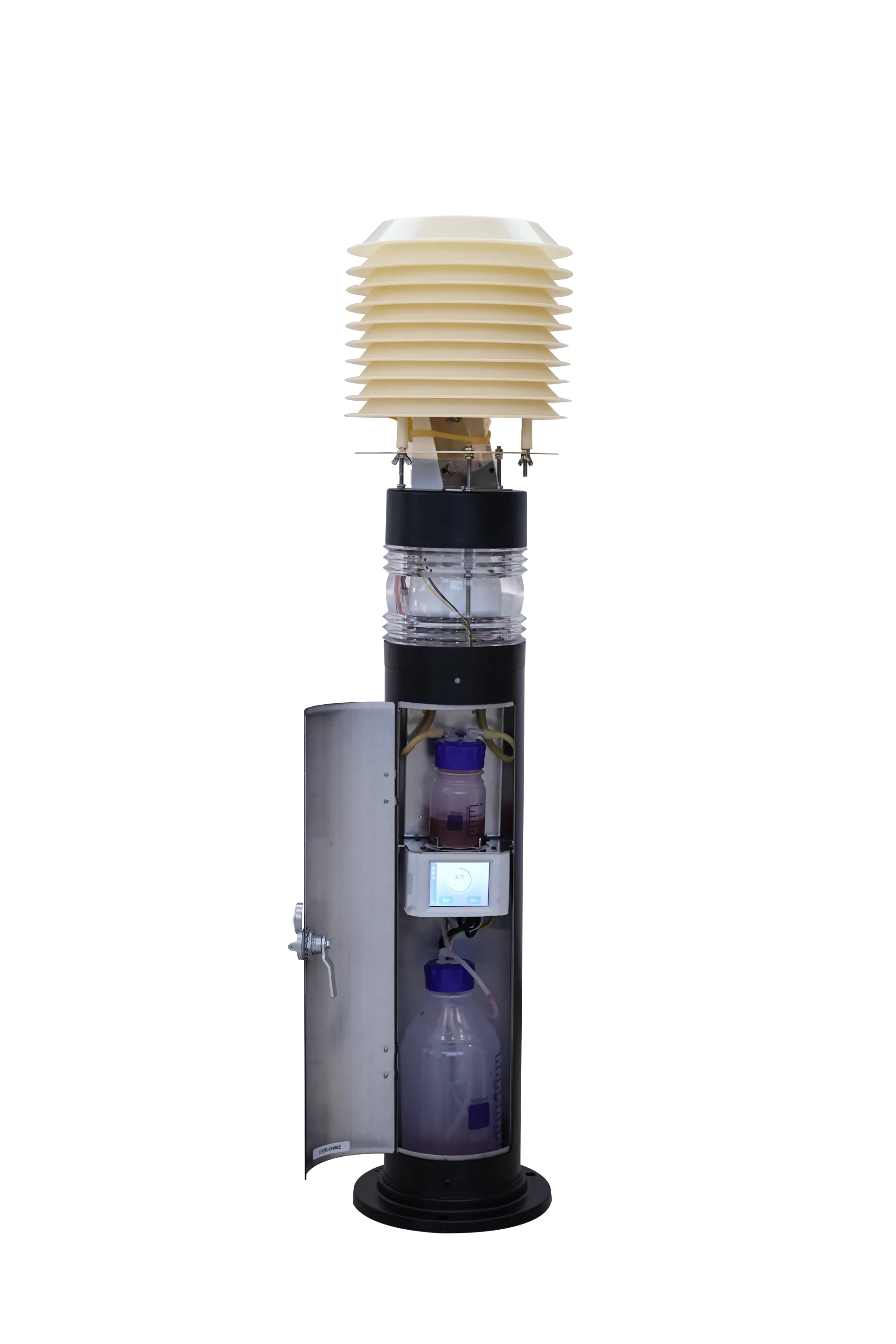
Fig 2: A bioaerosol sampler in an industrial setting.
Frequently Asked Questions (FAQ)
Q: What is the primary difference between a continuous bioaerosol sampler and a traditional air sampler?
A: A continuous bioaerosol sampler provides automated, uninterrupted monitoring, often with real-time or near real-time data output, and can integrate with existing control systems. Traditional samplers typically involve manual operation, batch sampling, and require off-site laboratory analysis, leading to significant delays in results.
Q: Can your systems detect specific types of mold or bacteria?
A: Yes, through advanced liquid impaction and subsequent molecular analysis (e.g., qPCR), our systems can be configured to detect and quantify specific bacterial, fungal, or viral DNA/RNA sequences, allowing for highly specific toxic mold detection or pathogen identification.
Q: How often does the collection medium need to be changed?
A: For continuous operation, our samplers feature automated liquid exchange systems. The frequency depends on the specific application and environmental conditions, but typical intervals can range from 24 hours to a week. Our systems are designed for minimal manual intervention.
Q: What kind of environmental conditions can your samplers withstand?
A: Our industrial-grade samplers are built with robust, corrosion-resistant materials and engineered for demanding environments. They are typically rated for a wide range of operating temperatures (e.g., 0°C to 50°C) and can be housed in specialized enclosures for hazardous or extremely harsh conditions.
Logistics and Support
- Lead Time and Fulfillment: Standard configurations of the Continuous Bioaerosol Sampler typically have a lead time of 4-6 weeks from order confirmation. Customized solutions may require 8-12 weeks, depending on the complexity of engineering and material sourcing. We maintain a robust supply chain to ensure timely delivery globally.
- Warranty Commitment: All Continuous Bioaerosol Samplers come with a standard 2-year warranty covering manufacturing defects and operational failures under normal use conditions. Extended warranty plans and service agreements are available.
- Customer Support and After-Sales Service: Our dedicated customer support team provides comprehensive technical assistance, remote diagnostics, and on-site service where required. We offer training programs for client personnel on system operation and routine maintenance. A network of certified service partners ensures global reach and prompt response.
Our commitment extends beyond product delivery to ensuring the long-term, reliable performance of your bioaerosol detection infrastructure.
Conclusion
The landscape of industrial safety and environmental monitoring is increasingly reliant on sophisticated bioaerosol detection technologies. With the capability to provide rapid, accurate, and continuous monitoring, these advanced systems are indispensable for protecting personnel, safeguarding products, and ensuring regulatory compliance across critical sectors. Our Continous Bioaerosol Sampler stands as a testament to engineering excellence, offering unparalleled performance, durability, and adaptability to meet the evolving demands of modern industry.
References
- ISO 14644-1:2015 Cleanrooms and associated controlled environments — Part 1: Classification of air cleanliness by particle concentration.
- Centers for Disease Control and Prevention (CDC). "Bioaerosols." National Institute for Occupational Safety and Health (NIOSH). Available at: www.cdc.gov/niosh/topics/bioaerosols/default.html
- American Society for Testing and Materials (ASTM) D6429-99(2014) Standard Guide for Bioaerosol Sampling.
- Food and Drug Administration (FDA) Guidance for Industry: Sterile Drug Products Produced by Aseptic Processing — Current Good Manufacturing Practice.
-
Understanding pcr testes transgênicos for Agricultural PurityNewsApr.16,2026
-
Understanding Febre do Cão PCR for Precision Veterinary DiagnosticsNewsApr.09,2026
-
Understanding Respiração PCR and Grupo Cat for Advanced Bioaerosol Sampling TechniquesNewsApr.07,2026
-
IDEXX Feline Respiratory PCR Panel A Comprehensive Guide for VeterinariansNewsApr.04,2026
-
Understanding Grupo de Gatos URD PCR and Bioaerosol Sampling for Air Quality ControlNewsMar.28,2026
-
Understanding the Feline Respiratory PCR Panel Grupo de PCR Respiratório do GatoNewsMar.26,2026