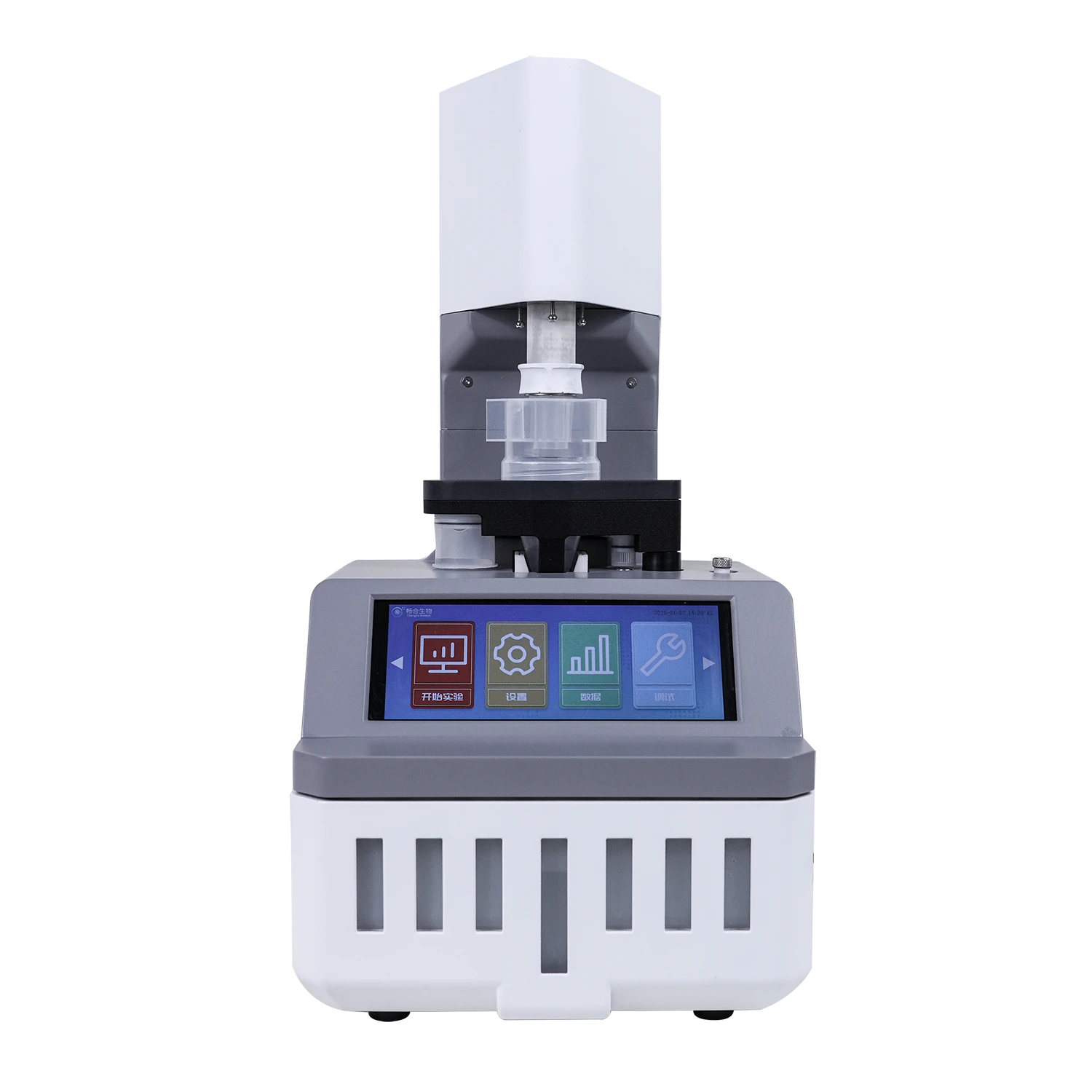

Real Time PCR Machine for COVID 19 – Advanced Diagnostic Solutions & Global Benefits
The Real Deal on Real Time PCR Machines for COVID-19: Why They Matter
Let’s be honest: the phrase real time PCR machine for COVID 19 became a household name almost overnight in 2020. But beyond the headlines and breaking news, understanding what these machines do, and why they still matter globally, is crucial. They’ve been the unsung heroes in pandemic response, playing a pivotal role in diagnosis, surveillance, and control measures. The benefits? Rapid detection, high accuracy, and the ability to track viral mutations — all essential tools for public health worldwide.
But it’s not only about COVID-19. These machines are now cornerstones in the broader context of infectious disease control and biotech innovation. So, let's peel back the layers and see why real time PCR technology feels like it’s here to stay, long after headlines have moved on.
Global Context: Real Time PCR Machines and Their Pandemic-Era Spotlight
Statistically speaking, the World Health Organization reported over 600 million confirmed COVID-19 cases worldwide by mid-2023. And behind every confirmation was, more often than not, a test involving real time PCR technology. The United Nations and ISO standards emphasize the importance of rapid diagnostic tools especially in global health emergencies. The challenge? Not every country had equal access to these high-precision instruments, highlighting stark disparities.
There was a race — kind of like the moon landing feel — to scale up manufacturing, innovate on mobility, and reduce costs. Real time PCR machines became symbols of our collective ability to respond at unprecedented speed to a virus that didn’t sit still. But the bottleneck in testing capacity underscored a key problem: How do you ensure timely and accurate testing even in remote or resource-limited settings? This remains a critical question as new variants and other pathogens emerge.
Definition Simplified: What Exactly Is a Real Time PCR Machine for COVID-19?
To keep it straightforward, a real time PCR machine is a laboratory device designed to perform polymerase chain reactions while simultaneously detecting and quantifying DNA or RNA sequences in the sample — specifically, the genetic material from the SARS-CoV-2 virus responsible for COVID-19.
The magic lies in its ability to amplify tiny amounts of viral RNA and translate them into real-time data, allowing technicians to quickly confirm whether a person is infected. This contrasts with older PCR methods where results could take days because detection happened only after the process finished. Real time PCR brought detection into the here and now.
Beyond the pandemic, this technology is indispensable in fields like oncology, genetics, and infectious disease research, but 2020 certainly accelerated its mainstream recognition.
Breaking Down the Core Components of Real Time PCR Machines
1. Sensitivity & Specificity
Sensitivity refers to how well the machine detects even small amounts of viral RNA without false negatives, while specificity ensures it doesn’t mistakenly flag other viruses. This balance makes it highly reliable for accurate COVID-19 diagnoses.
2. Speed & Throughput
Time matters. Many modern real time PCR machines can process dozens, sometimes hundreds, of samples simultaneously with turnaround times of 1-2 hours. This speed supports mass testing campaigns.
3. Portability & Usability
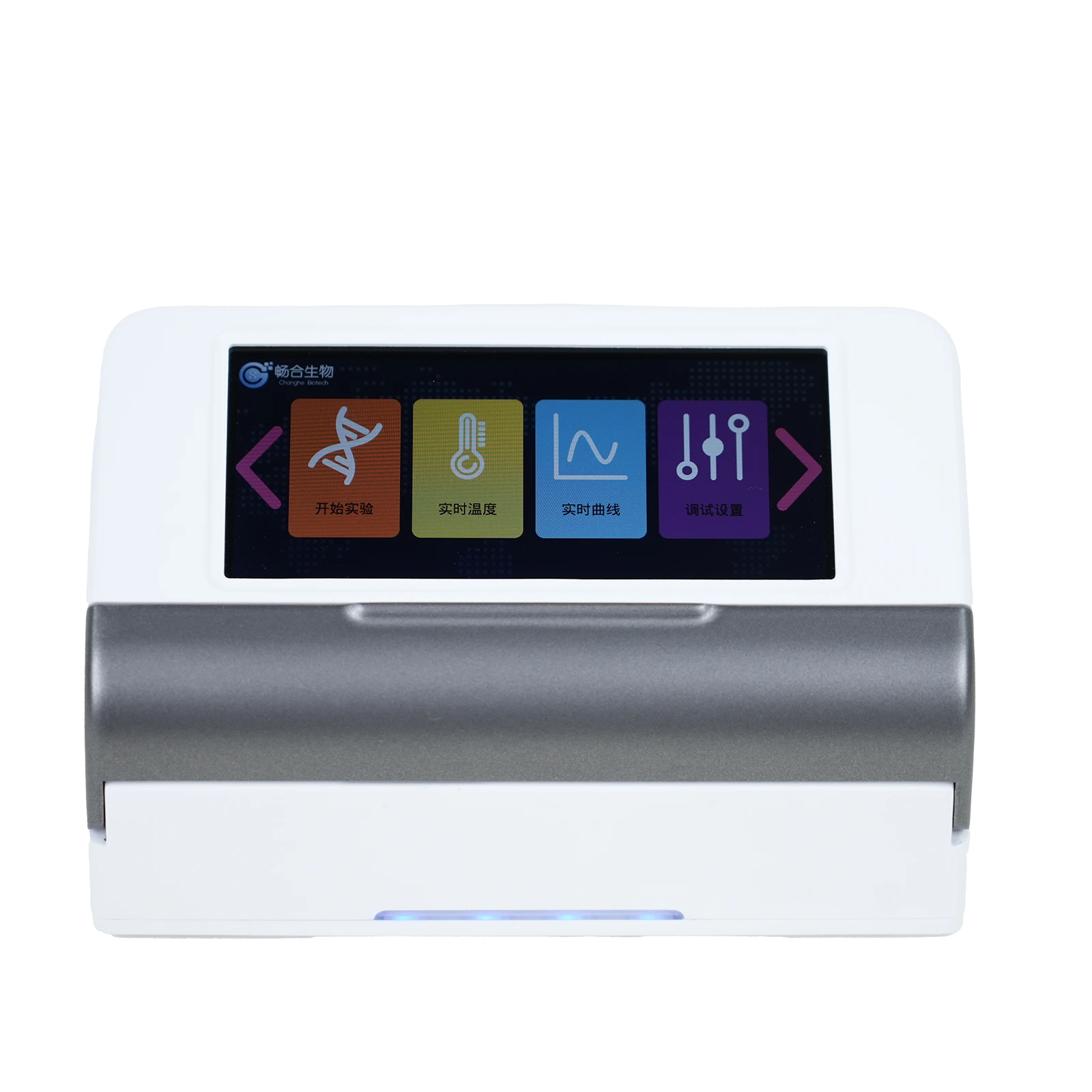
Traditionally bulky, new iterations are smaller, more user-friendly, and can even be used in point-of-care settings. This agility is a game changer in rural clinics or field hospitals.
4. Data Integration & Connectivity
Many machines now connect digitally to lab information management systems (LIMS) or cloud databases, enabling faster public health responses and data analytics.
5. Cost-efficiency & Maintenance
Operational costs, reagent availability, and upkeep dictate how scalable these machines truly are, especially in low-income regions.
6. Compliance & Quality Controls
Strict regulatory compliance ensures that tests meet ISO standards and local health authority guidelines, guaranteeing trustworthiness of results.
Specifications of a Typical Modern Real Time PCR Machine (Example Model)
| Feature | Specification |
|---|---|
| Detection Channels | 4 (Multiplexing Capabilities) |
| Sample Capacity | 96-well Plate |
| Run Time | 55 - 90 minutes per cycle |
| Data Output | Quantitative Ct values and Amplification Curves |
| Connectivity | USB, Ethernet, Cloud-enabled |
| Maintenance | Monthly System Checks, Easy Calibration |
Global Applications: How Real Time PCR Technology Helps Worldwide
The value of real time PCR machines isn’t just academic — they’re practical lifesavers in hospitals, mobile labs, and even airports. In dense urban centers like New York or Mumbai, their speed helps hospitals triage patients swiftly to prevent overwhelming resources.
On the flip side, remote and underserved regions benefit from compact, portable units. For example, in sub-Saharan Africa, real time PCR machines facilitate diagnosis of COVID-19 alongside other viral infections like Ebola. Humanitarian organizations rely heavily on these tools during outbreaks to contain spread and deploy medical aid effectively.
They’re also essential for ongoing viral surveillance, tracking mutations across countries, a vital function for vaccine updates and public health policies. Even industries like travel, sports, and education use rapid PCR testing to safely reopen and operate.
Vendor Comparison: Popular Real Time PCR Machines for COVID-19 Testing
| Brand | Sample Capacity | Run Time | Portability | Price Estimate (USD) |
|---|---|---|---|---|
| BioRad CFX96 | 96 samples | 60-90 mins | No | $40,000 - $50,000 |
| Cepheid GeneXpert | 1-8 samples | 30-45 mins | Yes (portable) | $17,000 - $55,000 |
| Thermo Fisher QuantStudio 5 | 96 samples | 55-90 mins | No | $45,000 - $60,000 |
| Qiagen Rotor-Gene Q | 72 samples | 45-90 mins | No | $35,000 - $45,000 |
Advantages and Long-Term Benefits of Real Time PCR Machines for COVID-19
Beyond speed and accuracy, these machines offer a kind of peace of mind. In the fog of a pandemic, when uncertainty and fear were high, reliable test results meant lives saved and better resource allocation. Their long-term value goes further: as multi-disease diagnostic platforms, they support sustainable health systems.
From a cost perspective, the early investment pays dividends by reducing hospitalization costs and speeding up isolation measures. Emotionally, knowing there’s trustworthy technology backing public health measures builds trust with communities — which, frankly, can be the difference between compliance or chaos.
Emerging Trends and Innovations on the Horizon
We’re seeing the rise of miniturization and automation — machines the size of a shoebox, with AI-driven analysis that spits out faster results with less user input. Digital integration means PCR data can link to national health databases in real time, enabling more dynamic tracking of outbreaks.
Sustainability is creeping into the conversation too: lower power consumption models, eco-friendly reagents, and better portability to reduce logistic burdens. Alongside the development of companion technologies like CRISPR-based diagnostics, PCR machines are evolving to meet future pandemic challenges more nimbly.
The Ever-Present Challenges and Solutions to Navigate
Truth be told, despite all the progress, challenges remain. Costs are still high for many low-resource settings. Supply chain disruptions can delay reagent availability. And user training remains a bottleneck in some areas.
Innovative solutions are emerging: modular, cloud-connected platforms with remote training help overcome technical gaps, while public-private partnerships are working to subsidize costs for underserved regions. Harmonizing international regulatory approvals could also speed deployment timelines globally.
FAQ: What People Often Ask About Real Time PCR Machines for COVID-19
- Q: How fast can real time PCR machines deliver results for COVID-19 tests?
A: Typical turnaround times range from 30 minutes to about 2 hours, depending on the machine model and sample throughput. Rapid devices focus on smaller batches for faster results, ideal for urgent scenarios. - Q: Are portable real time PCR machines as accurate as standard lab models?
A: Yes, many portable devices maintain comparable sensitivity and specificity levels but are designed for point-of-care settings where speed and convenience are prioritized. - Q: Can these PCR machines detect COVID-19 variants?
A: Absolutely. Real time PCR assays can be designed to target variant-specific mutations, aiding in variant surveillance and public health decision-making. - Q: What kind of maintenance do these machines require?
A: Regular calibration, cleaning of optical components, and system checks are typical. Most manufacturers provide user-friendly maintenance guides and remote support. - Q: How accessible are these machines to low-income countries?
A: Accessibility is improving thanks to subsidies, global health initiatives, and development of low-cost units, though challenges in infrastructure and training remain.
Wrapping Up: Why Invest in Real Time PCR Machines for COVID-19 Testing?
It’s not an exaggeration to say that real time PCR machines transformed how we manage pandemic threats. They offered the speed, accuracy, and scalability needed to flatten curves and save lives. Beyond COVID-19, their continued evolution supports global health security. If you want to explore the latest models and innovations, or need trusted, proven equipment, check out our comprehensive solutions.
In a world where health threats can emerge suddenly, having the right tech ready to respond is not just smart — it’s essential.
References:
-
Uniplex PCR Equipment for Industrial Biosafety & MonitoringNewsDec.08,2025
-
TB PCR Kit: A Veteran’s Take on Leading Diagnostic ToolsNewsDec.08,2025
-
Stem Loop Rt Pcr – Advanced Molecular Detection Solutions for Industry | Bio Aerosol SamplerNewsDec.08,2025
-
Reliable RT PCR RNA Virus Testing & Bioaerosol Sampling EquipmentNewsDec.07,2025
-
Rt Pcr Monkeypox: Advanced Viral Detection Solutions for B2B IndustriesNewsDec.07,2025
-
RT PCR Kit for Monkeypox Detection – Reliable Diagnostics ToolNewsDec.07,2025