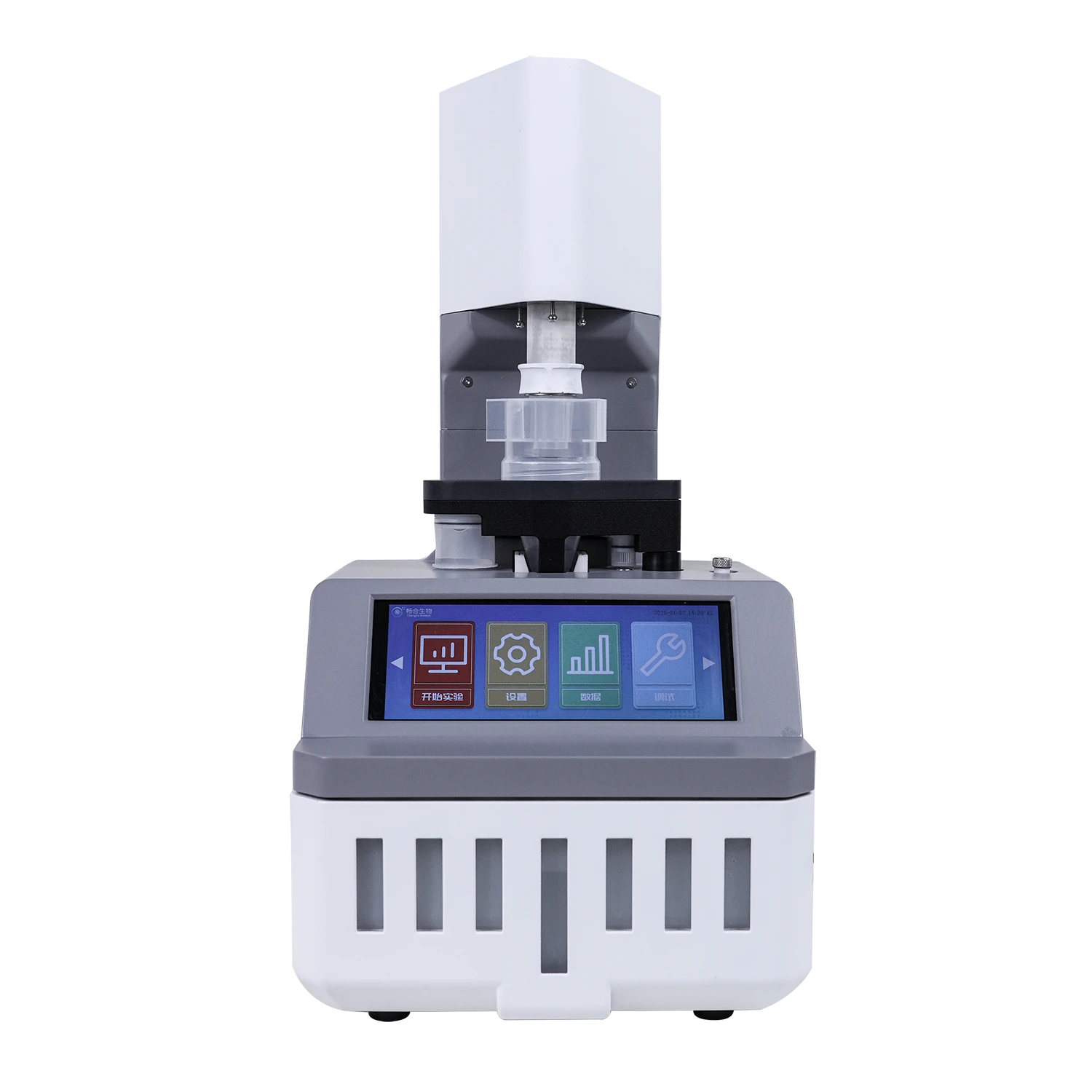

Reliable Air Sampling Bacteria & Biological Samplers
Elevating Environmental Control: The Imperative of Advanced Air Sampling for Bacteria
In critical B2B environments, maintaining pristine air quality is not merely a best practice; it is a fundamental requirement for operational integrity, product safety, and regulatory compliance. The precise and timely detection of airborne microbial contaminants, particularly through effective air sampling bacteria methods, forms the cornerstone of such control strategies. Industries ranging from pharmaceuticals to food processing, and from healthcare facilities to advanced manufacturing, rely on sophisticated biological samplers to ensure the safety of their products, processes, and personnel.
The landscape of microbial air quality management is continually evolving, driven by stricter global regulations and a heightened understanding of airborne pathogen transmission. Current industry trends emphasize a move towards real-time or near-real-time monitoring, increased automation, and integration of detection systems with building management systems (BMS) for proactive rather than reactive intervention. This shift underscores the demand for high-precision biological samplers that can deliver accurate, reproducible results under diverse and challenging operational conditions. The evolution of the bio sampler market is marked by innovations aimed at enhancing collection efficiency, broadening the spectrum of detectable microorganisms, and simplifying operational workflows, thereby contributing significantly to robust contamination control strategies.
The Advanced Process of Air Sampling and Detection for Bacteria
The manufacturing and operational process for devices facilitating air sampling for bacteria, such as the Bioaerosol Sampler & Detection Device, involves meticulous engineering and adherence to stringent quality controls to ensure optimal performance. The journey from raw material to a high-precision biological sampler is complex:
- Material Selection: Components are typically fabricated from medical-grade stainless steel (e.g., 316L), aerospace-grade aluminum alloys, or high-performance polymers (e.g., PEEK). These materials are chosen for their inertness, corrosion resistance, ease of sterilization, and mechanical stability in demanding operational environments.
- Precision Manufacturing: Critical parts, such as impaction heads, flow channels, and optical detection modules, undergo advanced CNC machining processes. This ensures micron-level tolerances, essential for consistent airflow, accurate particle impaction, and optical path alignment. Laser welding may be employed for hermetic sealing, preventing external contamination and ensuring system integrity.
- Sensor Integration: State-of-the-art optical sensors (e.g., laser-induced fluorescence, light scattering), microfluidic components, and high-sensitivity detectors are meticulously integrated. These components are sourced from certified suppliers and undergo rigorous incoming quality control.
- Assembly & Calibration: Devices are assembled in controlled environments (e.g., ISO Class 7 cleanrooms) to prevent pre-contamination. Each unit undergoes multi-point calibration for flow rates, collection efficiency, and detection sensitivity against certified microbial standards. This ensures the accuracy and reliability of the operational the cycle biological samplers employ.
-
Testing Standards: Finished products are subjected to comprehensive testing, including:
- ISO 14698-1/2: Cleanrooms and associated controlled environments – Biocontamination control.
- ANSI/ASHRAE 110: Airflow pattern studies for containment devices.
- USP : Microbiological Control and Monitoring of Aseptic Processing Environments.
- European Pharmacopoeia: Microbiological quality of non-sterile products.
- EMC/EMI Testing: To ensure electrical safety and minimal electromagnetic interference.
The typical service life for these robust devices ranges from 7 to 15 years with proper maintenance, showcasing their durability and long-term value. These advanced systems find critical applications across diverse target industries, including pharmaceutical manufacturing, biotechnology, food & beverage processing, hospitals & healthcare, and environmental monitoring. They demonstrate significant advantages in typical application scenarios, such as ensuring energy saving through optimized pump designs that minimize power consumption while maximizing airflow efficiency, and providing exceptional corrosion resistance, crucial for longevity in chemically aggressive industrial settings or frequent sterilization cycles.
Technical Specifications of Bioaerosol Samplers
The effectiveness of a bio sampler in accurately performing air sampling for bacteria is directly attributable to its meticulously engineered technical parameters. Key specifications define the operational capabilities and suitability of a device for particular applications.
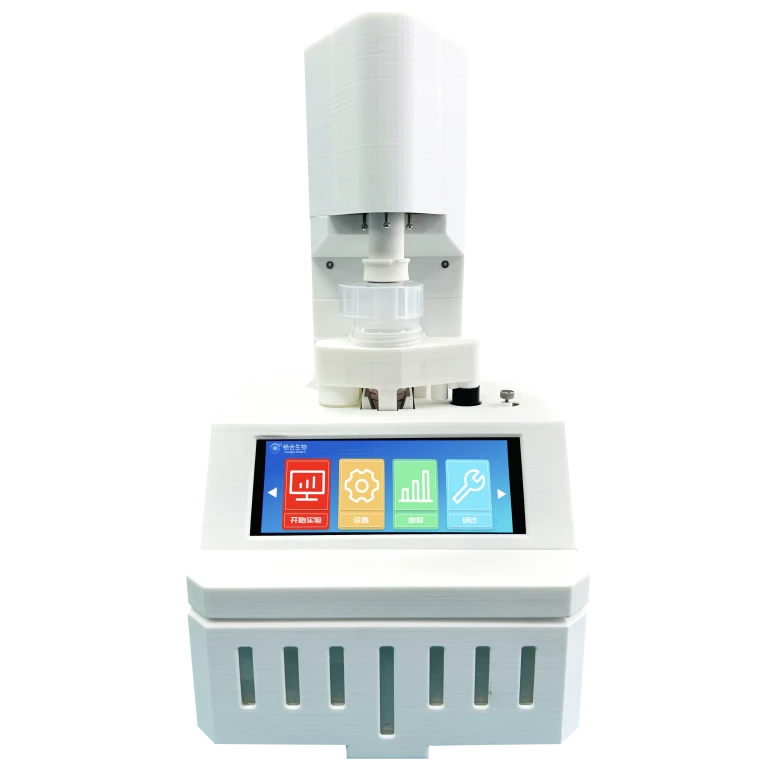
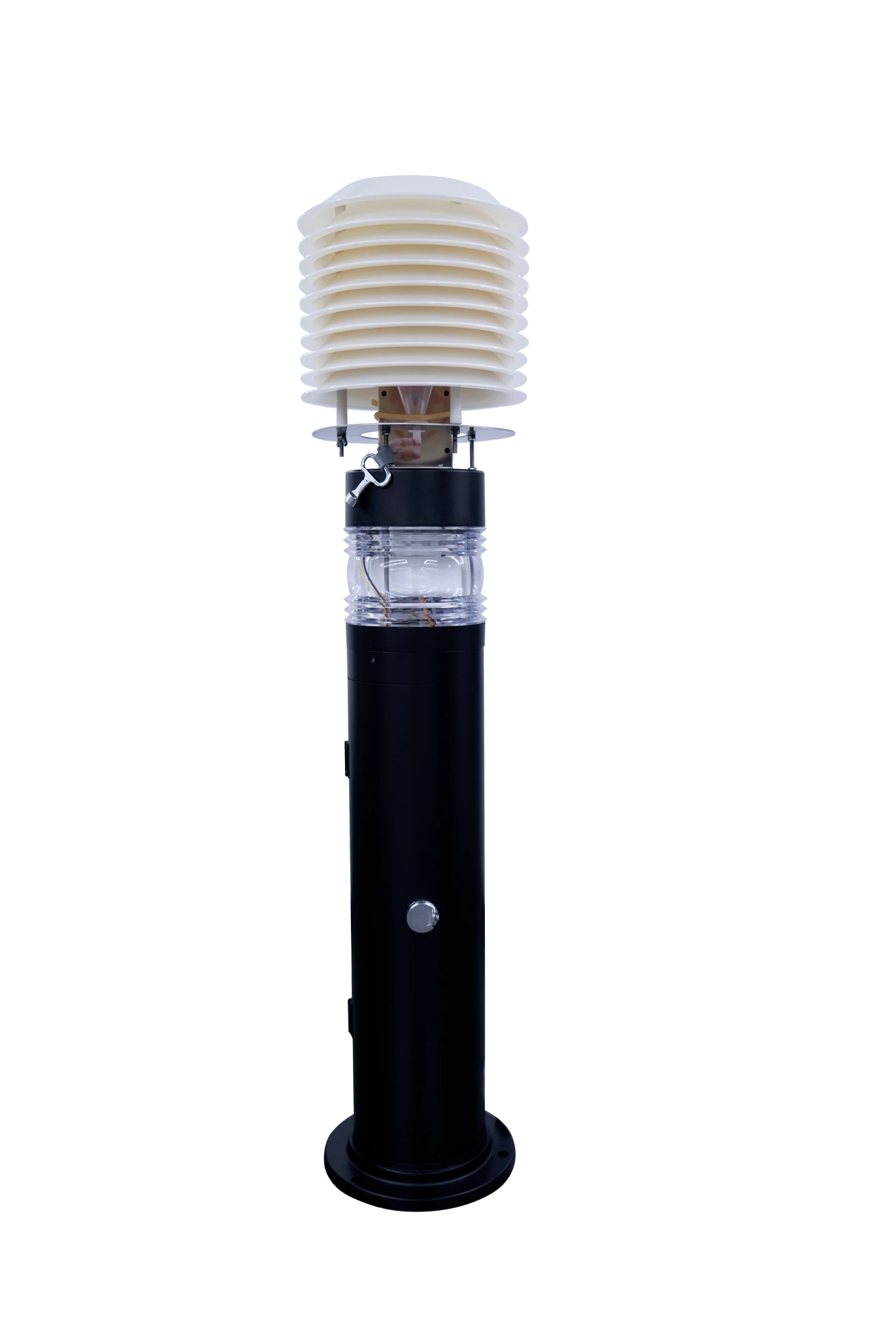
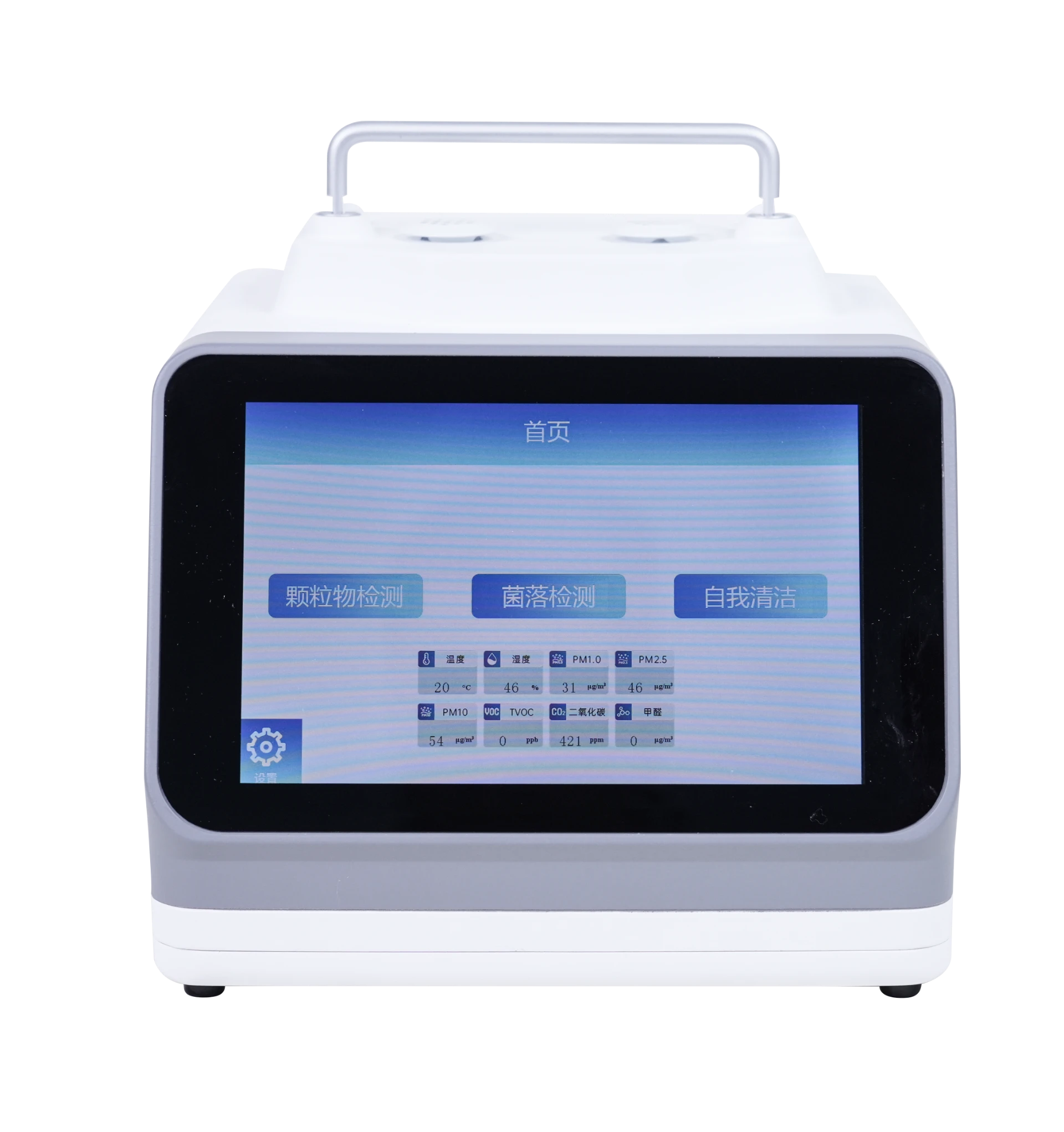
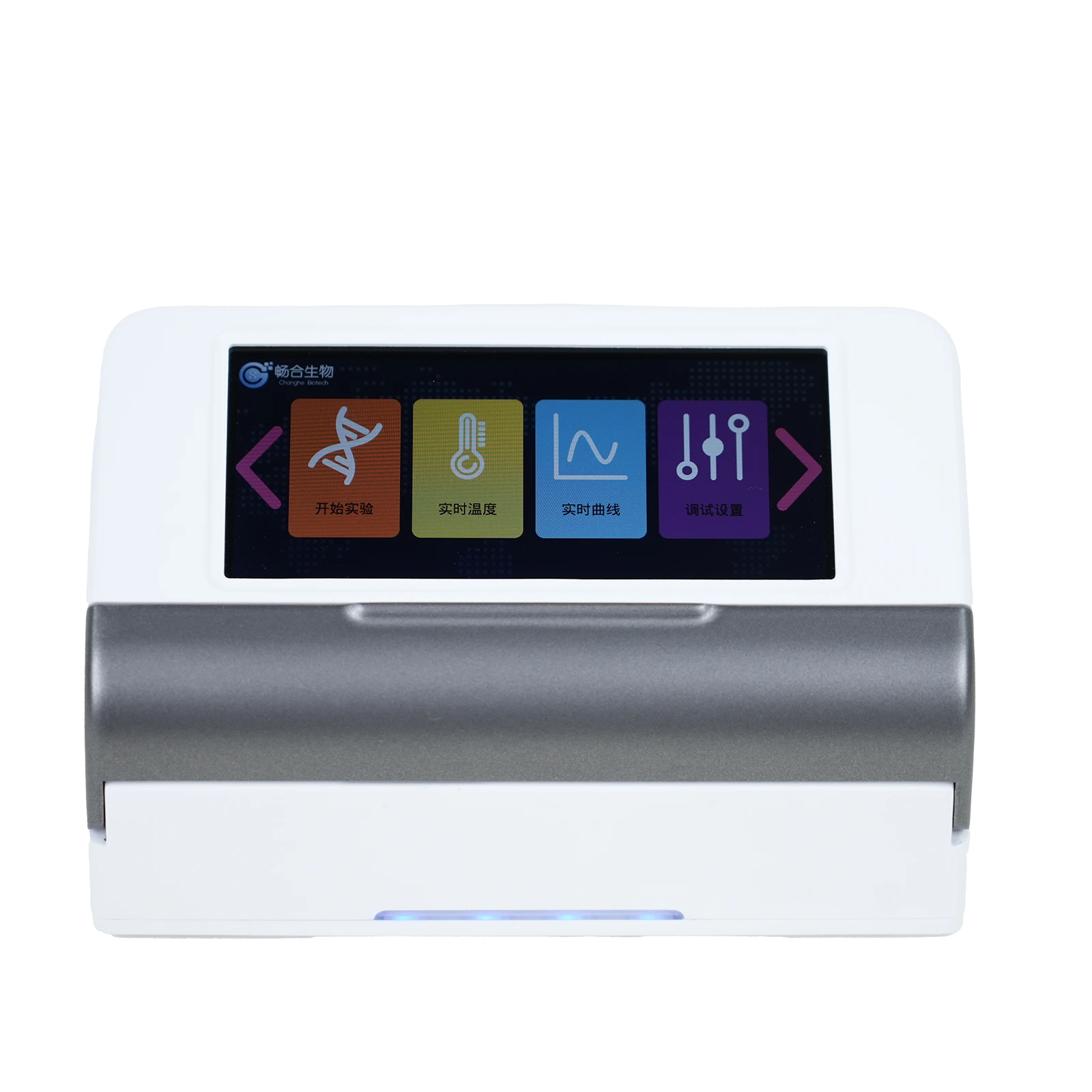
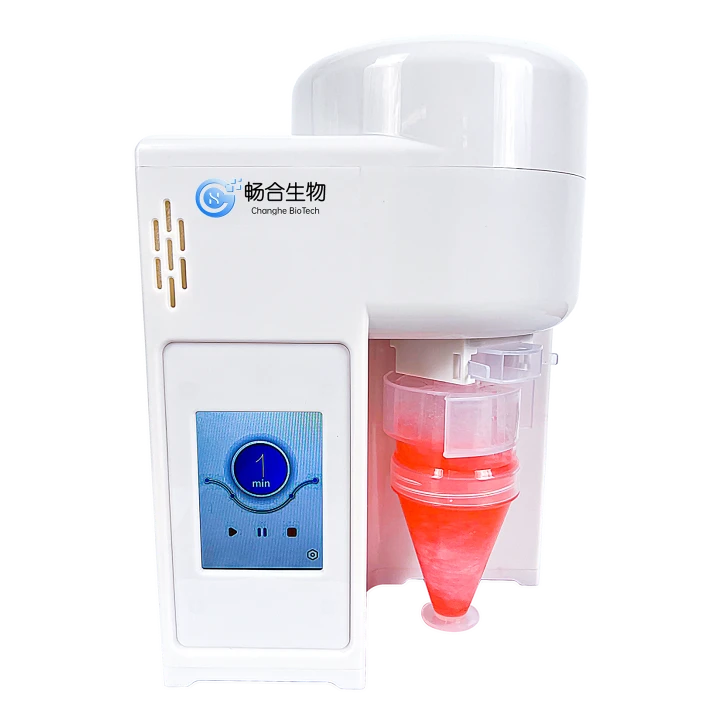
Image: A modern Bioaerosol Sampler designed for precise air sampling bacteria detection in critical environments.
These specifications collectively ensure that modern biological samplers are not just tools, but highly precise instruments capable of delivering actionable intelligence for critical contamination control. The design priorities focus on minimizing false positives, maximizing detection sensitivity, and providing a reliable operational cycle for continuous monitoring.
Key Technical Advantages of Advanced Bioaerosol Samplers
The deployment of advanced biological samplers for microbial detection offers a multitude of technical advantages that translate into significant operational benefits for B2B enterprises:
- High Precision and Accuracy: Utilizing sophisticated optical and impaction technologies, these devices achieve superior collection efficiency and detection specificity. This minimizes false readings and ensures reliable data for critical decision-making.
- Real-time or Near Real-time Monitoring: Unlike traditional culture-based methods which can take days, advanced samplers provide data within minutes or hours. This enables immediate identification of contamination events, facilitating rapid response and mitigating potential widespread issues.
- Automation and Data Integration: Modern systems are designed for continuous, automated operation with minimal human intervention. Integrated software allows for seamless data logging, trending, and reporting, which can be effortlessly integrated into existing SCADA or BMS, enhancing the efficiency of the overall the cycle biological samplers follow.
- Robustness and Corrosion Resistance: Constructed from inert materials like 316L stainless steel, these devices are built to withstand harsh industrial environments, repeated sterilization cycles (e.g., VHP), and exposure to various chemicals, ensuring a long operational lifespan and consistent performance.
- Compliance and Audit Readiness: Designed to meet or exceed international standards such as ISO 14698, GMP, and FDA guidelines, these systems provide verifiable data essential for regulatory compliance and audit trails.
- Reduced Operational Costs: By enabling proactive detection, advanced samplers help prevent costly product recalls, batch rejections, and extensive downtime due to contamination. Their efficient designs also contribute to energy saving, minimizing power consumption during continuous operation.
Application Scenarios & Illustrative Case Studies
The versatility of advanced systems for air sampling bacteria makes them indispensable across a broad spectrum of industries:
- Pharmaceutical & Biotechnology Manufacturing: Critical for monitoring cleanrooms (ISO 5, 7, 8) and aseptic processing areas (Grade A, B) to prevent microbial contamination of sterile products. Continuous monitoring of environments where sensitive drug formulations or biologics are handled.
- Healthcare Facilities & Hospitals: Used in operating theaters, intensive care units, and isolation wards to manage infection control, particularly for airborne pathogens. Proactive monitoring helps identify potential outbreak sources.
- Food & Beverage Production: Ensures hygienic conditions in processing, packaging, and storage areas. Early detection of spoilage organisms or pathogens like Listeria or Salmonella in the air prevents product contamination and costly recalls.
- Environmental Monitoring & Biodefense: Deployed in urban areas, public transport hubs, or critical infrastructure to detect potential biological threats or assess environmental air quality.
- HVAC System Monitoring: Essential for large-scale facilities to assess the microbial load within ventilation systems, preventing the recirculation of contaminants and ensuring healthy indoor air quality.
Application Case Studies:
- Case Study 1: Sterile Injectables Manufacturer
A leading pharmaceutical company experienced intermittent microbial excursions in their Grade B cleanroom. By implementing continuous air sampling bacteria with advanced Bioaerosol Samplers, they identified a pattern of contamination linked to specific process steps, allowing them to pinpoint and rectify a compromised HEPA filter, reducing costly batch rejections by 30% within six months. The immediate feedback from the bio sampler enabled targeted, rapid corrective actions.
- Case Study 2: Dairy Processing Plant
To enhance food safety, a large dairy plant integrated automated biological samplers into their packaging lines. This system provided real-time alerts for elevated airborne yeast and mold levels. One instance detected a spike, tracing it to an uncleaned condensate drip tray in an air handling unit, preventing potential contamination of thousands of liters of milk and ensuring stringent compliance with HACCP principles.
Customer feedback consistently highlights the reliability, ease of use, and invaluable insights provided by these systems, emphasizing their role in maintaining uncompromised environmental control and product integrity.
Vendor Comparison: Evaluating Biological Samplers
When selecting a bio sampler for critical air sampling for bacteria, a thorough vendor comparison is essential. While many manufacturers offer solutions, key differentiators lie in performance, reliability, and support. Below is a comparative overview of typical biological sampler categories:
The Bioaerosol Sampler & Detection Device represents the forefront of real-time optical air sampling bacteria technology, offering unparalleled speed, accuracy, and operational efficiency compared to conventional methods. This is particularly crucial in environments where immediate action against microbial contamination is paramount.
Customized Solutions for Unique Requirements
Recognizing that no two B2B applications are identical, leading providers of biological samplers offer extensive customization options. These tailored solutions ensure that the deployed systems perfectly align with specific operational needs, environmental constraints, and regulatory frameworks:
- Flow Rate and Sampling Head Configuration: Adjustments to sampling flow rates or the design of impaction/collection heads can be optimized for specific particle sizes or target microbial populations. For instance, specialized impaction plates can be designed for highly viscous media or unique culturing requirements.
- Environmental Enclosures: For deployment in harsh or hazardous environments (e.g., petrochemical facilities, extreme temperatures, high humidity, clean-in-place operations), custom-designed IP-rated enclosures (IP65, IP67) or explosion-proof casings (ATEX certified) are available to protect the sensitive optical and electronic components.
- Software Integration and Custom Reporting: Beyond standard data logging, bespoke software modules can be developed to integrate seamlessly with proprietary Manufacturing Execution Systems (MES) or Laboratory Information Management Systems (LIMS). Custom dashboards, alert thresholds, and report generation templates provide highly specific insights and streamline compliance documentation for the entire the cycle biological samplers maintain.
- Communication Protocols: While standard protocols like Modbus TCP/IP, Ethernet, and RS-232 are common, specific industrial communication protocols (e.g., Profinet, DeviceNet) can be implemented to ensure smooth interoperability with existing control systems.
- Multi-point Sampling Networks: For large facilities, centralized systems can be designed to monitor multiple remote sampling points simultaneously, providing a comprehensive overview of microbial air quality across an entire production or healthcare facility.
These customization capabilities ensure that investment in bio sampler technology yields maximum return by precisely addressing the unique challenges of each client.
Trustworthiness & Comprehensive Support ( Principles)
Our commitment to Google's standards — Expertise, Experience, Authoritativeness, and Trustworthiness — is embedded in every aspect of our operations. We ensure that our clients receive not only cutting-edge technology for air sampling bacteria but also unparalleled support and reliability.
Authoritativeness:
Our Bioaerosol Sampler & Detection Device is backed by a robust framework of certifications and industry recognition. We adhere to international standards such as ISO 9001:2015 for quality management and ISO 14001:2015 for environmental management. Our products comply with CE marking requirements for safety and performance within the European Economic Area, and where applicable, meet FDA 21 CFR Part 11 guidelines for electronic records, critical for pharmaceutical clients. With over two decades of dedicated service in bioaerosol monitoring, our expertise is proven through deployments with major global pharmaceutical corporations, leading research institutions, and governmental health organizations.
Trustworthiness – FAQs, Lead Times, Warranty, and Support:
Frequently Asked Questions (FAQs):
- Q: How often should the bio sampler be calibrated?
A: We recommend annual factory calibration or on-site calibration by certified technicians to maintain optimal accuracy and compliance with regulatory standards. Critical applications may require more frequent checks.
- Q: Can the device differentiate between viable and non-viable particles?
A: Our advanced optical samplers can differentiate between biological (fluorescent) and non-biological particles in real-time. For specific viability assessment, collected samples can be subsequently cultured or analyzed using molecular methods.
- Q: Is the system compatible with existing building management systems (BMS)?
A: Yes, our devices support multiple communication protocols (e.g., Modbus TCP/IP, Ethernet) for seamless integration with most modern BMS and SCADA systems, facilitating centralized monitoring and control.
Lead Time & Fulfillment:
Standard Bioaerosol Sampler & Detection Devices typically have a lead time of 4-6 weeks from order confirmation. Customized solutions may extend this to 8-12 weeks, depending on the complexity of specifications. We manage global logistics to ensure timely and secure delivery to your operational sites worldwide.
Warranty Commitments:
Each device comes with a standard 1-year limited warranty covering manufacturing defects and component failures. Extended warranty packages and service contracts are available, offering comprehensive coverage and preventive maintenance schedules to maximize uptime and operational efficiency.
Customer Support & After-Sales Service:
Our dedicated customer support team provides expert technical assistance, remote diagnostics, and on-site service through a global network of certified engineers. We offer comprehensive training programs for your personnel, ensuring proficient operation and maintenance of the bio sampler. Service plans include scheduled preventive maintenance, calibration services, and rapid response for critical issues, guaranteeing continuous, reliable performance of your air sampling for bacteria equipment.
Conclusion
The critical importance of precise and reliable air sampling bacteria in maintaining stringent environmental control across sensitive B2B sectors cannot be overstated. Advanced bioaerosol samplers are no longer just monitoring tools; they are integral components of comprehensive contamination control strategies, offering real-time insights that drive proactive decision-making. By leveraging cutting-edge technology, adhering to rigorous manufacturing standards, and providing unparalleled support, these devices enable industries to uphold the highest standards of safety, quality, and regulatory compliance, thereby protecting products, processes, and ultimately, public health.
References
- ISO 14698-1:2003. Cleanrooms and associated controlled environments – Biocontamination control – Part 1: General principles and methods. International Organization for Standardization.
- United States Pharmacopeia General Chapter – Microbiological Control and Monitoring of Aseptic Processing Environments.
- Wang, P., et al. (2010). Review of bioaerosol sampling methods and challenges. Journal of Aerosol Science, 41(12), 1145-1162.
- Stewart, I. (2012). Air sampling for microbes: an overview of current methods. European Pharmaceutical Review, 17(5), 62-67.
- Aerosol Science and Technology, Journal of the American Association for Aerosol Research.
-
Understanding pcr testes transgênicos for Agricultural PurityNewsApr.16,2026
-
Understanding Febre do Cão PCR for Precision Veterinary DiagnosticsNewsApr.09,2026
-
Understanding Respiração PCR and Grupo Cat for Advanced Bioaerosol Sampling TechniquesNewsApr.07,2026
-
IDEXX Feline Respiratory PCR Panel A Comprehensive Guide for VeterinariansNewsApr.04,2026
-
Understanding Grupo de Gatos URD PCR and Bioaerosol Sampling for Air Quality ControlNewsMar.28,2026
-
Understanding the Feline Respiratory PCR Panel Grupo de PCR Respiratório do GatoNewsMar.26,2026