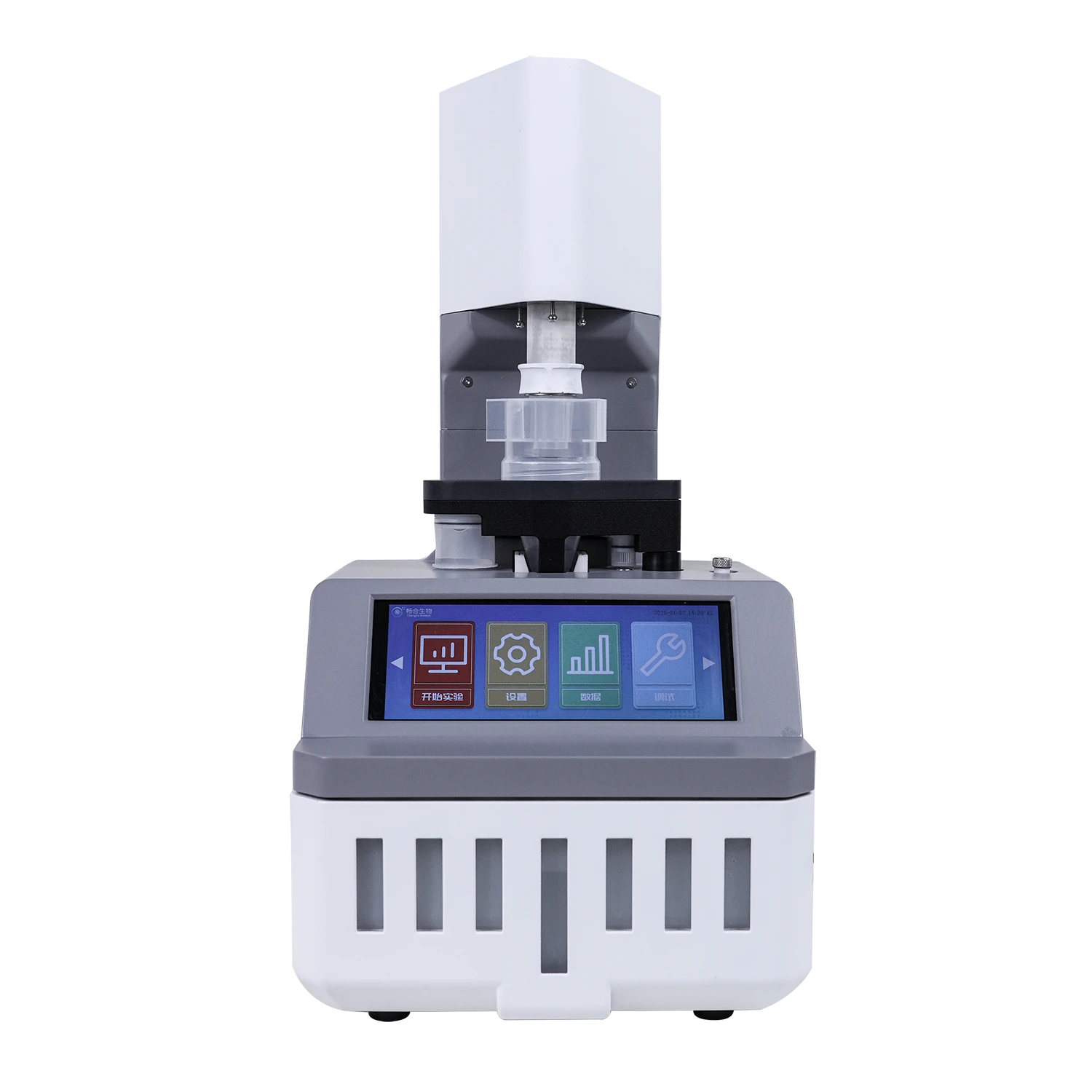

Reliable Air Sampling for Bacteria | High-Performance Samplers
Industry Trends in Bioaerosol Monitoring
The global demand for precise and reliable air sampling bacteria solutions is experiencing unprecedented growth. Driven by heightened awareness of environmental health, stringent regulatory mandates, and advancements in bio-detection technologies, industries ranging from pharmaceuticals to food processing are investing heavily in sophisticated bioaerosol monitoring systems. Key trends include the integration of real-time detection capabilities, enhanced portability for field applications, and the development of intelligent systems that offer predictive analysis and comprehensive data logging. This evolution ensures a proactive approach to microbial contamination control, moving beyond traditional, time-consuming culture-based methods to rapid, on-site diagnostics.
Emerging concerns such as antibiotic resistance, airborne pathogen transmission, and the imperative for cleanroom integrity in manufacturing are accelerating the adoption of advanced air sampling bacteria technologies. The market is witnessing a shift towards automated, high-throughput systems that minimize human error and provide consistent, reproducible results, critical for compliance with international standards like ISO 14698 (Cleanrooms and associated controlled environments – Biocontamination control).
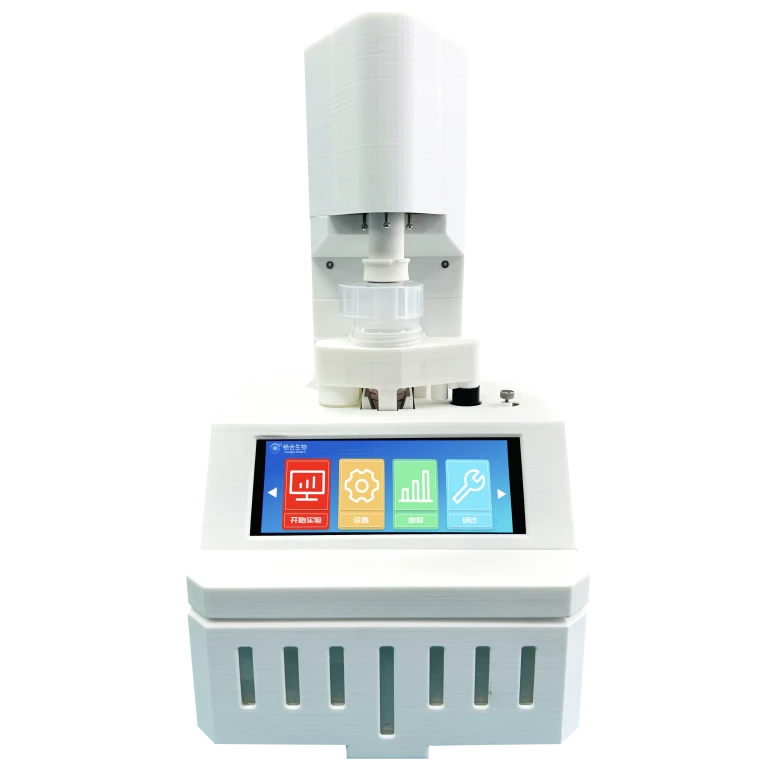
The Manufacturing Process of Advanced Biological Samplers
The production of high-precision biological samplers for microbial air monitoring involves a meticulously controlled, multi-stage process designed to ensure unparalleled accuracy, reliability, and durability. Our commitment to excellence begins with the selection of premium materials and extends through every phase of manufacturing, adhering strictly to international quality management systems.
Process Flow Overview:
- Material Sourcing & Selection: We utilize medical-grade 316L stainless steel for impaction heads and critical components, known for its superior corrosion resistance and inertness, essential for preventing sample contamination. High-grade engineering plastics (e.g., medical-grade polycarbonate or PEEK) are chosen for device casings, balancing durability with lightweight design. All materials are certified to meet ISO 10993 (Biological evaluation of medical devices) standards where applicable, and RoHS compliance.
- Precision Machining (CNC): Critical components like the impaction sieve plates and collection head are manufactured using advanced Computer Numerical Control (CNC) machining. This process ensures micron-level tolerances, crucial for maintaining precise airflow dynamics and collection efficiency as defined by aerodynamic particle sizing principles. Each impaction orifice is precisely sized and spaced to optimize the collection of viable particles, particularly for air sampling for bacteria.
- Surface Treatment & Finishing: Stainless steel components undergo passivation and electropolishing to create ultra-smooth, sterile-compatible surfaces, minimizing particle adhesion and facilitating easy decontamination. This enhances the overall service life, which typically exceeds 10 years even under rigorous industrial use.
- Electronic & Sensor Integration: High-resolution optical sensors, micro-pump assemblies, and sophisticated control boards are integrated in a cleanroom environment. These electronics are designed for low power consumption and high data integrity, ensuring reliable operation for extended periods.
- Assembly & Calibration: Devices are assembled in Class 100,000 cleanrooms. Each unit undergoes multi-point calibration for airflow rate, temperature, humidity, and pressure, utilizing NIST-traceable standards. This guarantees the device performs optimally across specified operational ranges.
-
Quality Assurance & Testing: Our products are subjected to rigorous testing protocols, including:
- Functional testing across varying environmental conditions (temperature, humidity).
- Leak integrity tests to prevent ambient air ingress.
- Electromagnetic compatibility (EMC) testing in accordance with IEC 61326.
- Biocollection efficiency validation using standardized microbial aerosols, adhering to ISO 14698-1 and USP guidelines for microbiological control.
- Drop and vibration tests to ensure robustness for field applications.
- Final Inspection & Packaging: Each device undergoes a final visual and performance inspection before being securely packaged with comprehensive documentation, including calibration certificates and operational manuals.
This stringent process ensures our biological samplers deliver superior performance and reliability, meeting the demanding requirements of industries such as petrochemical, metallurgy, water supply & drainage, pharmaceuticals, and environmental monitoring. Advantages in typical application scenarios include enhanced energy saving through optimized pump designs and exceptional corrosion resistance for longevity in harsh environments.
Technical Specifications: Bioaerosol Sampler & Detection Device
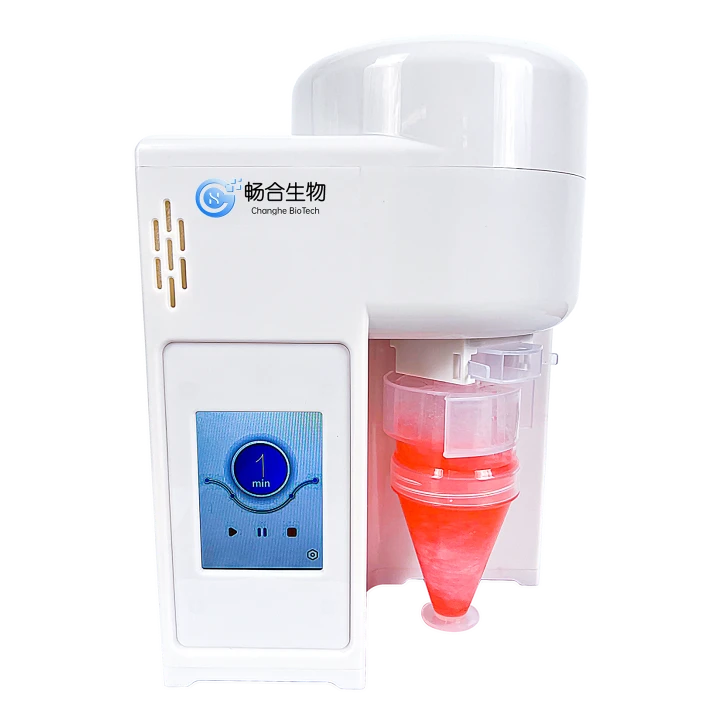
Our Bioaerosol Sampler & Detection Device represents the forefront of technology for monitoring airborne microbial contamination. Designed for precision and ease of use, this bio sampler is an indispensable tool for maintaining controlled environments and ensuring product safety. Below are the key technical specifications:
| Parameter | Specification |
|---|---|
| Sampling Principle | Slit-to-Agar Impaction (Andersen principle compatible) |
| Flow Rate | 100 L/min ± 2.5% (adjustable in some models) |
| Collection Efficiency | > 99% for particles ≥ 1 µm, > 95% for particles ≥ 0.8 µm |
| Sampling Head Material | 316L Medical Grade Stainless Steel |
| Agar Plate Diameter | Standard 90 mm Petri Dish |
| Sampling Duration | Programmable 1 to 60 minutes (or continuous mode) |
| Battery Life | > 8 hours continuous operation (rechargeable Li-ion) |
| Data Storage | 5000+ data points with time, date, flow rate, location tags |
| Connectivity | USB, Optional Wi-Fi/Bluetooth for data transfer |
| Dimensions (LWH) | 250 x 180 x 150 mm (approx. for portable unit) |
| Weight | ~2.5 kg |
| Operating Temperature | 0°C to 45°C |
| Certifications | CE, ISO 9001, EMC, ISO 14698-1 compliance |
These specifications underscore the device's capability to perform accurate air sampling for bacteria in diverse environments, from sterile cleanrooms to outdoor environmental assessments. Our extensive experience in bioaerosol instrumentation, spanning over 20 years, ensures that each product meets the highest standards of performance and reliability.
Application Scenarios and Technical Advantages
The versatility of our Bioaerosol Sampler & Detection Device makes it an invaluable asset across a multitude of industries demanding rigorous microbial control. Understanding viable particle concentrations, often expressed as Colony Forming Units (CFU), is critical for compliance and safety. This bio sampler excels in:
Key Application Areas:
- Pharmaceutical & Biotechnology: Monitoring cleanrooms (ISO Class 5-8), isolators, and RABS (Restricted Access Barrier Systems) to prevent contamination during sterile manufacturing and ensure product integrity. Essential for compliance with GMP (Good Manufacturing Practice) and FDA guidelines.
- Food & Beverage Processing: Ensuring hygienic production environments, preventing spoilage, and safeguarding consumer health by detecting airborne pathogens in processing areas, packaging zones, and storage facilities.
- Healthcare & Hospitals: Assessing indoor air quality in operating theatres, critical care units, and infectious disease wards to mitigate the risk of healthcare-associated infections (HAIs).
- Environmental Monitoring: Studying microbial populations in outdoor air, evaluating biological threat agents, and assessing indoor air quality in public buildings, schools, and offices.
- Cosmetics & Personal Care: Maintaining sterile conditions during manufacturing to ensure product safety and shelf-life.
- HVAC System Validation: Assessing the efficiency of filtration systems and identifying potential sources of microbial proliferation within heating, ventilation, and air conditioning systems.
Technical Advantages:
- High-Efficiency Collection: Optimized impaction design ensures maximum collection efficiency for a broad spectrum of viable particles, from bacteria to fungi, critical for comprehensive air sampling bacteria analysis.
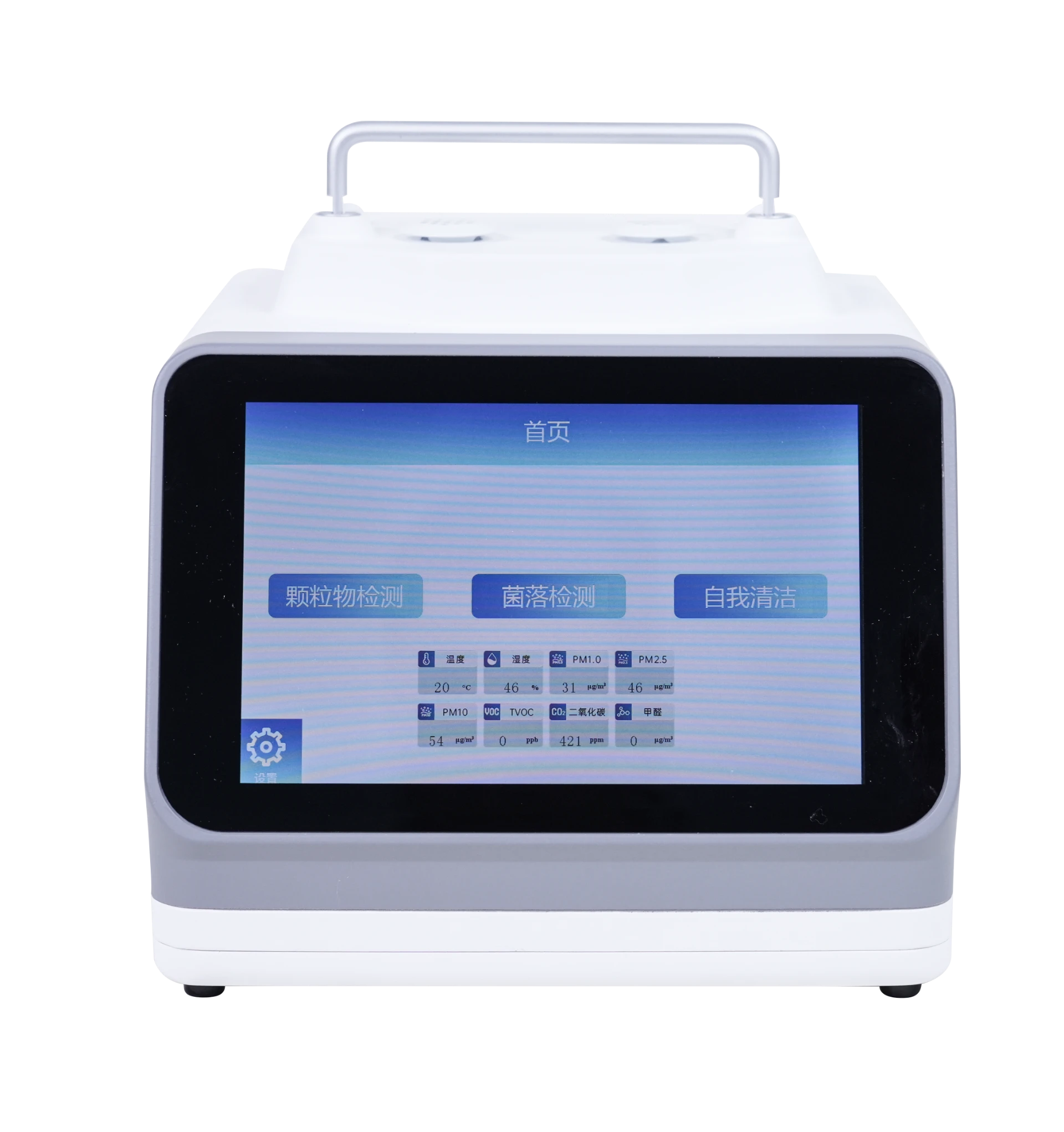
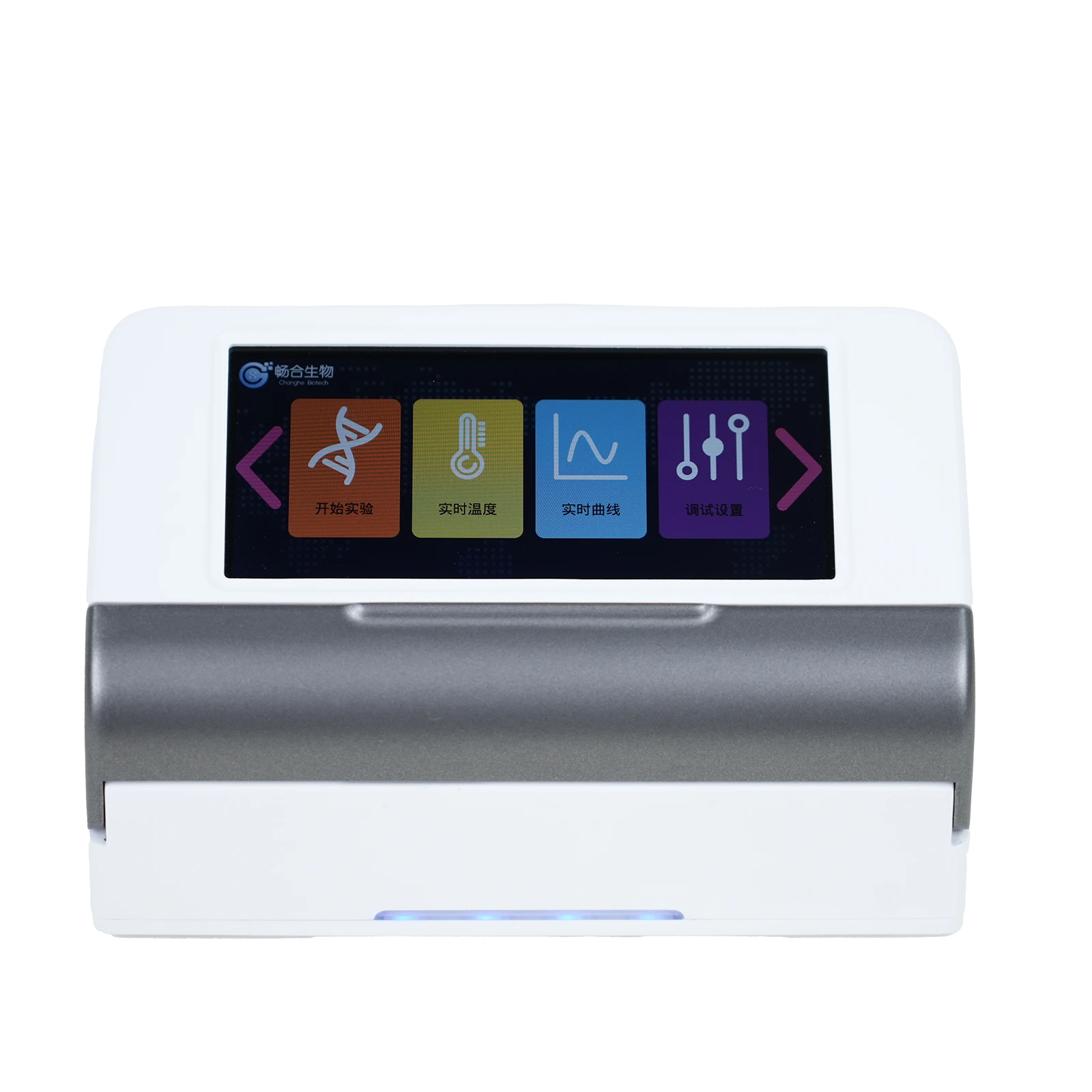
- User-Friendly Interface: Intuitive touchscreen operation and programmable sampling cycles simplify operation, reducing training time and potential for human error.
- Robust Data Management: Integrated data logging capabilities with time/date stamps, location identifiers, and export functions (USB, Wi-Fi) facilitate audit trails and compliance reporting, a critical aspect for regulatory bodies.
- Portability & Durability: Lightweight design and rugged construction (e.g., impact-resistant casing, stainless steel head) ensure suitability for both fixed-point monitoring and mobile environmental assessments.
- Long Battery Life: Extended operational periods enable comprehensive sampling in remote locations or during extended shifts without frequent recharging.
- Low Maintenance: Simple cleaning protocols and durable components minimize downtime and operational costs, increasing the overall service life.
Our device's ability to precisely capture and enumerate airborne microorganisms provides actionable intelligence, allowing facilities to proactively manage contamination risks and uphold stringent quality standards. Customer feedback consistently highlights the device's reliability and ease of integration into existing monitoring programs.
Vendor Comparison: Evaluating Bioaerosol Sampler Capabilities
When selecting an airborne particle sampler, decision-makers must consider several factors beyond initial purchase price, including operational costs, precision, regulatory compliance, and post-sales support. While the market offers a range of the cycle biological samplers, discerning their true value requires a comparative analysis of their core functionalities and overall value proposition. Here’s a generalized comparison of high-performance bioaerosol samplers against typical market offerings.
| Feature/Parameter | Our Bioaerosol Sampler & Detection Device | Typical Market Offering (General) |
|---|---|---|
| Sampling Head Material | 316L Medical Grade Stainless Steel (autoclavable) | Anodized Aluminum or lower-grade Stainless Steel |
| Flow Rate Accuracy | ± 2.5% (factory calibrated, self-adjusting pump) | ± 5% or higher (manual calibration often required) |
| Data Logging & Audit Trail | Comprehensive, time/date stamped, location tagging, 21 CFR Part 11 compliant software | Basic logging, often requiring manual entry or limited software |
| Connectivity Options | USB, Optional Wi-Fi/Bluetooth, Ethernet (for fixed units) | Often limited to USB or proprietary interfaces |
| Display Interface | Color Touchscreen, intuitive GUI | Monochrome LCD, button-based navigation |
| Battery Life (Continuous) | > 8 hours | 4-6 hours |
| Regulatory Compliance | ISO 14698, CE, EMC, USP , GxP compliant | Basic CE, sometimes less specific on bioaerosol standards |
| Calibration Interval | Recommended Annually (or per internal SOP) | Often more frequent, or less stable requiring more checks |
Our device distinguishes itself by offering a superior combination of precision, robust construction, advanced data management, and comprehensive regulatory compliance. This holistic approach minimizes long-term operational costs and significantly enhances the reliability of air sampling bacteria data, providing users with unwavering confidence in their environmental monitoring programs.
Customized Solutions and Application Case Studies
Recognizing that unique operational environments often require tailored approaches, we offer customized solutions for our biological samplers. From integrating with existing Building Management Systems (BMS) to developing specific sampling protocols for novel applications, our engineering team collaborates closely with clients to meet their exact needs. This includes specialized impaction heads for specific particle size ranges, bespoke software features for data integration, and customized mounting solutions for challenging installations.
Case Study 1: Pharmaceutical Cleanroom Validation
A leading pharmaceutical manufacturer required a comprehensive system for real-time and traditional air sampling bacteria across their Class 100 (ISO 5) and Class 10,000 (ISO 7) cleanrooms. Their challenge was integrating portable samplers with their central data acquisition system while maintaining GMP compliance and minimizing manual data entry errors. We deployed a fleet of our Bioaerosol Sampler & Detection Devices, custom-configured with Wi-Fi modules and a dedicated software API.
- Solution: Provided samplers with enhanced Wi-Fi capability for seamless data transfer to their LIMS (Laboratory Information Management System). Developed a custom reporting module within our software to auto-generate compliant reports, including CFU counts and environmental parameters.
- Results: Reduced manual data transcription time by 60%, improved data integrity, and facilitated faster environmental excursion investigations. The client achieved full audit readiness and maintained consistent compliance with FDA and EMA regulations.
Case Study 2: Industrial Fermentation Facility Biocontainment
An industrial biotechnology firm operating large-scale fermentation tanks needed to ensure strict biocontainment and prevent potential airborne release of genetically modified microorganisms. Traditional sampling methods proved inadequate due to the dynamic airflow and high particulate load within the facility. They required a robust, continuous monitoring solution.
- Solution: Installed a network of our Bioaerosol Samplers with specialized high-flow impaction heads, strategically placed near critical containment zones and ventilation exhausts. We configured the devices for continuous, automated cycling, enabling the firm to monitor air sampling bacteria levels over extended periods. Real-time alerts were set up for threshold breaches, integrating with the facility's SCADA system.
- Results: Achieved continuous monitoring of airborne microbial load, providing immediate alerts for potential breaches. This proactive approach significantly enhanced biocontainment integrity, reduced potential production losses, and improved worker safety by providing early warning of elevated bioaerosol concentrations.
These examples demonstrate our capacity to deliver high-performance the cycle biological samplers that are not only technically superior but also adaptable to the complex demands of modern industrial and research environments. Our collaborative approach ensures that each solution is optimized for maximum operational efficiency and compliance.
Trustworthiness & Support: FAQs, Lead Time, Warranty
Frequently Asked Questions (FAQs)
- Q: How often should the device be calibrated?
- A: For most applications, annual calibration is recommended to ensure continued accuracy and compliance with regulatory standards (e.g., ISO 17025). We offer comprehensive calibration services.
- Q: Is the sampling head autoclavable?
- A: Yes, the 316L stainless steel sampling head is fully autoclavable, allowing for effective sterilization between sampling cycles, crucial for maintaining aseptic conditions and preventing cross-contamination during air sampling for bacteria.
- Q: What type of agar plates are compatible?
- A: Our Bioaerosol Sampler is designed to accommodate standard 90mm Petri dishes. This ensures compatibility with a wide range of commercially available culture media suitable for various microbial detection needs.
- Q: Can it be used in hazardous environments?
- A: Our standard units are not intrinsically safe (ATEX/IECEx certified). For hazardous environments (e.g., petrochemical facilities), please contact us for specialized, explosion-proof versions or guidance on safe operational zones.
Lead Time & Fulfillment
Standard models of the Bioaerosol Sampler & Detection Device typically have a lead time of 2-4 weeks from order confirmation. For customized solutions or bulk orders, lead times may vary and will be communicated clearly during the quotation process. We maintain efficient supply chain logistics to ensure timely delivery and minimize disruption to your operations. Expedited shipping options are available upon request.
Warranty Commitment
We stand behind the quality and reliability of our products. Each Bioaerosol Sampler & Detection Device comes with a standard 1-year limited warranty covering defects in materials and workmanship from the date of purchase. Extended warranty options and service contracts are available for enhanced peace of mind and long-term operational assurance. Our warranty policy adheres to industry best practices and aims to provide prompt resolution for any issues.
Customer Support & After-Sales Service
Our commitment to our clients extends far beyond the point of sale. We provide comprehensive after-sales support, including:
- Technical Assistance: A dedicated team of technical support specialists is available to assist with setup, troubleshooting, and operational inquiries.
- Training Programs: On-site and virtual training sessions can be arranged to ensure your team is proficient in operating and maintaining the equipment for optimal air sampling bacteria results.
- Maintenance & Repair: We offer factory-authorized repair services, using genuine parts to restore your device to peak performance. Preventative maintenance contracts are also available.
- Software Updates: Regular firmware and software updates are provided to enhance functionality and ensure compatibility with evolving regulatory requirements and operating systems.
We pride ourselves on responsive and expert support, ensuring your investment in our bioaerosol samplers continues to deliver accurate and reliable data for years to come. Our global network of service partners further ensures localized support when needed.
References
- International Organization for Standardization. ISO 14698-1:2003 Cleanrooms and associated controlled environments – Biocontamination control – Part 1: General principles and methods.
- United States Pharmacopeia. USP Microbiological Control and Monitoring of Aseptic Processing Environments.
- Food and Drug Administration. Guidance for Industry: Sterile Drug Products Produced by Aseptic Processing — Current Good Manufacturing Practice.
- World Health Organization. Laboratory Biosafety Manual, 4th edition.
- European Medicines Agency. EU Guidelines for Good Manufacturing Practice for Medicinal Products for Human and Veterinary Use, Annex 1.
-
Understanding pcr testes transgênicos for Agricultural PurityNewsApr.16,2026
-
Understanding Febre do Cão PCR for Precision Veterinary DiagnosticsNewsApr.09,2026
-
Understanding Respiração PCR and Grupo Cat for Advanced Bioaerosol Sampling TechniquesNewsApr.07,2026
-
IDEXX Feline Respiratory PCR Panel A Comprehensive Guide for VeterinariansNewsApr.04,2026
-
Understanding Grupo de Gatos URD PCR and Bioaerosol Sampling for Air Quality ControlNewsMar.28,2026
-
Understanding the Feline Respiratory PCR Panel Grupo de PCR Respiratório do GatoNewsMar.26,2026