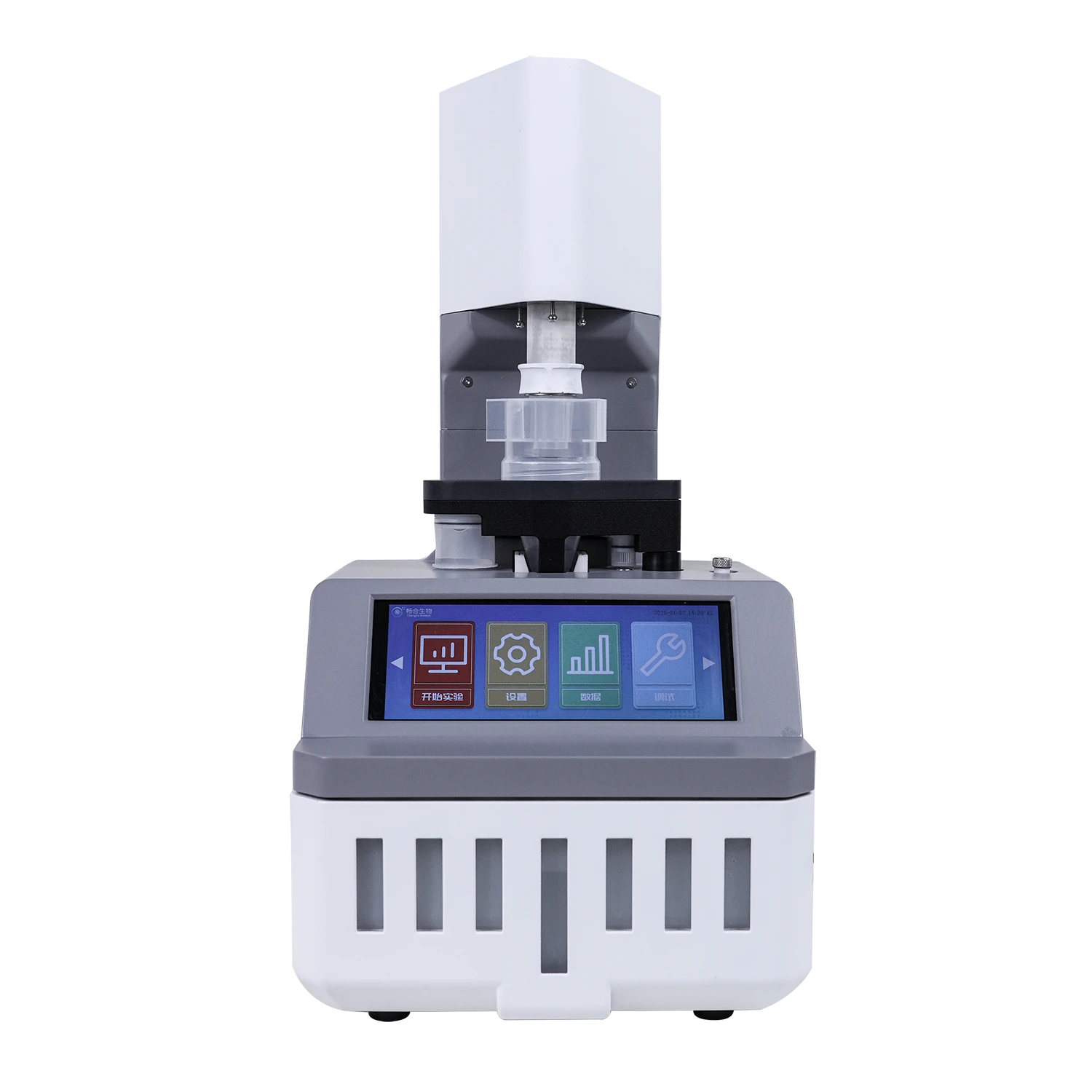

Testes de Ar com Esporos de Mofo | Industrial Mold Spore Air Testing
Testes de Ar com Esporos de Mofo: Essential Insights for Industrial Air Quality
If you've ever wandered into an old warehouse or a poorly ventilated part of a factory, you might have caught a whiff of something musty. That, my friend, is often a sign of mold spores lingering in the air — invisible troublemakers that can seriously affect both equipment and human health. This is where testes de ar com esporos de mofo (air tests with mold spores) come into play, acting as the frontline defense in industrial environmental monitoring.
I've been around industrial equipment for quite a few years, and one thing I can tell you: ignoring airborne mold is a gamble. Mold spores, those tiny fungal particles, are everywhere, but their concentration varies drastically between environments. In factories dealing with organic materials or where humidity control isn’t spot-on, these spores can multiply and cause not just health issues—think allergies, respiratory problems—but also impact machinery through corrosion and contamination.
So, what makes a good air test for mold spores? Well, apart from being able to detect and quantify spores accurately, these tests must consider the kind of spores present, their viability, and environmental factors like air flow or humidity. Frankly, the science behind collecting spores from the air and analyzing them (usually in a lab) can get quite complex. But modern bioaerosol samplers have come a long way. You get precise readings quickly and with relatively low fuss.
Personally, I’ve seen teams struggle when the testing equipment wasn’t suited for the specific industrial environment. For example, some devices can’t handle high dust loads or sticky environments, which skews results. That’s why I’ve always appreciated customizable options that let you tweak the sampling duration, flow rate, and collection medium.
Popular Product Specifications for Mold Spore Air Testing Devices
| Specification | Typical Range/Value | Notes |
|---|---|---|
| Sampling Flow Rate | 10 – 100 L/min | Adjustable based on environment |
| Sample Collection Medium | Agar plate / Liquid medium | Supports culture-based and molecular analysis |
| Detection Sensitivity | As low as 1 CFU/m³ | Depends on sampler and lab analysis |
| Weight | 2 – 5 kg | Portable options available |
| Power Source | Battery / AC adapter | Allows use in remote locations |
Now, let me tell you about a small but telling story from a site I visited a while back. The facility was struggling with intermittent mold issues that plagued both employee health and product quality. They initially tried some generic air tests, which gave inconclusive results. Once they switched to a specialized bioaerosol sampler tailored for industrial settings, the clarity of data improved dramatically. They learned which areas needed urgent cleaning, adjusted ventilation, and ultimately reduced downtime. It felt like they’d finally gained control over a problem that had been lurking, unseen.
Comparing Leading Air Samplers for Mold Spore Testing
| Feature | Vendor A | Vendor B | Vendor C |
|---|---|---|---|
| Sampling Flow Rate | 15 – 90 L/min | 10 – 100 L/min | 20 – 80 L/min |
| Portable | Yes | Partially | Yes |
| Sampling Medium | Agar plates | Liquid impingers | Agar and liquid options |
| Price Range | $$$ | $$ | $$$ |
| Ease of Use | High | Medium | High |
In real terms, when choosing among devices for testes de ar com esporos de mofo, it's important to balance precision, portability, and cost. Oddly enough, sometimes the fanciest gadget isn't the best fit if it complicates the workflow or requires specialized training. I suppose that's why ongoing user feedback is essential—it helps vendors keep tuning their designs.
To wrap this up, if you’re in the industrial equipment sector and dealing with environments prone to mold, don’t overlook air testing for mold spores. It’s a silent issue that can cost you downtime, repairs, and health complaints. Choosing the right equipment, understanding the specs, and interpreting the results with an experienced eye makes all the difference.
Here’s hoping your air stays fresh and your equipment running smoothly.
References:
- Environmental Protection Agency – Mold and Indoor Air Quality
- International Journal of Environmental Research and Public Health – Bioaerosol Sampling Techniques
- Industrial Hygiene Publications on Mold Spore Monitoring
-
Understanding pcr testes transgênicos for Agricultural PurityNewsApr.16,2026
-
Understanding Febre do Cão PCR for Precision Veterinary DiagnosticsNewsApr.09,2026
-
Understanding Respiração PCR and Grupo Cat for Advanced Bioaerosol Sampling TechniquesNewsApr.07,2026
-
IDEXX Feline Respiratory PCR Panel A Comprehensive Guide for VeterinariansNewsApr.04,2026
-
Understanding Grupo de Gatos URD PCR and Bioaerosol Sampling for Air Quality ControlNewsMar.28,2026
-
Understanding the Feline Respiratory PCR Panel Grupo de PCR Respiratório do GatoNewsMar.26,2026