
Understanding Feline Diarrhea Diagnosis with Group PCR Testing Methods
Understanding Feline Diarrhea and the Role of Group PCR Testing
Diarrhea in cats, or diarréia de gato, is a common ailment with a vast range of potential causes. From dietary indiscretion to serious infectious agents, accurately diagnosing the root cause is vital for effective treatment. A powerful tool in modern veterinary diagnostics is Group PCR testing, which allows for simultaneous detection of multiple pathogens. This article delves into the causes of feline diarrhea, explains how Group PCR testing works, and discusses its benefits for diagnosing and managing this frustrating condition in our feline companions. Early and accurate diagnosis is key to ensuring your cat’s quick return to health and happiness.

Common Causes of Diarrhea in Cats
Feline diarrhea isn’t a disease in itself, but a symptom of an underlying issue. Causes range from mild and self-limiting to potentially life-threatening. Dietary factors are a frequent culprit, including sudden food changes, ingestion of spoiled food, or food intolerance. Parasites, such as Giardia, Coccidia, and worms, are also common causes, especially in kittens. Viral infections, like Feline Panleukopenia (FIP) and Feline Coronavirus, can induce severe diarrhea. Bacterial infections, inflammatory bowel disease (IBD), and even stress can also contribute. Accurate identification of the cause is essential to providing appropriate treatment.
Key Causes: Dietary indiscretion, parasites, viral infections, bacterial infections, inflammatory bowel disease (IBD), stress.
What is Group PCR Testing for Feline Diarrhea?
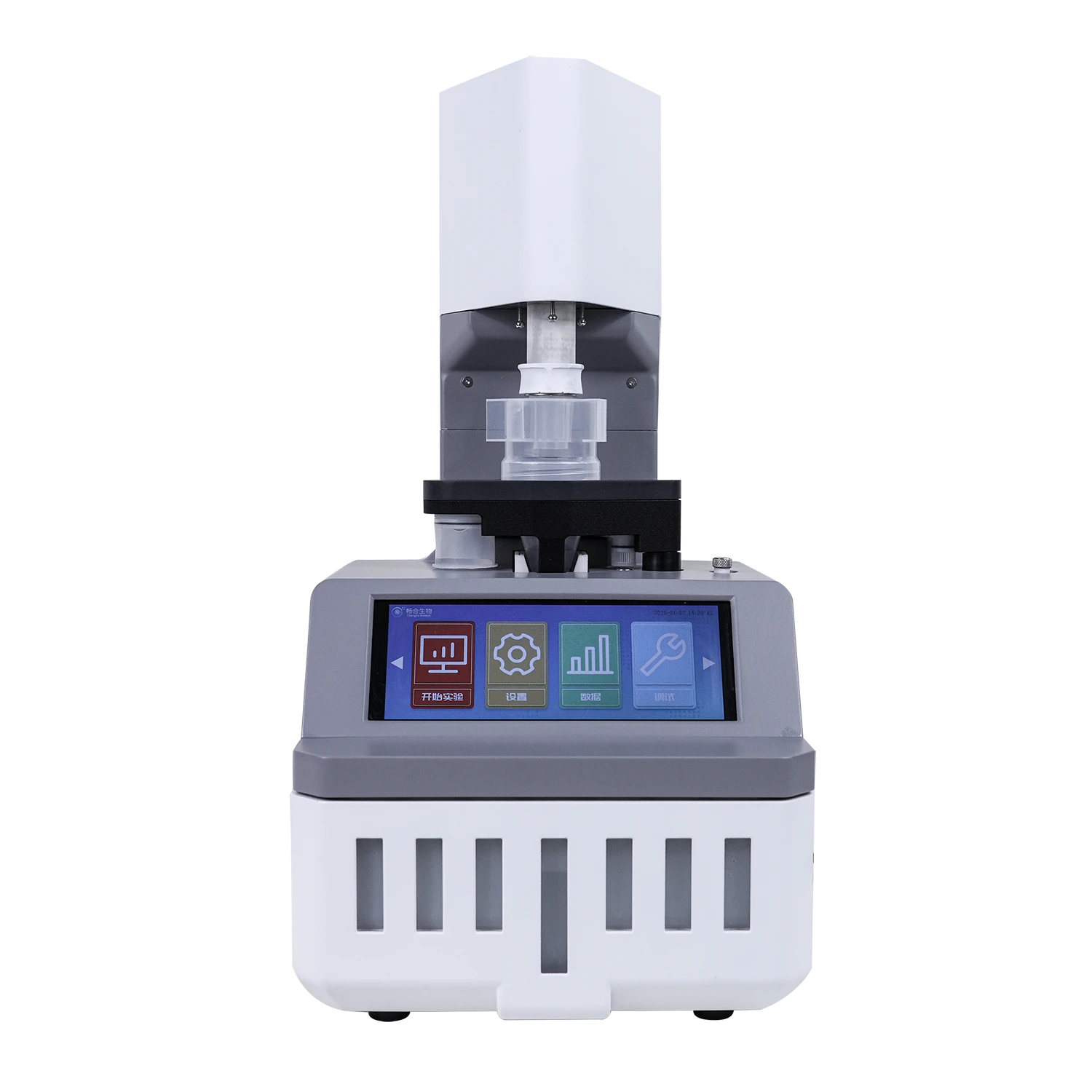
Group PCR (Polymerase Chain Reaction) testing is a molecular diagnostic technique used to detect the genetic material (DNA or RNA) of multiple pathogens simultaneously. Unlike traditional fecal testing, which often tests for one or a few parasites at a time, Group PCR panels can screen for a broad spectrum of viral, bacterial, and parasitic causes of diarrhea. A small fecal sample is collected and sent to a laboratory where the PCR process amplifies any target pathogens present, allowing for their highly sensitive and specific detection.
PCR Testing Benefits:
• Higher sensitivity and specificity compared to traditional methods.
• Ability to detect multiple pathogens in a single test.
• Faster results, leading to quicker diagnosis and treatment.
• Can identify co-infections, which are common in diarrheal cases.
Diarréia de Gato Group PCR: Pathogens Commonly Detected
Many veterinary diagnostic labs offer comprehensive Group PCR panels for feline diarrhea. These panels typically include testing for common pathogens such as:
The Benefits of Group PCR over Traditional Fecal Testing
Traditional fecal tests, like fecal floats, primarily detect parasite eggs and may miss low-level infections or certain stages of the parasite life cycle. Similarly, bacterial cultures require specific growth conditions and can be time-consuming. Group PCR testing offers several advantages. It's significantly more sensitive, detecting even small amounts of pathogen DNA/RNA. It's also much faster, with results often available within 24-48 hours. Most importantly, it can identify multiple pathogens simultaneously, which is crucial as cats often have mixed infections. Contact us to learn more about our services.

Conclusion: Accurate Diagnosis for a Happier Cat
Feline diarrhea can be a worrying experience for pet owners. Understanding the potential causes and utilizing advanced diagnostic tools like Group PCR testing are crucial for providing the best possible care. Early and accurate diagnosis allows for targeted treatment, alleviating your cat’s discomfort and improving their overall well-being. Don't let diarrhea disrupt your feline friend's quality of life – seek veterinary attention and consider Group PCR testing as part of the diagnostic process.
Frequently Asked Questions (FAQs)
How quickly will I get results from a Group PCR test?
Typically, results are available within 24-48 hours of the laboratory receiving the fecal sample. This rapid turnaround time allows for a quicker diagnosis and initiation of appropriate treatment. However, processing times can vary depending on the laboratory and the volume of samples they are handling. Always check with your veterinarian or the diagnostic lab for their specific turnaround time estimates.
Is Group PCR testing expensive?
While Group PCR testing is generally more expensive than traditional fecal tests, the benefits often outweigh the cost. The increased sensitivity, the ability to detect multiple pathogens simultaneously, and the faster results can lead to a more accurate diagnosis and more effective treatment, potentially saving you money and your cat discomfort in the long run. Costs can vary depending on the laboratory and the specific panel chosen.
What type of fecal sample is needed for Group PCR testing?
Generally, a fresh fecal sample is required. Your veterinarian will provide specific instructions, but typically a small amount (around 1-2 grams) is sufficient. It’s best to collect the sample as soon as possible after defecation and store it in a clean, sealed container, ideally refrigerated, until it can be sent to the laboratory. Avoid contamination of the sample with litter or other materials.
Does a positive PCR result always mean my cat is sick?
Not necessarily. PCR tests detect the presence of genetic material, but it doesn’t always indicate active infection or disease. A cat can be a carrier of a pathogen without showing clinical signs of illness. Your veterinarian will interpret the PCR results in conjunction with your cat’s clinical signs, history, and other diagnostic findings to determine the best course of action.
-
Understanding pcr testes transgênicos for Agricultural PurityNewsApr.16,2026
-
Understanding Febre do Cão PCR for Precision Veterinary DiagnosticsNewsApr.09,2026
-
Understanding Respiração PCR and Grupo Cat for Advanced Bioaerosol Sampling TechniquesNewsApr.07,2026
-
IDEXX Feline Respiratory PCR Panel A Comprehensive Guide for VeterinariansNewsApr.04,2026
-
Understanding Grupo de Gatos URD PCR and Bioaerosol Sampling for Air Quality ControlNewsMar.28,2026
-
Understanding the Feline Respiratory PCR Panel Grupo de PCR Respiratório do GatoNewsMar.26,2026