Top rt pcr machine manufacturers for Bioaerosol Monitoring
Effective bioaerosol monitoring requires a seamless transition from air sampling to molecular detection. For professionals in animal husbandry and pharmaceutical manufacturing, the ability to identify airborne pathogens on-site is no longer a luxury but a biosafety necessity. The integration of high-volume sampling technology with rapid nucleic acid amplification allows for real-time environmental oversight, reducing the risk of widespread contamination in sensitive facilities.
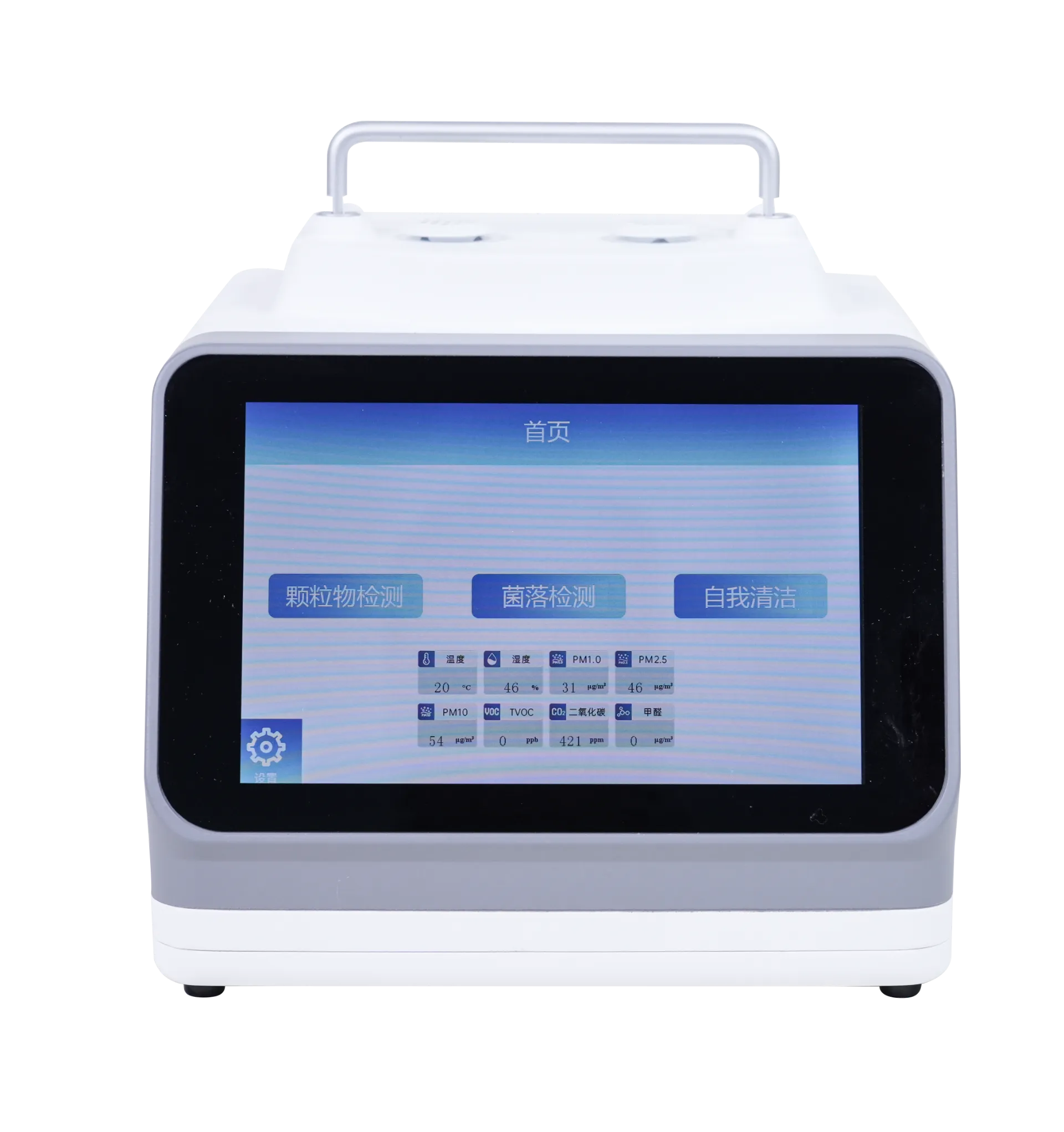
By utilizing wet-cyclone sampling techniques combined with portable molecular diagnostics, operators can capture microorganisms from the ambient air and move directly to analysis. This approach eliminates the delays associated with transporting samples to centralized laboratories, providing a critical window for corrective action in hospitals, stadiums, and livestock farms. Understanding the synergy between sampling efficiency and detection sensitivity is key to maintaining rigorous air quality standards.

Advanced Wet-Cyclone Technology for Efficient Pathogen Capture
The core of effective bioaerosol monitoring lies in the collection mechanism. Traditional filter-based systems often struggle with sample recovery, whereas the wet-cyclone technique (impact method) ensures that airborne particles are efficiently trapped in a liquid medium. This method is particularly advantageous for fragile microorganisms, as it prevents the desiccation often seen in dry filters, preserving the integrity of the nucleic acids for subsequent PCR analysis.
The LCA-1-300 model exemplifies this efficiency, offering adjustable air flow rates between 150L/min and 300L/min. This flexibility allows users to optimize sampling based on the volume of the environment and the suspected concentration of pathogens. With a collection efficiency targeting particles ≥0.8μm, the system ensures that a representative sample of the ambient air is captured, regardless of wind or rain conditions in field applications.
- Continuous Operation: Capable of running for up to 48 hours uninterrupted for long-term surveillance.
- Automated Workflow: One-click operation simplifies the sampling process, reducing human error.
- Field Adaptability: Robust design suitable for outdoor environments, including livestock farms and rail transit hubs.

Bridging the Gap Between Sampling and Point-of-Care Testing
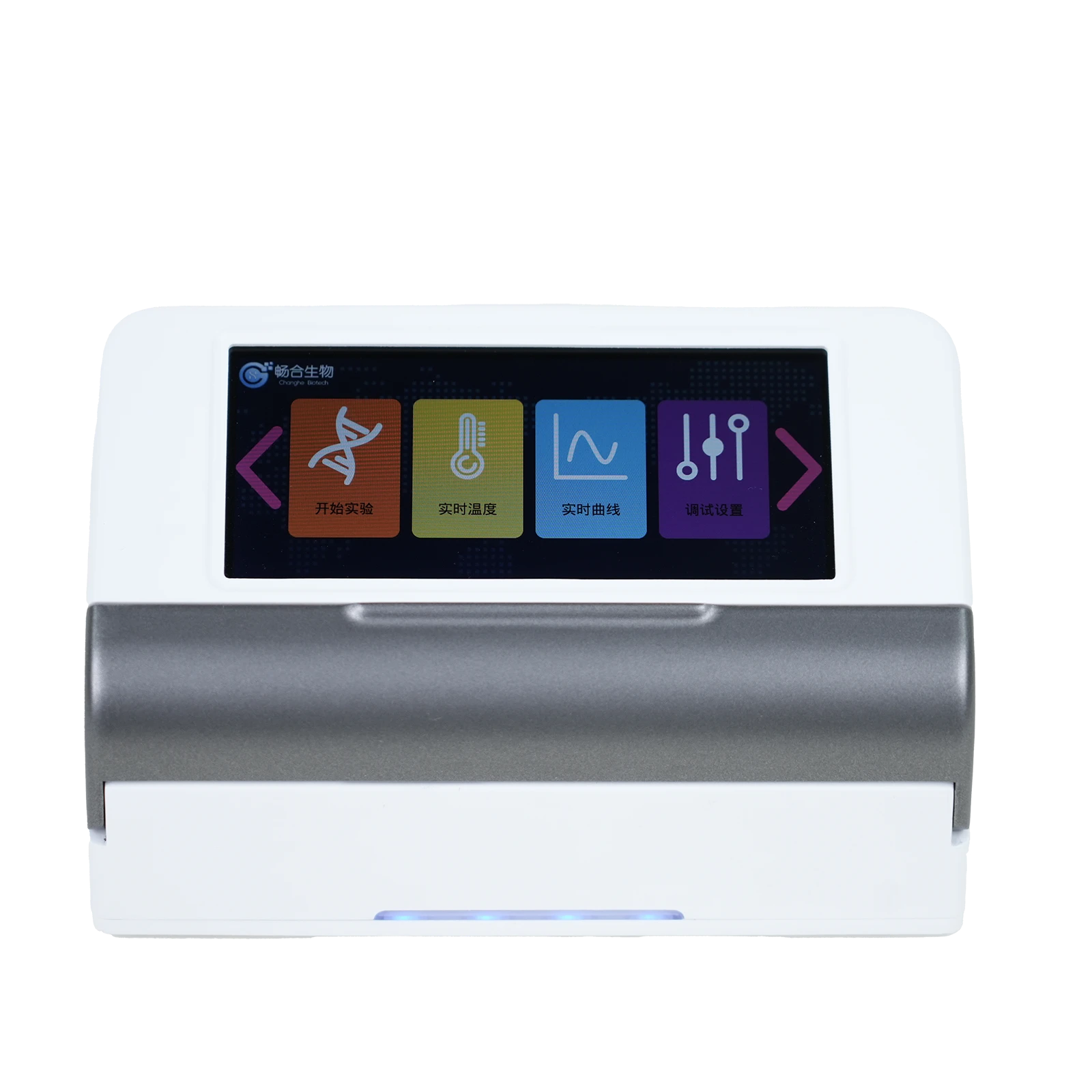
Capturing a sample is only the first step; the real value is realized during the detection phase. The transition to Point-of-Care Testing (POCT) via Mini PCR equipment allows for rapid on-site results. This is critical for applications such as swine flu detection or canine PCR testing, where immediate diagnosis can prevent the spread of disease across an entire herd or facility.
The integration of bioaerosol samplers with portable PCR machines creates a closed-loop monitoring system. Once the wet-cyclone sampler collects the pathogens into the liquid medium, the sample can be processed using an extraction machine and amplified. This streamlined pipeline reduces the "sample-to-answer" time from days to hours, allowing facility managers to implement quarantine or cleaning protocols immediately upon detection of a pathogen.
For high-risk environments like pharmaceutical cleanrooms or hospital wards, this capability ensures that airborne contamination is detected before it impacts production quality or patient safety. The ability to perform these tests on-site reduces the risk of sample contamination during transport and lowers overall operational costs.
Industry-Specific Applications and Deployment Scenarios
Bioaerosol monitoring is not a one-size-fits-all solution. Different industries face unique challenges that dictate how sampling and detection equipment should be deployed. In animal husbandry, the focus is often on viral aerosol detection to protect livestock assets. In contrast, pharmaceutical manufacturing prioritizes the detection of mold and fungus to maintain sterile environments.
Common deployment scenarios include:
- Public Venues: Shopping malls, stadiums, and classrooms use these systems to monitor general air quality and the presence of seasonal respiratory viruses.
- Transportation Hubs: Rail transit and airports deploy continuous samplers to create a biosafety perimeter.
- Research Laboratories: Using high-volume sampling to validate the efficacy of air filtration systems (HEPA) and containment protocols.
The versatility of the equipment—ranging from passive mode for set-period collection to active mode for targeted sampling—allows it to be adapted to these diverse needs. Whether it is a portable setup for a field vet or a fixed installation in a food manufacturing plant, the goal remains the same: achieving high sensitivity and specificity in pathogen detection.
Technical Specifications and Application Suitability
| Feature/Parameter | LCA-1-300 Specification | Application Impact | Suitability |
|---|---|---|---|
| Sampling Technique | Wet-cyclone (Impact) | High nucleic acid recovery | High (Bio-hazardous) |
| Air Flow Rate | 150 - 300 L/min | Rapid volume processing | High (Large Space) |
| Operation Time | Up to 48 Hours | Continuous surveillance | High (Industrial) |
| Particle Size | ≥ 0.8μm | Broad pathogen capture | Medium to High |
| Power Input | 24V 3A Adapter | Stable field operation | High (Portable) |
Evaluating Equipment Providers for Molecular Diagnostics
When selecting partners among rt pcr machine manufacturers, procurement managers should look beyond the hardware. The true value lies in the integrated solution—the ability to provide the sampler, the extraction machine, and the specific reagents (such as those for livestock or pet nucleic acid detection) in one ecosystem. This ensures compatibility and reduces the technical burden on the end-user.
Key evaluation criteria should include:
- R&D Capability: Does the manufacturer have dedicated areas for both device and reagent development? Integration is key for POCT.
- Compliance: Ensure the devices meet international standards such as ISO and CE for environmental monitoring.
- Support and Training: On-site rapid testing requires specific protocols. A supplier that provides professional research project teams for customer needs is far more valuable than a simple hardware vendor.
Changhe Biotech, for instance, leverages a 2,000 square meter facility in Shanghai dedicated to the synergy of sampler production and reagent R&D. This vertical integration allows for the customization of detection kits to meet the specific viral or fungal strains prevalent in a customer's local environment.
Future Trends in Environmental Pathogen Monitoring
The future of bioaerosol detection is moving toward increased automation and cloud integration. We are seeing a shift from manual sample collection to automated data logging, where samplers can trigger alerts in real-time when contamination levels exceed a predetermined threshold. This "active defense" model allows for immediate corrective actions, such as increasing ventilation or initiating a facility lockdown.
Furthermore, the democratization of molecular diagnostics is making high-precision tools more affordable. The rise of compact, "cheap" yet reliable PCR machines is enabling smaller clinics and local farms to implement diagnostics that were previously only available in major research hospitals. This shift toward decentralized testing will be pivotal in managing future zoonotic outbreaks.
As the application prospect of bioaerosol samplers continues to grow, the focus will shift toward multi-pathogen panels—the ability to test for multiple viruses or bacteria in a single run. This will further streamline diagnostics and research worldwide, making environmental biosafety a standard operational procedure across all public and private sectors.
Frequently Asked Questions on Bioaerosol Detection
What is the difference between filter-based and wet-cyclone sampling?
Filter-based systems collect particles on a dry membrane, which can cause microorganisms to dry out and degrade. Wet-cyclone sampling uses centrifugal force to drive particles into a liquid medium, preserving the biological material and making it easier to extract nucleic acids for PCR testing.
Can these samplers operate in outdoor weather conditions?
Yes, professional models like the LCA-1-300 are designed to be adaptable for field use. They are constructed to withstand wind and rain, making them suitable for monitoring livestock farms or open-air exhibition venues.
How does a Mini PCR machine assist in on-site testing?
A Mini PCR machine provides a portable way to amplify DNA or RNA samples. By bringing the laboratory to the sample, it eliminates transport time and the risk of sample degradation, providing rapid results for diseases like swine flu or canine viruses.
What is the typical maintenance required for a bioaerosol sampler?
Most modern samplers are designed for low maintenance. Key tasks include cleaning the cyclone components between samples and replacing power adapters or filters if applicable, ensuring the flow rate remains consistent.
Are these devices compliant with international safety standards?
High-quality continuous bioaerosol samplers are typically designed to comply with international environmental monitoring standards, such as ISO and CE, to ensure accuracy and user safety.
Can I customize the sampling time and flow rate?
Yes, the devices feature user-friendly interfaces that allow for the predetermination of sampling modes, total sampling time, and specific flow values to match the requirements of your specific environment.
Technical References and Industry Standards
- World Health Organization - Biosafety Guidelines
- ISO Standards for Environmental Monitoring
- PubMed - Research on Bioaerosol Sampling Efficiency
- CDC - Guidelines for Pathogen Detection in Air
Implementing a robust bioaerosol monitoring strategy requires the right combination of high-efficiency sampling and rapid molecular detection. By integrating these technologies, facilities can transition from reactive cleaning to proactive biosafety management.
Related Industry Insights