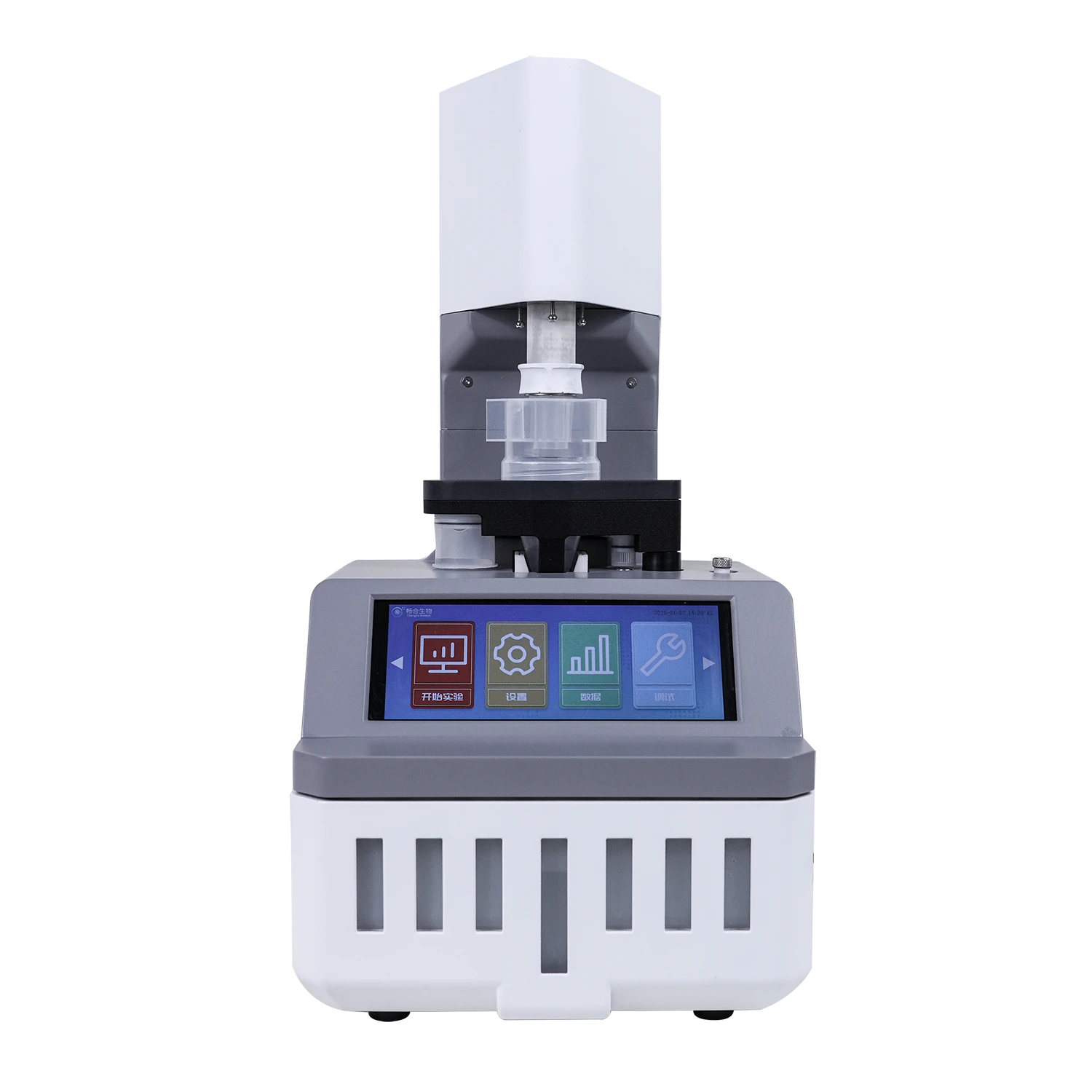

Accurate Bioaerosol Detection: Rapid Air Quality & Mold Testing
The Imperative of Advanced Bioaerosol Detection in Modern Environments
In an increasingly complex world, the presence of airborne biological particles, or bioaerosols, poses significant risks across various industries. From pharmaceutical manufacturing to public health and environmental monitoring, the need for accurate, real-time bioaerosol detection has never been more critical. Bioaerosols, comprising viable and non-viable microorganisms like bacteria, fungi, viruses, and pollen, can have profound impacts on product integrity, process efficiency, and human health. The challenges presented by events such as global pandemics and growing concerns over indoor air quality (IAQ) have catalyzed a rapid evolution in detection technologies.
Current industry trends emphasize the shift from traditional, labor-intensive sampling methods to sophisticated, automated systems. This evolution is driven by the demand for higher sensitivity, faster results, and continuous monitoring capabilities. Key trends include the integration of optical particle counting, fluorescence detection, and advanced data analytics, enabling proactive intervention rather than reactive mitigation. This paradigm shift supports proactive risk management and compliance with stringent regulatory standards across sectors.
Manufacturing Process and Design Philosophy of Continuous Bioaerosol Samplers
The efficacy of a continuous bioaerosol sampler hinges on its meticulous design and precision manufacturing process. Our Continuous Bioaerosol Sampler exemplifies engineering excellence, built to deliver unparalleled reliability and performance in demanding environments.
Core Manufacturing Steps:
- Material Selection: Components are primarily fabricated from high-grade stainless steel (e.g., 316L for critical paths) and specialized, chemically resistant polymers. This ensures exceptional corrosion resistance, crucial for longevity and maintaining sterility, especially in environments exposed to various sterilizing agents or corrosive airborne particles.
- Precision CNC Machining: Intricate parts, such as aerosol inlets, impaction plates, and fluidic channels, are produced using advanced Computer Numerical Control (CNC) machining. This guarantees micron-level tolerances, essential for precise airflow control, efficient particle collection, and consistent performance.
- Optical and Sensor Integration: High-resolution optical sensors, laser excitation systems, and photodetectors are carefully integrated. These components, often sourced from leading global suppliers, undergo rigorous calibration to ensure accurate detection and differentiation of biological particles based on intrinsic fluorescence and scattering properties.
- Fluidic System Assembly: The fluidic path, crucial for sample transportation and reagent delivery (if applicable), is assembled in a controlled environment. Connections are meticulously checked for leaks and blockages to maintain sample integrity and prevent cross-contamination.
- Electronics and Software Integration: Custom-designed PCBs and embedded microcontrollers manage data acquisition, processing, and communication. Proprietary algorithms enhance particle discrimination and minimize false positives. Software undergoes extensive validation to ensure robust operation and user-friendly interface.
- Cleanroom Assembly and Testing: Final assembly is conducted in ISO Class 7 cleanrooms to prevent contamination. Each unit undergoes comprehensive functional testing, calibration, and validation against established internal and international testing standards, including ISO 14698 (cleanrooms and associated controlled environments – biocontamination control) and relevant ASTM/ANSI standards for air sampling.
Service Life and Target Industries:
Designed for continuous operation, our samplers boast an expected service life exceeding 10 years with proper maintenance, significantly outperforming many traditional samplers that require frequent component replacement. This durability is a direct result of robust material selection and precision engineering.
Target industries include:
- Pharmaceutical & Biotechnology: Cleanroom monitoring, sterility assurance, environmental control.
- Healthcare: Operating theaters, isolation wards, infectious disease containment.
- Food & Beverage: Production area hygiene, preventing contamination.
- HVAC & Indoor Air Quality (IAQ): Building management systems, proactive detection of fungal and bacterial outbreaks for "air and mold testing".
- Environmental Monitoring: Public health surveillance, emergency response (e.g., bioterrorism defense), large-scale environmental studies.
- Petrochemical & Metallurgy: While not direct bioaerosol sources, these industries can benefit from adjacent IAQ monitoring in control rooms or administrative areas, protecting personnel.
Advantages in Typical Application Scenarios:
In a pharmaceutical cleanroom, the continuous sampler provides real-time alerts for airborne contamination events, allowing immediate investigation and remediation, thereby preventing costly batch recalls. Its corrosion resistance ensures reliability even when exposed to vaporized hydrogen peroxide (VHP) used for sterilization. For building managers conducting an "air sample mold test," real-time data allows for immediate identification of mold proliferation hotspots, enabling targeted remediation and significant energy savings by preventing widespread HVAC system contamination.
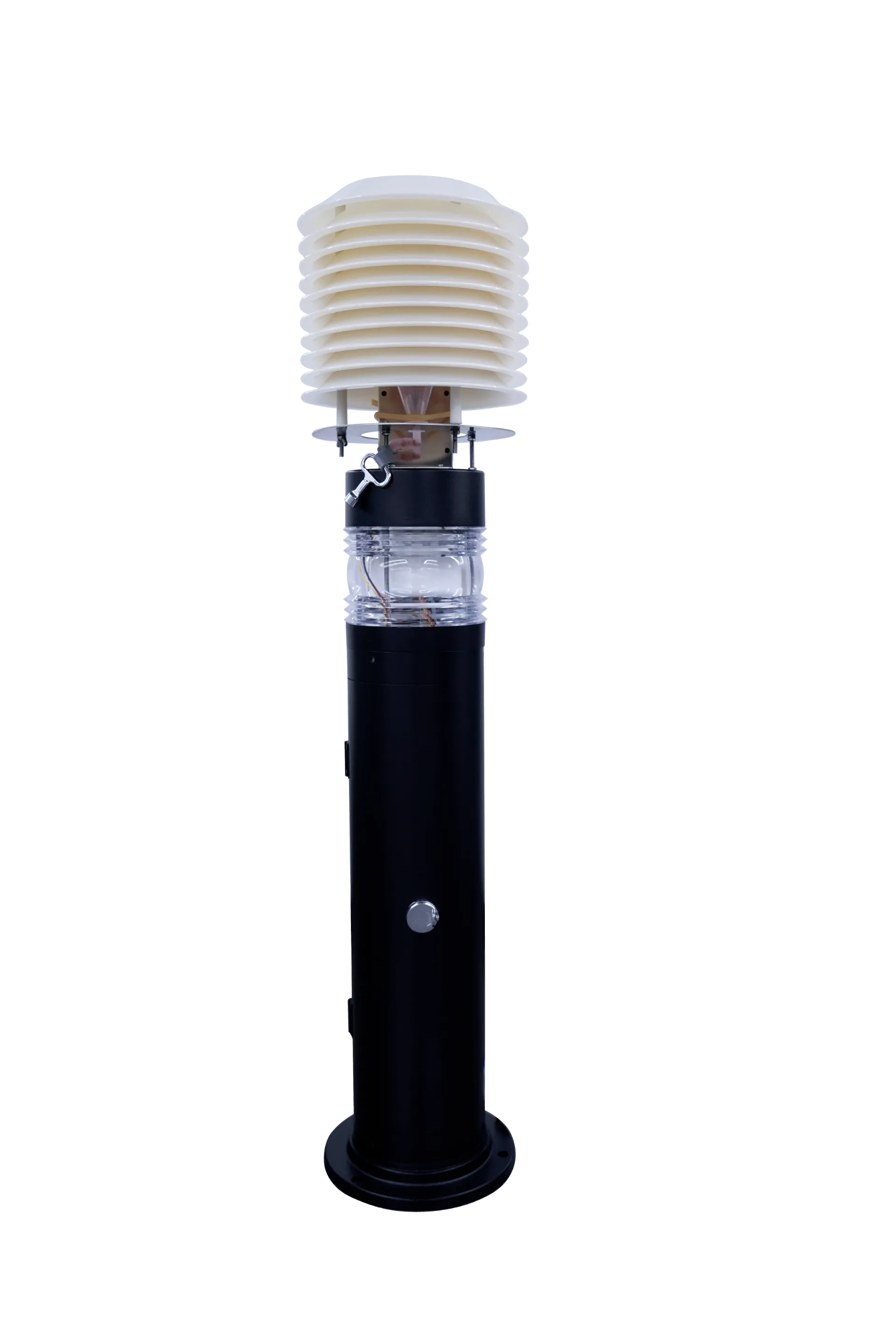
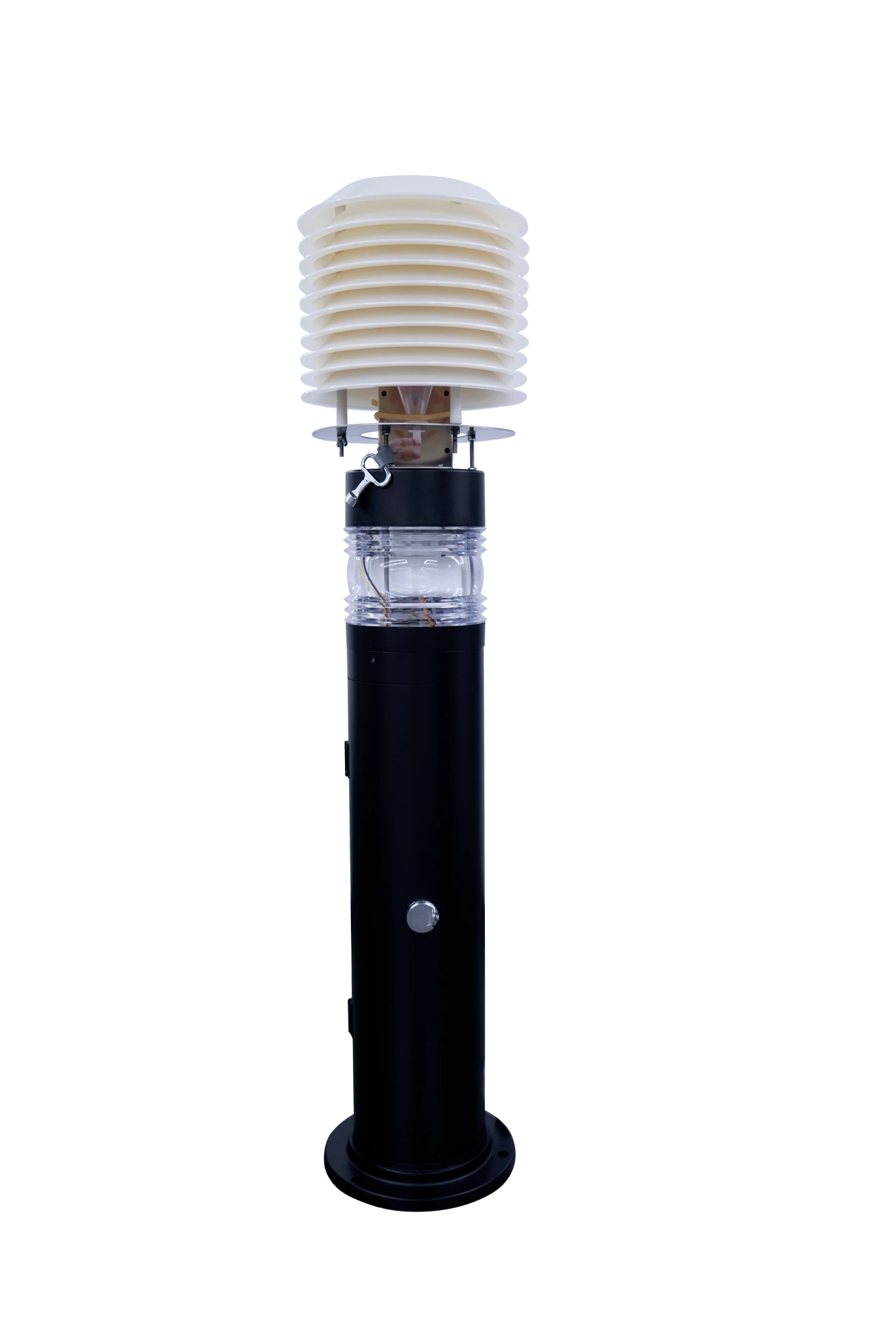
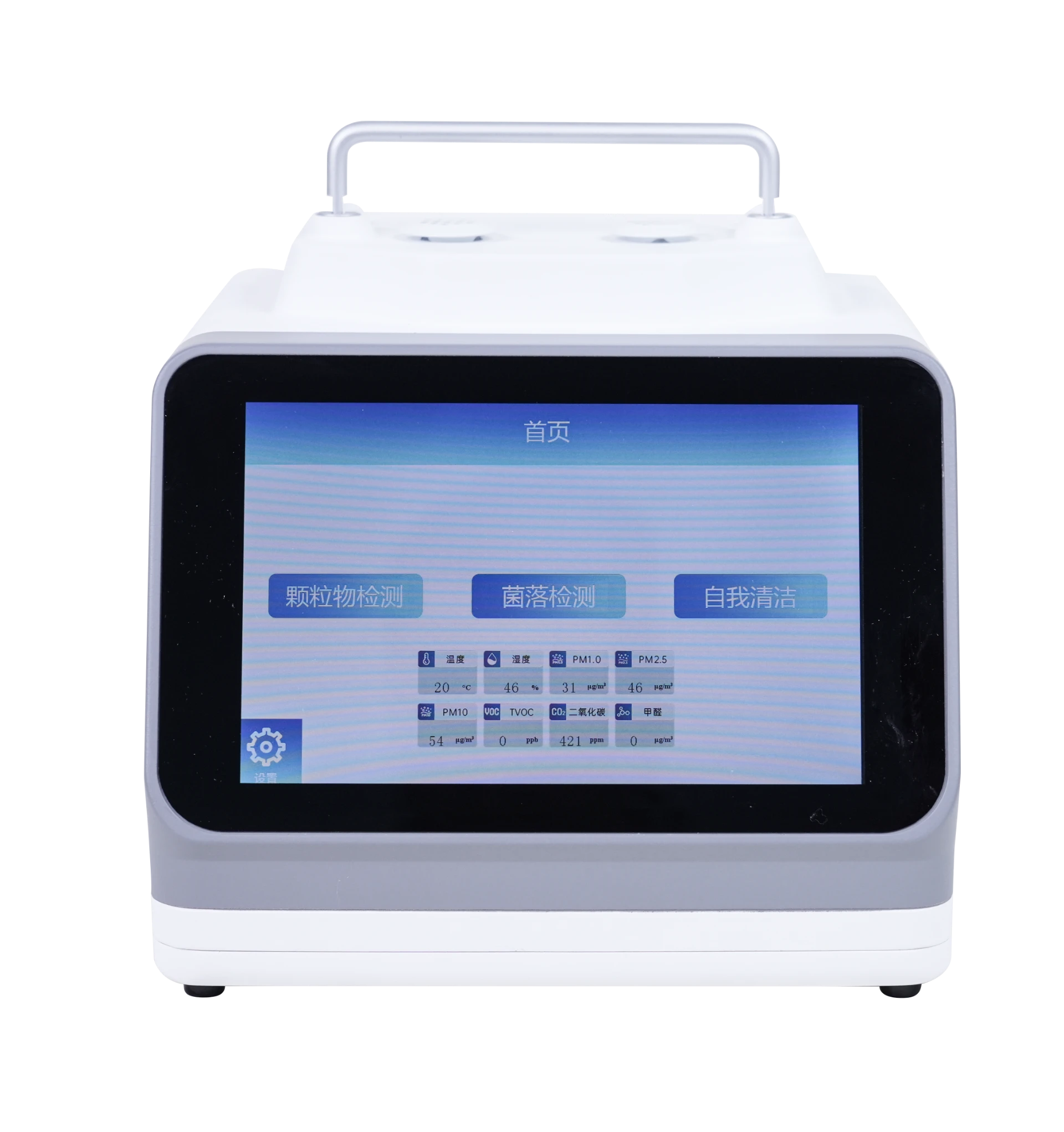
Figure 1: Advanced optics for precise bioaerosol detection.
Technical Specifications and Performance Parameters
Understanding the precise technical parameters of a continuous bioaerosol sampler is crucial for assessing its suitability for specific applications. Our Continous Bioaerosol Sampler is engineered to deliver high performance and reliability, meeting the stringent demands of scientific and industrial use cases.
Key Specifications:
| Parameter | Specification | Notes |
|---|---|---|
| Sampling Flow Rate | 100 L/min (Adjustable) | High volume for representative sampling. |
| Particle Size Range | 0.5 to 20 µm (Aerodynamic Diameter) | Covers most respirable bioaerosols. |
| Detection Principle | Laser-Induced Fluorescence (LIF) & Light Scattering | Distinguishes biological from inert particles. |
| Minimum Detectable Concentration | ~1 particle/L (typical) | High sensitivity for early warning. |
| Data Output & Connectivity | Ethernet, Wi-Fi, RS-485, USB. Real-time data to BMS/SCADA. | Seamless integration with existing infrastructure. |
| Response Time | < 1 minute (for new events) | Enables immediate action. |
| Operating Temperature | 0°C to 40°C | Suitable for most indoor and controlled environments. |
| Dimensions (H x W x D) | Approx. 300 x 200 x 150 mm | Compact design for versatile installation. |
| Power Consumption | < 50 W | Energy efficient for continuous operation. |
These specifications underscore the sampler's capability to perform accurate and reliable bioaerosol detection, providing critical data for maintaining environmental control and safety standards. The integration of advanced optical techniques allows for rapid, label-free identification, differentiating biological particles from inert dust, which is a significant advantage over methods requiring culture growth or staining.
Application Scenarios and Real-World Experience
The versatility of continuous bioaerosol samplers makes them indispensable across a wide array of demanding applications. Their ability to provide real-time data transforms reactive measures into proactive strategies, safeguarding critical environments and human health.
- Pharmaceutical Cleanrooms and Aseptic Processing: In sterile manufacturing environments (e.g., ISO Class 5/Grade A), even minute contamination can lead to batch spoilage, regulatory non-compliance, and significant financial losses. Continuous samplers provide instant alerts for microbial excursions, allowing operators to identify and rectify issues before product contamination occurs. This is critical for maintaining Good Manufacturing Practices (GMP).
- Indoor Air Quality (IAQ) Monitoring in Commercial Buildings: Facilities managers use these systems for comprehensive "air and mold testing" and general environmental surveillance. Detecting increases in fungal spores or bacterial counts helps prevent Sick Building Syndrome and identify potential sources of microbial growth, such as compromised HVAC systems or water intrusion. Proactive intervention reduces health risks for occupants and minimizes costly remediation efforts.
- Healthcare Facilities: Hospitals, clinics, and laboratories require stringent environmental control to prevent Healthcare-Associated Infections (HAIs). Monitoring operating rooms, intensive care units, and infectious disease wards for airborne pathogens ensures patient safety and protects medical personnel. Early bioaerosol detection is vital in controlling outbreaks.
- Food and Beverage Production: Maintaining hygienic conditions in food processing plants is paramount. Continuous monitoring helps identify airborne spoilage organisms or pathogenic bacteria, preventing product contamination that could lead to recalls, consumer illness, and reputational damage.
- Environmental Surveillance and Public Health: Government agencies and research institutions deploy these samplers for wide-area monitoring of airborne biological threats, including natural pathogens (e.g., pollen for allergy forecasts) and potential bioterrorism agents. This rapid assessment capability is crucial for early warning systems.
- HVAC System Validation: During the commissioning or re-validation of HVAC systems, the samplers are used to confirm that air purification and filtration systems are performing optimally, ensuring the delivery of clean, uncontaminated air. This directly supports effective "air sample mold test" strategies for large installations.
In practice, a major hospital recently deployed our continuous samplers in its oncology ward. The system detected an unexpected surge in fungal spores during a routine HVAC maintenance cycle. This early warning allowed the hospital to halt patient intake in that section, sterilize the area, and replace faulty filters, preventing potential immunocompromised patient infections. This showcases how advanced monitoring moves beyond simple "toxic mold detection" to a broader, preventive biohazard management.
Technical Advantages and Performance Differentiation
The advent of continuous bioaerosol monitoring represents a significant leap forward from traditional methods. Our Continuous Bioaerosol Sampler offers several distinct technical advantages that set it apart in the market, addressing key industry pain points.
- Real-time Data vs. Lagging Indicators: Unlike traditional culture-based methods (e.g., Petri dishes), which require incubation periods of 24-72 hours or more for viable counts, our system provides virtually instantaneous data. This real-time capability allows for immediate response to contamination events, drastically reducing downtime and potential losses. The difference between identifying a problem immediately and discovering it days later can equate to millions in prevented losses.
- High Sensitivity and Specificity: Utilizing advanced laser-induced fluorescence (LIF) technology, the sampler differentiates biological particles based on their inherent fluorescent properties (e.g., tryptophan-like and NADH-like fluorophores). This enables highly sensitive detection of biological material, minimizing false alarms from inert dust particles and offering superior specificity for bioaerosol detection.
- Continuous Operation and Automation: The system is designed for 24/7 continuous monitoring without manual intervention. This eliminates the labor costs associated with manual sampling, reduces human error, and ensures uninterrupted surveillance of critical environments. Automated data logging and alarm systems further enhance operational efficiency.
- Robustness and Corrosion Resistance: Constructed with industrial-grade materials, including 316L stainless steel for air paths, the sampler exhibits exceptional resistance to corrosive environments and common cleaning agents. This extends service life and ensures reliable performance in harsh industrial or clinical settings, addressing durability concerns often found with less robust instruments.
- Data Integration and Analytics: Equipped with multiple communication protocols (Ethernet, Wi-Fi, RS-485), the sampler seamlessly integrates with Building Management Systems (BMS), SCADA systems, and proprietary software. This allows for centralized monitoring, historical data trending, and advanced analytical capabilities, transforming raw data into actionable intelligence.
- Energy Efficiency: Despite its advanced capabilities, the system operates with low power consumption (< 50W), contributing to reduced operational costs and a smaller environmental footprint, aligning with modern sustainability goals.
These advantages provide a compelling value proposition, particularly for industries where the cost of contamination, downtime, or health risks is exceptionally high. The ability to perform sophisticated "toxic mold detection" and broader biohazard assessments in real-time positions our sampler as a leader in environmental control technology.
Vendor Comparison: Continuous Bioaerosol Samplers
Choosing the right bioaerosol detection system is a critical decision that impacts operational efficiency, compliance, and overall safety. A direct comparison of key features and capabilities can highlight the value proposition of our Continuous Bioaerosol Sampler against other available solutions.
Comparison Table:
| Feature/Parameter | Our Continous Bioaerosol Sampler | Generic Real-time Sampler (A) | Traditional Impaction Sampler (B) |
|---|---|---|---|
| Detection Method | LIF & Light Scattering | Light Scattering (limited bio-specificity) | Impaction to Agar (requires lab analysis) |
| Real-time Data | Yes (< 1 min response) | Yes (1-5 min response) | No (24-72+ hours lab time) |
| Biological vs. Inert Discrimination | High (via fluorescence) | Limited (particle morphology only) | Post-analysis (microscopy/culture) |
| Continuous Operation | Yes (24/7 automated) | Yes (often requires filter/fluid changes) | No (manual plate change) |
| Target Industries | Pharma, Biotech, Healthcare, IAQ, F&B | General IAQ, Particle Monitoring | General Microbiology, limited IAQ |
| Integration Capabilities | Full BMS/SCADA via Ethernet, Wi-Fi, RS-485 | Basic (e.g., USB, limited Ethernet) | Manual data transfer |
| Maintenance/Consumables | Low (periodic calibration, filter clean) | Moderate (sensors, fluidic parts) | High (agar plates, lab processing) |
| Initial Cost | Higher (due to advanced tech) | Medium | Lower |
| Total Cost of Ownership (TCO) | Low (due to automation, reliability, prevented losses) | Medium | Higher (labor, delays, potential losses) |
As the table illustrates, while the initial investment for our Continuous Bioaerosol Sampler may be higher than simpler alternatives, its advanced features, lower TCO, and superior performance in critical applications like proactive "air and mold testing" and "toxic mold detection" represent a compelling long-term value. The ability to distinguish biological particles in real-time is a fundamental differentiator, moving beyond mere particle counting to actionable threat identification.
Customized Solutions and Tailored Deployments
Recognizing that no two environments are identical, our approach to bioaerosol detection extends beyond standard product offerings to encompass fully customized solutions. We collaborate closely with clients to develop configurations and systems that precisely meet their unique operational requirements, regulatory landscapes, and environmental challenges.
Tailoring Our Solutions:
- Environmental Adaptations: For extreme conditions, such as high humidity, corrosive atmospheres, or explosive environments (ATEX zones), we can integrate specialized enclosures, enhanced material coatings, or intrinsically safe designs. This ensures robust operation where standard equipment would fail.
- Integration with Legacy Systems: We provide comprehensive support for integrating our samplers into existing Building Management Systems (BMS), SCADA platforms, or proprietary factory automation networks. This can involve custom API development, specific communication protocol implementations (e.g., Modbus TCP, BACnet), or bespoke software connectors to ensure seamless data flow and centralized control.
- Custom Reporting and Data Visualization: Beyond standard data output, we offer tailored reporting modules. This includes custom dashboards for specific KPIs, automated report generation for compliance audits (e.g., FDA, EMA), and advanced data visualization tools to highlight trends, anomalies, and spatial distribution of bioaerosols within a facility.
- Scalable Deployments: Whether a single critical point monitor or a comprehensive network across an entire facility, our solutions are designed for scalability. We assist in site surveys, optimal placement strategies, and network architecture planning to ensure maximum coverage and efficiency for "air sample mold test" or widespread monitoring initiatives.
- Application-Specific Calibrations: While our standard calibrations are robust, certain highly specialized applications may benefit from custom calibration curves for specific bioaerosol types or particle sizes. Our R&D team can work with clients to perform such specialized validations.
Our engineering team is adept at navigating complex project requirements, providing end-to-end support from initial consultation and system design to installation, commissioning, and ongoing optimization. This commitment to bespoke solutions ensures that clients receive a truly optimized system for their specific bioaerosol monitoring needs.
Application Case Studies: Proving Efficacy
Real-world application demonstrates the transformative power of advanced bioaerosol detection. These case studies highlight how our continuous bioaerosol samplers deliver tangible benefits across diverse industries.
Case Study 1: Pharmaceutical Aseptic Filling Line
Client: A leading global pharmaceutical manufacturer producing sterile injectables.
Challenge: Maintaining sterility in an ISO Class 5 aseptic filling area. Traditional methods involved daily impaction sampling, with results available 48-72 hours later. Any detected contamination meant recalling a minimum of two days' production, incurring losses of over $500,000 per incident.
Solution: Installation of two Continuous Bioaerosol Samplers directly above the critical aseptic filling zone, integrated into the existing environmental monitoring system with custom alarms set for elevated biological particle counts.
Results:
- Reduced Downtime: Within three months, the system detected two contamination events (traced to a faulty HEPA filter and an operator gowning breach) within minutes of their occurrence. Immediate action prevented any product contamination.
- Cost Savings: These early detections saved the company an estimated $1.2 million in potential product recalls and associated investigation costs.
- Improved Compliance: Enhanced data granularity and real-time alerts significantly bolstered their audit readiness and overall environmental control strategy, exceeding FDA expectations for continuous process monitoring.
Case Study 2: Commercial Office Building - IAQ Optimization
Client: A large corporate office building experiencing persistent occupant complaints about respiratory issues and "stuffy air," despite regular HVAC maintenance. Traditional "air sample mold test" indicated general issues but no pinpoint source.
Challenge: Identifying the specific source of airborne biological contaminants (fungal spores, bacteria) causing occupant discomfort and potential health risks. The client needed precise data for targeted remediation, not just generalized air quality readings.
Solution: A network of five Continuous Bioaerosol Samplers deployed strategically across different HVAC zones and common areas. The system was configured to provide alerts for elevated fungal or bacterial concentrations, complementing existing particle counters for a holistic "air and mold testing" approach.
Results:
- Source Identification: The samplers quickly pinpointed a significant spike in fungal spores originating from a specific HVAC ductwork section that had minor condensation issues, leading to localized mold growth. This was invisible to standard visual inspections.
- Targeted Remediation: Armed with precise location data, the facility management team performed targeted duct cleaning and dehumidification, avoiding a costly, building-wide HVAC overhaul.
- Improved Occupant Health: Post-remediation, occupant complaints decreased by over 80%, demonstrating a direct correlation between improved air quality and occupant well-being. The continuous monitoring now serves as a preventive measure against future "toxic mold detection" challenges.
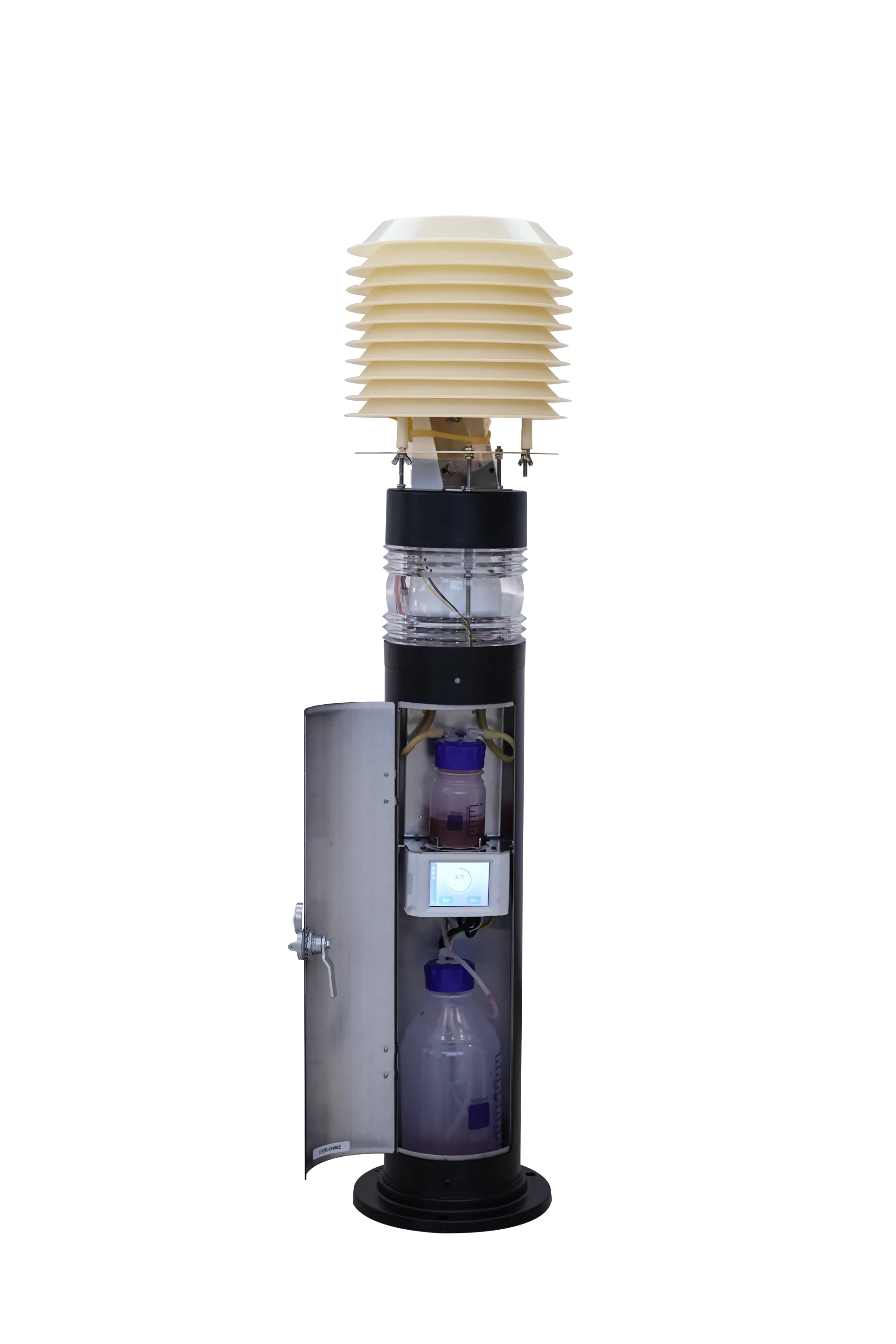
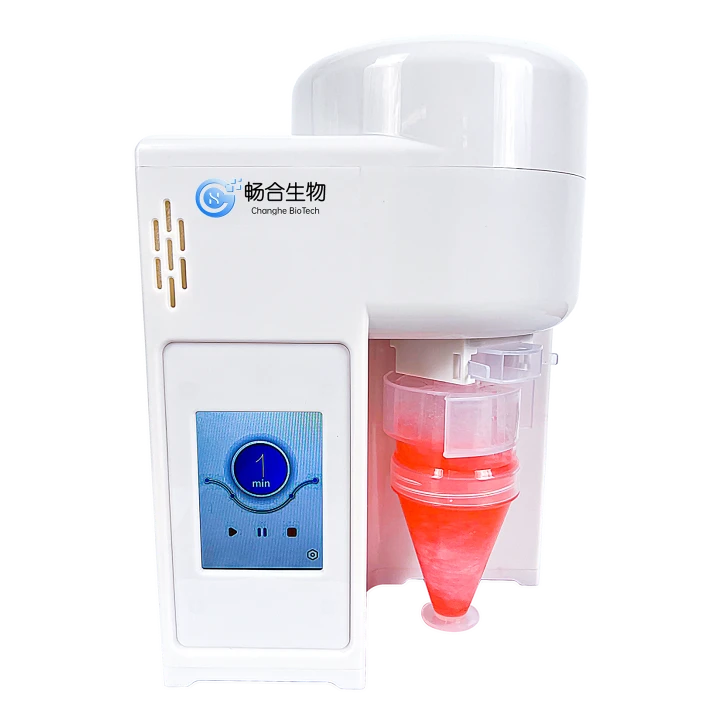
Figure 2: Bioaerosol sampler in action, providing critical environmental data.
Commitment to Authoritativeness and Trustworthiness
Our dedication to excellence in bioaerosol detection is underpinned by a commitment to rigorous standards, transparent practices, and robust customer support, ensuring both authoritativeness and trustworthiness in our solutions.
Certifications and Compliance:
Our manufacturing facilities operate under ISO 9001:2015 certified quality management systems, guaranteeing consistent product quality and continuous improvement. Our Continuous Bioaerosol Samplers adhere to relevant CE (Conformité Européenne) and FCC (Federal Communications Commission) directives, affirming compliance with health, safety, and environmental protection standards. Performance validation is conducted against recognized international standards, including ISO 14698 for cleanroom biocontamination control.
Partner Clients and Industry Experience:
With over 15 years of specialization in environmental monitoring and analytical instrumentation, we have established long-standing partnerships with leading pharmaceutical companies, global biotechnology firms, major hospital networks, and governmental environmental agencies. Our deep industry experience translates into solutions that are not only technically superior but also practically relevant and regulatory compliant.
Frequently Asked Questions (FAQ):
Q: What is the typical lead time for a Continuous Bioaerosol Sampler?
A: Standard units typically have a lead time of 4-6 weeks from order confirmation. Customized solutions may require 8-12 weeks, depending on the complexity of modifications. Expedited options are available upon request.
Q: What warranty is provided with the sampler?
A: All Continuous Bioaerosol Samplers come with a standard 2-year warranty covering parts and labor for manufacturing defects. Extended warranty programs are also available to provide long-term peace of mind.
Q: What kind of ongoing support can we expect?
A: We offer comprehensive after-sales support, including remote technical assistance, on-site service visits, preventative maintenance contracts, and access to our online knowledge base. Our dedicated support team is available via phone and email during business hours, with emergency support options for critical applications.
Q: How does the system handle "toxic mold detection" specifically?
A: While the system identifies fungal spores (a primary indicator of mold), it does not differentiate between "toxic" and non-toxic species in real-time. It provides the initial alert for elevated fungal bioaerosols, enabling rapid follow-up with specific laboratory analyses (e.g., PCR or microscopy on collected samples) to determine species and toxicity, if necessary. The strength is in rapid detection, allowing for immediate containment and investigation.
Conclusion
The strategic implementation of advanced bioaerosol detection technologies is no longer a luxury but a fundamental requirement for maintaining safety, compliance, and operational efficiency across critical B2B sectors. Our Continuous Bioaerosol Sampler stands at the forefront of this evolution, offering unmatched precision, reliability, and real-time insights that empower organizations to proactively manage biological risks. By embracing continuous monitoring, industries can safeguard products, protect personnel, and ensure environmental integrity in an increasingly bio-conscious world.
References:
- International Organization for Standardization. ISO 14698-1:2003 Cleanrooms and associated controlled environments — Biocontamination control — Part 1: General principles and methods.
- Chen, B.T. and T.A. D'Arcy. "Measurement of the collection efficiencies of bioaerosol samplers." Journal of Aerosol Science 29.5-6 (1998): 685-697.
- Centers for Disease Control and Prevention. "Bioaerosols and Worker Health." National Institute for Occupational Safety and Health (NIOSH). 2013.
- National Research Council. "Bioaerosols: Assessment and Control." National Academies Press, Washington, D.C. 1986.
-
Understanding pcr testes transgênicos for Agricultural PurityNewsApr.16,2026
-
Understanding Febre do Cão PCR for Precision Veterinary DiagnosticsNewsApr.09,2026
-
Understanding Respiração PCR and Grupo Cat for Advanced Bioaerosol Sampling TechniquesNewsApr.07,2026
-
IDEXX Feline Respiratory PCR Panel A Comprehensive Guide for VeterinariansNewsApr.04,2026
-
Understanding Grupo de Gatos URD PCR and Bioaerosol Sampling for Air Quality ControlNewsMar.28,2026
-
Understanding the Feline Respiratory PCR Panel Grupo de PCR Respiratório do GatoNewsMar.26,2026