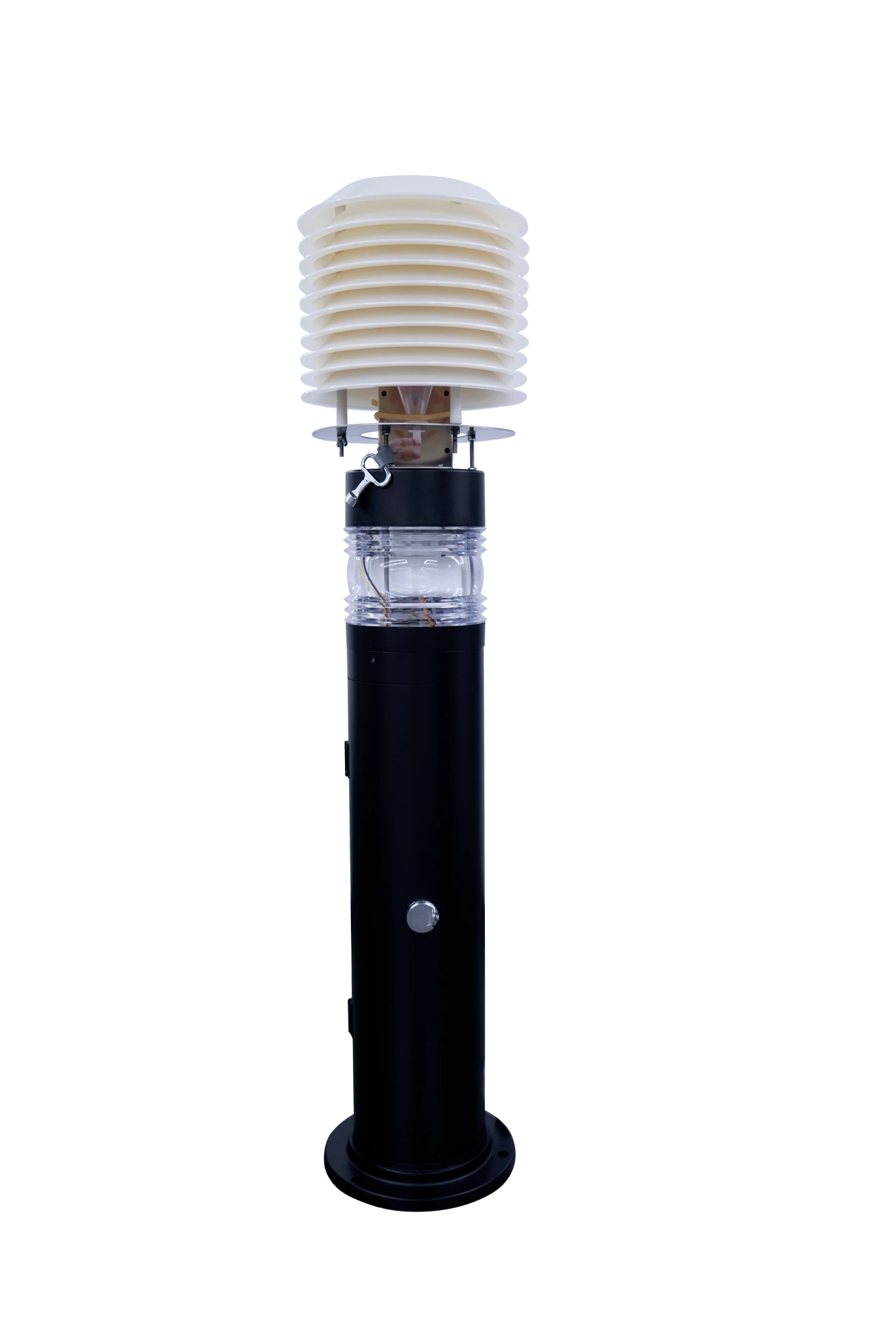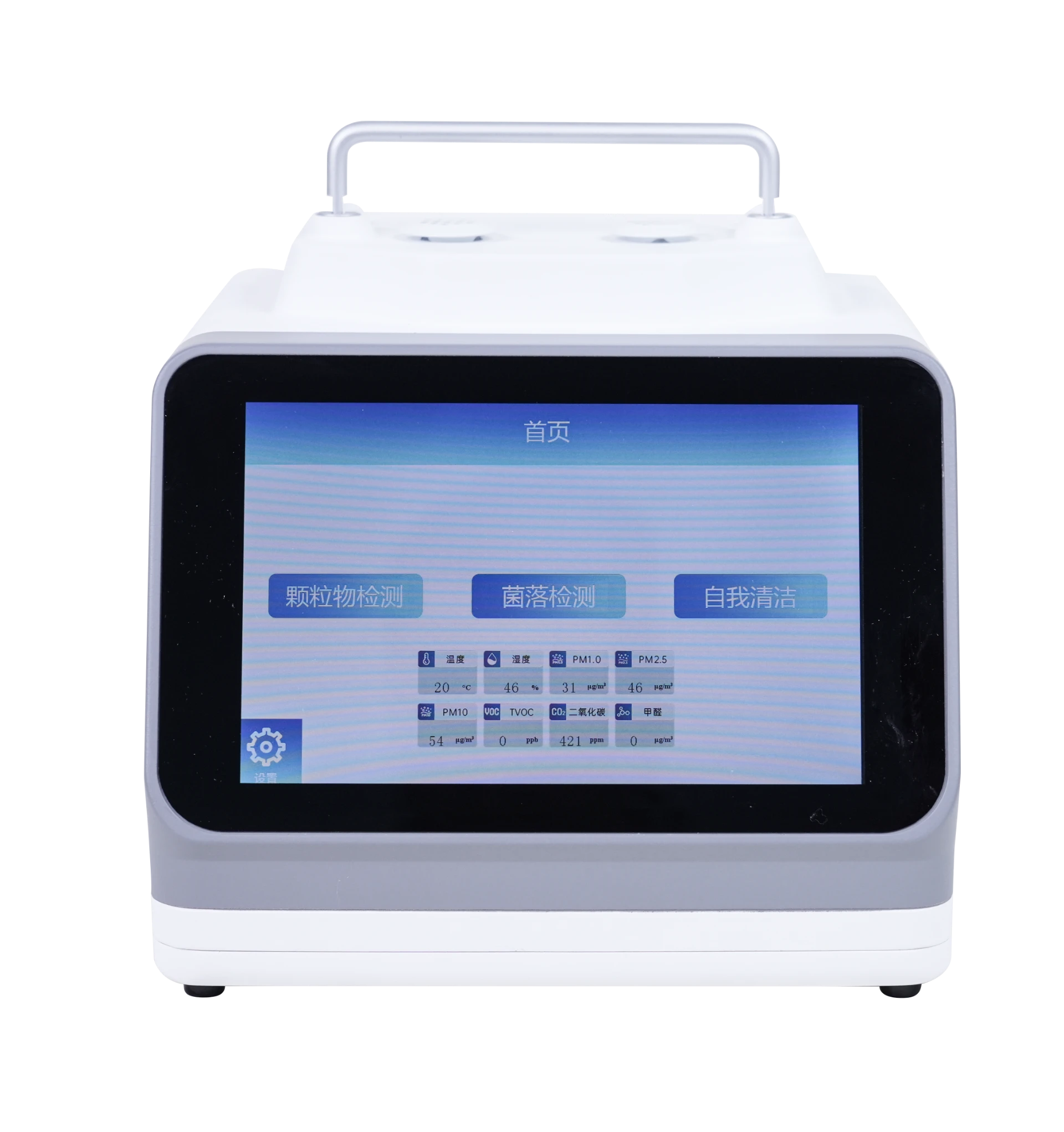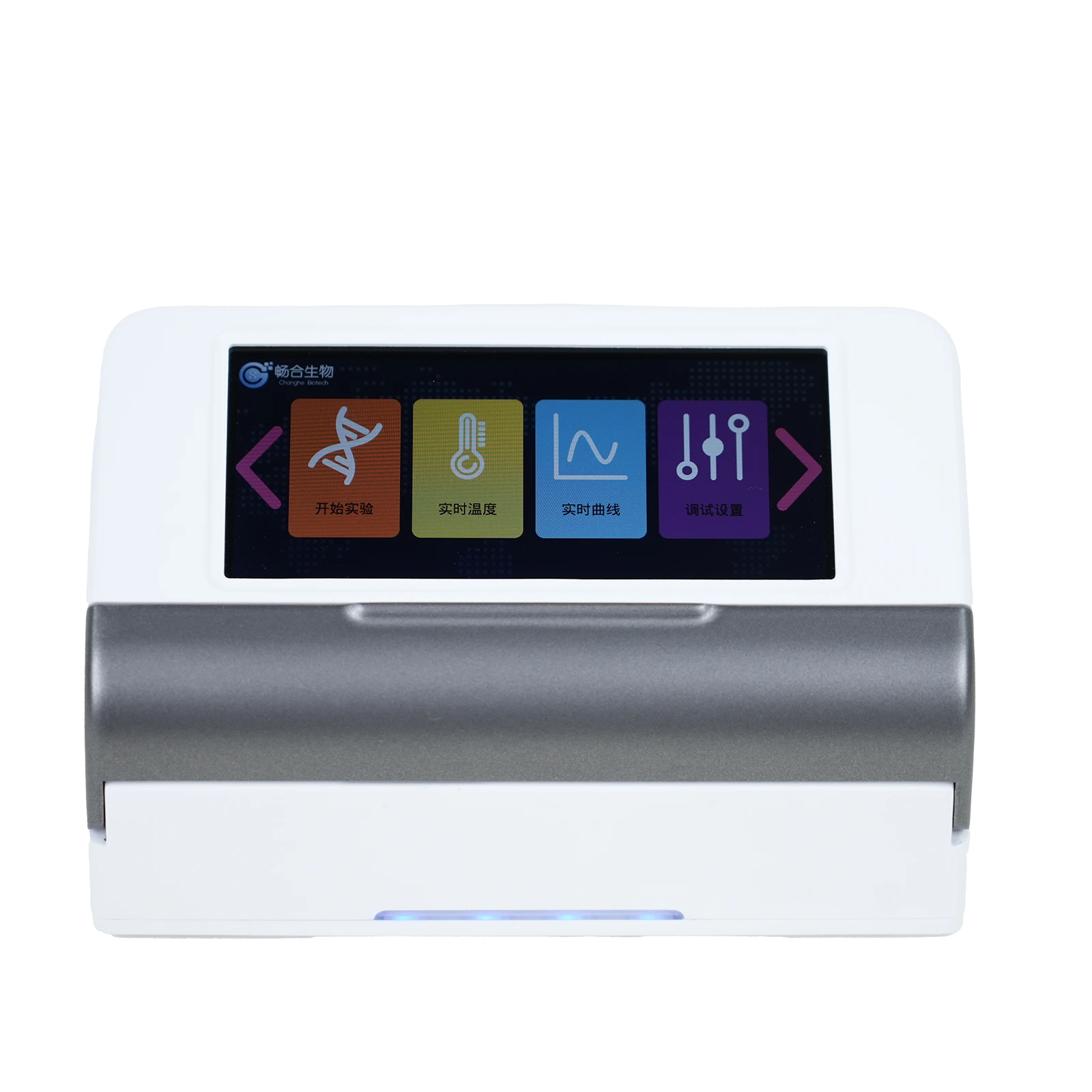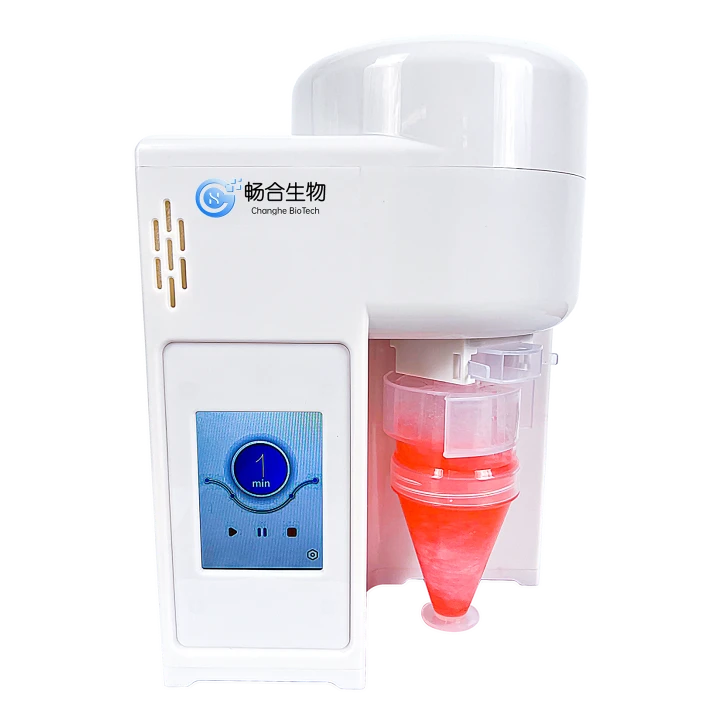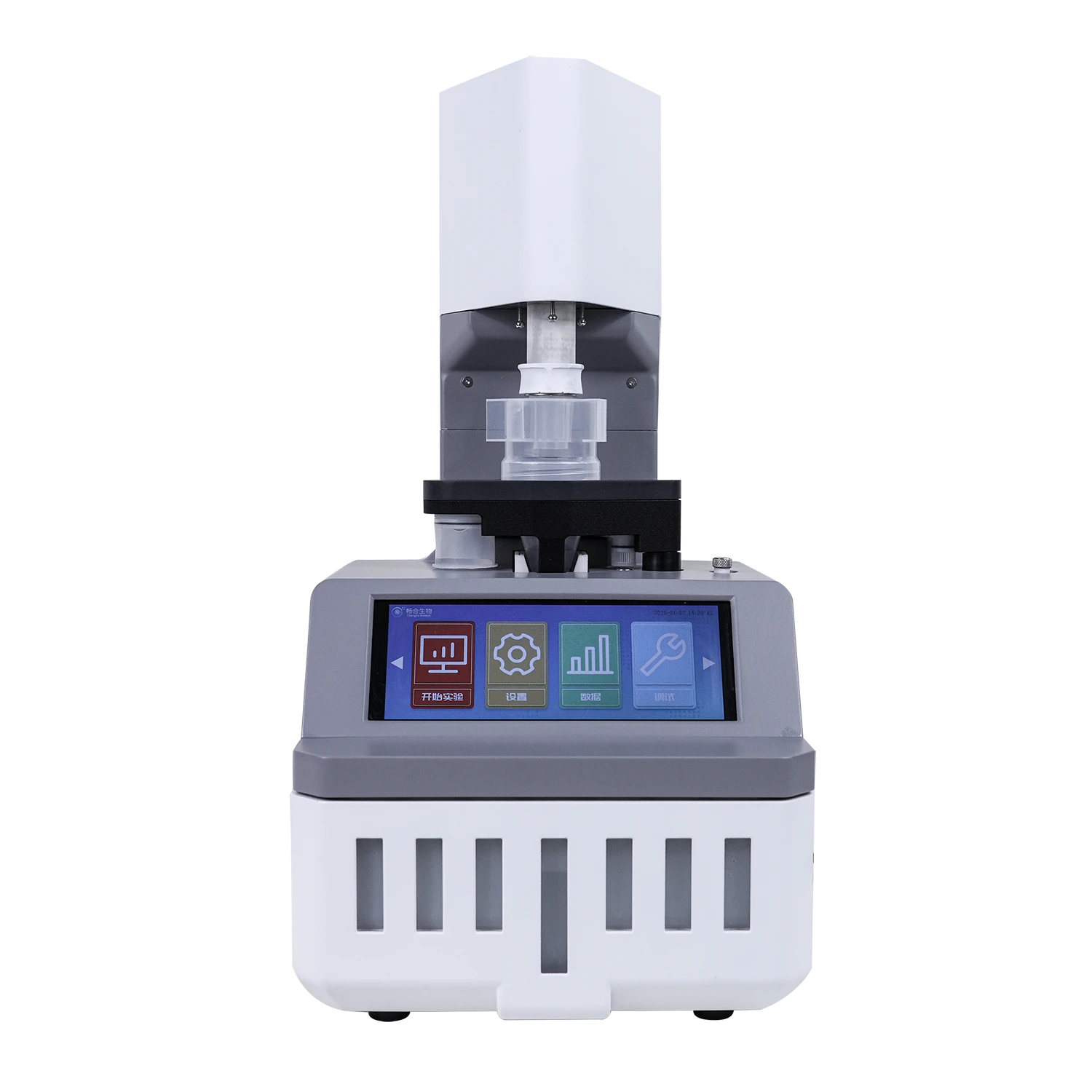

Advanced Bioaerosol Detection: Air Quality & Mold Testing
The Criticality of bioaerosol detection: Industry Trends & Challenges
In an increasingly complex industrial and environmental landscape, the demand for sophisticated environmental monitoring solutions has never been more urgent. Bioaerosols, comprising airborne particles of biological origin such as bacteria, viruses, fungi (including mold spores), pollen, and endotoxins, pose significant risks to human health, product integrity, and operational efficiency across various sectors. The precise and timely bioaerosol detection is paramount for maintaining safety standards, ensuring regulatory compliance, and protecting sensitive processes.
Current industry trends indicate a growing recognition of the pervasive nature of bioaerosol threats. From healthcare facilities striving to prevent hospital-acquired infections (HAIs) to pharmaceutical cleanrooms safeguarding sterile manufacturing, the need for advanced `air and mold testing` and continuous monitoring systems is escalating. Emerging challenges include detecting novel pathogens, monitoring bio-threats in smart city infrastructure, and mitigating the environmental impact of industrial emissions. Traditional `air sample mold test` methods, often reliant on culture-based analysis, suffer from limitations in speed and scope, necessitating the adoption of real-time, high-sensitivity solutions capable of comprehensive `toxic mold detection` and other biological contaminants.
Technological advancements are driving the evolution of bioaerosol monitoring, moving towards integrated platforms that combine optical, spectroscopic, and molecular methods. These innovations allow for the rapid identification and quantification of airborne biological particles, offering a proactive approach to risk management. The shift towards automated, continuous sampling and analysis systems is revolutionizing how industries approach environmental biosafety, providing actionable data for immediate intervention and long-term strategic planning.
Understanding Bioaerosol Detection Systems: Process Flow & Core Technology
The manufacturing and operational process of a high-performance continuous bioaerosol sampler, crucial for effective bioaerosol detection, involves several precision-engineered stages. The core of these systems lies in their ability to efficiently collect, concentrate, and analyze airborne biological particles. Below is a detailed overview of the process flow and manufacturing considerations for such advanced instrumentation.
Operational Process Flow of a Continuous Bioaerosol Sampler:
- Air Intake & Particle Collection: Ambient air is drawn into the sampler using a high-efficiency fan or pump. The air passes through an inlet designed for optimized aerodynamic particle sizing, ensuring representative sampling across a specific particle size range (e.g., 0.5 – 20 µm, relevant for most bioaerosols).
- Impaction/Concentration Module: Particles are then directed into an impaction chamber where they are collected onto a liquid-based medium (e.g., saline solution, sterile water) or a solid substrate (e.g., agar, membrane filter). Advanced systems often use virtual impaction or cyclone technology for higher collection efficiency and gentle handling of delicate biological particles, preventing cell damage.
- Microfluidic Processing & Analysis: The collected sample is then continuously fed into a microfluidic cartridge or a flow cell. Here, a variety of detection techniques can be employed:
- Fluorescence Spectroscopy: Intrinsic fluorophores within biological cells (e.g., tryptophan, NADH, riboflavin) are excited by UV light, and their characteristic emissions are measured, providing real-time data on biological presence and concentration.
- Light Scattering (Mie Scattering): Laser light interacts with particles, and the scattered light patterns are analyzed to determine particle size, count, and sometimes morphological characteristics.
- PCR/Molecular Analysis Integration: For highly specific identification, advanced systems can integrate modules for rapid DNA/RNA extraction and amplification (e.g., qPCR), allowing for the identification of specific microbial species.
- Data Acquisition & Interpretation: Real-time data from the optical or molecular sensors are processed by an embedded system. Algorithms analyze the signals, differentiate between biological and non-biological particles, and quantify the bioaerosol load. Data is then displayed on a user interface, stored, and often transmitted for remote monitoring.
- Automated Cleaning & Calibration: To ensure long-term stability and accuracy, continuous samplers often include automated cleaning cycles for optical components and fluidic pathways, along with self-calibration routines.
Manufacturing Processes & Quality Assurance:
The production of a robust and reliable continuous bioaerosol sampler requires meticulous attention to engineering and material science:
- Product Materials: Components are typically manufactured from high-grade, corrosion-resistant materials such as medical-grade stainless steel (e.g., 316L for fluidic paths), chemically inert polymers (e.g., PEEK, PTFE) for flow cells and seals, and aerospace-grade aluminum alloys for structural integrity. Optical components utilize high-purity quartz or specialty glass.
- Manufacturing Processes:
- CNC Machining: Precision parts for the air intake, impaction chambers, and microfluidic channels are typically fabricated using multi-axis CNC machining to achieve micron-level tolerances, critical for consistent aerodynamic performance and minimal sample loss.
- Laser Welding/Bonding: For intricate fluidic assemblies, laser welding or micro-bonding techniques ensure leak-proof and biocompatible connections, essential for preventing contamination.
- Cleanroom Assembly: Final assembly of sensitive optical and microfluidic modules is performed in ISO Class 7 or 8 cleanrooms to prevent contamination during manufacturing.
- Testing Standards: Each unit undergoes rigorous testing to meet international standards such as ISO 14644 (for cleanroom compatibility), ISO 16000 (indoor air quality), and often CE marking for electrical safety and electromagnetic compatibility. Calibration is performed using NIST-traceable particle standards.
- Service Life: Designed for continuous operation, these instruments typically have a service life of 5-10 years with regular maintenance, facilitated by modular design for easy component replacement and calibration.
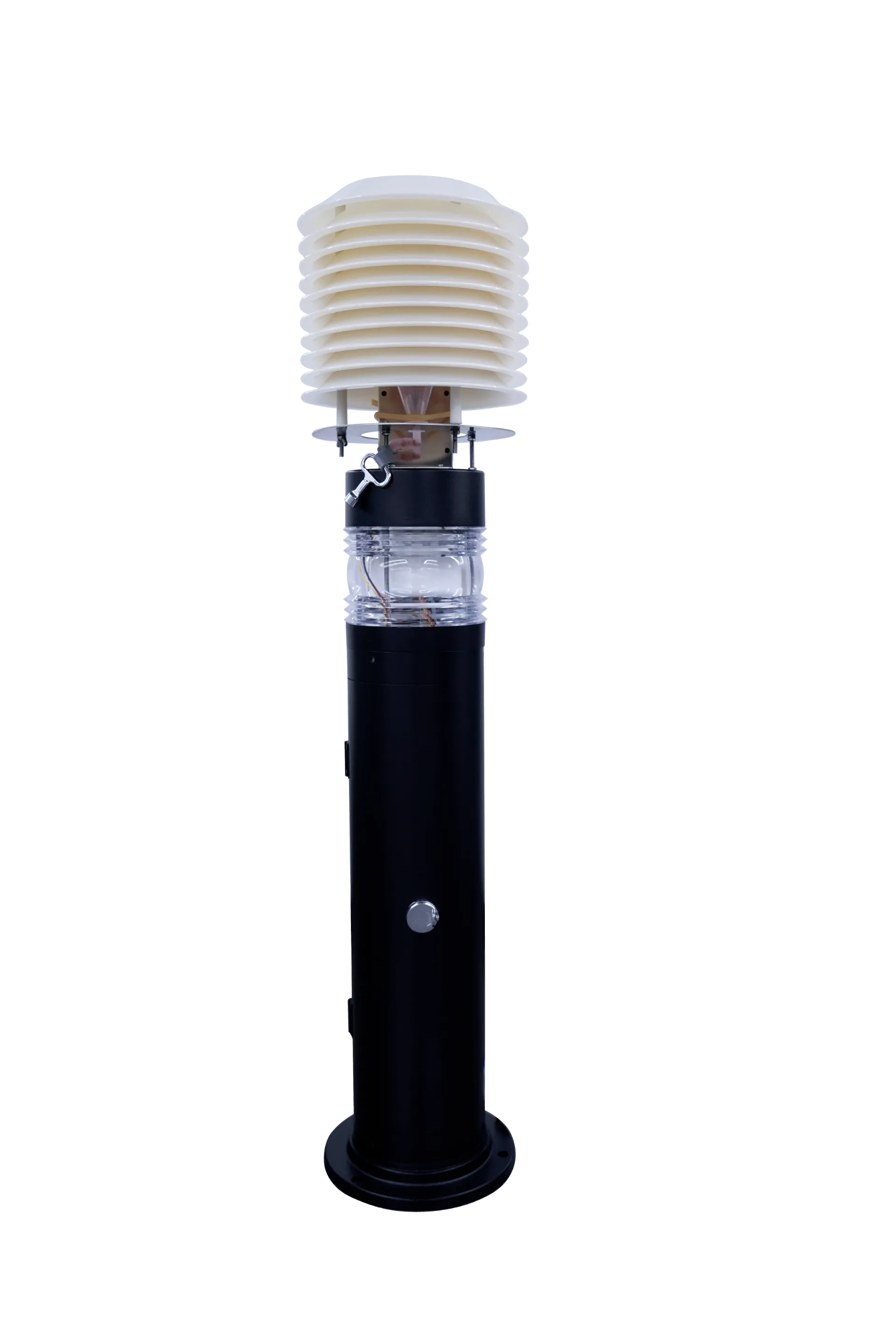
Technical Specifications of Advanced Bioaerosol Samplers
The efficacy of bioaerosol detection hinges on the precision and reliability of the instrument's technical specifications. A high-quality continuous bioaerosol sampler is engineered to provide accurate, real-time data under challenging industrial conditions. Below are typical parameters for a state-of-the-art Continous Bioaerosol Sampler:
Product Specification Table: Continous Bioaerosol Sampler
| Parameter | Specification | Technical Detail / Benefit |
|---|---|---|
| Air Flow Rate | 100 L/min (Adjustable) | Ensures high volume sampling for representative environmental monitoring. |
| Particle Size Range | 0.5 – 20 µm | Covers most respirable bioaerosols, including bacteria, fungal spores, and viruses. |
| Detection Method | Laser-induced Fluorescence (LIF) + Light Scattering | Real-time, label-free detection and differentiation of biological from non-biological particles. |
| Detection Sensitivity | <1 Biological Particle per Liter | Enables early detection of low-concentration bio-threats, crucial for proactive measures. |
| Measurement Interval | 1-minute resolution (Continuous) | Provides instantaneous alerts for transient events or rapid changes in bioaerosol levels. |
| Operational Temperature | 0°C to 45°C | Suitable for a wide range of industrial and environmental conditions. |
| Communication Interfaces | Ethernet, RS-485 (Modbus RTU), Wi-Fi, 4G (Optional) | Facilitates seamless integration with existing BMS/SCADA systems and remote monitoring. |
| Power Requirements | 100-240 VAC, 50/60 Hz, <150W | Energy-efficient operation, minimizing operational costs. |
| Certifications | CE, FCC, ISO 9001 (Manufacturing) | Ensures compliance with international safety and quality standards. |
These specifications underscore the instrument's capability to deliver precise, actionable insights, elevating environmental monitoring beyond traditional, labor-intensive methods. The combination of high flow rates, broad particle size coverage, and rapid detection empowers industries to maintain stringent biosafety protocols.
Application Scenarios & Impact
The versatile capabilities of advanced bioaerosol samplers make them indispensable across a broad spectrum of industries, providing critical insights for risk management and operational optimization. The impact extends beyond mere monitoring, enabling proactive mitigation and substantial advantages in various challenging environments.
Target Industries:
- Pharmaceutical & Biotechnology: Essential for maintaining ISO Class cleanroom environments, preventing microbial contamination in sterile manufacturing, and ensuring product quality and patient safety. Crucial for continuous environmental monitoring (CEM) during drug production.
- Healthcare Facilities: Monitoring operating theaters, isolation rooms, and patient wards to detect and control airborne pathogens, significantly reducing the risk of HAIs and supporting proactive infection control strategies.
- Food & Beverage Processing: Safeguarding against microbial spoilage and contamination in production areas, packaging lines, and storage facilities, thereby extending shelf life and protecting brand reputation.
- Water Supply & Drainage / Wastewater Treatment: Monitoring bioaerosols released from treatment plants, which can contain pathogens, to protect public health in surrounding communities and ensure worker safety.
- Petrochemical & Metallurgy: While less intuitively biological, these sectors often face bio-fouling in cooling towers and processing units, leading to significant maintenance costs and operational disruptions. Bioaerosol detection helps monitor and manage airborne microbial communities affecting these systems.
- Environmental Monitoring & Research: Tracking airborne pollen, spores, and microbial populations for public health advisories, climate change studies, and ecological assessments. This includes urban air quality monitoring and agricultural applications.
- Building Management & HVAC Systems: Proactive identification of mold spores, bacteria, and allergens within building ventilation systems, ensuring healthy indoor air quality and preventing "sick building syndrome" and related liabilities. Critical for `air and mold testing` of large commercial properties.
- Defense & Security: Early warning for biological weapon detection and monitoring in critical infrastructure or during public events.
Demonstrated Advantages in Typical Application Scenarios:
- Energy Saving: By providing real-time data, facilities can optimize HVAC system operation, adjusting filtration and ventilation rates based on actual bioaerosol load rather than fixed schedules. This intelligent control can lead to significant reductions in energy consumption, potentially 15-20% in large commercial buildings, while maintaining superior indoor air quality.
- Corrosion Resistance: Engineered with medical-grade stainless steel and robust polymers, these samplers are highly resistant to corrosive industrial atmospheres, chemical fumes, and high humidity. This ensures reliable operation and extended service life in harsh environments like wastewater treatment plants or marine facilities, minimizing downtime and replacement costs.
- Enhanced Safety & Compliance: Continuous monitoring provides an early warning system for contamination events or pathogen outbreaks, allowing for rapid response and containment. This not only protects personnel and the public but also ensures compliance with stringent regulatory requirements (e.g., FDA GMP, ISO 14644), mitigating legal and financial risks. For instance, in a pharmaceutical cleanroom, a real-time alert for a fungal spore excursion can trigger immediate corrective actions, preventing batch loss and ensuring product sterility.
- Cost Reduction through Preventative Maintenance: Identifying potential microbial issues before they escalate into major contamination events or structural damage (e.g., mold growth in HVAC ducts) reduces the need for expensive remediation, facility shutdowns, and product recalls. This proactive approach supports lean manufacturing principles and operational continuity.
Technical Advantages & Performance Benchmarks
The technical superiority of modern continuous bioaerosol samplers sets new benchmarks for environmental monitoring, offering distinct advantages over traditional methods. These instruments are designed to overcome limitations in speed, specificity, and operational complexity, enhancing the overall efficacy of bioaerosol detection.
Key Technical Advantages:
- Real-Time, Continuous Monitoring: Unlike traditional `air sample mold test` methods that provide snapshot data after a lag of several days (for culture growth), continuous samplers offer instant, minute-by-minute feedback. This real-time capability is crucial for detecting transient bio-contamination events, understanding dynamic bioaerosol loads, and enabling immediate corrective actions.
- High Sensitivity and Specificity: Utilizing advanced optical techniques like laser-induced fluorescence (LIF) and sophisticated algorithms, these systems can distinguish between biological and non-biological particles with high accuracy. The detection limits are often orders of magnitude lower than conventional methods, allowing for the identification of low-level bio-threats before they become widespread.
- Automated Operation & Reduced Labor: Fully automated sampling, analysis, and data logging eliminate the need for manual sample collection and laboratory processing, significantly reducing labor costs and human error. This automation ensures consistency and allows personnel to focus on data interpretation and mitigation strategies.
- Non-Destructive Sampling: Some advanced samplers employ gentle collection mechanisms that preserve the viability and integrity of biological particles, allowing for optional downstream molecular analysis (e.g., PCR for specific pathogen identification) from the collected liquid sample. This is particularly valuable for `toxic mold detection` where species identification is crucial.
- Data Integration & Remote Accessibility: Equipped with robust communication protocols (Ethernet, Modbus, Wi-Fi, 4G), these instruments integrate seamlessly with existing Building Management Systems (BMS), SCADA systems, and cloud-based platforms. This enables remote monitoring, data visualization, trend analysis, and alarm notifications, providing comprehensive oversight from any location.
- Robustness for Harsh Environments: Designed with industrial-grade components and enclosures, these samplers are built to withstand challenging conditions, including extreme temperatures, high humidity, and dusty or corrosive atmospheres, ensuring reliable performance where traditional lab equipment would fail.
Performance Benchmarks:
A critical performance benchmark is the ability to detect and quantify biological particles with high temporal resolution and low false-positive rates. Leading systems demonstrate:
- Rapid Response Time: Typically within 60 seconds from particle entry to data output, crucial for real-time alerting.
- Excellent Correlation with Culture Methods: While providing real-time data, the quantified biological particle counts often show good correlation (e.g., R² > 0.85) with traditional culture-based methods when comparing total viable counts, offering a validated, faster alternative for `air and mold testing`.
- Low Background Noise: Advanced optical designs and signal processing minimize interference from non-biological particles or environmental factors, ensuring high data integrity.
- Continuous Operation without Consumables (or minimal): Many systems are designed for extended periods of continuous operation (e.g., several weeks to months) with minimal consumable changes (e.g., collection fluid replenishment every 1-2 months), significantly reducing operational costs and maintenance frequency.
Vendor Landscape & Comparison
The market for bioaerosol detection systems is characterized by a range of vendors offering diverse technologies. While many providers exist, discerning the superior choice requires a comprehensive comparison across key performance indicators and support structures. This section outlines a general comparison between an advanced continuous bioaerosol sampler and more conventional, often batch-based, methods.
Product Comparison Table: Advanced Continuous vs. Traditional Bioaerosol Detection
| Feature | Advanced Continuous Sampler (e.g., Continous Bioaerosol Sampler) | Traditional Methods (e.g., Impaction to Agar, Filter-based) |
|---|---|---|
| Detection Speed | Real-time (minutes) | Batch (days to weeks for lab analysis) |
| Sampling Mode | Continuous, automated | Intermittent, manual collection |
| Actionability of Data | Immediate alerts, proactive response | Retrospective analysis, reactive response |
| Labor Requirement | Low (set-and-forget, data review) | High (on-site collection, lab processing) |
| Data Resolution | High (minute-by-minute trends) | Low (daily/weekly snapshots) |
| Detection Scope | Total biological particles (general bioaerosol load), some differentiation | Viable/culturable microbes (specific species ID possible) |
| Integration Capability | Seamless with BMS/SCADA, remote monitoring | Limited, manual data transfer |
| Capital Investment | Higher initial cost | Lower initial cost |
| Operational Cost (Long-term) | Lower (reduced labor, fewer consumables) | Higher (recurring lab fees, labor) |
While traditional methods still hold value for specific culturable species identification, their limitations in speed and continuous monitoring capabilities make them less suitable for dynamic, high-stakes environments. Advanced continuous samplers offer a superior return on investment through reduced operational costs, enhanced safety, and proactive risk mitigation. When selecting a vendor, look for a proven track record (e.g., 10+ years in the industry), adherence to international quality standards (ISO 9001), robust client testimonials, and comprehensive post-sales support, including system integration expertise.
Customized Solutions & Application Case Studies
Recognizing that no two industrial environments are identical, leading providers of bioaerosol detection solutions offer highly customized systems tailored to specific operational requirements and environmental challenges. This consultative approach ensures optimal performance and seamless integration.
Tailored Solutions:
- Site-Specific Calibration & Configuration: Instruments can be calibrated to account for specific environmental matrices (e.g., high humidity, presence of specific industrial aerosols) or configured for particular bioaerosol types (e.g., focusing on fungal spores for `toxic mold detection`).
- Integrated Monitoring Networks: For large facilities or campus-wide monitoring, custom solutions involve deploying multiple samplers as a networked system. This provides a comprehensive spatial and temporal understanding of bioaerosol distribution, with centralized data management and analysis.
- Custom Communication Protocols: While standard protocols like Modbus and Ethernet are common, systems can be adapted to integrate with proprietary Building Management Systems (BMS) or process control networks, ensuring data flow and alarm triggering are perfectly aligned with existing infrastructure.
- Specialized Enclosures & Power Options: For deployment in hazardous areas (e.g., Class I, Division 2) or remote locations, custom enclosures (e.g., explosion-proof, NEMA 4X) and alternative power solutions (e.g., solar, battery backup) are available.
- Software & Analytics Customization: Tailored dashboards, reporting features, and integration with advanced predictive analytics platforms can be developed to meet specific compliance, reporting, and operational intelligence needs.
Real-World Application Case Studies:
Case Study 1: Pharmaceutical Cleanroom Monitoring
A leading pharmaceutical manufacturer, aiming to achieve continuous manufacturing for a critical sterile injectable, integrated a network of Continous Bioaerosol Samplers into their Grade A/B cleanroom environment. Prior to implementation, they relied on daily active air sampling with agar plates, resulting in a 3-5 day lag for microbial results. With the new system, real-time data on total biological particles allowed them to identify a transient increase in fungal spore counts originating from an unexpected HVAC system anomaly within minutes. The rapid alert enabled immediate shutdown of the affected production line, preventing contamination of a multi-million-dollar batch. This experience led to a 20% reduction in potential batch losses annually and enhanced compliance with stringent regulatory guidelines (e.g., FDA Guidance for Industry: Process Validation).
Case Study 2: Municipal Wastewater Treatment Plant Biosafety
A large metropolitan wastewater treatment facility faced recurring public health concerns from airborne pathogens, particularly near aeration basins. Traditional perimeter `air sample mold test` and bacterial sampling were infrequent and reactive. By deploying several ruggedized Continous Bioaerosol Samplers at key fenceline locations, the plant established a continuous monitoring perimeter. This system provided real-time alerts for elevated bioaerosol levels, correlating with specific weather patterns and operational events. This data allowed the plant management to implement targeted odor control measures, adjust operational parameters, and provide timely public health communications, enhancing community trust and reducing potential exposure risks for both plant workers and nearby residents. The system's corrosion resistance proved invaluable in the challenging environment, ensuring consistent operation over two years without significant hardware issues.
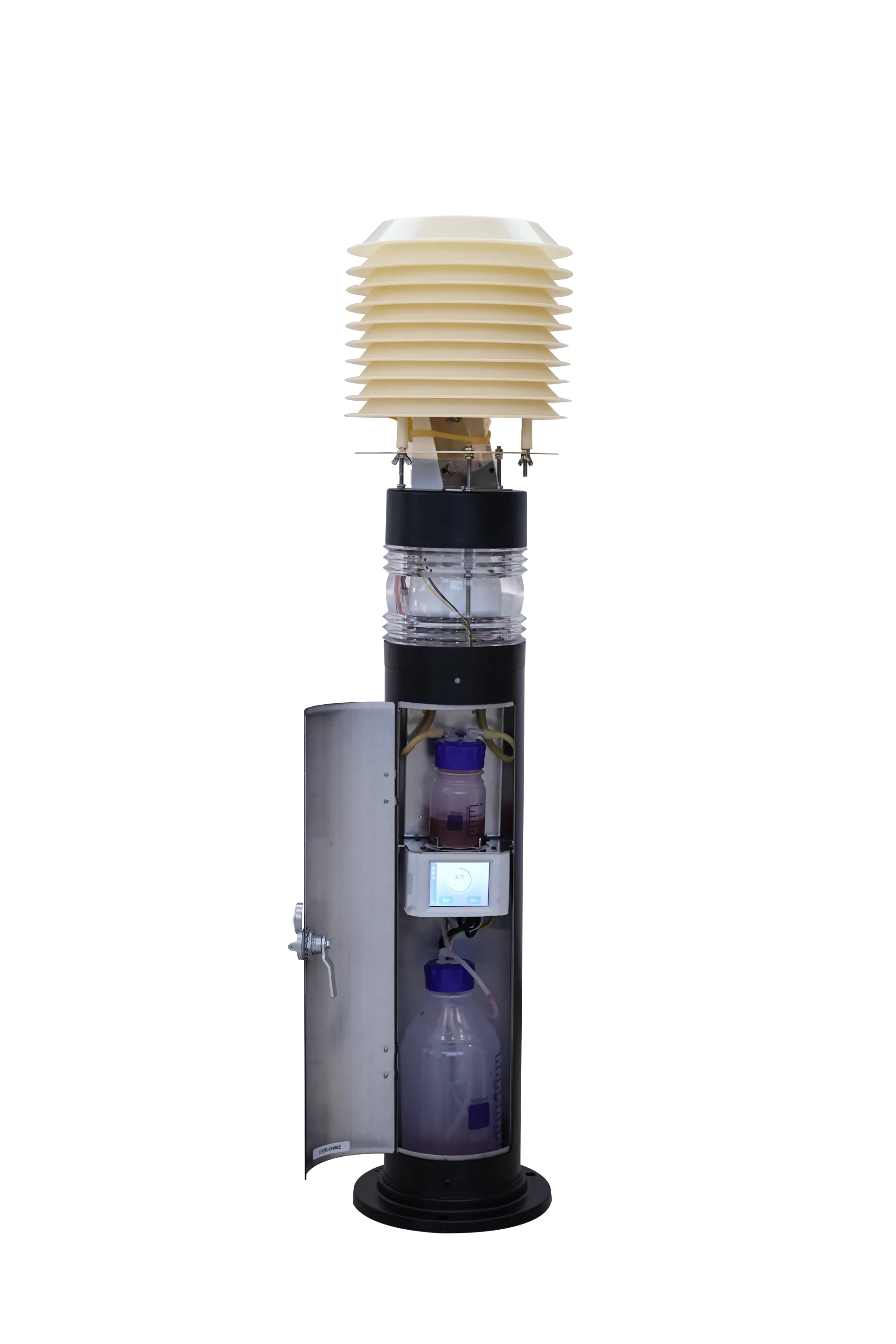
Ensuring Trust: Lead Time, Warranty & Support
Building long-term partnerships in the B2B sector requires not just superior technology, but also unwavering commitment to customer support, transparency in operations, and reliable service. We are dedicated to providing comprehensive assurances for your investment in advanced bioaerosol detection.
Lead Time & Fulfillment Details:
- Standard Products: For standard configurations of our Continous Bioaerosol Sampler, the typical lead time from order confirmation to shipment is 4-6 weeks. This allows for meticulous assembly, factory calibration, and comprehensive quality assurance testing.
- Customized Solutions: For projects requiring bespoke hardware modifications, specialized software integration, or extensive network deployments, lead times will be provided on a case-by-case basis after a detailed technical consultation and project scope definition.
- Shipping & Logistics: We partner with trusted global logistics providers to ensure secure and timely delivery to your specified location. All shipments are fully insured, and tracking information is provided upon dispatch. International shipping documentation is managed by our experienced team to ensure smooth customs clearance.
Warranty Commitments:
- Standard Warranty: Each Continous Bioaerosol Sampler comes with a comprehensive 12-month manufacturer's warranty, covering defects in materials and workmanship from the date of installation or commissioning, whichever comes later.
- Extended Warranty Options: Customers have the option to purchase extended warranty plans for up to 3 or 5 years, providing prolonged peace of mind and protection against unforeseen repair costs. These plans often include preferential service and parts availability.
- Service Level Agreements (SLAs): For mission-critical applications, customized SLAs are available, outlining guaranteed response times for technical support, on-site service availability, and uptime commitments.
Customer Support Information:
- Dedicated Technical Support: Our team of expert engineers provides multi-channel technical support (phone, email, online portal) during business hours, with emergency support options available for critical issues.
- On-site Service & Training: We offer professional installation, commissioning, and on-site training for your operational and maintenance personnel, ensuring your team is fully proficient in utilizing the system. Regular preventative maintenance services are also available.
- Firmware & Software Updates: Customers receive access to regular firmware and software updates, ensuring their systems benefit from the latest features, performance enhancements, and security patches.
- Global Network: Through a network of authorized distributors and service partners, we provide local support and rapid response capabilities across key industrial regions globally, ensuring expert assistance is always within reach.
Frequently Asked Questions (FAQ)
Q1: How does a continuous bioaerosol sampler differ from traditional microbial air samplers?
A1: Traditional samplers typically collect particles onto agar plates or filters for subsequent laboratory culture, providing results in days or weeks. Continuous bioaerosol samplers offer real-time, instantaneous data using optical or spectroscopic methods, allowing for immediate response to changes in bioaerosol levels. They are automated, reducing labor and providing continuous oversight, unlike the periodic snapshots from manual methods. This distinction is crucial for effective bioaerosol detection in critical environments.
Q2: Can the Continous Bioaerosol Sampler differentiate between specific types of biological particles (e.g., bacteria vs. fungi)?
A2: Advanced continuous samplers, using techniques like multi-channel laser-induced fluorescence, can often provide broad categorization of biological particles based on their inherent fluorescent properties (e.g., distinguishing fungal spores from bacteria). While they don't offer species-level identification in real-time like PCR, they provide valuable information on the overall biological load and shifts in composition. For specific identification, collected liquid samples can be analyzed using molecular methods.
Q3: Is the system suitable for hazardous or extreme industrial environments?
A3: Yes, our Continous Bioaerosol Samplers are engineered with industrial-grade materials (e.g., 316L stainless steel, robust polymers) and can be housed in specialized enclosures (e.g., NEMA 4X, explosion-proof) to withstand harsh conditions, including corrosive atmospheres, high humidity, and wide temperature variations (0°C to 45°C). Custom solutions are available for even more demanding requirements.
Q4: What maintenance is required for a continuous bioaerosol sampler?
A4: Maintenance is minimal compared to traditional methods. It typically involves periodic replenishment of the collection liquid (e.g., sterile water or saline solution) every 1-2 months, and an annual calibration check. The systems often feature automated cleaning cycles for internal components. Our technical support team can provide detailed maintenance schedules and guidance.
Q5: How reliable is the real-time data from these instruments compared to laboratory-confirmed results for `air and mold testing`?
A5: While real-time methods detect total biological particles, including viable and non-viable, numerous studies demonstrate a strong correlation (R² typically > 0.8) between continuous optical samplers and traditional culture-based methods for viable particle counts, particularly when comparing overall trends and excursion events. Our systems are extensively validated and calibrated against known standards to ensure high data integrity, offering a highly reliable, faster alternative for immediate environmental assessments.
Conclusion
The evolution of bioaerosol detection technologies marks a pivotal shift in environmental monitoring and risk management. Advanced continuous bioaerosol samplers provide an unparalleled ability to rapidly identify, quantify, and mitigate airborne biological threats across a multitude of industries. By leveraging real-time data, high sensitivity, and robust engineering, these systems empower B2B decision-makers and engineers to ensure stringent biosafety, optimize operational efficiency, and safeguard public health with proactive, data-driven strategies. As bio-threats continue to evolve, the demand for such sophisticated and reliable solutions will only intensify, solidifying their role as essential tools for the modern industrial and public health landscape.
References
- Sharma, S., & Pruegger, A. (2019). Real-time detection and monitoring of bioaerosols: a review. Environmental Science: Processes & Impacts, 21(9), 1475-1490.
- Reponen, T., Lee, T., Grinshpun, S. A., & Rylander, R. (2011). Bioaerosol detection and health effects research needs. Journal of Environmental Monitoring, 13(10), 2686-2693.
- Chen, S., Mao, L., Wang, Y., Zhang, X., & Liu, Q. (2020). Advances in bioaerosol sampling and detection. Journal of Aerosol Science, 144, 105558.
- ISO 14644-1:2015 - Cleanrooms and associated controlled environments -- Part 1: Classification of air cleanliness by particle concentration.
- ISO 16000-19:2017 - Indoor air -- Part 19: Guidance for sampling of fungi and bacteria.
-
Understanding pcr testes transgênicos for Agricultural PurityNewsApr.16,2026
-
Understanding Febre do Cão PCR for Precision Veterinary DiagnosticsNewsApr.09,2026
-
Understanding Respiração PCR and Grupo Cat for Advanced Bioaerosol Sampling TechniquesNewsApr.07,2026
-
IDEXX Feline Respiratory PCR Panel A Comprehensive Guide for VeterinariansNewsApr.04,2026
-
Understanding Grupo de Gatos URD PCR and Bioaerosol Sampling for Air Quality ControlNewsMar.28,2026
-
Understanding the Feline Respiratory PCR Panel Grupo de PCR Respiratório do GatoNewsMar.26,2026