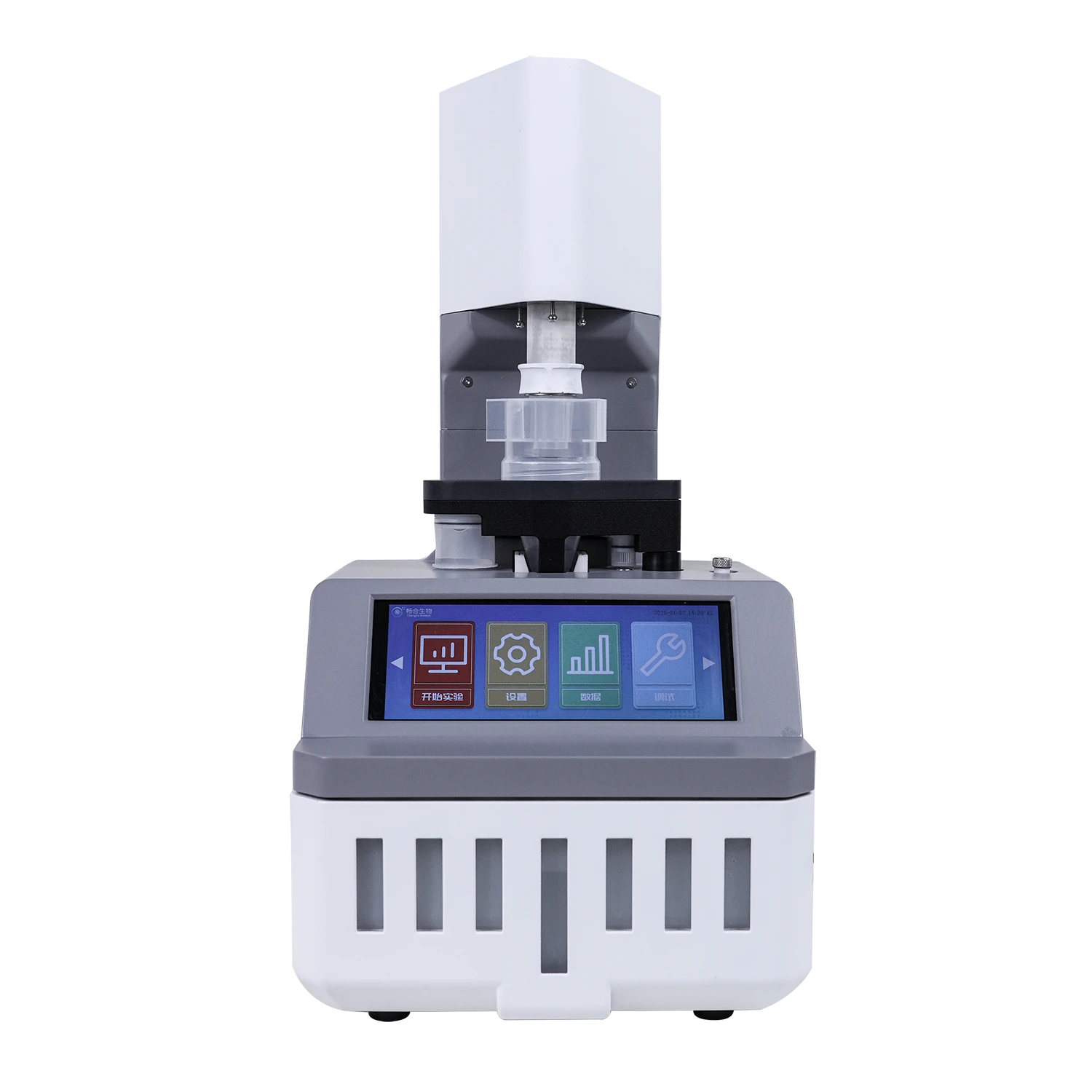

Advanced ddPCR Machine Guide for Precise Molecular Diagnostics
The ddPCR Machine: Why It Matters in Today’s Scientific Landscape
If you’ve ever dived into the world of molecular biology, diagnostics, or environmental analysis, you’ve likely bumped into the term ddPCR machine without full clarity about what it means or why it’s suddenly the darling of labs worldwide. At its core, the digital droplet PCR (polymerase chain reaction) machine has revolutionized how scientists detect and quantify nucleic acids with stunning precision. Think of it as upgrading from a blurry snapshot to a high-resolution photo of genetic material.
Why should this matter beyond the lab? Well, from monitoring infectious diseases to improving crop resistance, the benefits cascade globally. The ability to detect low-level mutations or viral loads can directly impact public health policies, food safety regulations, and even conservation efforts. Understanding the ddPCR machine is sort of like holding a master key to innovation in biotech today.
Mini takeaway: ddPCR machines aren’t just lab gadgets—they’re transformative tools shaping global health and environmental solutions.
Introduction: Global Relevance of ddPCR Technology
On a global scale, the demand for faster, more precise diagnostic tools has never been higher. The United Nations’ Sustainable Development Goals emphasize health and well-being (#3) and responsible consumption (#12), goals that technologies like ddPCR contribute to directly. According to WHO, accurately tracking viral mutations can save millions during pandemics, and that’s precisely where the ddPCR machine shines.
But here’s the kicker: while traditional qPCR has been around for decades, many regions face hurdles like inconsistent sample quality or the need for ultra-sensitive detection at extremely low concentrations. The ddPCR machine addresses these challenges by digitally isolating and analyzing thousands of droplets per sample, which means it handles variability far better. Hence, it’s quickly becoming a go-to instrument for research institutes, clinical labs, and environmental agencies alike.
What Exactly is a ddPCR Machine?
A ddPCR machine is a specialized instrument designed to perform droplet digital PCR, which partitions a sample into thousands of individual droplets. Each droplet acts like a micro-test tube in which PCR amplification happens independently. After cycling, the machine reads how many droplets contain the target DNA or RNA, allowing absolute quantification without reliance on standard curves.
It’s much like turning one big blurry group photo into thousands of tiny, detailed portraits — each confirming presence or absence of the genetic target. This makes it invaluable where accuracy matters. In humanitarian contexts—say tracking tuberculosis outbreaks in remote areas—this means faster, more reliable diagnostics potentially saving lives.
Key Components Shaping ddPCR Machine Performance
1. Droplet Generation
The heart of the system lies in its ability to create uniform droplets, typically around 20,000 per sample. The droplet generator ensures sample partitioning is consistent, which directly impacts result reliability.
2. Thermal Cycling Precision
Temperature control here isn’t just about hitting the right denaturation or annealing temps; it’s about accurate and uniform cycling across all droplets to prevent bias during amplification.
3. Fluorescence Reading & Analysis
After amplification, the system uses sensitive detectors to read fluorescent signals from droplets, translating that data into numbers that indicate target concentration.
4. Software & Data Interpretation
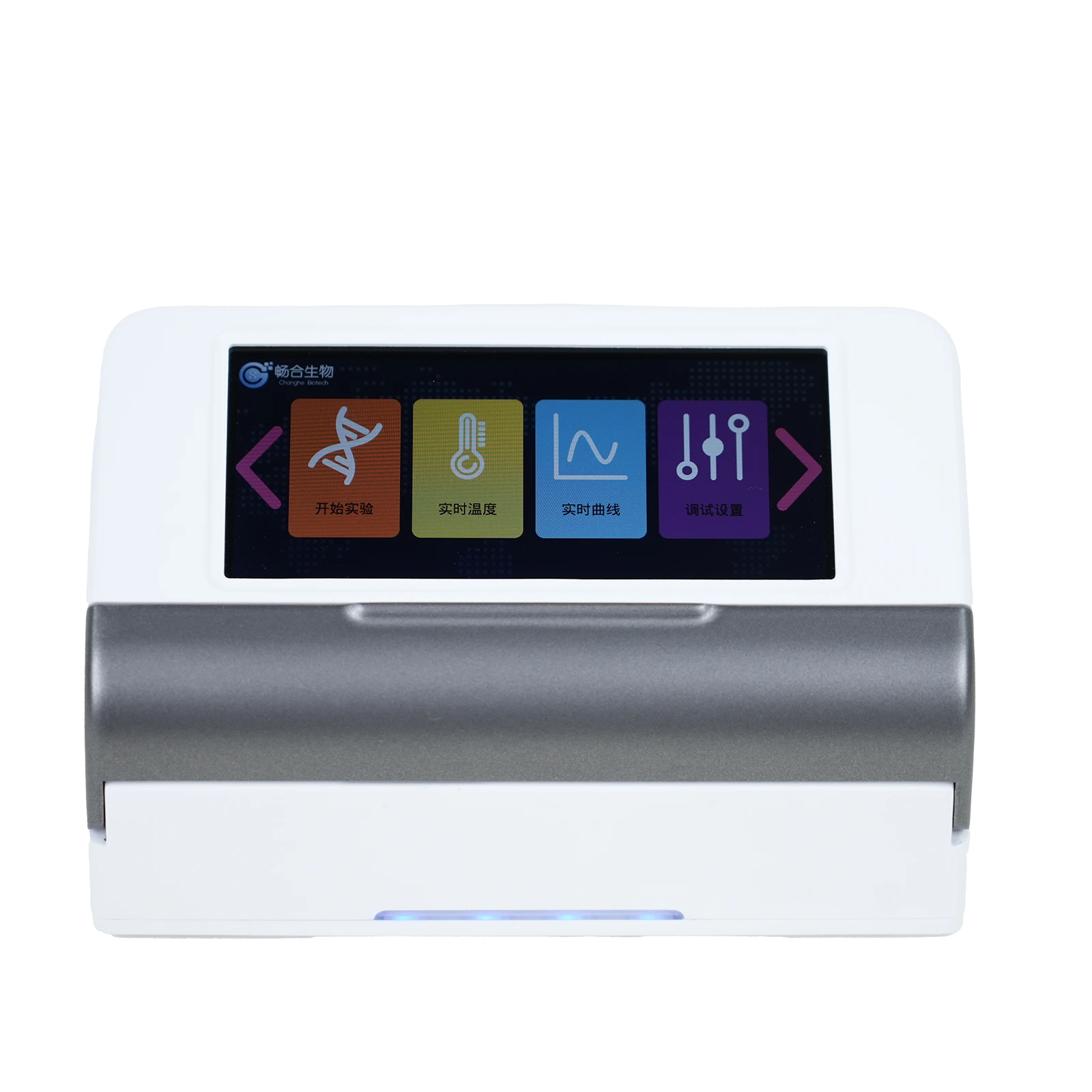
Modern ddPCR machines come loaded with software optimized for user-friendly data visualization, quality control checks, and export options — making this powerful tech accessible even beyond expert circles.
5. Durability & Maintenance
Because labs run 24/7 or remote stations require reliability, manufacturers prioritize ease of cleaning, robustness, and serviceability.
6. Multiplexing Capability
Many models allow simultaneous detection of multiple targets per sample, saving time and resources.
Mini takeaway: Every component from droplet generation to analysis software plays a crucial role — it’s a symphony of tech that delivers precision.
Global Applications & Real-World Use Cases
- Infectious Disease Diagnosis: In countries battling HIV or hepatitis, ddPCR machines help quantify viral load even when it’s extremely low, aiding treatment monitoring.
- Environmental Monitoring: Agencies in Europe and North America use ddPCR to detect trace DNA from endangered species in water samples, informing conservation efforts.
- Food Safety: Detecting GMO contamination or pathogen presence has never been more sensitive, keeping supply chains safer.
- Research & Pharma: Drug developers track gene expression and rare mutations to tailor therapies more effectively.
- Disaster Relief: NGOs deploy ddPCR in rapid-response labs after disasters to monitor water quality or disease outbreaks on-site.
Mini takeaway: ddPCR machines find homes everywhere from state-of-the-art labs to field clinics—wherever precision counts most.
Advantages of Using ddPCR Machines: The Long-Term Payoff
Shifting from conventional PCR methods to ddPCR brings tangible benefits:
- Absolute Quantification: Unlike qPCR, ddPCR doesn’t need standard curves, leading to more reproducible, less ambiguous results.
- Ultra-High Sensitivity: It detects rare mutations or low-abundance pathogens, crucial for early diagnosis or environmental detection.
- Robust to Inhibitors: Sample impurities that normally mess with PCR perform less disruptively here.
- Cost-Efficient in the Long Run: Although the upfront investment can be steep, fewer repeats and higher confidence save resources.
- Trust & Safety: Clinicians and patients alike benefit from precise results that help tailor treatment, enhancing care quality and dignity.
Mini takeaway: ddPCR machines don’t just improve science — they empower better decisions improving health, environment, and industry.
Future Prospects and Innovations in ddPCR Technology
Looking ahead, ddPCR is riding the wave of automation and AI. Many manufacturers are integrating smart algorithms to auto-interpret results with minimal human input, thereby reducing errors and speeding up workflows.
Green initiatives are pushing development of machines with lower power consumption and eco-friendly consumables—very much needed as labs grapple with sustainability pressures. There’s also expansion into portable or handheld ddPCR units targeting fieldwork — a real game-changer for decentralized testing.
Digital health trends and COVID-19 have accelerated investment and adoption globally, meaning ddPCR technology will likely become more accessible and diverse in application.
Challenges in Implementing ddPCR and How They’re Overcome
Despite clear benefits, a few hurdles remain:
- Initial Cost: ddPCR machines and consumables are pricier than standard PCR; however, leasing options and government grants often offset this.
- Technical Expertise: Though easier than before, operators still need training—vendors increasingly offer virtual tutorials and user-friendly interfaces.
- Sample Prep Complexity: Quality input remains essential. New simplified extraction kits are easing this pain point.
- Data Interpretation: While software helps, ambiguous signals require expert reviewing — ongoing AI improvements are helping here.
Mini takeaway: Challenges are real but solvable, especially with growing support ecosystems and tech maturity.
Product Specifications of a Typical ddPCR Machine
| Specification | Typical Value | Notes |
|---|---|---|
| Droplet Count per Sample | ~20,000 droplets | Ensures statistical significance |
| Thermal Cycling Range | 4°C to 100°C | Covers DNA/RNA protocols |
| Multiplexing Channels | Up to 4 colors | Simultaneous target detection |
| Sample Volume | 20 µL | Standard input per reaction |
| Data Output Format | CSV, PDF, Excel | For easy sharing and reporting |
| Approximate Weight | ~15 kg | Relatively portable for lab equipment |
Vendor Comparison: Leading ddPCR Machine Providers
| Feature | BioTech Instruments | GeneQuant Solutions | Precision PCR Co. |
|---|---|---|---|
| Droplet Generation Method | Microfluidic chip | Oil emulsion | Hybrid digital-microfluidic |
| Multiplexing Capacity | 4 targets | 3 targets | 5 targets |
| User Interface | Touchscreen w/ AI assist | Desktop software only | Hybrid touchscreen + desktop |
| Price Range | $40,000 - $50,000 | $35,000 - $45,000 | $50,000 - $60,000 |
| Service & Support | 24/7 phone + on-site | Business hours chat only | On-site & remote hybrid |
FAQ: Frequently Asked Questions About ddPCR Machines
- Q: What makes ddPCR machines more accurate than traditional qPCR?
- A: ddPCR partitions samples into thousands of droplets, allowing absolute quantification without reference curves, which reduces variability and improves precision compared to qPCR.
- Q: How feasible is it to use ddPCR machines in low-resource settings?
- A: While the upfront cost and technical demand are challenges, mobile units and simplified protocols are making ddPCR increasingly accessible in underserved regions.
- Q: Can ddPCR detect multiple targets in a single run?
- A: Yes, most modern ddPCR machines support multiplexing, allowing simultaneous detection of up to 4 or 5 targets, saving time and reagents.
- Q: How long does a typical ddPCR run take?
- A: Generally, a full ddPCR run takes between 2 to 3 hours, including droplet generation, cycling, and reading.
- Q: Are ddPCR consumables reusable or single-use?
- A: Consumables like droplet cartridges and oils are single-use for contamination control, but reusable components include parts of the droplet generator hardware.
Final Thoughts
The ddPCR machine isn’t just another piece of scientific equipment; it promises more reliable diagnostics, clearer insights, and better decision-making across fields from medicine to environmental science. If you’re looking to elevate your lab’s capabilities or explore cutting-edge biotech, investing in ddPCR technology is worth serious consideration.
For more detailed info and product options, feel free to visit our website: ddpcr machine. The future of precision detection is digital — and it’s already here.
References:
-
Understanding pcr testes transgênicos for Agricultural PurityNewsApr.16,2026
-
Understanding Febre do Cão PCR for Precision Veterinary DiagnosticsNewsApr.09,2026
-
Understanding Respiração PCR and Grupo Cat for Advanced Bioaerosol Sampling TechniquesNewsApr.07,2026
-
IDEXX Feline Respiratory PCR Panel A Comprehensive Guide for VeterinariansNewsApr.04,2026
-
Understanding Grupo de Gatos URD PCR and Bioaerosol Sampling for Air Quality ControlNewsMar.28,2026
-
Understanding the Feline Respiratory PCR Panel Grupo de PCR Respiratório do GatoNewsMar.26,2026