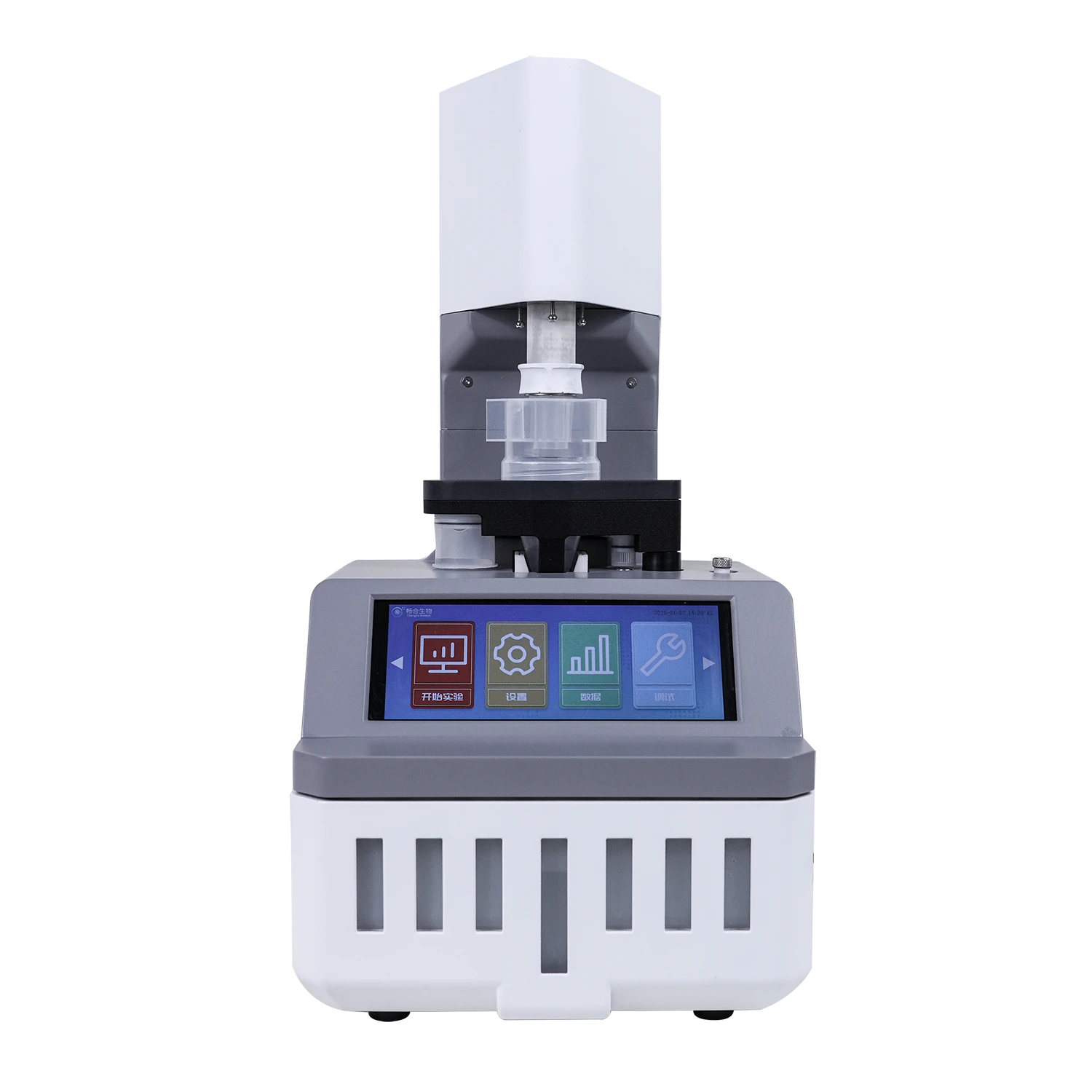

Essential Guide to PCR Equipment: Applications, Features, and Future Trends
Understanding PCR Equipment: The Unsung Hero of Modern Diagnostics
Imagine a world where detecting viruses, genetic mutations, or infectious diseases in minutes rather than days is just routine. Thanks to PCR equipment, that world is not a distant future but very much our present. PCR, or Polymerase Chain Reaction, equipment has revolutionized medical diagnostics, genetic research, and even forensic science. It’s a field that’s gained global importance especially after the COVID-19 pandemic highlighted the urgent need for rapid and reliable testing. But beyond the headlines, understanding PCR equipment better — how it works, what makes quality gear stand out, and why it matters — can help businesses and healthcare providers make smarter investments and save lives.
Let’s take a deep dive into this fascinating technology, and trust me, it’s more interesting than your average lab instrument.
The Global Context: Why PCR Equipment Matters Worldwide
It’s not an exaggeration to say that PCR technology plays a fundamental role in global health and science. According to the World Health Organization, timely diagnostic testing decreases disease spread and improves treatment outcomes significantly. PCR equipment, which amplifies tiny amounts of DNA, allows for these rapid diagnostics, making it indispensable in controlling outbreaks and advancing personalized medicine. The UN’s Sustainable Development Goals also emphasize innovation in health technologies, further spotlighting PCR equipment’s role.
But here’s the kicker: despite its importance, access to reliable PCR machines remains uneven—especially in low-income regions. That's a challenge for global health equity but also a massive opportunity. Improving PCR device accessibility could be a game changer in everything from tuberculosis control in Asia to genetic disease screening in remote African communities.
Breaking It Down: What Exactly Is PCR Equipment?
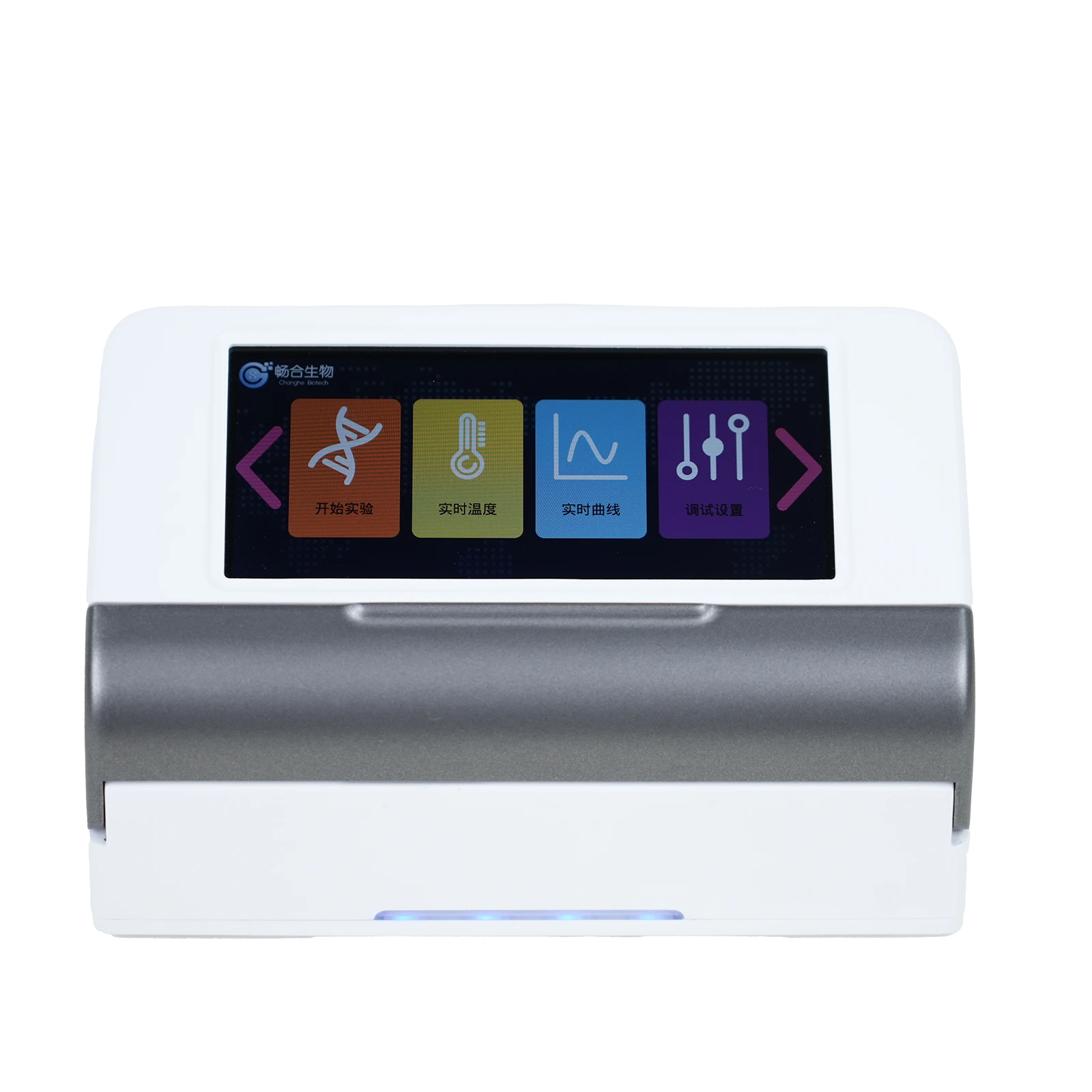
At its core, PCR equipment is a set of lab instruments used to perform the polymerase chain reaction. In simple terms, it's like a photocopier for DNA strands. It heats and cools samples in cycles, making millions of copies of a particular DNA segment. That amplifies genetic information enough to be analyzed, allowing labs to detect pathogens, genetic mutations, or even authenticate food products.
It sounds technical, but basically, PCR equipment is the magic wand behind fast, accurate DNA testing in hospitals, research labs, and forensic departments worldwide. It’s a cornerstone of modern molecular biology.
Key Factors That Define Quality PCR Equipment
1. Accuracy & Sensitivity
That’s the big deal. The equipment must reliably amplify the correct DNA segment without mix-ups. Small faults can cause false positives or negatives — no good in diagnostics.
2. Thermal Cycling Performance
Efficient, precise heating and cooling cycles are vital. Rapid temperature changes with minimal variation ensure the reaction runs smoothly and fast.
3. User-Friendly Interface
Remember, not everyone using PCR systems is a seasoned molecular biologist. Intuitive controls and easy data interpretation reduce user error, making the tech accessible to more labs.
4. Portability & Scalability
In real-world terms, having compact or mobile PCR units can be critical in field testing — think rural clinics or humanitarian crises. Meanwhile, large labs will prioritize scalable batch processing.
5. Cost & Maintenance
Cost efficiency doesn't just mean a low purchase price but also affordable consumables and reliable service support. You want equipment that won’t drain resources with constant upkeep.
6. Connectivity
Advanced PCR machines now offer wireless data transfer and integration with lab management software, streamlining results management in busy medical settings.
Mini takeaway: High-quality PCR equipment balances precision, ease of use, and adaptability — all crucial for effective diagnostics on the ground.
PCR Equipment in Action: Global Applications and Real-World Use Cases
Globally, PCR equipment isn’t locked away in ivory-tower labs anymore. It’s being deployed across continents for a range of applications:
- Healthcare Diagnostics: Hospitals use PCR to detect viruses like HIV, COVID-19, and Influenza with speed and accuracy.
- Environmental Monitoring: Detecting microbial contamination in water or air samples, crucial for public safety and environmental protection agencies.
- Food Safety: PCR equipment helps authenticate food products, identifying allergens or contaminants.
- Forensic Science: Crime labs worldwide depend on PCR for DNA fingerprinting.
- Post-Disaster Relief: Mobile PCR units provide on-the-spot pathogen screening to prevent outbreaks in refugee camps or after natural disasters.
For instance, in sub-Saharan Africa, portable PCR devices have revolutionized malaria diagnosis in remote clinics. And NGOs coordinating pandemic response rely heavily on scalable PCR platforms for mass testing campaigns.
Mini takeaway: PCR equipment's flexibility means it’s no longer confined to labs but a frontline tool worldwide, from rural villages to biotech hubs.
Advantages & Long-Term Value of Investing in PCR Equipment
What makes PCR equipment stand out for institutions and governments planning budgets? It's a mix of practical and impactful benefits:
- Cost-effectiveness: Faster and more accurate diagnosis reduces unnecessary treatments and hospital stays.
- Sustainability: Many modern PCR devices come designed for energy efficiency, reducing environmental footprints.
- Reliability: Rigorous quality controls ensure consistent results, critical for patient trust.
- Empowerment & Social Impact: Local diagnostic capacity strengthens health systems and community confidence. That’s something policymakers aim for.
- Innovation and R&D Boost: Supports precision medicine development, which relies heavily on genetic data.
Frankly, it feels like investing in PCR equipment does more than upgrade labs — it upgrades lives.
Looking Ahead: Future Trends and Innovations in PCR Technology
We’re not standing still here. Emerging PCR systems are integrating AI to optimize cycling parameters, dramatically cutting test times. There’s a green push too — new devices using low-energy thermoelectric elements or solar power. Digital data connectivity is becoming standard, enabling telemedicine and rapid reporting in outbreaks.
Moreover, miniaturization and microfluidics are paving the way for hand-held PCR units, making molecular diagnostics truly portable. Imagine a handheld PCR machine running tests at airports or border crossings — that’s closer than you think.
Common Challenges and Practical Solutions
For all its promise, PCR tech isn’t without hurdles. Initial costs can intimidate smaller labs. Sensitivity to contamination means rigorous protocols are essential. Supply chain delays for reagents can stall testing.
Many labs are tackling these issues by adopting standardized workflows, investing in robust training, and partnering with vendors offering reliable after-sales support. Open-source designs and local reagent manufacturing initiatives are also helping alleviate bottlenecks.
Frequently Asked Questions About PCR Equipment
- How quickly can PCR equipment deliver diagnostic results?
- Typical PCR tests run between 30 minutes to 2 hours, depending on the sample and machine. Advances continue to shorten this timespan without compromising accuracy.
- Can PCR machines be used outside traditional laboratories?
- Yes, portable and field-friendly PCR units exist for remote testing, disaster zones, and mobile clinics. They’re designed for robustness and user-friendliness.
- What maintenance do PCR machines require?
- Regular calibration, cleaning of thermal blocks, and software updates are typical. Proper maintenance ensures consistent performance and longevity.
- Are PCR reagents costly or hard to source?
- Reagents can be expensive and sensitive to storage conditions. Partnering with reliable suppliers and exploring local sourcing helps keep supply steady.
- How can labs integrate PCR data into their broader IT systems?
- Many modern PCR devices offer software compatibility or APIs to export results directly into lab information management systems (LIMS).
Product Specification Table
| Feature | Standard PCR System | Portable PCR Unit |
|---|---|---|
| Throughput | 96 samples/run | 16 samples/run |
| Cycle Time | ~90 minutes | ~45 minutes |
| Power Source | Mains electricity | Battery / USB-C |
| Connectivity | Ethernet, USB | Wi-Fi, Bluetooth |
| Weight | 15 kg | 3.5 kg |
Vendor Comparison
| Vendor | Price Range | Support | Global Reach | Innovations |
|---|---|---|---|---|
| BioTech Instruments | $$$ | 24/7 phone & online | 120 countries | AI-enabled PCR cycles |
| GenLab Systems | $$ | Business hours only | 65 countries | Portable, solar-powered units |
| MolecularTechCorp | $$$$ | Dedicated onsite techs | 85 countries | Next-gen thermal cyclers |
Wrapping Up
Frankly, PCR equipment isn’t just another piece of lab tech — it’s a lifeline. In a world increasingly aware of how vital timely, precise diagnostics are, this gear stands at the crossroads of science, health, and humanitarian aid. Whether it’s in a high-tech city hospital or a rugged field clinic, well-designed PCR devices save time, money, and more importantly, lives.
Interested in exploring the latest in pcr equipment? Check out our comprehensive resources and product lines to find what fits your needs best.
Until next time, stay curious — molecular biology is anything but dull!
References
- World Health Organization – Diagnostics and Global Health
- Wikipedia – Polymerase Chain Reaction
- United Nations Sustainable Development Goals
-
Understanding pcr testes transgênicos for Agricultural PurityNewsApr.16,2026
-
Understanding Febre do Cão PCR for Precision Veterinary DiagnosticsNewsApr.09,2026
-
Understanding Respiração PCR and Grupo Cat for Advanced Bioaerosol Sampling TechniquesNewsApr.07,2026
-
IDEXX Feline Respiratory PCR Panel A Comprehensive Guide for VeterinariansNewsApr.04,2026
-
Understanding Grupo de Gatos URD PCR and Bioaerosol Sampling for Air Quality ControlNewsMar.28,2026
-
Understanding the Feline Respiratory PCR Panel Grupo de PCR Respiratório do GatoNewsMar.26,2026